
|
1
|
2
|
3
|
4
|
5
|
6
|
7
|
8
|
9
|
10
|
11
|
12
|
|
1
|
2
|
3
|
4
|
5
|
6
|
7
|
8
|
9
|
10
|
11
|
12
|
|
1
|
2
|
3
|
4
|
5
|
6
|
7
|
8
|
9
|
10
|
11
|
12
|
O této rostlině
Čím je tato rostlina výjimečná
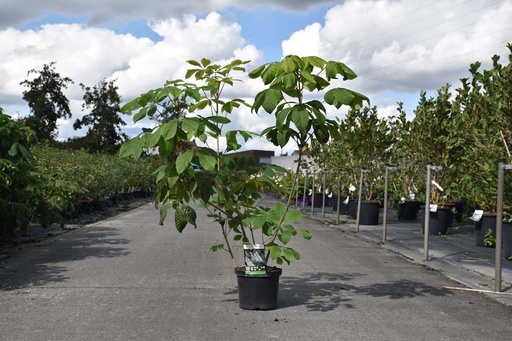
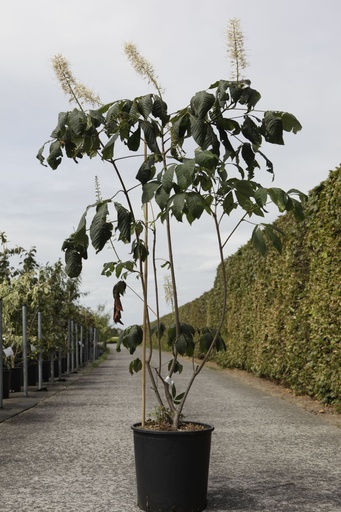
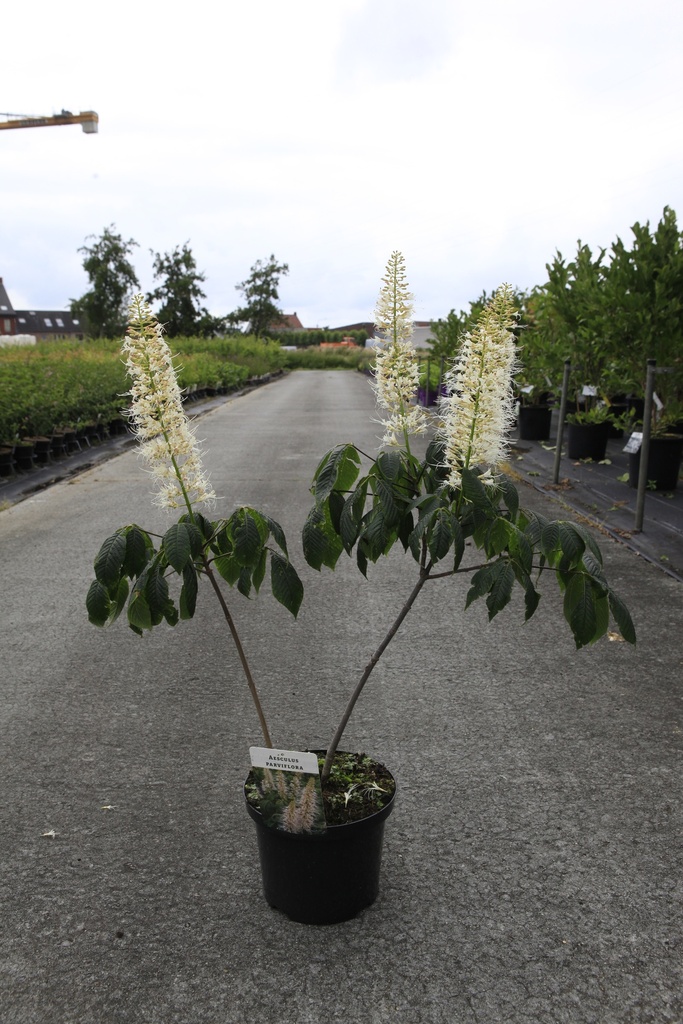
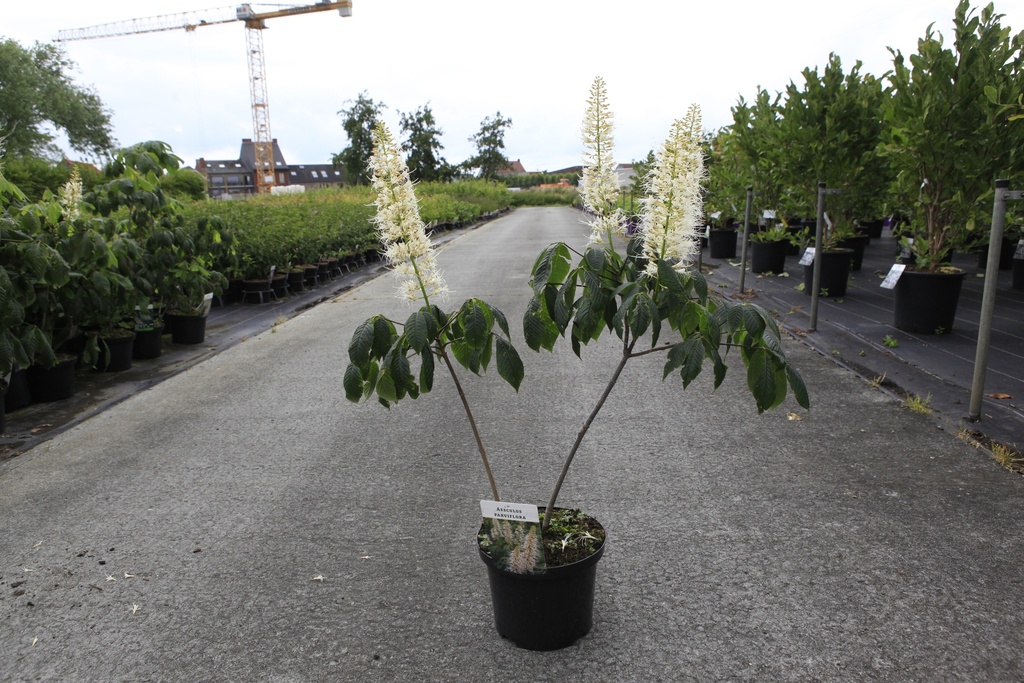
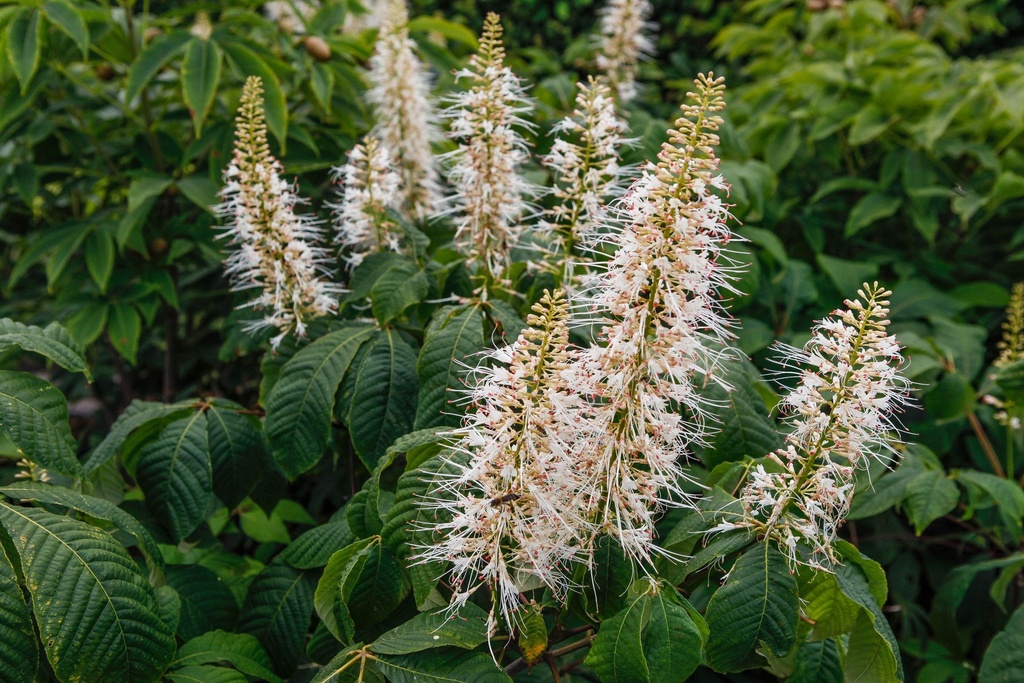
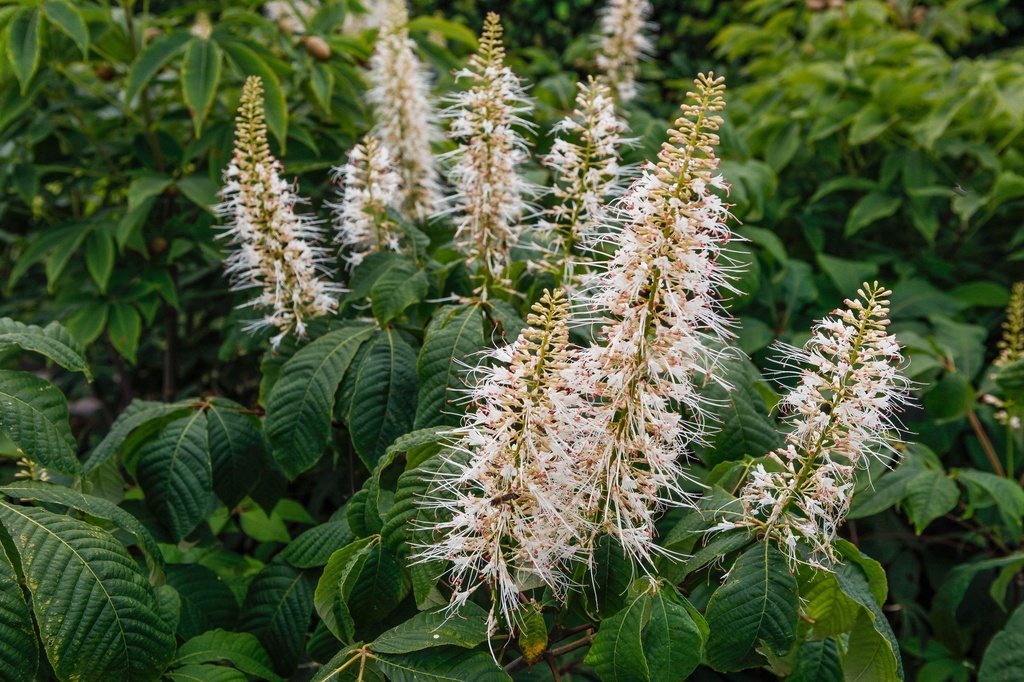
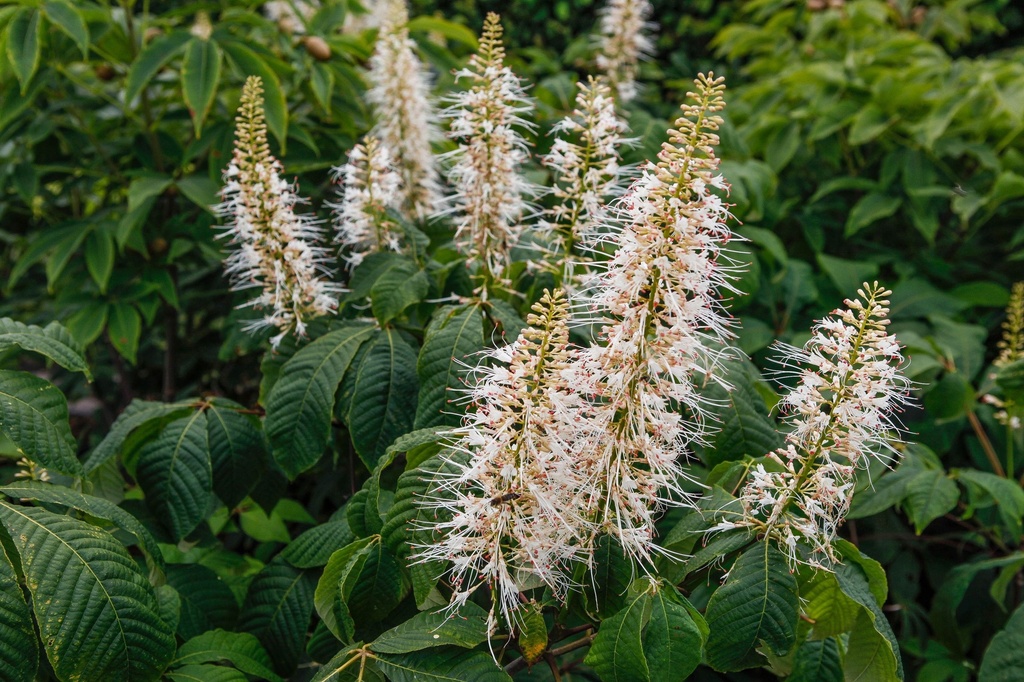
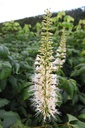
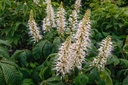
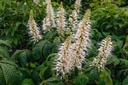
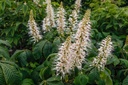
Over the years the bottlebrush buckeye spreads by suckers into a dense, rounded thicket 2.5 to 4 m tall and up to 8 m wide, so it needs plenty of space. Very hardy, it makes a striking centrepiece in a partly shaded garden with moist, humus-rich soil, where its plumes reach up to 20 cm long.
Aesculus
Horse chestnuts and buckeyes (Aesculus) are deciduous trees and shrubs from Europe, Asia and above all North America. They range from compact shrubs of about 2 m to stately park trees. Their hand-shaped leaves and upright candles of white, yellow, pink or red flowers in late spring or summer make them favourite ornamental and bee plants.
Aesculus parviflora
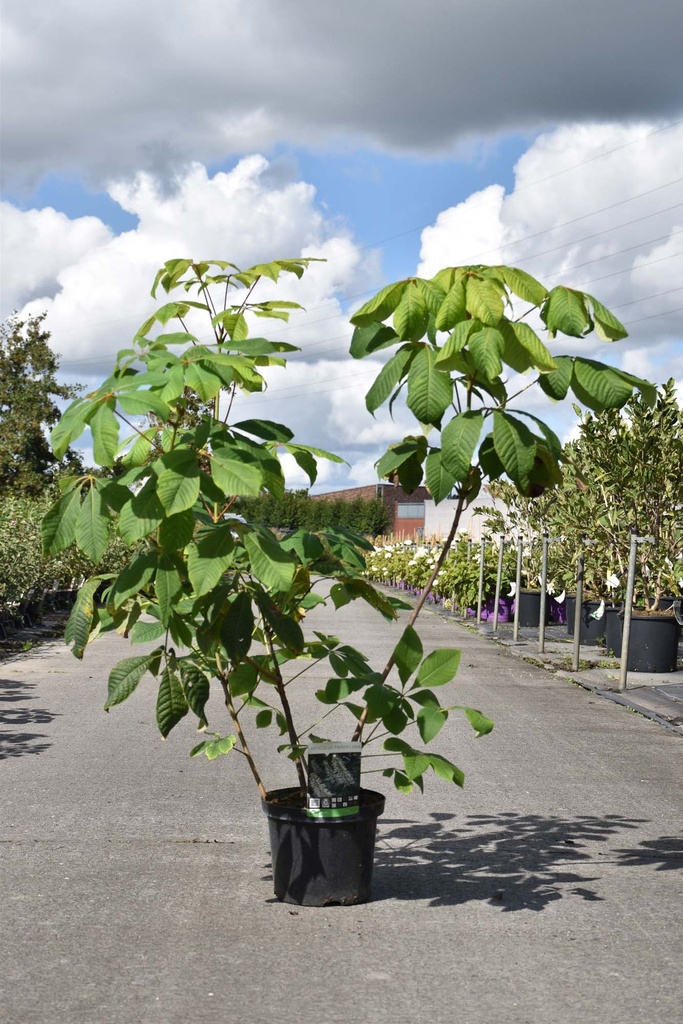
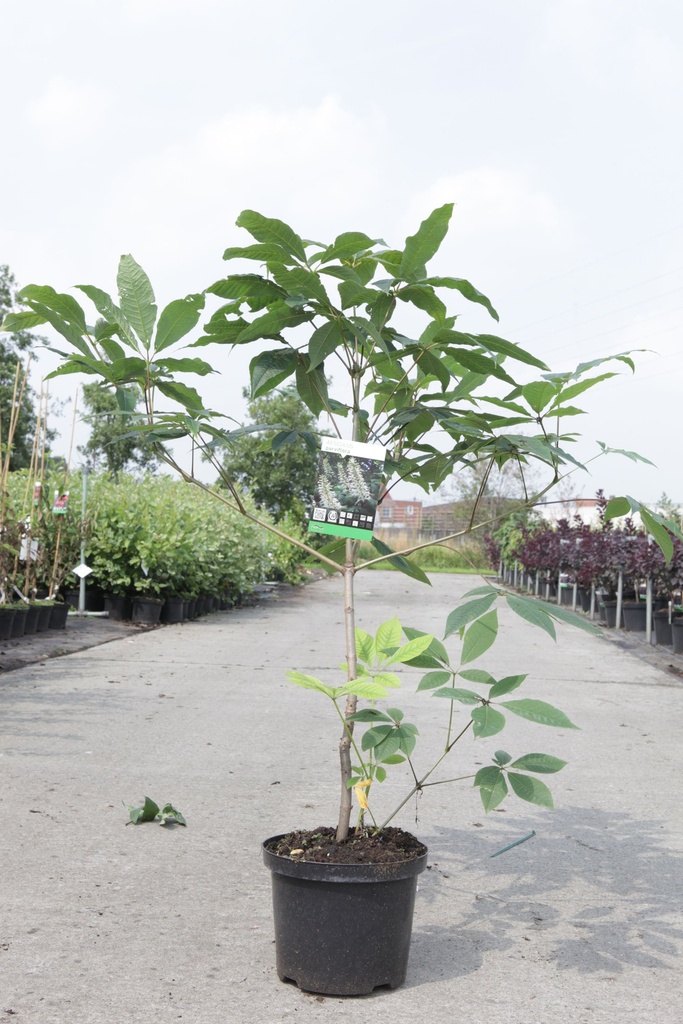
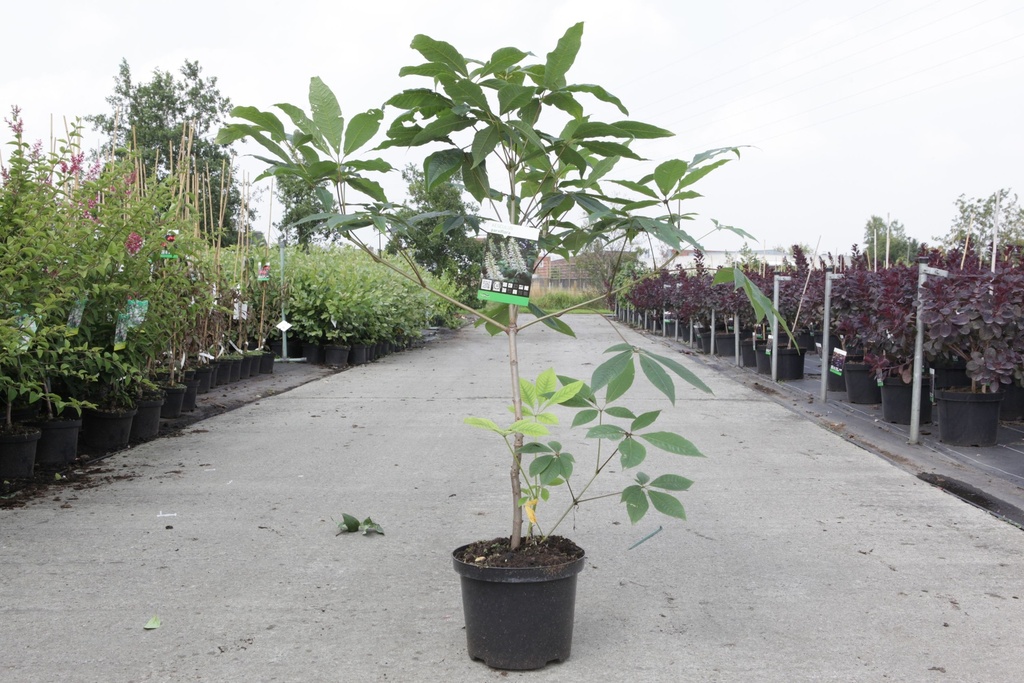
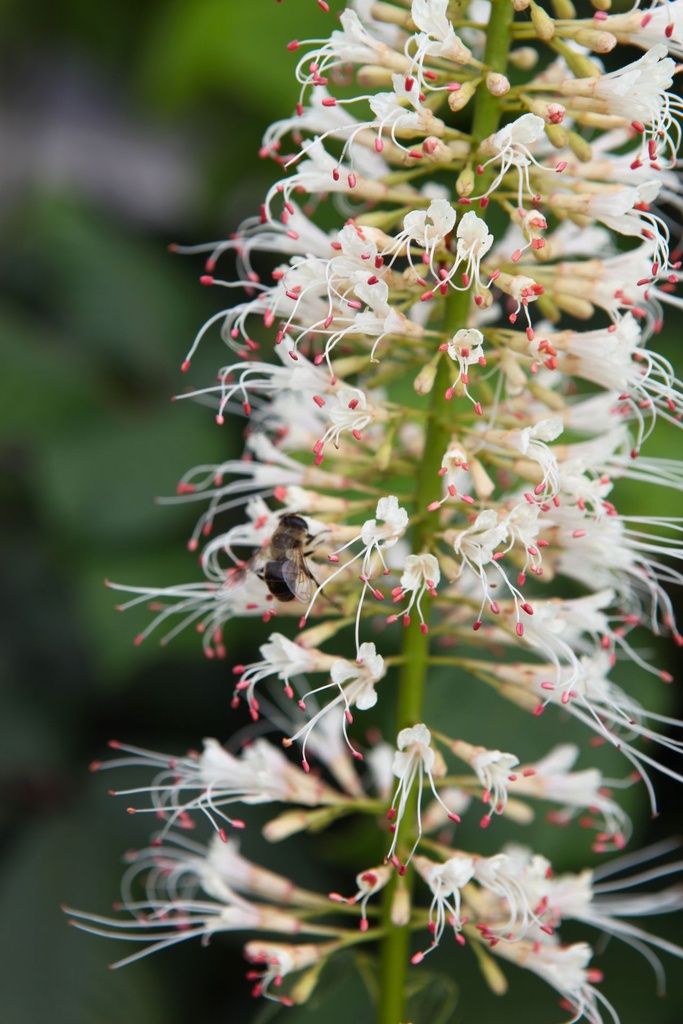
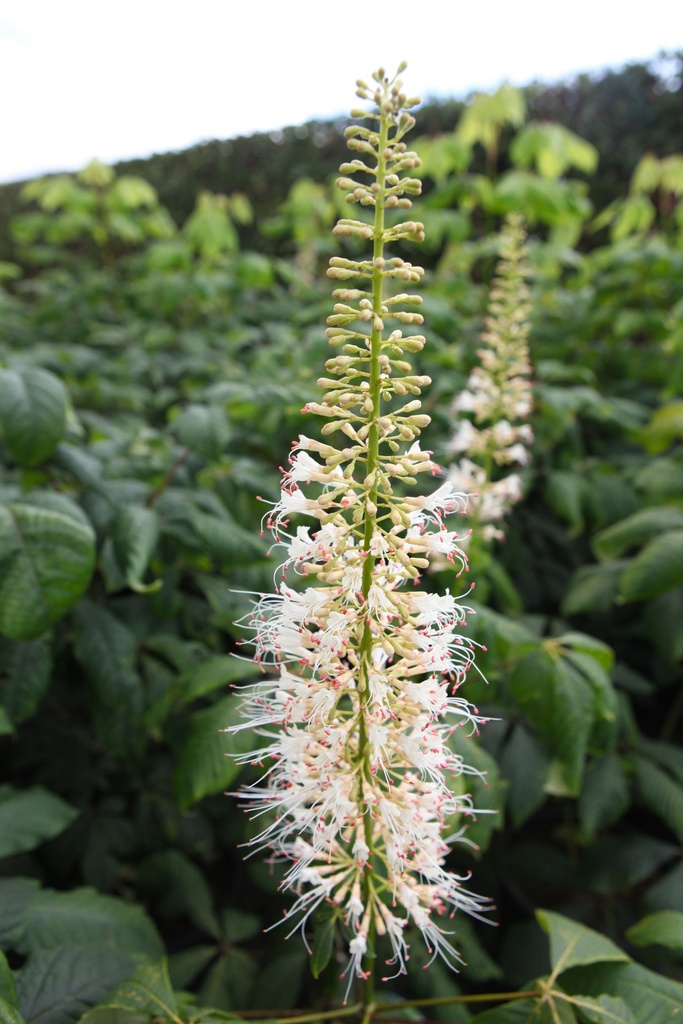
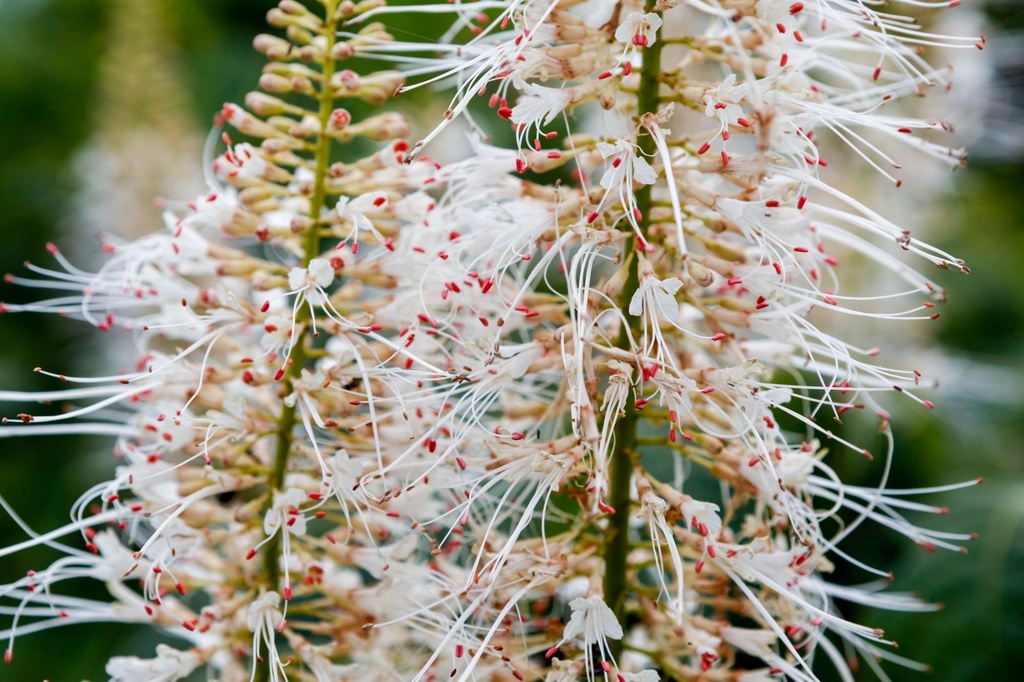
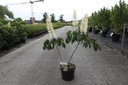
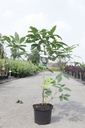
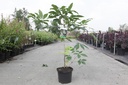
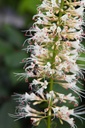
The bottlebrush buckeye (Aesculus parviflora) is a broad, multi-stemmed shrub from the woodlands of the south-eastern United States. Its leaves emerge bronze, turn dark green and become yellow in autumn. In July and August it bears long, upright plumes of white flowers with protruding stamens, the latest flowering of all horse chestnuts.
Stanoviště a půda
One of the few flowering shrubs that thrives in partial to full shade, though it also grows in sun. It prefers a rich, humus-rich soil that stays moist, but tolerates many soil types, including lime, and brief flooding. Very hardy. Allow plenty of room: it slowly spreads by suckers and becomes much wider than tall.
Řez a péče
Water well in the first years, as young plants dislike dry soil. Every year in February, remove a few of the oldest stems at ground level to keep the shrub young and vigorous, and take out unwanted suckers if it spreads too far. It grows slowly and has hardly any pest or disease problems.
Použití v zahradě
An excellent solitary shrub for a lawn or a shady corner, or planted in groups in borders, woodland edges and parks. The summer flowers attract bees and butterflies. The nuts are rarely formed in our climate and are toxic if eaten.
Vlastnosti rostliny
Botanické údaje
| Čeleď | Sapindaceae |
| Rod | Aesculus |
| Druh | parviflora |
Kvetení
| Doba květu | june až july |
| Barva (květ) | white |
Listy
| Stálezelený | no |
| Barva (listy) | green |
| Podzimní zbarvení | yellow |
Habitus
| Výška | 250 cm, 300 cm |
Stanoviště
| Mrazuvzdornost | zóna 5a (do -28,9 °C) |
| Letní horko | do zóny horka 9 |
| Typ půdy | acid, neutral |
| Typ půdy | acid, neutral |
| Stanoviště | sun, half shade |
| Vlhkost půdy | moist, normal |
Použití
| Typ (použití) | fruit/berries, solitary |
Péče
| Řez | february |