
|
J
|
F
|
M
|
A
|
M
|
J
|
J
|
A
|
S
|
O
|
N
|
D
|
|
J
|
F
|
M
|
A
|
M
|
J
|
J
|
A
|
S
|
O
|
N
|
D
|
About this plant
What makes this plant special
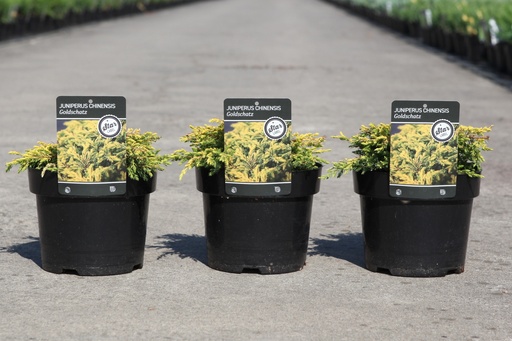
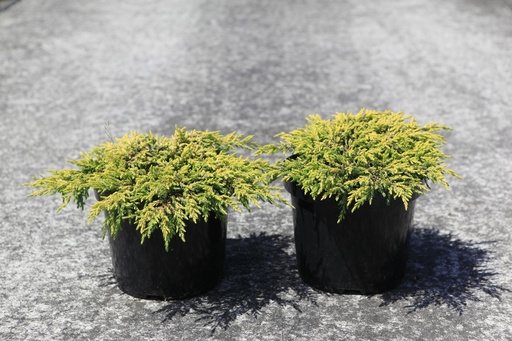
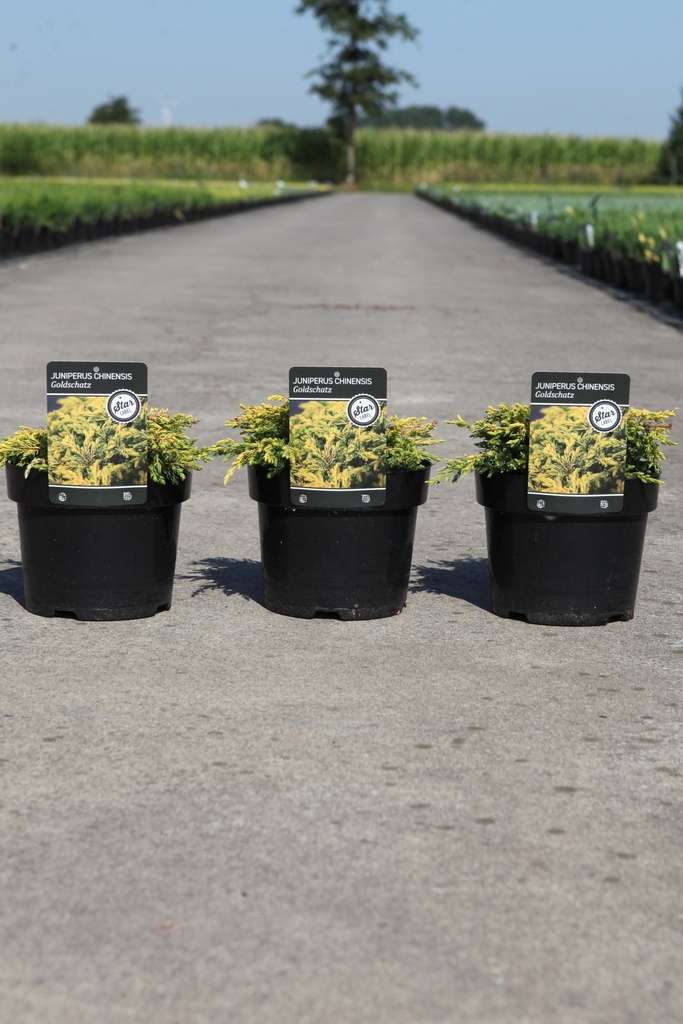
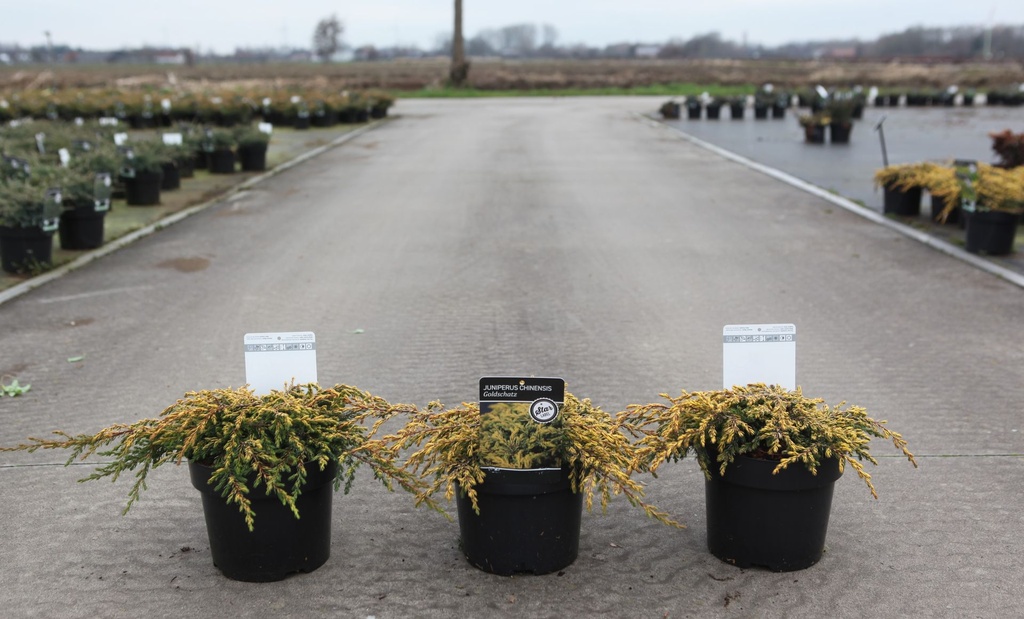
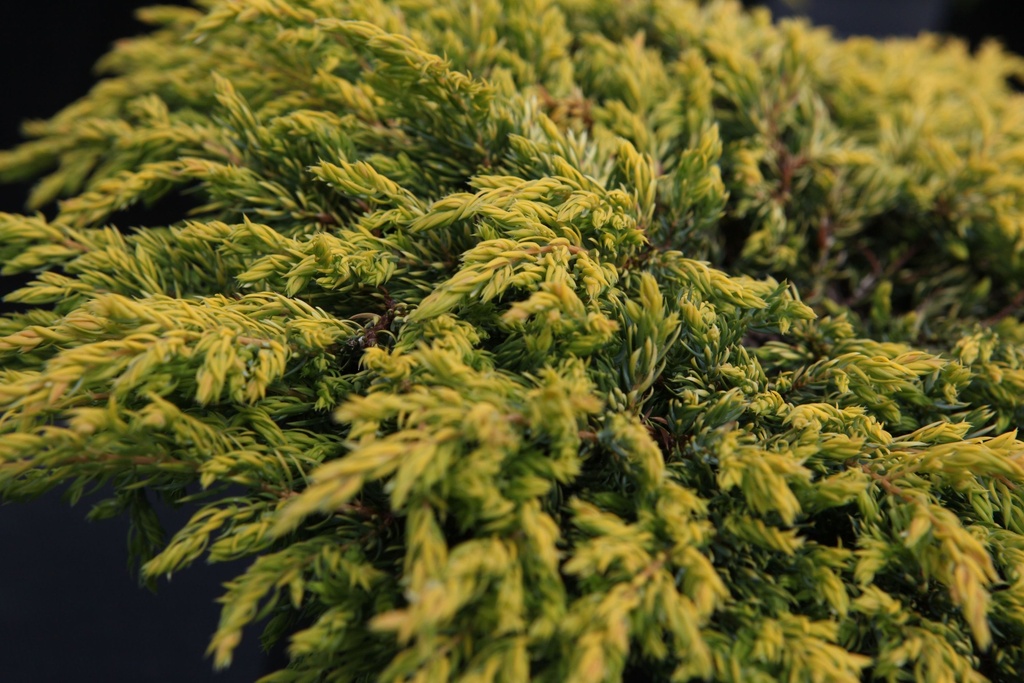
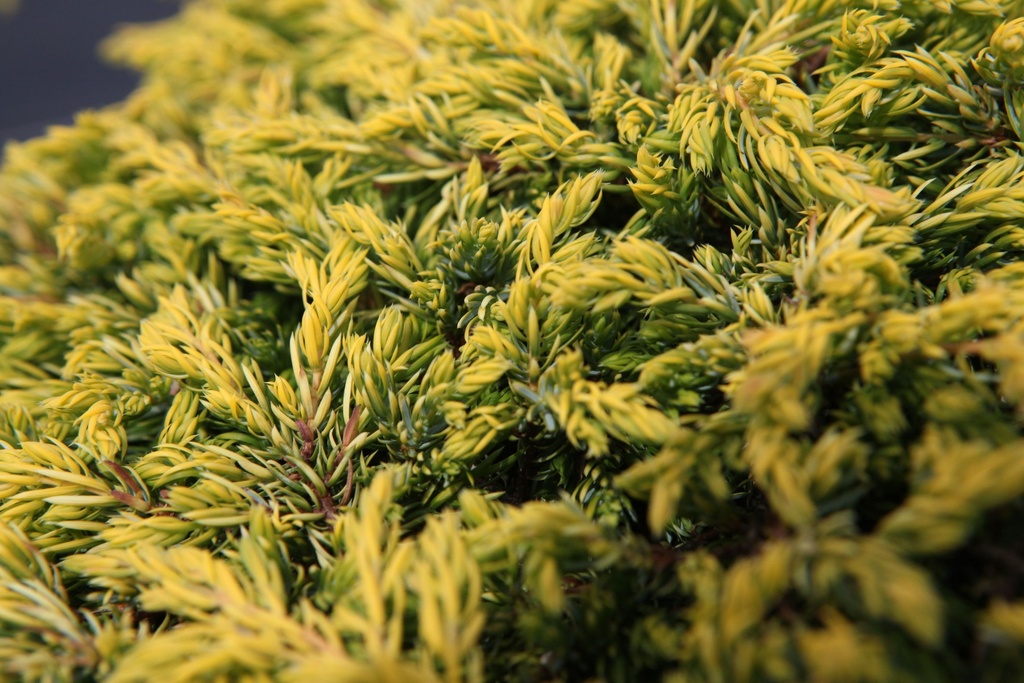
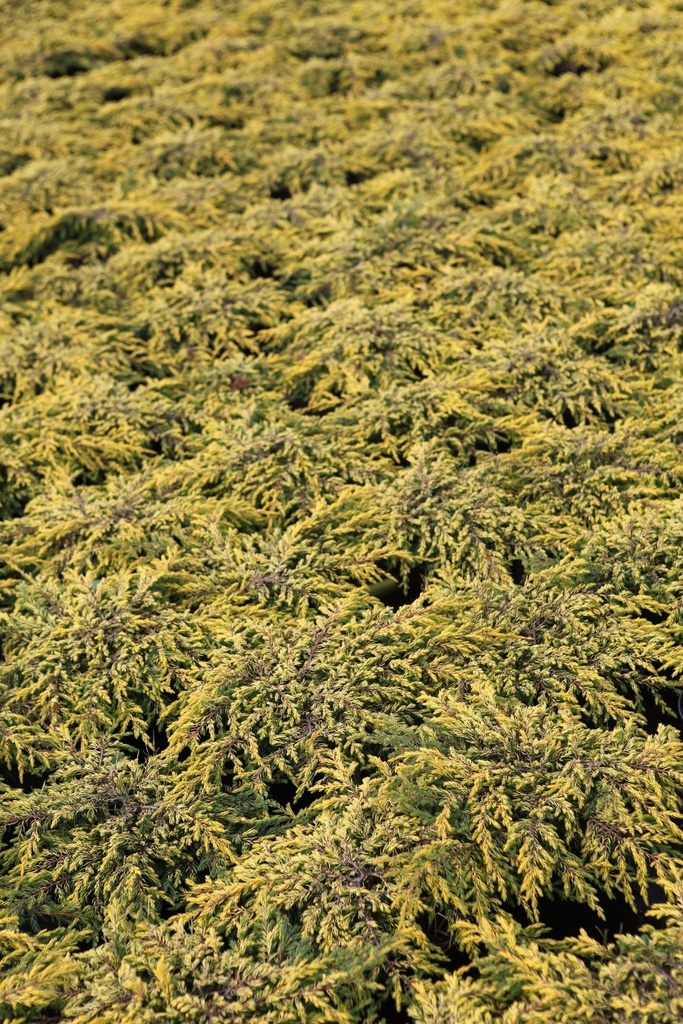
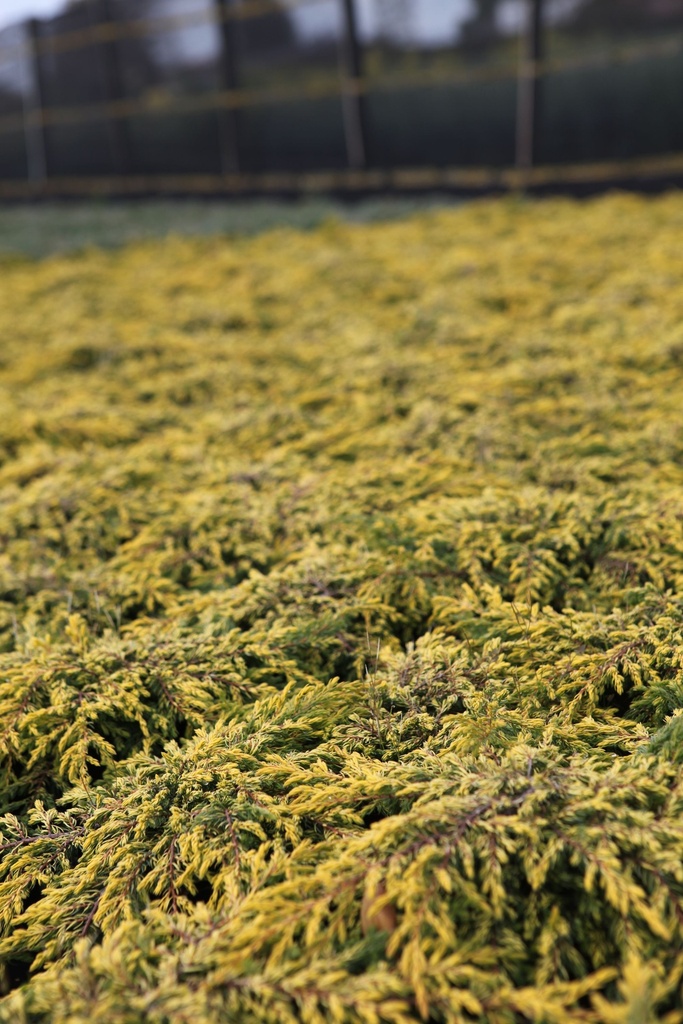
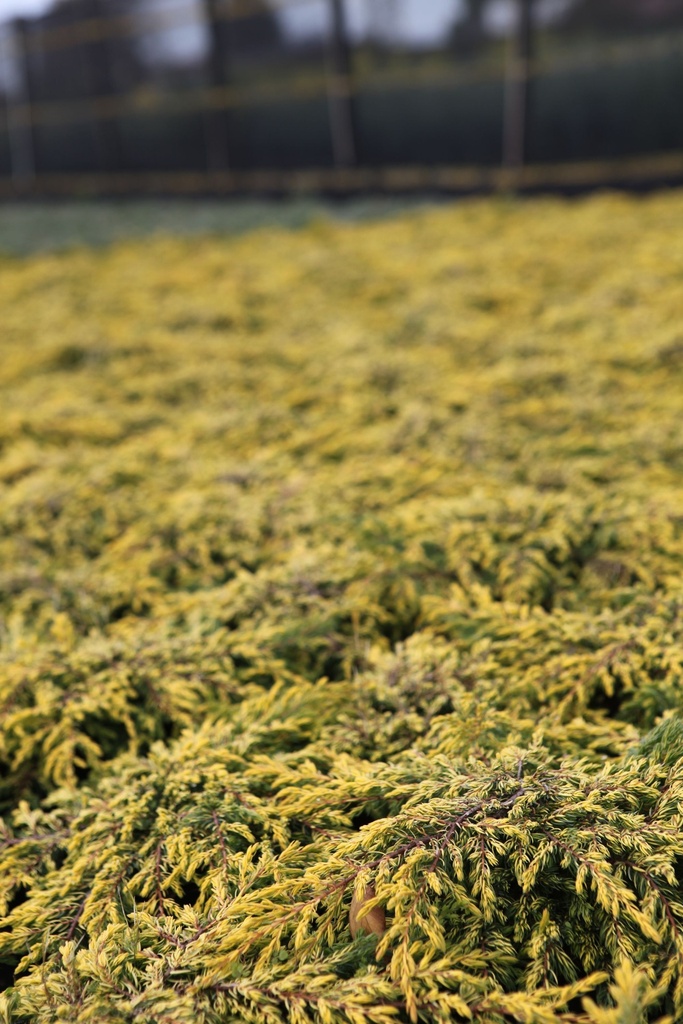
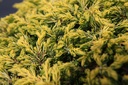
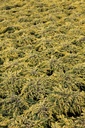
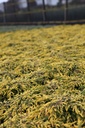
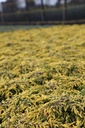
'Goldschatz' is a golden sport of 'Repanda', found in Bautzen, Germany, and introduced around 2000. Slower than its parent, it forms a flat carpet about 20 cm high and 1.5 m wide after ten years. The needles open orange-yellow in spring, then turn light yellow, and they do not scorch in full sun.
Juniper Juniperus
Junipers (Juniperus) are evergreen conifers of the cypress family, found across the northern hemisphere from mountains to coasts. The genus ranges from creeping ground covers to upright columns and small trees. The foliage consists of short needles, flat scales or both, and smells aromatic when crushed; female plants carry small, berry-like cones that ripen blue-black.
Juniperus communis
The common juniper (Juniperus communis) has one of the widest natural ranges of any conifer, from northern Europe across Asia to North America. It always bears short, pointed needles in whorls of three, often grey-green or silvery. In the wild it may be conical or spreading and reach about 6 m; the berry-like cones turn blue-black and flavour gin.
Location and soil
Sun or partial shade in almost any well-drained soil: chalky, neutral or slightly acid, poor or sandy. It handles drought once established but not waterlogging. The species is very hardy and copes with cold winters as well as hot summers. Its shallow roots make tall columnar forms sensitive to strong wind.
Pruning and care
Water during the first summer; afterwards the plant largely looks after itself. Pruning is not required. To keep a column narrow and dense, lightly trim the young shoot tips in June or July, never cutting into bare wood. Columnar forms can be tied loosely so that snow does not bend the stems apart.
Use in the garden
Its forms range from narrow columns to low, spreading carpets. Columnar types are ideal as vertical accents, in rows, in groups of three or in a loose hedge; low types cover banks, walls and large rock gardens. A natural choice for heathland-style plantings, gravel gardens and containers.
Plant characteristics
Botanical
| Family | Cupressaceae |
| Genus | Juniperus |
| Species | communis |
| Cultivar | 'Goldschatz' |
Foliage
| Evergreen | yes |
| Colour (foliage) | yellow, needles |
Growth habit
| Height | 20 cm, 50 cm |
Location
| Winter hardiness | zone 2a (down to -45,6 °C) |
| Summer heat | up to heat zone 6 |
| Soil type | kalkrijk |
| Location | sun, half shade |
| Soil moisture | dry, normal |
Use
| Type (use) | ground cover, conifer |
Care
| Pruning | april to may |