
|
G
|
F
|
M
|
A
|
M
|
G
|
L
|
A
|
S
|
O
|
N
|
D
|
|
G
|
F
|
M
|
A
|
M
|
G
|
L
|
A
|
S
|
O
|
N
|
D
|
|
G
|
F
|
M
|
A
|
M
|
G
|
L
|
A
|
S
|
O
|
N
|
D
|
Informazioni su questa pianta
Cosa rende speciale questa pianta
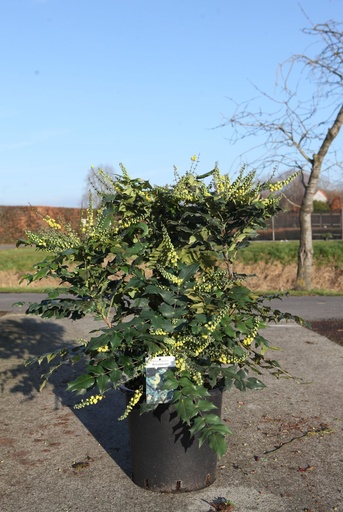
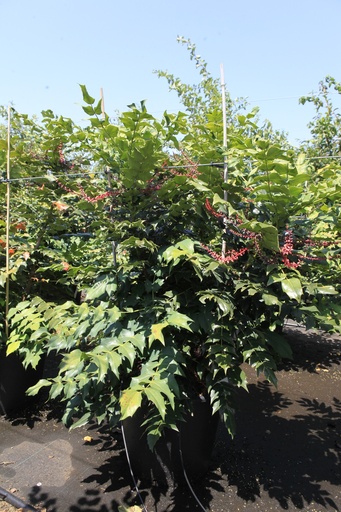
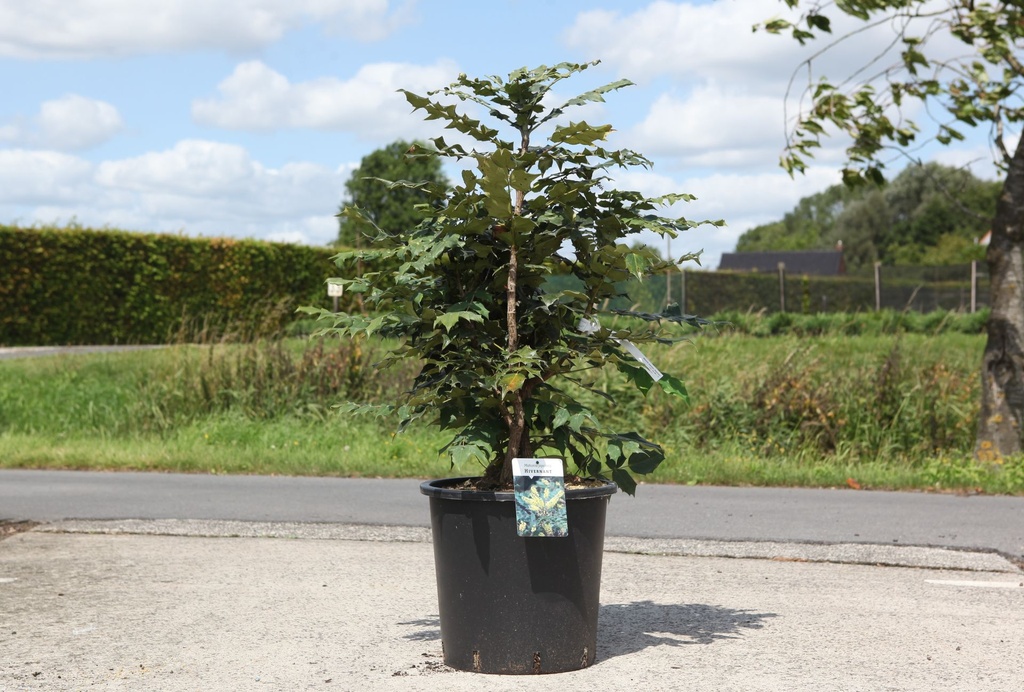
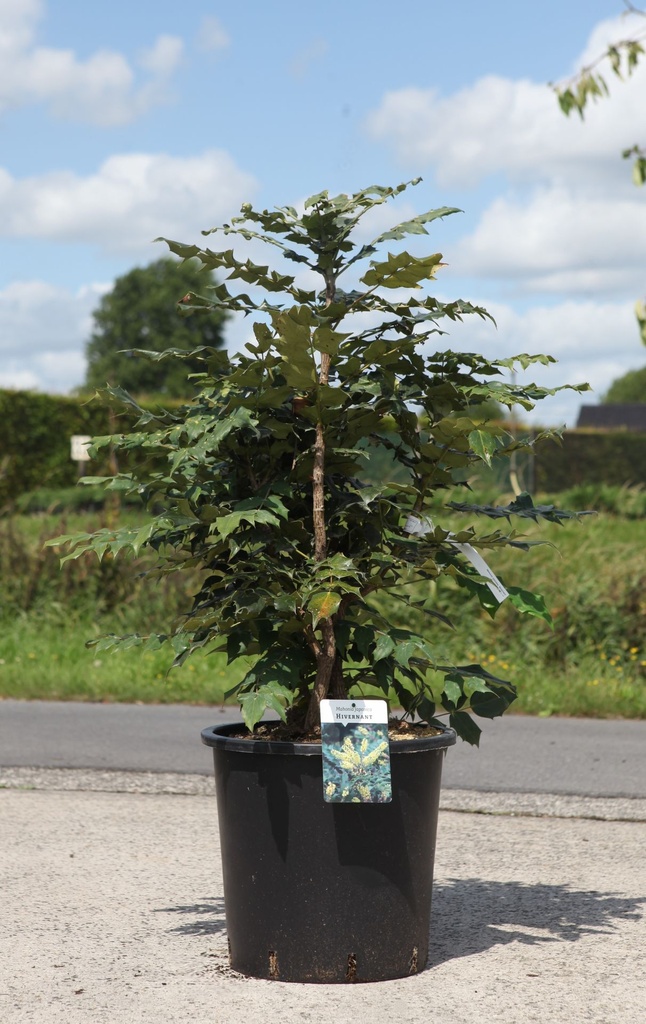
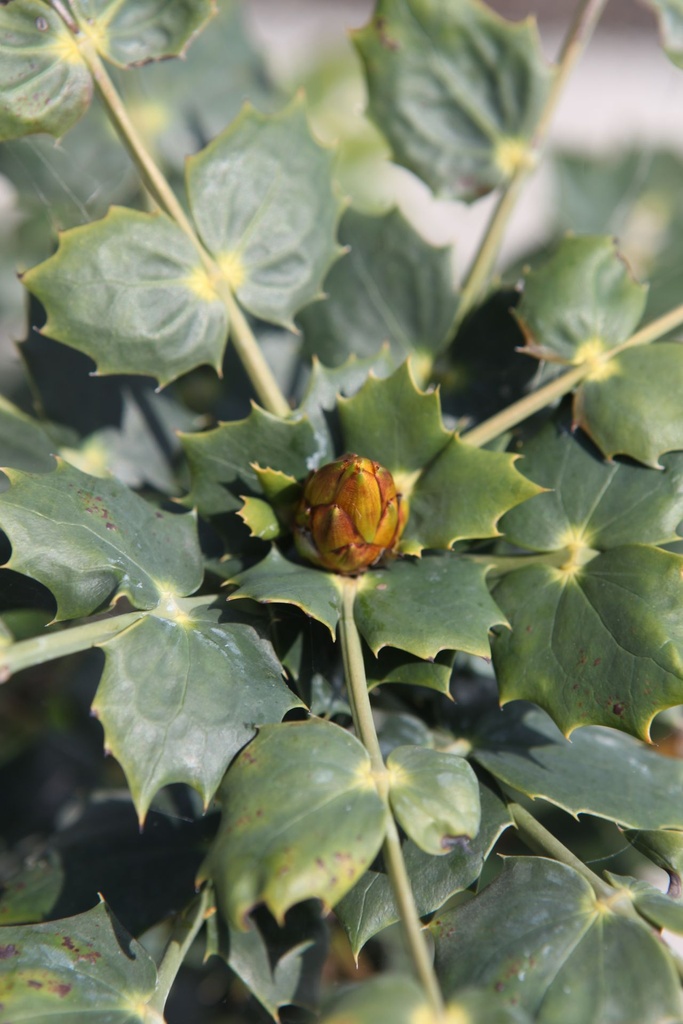
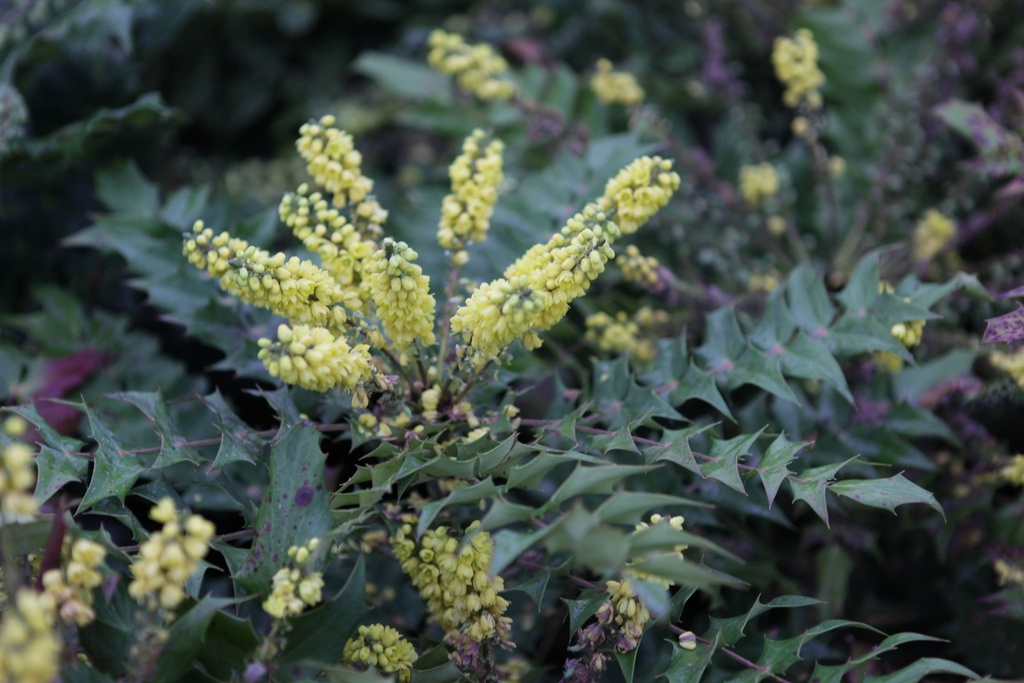
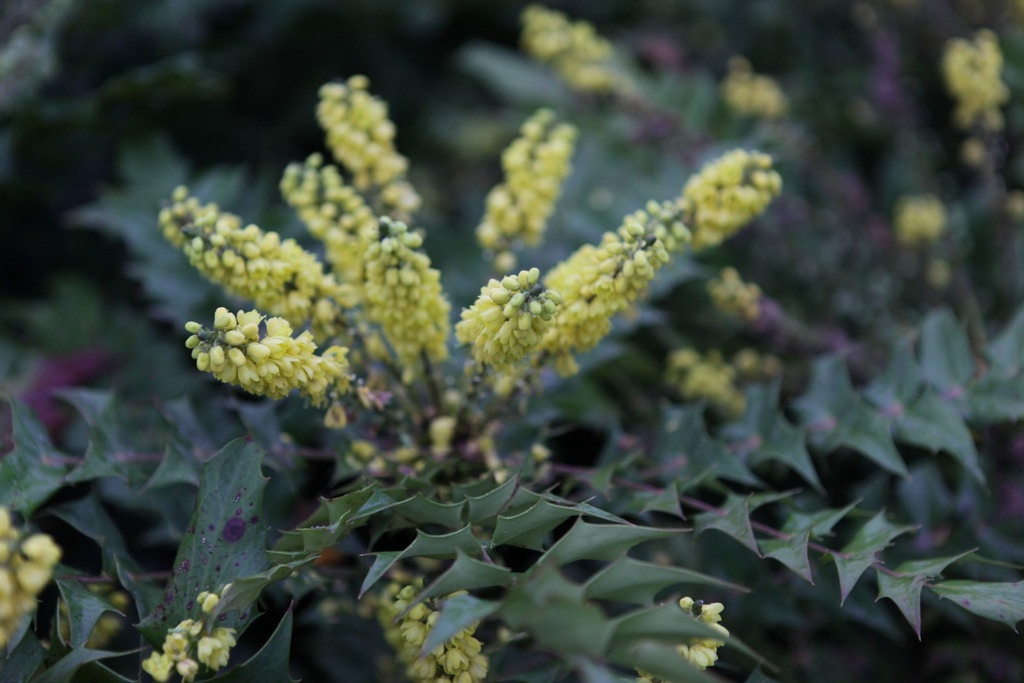
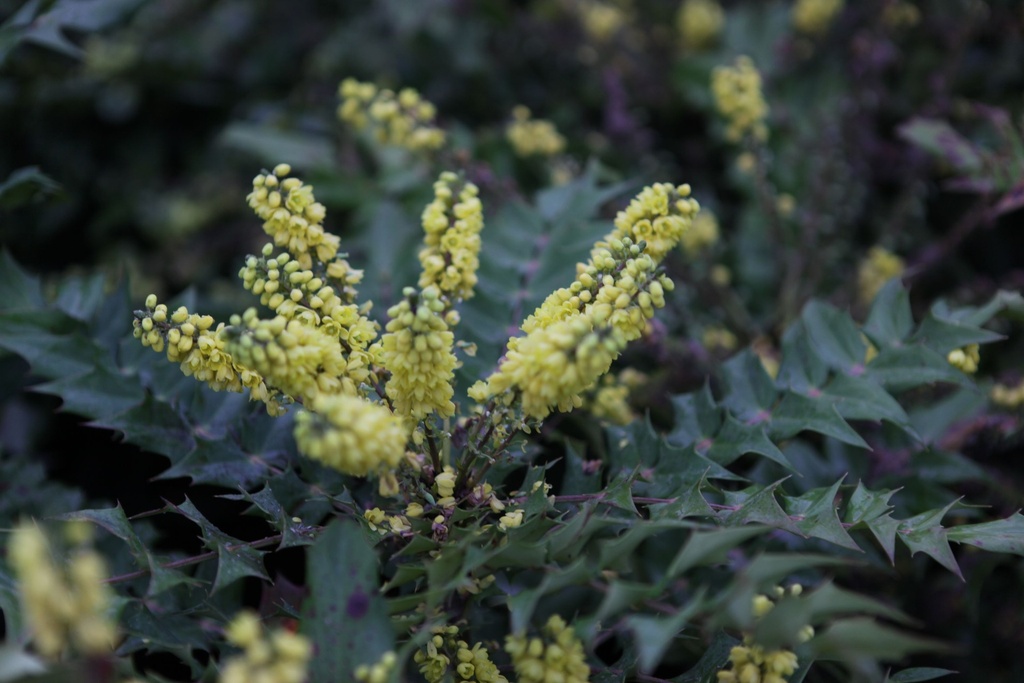
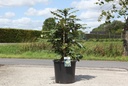
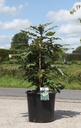
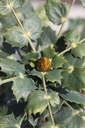
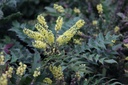
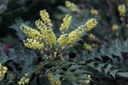
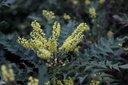
'Hivernant' reaches about 1.5 m in both height and width, with upright, sparsely branched stems and leaves up to 50 cm long, dark green with yellowish veins. Its winter racemes, 15 to 25 cm long, are pale yellow with a plum-coloured base, and in autumn part of the foliage turns orange-red. It tolerates coastal wind and some air pollution.
Mahonia
Mahonias (Mahonia) are evergreen shrubs, some 70 species from North America and Asia, closely related to barberries. They are grown for their leathery, pinnate leaves, often spiny like holly, and for their scented yellow flower clusters between autumn and early spring, which feed bees when little else is in flower. Blue-black berries follow.
Mahonia japonica
Despite its name, Japanese mahonia comes from China and was long cultivated in Japan. It is a slow-growing, upright shrub of about 1.5 to 2 m with whorls of large, leathery, spiny leaves. From December to March it carries long, spreading sprays of pale yellow flowers with a strong lily-of-the-valley scent, followed by blue-purple berries.
Esposizione e terreno
Thrives in partial or full shade, out of hot midday sun, in a cool, humus-rich and well-drained soil that is neutral to slightly acid. Hardy in Belgium, it copes with some drought once established and tolerates polluted air, but dislikes waterlogged ground. In deep shade it flowers less freely.
Potatura e cura
Needs little pruning. After flowering, in April or May, tidy the plant lightly and remove shoots that spoil its shape; older plants that have become too wide can be rejuvenated with a harder cut at the same time. Do not let the soil dry out completely, as stressed plants are prone to powdery mildew.
Utilizzo in giardino
Use it in shrub borders, groups, informal hedges and woodland plantings, as a specimen or in a large pot, to brighten shady corners in winter. The flowers draw bees early in the year and birds take the berries. Stems cut while the flower buds are just turning yellow last a long time in a vase.
Caratteristiche della pianta
Dati botanici
| Famiglia | Berberidaceae |
| Genere | Mahonia |
| Specie | japonica |
| Cultivar | 'Hivernant' |
Fioritura
| Periodo di fioritura | january – March |
| Colore (fiore) | yellow |
Fogliame
| Sempreverde | yes |
| Colore (fogliame) | green |
Portamento
| Altezza | 150 cm |
Posizione
| Rusticità | zona 7b (fino a -15,0 °C) |
| Caldo estivo | fino alla zona di calore 8 |
| Tipo di terreno | neutral |
| Esposizione | sun, half shade |
| Umidità del terreno | normal |
Utilizzo
| Tipo (uso) | shrub, solitary, in group |
Cura
| Potatura | april – may |