



|
s
|
l
|
m
|
k
|
m
|
c
|
l
|
s
|
w
|
p
|
l
|
g
|
|
s
|
l
|
m
|
k
|
m
|
c
|
l
|
s
|
w
|
p
|
l
|
g
|
O tej roślinie
Co wyróżnia tę roślinę
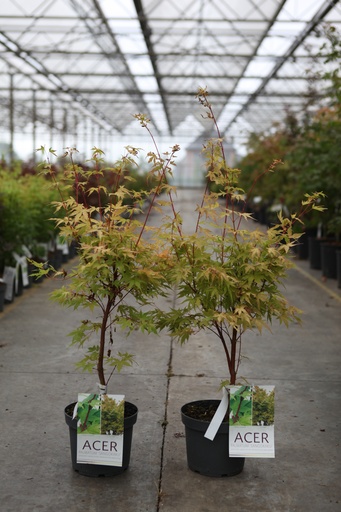
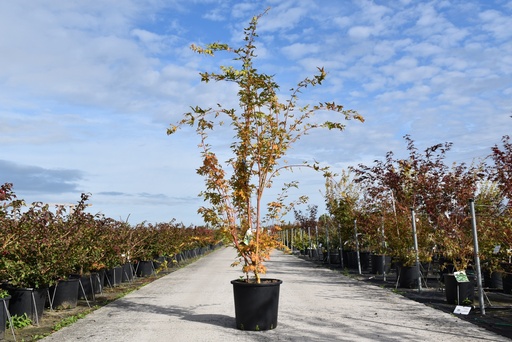
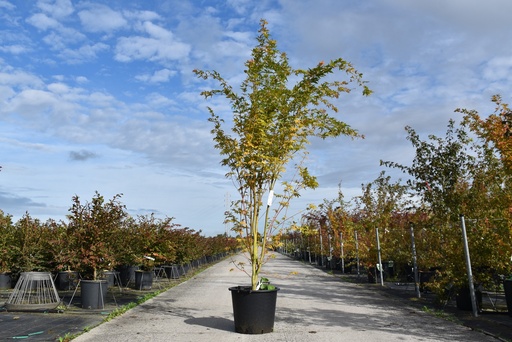
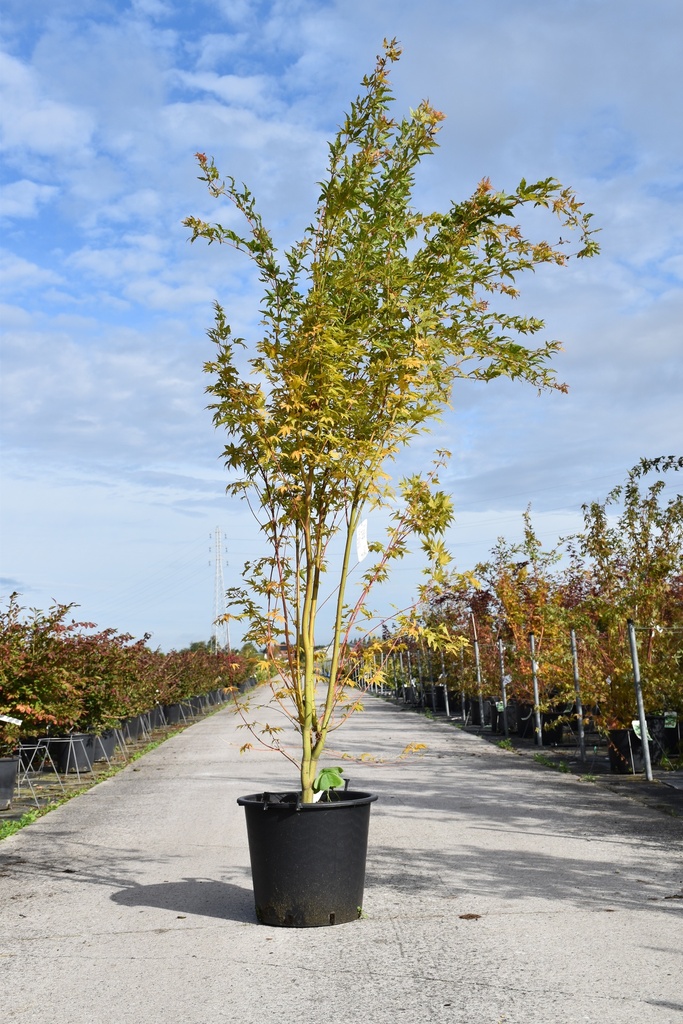
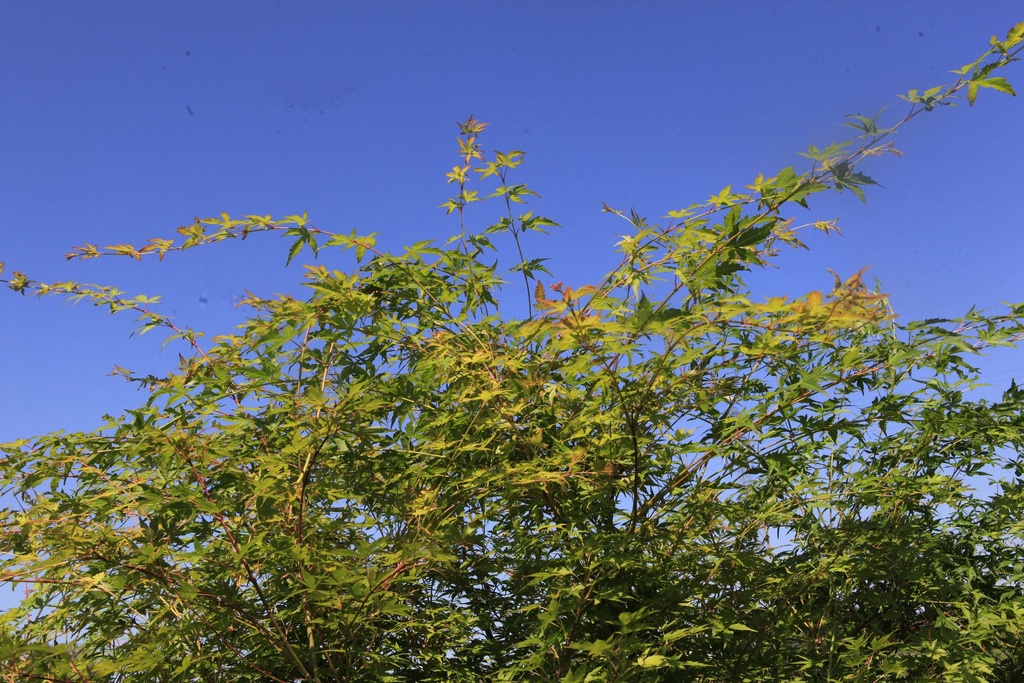
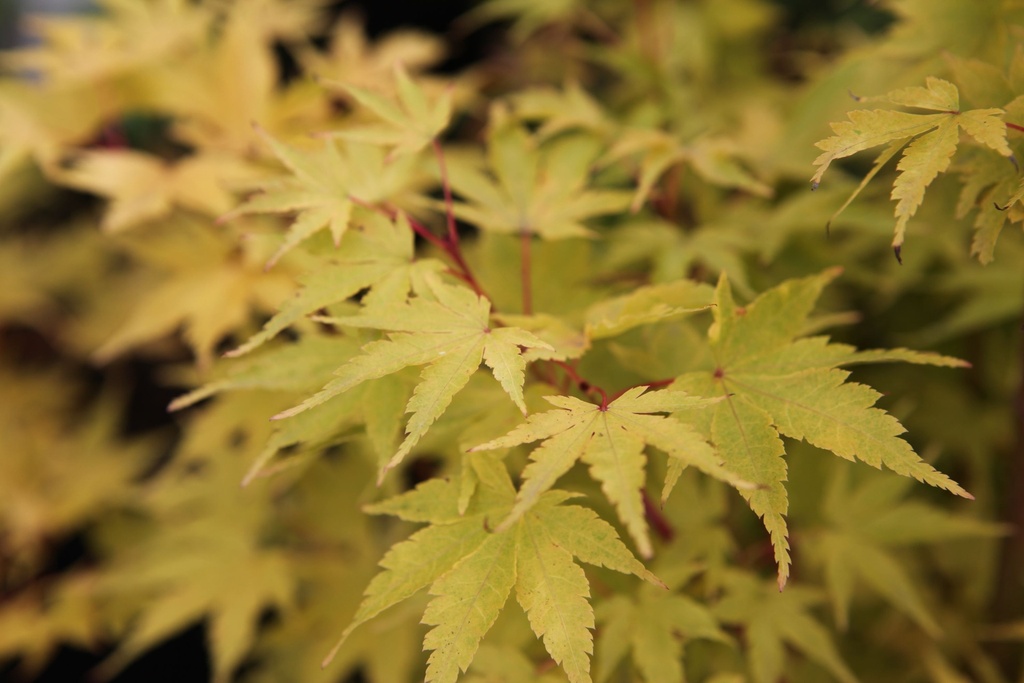
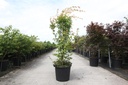
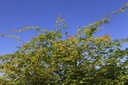
'Sangokaku' (syn. 'Senkaki') lights up the winter garden with young shoots in a vivid coral red. Its leaves open green tinged with yellow and pink, turn green in summer and pass through red, pink and orange to golden yellow in autumn. Dense and taller than wide, it reaches about 3 m by 1.75 m.
Acer
Maples (Acer) form a large genus of trees and shrubs, nearly all from the northern hemisphere and many from China. They range from small multi-stemmed trees to large shade trees. Their opposite, usually lobed leaves, colourful young growth, winged fruits and above all their fiery autumn colours make them garden classics.
Acer palmatum
The Japanese maple, native to Japan, Korea and eastern China, is a slow-growing large shrub or small tree with a broad, rounded crown. The palmate leaves have five to nine pointed, toothed lobes and turn orange-red to scarlet in autumn. Hundreds of garden forms exist, differing in habit, leaf shape and colour.
Stanowisko i gleba
Prefers a sheltered spot in partial shade, out of cold, drying winds; sun is tolerated if the soil stays moist. Needs humus-rich, moist, well-drained soil, ideally acidic to neutral. Hardy in Belgium, but heat and drought can scorch the leaves.
Przycinanie i pielęgnacja
Needs no pruning: let it keep its natural shape and at most remove dead wood. Mulch, water during dry spells and work in organic matter every few years. Watch for scale insects and verticillium wilt.
Zastosowanie w ogrodzie
A classic specimen for a lawn, a shade garden or a border with rhododendrons, azaleas, pieris and heathers. Many forms grow well in pots on a terrace, and the species is a favourite for bonsai.
Cechy rośliny
Dane botaniczne
| Rodzina | Sapindaceae |
| Rodzaj | Acer |
| Gatunek | palmatum |
| Odmiana | 'Sangokaku' |
Liście
| Zimozielony | no |
| Kolor (liście) | green, red |
| Barwa jesienna | yellow, orange, red |
Pokrój
| Wysokość | 600 cm, 400 cm |
| Pień/gałęzie | conspicuous |
Stanowisko
| Mrozoodporność | strefa 5a (do -28,9 °C) |
| Upały letnie | do strefy upałów 8 |
| Rodzaj gleby | acid |
| Stanowisko | half shade |
| Odporny na wiatr | sheltered |
| Wilgotność gleby | moist, normal |
Zastosowanie
| Typ (zastosowanie) | shrub, multistem, solitary |
Pielęgnacja
| Cięcie | october – december |