
|
s
|
l
|
m
|
k
|
m
|
c
|
l
|
s
|
w
|
p
|
l
|
g
|
|
s
|
l
|
m
|
k
|
m
|
c
|
l
|
s
|
w
|
p
|
l
|
g
|
|
s
|
l
|
m
|
k
|
m
|
c
|
l
|
s
|
w
|
p
|
l
|
g
|
O tej roślinie
Kolkwitzia
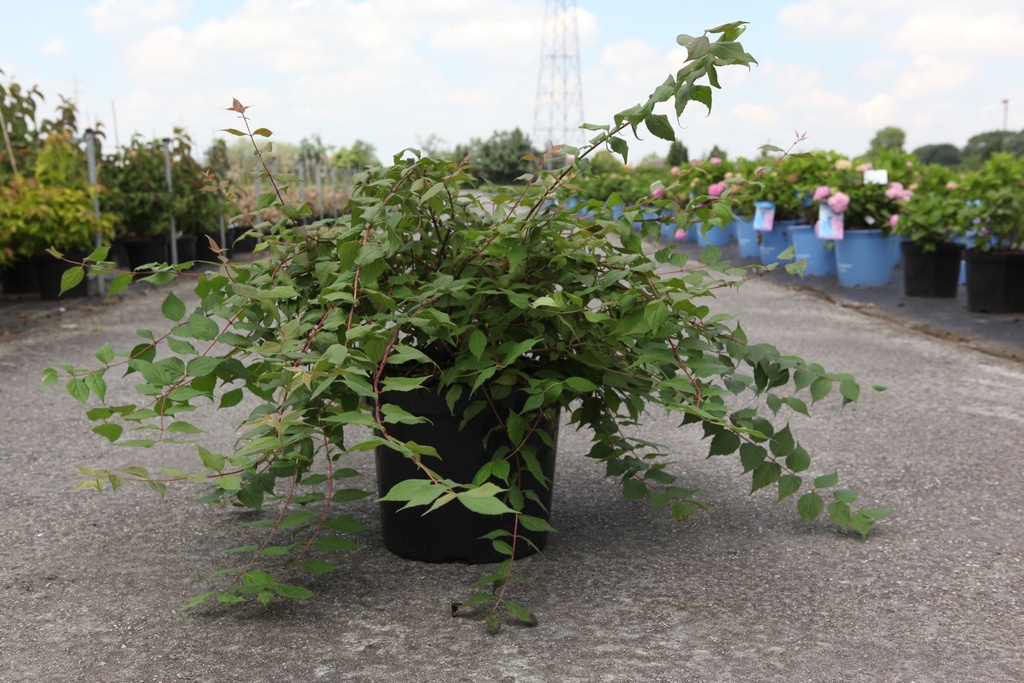
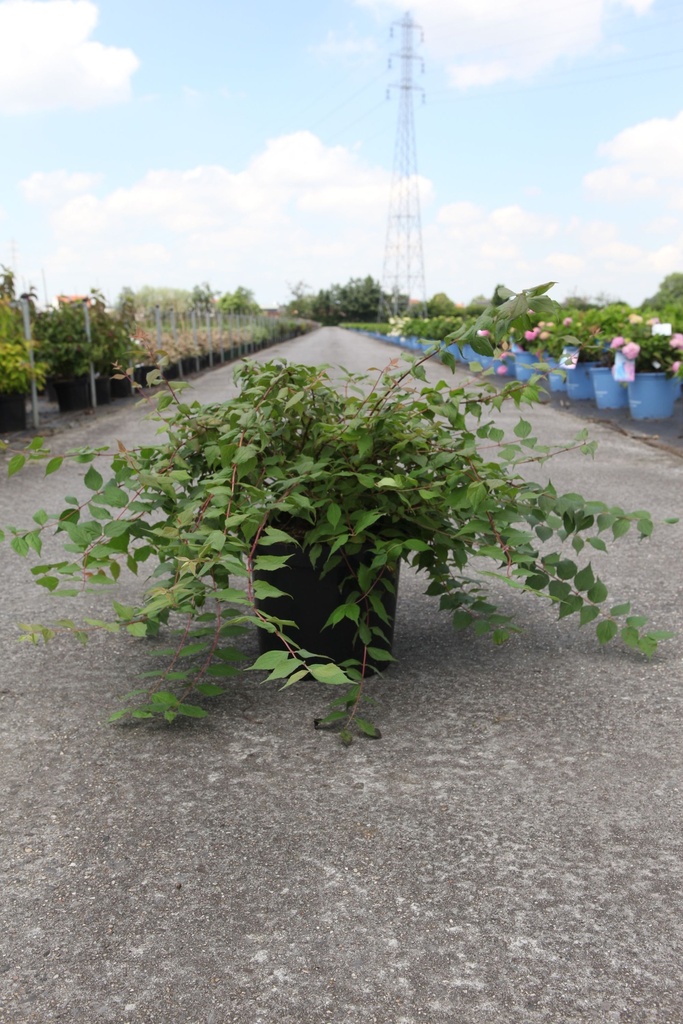
Beauty bush (Kolkwitzia) is a genus with a single species, a deciduous flowering shrub from the mountains of central China, related to Weigela, Abelia and honeysuckle. It is loved for the mass of small, bell-shaped pink flowers that cover its arching branches in late spring. Older stems have attractive peeling, cream to brown bark.
Kolkwitzia amabilis
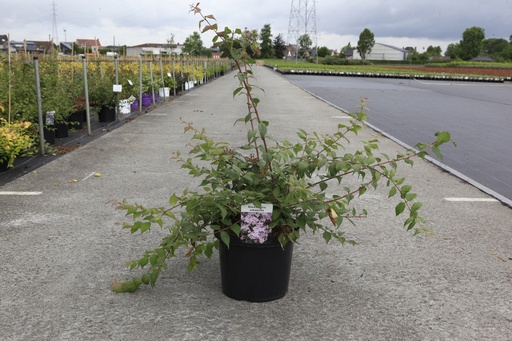
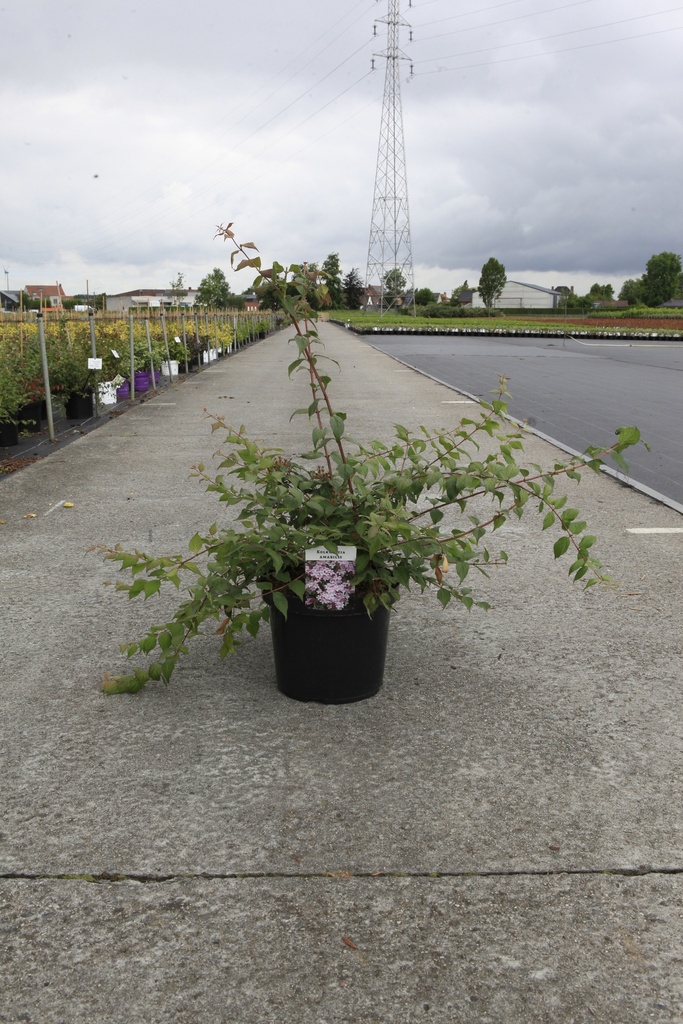
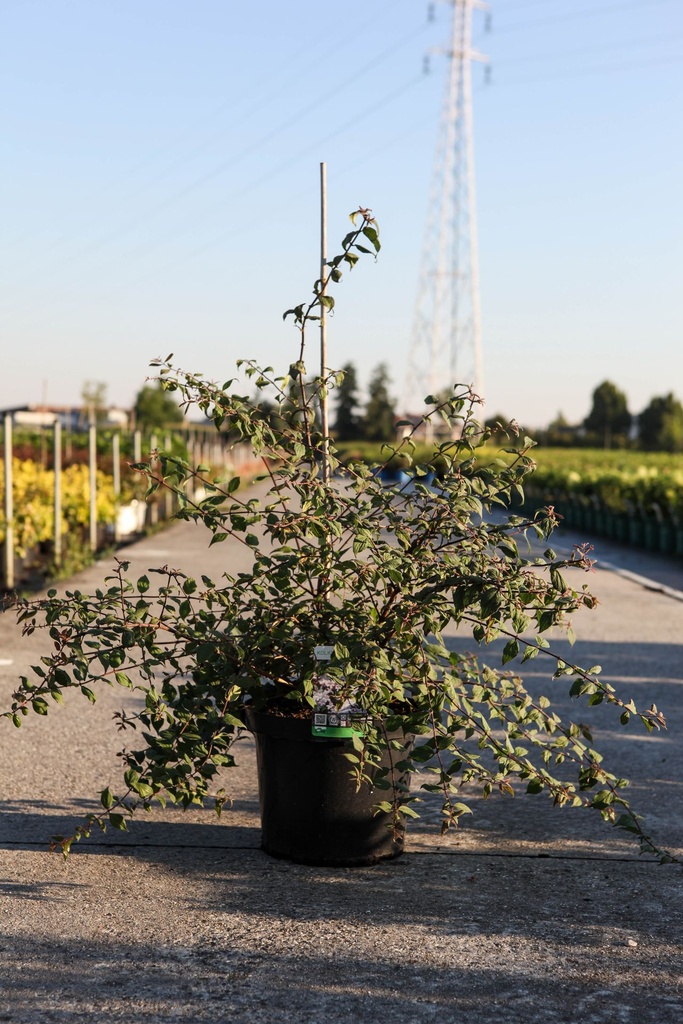
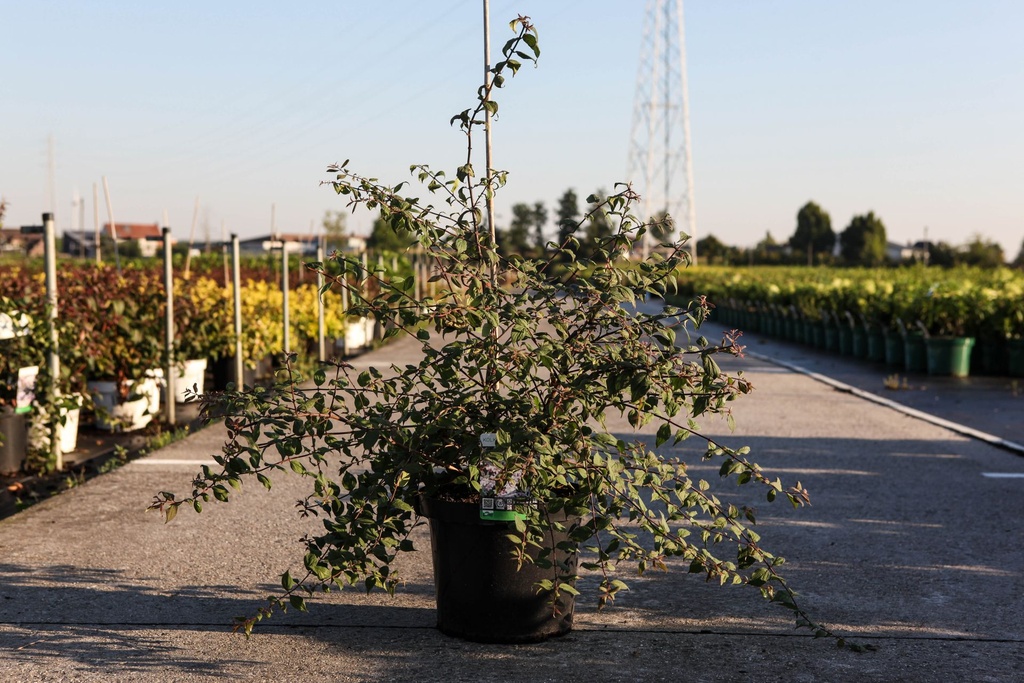
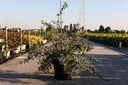
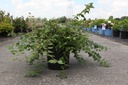
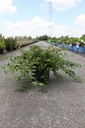
Beauty bush (Kolkwitzia amabilis) grows fast into a shrub of around 2 to 3 m, sometimes more, with stems that first grow upright and then arch gracefully under the weight of the flowers. The small, pointed, velvety leaves sometimes colour purple and gold in autumn. In May and June, clusters of pale to deeper pink bells with a yellow-speckled throat appear, lightly scented on warm days, followed by small bristly fruits.
Stanowisko i gleba
Best in full sun, where it flowers most abundantly; light shade is tolerated. Undemanding about soil as long as it drains well, chalky and dry soils included, and fairly drought tolerant once established. Extremely hardy, it comes through even severe Belgian winters without protection. Allow plenty of room, as it spreads about as wide as it is tall.
Przycinanie i pielęgnacja
Water generously in the first summer to encourage deep rooting. If pruning is needed, do it straight after flowering, in July: remove a few of the oldest stems at ground level and cut back shoots that spoil the shape, so that new flowering wood forms for the following spring. Remove dead wood in autumn, before the leaves fall, when it is easy to tell apart.
Zastosowanie w ogrodzie
Ideal as a specimen shrub where its arching habit can develop freely, at the back of a mixed border, or in an informal flowering hedge. It combines well with blue-flowering shrubs and late-spring perennials, and its flowers are visited by bees and butterflies.
Cechy rośliny
Dane botaniczne
| Rodzina | Caprifoliaceae |
| Rodzaj | Kolkwitzia |
| Gatunek | amabilis |
Kwitnienie
| Okres kwitnienia | june – august |
| Kolor (kwiat) | white, pink |
Liście
| Zimozielony | no |
| Kolor (liście) | green |
Pokrój
| Wysokość | 150 cm |
Stanowisko
| Mrozoodporność | strefa 5a (do -28,9 °C) |
| Upały letnie | do strefy upałów 9 |
| Stanowisko | sun, half shade |
| Wilgotność gleby | normal |
Zastosowanie
| Typ (zastosowanie) | shrub, solitary, in group |
Pielęgnacja
| Cięcie | july |