
|
s
|
l
|
m
|
k
|
m
|
c
|
l
|
s
|
w
|
p
|
l
|
g
|
|
s
|
l
|
m
|
k
|
m
|
c
|
l
|
s
|
w
|
p
|
l
|
g
|
|
s
|
l
|
m
|
k
|
m
|
c
|
l
|
s
|
w
|
p
|
l
|
g
|
O tej roślinie
Mespilus
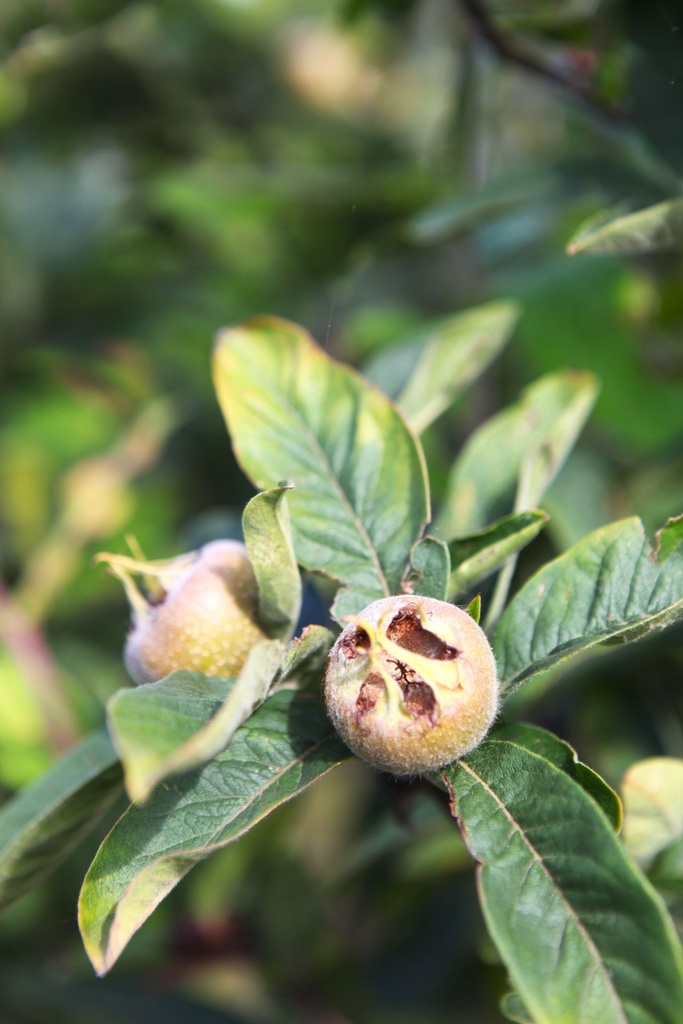
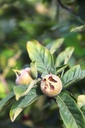
Medlars (Mespilus) are deciduous small trees and large shrubs from south-eastern Europe and western Asia that have long been naturalised throughout Europe. Their twisted, sometimes thorny branches bear large white flowers in spring, followed by brown, crown-topped fruits that only become edible after frost, making them a characterful fruit tree for natural gardens.
Mespilus germanica
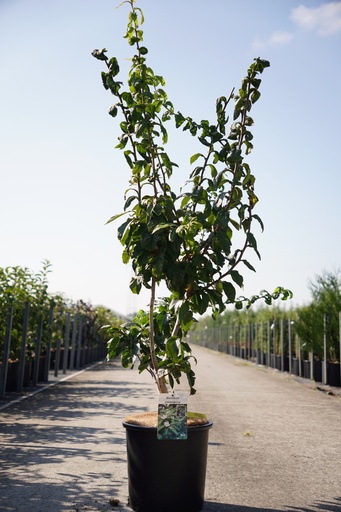
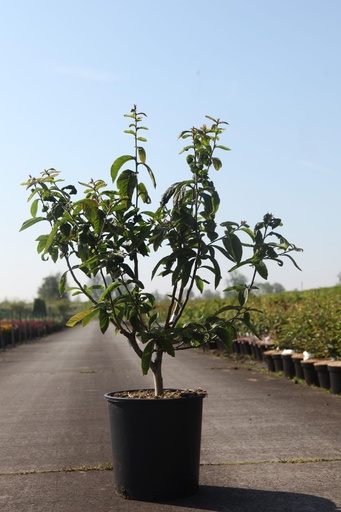
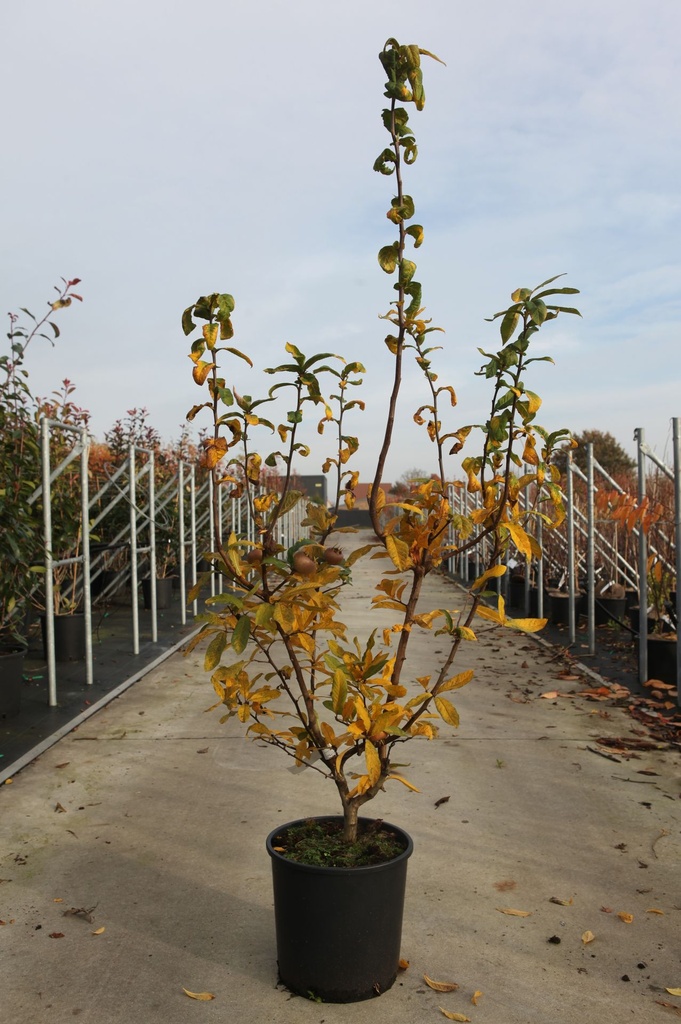
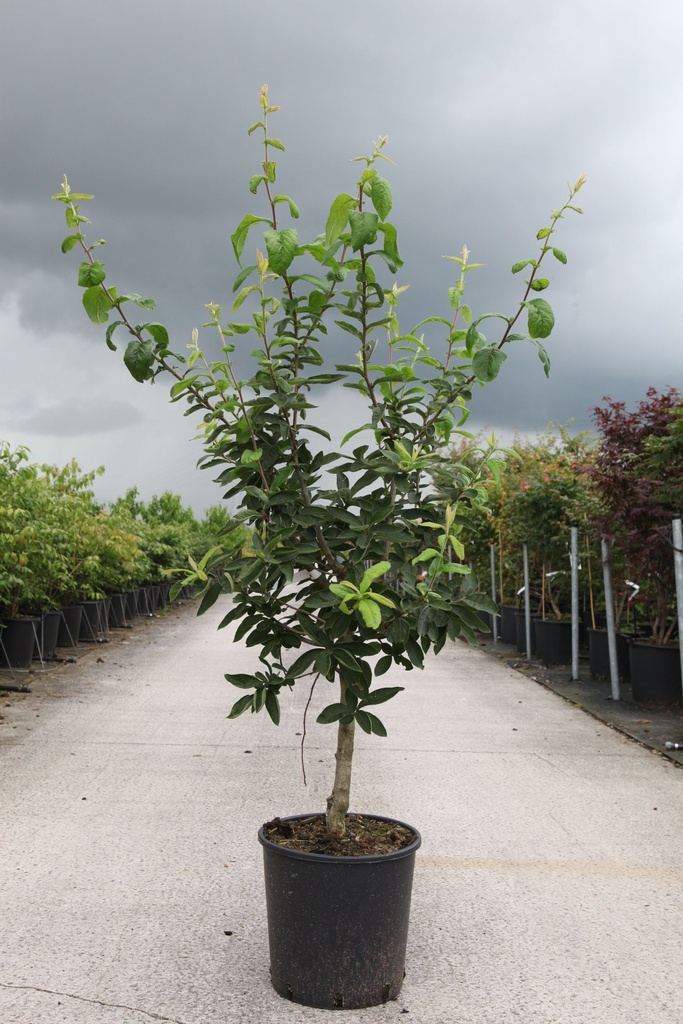
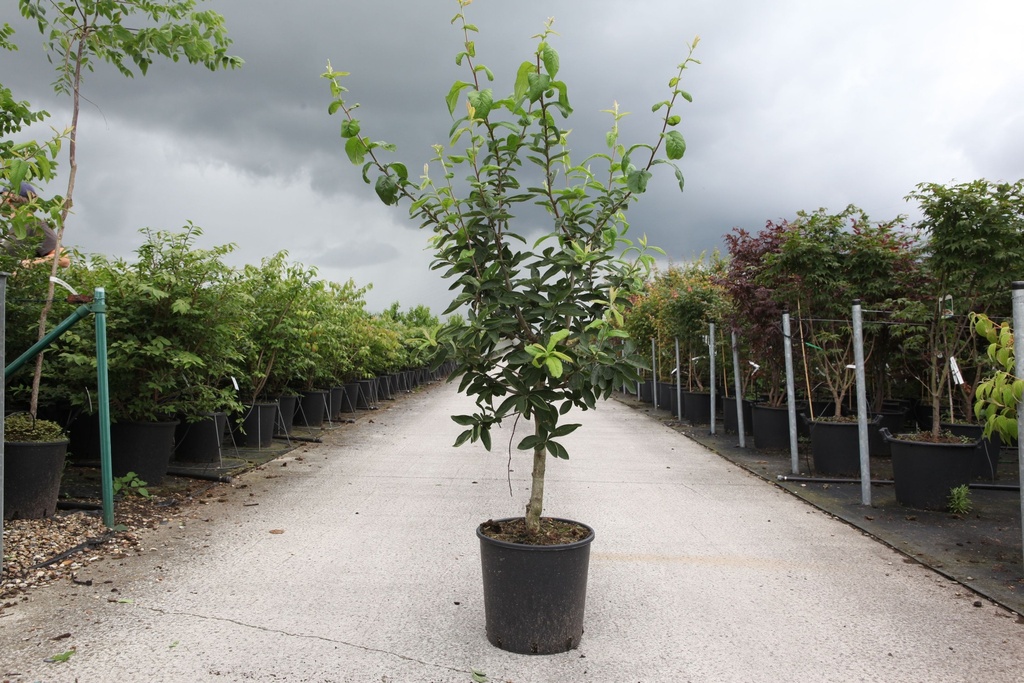
The common medlar is a slow-growing tree, usually 3 to 6 m tall and often wider than high, with a crooked trunk and large, softly hairy leaves that turn yellow to red-brown in autumn. White, sometimes pink-tinged flowers open in May and June, followed by brown fruits that ripen in November and December.
Stanowisko i gleba
Plant in full sun for a good crop and fine autumn colour, or in partial shade, in fertile, moist but well-drained soil; lime is tolerated, but very chalky or heavy clay soils slow it down. The medlar is fully hardy in Belgium and tolerates summer heat, but its delicate blossom needs shelter from strong winds.
Przycinanie i pielęgnacja
Little pruning is needed: every few years, in December and in frost-free weather, thin out dead, crossing and inward-growing branches; clipped hard as a formal hedge, it stops flowering. Water regularly in the first summer and add compost in spring. Pick the fruits after the first frosts and let them soften before eating.
Zastosowanie w ogrodzie
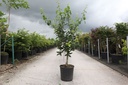
A fine specimen for small gardens, orchards and lawns, and also suited to large tree planters. In a free-growing hedge it combines well with field maple, spindle, viburnum and currants, providing nectar for bees and fruit for birds. Being self-fertile, a single tree will bear fruit.
Cechy rośliny
Dane botaniczne
| Rodzina | Rosaceae |
| Rodzaj | Mespilus |
| Gatunek | germanica |
Kwitnienie
| Okres kwitnienia | may – june |
| Kolor (kwiat) | white |
Liście
| Zimozielony | no |
| Kolor (liście) | green |
Pokrój
| Wysokość | 300 cm |
Stanowisko
| Mrozoodporność | strefa 5a (do -28,9 °C) |
| Upały letnie | do strefy upałów 7 |
| Rodzaj gleby | neutral |
| Stanowisko | sun, half shade |
| Wilgotność gleby | moist, normal |
Zastosowanie
| Typ (zastosowanie) | shrub, tree/standard, fruit/berries, solitary, in group |
| Owoce/jagody | eadible, november |
Pielęgnacja
| Cięcie | december |