





|
s
|
l
|
m
|
k
|
m
|
c
|
l
|
s
|
w
|
p
|
l
|
g
|
|
s
|
l
|
m
|
k
|
m
|
c
|
l
|
s
|
w
|
p
|
l
|
g
|
|
s
|
l
|
m
|
k
|
m
|
c
|
l
|
s
|
w
|
p
|
l
|
g
|
O tej roślinie
Osmanthus
Osmanthus are evergreen shrubs and small trees of the olive family, native mainly to the warm-temperate mountain forests of East Asia. They slowly form dense bushes with glossy, leathery leaves that are either smooth-edged or spiny like holly. Their small flowers, usually white or cream and occasionally orange, open in spring or in autumn depending on the species and give off a powerful jasmine-like scent with fruity notes.
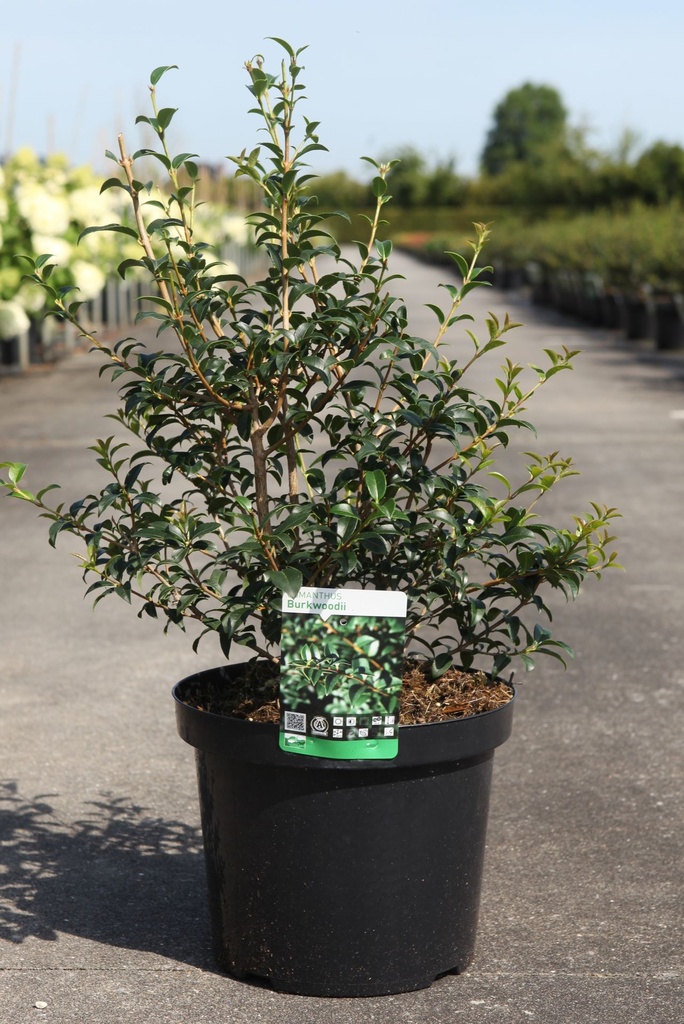
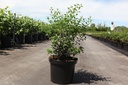
Osmanthus burkwoodii
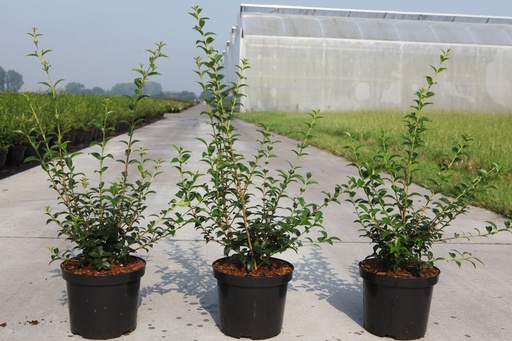
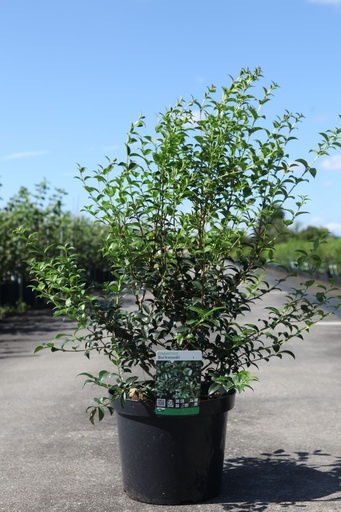
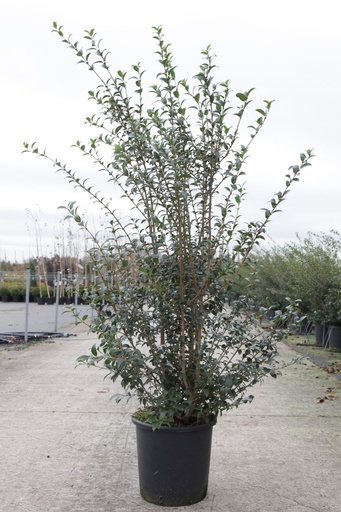
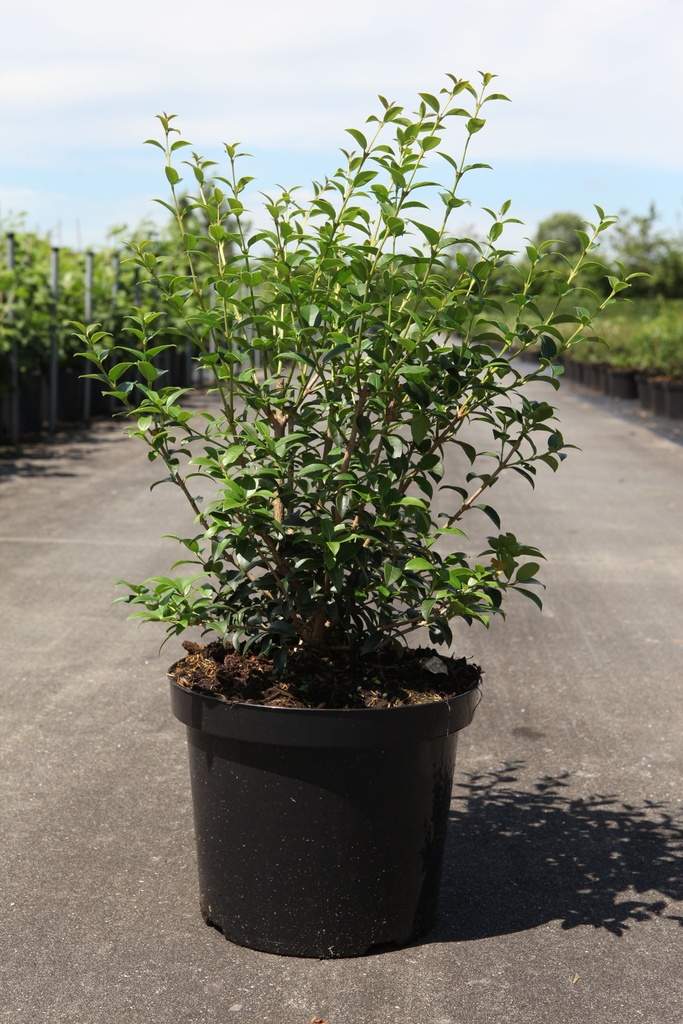
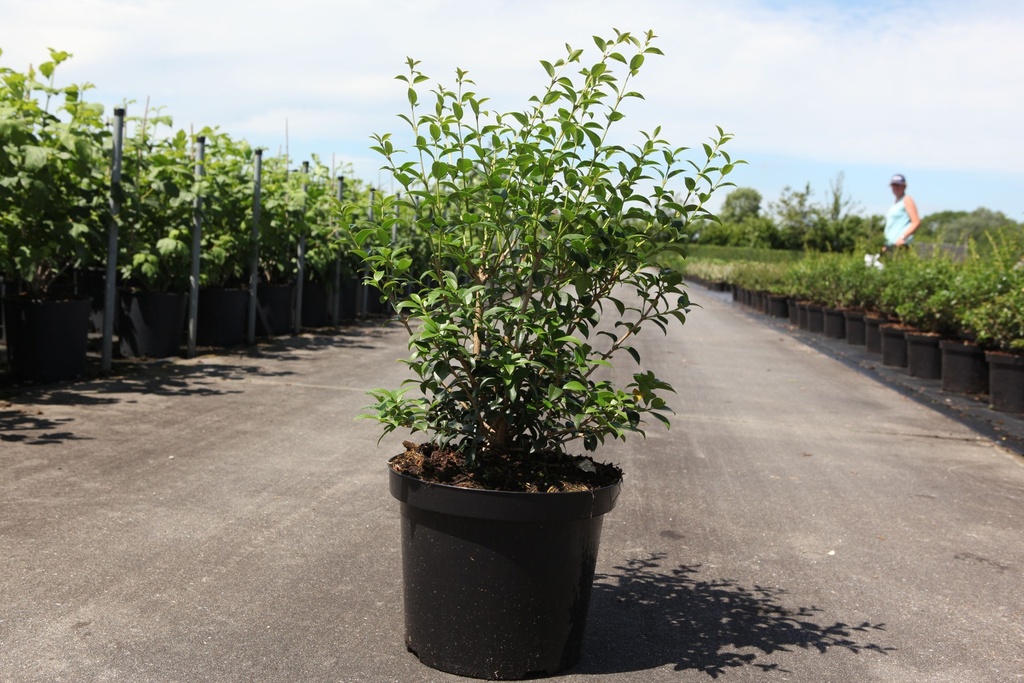
Osmanthus × burkwoodii is a garden hybrid of Osmanthus decorus and Osmanthus delavayi, raised by an English nursery in the early twentieth century. It forms a compact, rounded shrub up to about 3 m high and wide, with small, oval, finely toothed, glossy dark green leaves. In April and May it bears clusters of small white tubular flowers with a sweet jasmine scent.
Stanowisko i gleba
Thrives in sun or partial shade in any fertile garden soil that holds some moisture yet drains freely; only very dry ground does not suit it. It is very hardy and copes well with coastal conditions; avoid waterlogged ground and spots exposed to icy winds.
Przycinanie i pielęgnacja
Prune after flowering, in June or July, to keep the shrub dense and compact. It tolerates even hard pruning, but will then need about two years to flower freely again. Water generously after planting and during dry spells in the first years.
Zastosowanie w ogrodzie
Well suited to low and medium-height hedges, fragrant spring borders and cottage-style gardens, or as a solitary shrub. It also does well in a large container on a terrace, where it can act as a windbreak or screen, and it can be clipped into topiary shapes.
Cechy rośliny
Dane botaniczne
| Rodzina | Oleaceae |
| Rodzaj | Osmanthus |
| Gatunek | burkwoodii |
Kwitnienie
| Okres kwitnienia | april – may |
| Kolor (kwiat) | white |
| Kwiaty | fragrant |
Liście
| Zimozielony | yes |
| Kolor (liście) | green |
Pokrój
| Wysokość | 150 cm |
Stanowisko
| Mrozoodporność | strefa 7a (do -17,8 °C) |
| Upały letnie | do strefy upałów 9 |
| Rodzaj gleby | neutral |
| Stanowisko | sun, half shade |
| Wilgotność gleby | dry, normal |
Zastosowanie
| Typ (zastosowanie) | shrub, hedge plant, solitary, in group |
Pielęgnacja
| Cięcie | june – july |