
|
s
|
l
|
m
|
k
|
m
|
c
|
l
|
s
|
w
|
p
|
l
|
g
|
|
s
|
l
|
m
|
k
|
m
|
c
|
l
|
s
|
w
|
p
|
l
|
g
|
|
s
|
l
|
m
|
k
|
m
|
c
|
l
|
s
|
w
|
p
|
l
|
g
|
O tej roślinie
Osmanthus
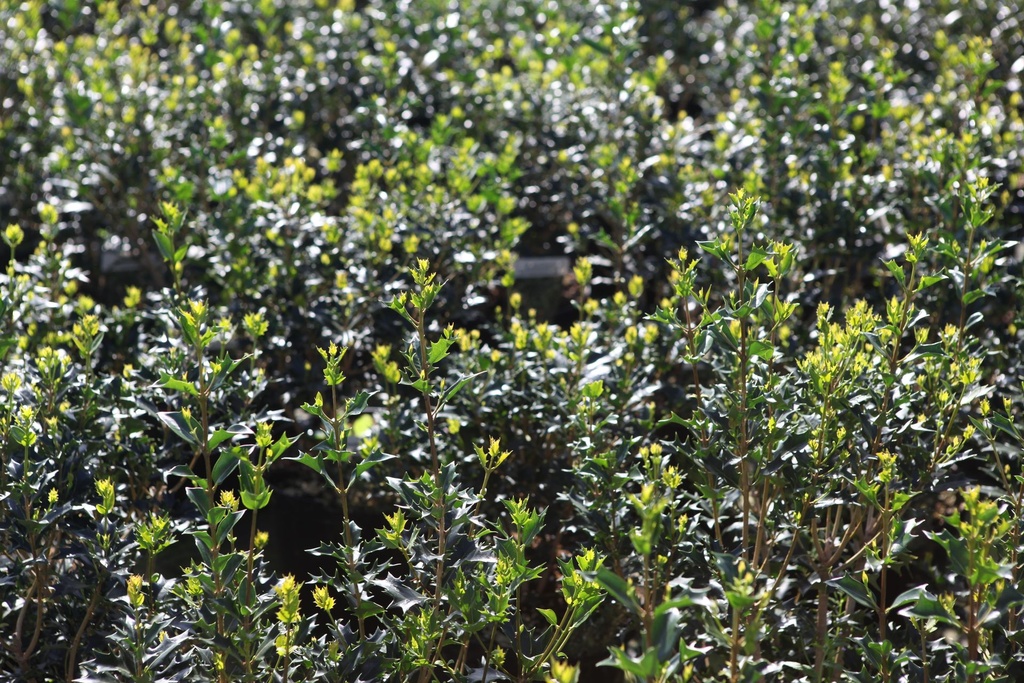
Osmanthus are evergreen shrubs and small trees of the olive family, native mainly to the warm-temperate mountain forests of East Asia. They slowly form dense bushes with glossy, leathery leaves that are either smooth-edged or spiny like holly. Their small flowers, usually white or cream and occasionally orange, open in spring or in autumn depending on the species and give off a powerful jasmine-like scent with fruity notes.
Osmanthus heterophyllus
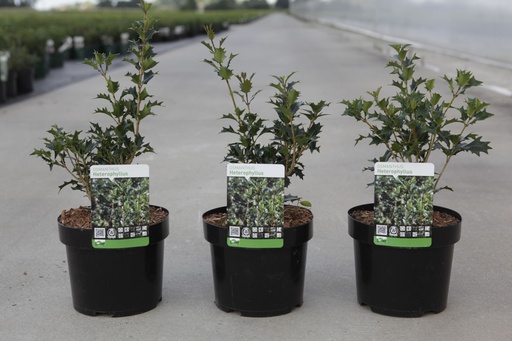
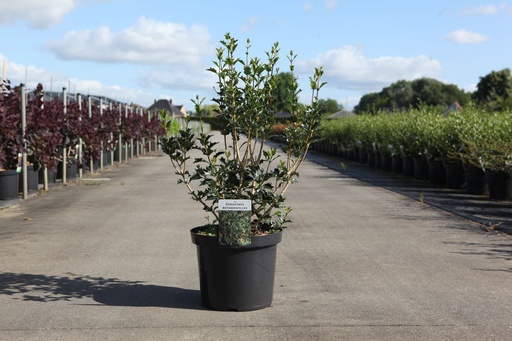
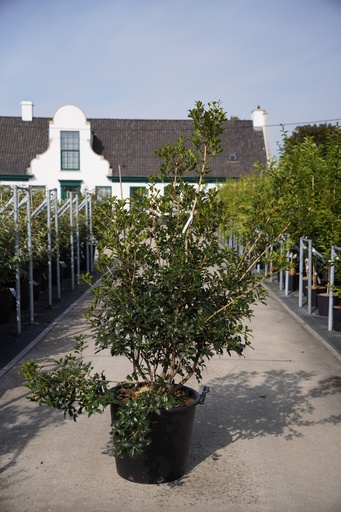
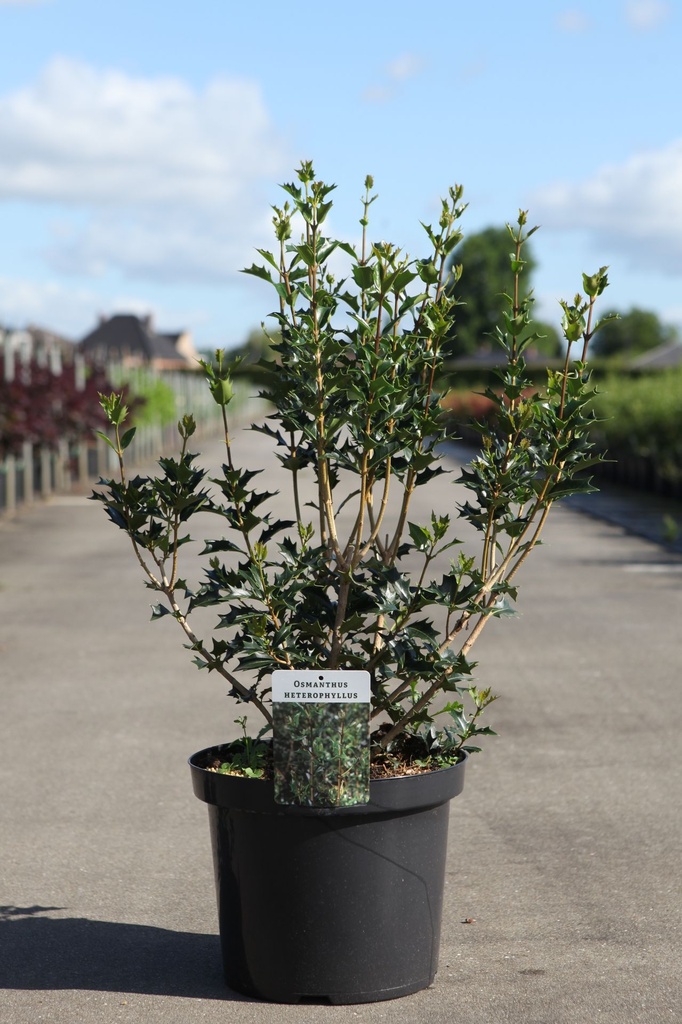
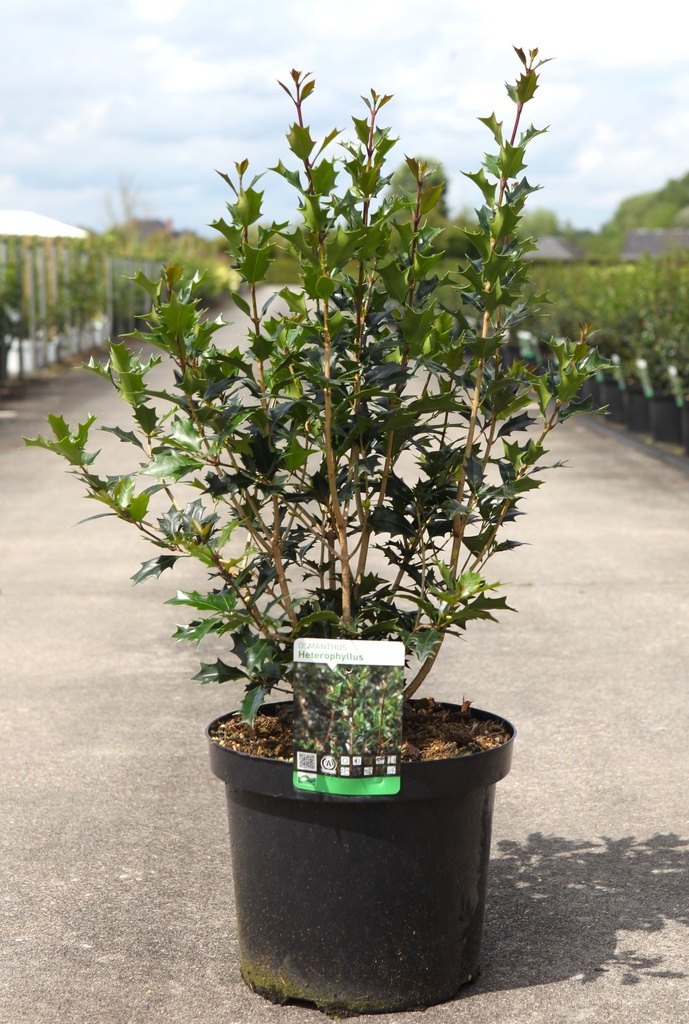
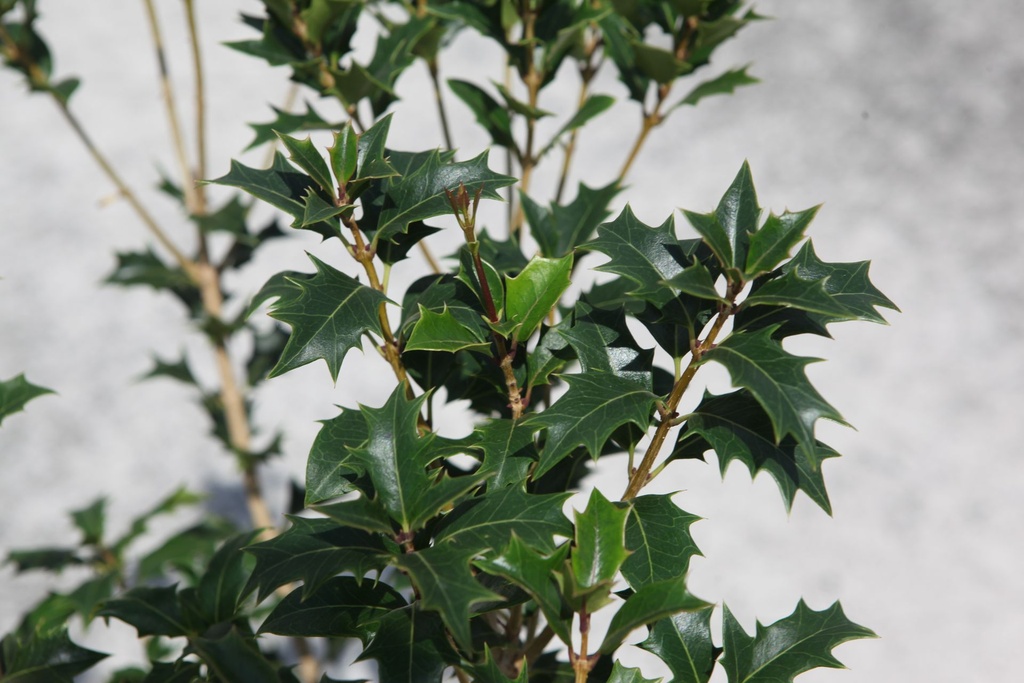
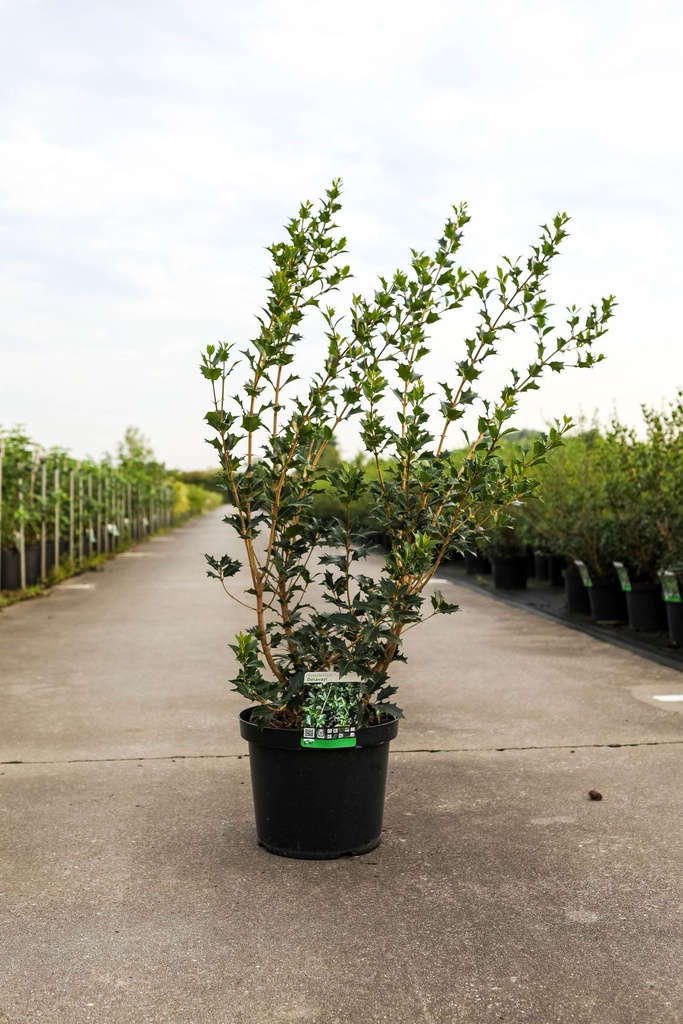
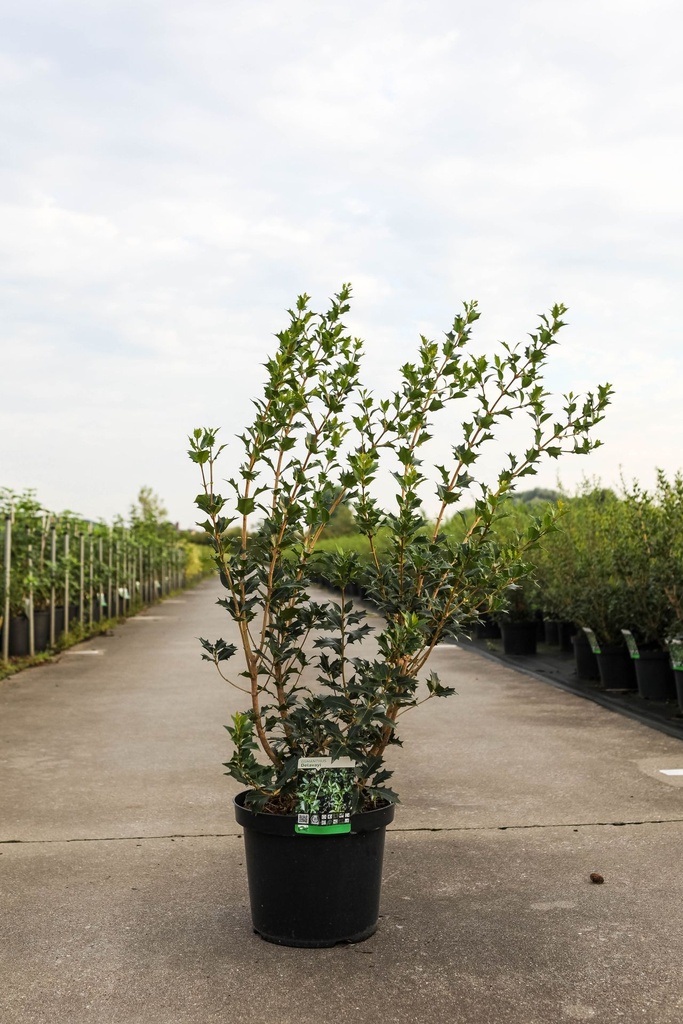
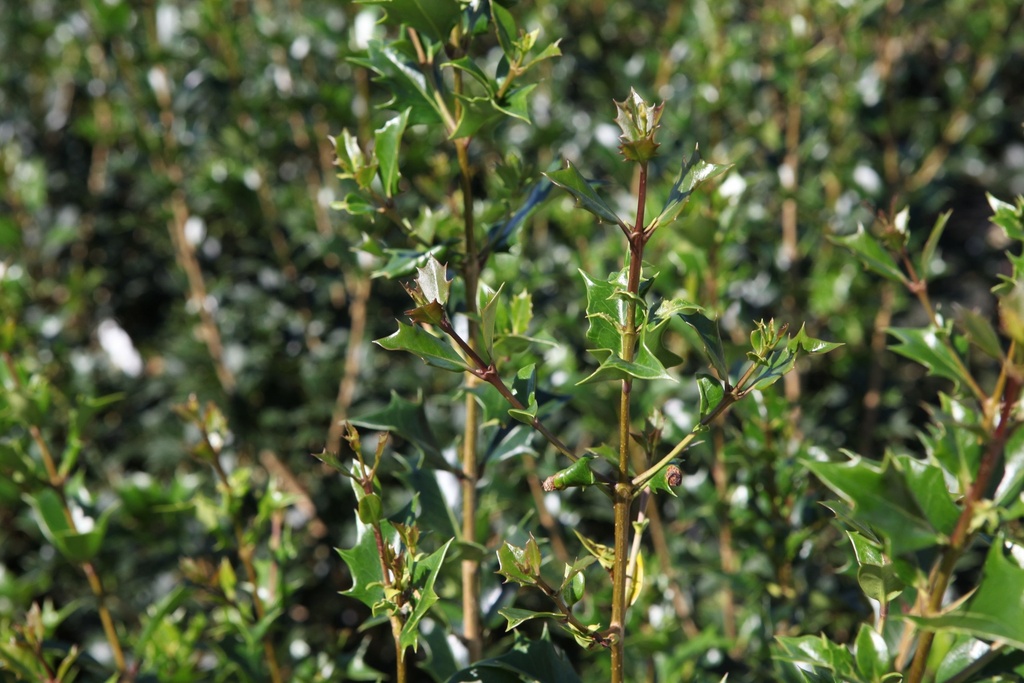
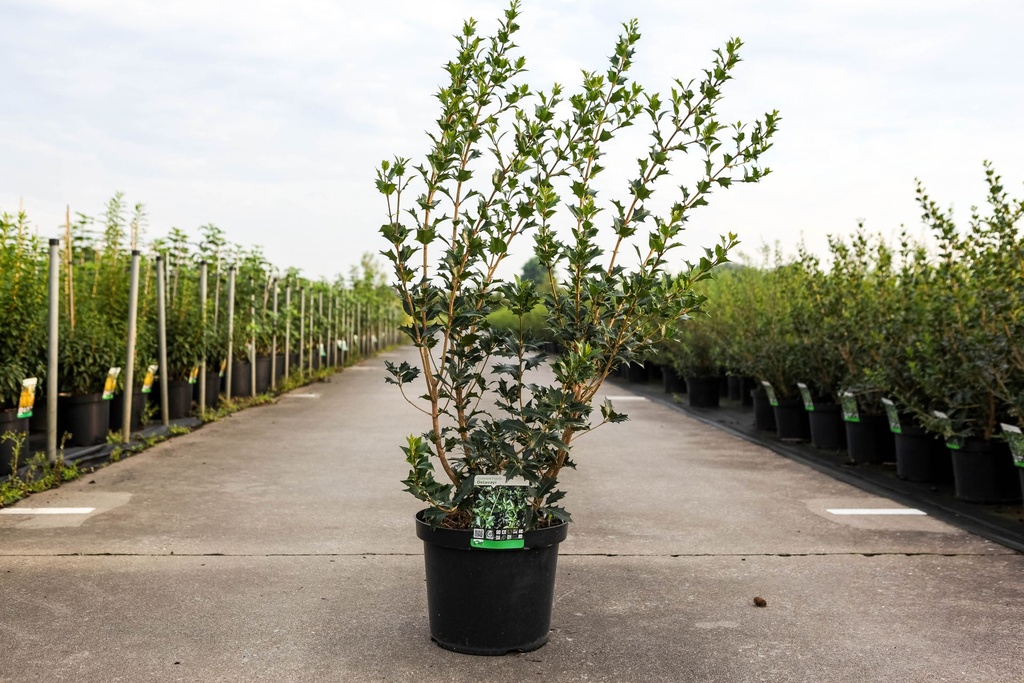
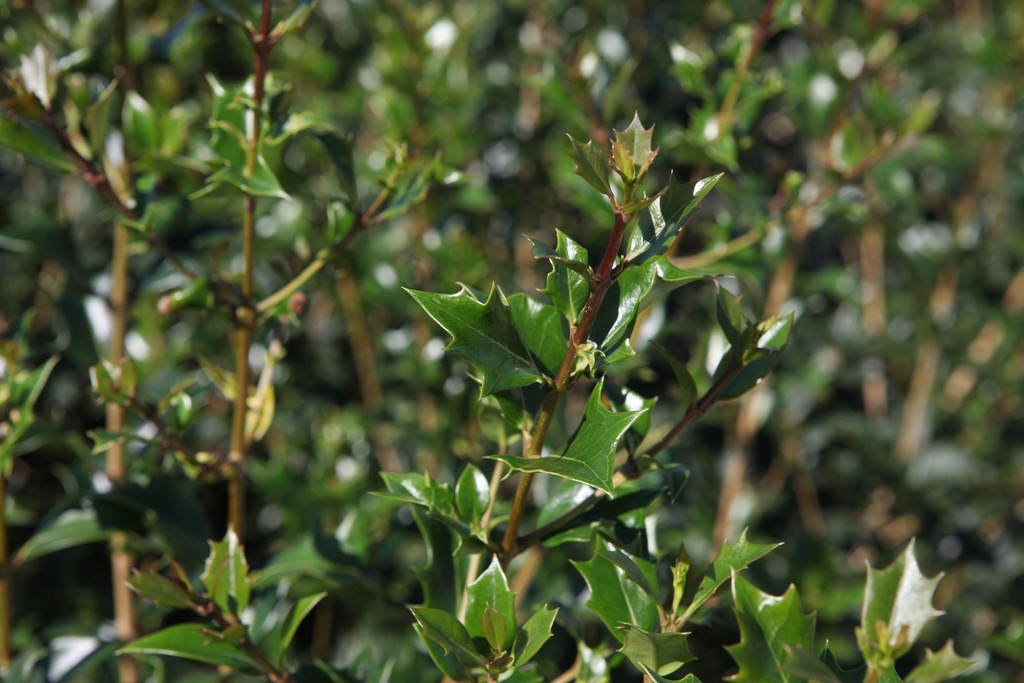
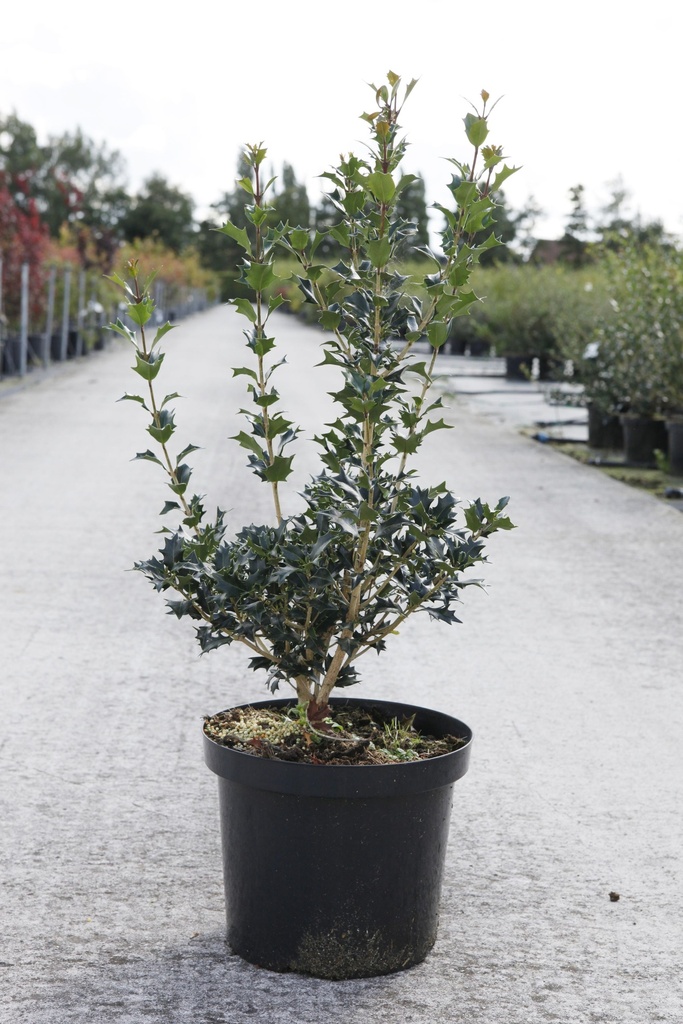
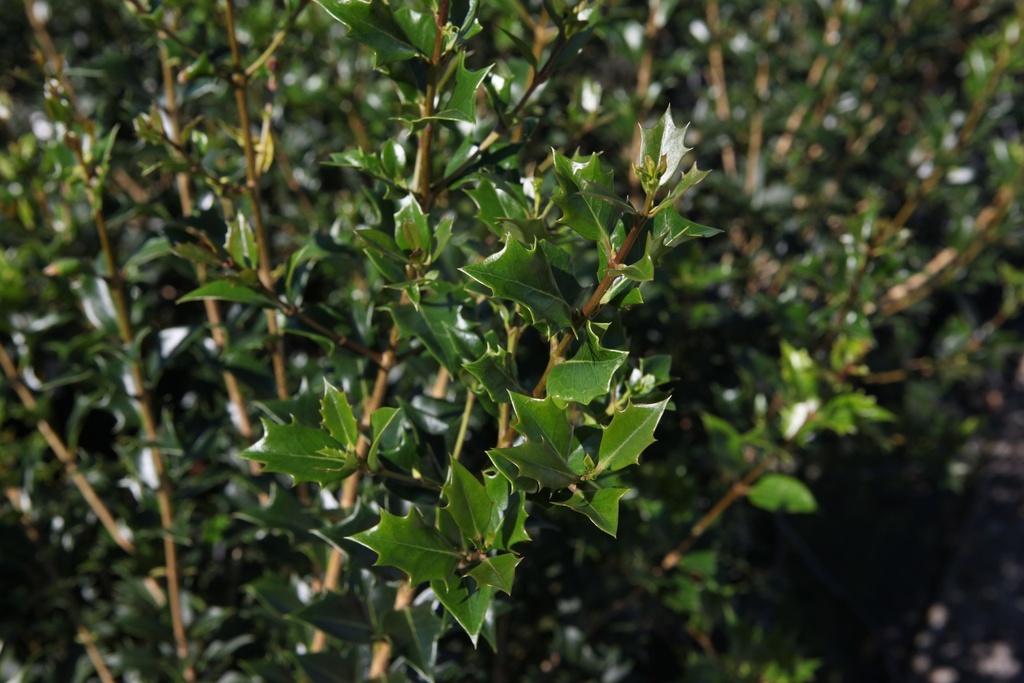
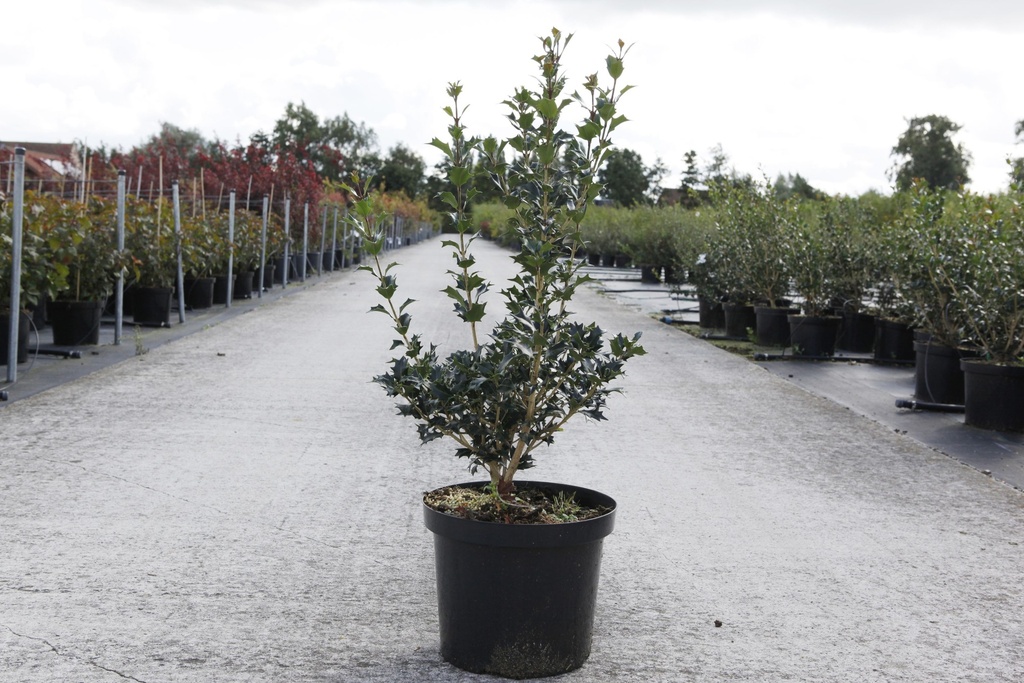
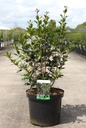
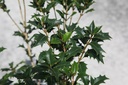
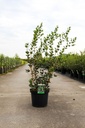
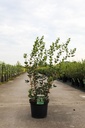
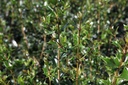
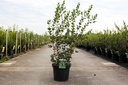
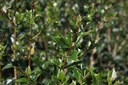
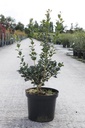
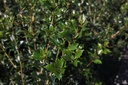
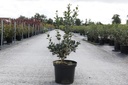
Holly olive (Osmanthus heterophyllus) originates from Japan and Taiwan. This dense, bushy shrub reaches around 2.5 m in height and width and is easily mistaken for holly, but its glossy leaves grow in opposite pairs and only the young ones carry sharp spines. In September and October, small white flowers with a sweet, fruity jasmine scent appear in the leaf axils.
Stanowisko i gleba
Undemanding as to soil: it grows in heavy clay as well as in chalky or fairly dry ground, provided drainage is good. It thrives in sun, partial shade and even shade, and tolerates salt-laden coastal winds. Fairly hardy; shelter from icy winds protects the foliage and flower buds.
Przycinanie i pielęgnacja
Water regularly after planting; once rooted, it withstands summer drought. Trim in March or April to keep the plant dense. It accepts hard pruning, but will then take about two years to flower freely again. Pests and diseases are rarely a problem.
Zastosowanie w ogrodzie
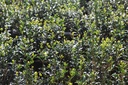
Can be used much like box or holly: for clipped or informal hedges, defensive hedges, topiary balls and shrub borders. Trimmed regularly, it also grows well in a large container on a terrace or balcony, where it serves as a screen or windbreak.
Cechy rośliny
Dane botaniczne
| Rodzina | Oleaceae |
| Rodzaj | Osmanthus |
| Gatunek | heterophyllus |
Kwitnienie
| Okres kwitnienia | september – october |
| Kolor (kwiat) | white |
| Kwiaty | fragrant |
Liście
| Zimozielony | yes |
| Kolor (liście) | green |
Pokrój
| Wysokość | 200 cm |
Stanowisko
| Mrozoodporność | strefa 7a (do -17,8 °C) |
| Upały letnie | do strefy upałów 9 |
| Rodzaj gleby | kalkrijk, neutral |
| Stanowisko | sun, half shade |
| Wilgotność gleby | dry, normal |
Zastosowanie
| Typ (zastosowanie) | shrub, hedge plant, solitary, in group |
Pielęgnacja
| Cięcie | march – april |