
Amelanchier lamarckii
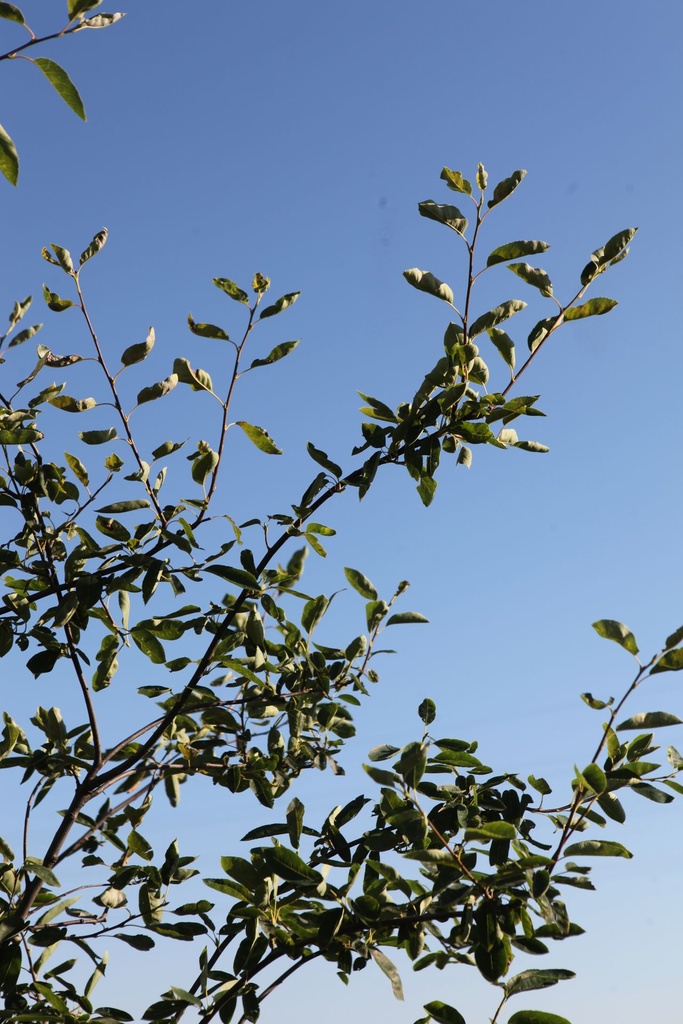
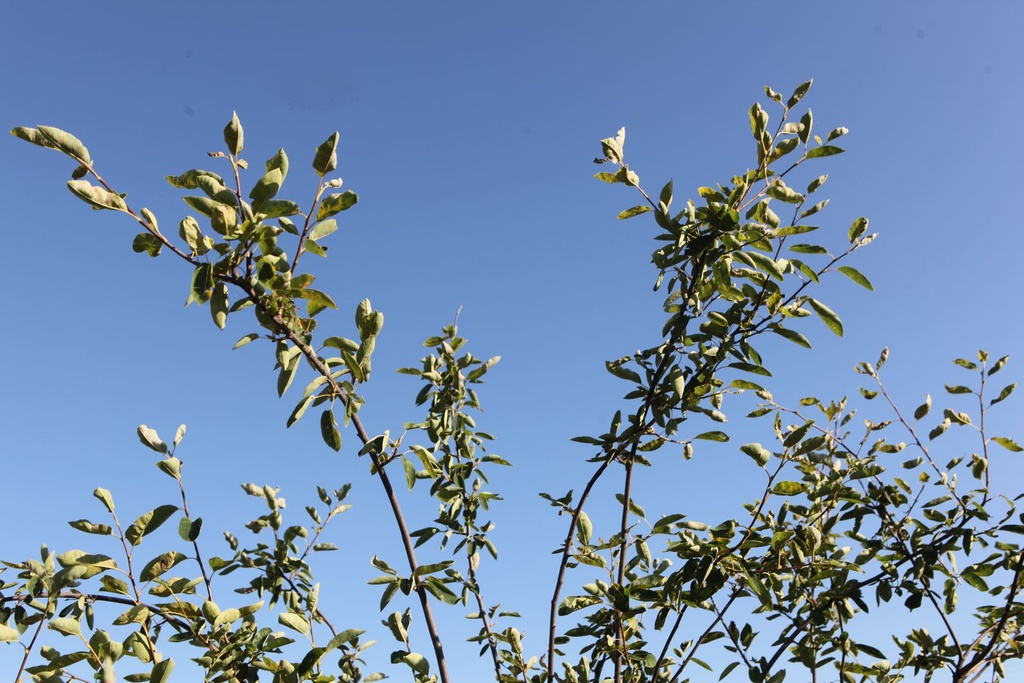
The Amelanchier lamarckii has white, star-shaped flowers. This plant is easily grown in average, medium, well-drained soil under full sun to part shade. Lamarckii is tolerant of a somewhat wide range of soils, but prefers moist, well-drained loams. It has berry like pome fruits that are dark red when young, but become dark purple with time. The fruits are edible and have an apple and sweet flavor. It is widely cultivated as an ornamental plant.
Flowering period
Planting period
About this plant
Junberry Amelanchier
Serviceberries (Amelanchier) are deciduous shrubs and small trees, mostly from North America, with a few species from Europe and Asia. They are among the first shrubs to flower in spring, bear small edible berries in early summer and finish the year with warm orange and red autumn foliage. Many grow naturally as multi-stemmed specimens.
Juneberry Amelanchier lamarckii
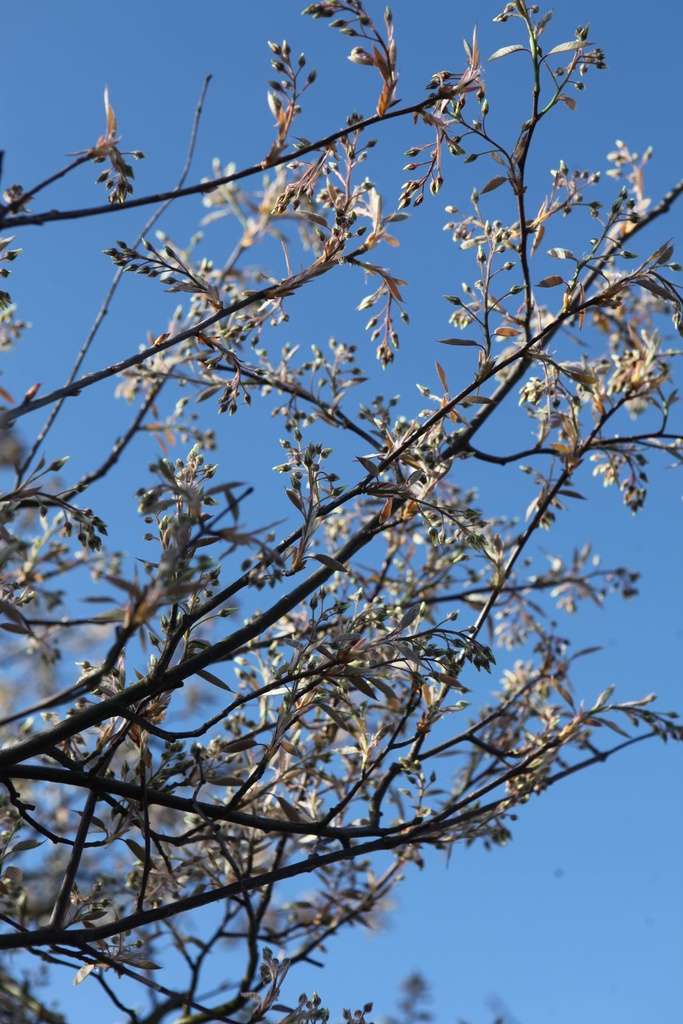
This is the serviceberry most often seen in European gardens, a natural hybrid of North American origin that has long been naturalised in parts of Europe. It grows into a large multi-stemmed shrub or small tree that broadens with age. Coppery young leaves open together with white flower clusters in April and May; the purple-black berries ripen in June and July.
Location and soil
Best in full sun, where the autumn colour is most intense, but it also grows in light shade. It likes fresh, well-drained soil, preferably acid to neutral, and has a shallow, fine root system. Very hardy and tolerant of wind.
Pruning and care
Needs hardly any pruning; shape it lightly in May or June, after flowering, if branches cross or the crown becomes too dense. Bear in mind that fallen berries can stain paving. Birds spread the seeds, so seedlings may appear nearby.
Use in the garden
A classic for informal and wildlife hedges, as a solitary multi-stemmed tree or at the back of a large border, and well suited to biodiversity-friendly gardens. Blackbirds and thrushes eat the berries, which are also good raw or in jam and baking. Avoid planting it right next to paths and terraces.
Characteristics
Botanical
| Family | Rosaceae |
| Genus | Amelanchier |
| Species | lamarckii |
Flowering
| Flowering period | april, may |
| Colour (flower) | white |
Foliage
| Evergreen | no |
| Colour (foliage) | green |
| Autumn colour | orange, red |
Growth habit
| Height | 600 cm, 500 cm |
| Growth rate | slow |
Location
| Winter hardiness | -30 °C |
| Soil type | acid, neutral |
| Soil type | acid, neutral |
| Location | sun, half shade |
| Soil moisture | normal |
Use
| Type (use) | shrub, multistem, fruit/berries, solitary |