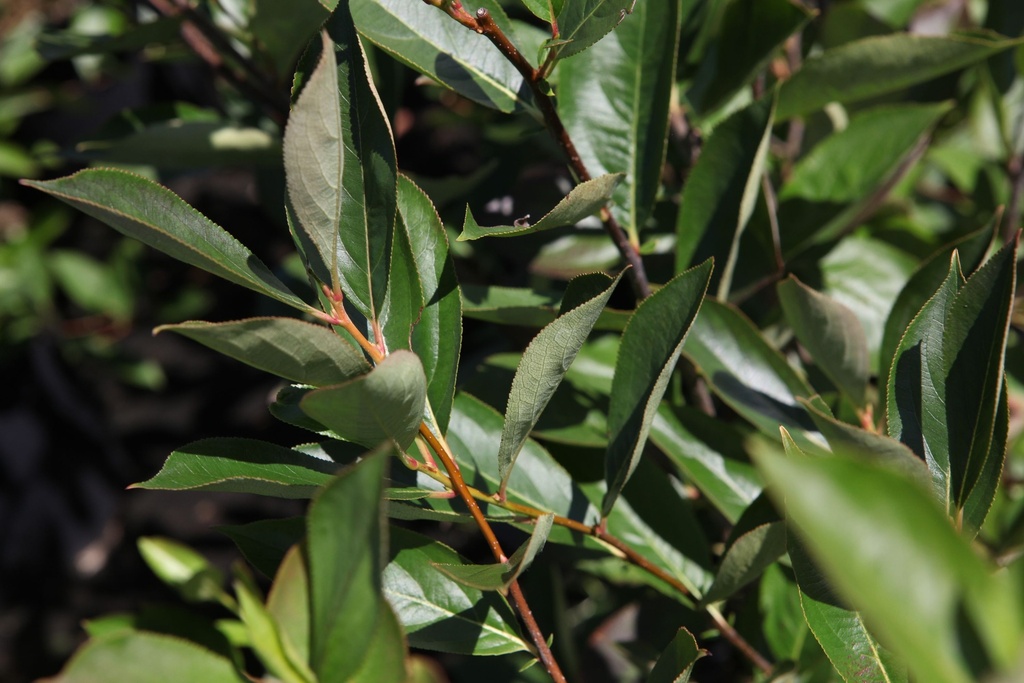
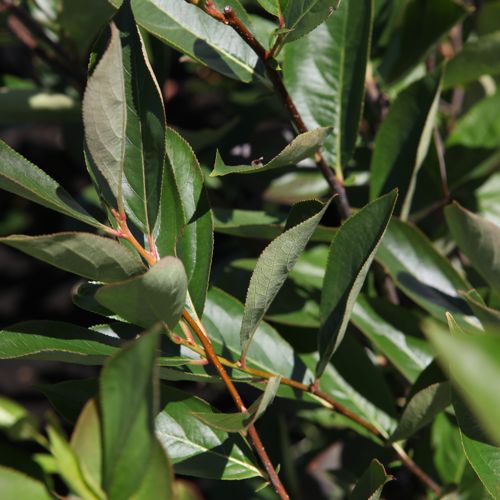
Chokeberry
Aronia
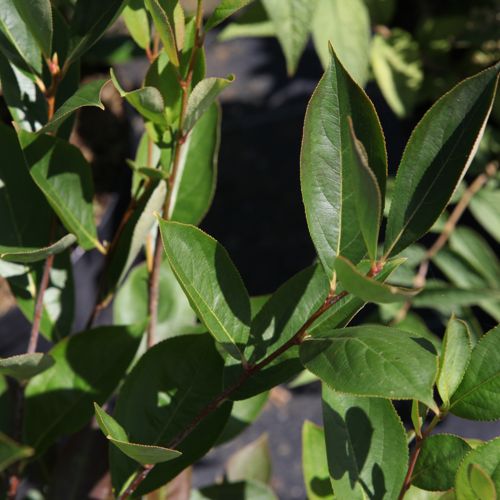
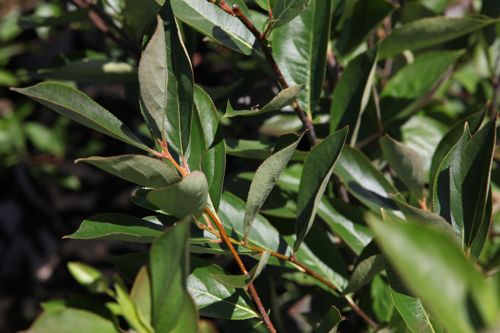
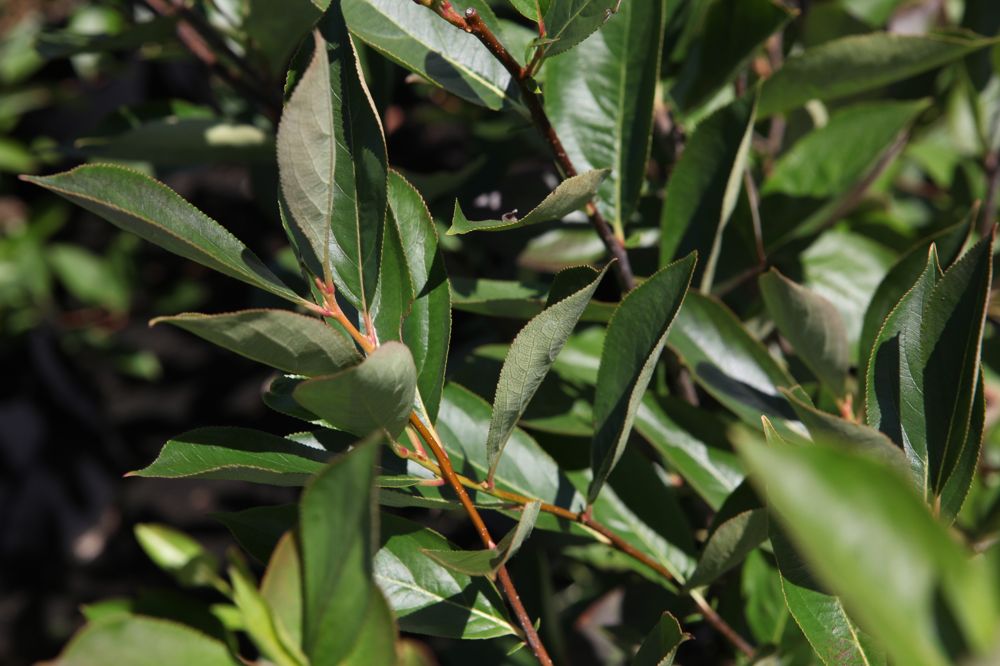
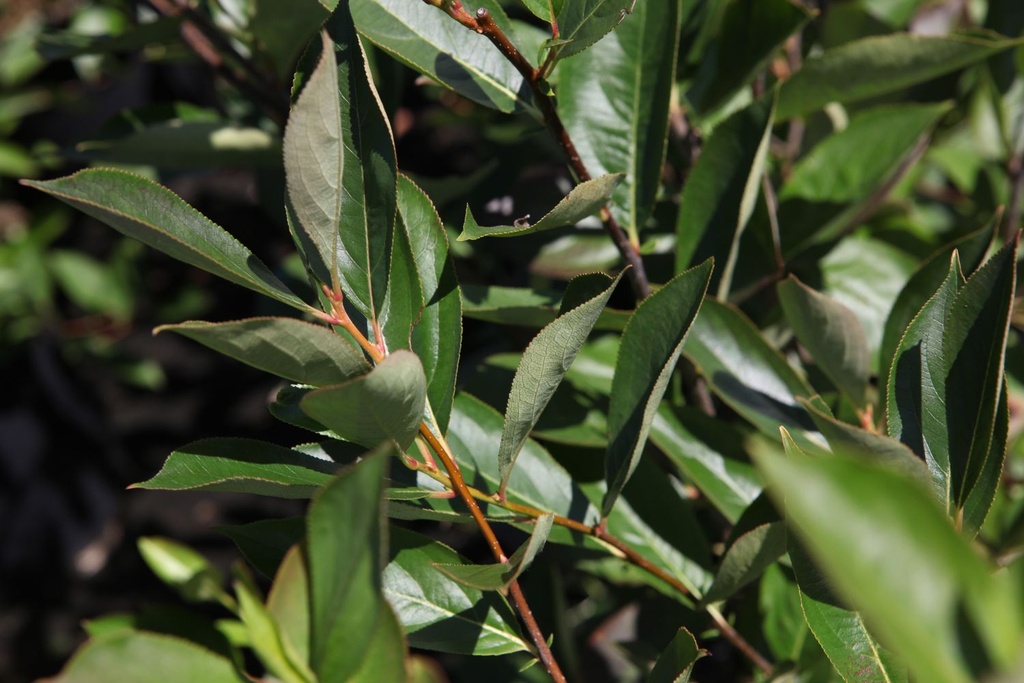
Chokeberries (Aronia) are deciduous shrubs from eastern North America and members of the rose family. They are prized for their white spring blossom, abundant red or black berries rich in antioxidants and a fiery red autumn colour. Their exceptional hardiness and tolerance of poor soil make them very easy shrubs.
Black chokeberry
Aronia melanocarpa
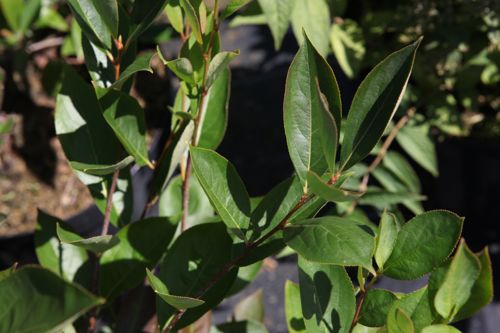
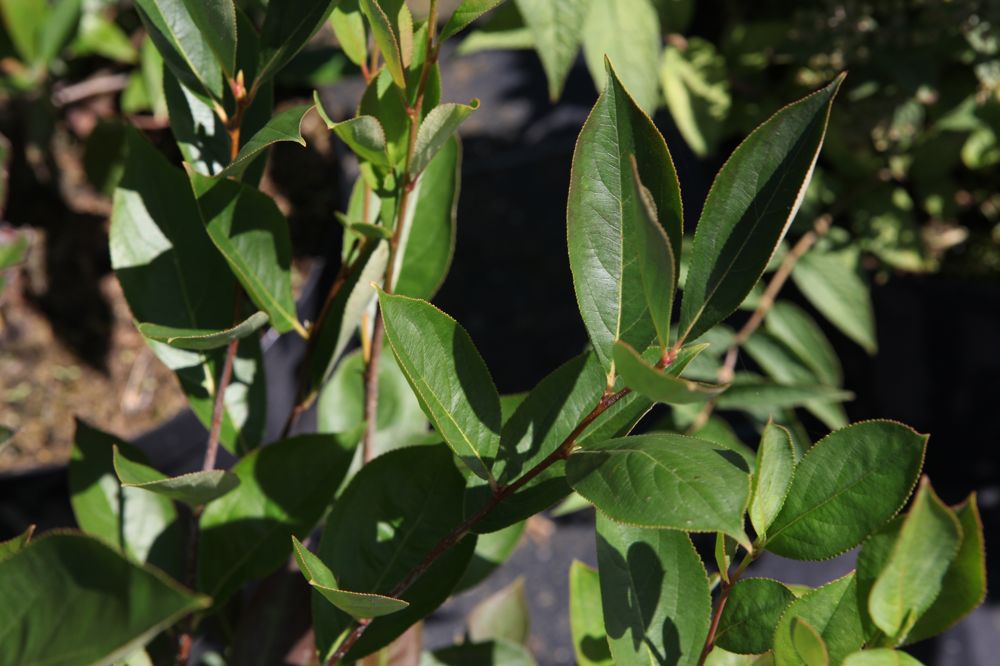
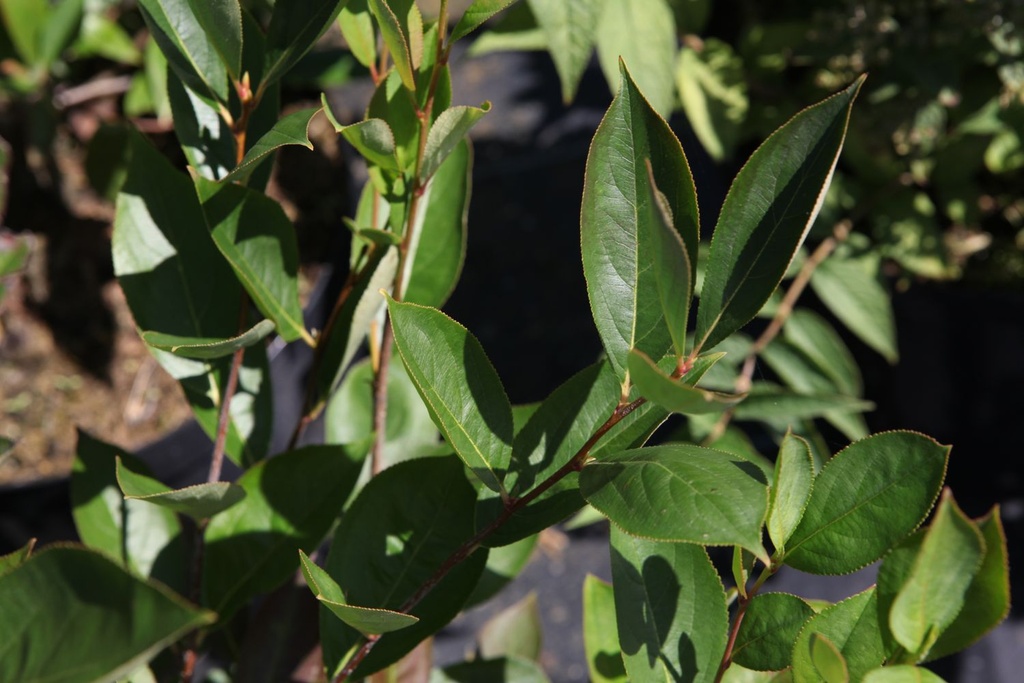
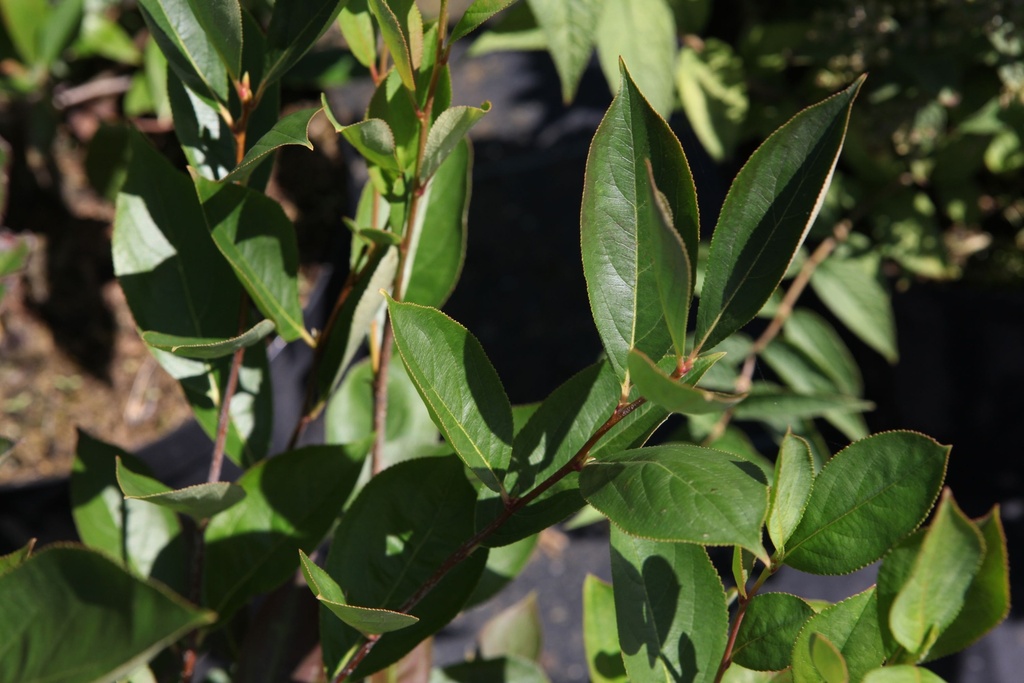
The black chokeberry is a dense, spreading shrub, generally lower and more compact than the red chokeberry, reaching about 1.5 to 2 m. Fragrant white flowers in April and May are followed by glossy black berries on red stalks, with a flavour reminiscent of blackcurrant. In autumn the leaves turn orange, crimson and purple.
Location and soil
Grows in sun or partial shade in ordinary soil, from moist to very damp. It tolerates some lime and poor ground but does best in a deep, moist, slightly acid soil. Extremely hardy, and its late flowering means the blossom escapes spring frost.
Pruning and care
Shorten the shoots by about half at the end of winter (February to April) and remove a third of the oldest stems at the base every year or two. Water during prolonged drought for a good harvest, and net the shrub in late summer to keep birds off. Remove suckers unless you want it to spread.
Use in the garden
A valuable fruit shrub for edible and informal hedges, borders and grouped plantings. The berries, harvested from September, are used for juice, jam, syrup and drying, and are rich in antioxidants. Pollinators visit the flowers, and birds eat the fruit in winter.