
|
J
|
F
|
M
|
A
|
M
|
J
|
J
|
A
|
S
|
O
|
N
|
D
|
|
J
|
F
|
M
|
A
|
M
|
J
|
J
|
A
|
S
|
O
|
N
|
D
|
About this plant
What makes this plant special
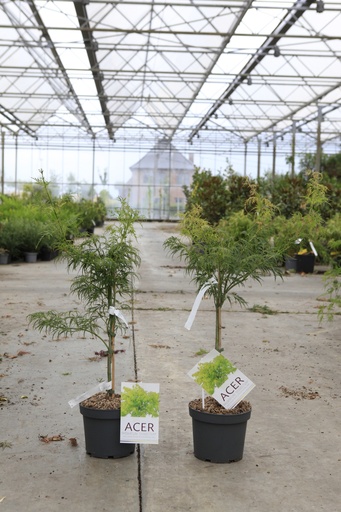
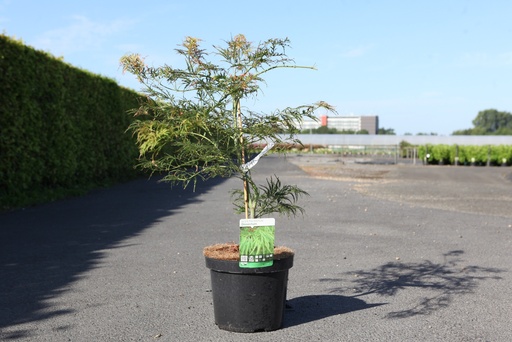
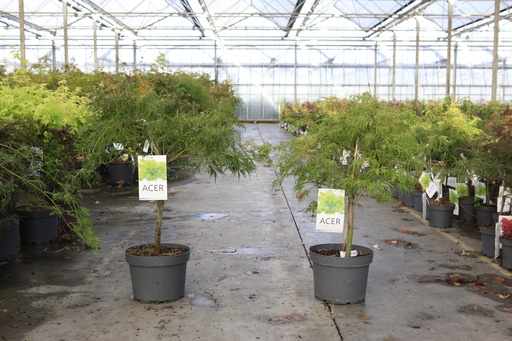
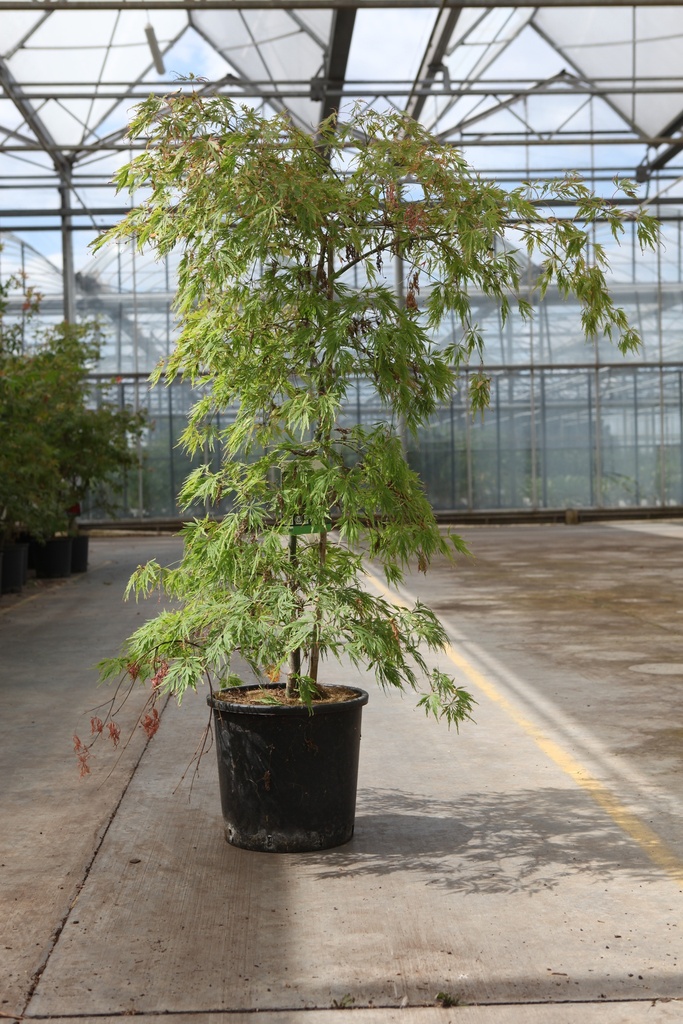
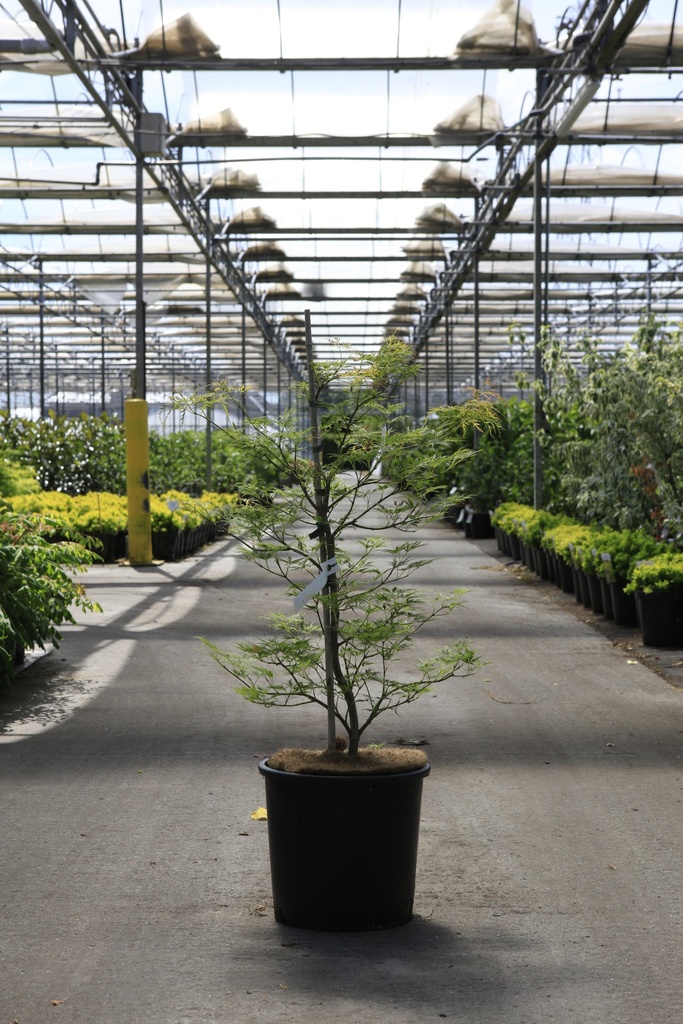
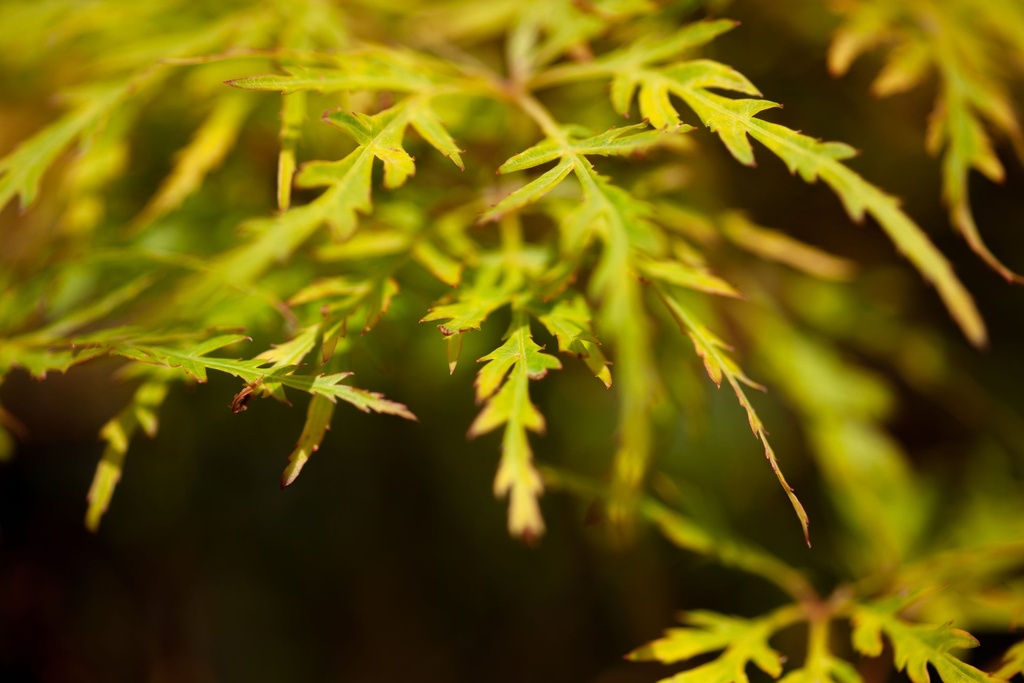
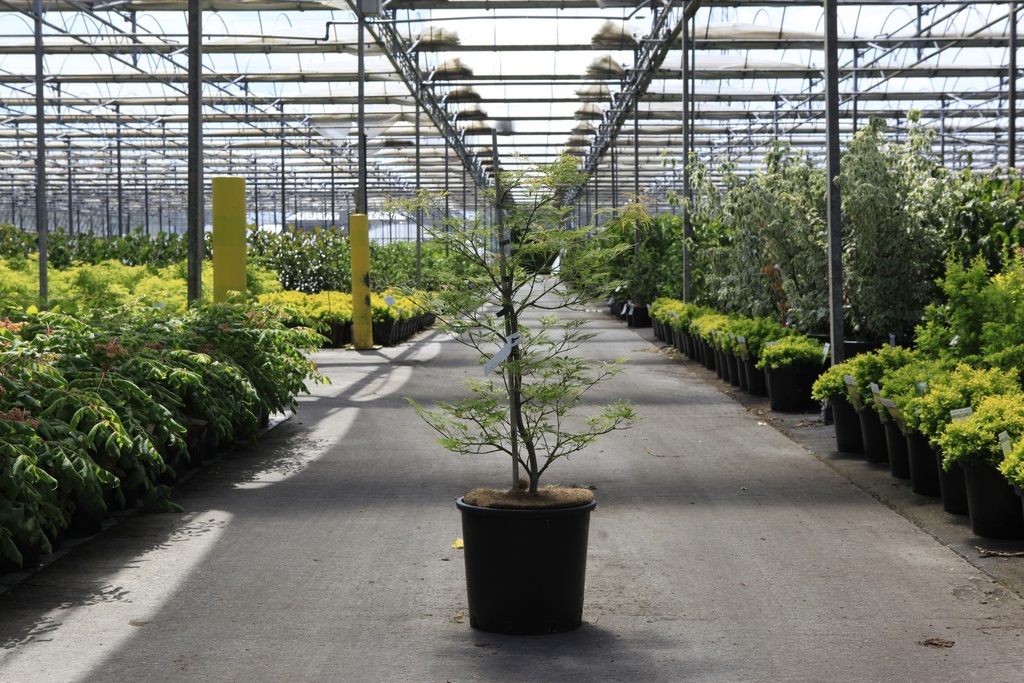
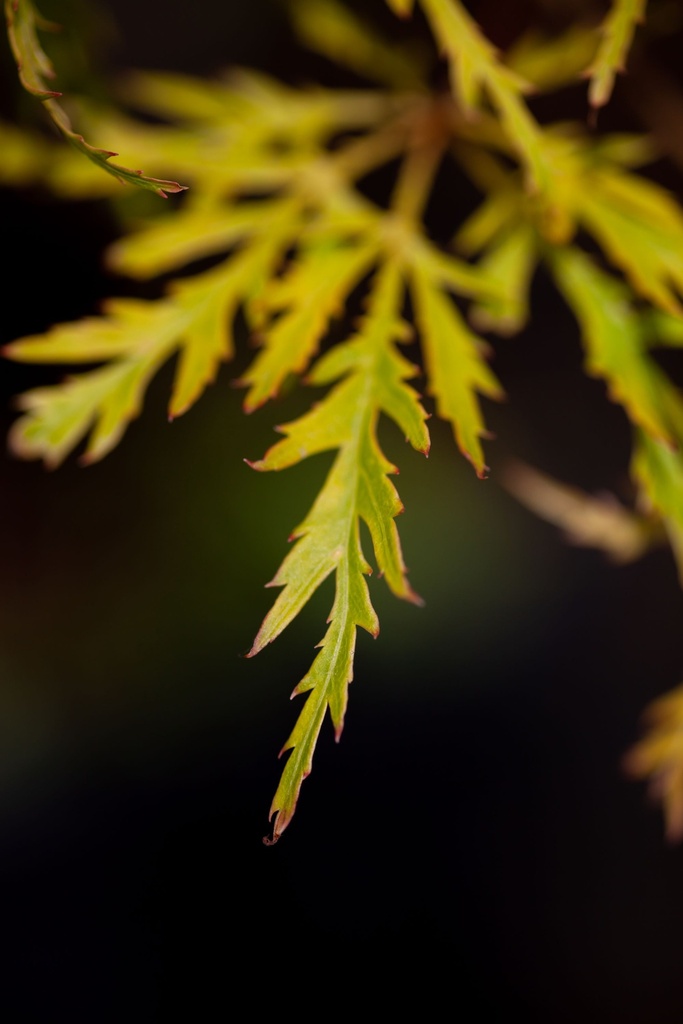
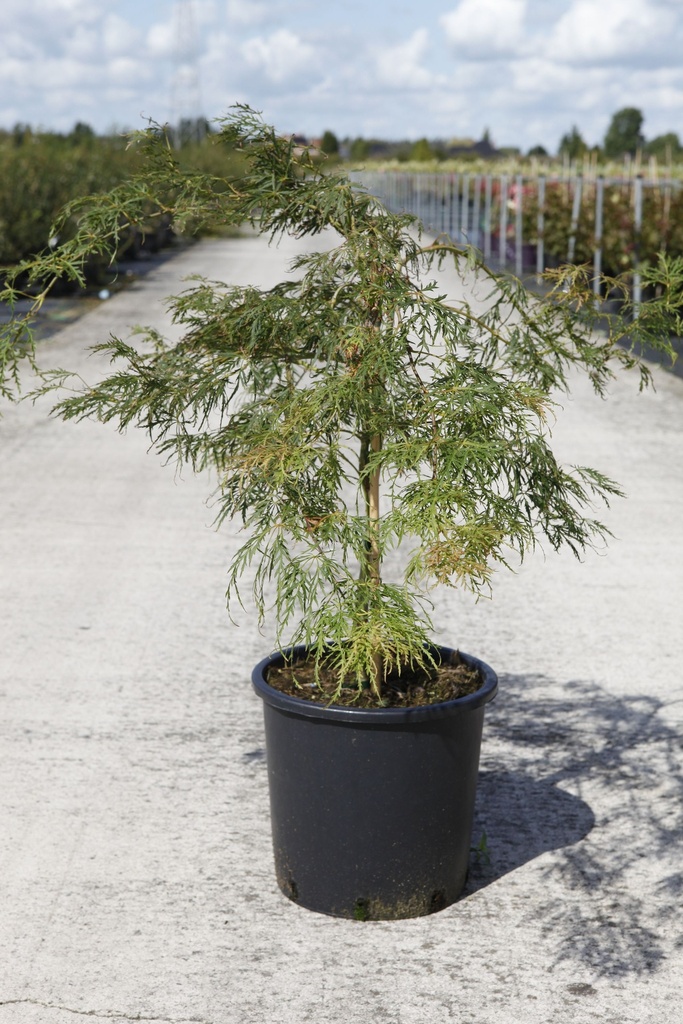
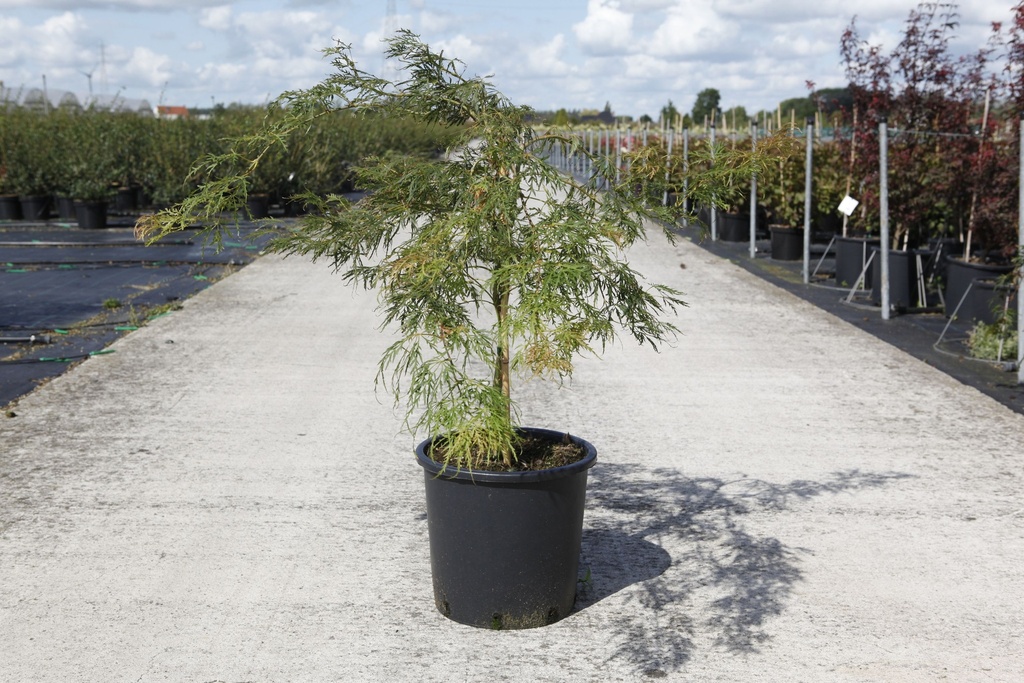
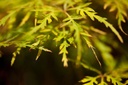
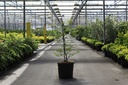
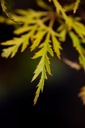
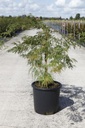
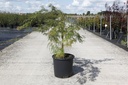
The green 'Dissectum' has soft green, lace-like leaves, each deeply divided into five to seven finely cut lobes, which turn orange in autumn. Slow-growing, it develops a flat-topped, spreading habit with arching shoots, barely exceeding 1.6 m in height while spreading to about 2 m.
Maple Acer
Maples (Acer) form a large genus of trees and shrubs, nearly all from the northern hemisphere and many from China. They range from small multi-stemmed trees to large shade trees. Their opposite, usually lobed leaves, colourful young growth, winged fruits and above all their fiery autumn colours make them garden classics.
Japanese maple Acer palmatum
The Japanese maple, native to Japan, Korea and eastern China, is a slow-growing large shrub or small tree with a broad, rounded crown. The palmate leaves have five to nine pointed, toothed lobes and turn orange-red to scarlet in autumn. Hundreds of garden forms exist, differing in habit, leaf shape and colour.
Location and soil
Prefers a sheltered spot in partial shade, out of cold, drying winds; sun is tolerated if the soil stays moist. Needs humus-rich, moist, well-drained soil, ideally acidic to neutral. Hardy in Belgium, but heat and drought can scorch the leaves.
Pruning and care
Needs no pruning: let it keep its natural shape and at most remove dead wood. Mulch, water during dry spells and work in organic matter every few years. Watch for scale insects and verticillium wilt.
Use in the garden
A classic specimen for a lawn, a shade garden or a border with rhododendrons, azaleas, pieris and heathers. Many forms grow well in pots on a terrace, and the species is a favourite for bonsai.
Plant characteristics
Botanical
| Family | Sapindaceae |
| Genus | Acer |
| Species | palmatum |
| Cultivar | 'Dissectum' |
Foliage
| Evergreen | no |
| Colour (foliage) | green |
| Autumn colour | orange, red |
Growth habit
| Height | 200 cm, 300 cm |
Location
| Winter hardiness | -25 °C |
| Soil type | acid |
| Location | sun, half shade |
| Soil moisture | moist, normal |
Use
| Type (use) | tree/standard, multistem, solitary |
Care
| Pruning | october to december |