











|
J
|
F
|
M
|
A
|
M
|
J
|
J
|
A
|
S
|
O
|
N
|
D
|
|
J
|
F
|
M
|
A
|
M
|
J
|
J
|
A
|
S
|
O
|
N
|
D
|
|
J
|
F
|
M
|
A
|
M
|
J
|
J
|
A
|
S
|
O
|
N
|
D
|
About this plant
What makes this plant special
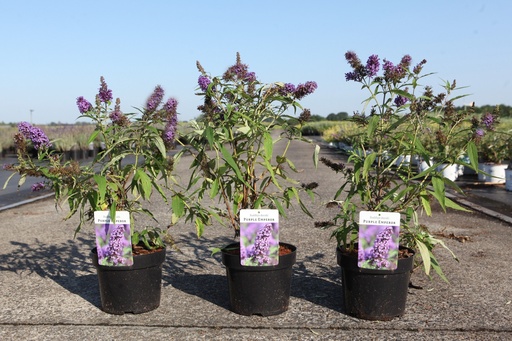
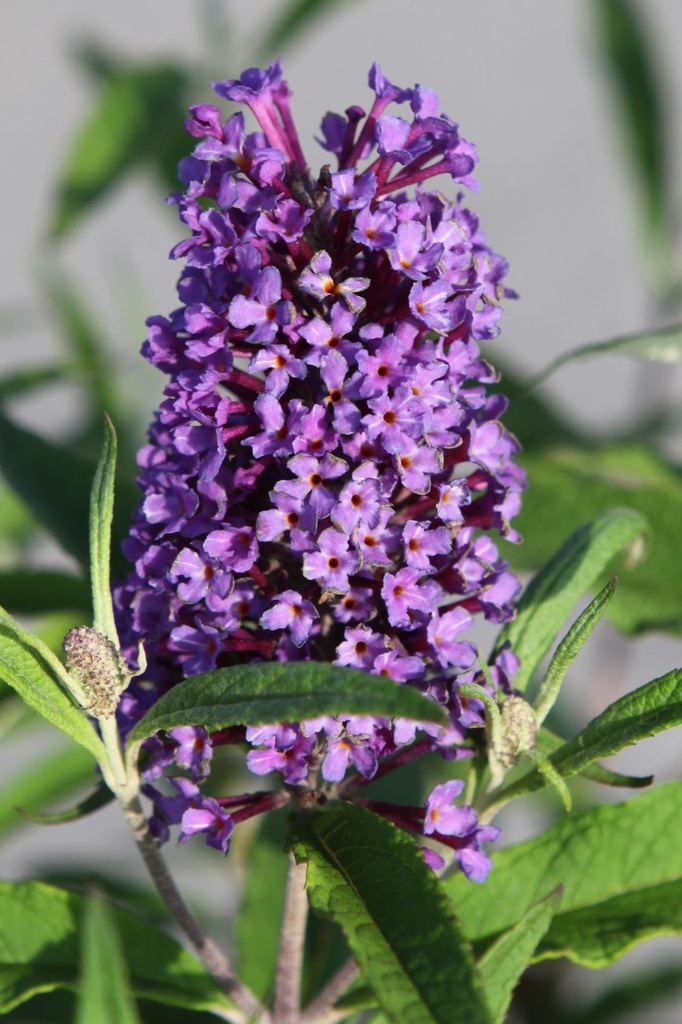
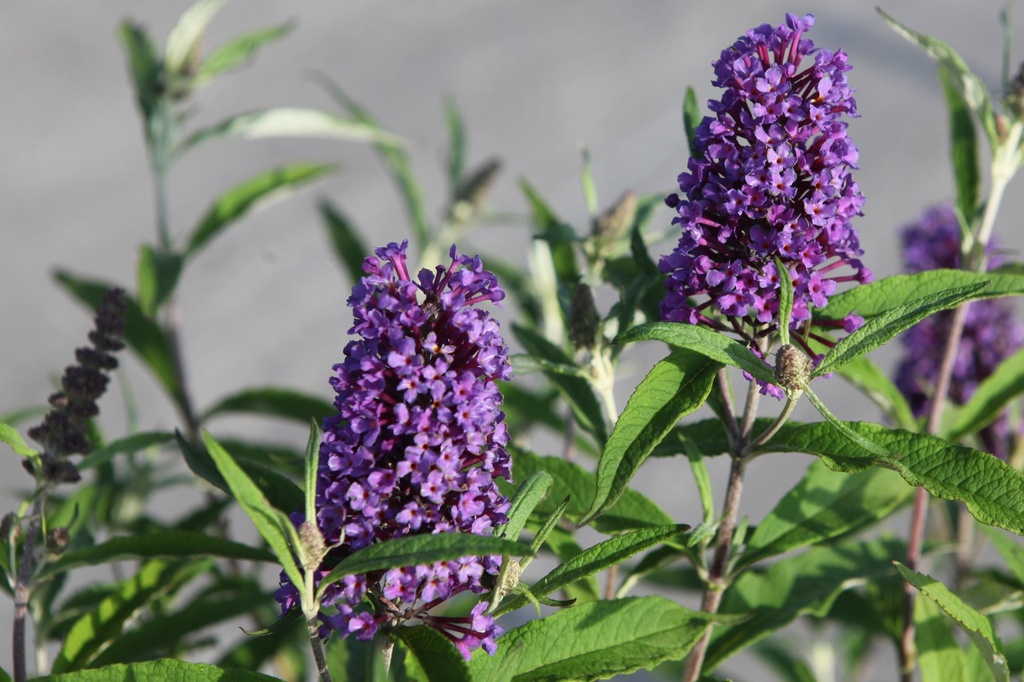
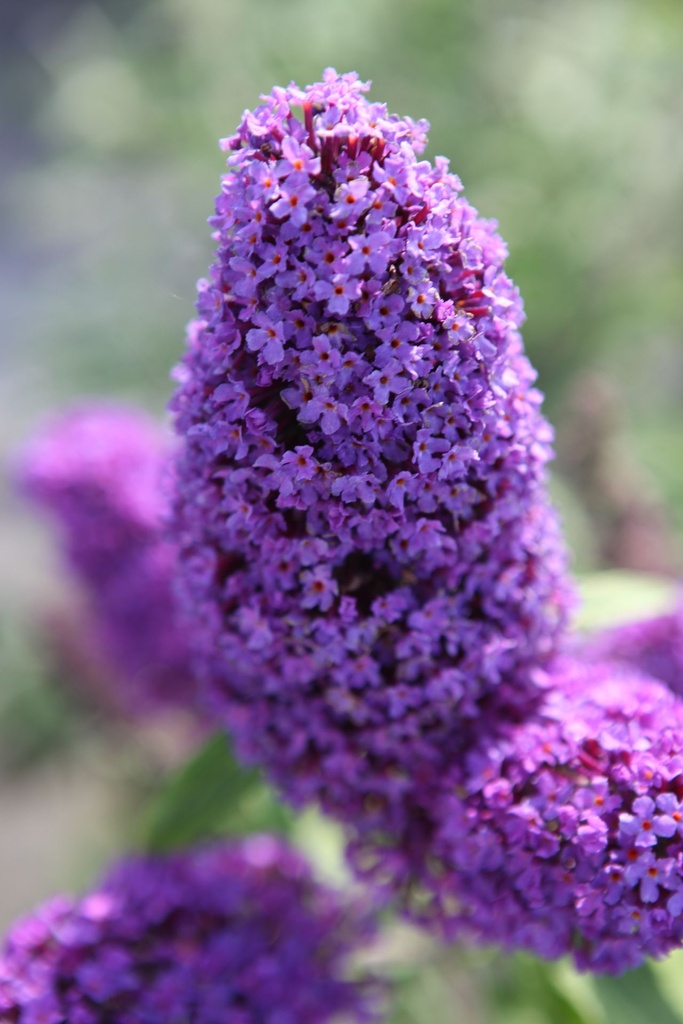
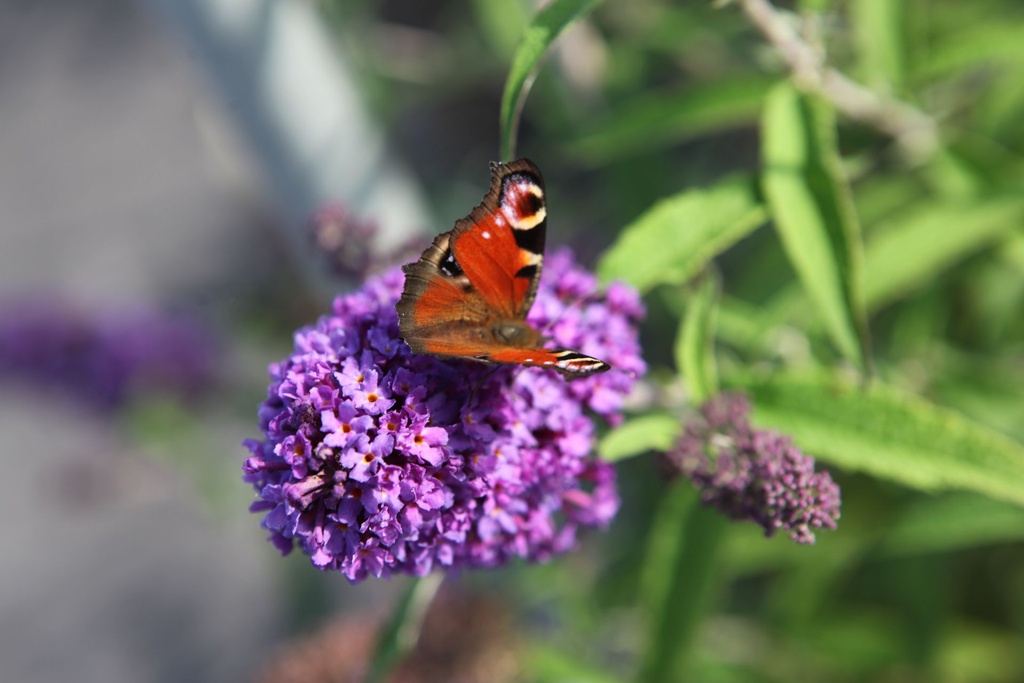
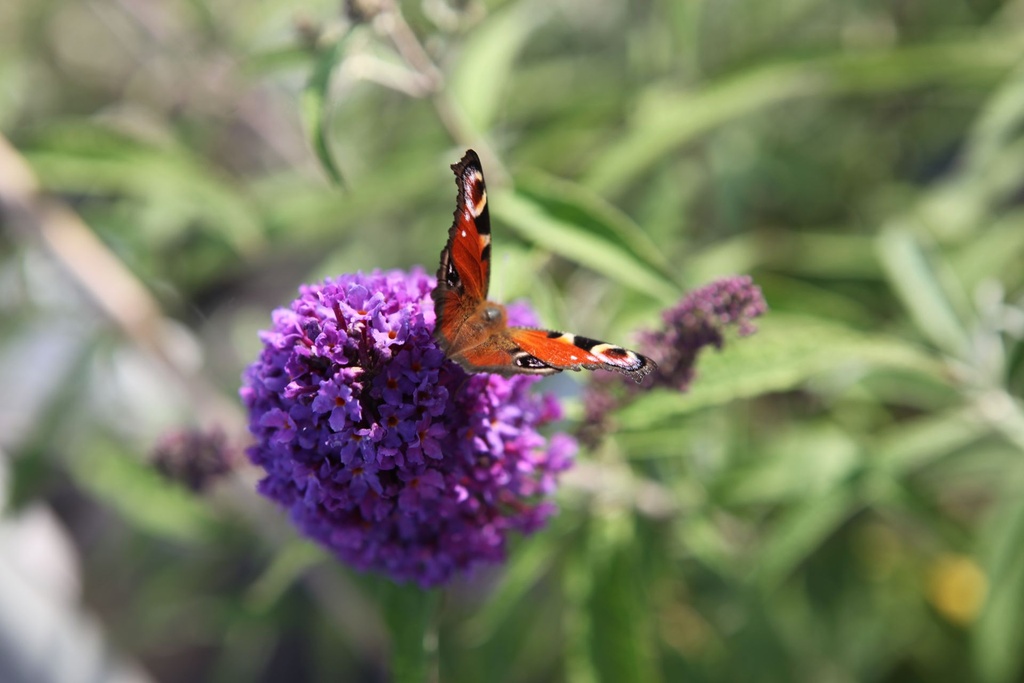
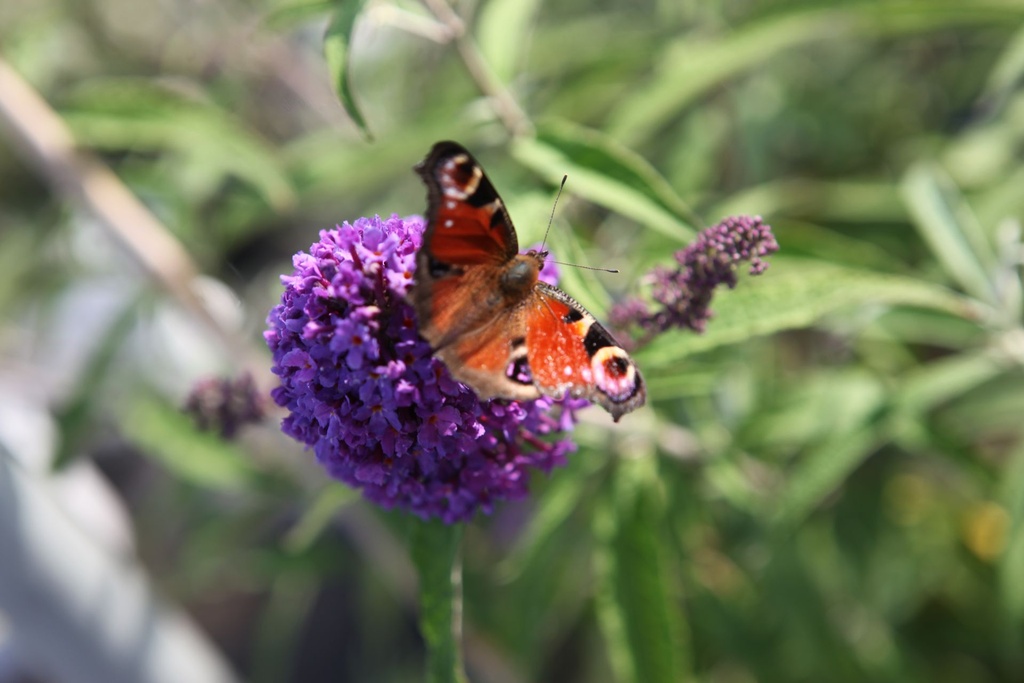
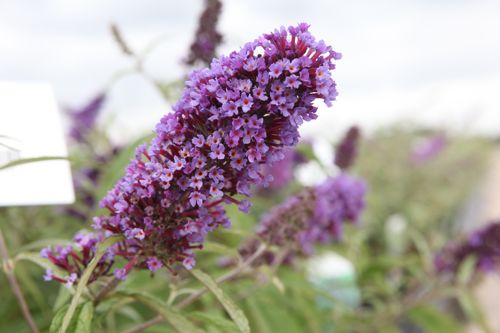
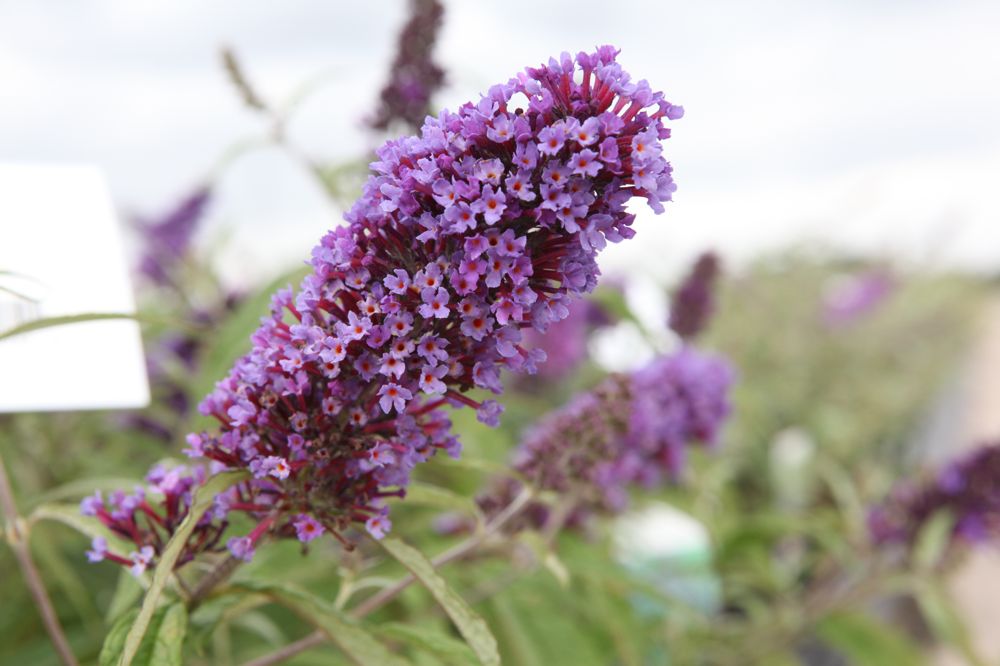
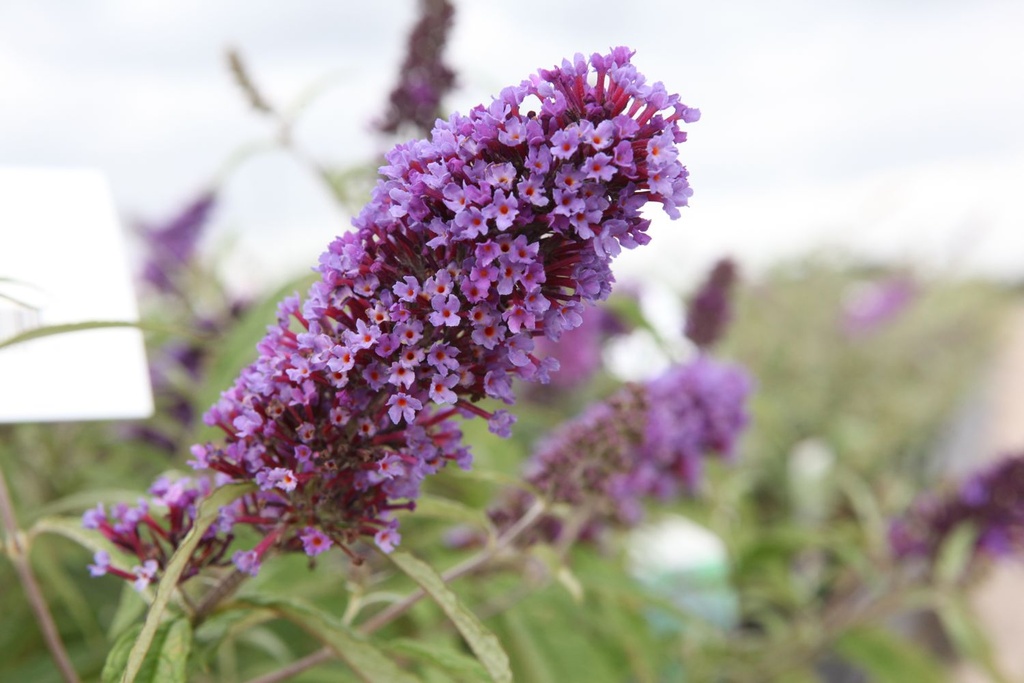
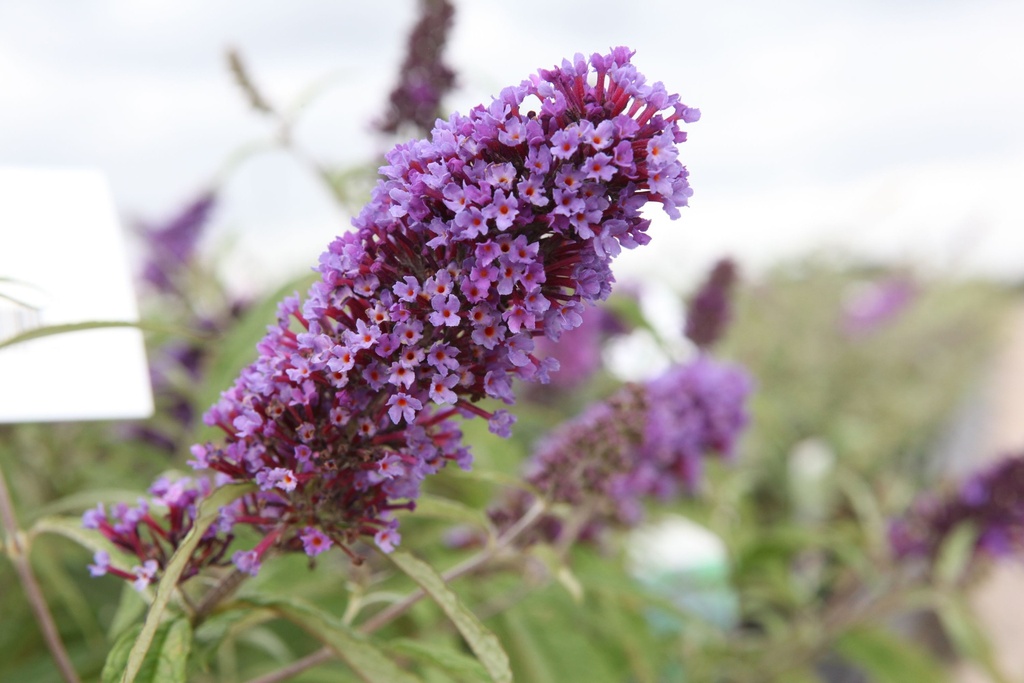
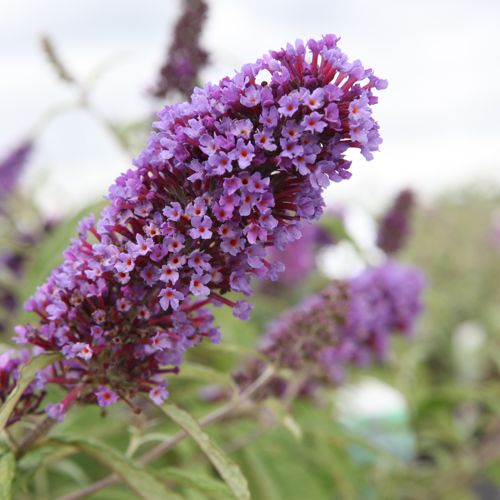
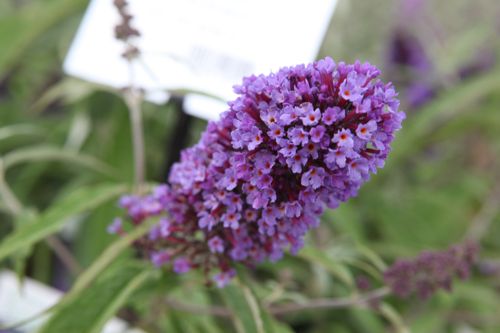
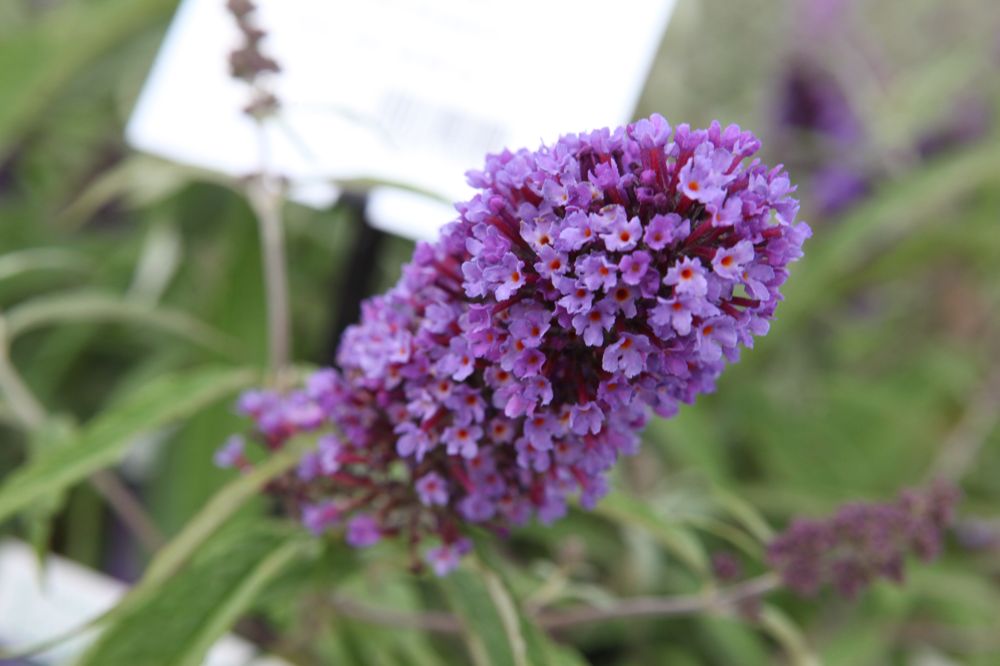
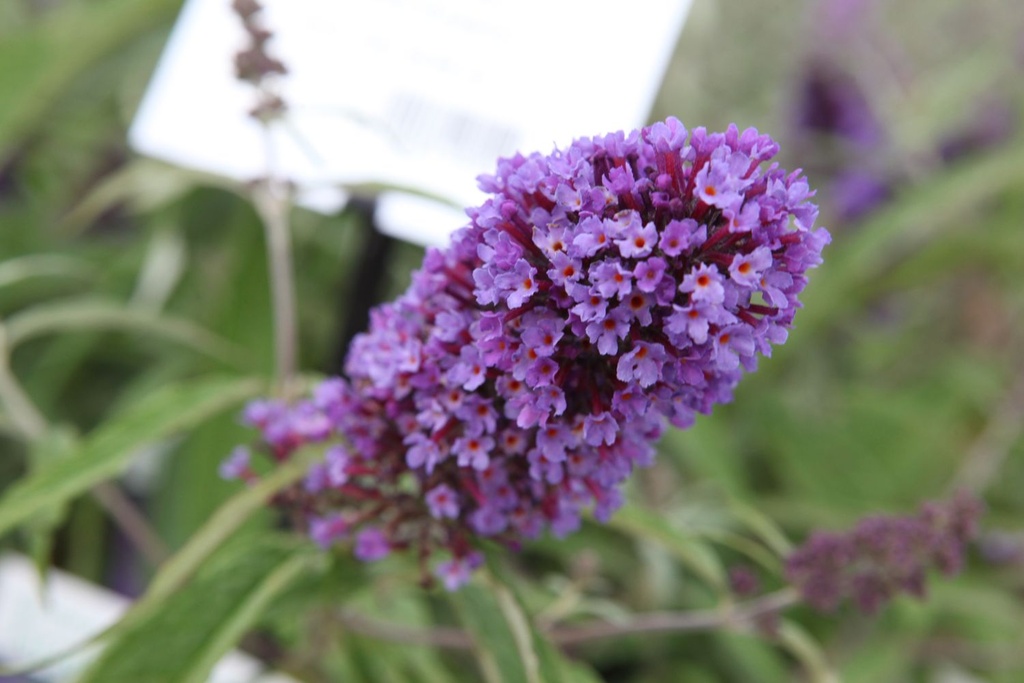
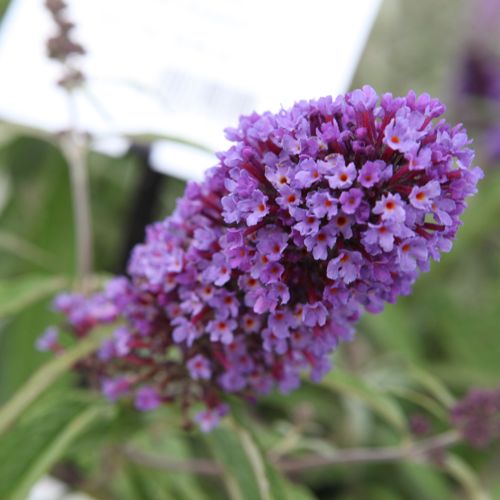
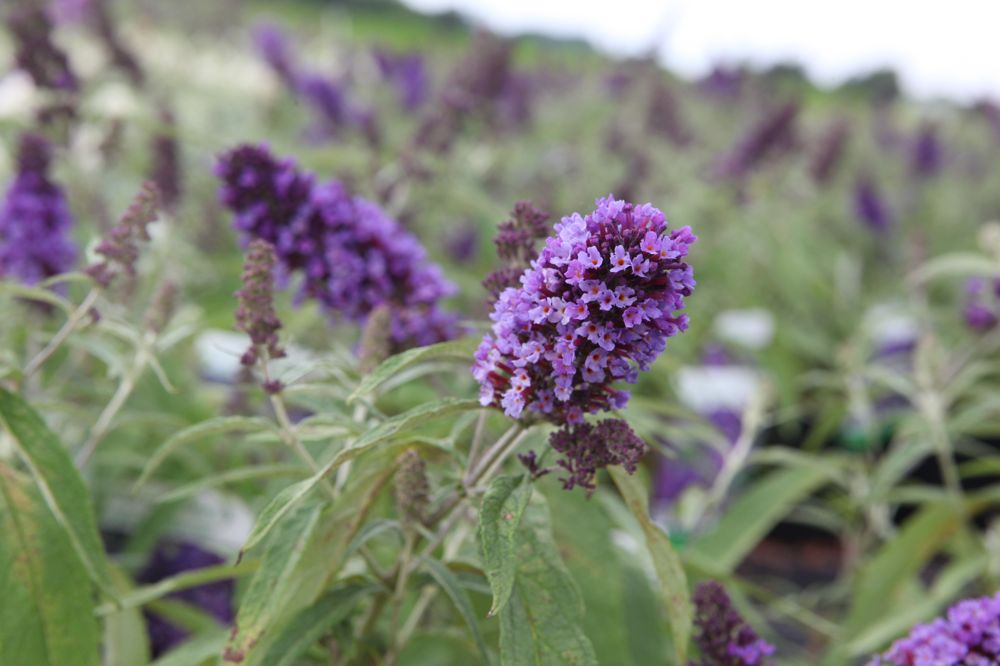
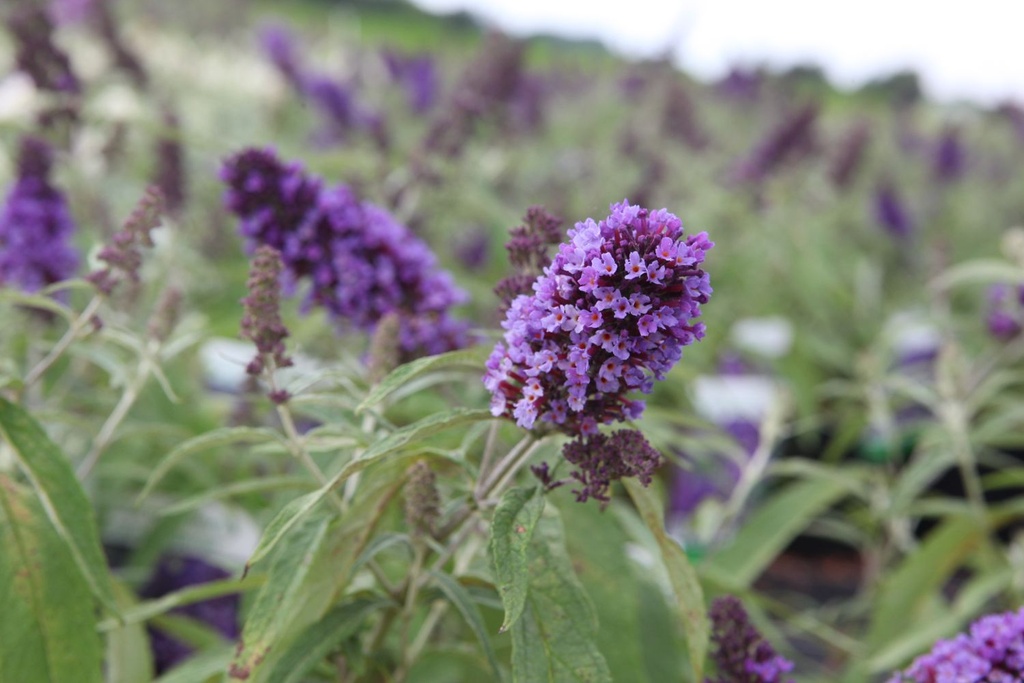
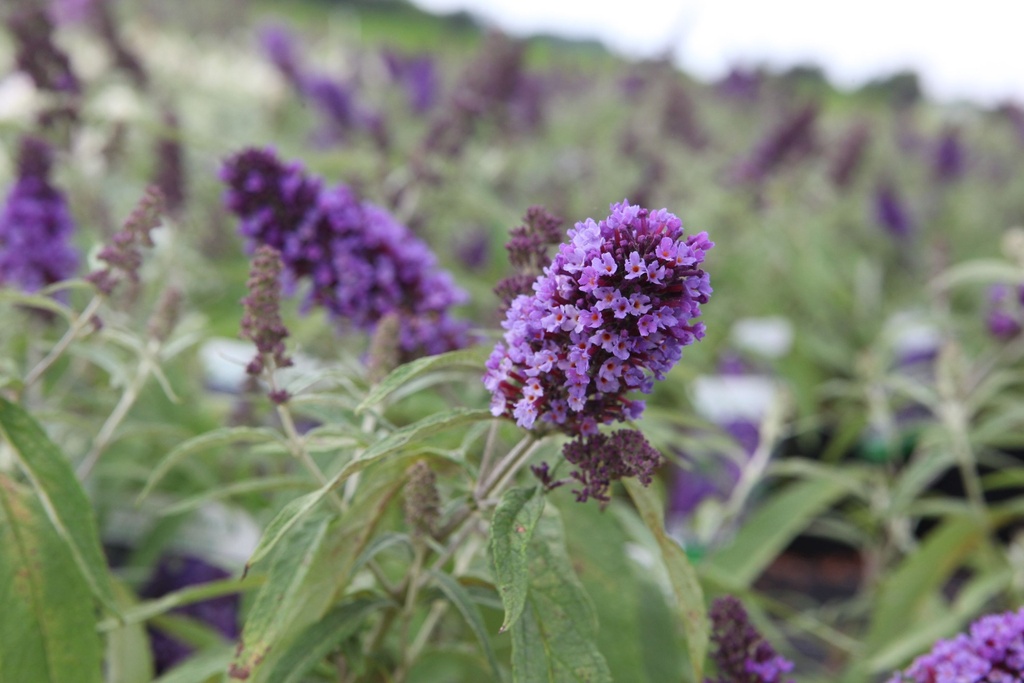
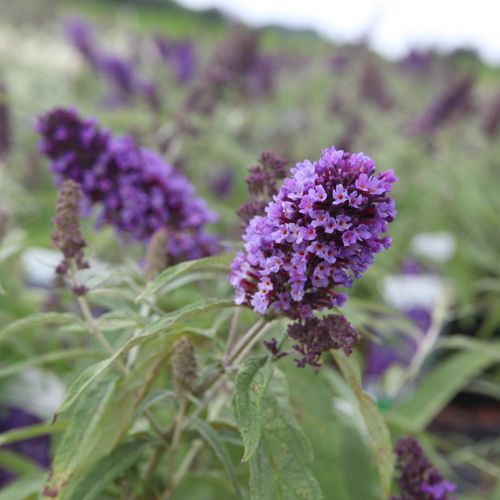
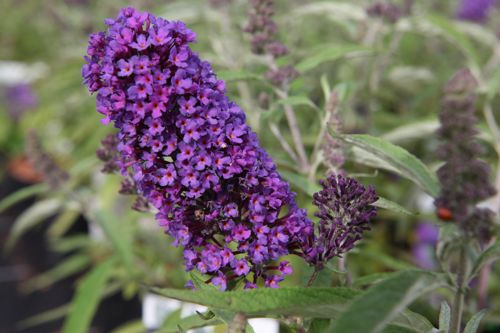
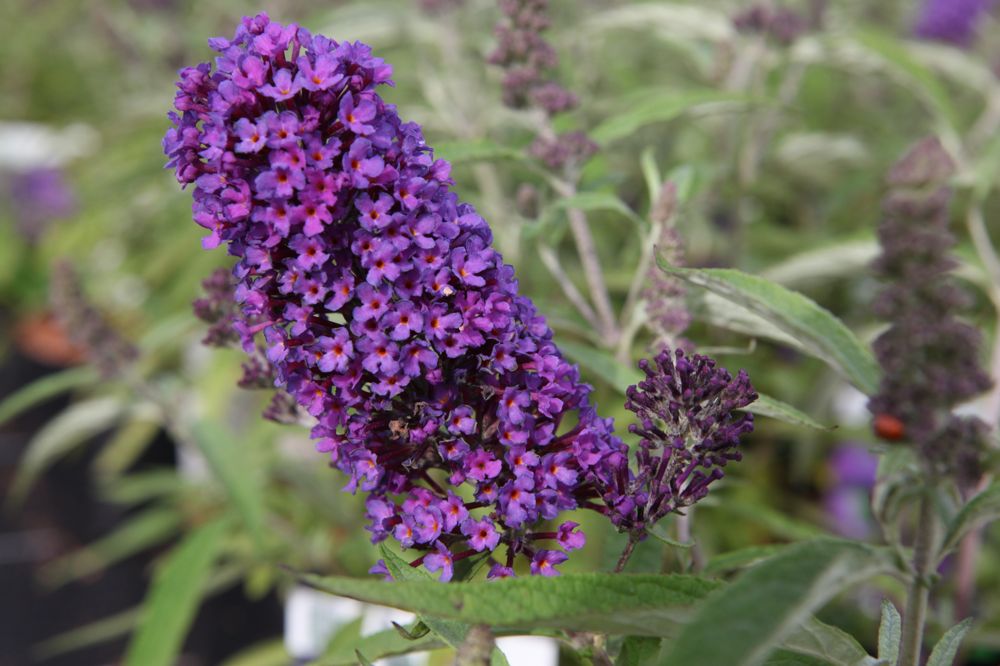
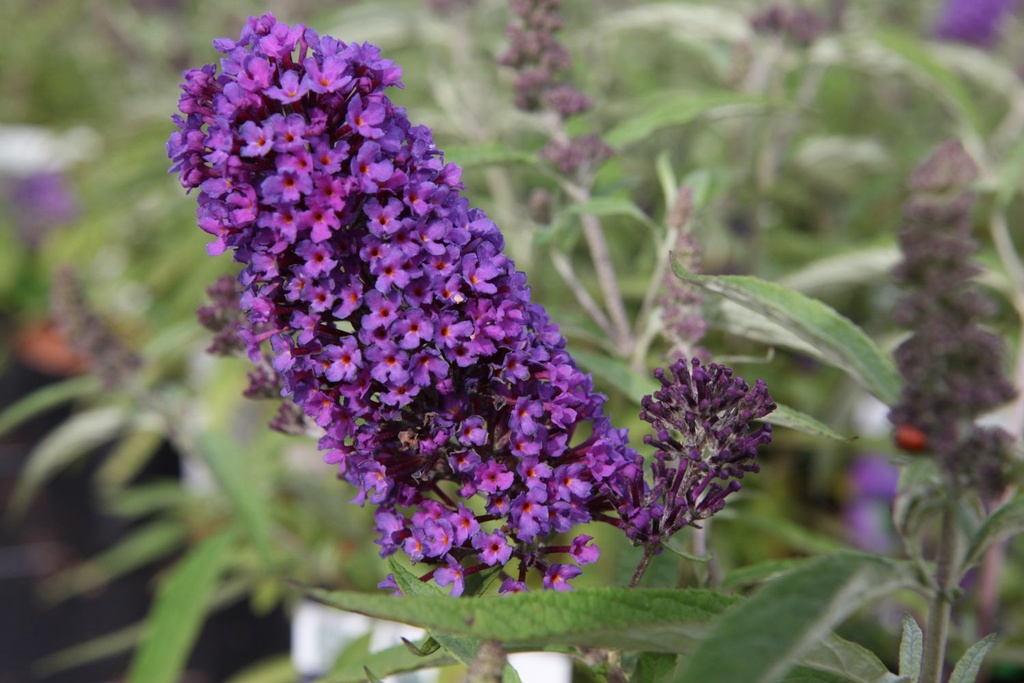
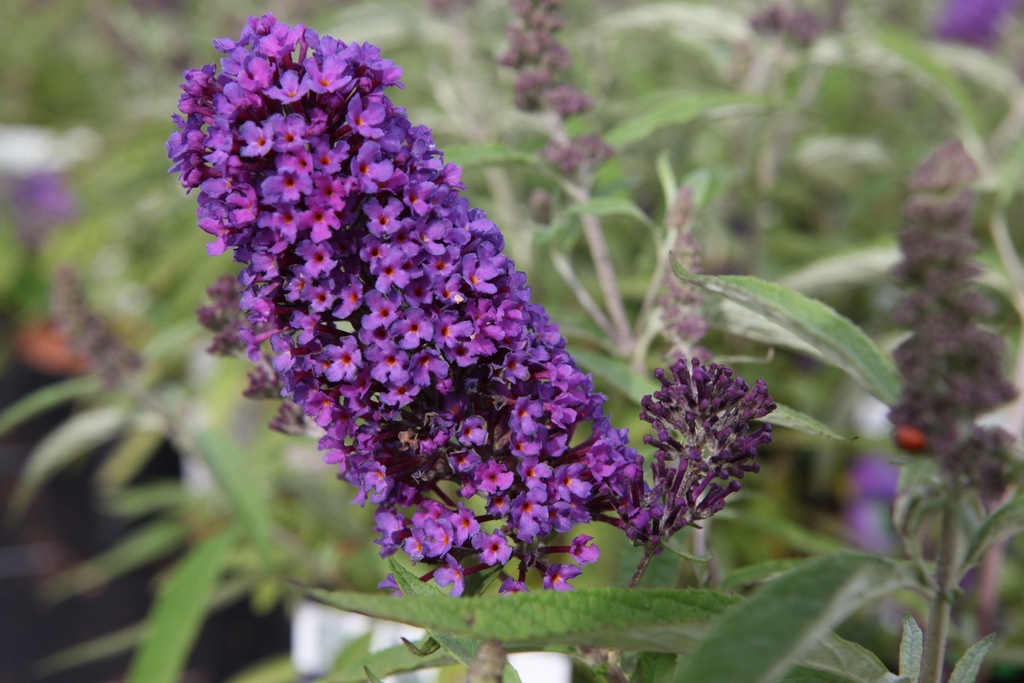
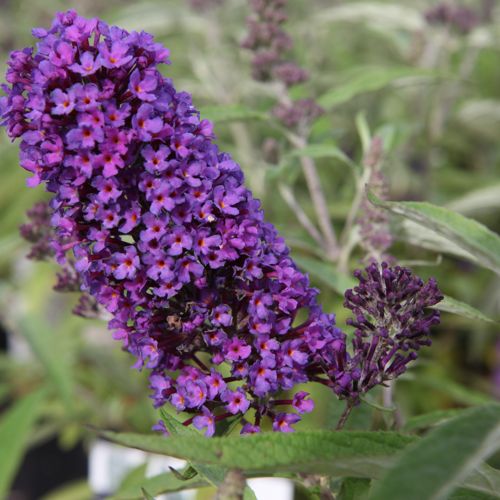
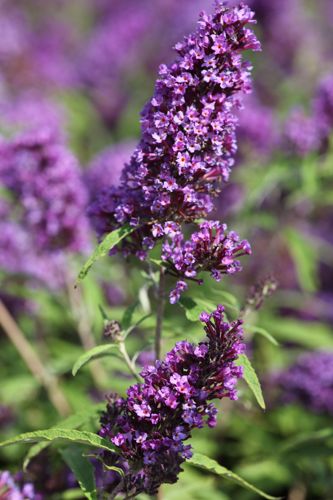
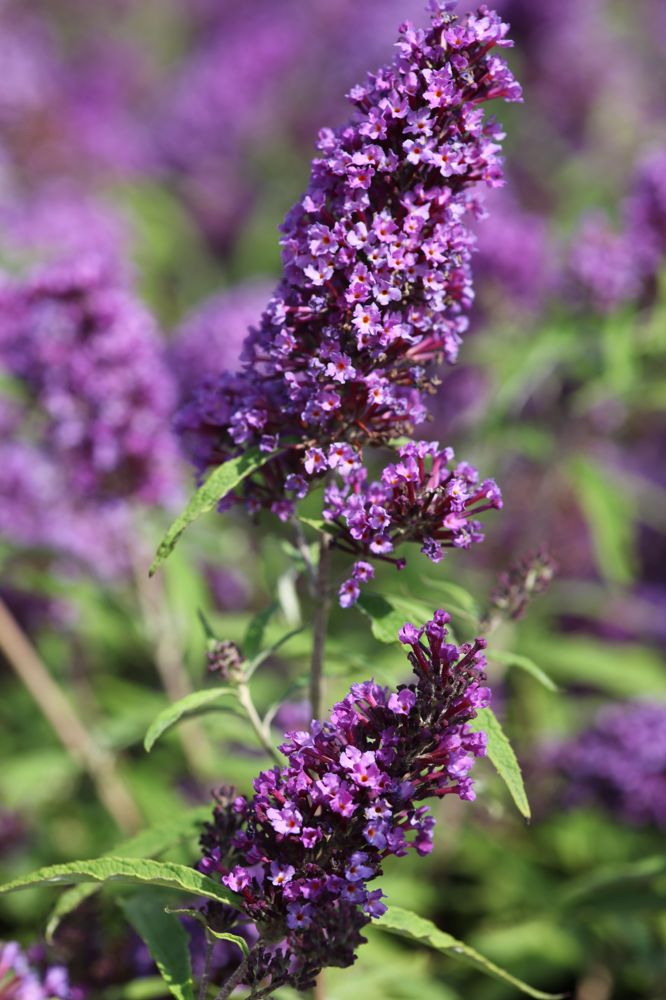
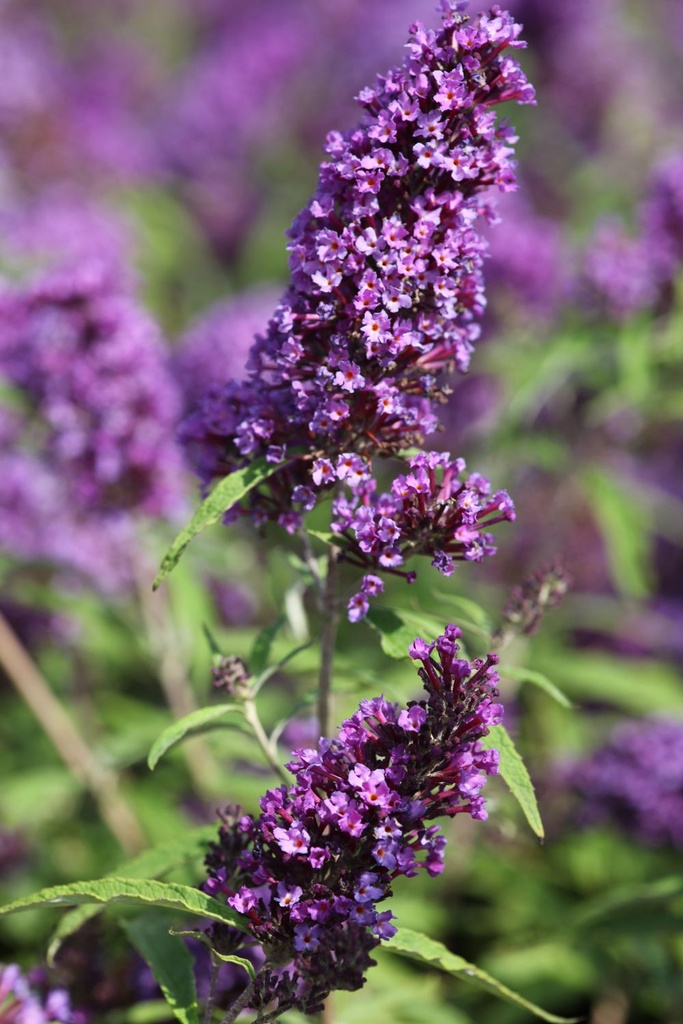
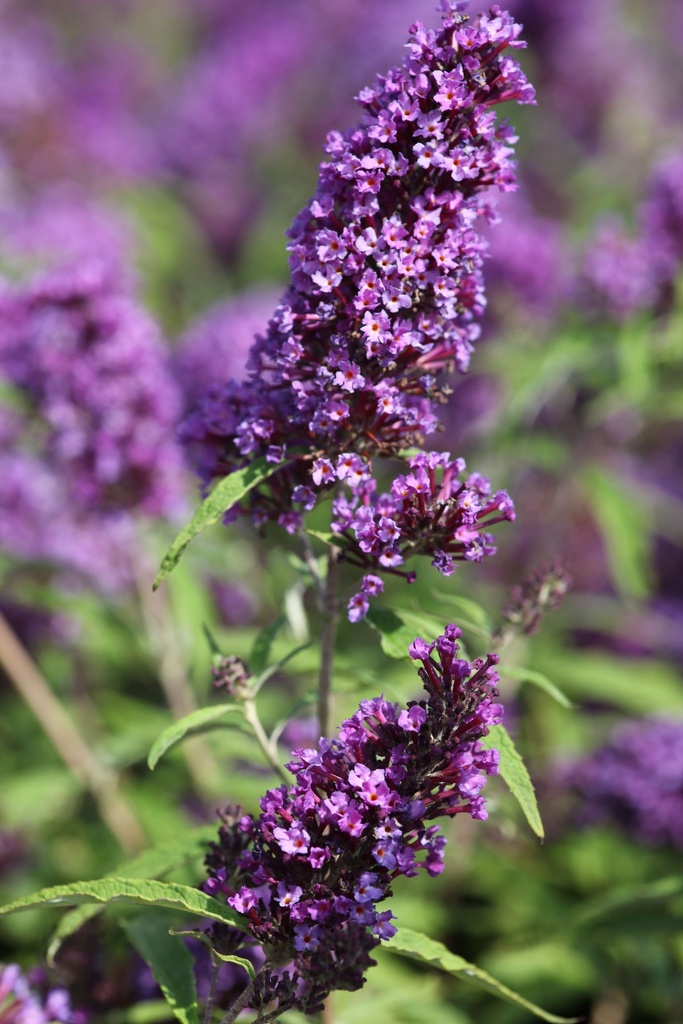
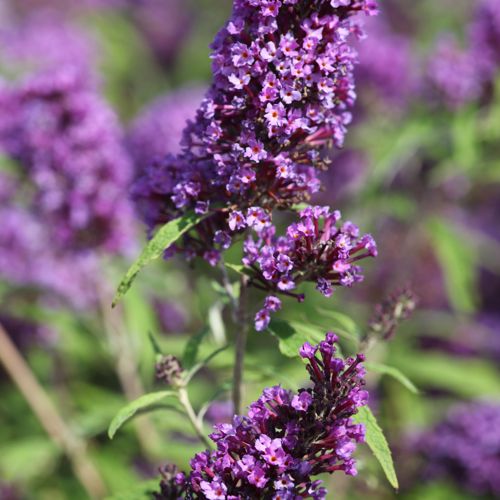
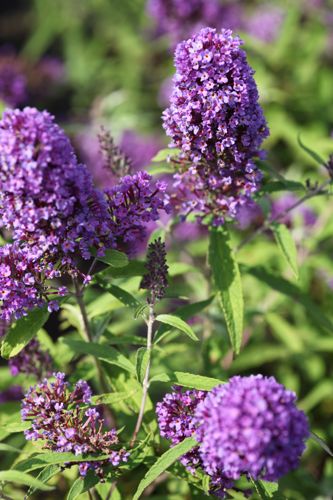
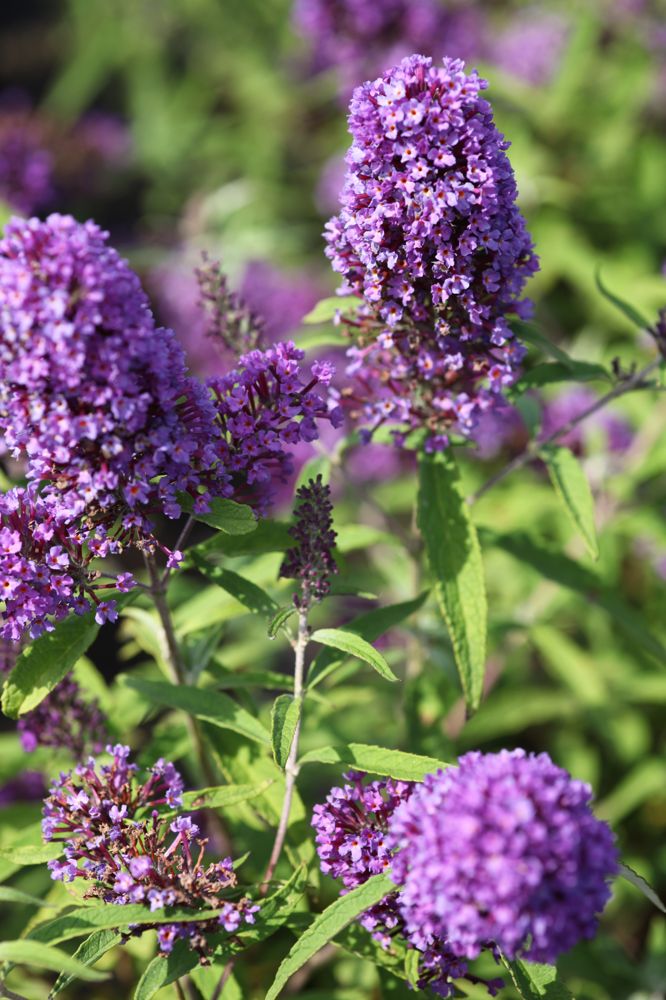
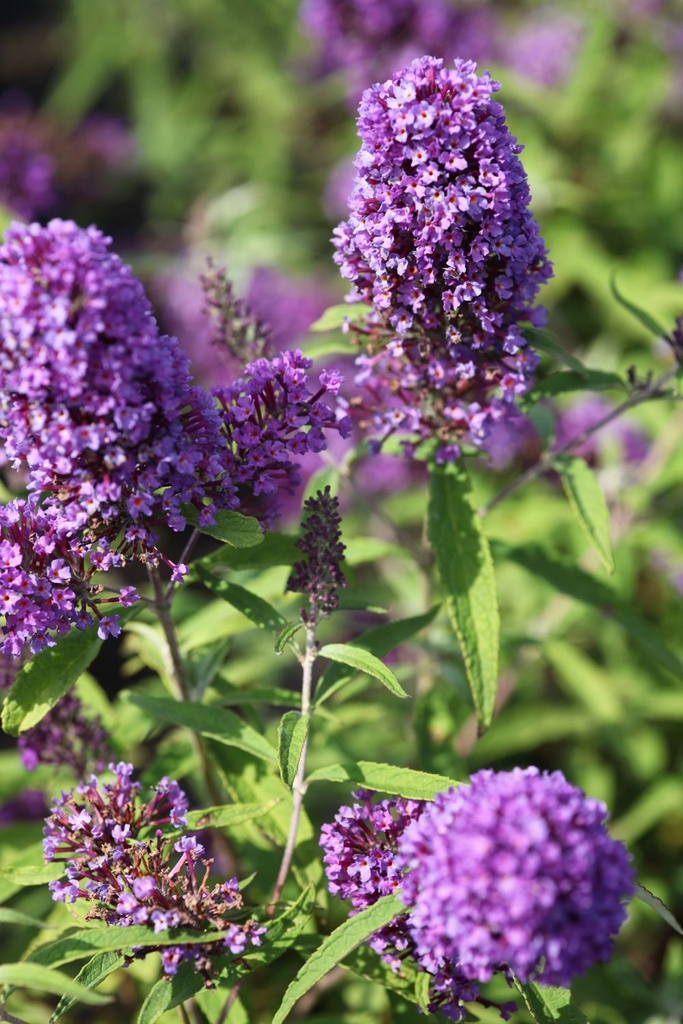
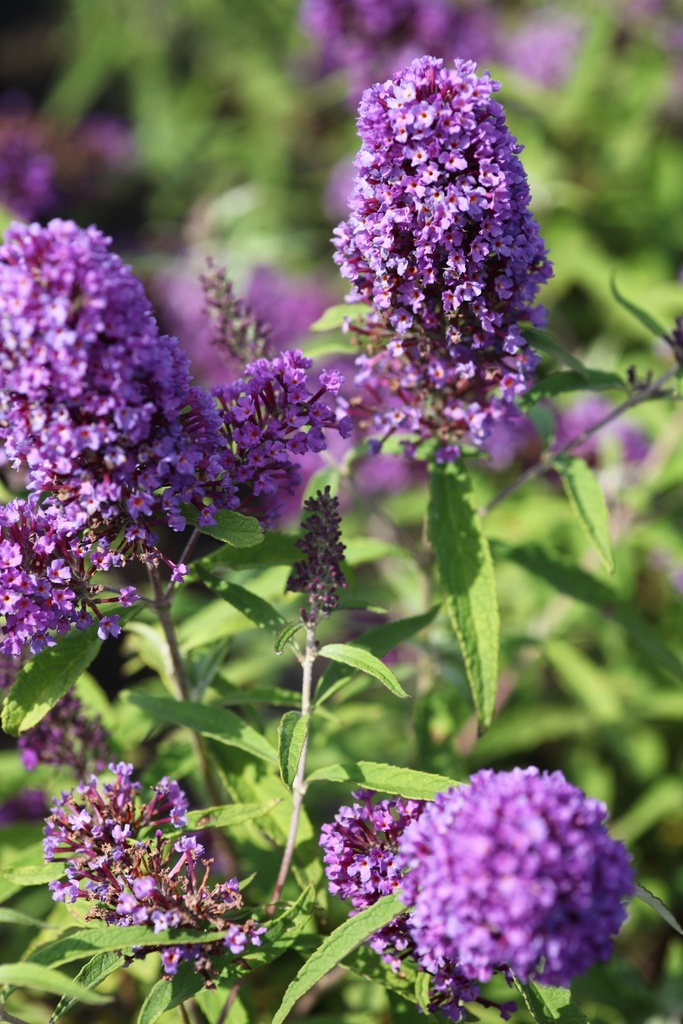
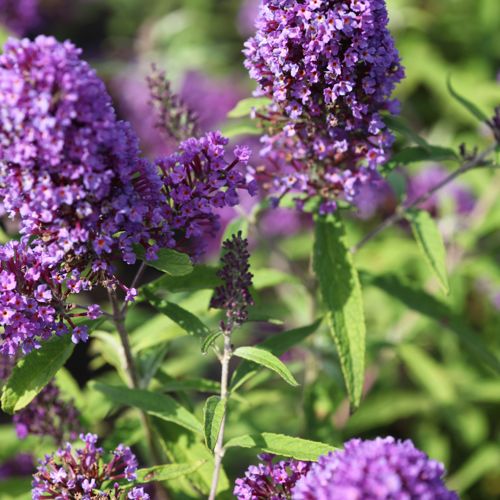
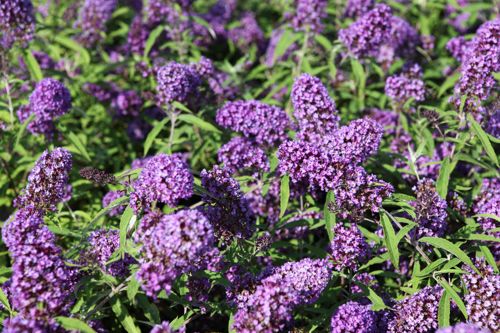
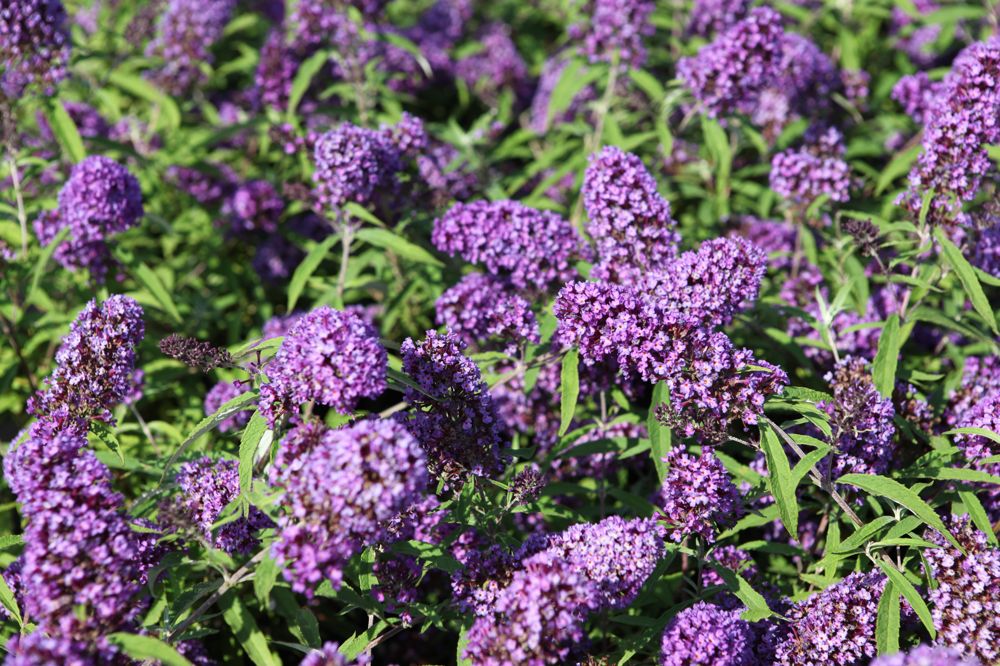
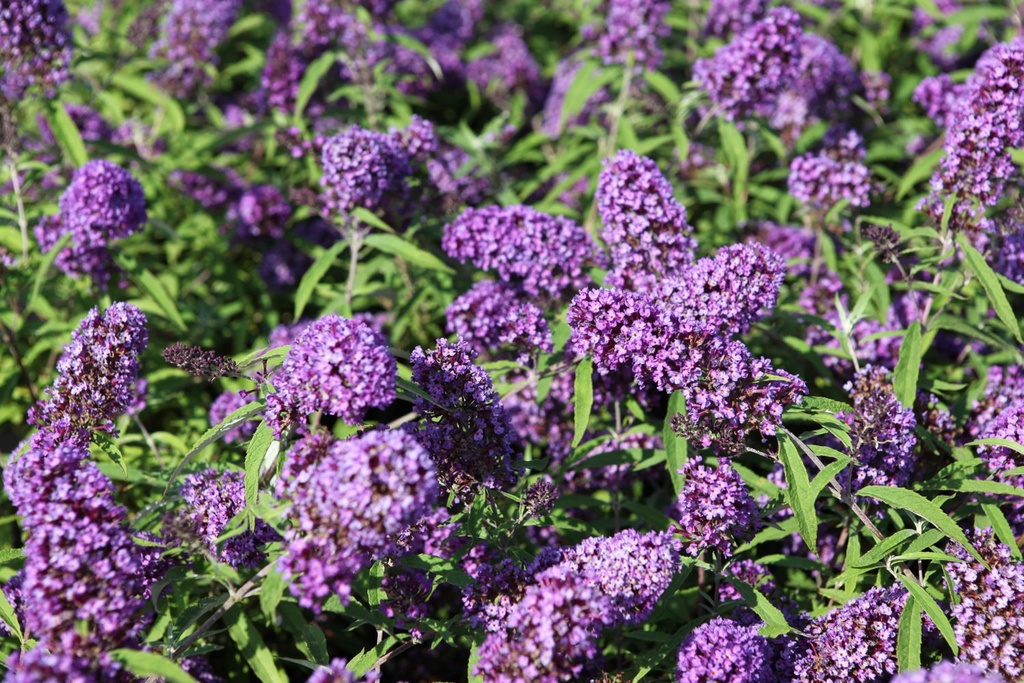
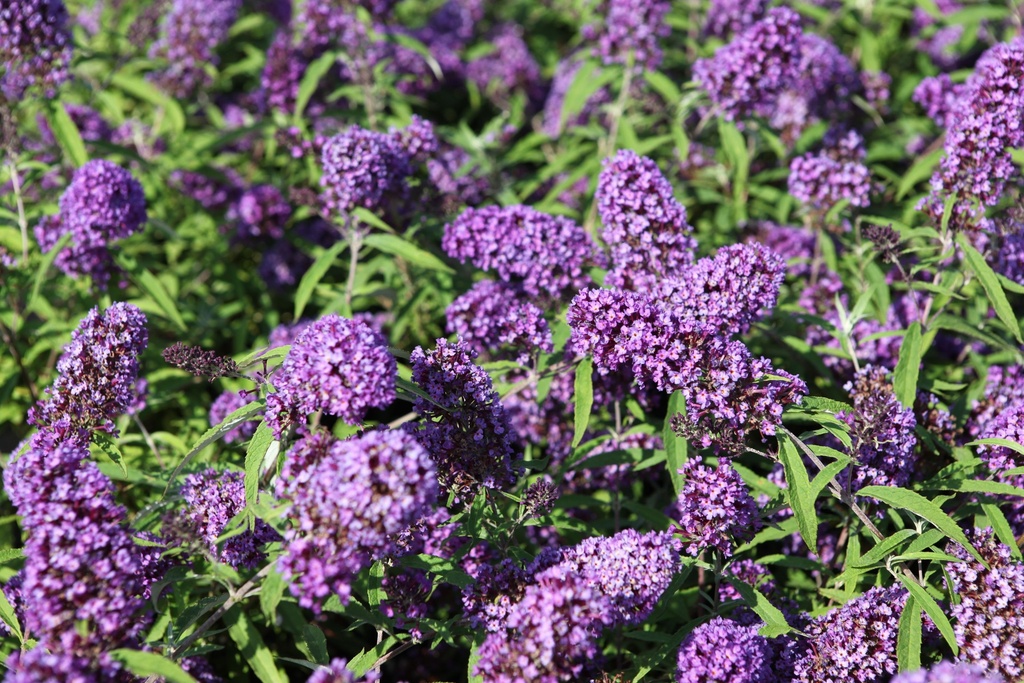
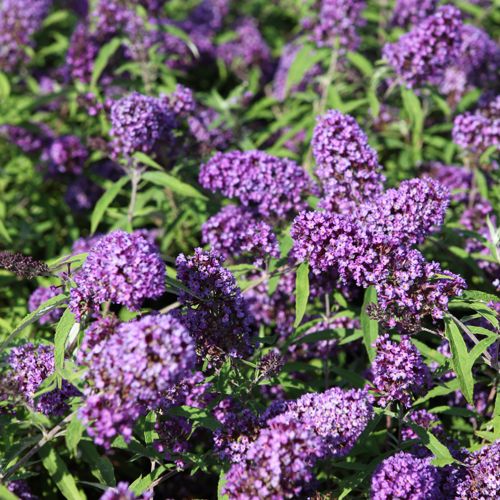
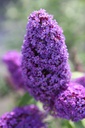
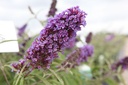
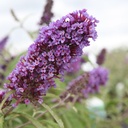
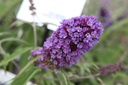
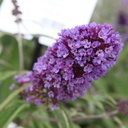
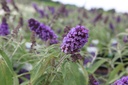
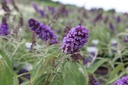
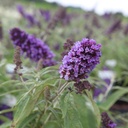
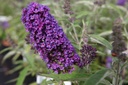
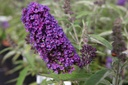
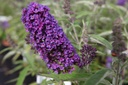
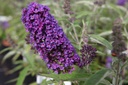
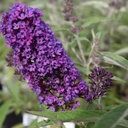
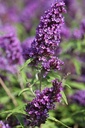
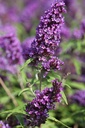
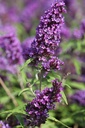
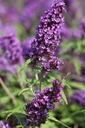
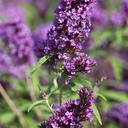
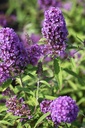
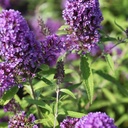
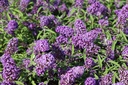
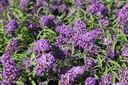
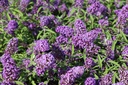
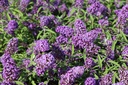
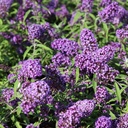
'Purple Emperor', named after the purple emperor butterfly, is part of Elizabeth Keep's English Butterfly series and stays compact at about 1.5 m high and wide. Its dense, branching growth carries large, fragrant panicles of 15 to 25 cm in a deep purple-violet with an orange eye, from July to September.
Butterfly Bush Buddleja
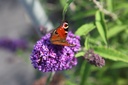
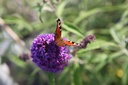
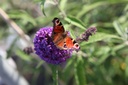
Butterfly bushes (Buddleja) are fast-growing shrubs from Asia, Africa and the Americas. From late spring into autumn, depending on the species, they bear dense, often fragrant flower panicles in white, lilac, purple, pink or yellow, rich in nectar and very attractive to butterflies and other pollinators. They are among the easiest flowering shrubs to grow.
Dwarf butterfly bush Buddleja davidii
Buddleja davidii, native to China, is the best-known butterfly bush and the parent of most garden forms. It forms a broad shrub of up to around 3 m with arching branches and long, lance-shaped leaves, green above and whitish beneath. From July to September it bears long, honey-scented flower spikes.
Location and soil
Plant in full sun, out of strong wind, in any well-drained soil, from clay and loam to stony or chalky ground. The shrub tolerates drought and urban conditions and is very hardy.
Pruning and care
It flowers on the current year's shoots, so prune hard each year in March–April, cutting last year's growth back to a low framework. Remove faded flower spikes during summer to prolong flowering and prevent seeding. Aphids may occasionally appear.
Use in the garden
A classic for wildlife gardens, mixed shrub borders and informal hedges, or as a solitary shrub; compact forms suit large containers. Because the species readily seeds itself onto bare and disturbed ground, regular deadheading or sterile selections are advisable.
Plant characteristics
Botanical
| Family | Scrophulariaceae |
| Genus | Buddleja |
| Species | davidii |
| Cultivar | 'Purple Emperor' |
Flowering
| Flowering period | june to august |
| Colour (flower) | violet |
| Flowers | fragrant, plant with flowers |
Foliage
| Evergreen | no |
| Colour (foliage) | green |
Growth habit
| Height | 150 cm, 200 cm |
Location
| Winter hardiness | -20 °C |
| Soil type | neutral |
| Location | sun, half shade |
| Soil moisture | dry, normal |
Use
| Type (use) | shrub, solitary, in group |
Care
| Pruning | yes, march to april |