
|
J
|
F
|
M
|
A
|
M
|
J
|
J
|
A
|
S
|
O
|
N
|
D
|
About this plant
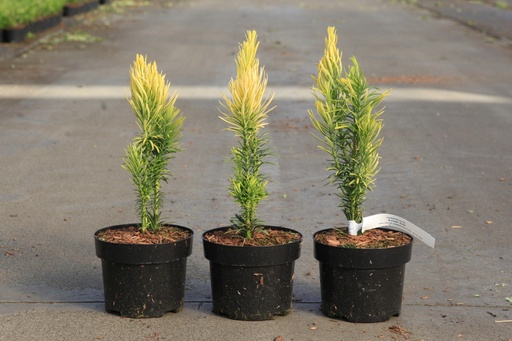
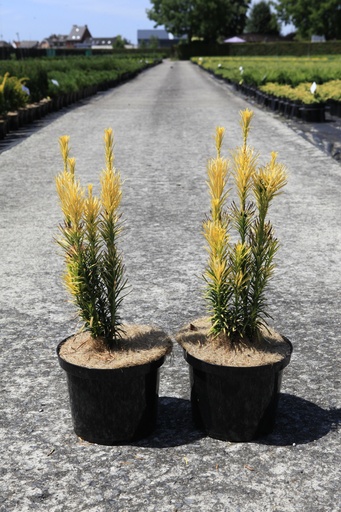
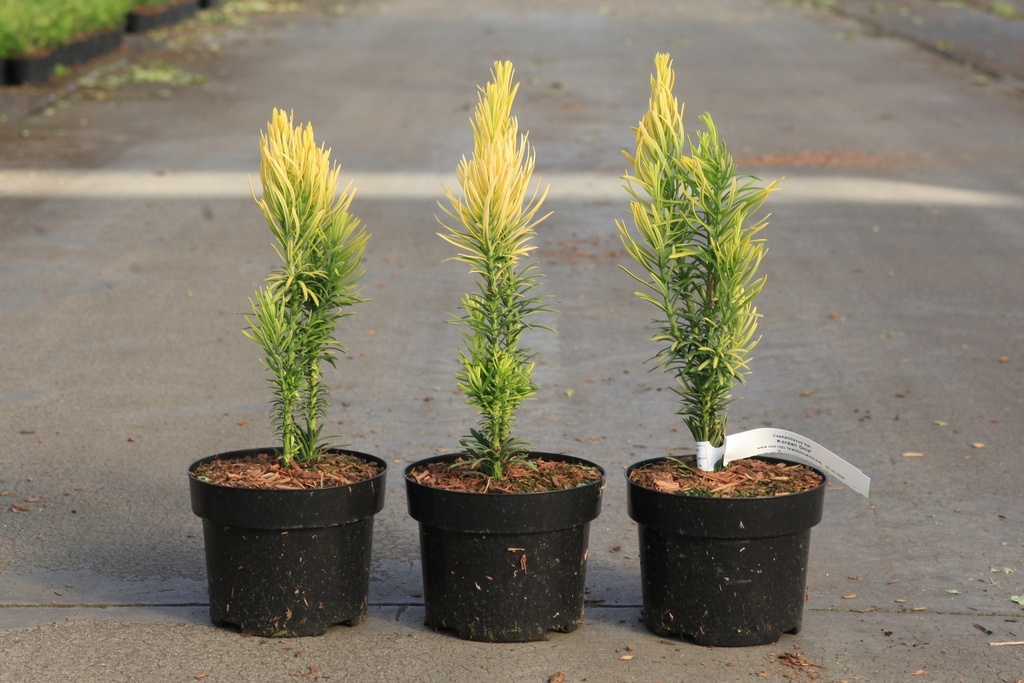
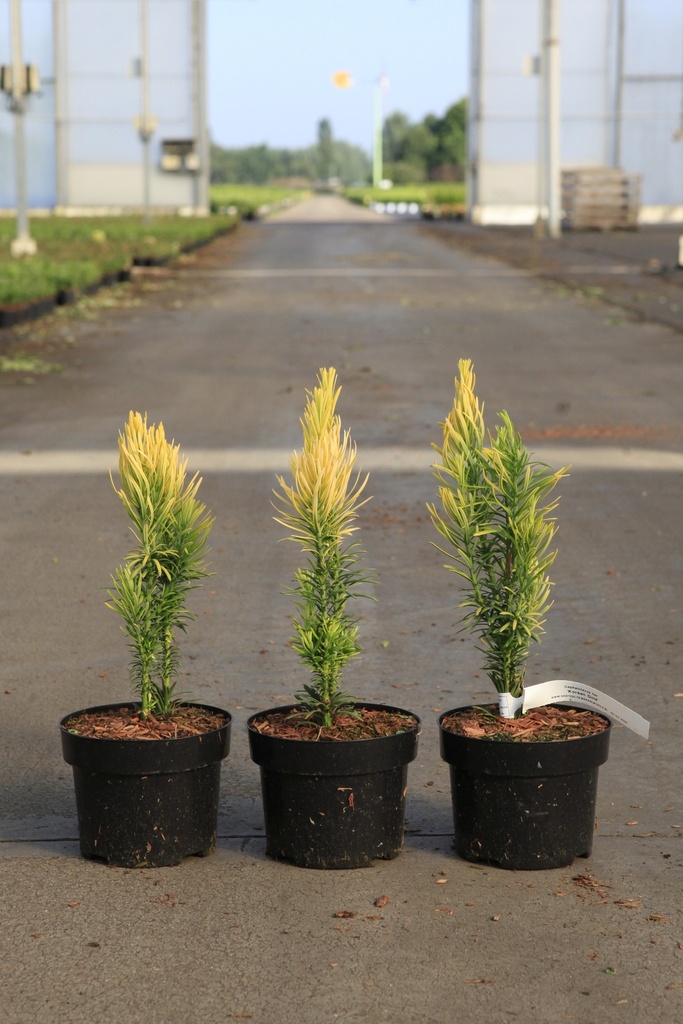
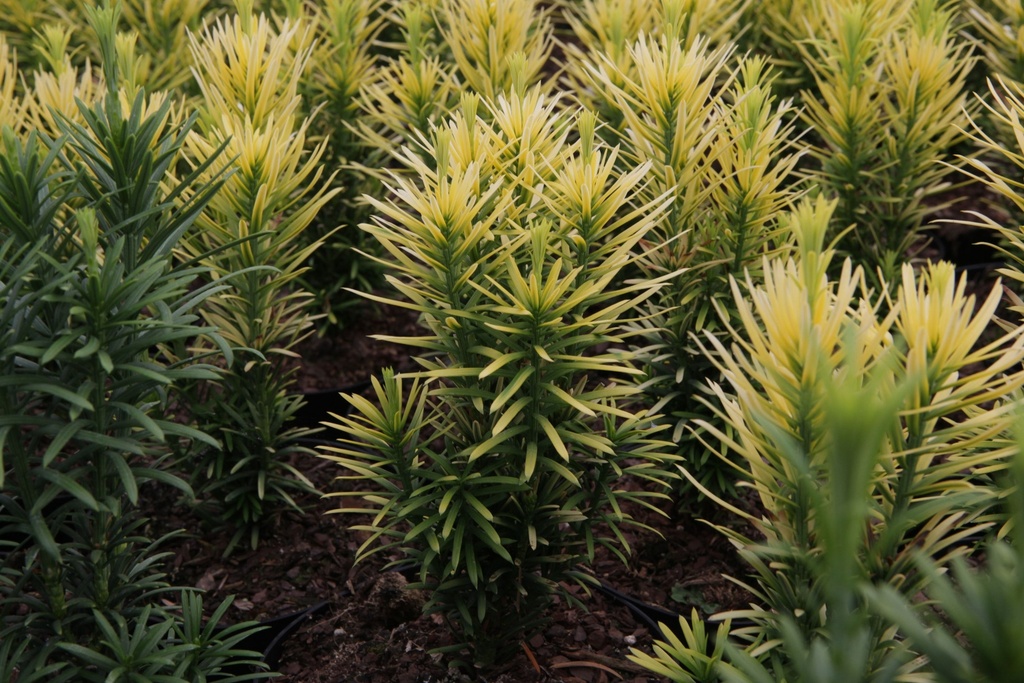
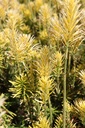
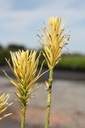
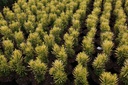
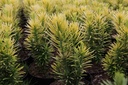
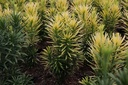
Cowtail pine Cephalotaxus
Plum yews (Cephalotaxus) are evergreen conifers from the cool, humid forests of East Asia. They resemble yews but have longer, leathery needles, and most stay below 3 to 5 m as shrubs or small trees branching from the base. Female plants can bear fleshy, plum-like fruits when a male grows nearby.
Japanese plum-yew Cephalotaxus harringtonia
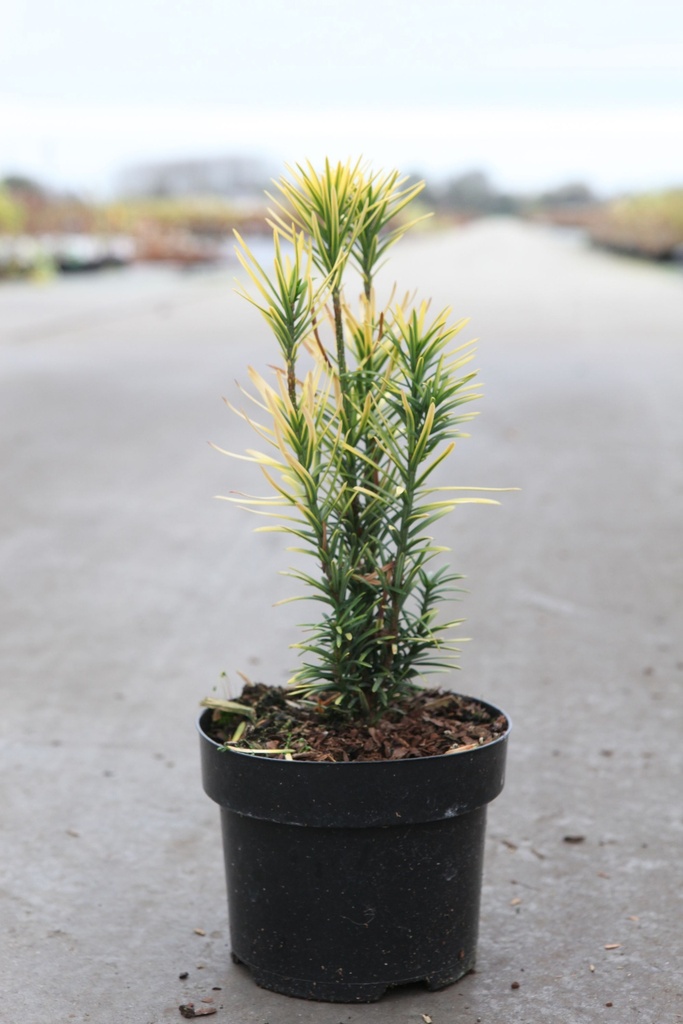
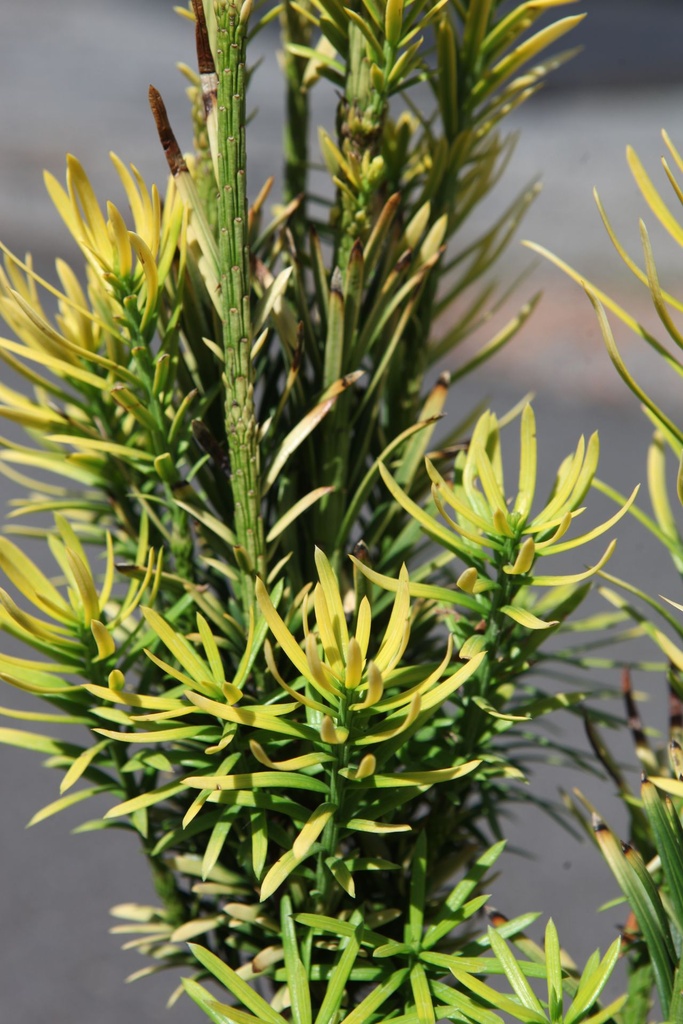
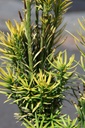
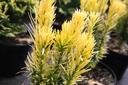
The Japanese plum yew grows wild in shaded woodland in Japan, Korea and parts of China. It forms a slow-growing, often multi-stemmed shrub with upright shoots and dark green, yew-like needles that sit in a V-shaped arrangement along the stems. Female plants bear olive-shaped fruits that ripen from green to brown.
Location and soil
Plant in partial shade or shade; where summers are cool, as in Belgium, it also takes sun, but it is happiest out of hot afternoon sun. It accepts slightly acid, neutral or chalky soil, from clay to sand, as long as it stays moist and drains well. It is very hardy.
Pruning and care
No pruning is needed; if a shoot spoils the outline, it can simply be removed. Water regularly during the first season after planting; established plants withstand short dry spells. For fruit, a male plant must grow near the females.
Use in the garden
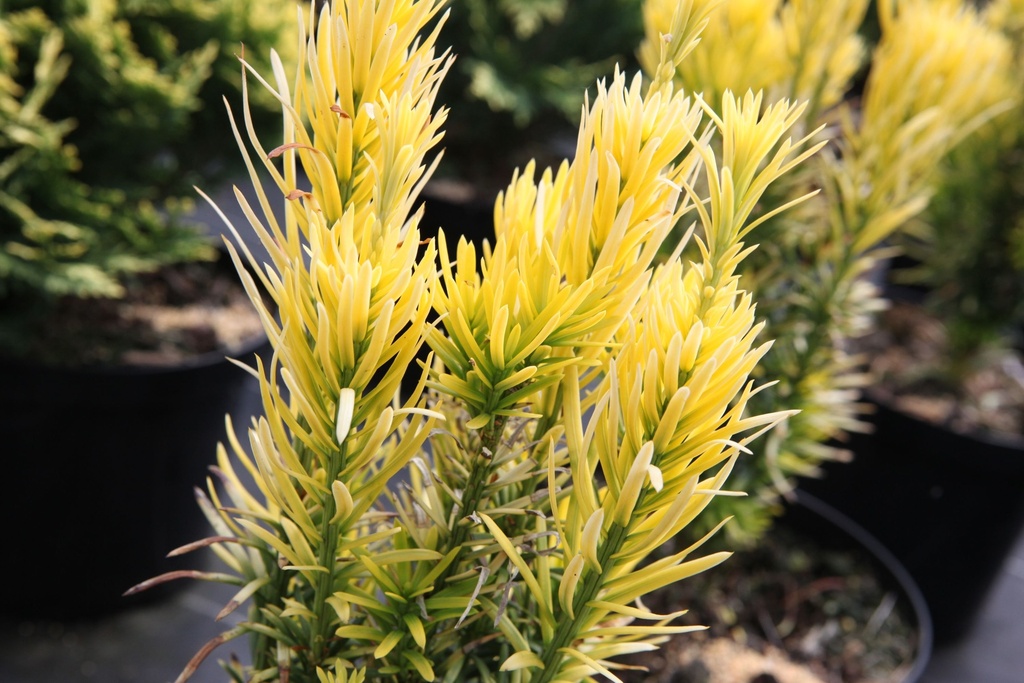
A fine evergreen for shady borders, woodland gardens and the north side of buildings, where it can take the place of yew. Upright forms give structure as a vertical accent or in a row, while spreading or golden forms light up the front of a border.
Plant characteristics
Botanical
| Family | Taxaceae |
| Genus | Cephalotaxus |
| Species | harringtonia |
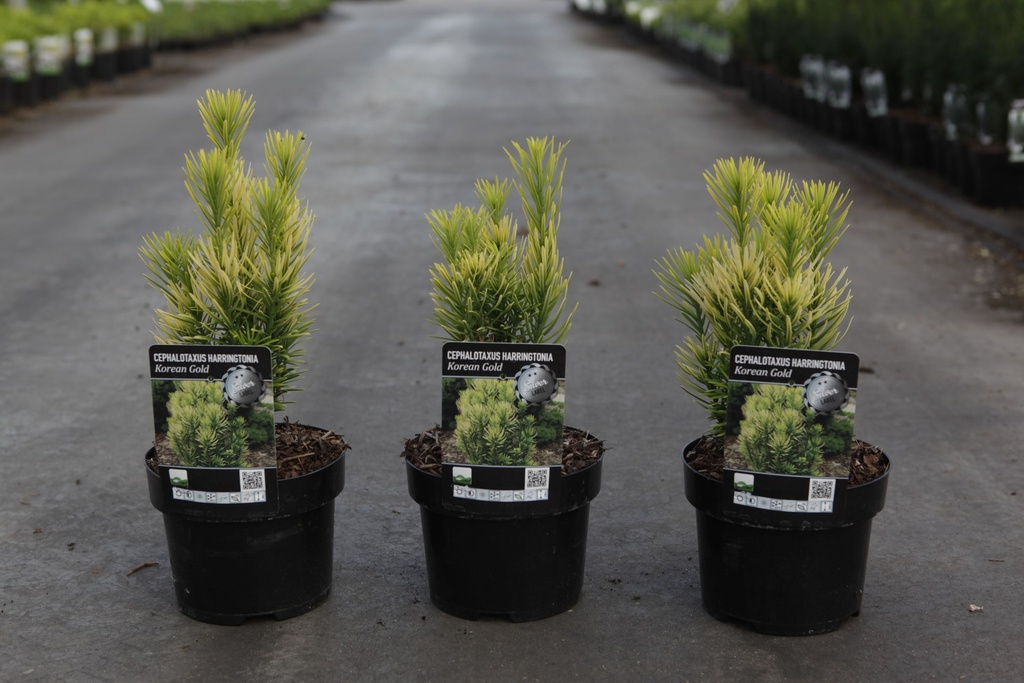
| Cultivar | 'Korean Gold' |
Foliage
| Evergreen | yes |
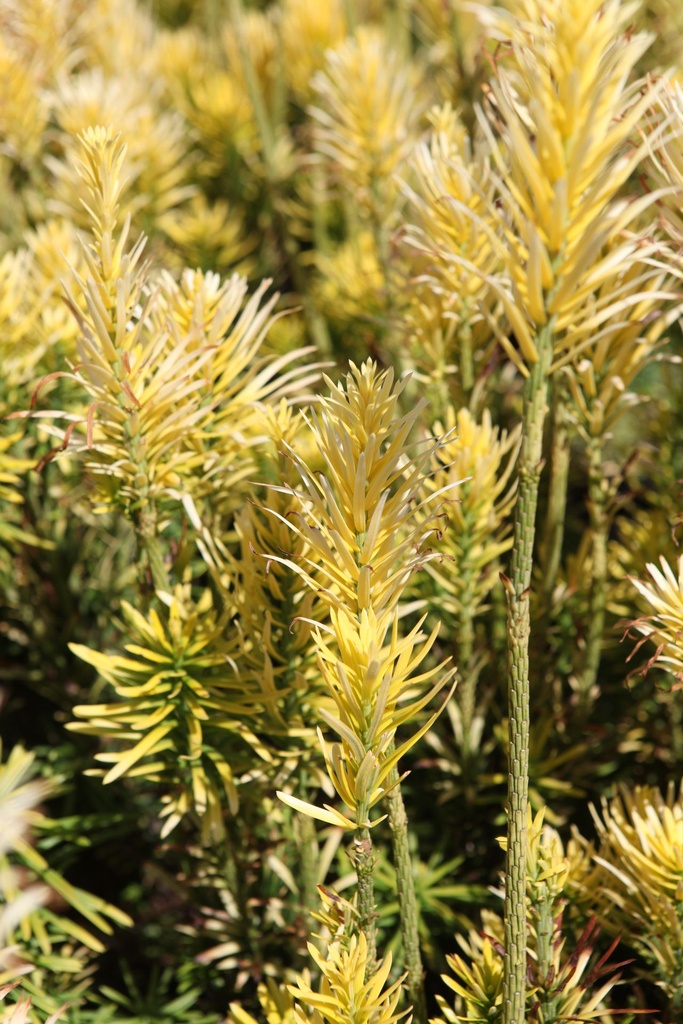
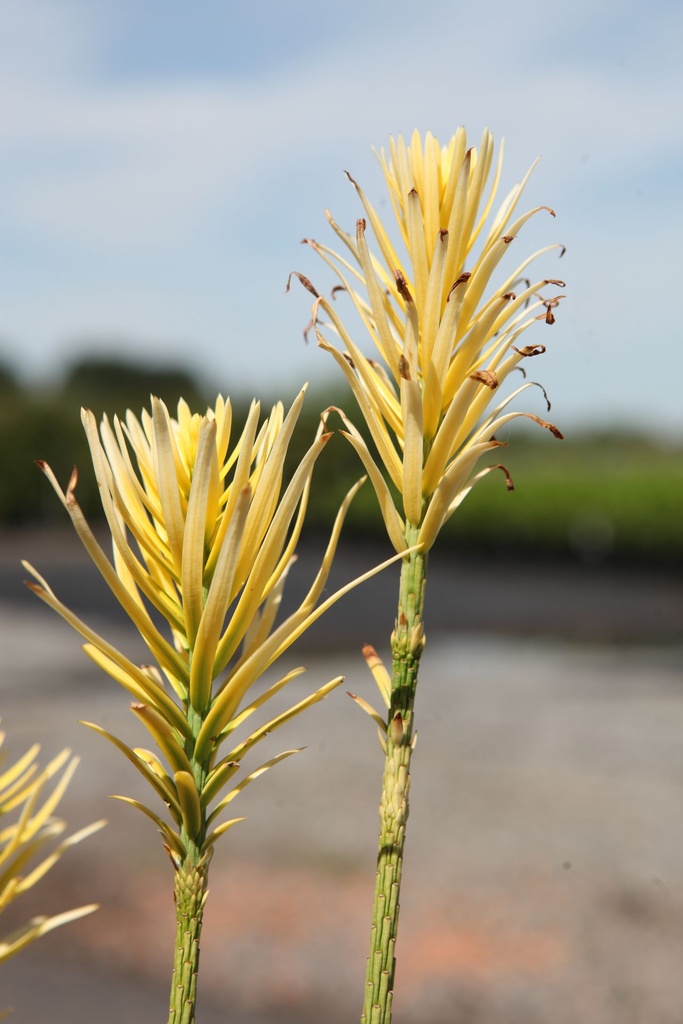
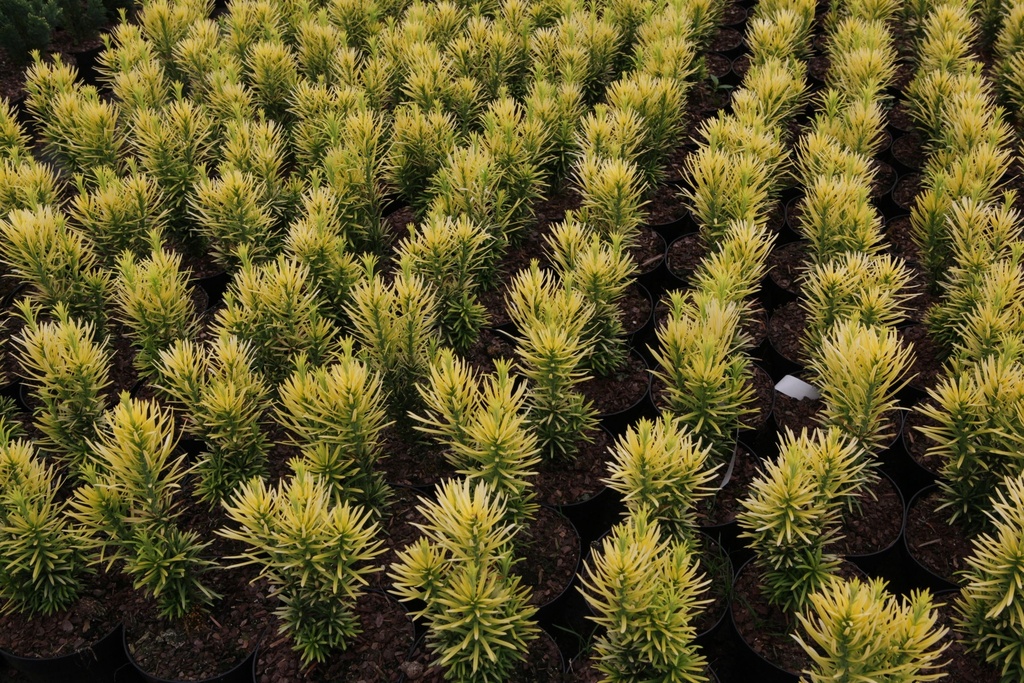
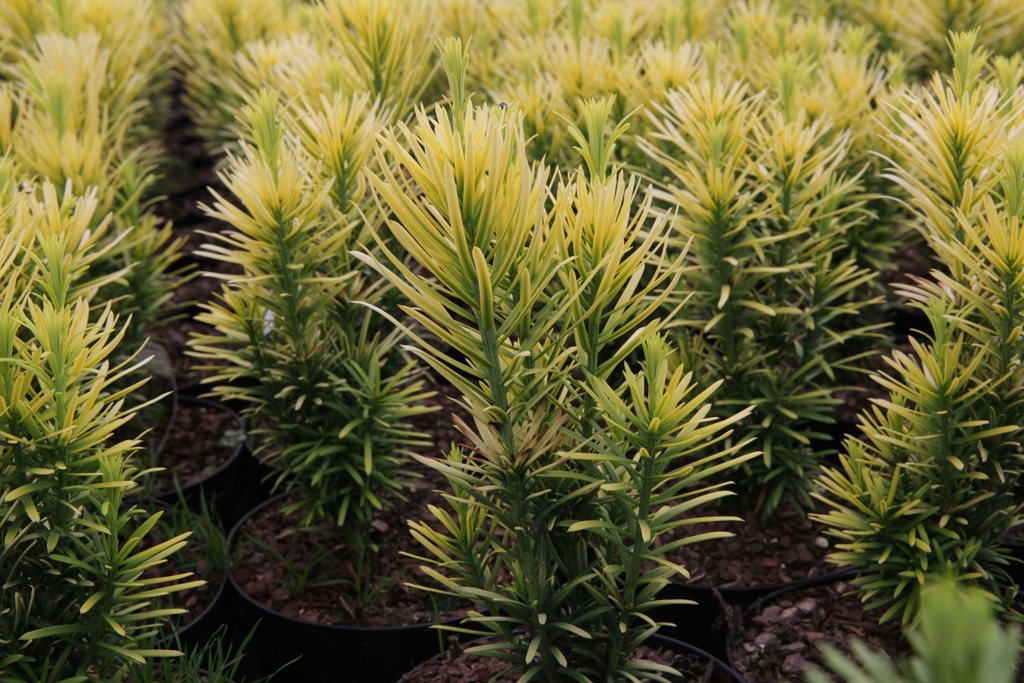
| Colour (foliage) | green, yellow |
Growth habit
| Height | 200 cm, 300 cm |
| Growth rate | slow |
Location
| Winter hardiness | -20 °C, -25 °C |
| Soil type | neutral |
| Location | sun, half shade |
| Soil moisture | normal |
Use
| Type (use) | solitary, conifer |
Care
| Pruning | yes |