




|
J
|
F
|
M
|
A
|
M
|
J
|
J
|
A
|
S
|
O
|
N
|
D
|
|
J
|
F
|
M
|
A
|
M
|
J
|
J
|
A
|
S
|
O
|
N
|
D
|
About this plant
False cypress Chamaecyparis
False cypresses (Chamaecyparis) are evergreen conifers from the cool, moist forests of North America and East Asia, belonging to the cypress family. They carry flattened sprays of small, aromatic scale leaves and tiny round cones. Countless garden forms exist, from dwarf buns to tall columns, in green, blue, grey and golden tones.
Chamaecyparis lawsoniana
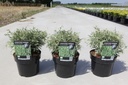
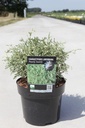
Lawson cypress comes from the coastal forests of the north-western United States, where it grows into a very tall tree. It forms a pyramidal crown with drooping leading shoots and blue-green to dark green foliage with a parsley-like scent. It is the most widely planted conifer, with hundreds of cultivars in every size and colour.
Location and soil
Sun in a fairly humid climate, or partial shade. Grows in most well-prepared, moist soils, preferably slightly acidic to neutral; a little lime is tolerated. It suffers in dry, arid positions and is very sensitive to Phytophthora root rot on ground that stays wet in winter. Hardy in Belgium.
Pruning and care
Needs little pruning. If required, trim lightly in May or October, shaping only the young growth and never cutting back into old wood, which does not resprout. On coloured forms, remove any vigorous all-green shoots. Water regularly in the months after planting.
Use in the garden
Both the species and many cultivars are planted as hedges and take clipping into shape well. Upright forms make striking specimens, while dwarf forms suit rock gardens, borders and containers.
Plant characteristics
Botanical
| Family | Cupressaceae |
| Genus | Chamaecyparis |
| Species | lawsoniana |
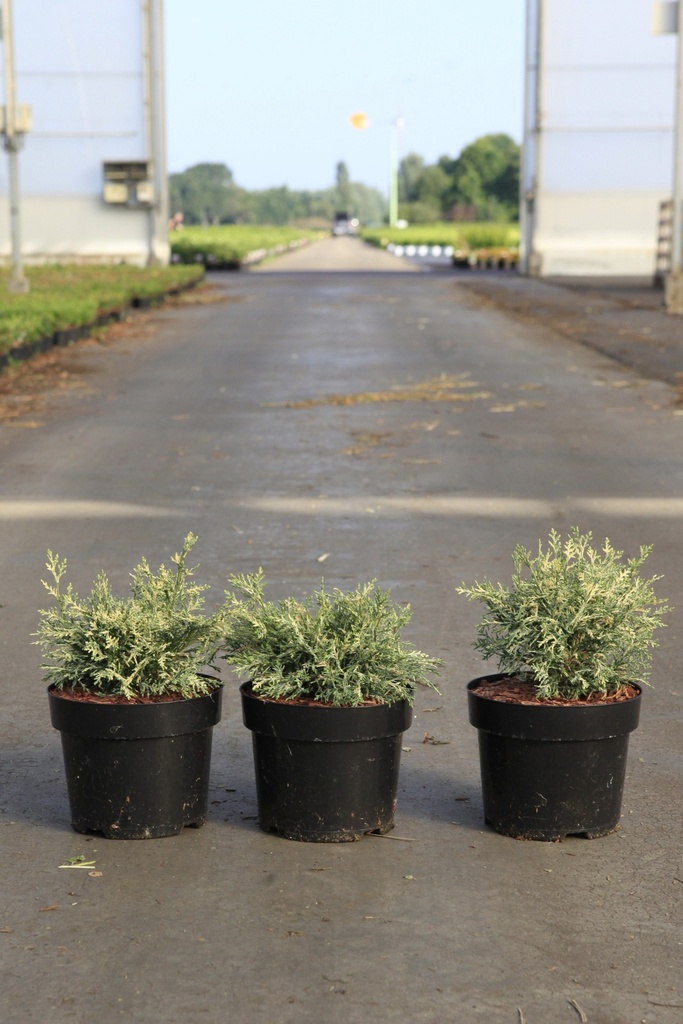
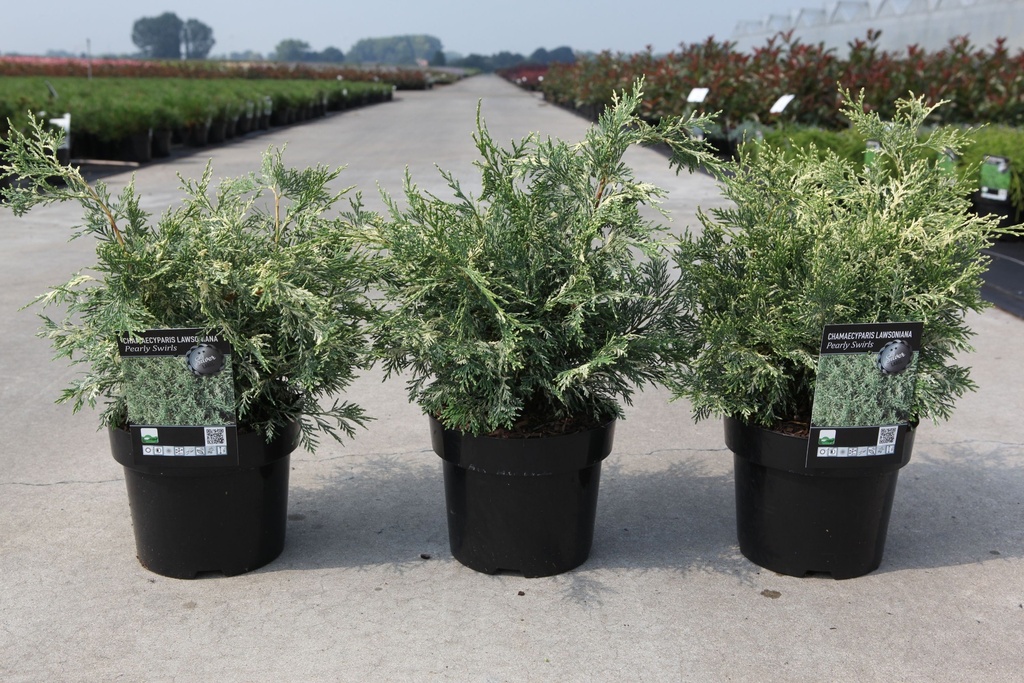
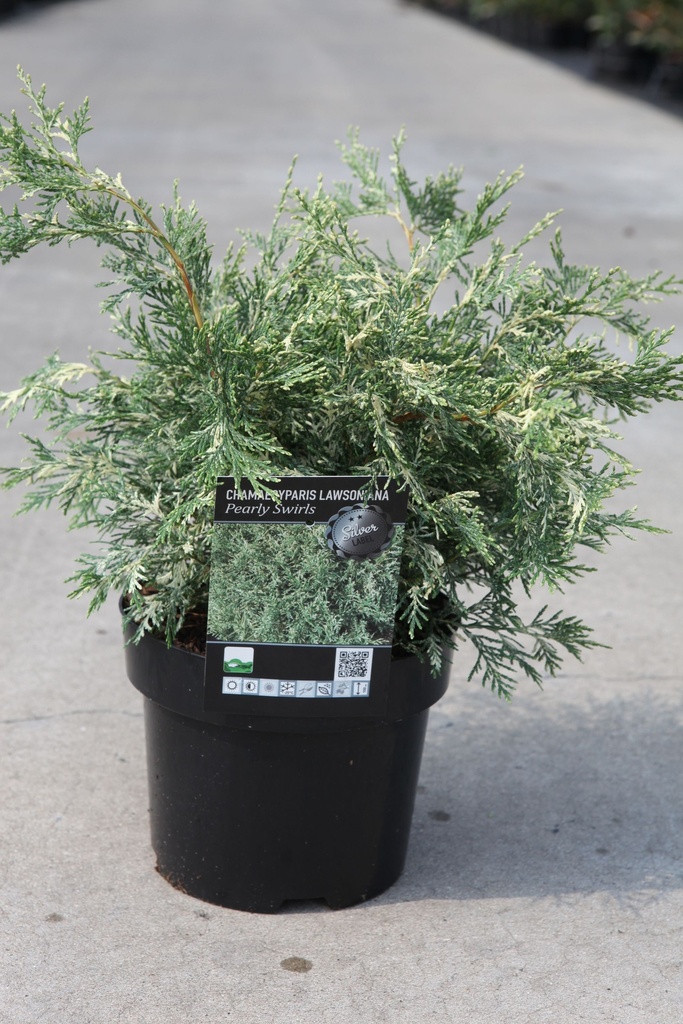
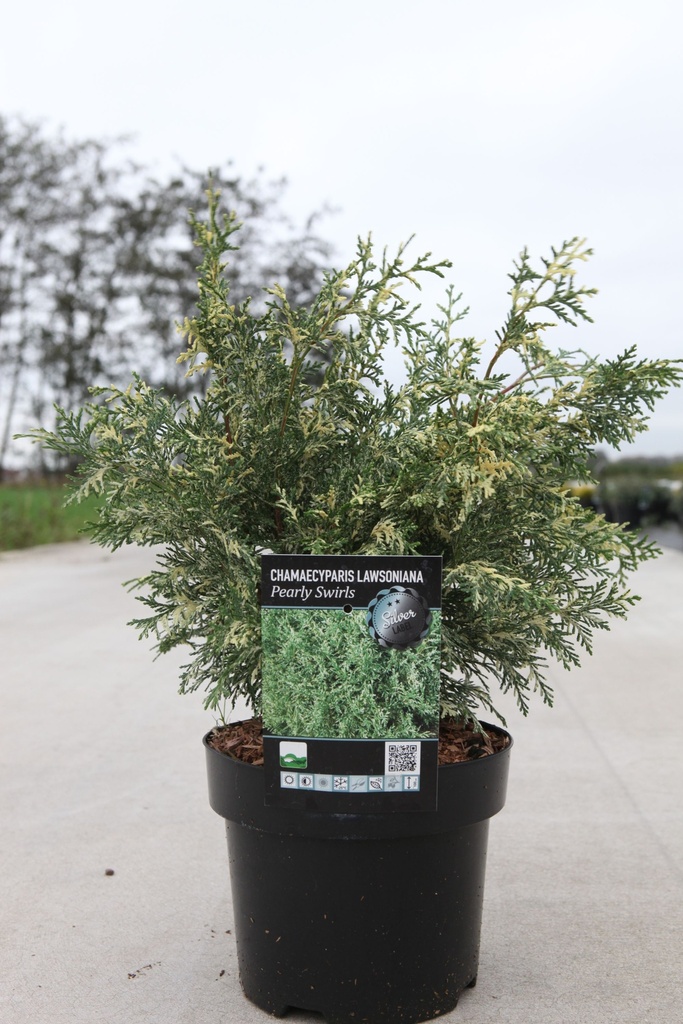
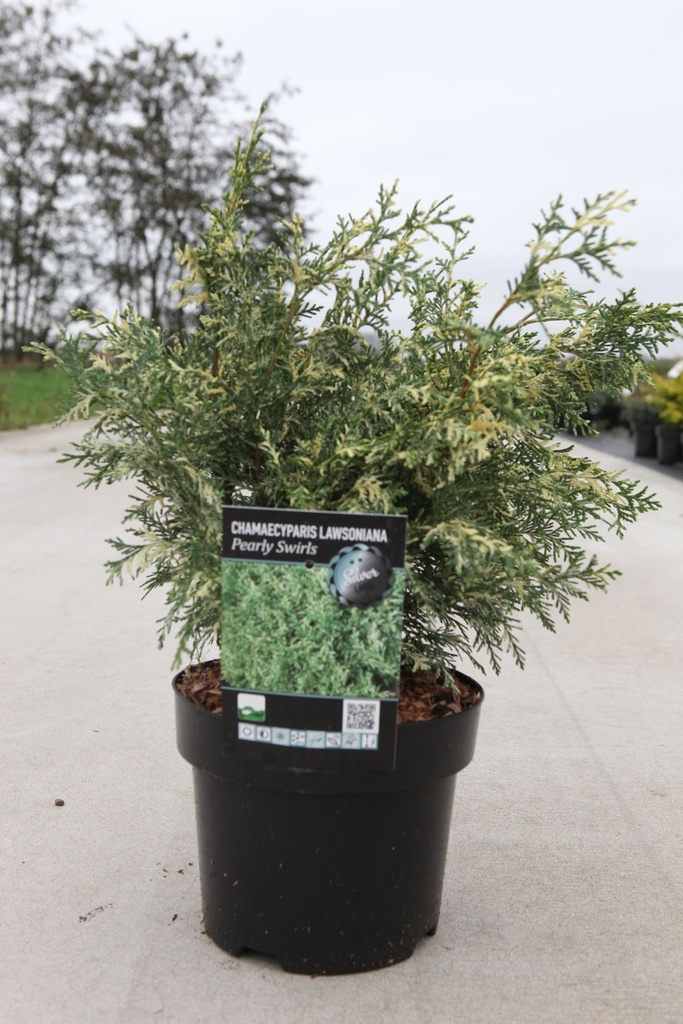
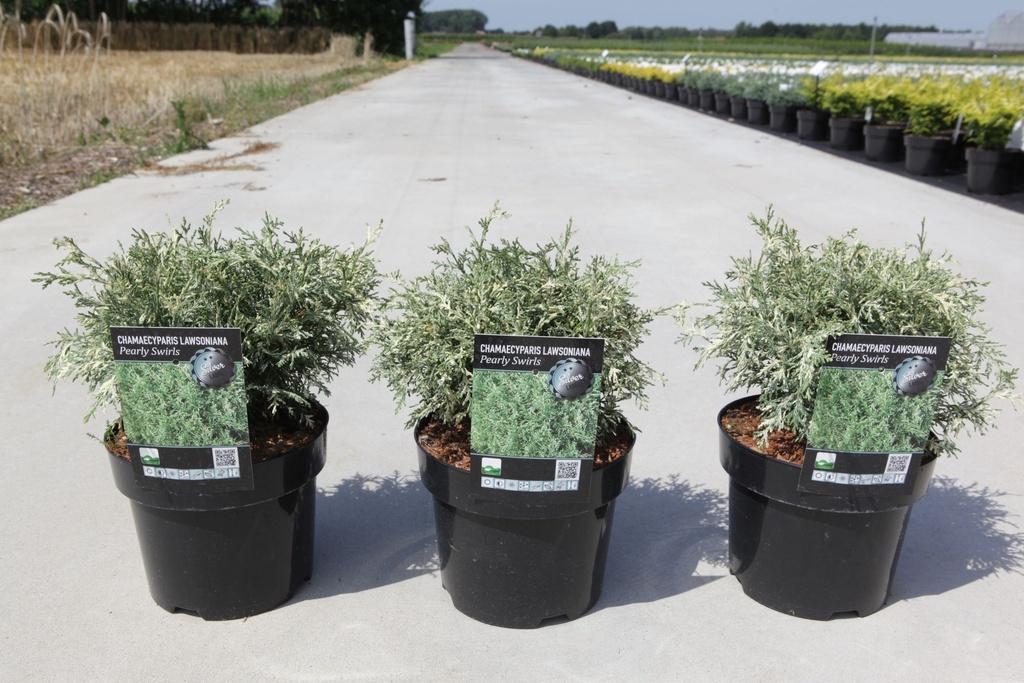
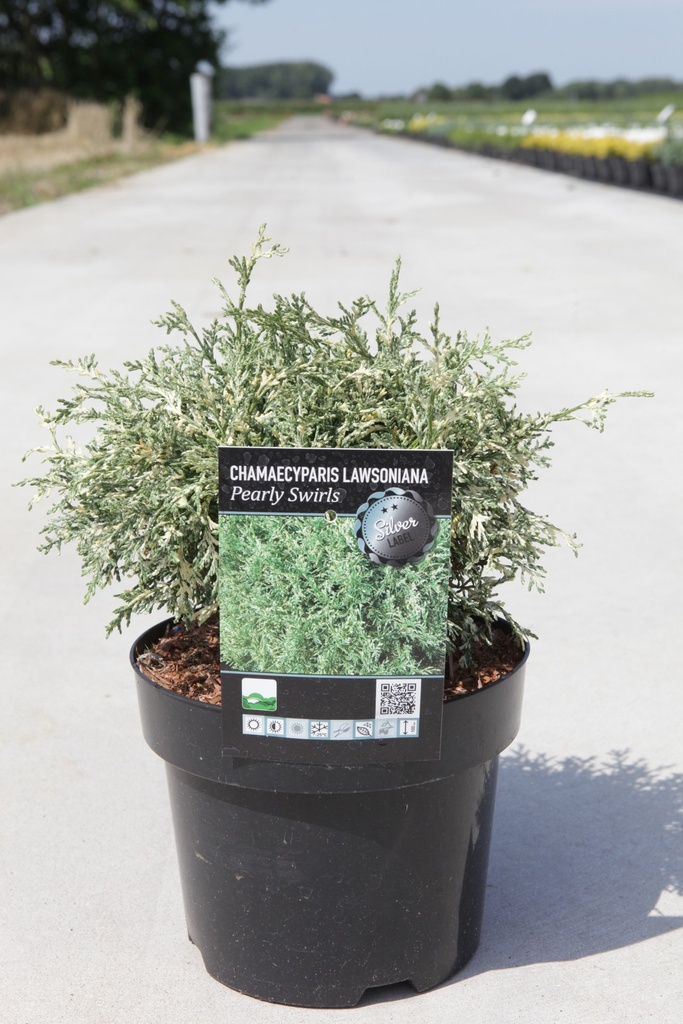
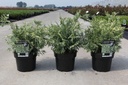
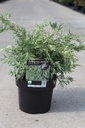
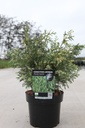
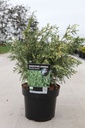
| Cultivar | 'Pearly Swirls' |
Foliage
| Evergreen | yes |
| Colour (foliage) | green, white |
Growth habit
| Height | 50 cm, 100 cm |
Location
| Winter hardiness | -25 °C |
| Soil type | acid |
| Location | sun, half shade |
| Soil moisture | normal |
Use
| Type (use) | solitary, in group, conifer |
Care
| Pruning | may, october |

