

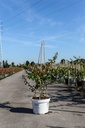
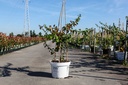
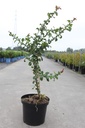
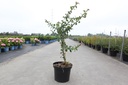

About this plant
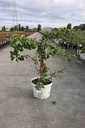
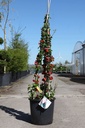
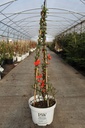
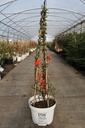
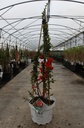
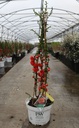
Flozering quince Chaenomeles
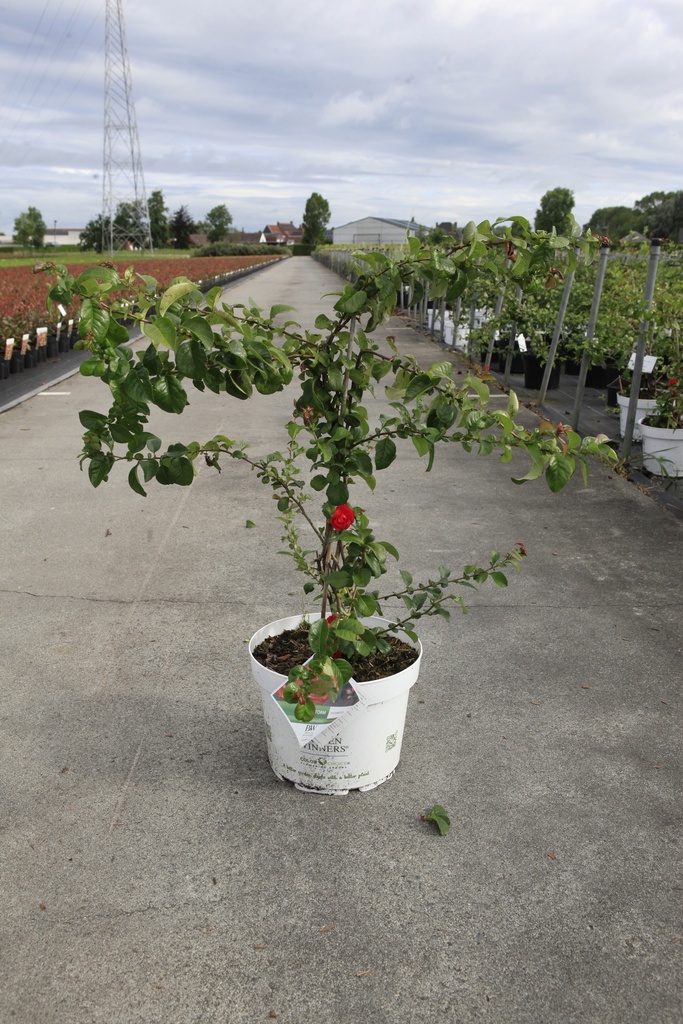
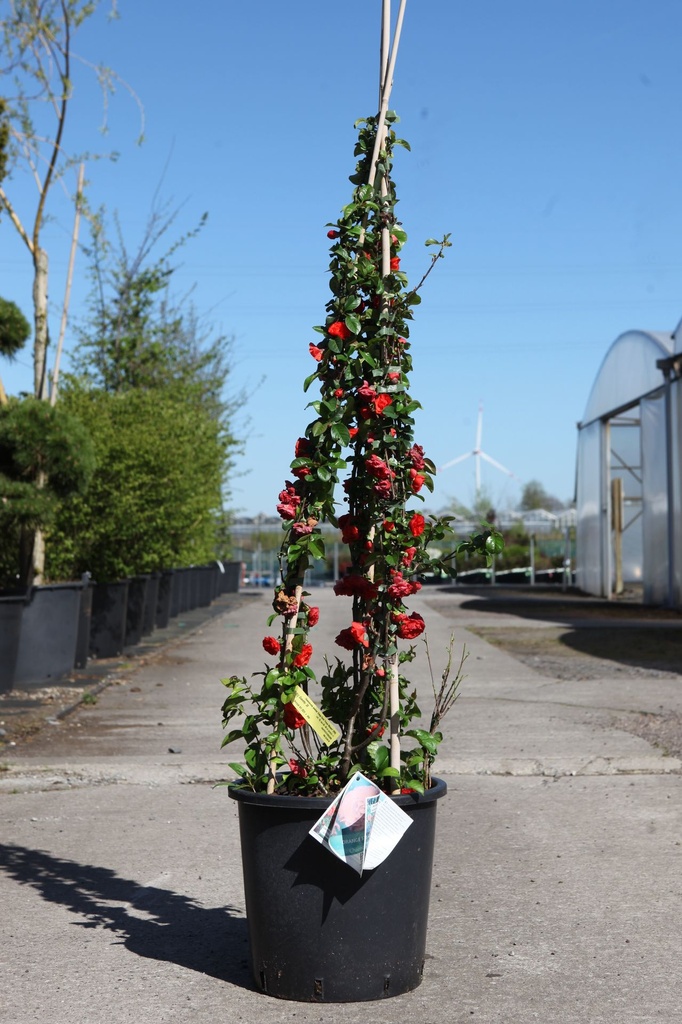
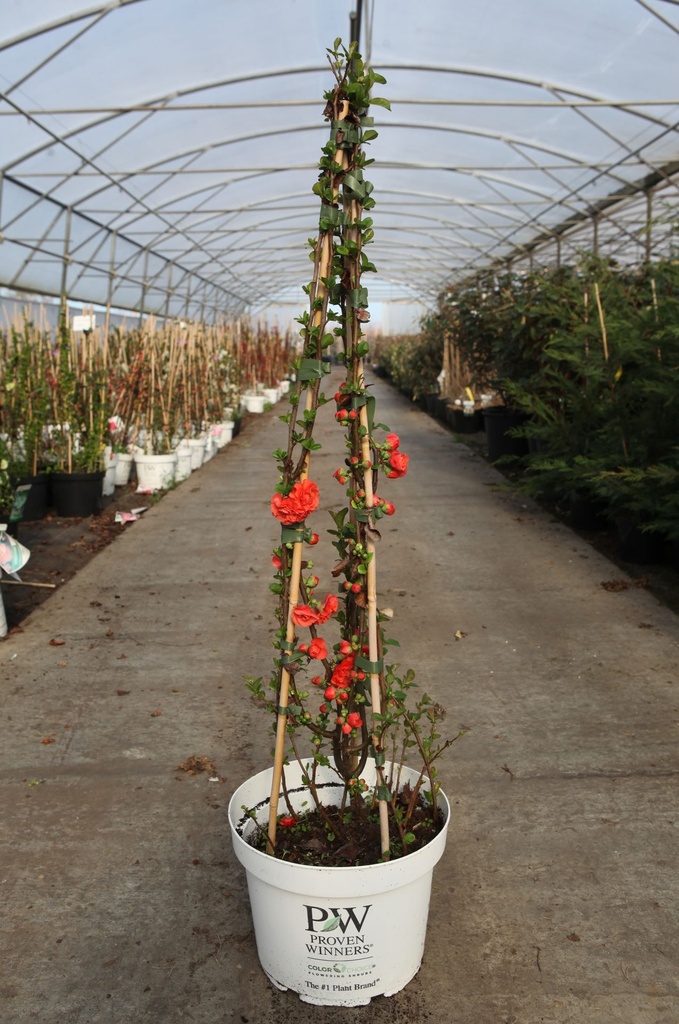
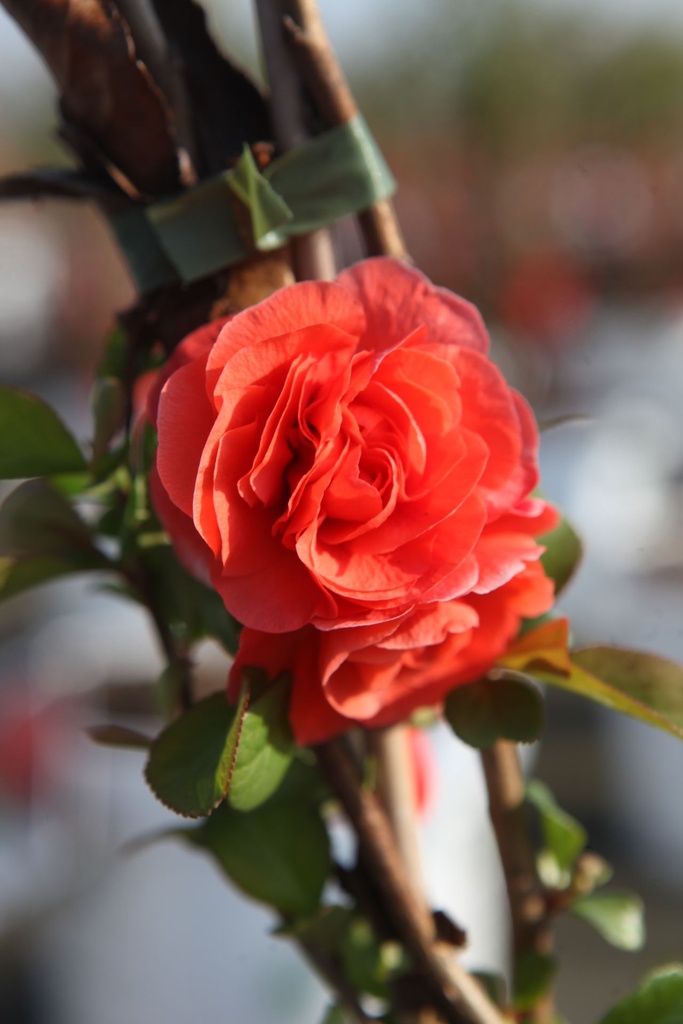
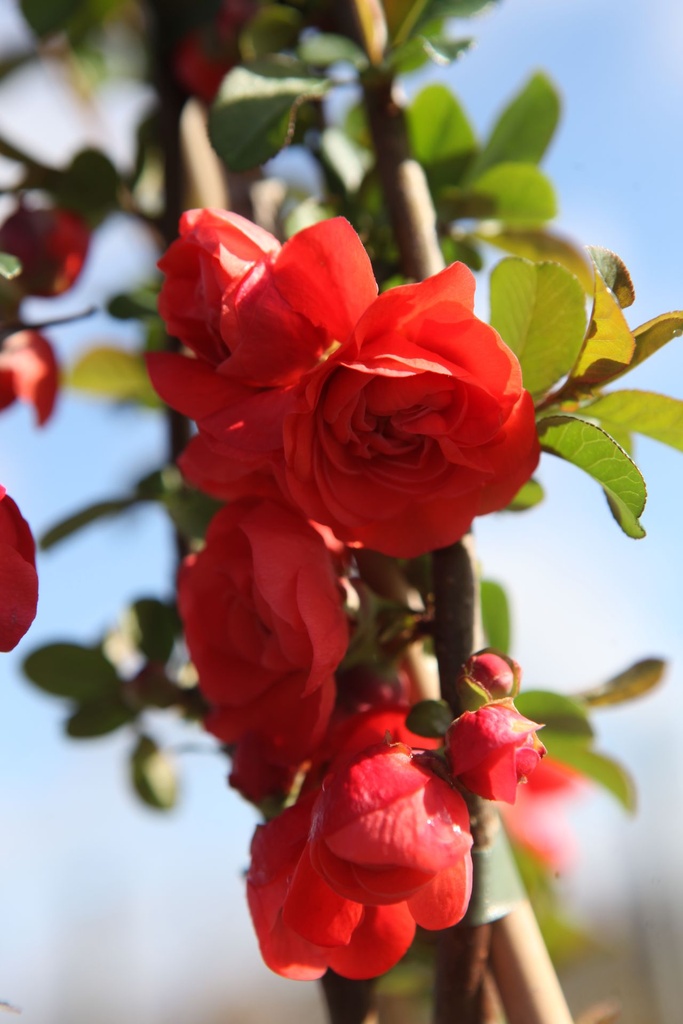
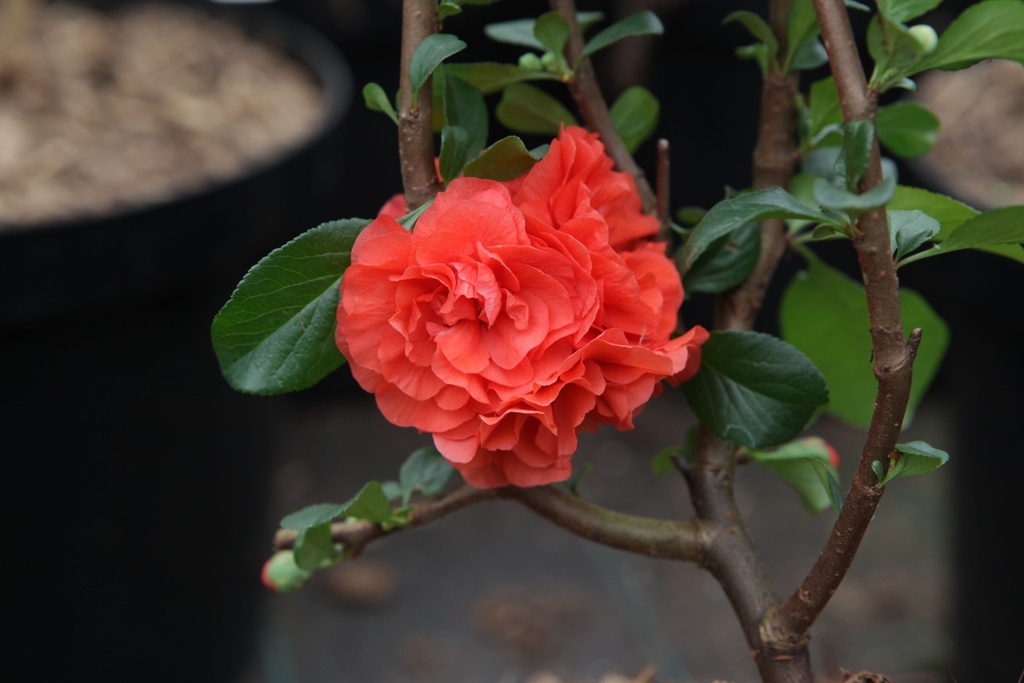
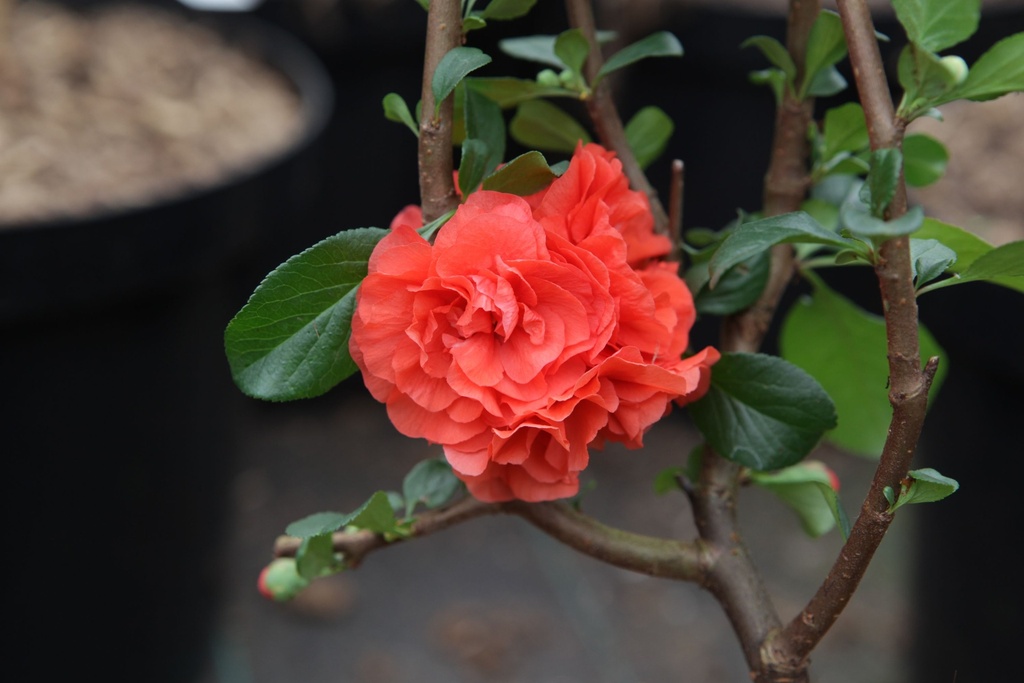
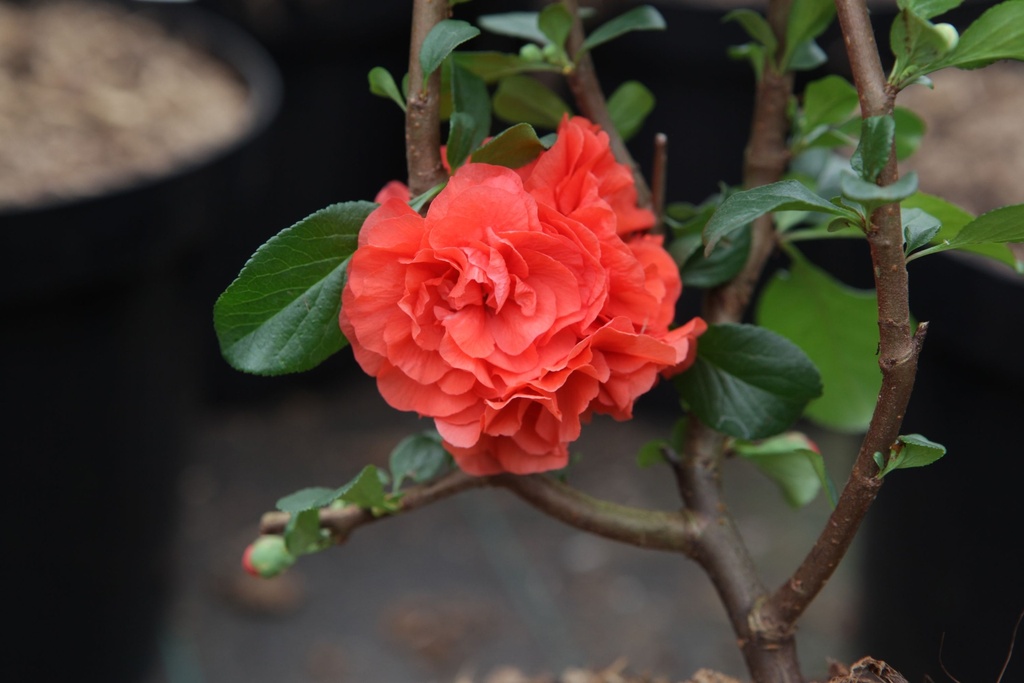
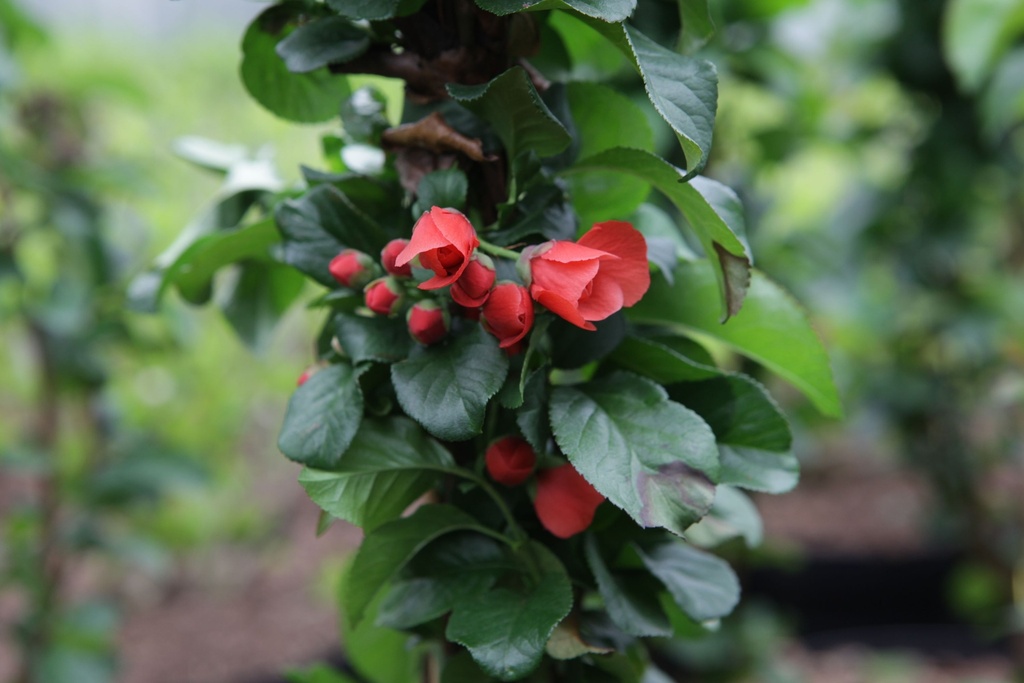
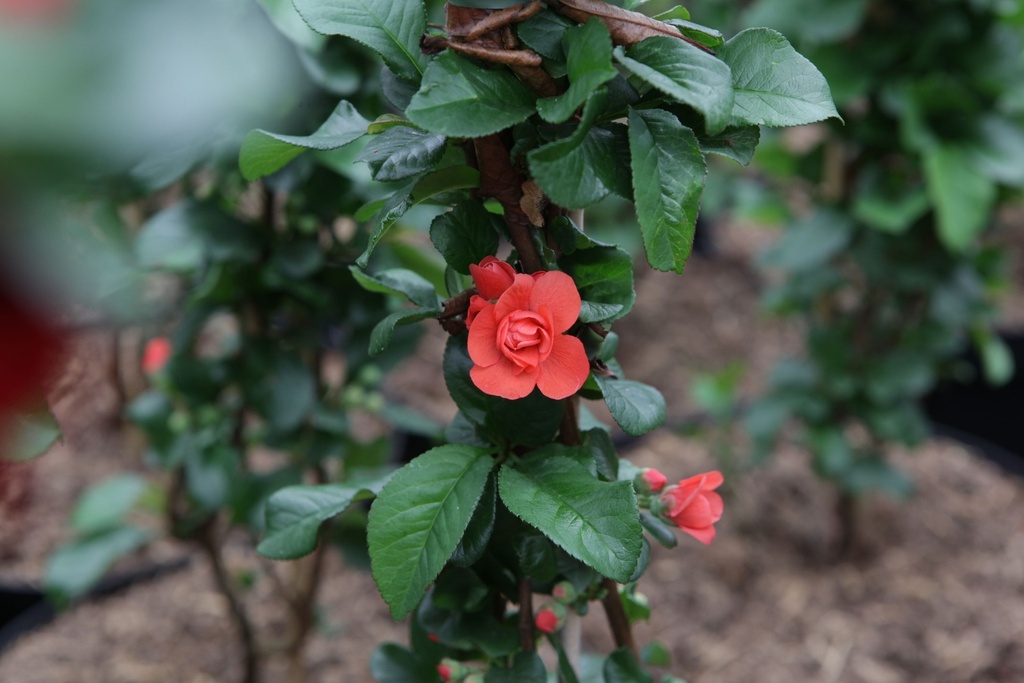
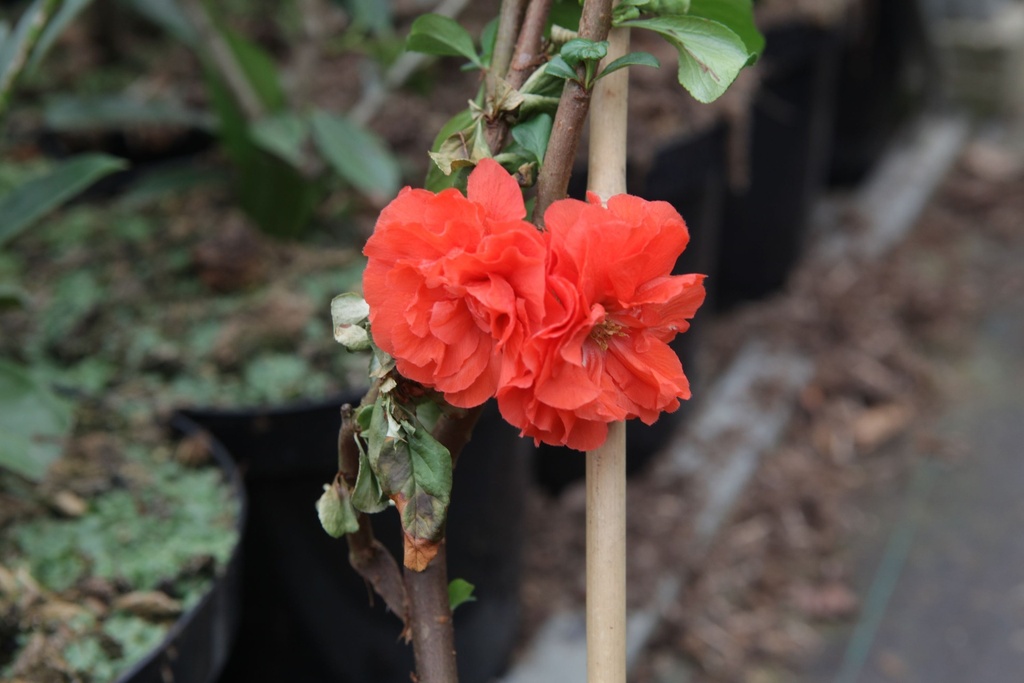
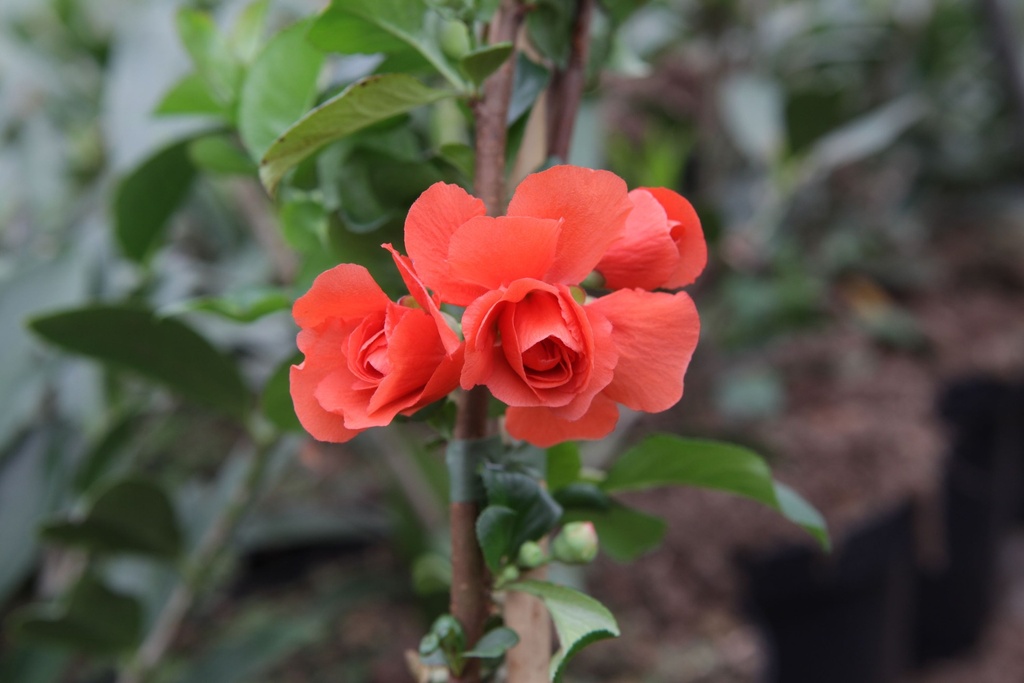
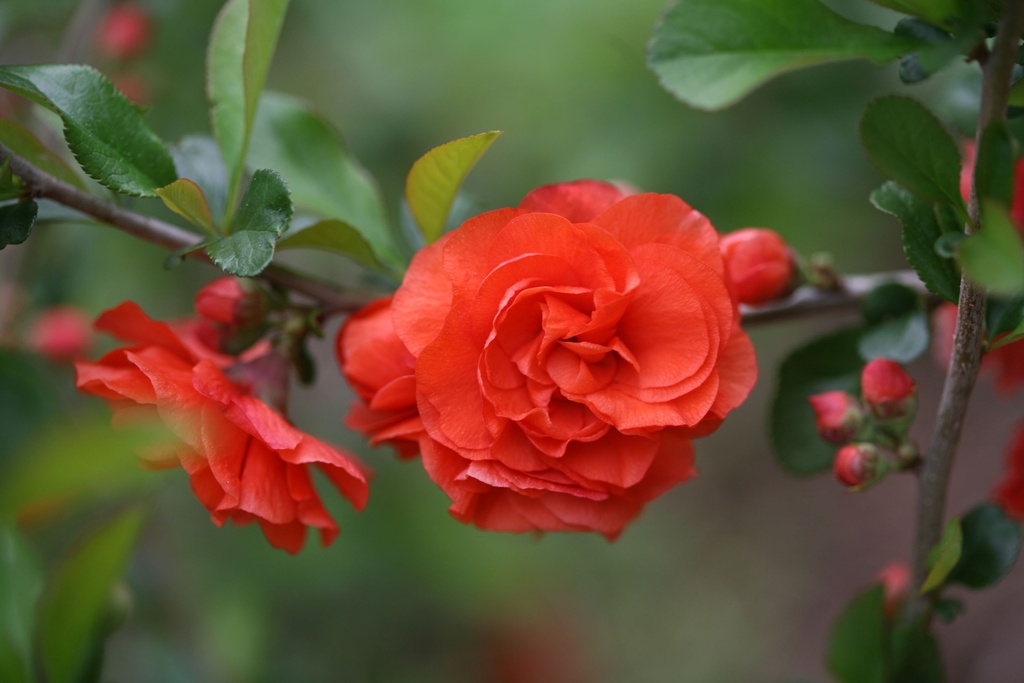
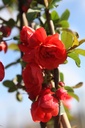
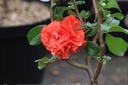
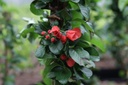
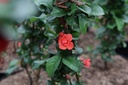
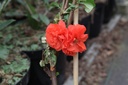
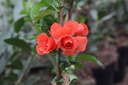
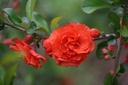
Flowering quinces (Chaenomeles) are deciduous, usually thorny shrubs from China and Japan, belonging to the rose family. They are loved for their cup-shaped flowers in red, pink, orange or white, which open on bare branches at the very end of winter, followed in autumn by small, fragrant fruits that look like miniature quinces.
Flowering quince Chaenomeles speciosa
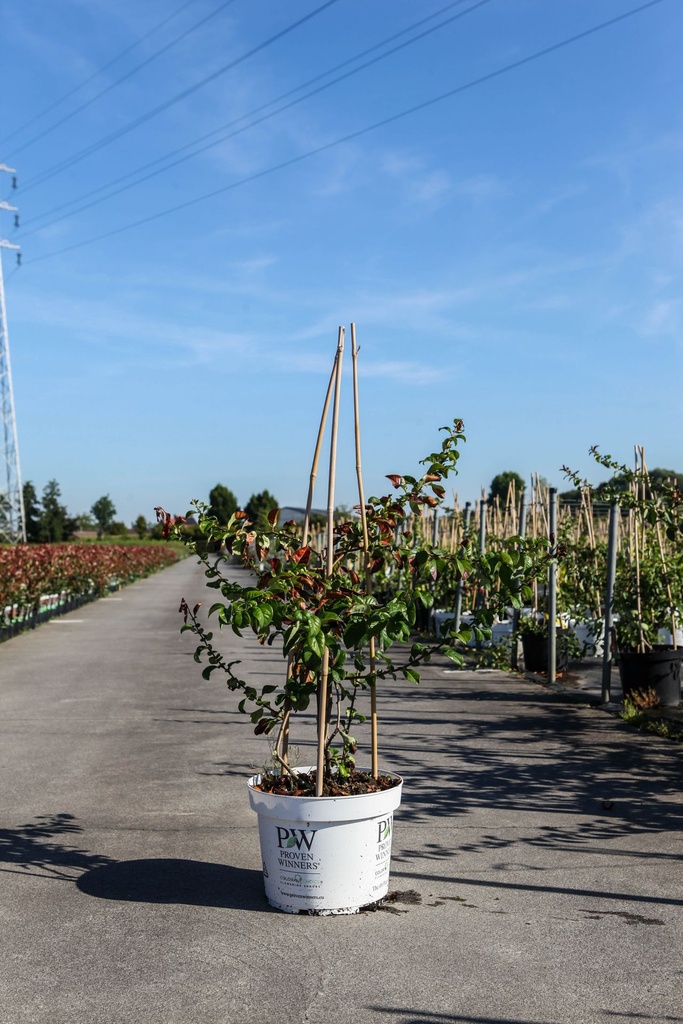
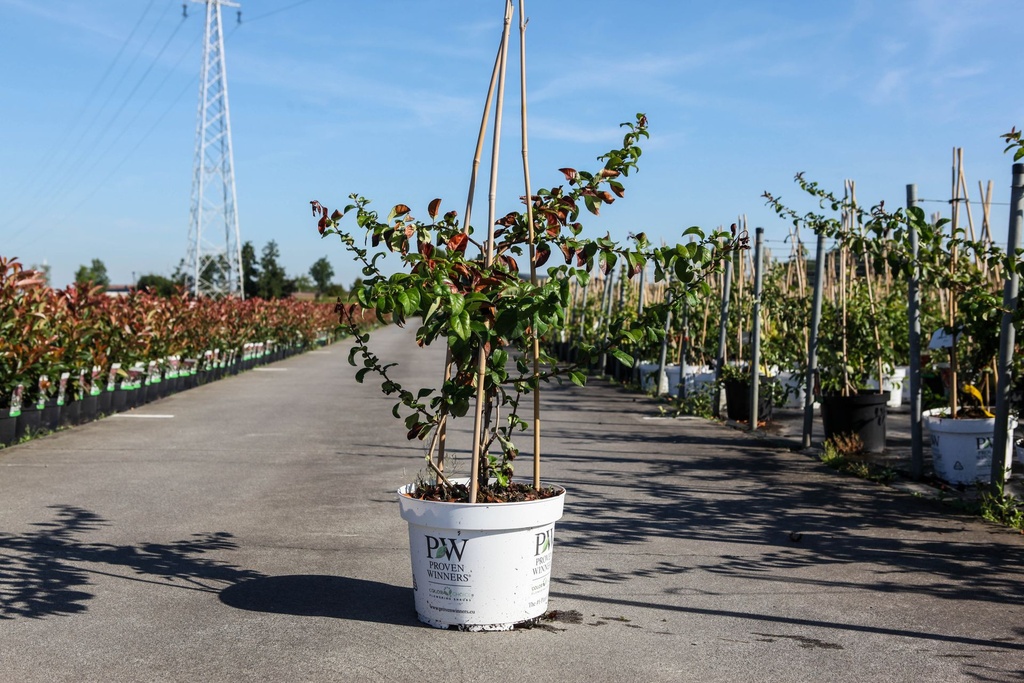
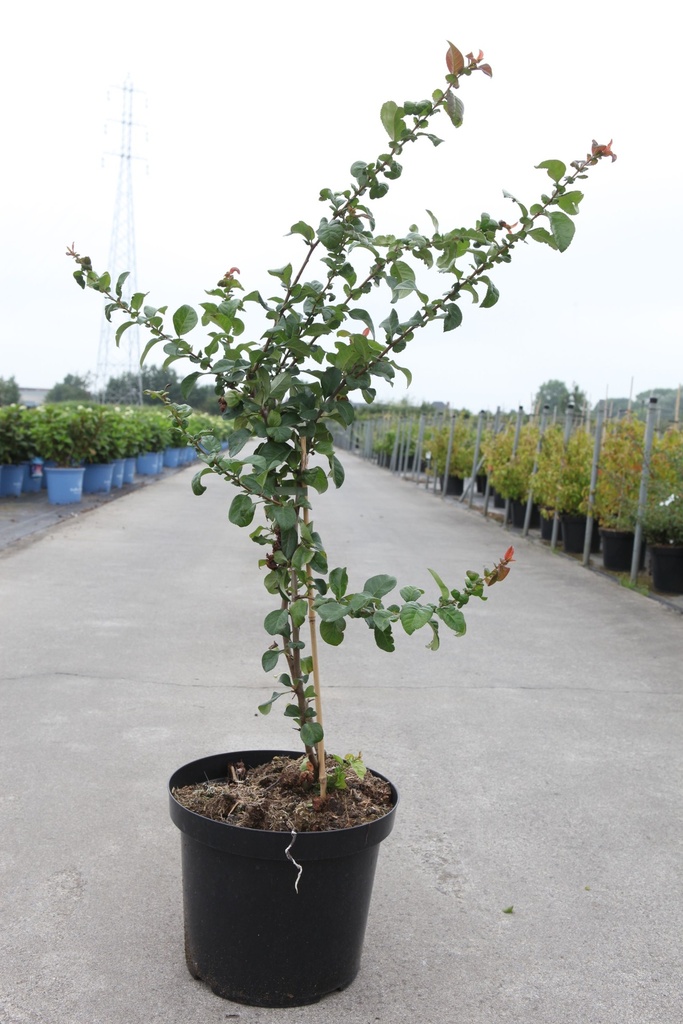
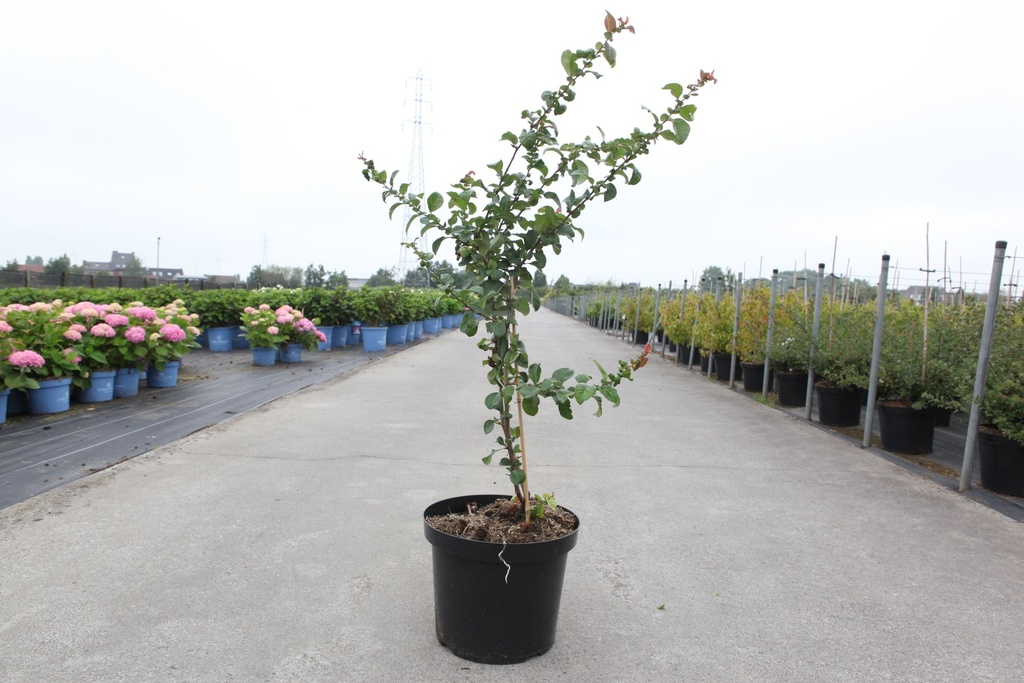
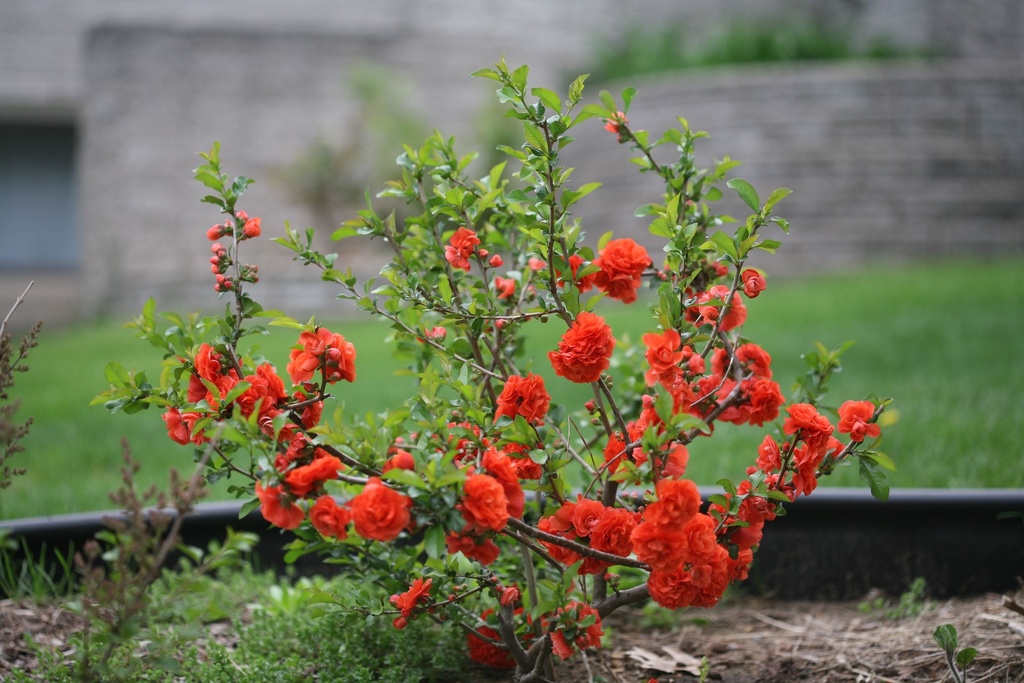
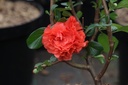
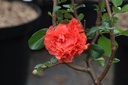
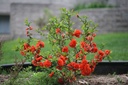
This Chinese species is the tallest of the commonly grown flowering quinces, reaching around 2 to 3 m. It forms a bushy, thorny, suckering shrub with large cup-shaped flowers from March to May, glossy dark green leaves that unfold coppery, and yellow, aromatic fruits that are edible once cooked.
Location and soil
Prefers full sun for the best flowering and accepts partial shade. Plant in ordinary, well-drained soil that does not dry out too much; it tolerates lime fairly well, withstands drought once established and is very hardy in Belgian winters.
Pruning and care
Prune after flowering, from May to July: shorten overlong shoots and remove dead wood. Every few years take out the oldest stems and excess suckers to keep the shrub flowering well and in shape. Water regularly during the first year.
Use in the garden
Suited to free-growing, mixed or defensive hedges, shrub borders and as a specimen near the house. Cut branches brighten early spring bouquets, and the fruit can be made into jelly after cooking.
Plant characteristics
Flowering
| Flowering period | March, april |
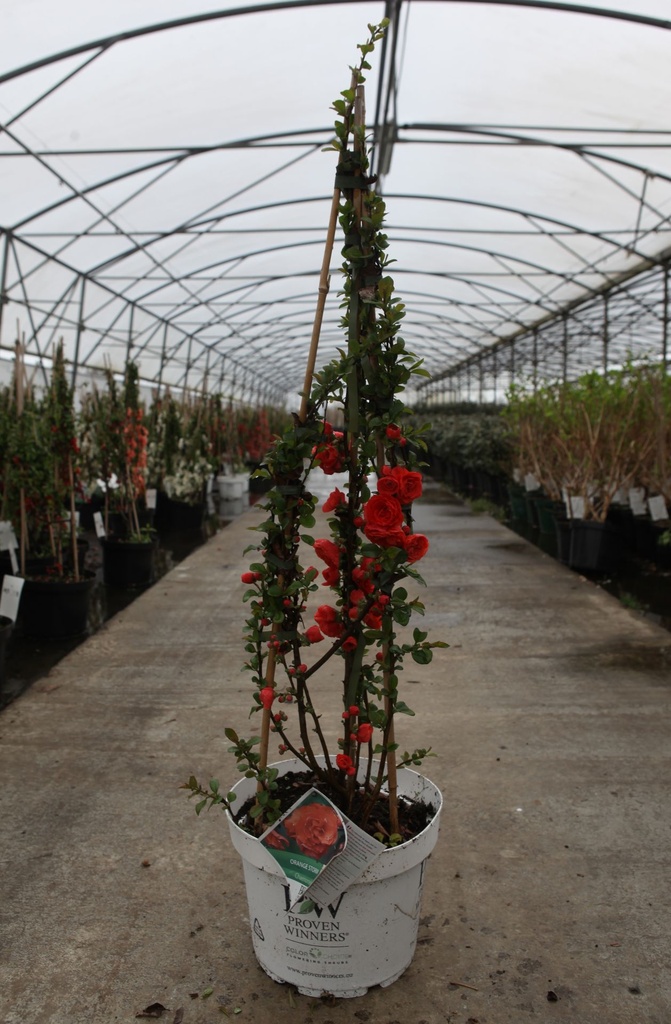
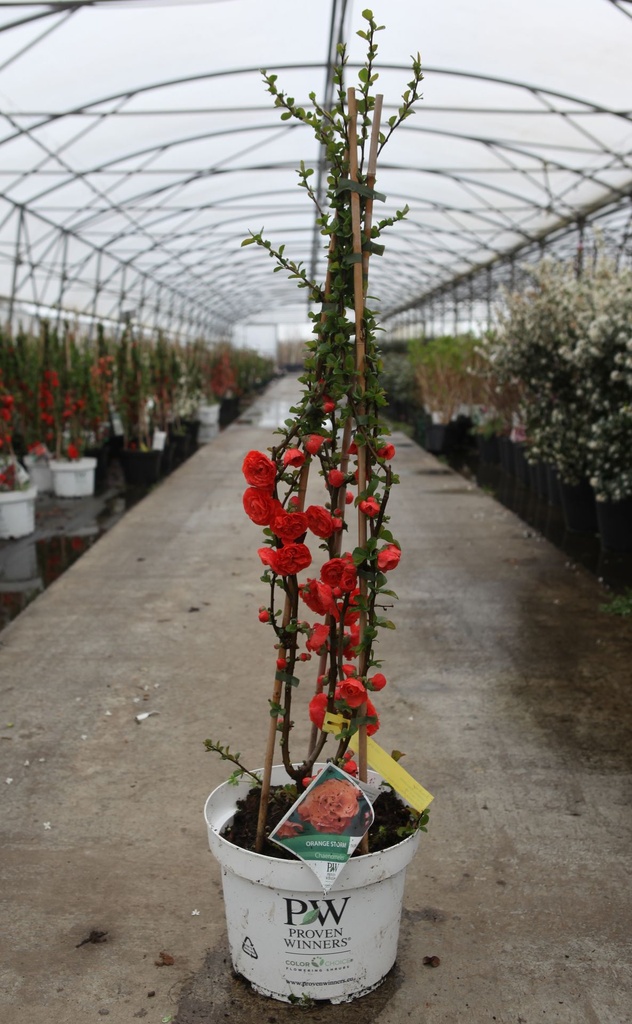
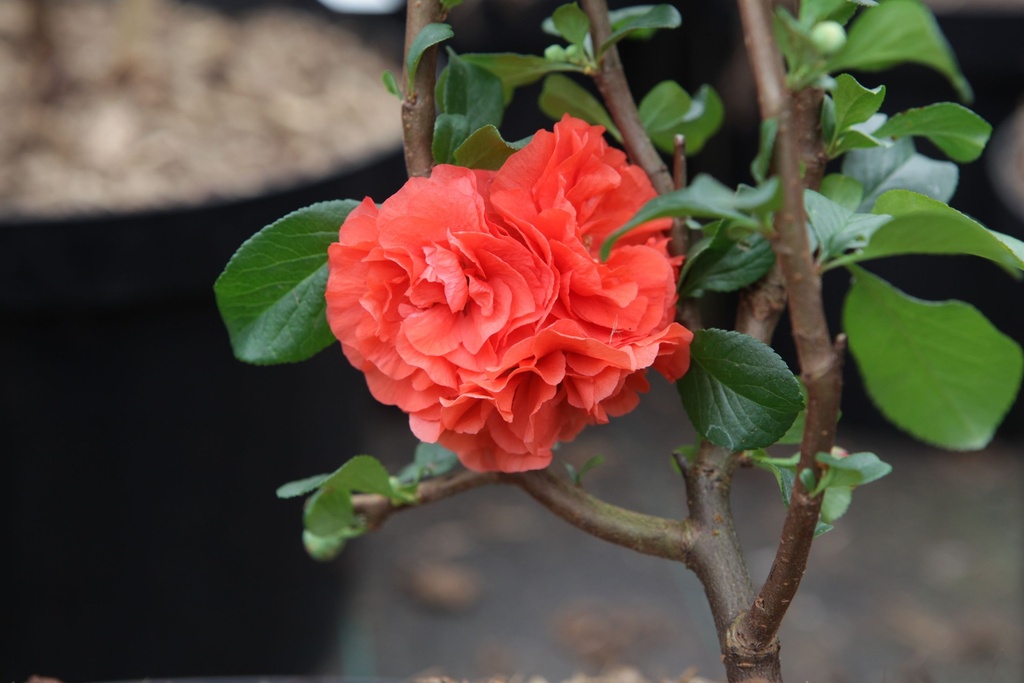
| Colour (flower) | orange |
| Flowers | filled |
Growth habit
| Height | 150 cm |
Location
| Winter hardiness | -25 °C |
| Location | sun, half shade |
| Soil moisture | moist, normal |
Use
| Type (use) | shrub, fruit/berries |
Care
| Pruning | may, june, july |
Related products
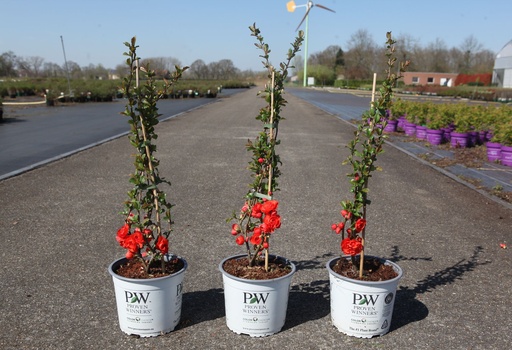
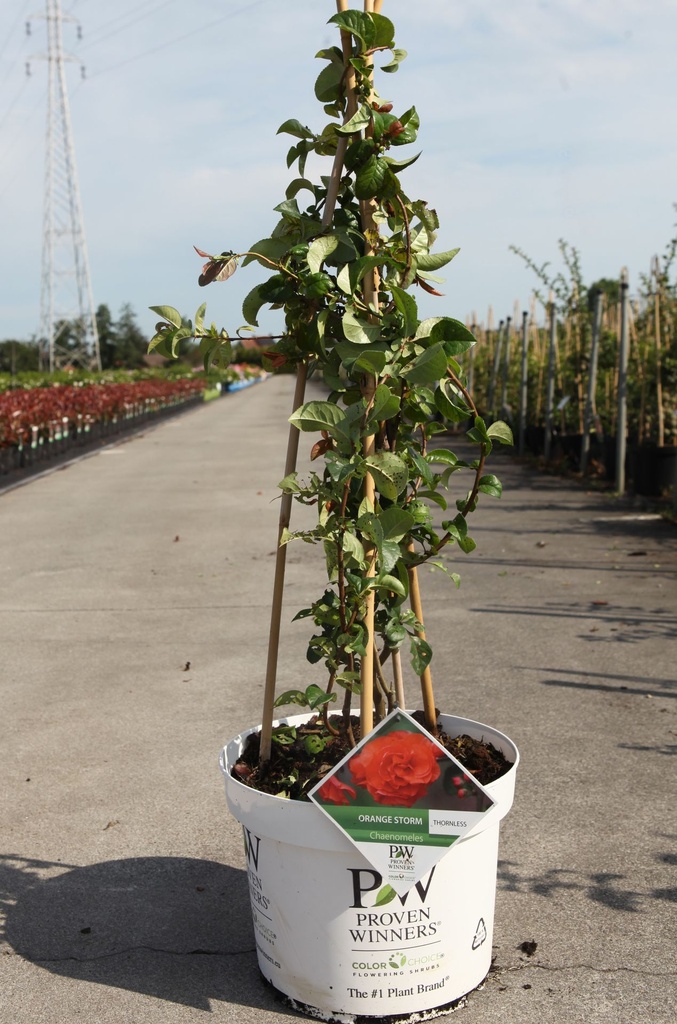
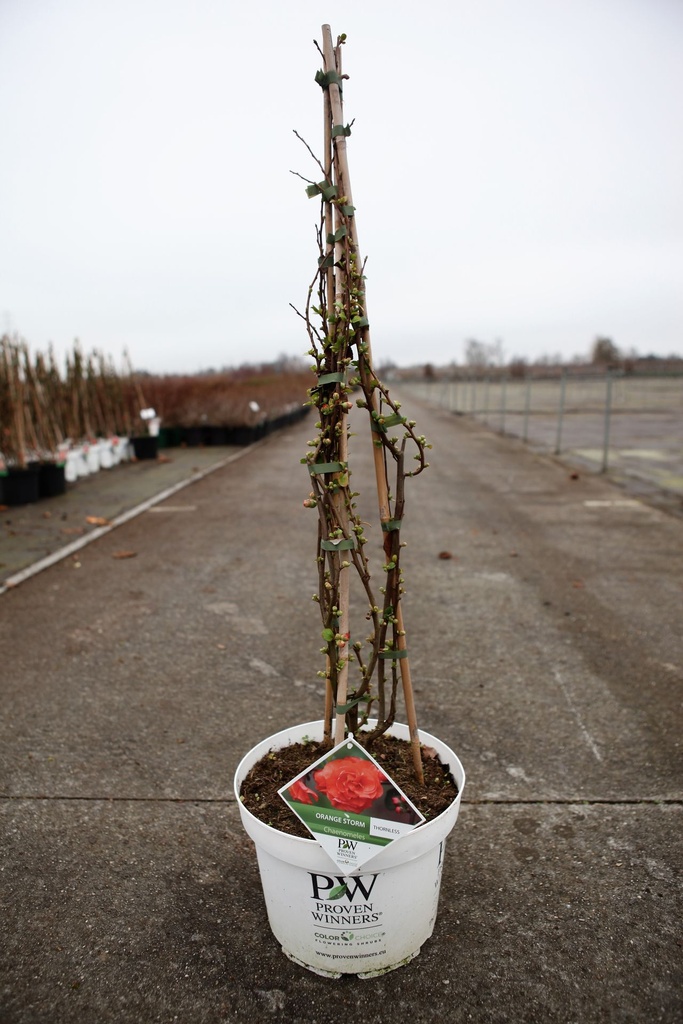
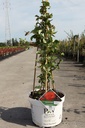
Chaenomeles speciosa Proven Winners® 'Orange Storm' (PBR)
cont. 3L deco 40/+ cm +p
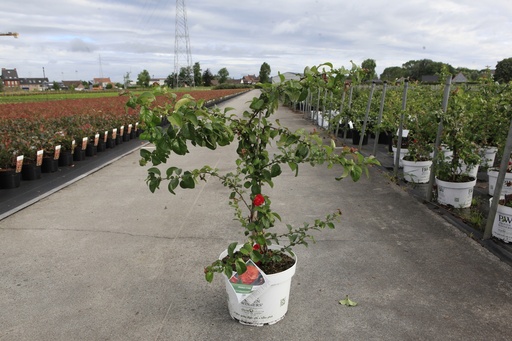
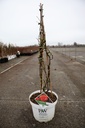
Chaenomeles speciosa Proven Winners® 'Orange Storm' (PBR)
cont. 10L deco 80/+ cm pyramid +p
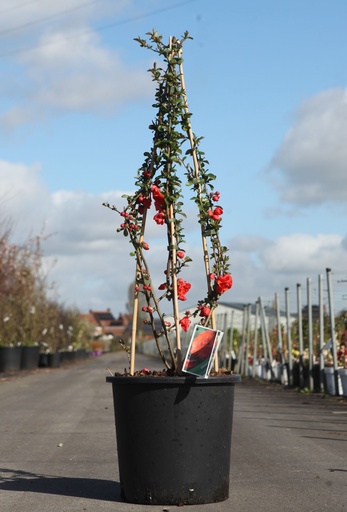
Chaenomeles speciosa Proven Winners® 'Orange Storm' (PBR)
cont. 18L 125/+ cm +p