
|
J
|
F
|
M
|
A
|
M
|
J
|
J
|
A
|
S
|
O
|
N
|
D
|
|
J
|
F
|
M
|
A
|
M
|
J
|
J
|
A
|
S
|
O
|
N
|
D
|
|
J
|
F
|
M
|
A
|
M
|
J
|
J
|
A
|
S
|
O
|
N
|
D
|
About this plant
What makes this plant special
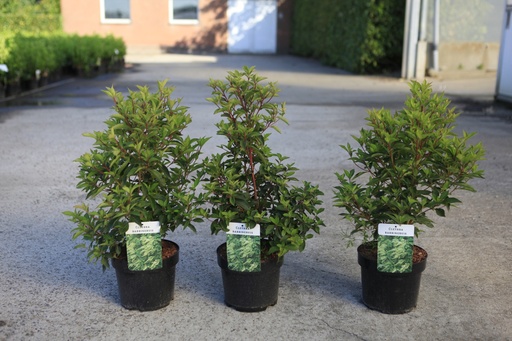
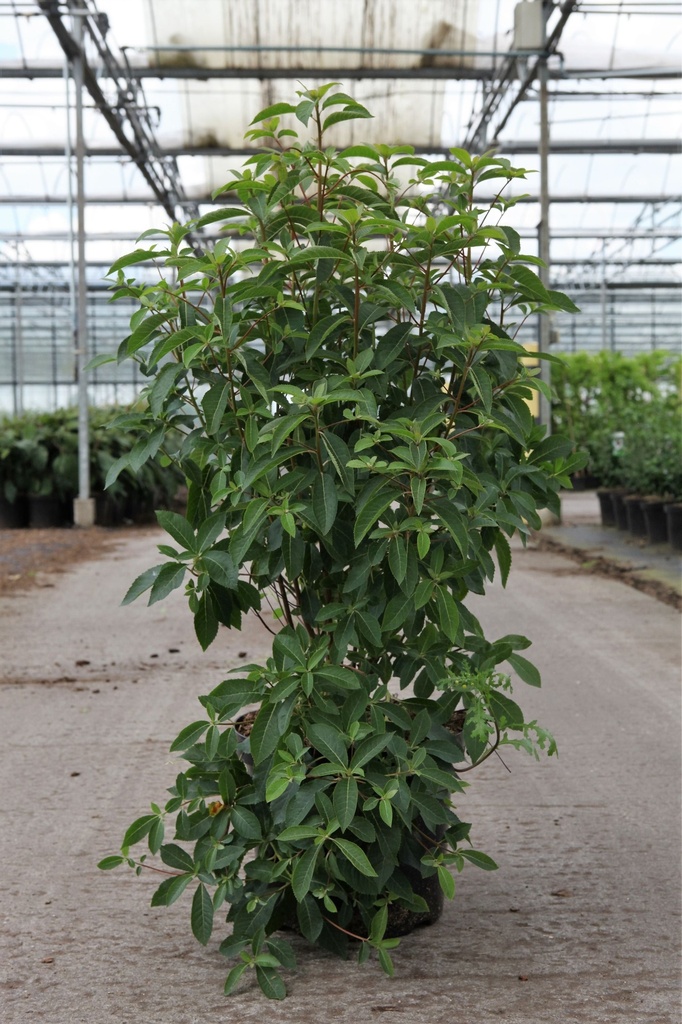
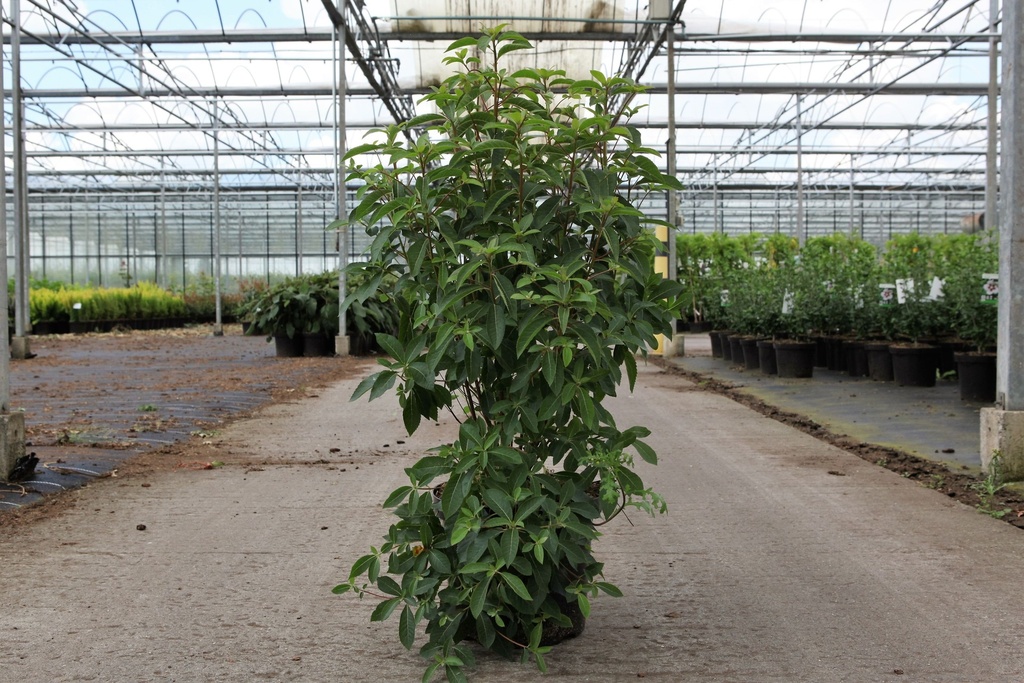
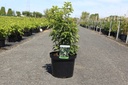
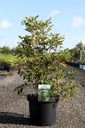
Japanese clethra offers interest all year round. Its horizontal, tiered branches give it a candelabra- or pagoda-like outline, and on older plants the smooth bark flakes into a patchwork of grey, brown and cinnamon that is at its best in winter. Much rarer in gardens than C. alnifolia, it makes a fine specimen in light shade.
Clethra
Summersweets (Clethra) are mostly deciduous shrubs from the moist woodlands of East Asia and North America. They are loved for their late flowering: from July to September they carry spikes or clusters of white to pink flowers with a sweet honey scent, followed by warm golden autumn colour.
Clethra barbinervis
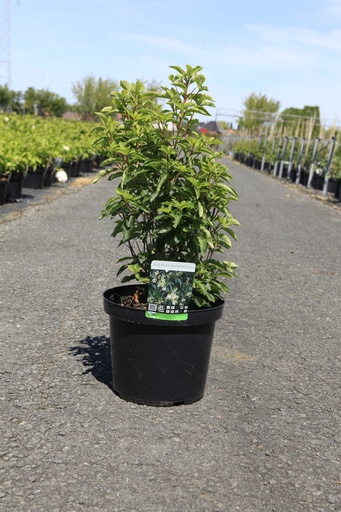
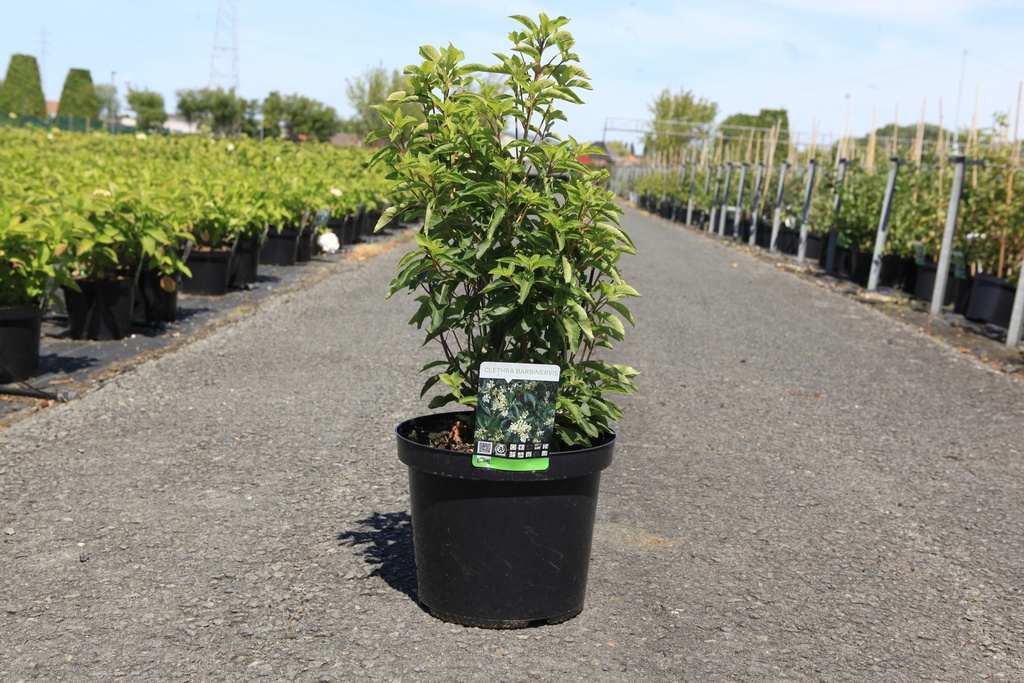
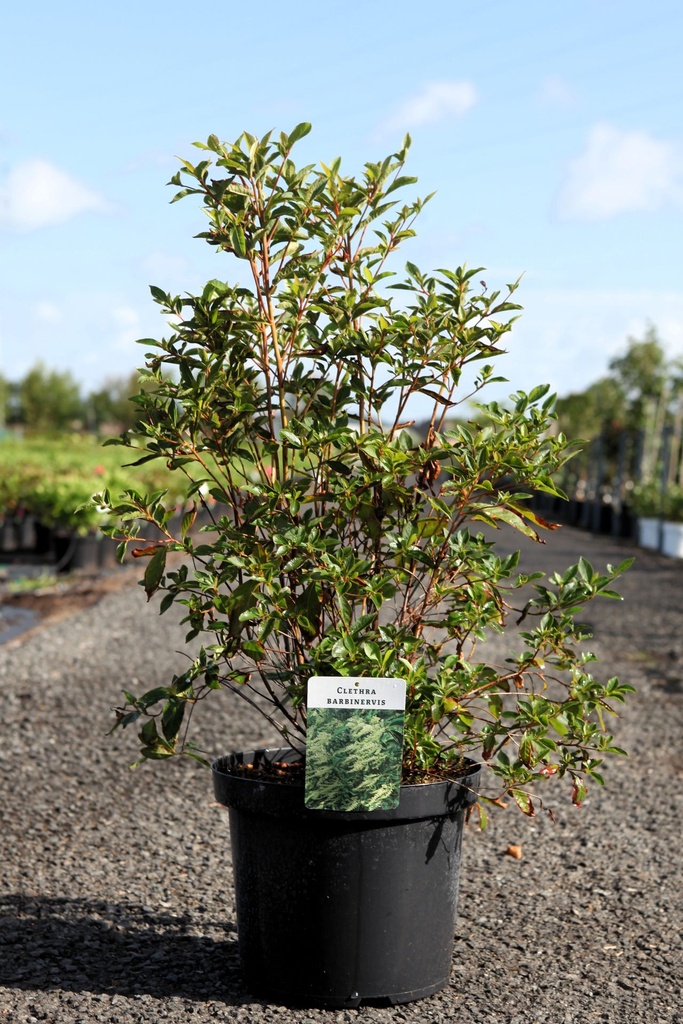
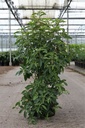
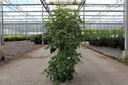
Clethra barbinervis, from Japan, Korea and China, is a large, spreading shrub of about 3 to 4 m. Its leaves have deeply marked, downy veins and turn yellow to red in autumn, while the bark peels attractively with age. Drooping clusters of lightly scented white flowers appear from July to September.
Location and soil
Partial shade, or sun in cool areas provided the soil never dries out. It needs an acid to neutral, humus-rich, moist but well-drained soil and tolerates neither lime, heat nor drought. Hardy in a normal Belgian winter; shelter it from cold winds.
Pruning and care
Water regularly with lime-free water during the first two summers and keep a mulch of leaves or bark at the base. Pruning is not essential: in March, simply remove dead wood or badly placed branches. No fertiliser is needed in humus-rich soil.
Use in the garden
A fine specimen shrub for a woodland garden, a shady border or the margin of a lightly wooded area, with interest in summer from its flowers and in autumn and winter from its foliage and bark. The flowers attract pollinators.
Plant characteristics
Botanical
| Family | Clethraceae |
| Genus | Clethra |
| Species | barbinervis |
Flowering
| Flowering period | july to september |
| Colour (flower) | white |
| Flowers | fragrant, plant with flowers |
Foliage
| Evergreen | no |
| Colour (foliage) | green |
Growth habit
| Height | 200 cm |
Location
| Winter hardiness | -20 °C |
| Soil type | acid |
| Location | sun, half shade |
Use
| Type (use) | shrub, fruit/berries, solitary |
Care
| Pruning | march |