

About this plant
Autumn olive, Silverberry Elaeagnus
Oleasters (Elaeagnus) are deciduous or evergreen shrubs and small trees from Asia, southern Europe and North America, sometimes thorny. Leaves and buds are covered with tiny silvery scales. Their small, often strongly scented flowers attract pollinators and are followed by edible berries. They tolerate poor soil, wind and salt and fix nitrogen.
Thorny olive Elaeagnus pungens
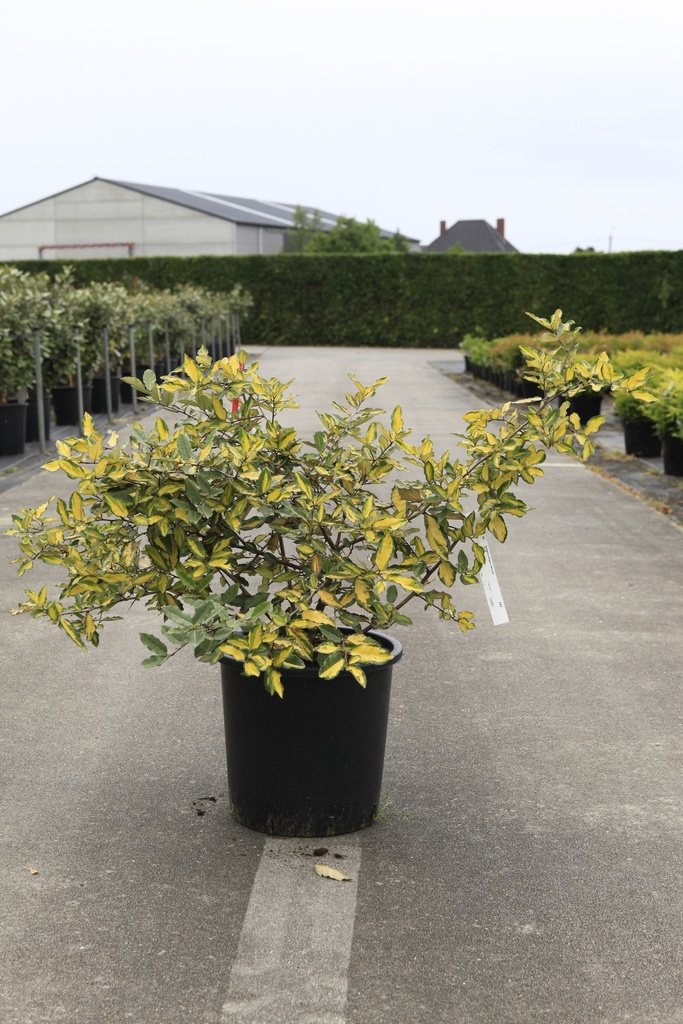
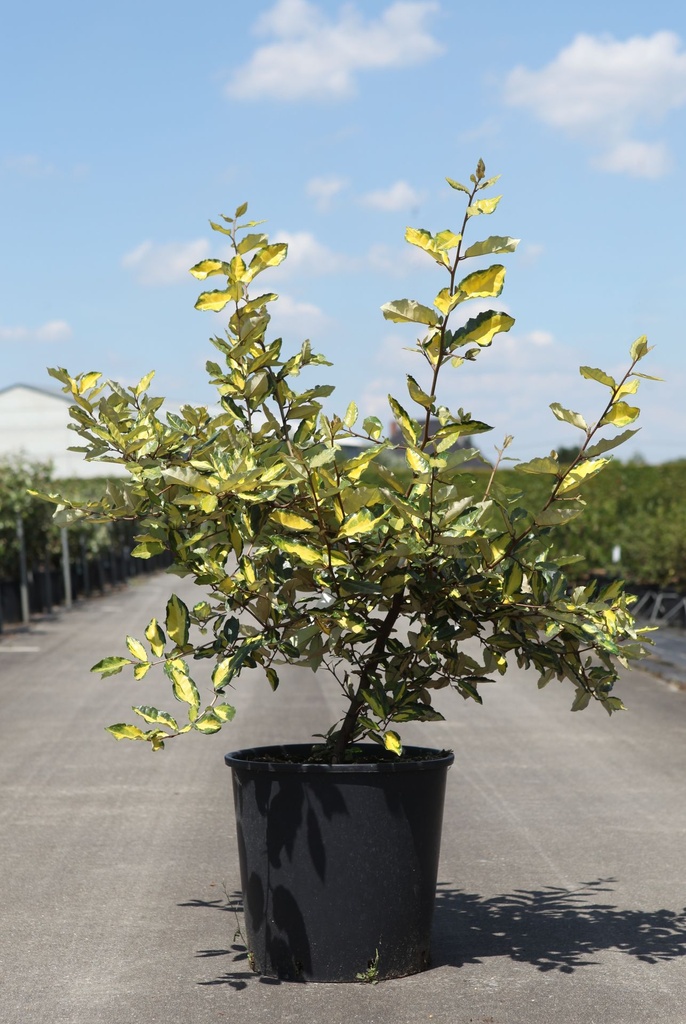
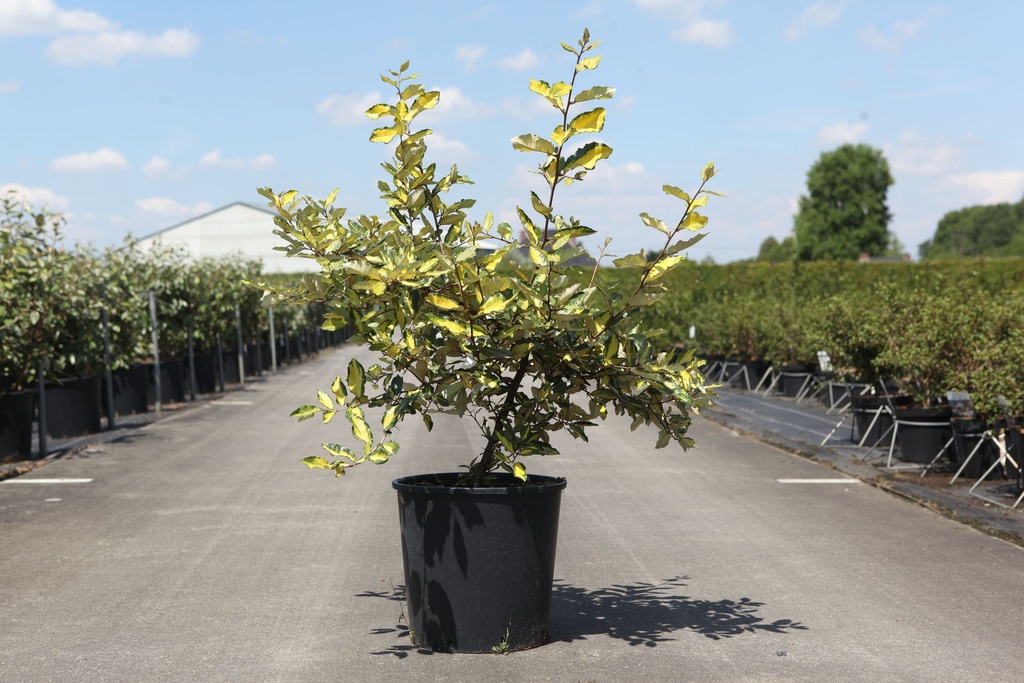
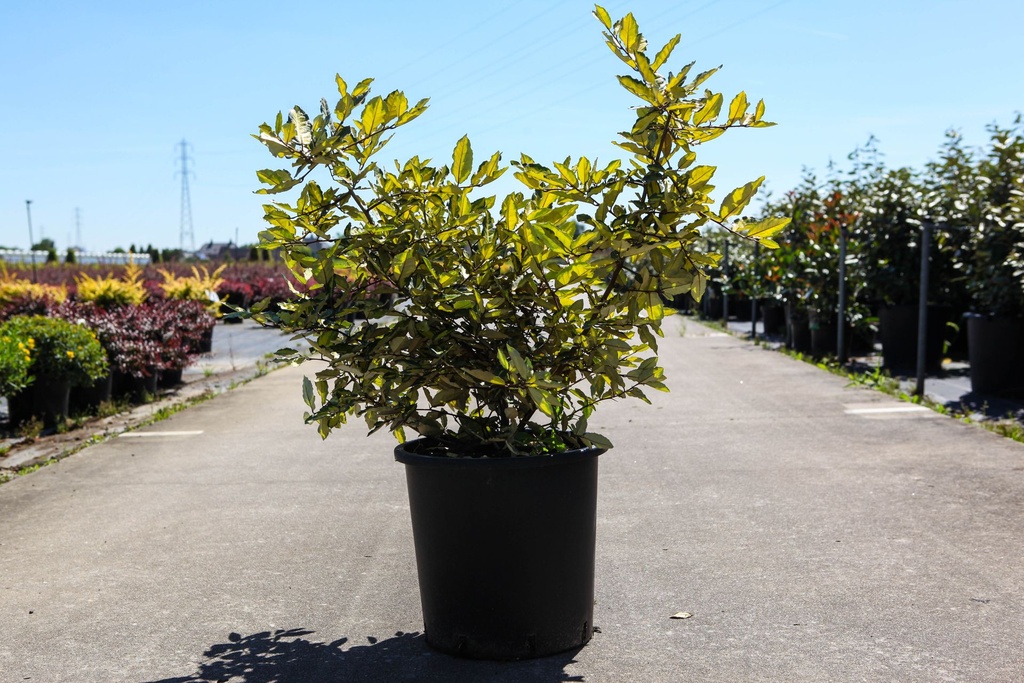
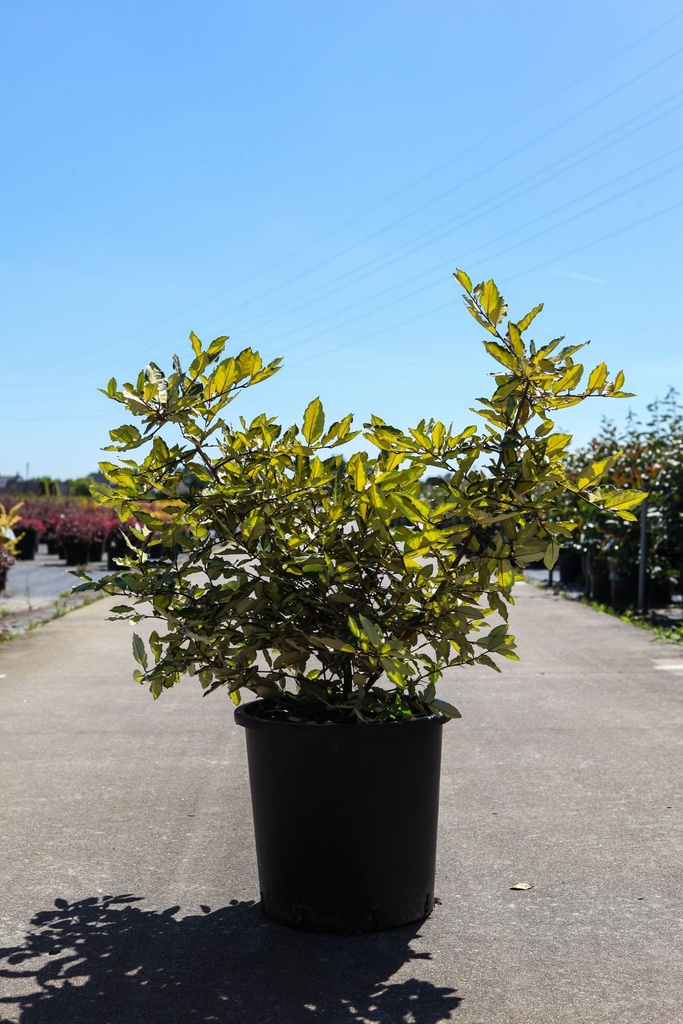
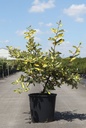
Elaeagnus pungens comes from China and Japan. It is a bushy evergreen shrub of about 3 to 4 m with arching branches, brownish young shoots that bear short thorns, and leathery leaves with wavy margins. Discreet, lightly scented silvery flowers hang beneath the leaves in autumn and are followed by oval fruits that ripen from brown to red.
Location and soil
Plant in sun or partial shade in a well-drained, sandy soil; poor and dry ground is acceptable, but very chalky soil is not. It is among the shrubs most resistant to drought, strong wind and sea spray and is unaffected by city pollution. It is quite hardy and withstands normal Belgian winters.
Pruning and care
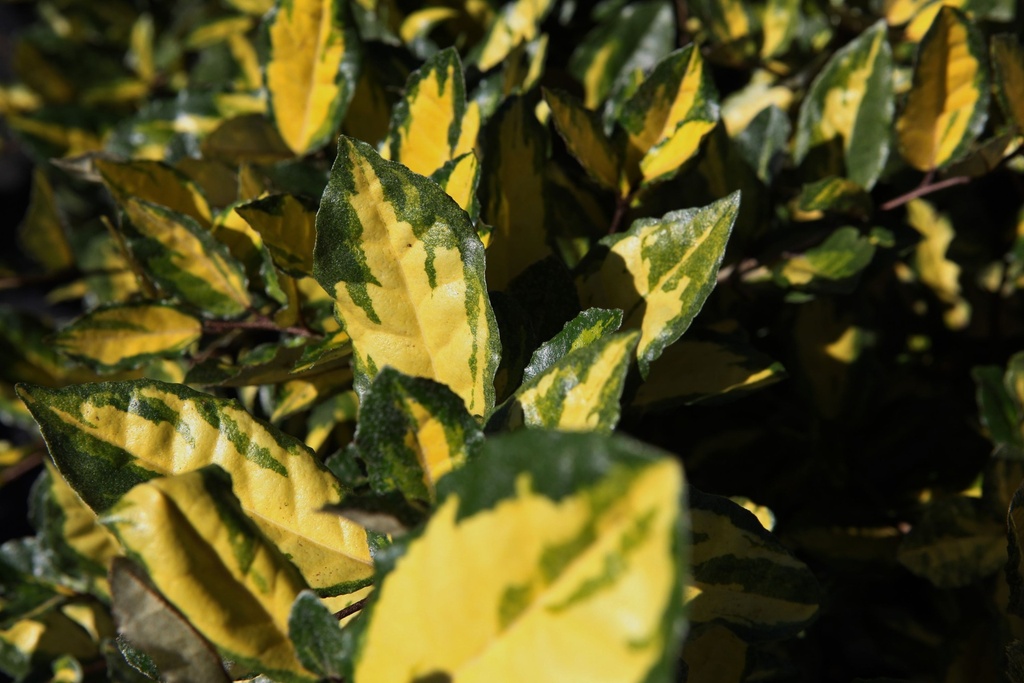
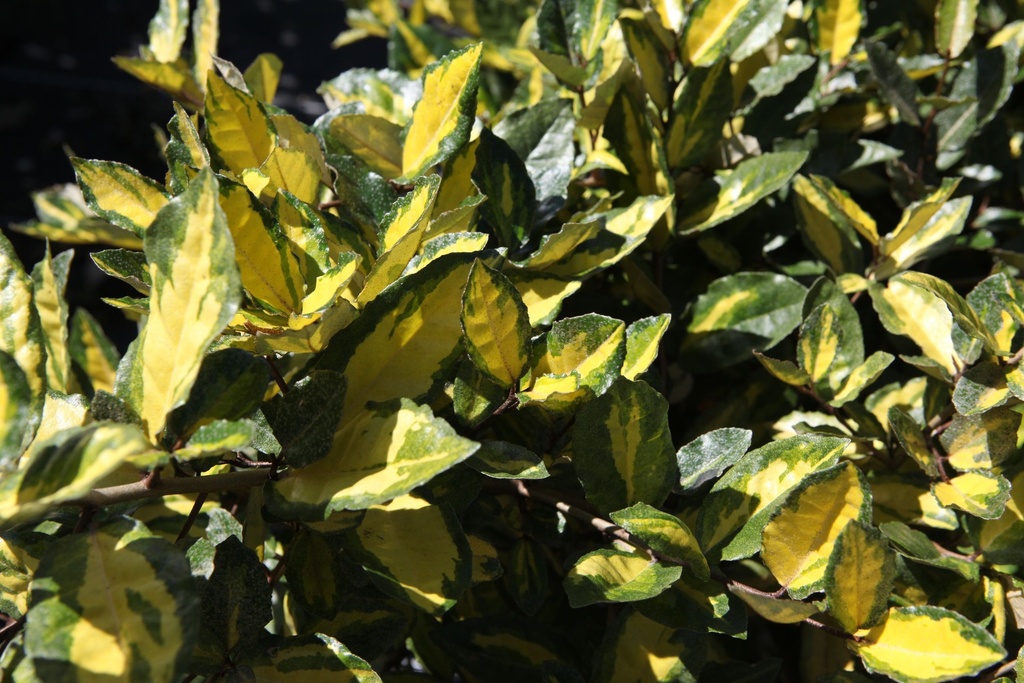
In the first years shorten the shoots by a third to encourage branching. Afterwards prune to keep the shape in March or April and, if needed, again in September or October. On variegated forms, remove any plain green shoots as soon as they appear.
Use in the garden
A tough choice for hedges, screens and windbreaks, also in exposed coastal and urban gardens. It can be planted as a specimen or in mixed shrub groups, and combines well with escallonia, olearia, tamarisk and griselinia. The flowers feed bees late in the season.
Plant characteristics
Flowering
| Flowering period | september, october |
| Colour (flower) | white |
| Flowers | fragrant, inconspicuous |
Foliage
| Evergreen | yes |
| Colour (foliage) | green, yellow, variegated |
Growth habit
| Height | 150 cm, 200 cm |
Location
| Winter hardiness | -20 °C |
| Soil type | neutral |
| Location | sun, half shade |
| Wind resistant | yes |
| Soil moisture | dry, normal |
Use
| Type (use) | shrub, hedge plant, fruit/berries, solitary, in group |
| Fruits/berries | red |
Care
| Pruning | march, april, september, october |
Related products
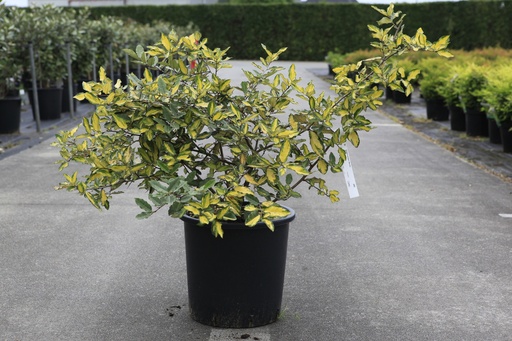
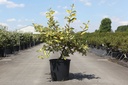
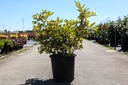
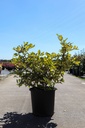
Elaeagnus pungens 'Maculata'
cont. 18L 80/+ cm