



|
J
|
F
|
M
|
A
|
M
|
J
|
J
|
A
|
S
|
O
|
N
|
D
|
|
J
|
F
|
M
|
A
|
M
|
J
|
J
|
A
|
S
|
O
|
N
|
D
|
|
J
|
F
|
M
|
A
|
M
|
J
|
J
|
A
|
S
|
O
|
N
|
D
|
About this plant
Escallonia
Escallonia is a genus of around sixty mostly evergreen shrubs and small trees from South America, chiefly Chile and the Andes, where they grow in scrub and on windswept coasts. They are loved for their dense, glossy, slightly aromatic foliage and for clusters of small bell-shaped flowers in white, pink or red that appear all summer.
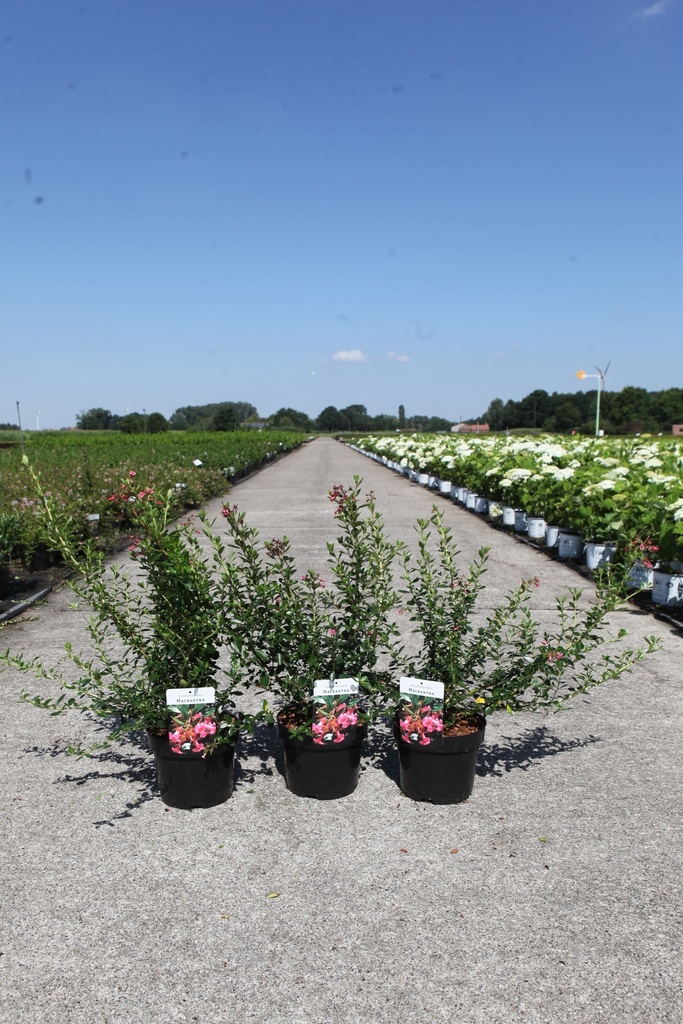
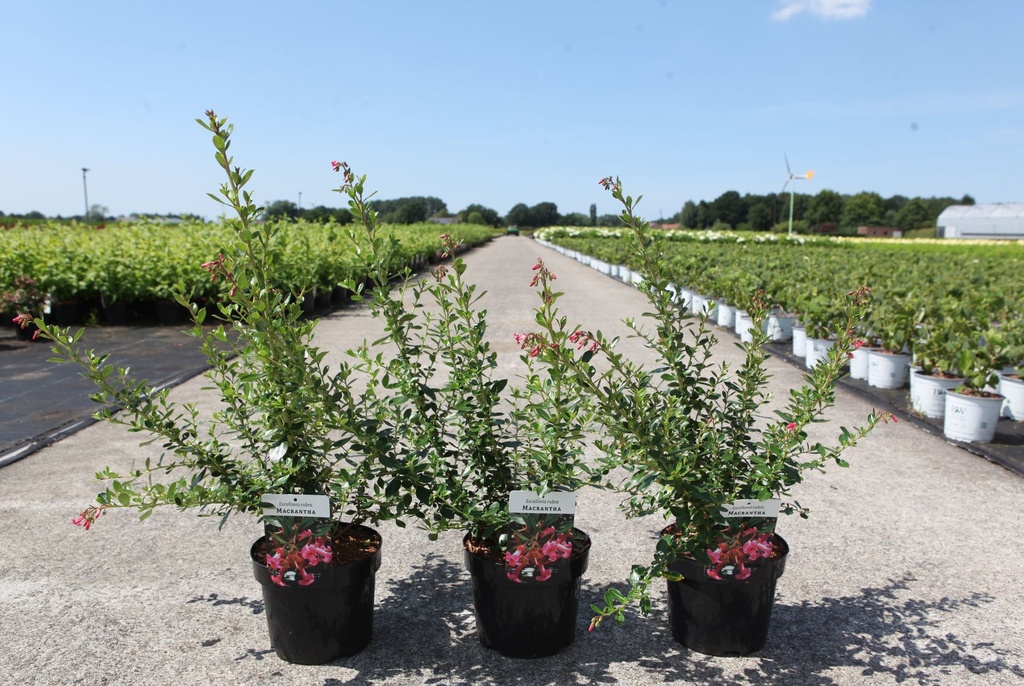
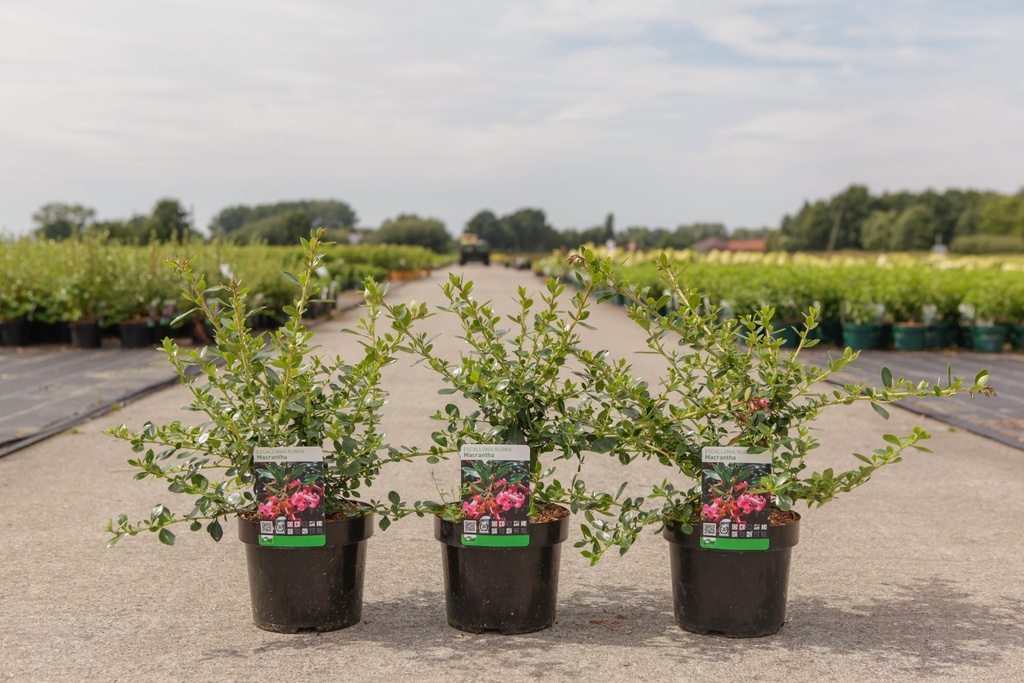
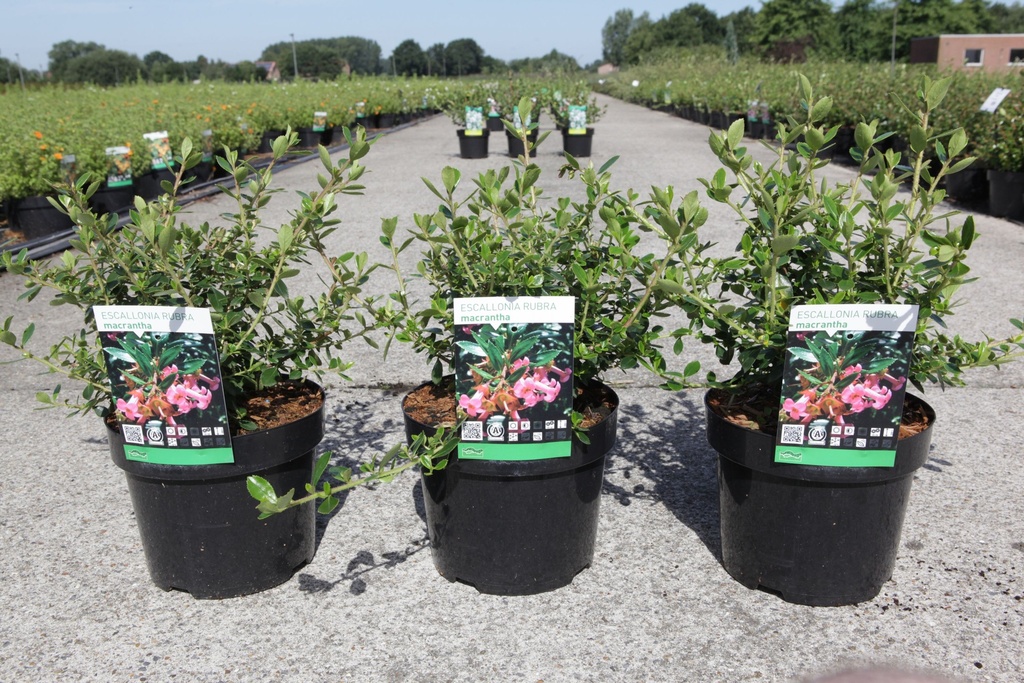
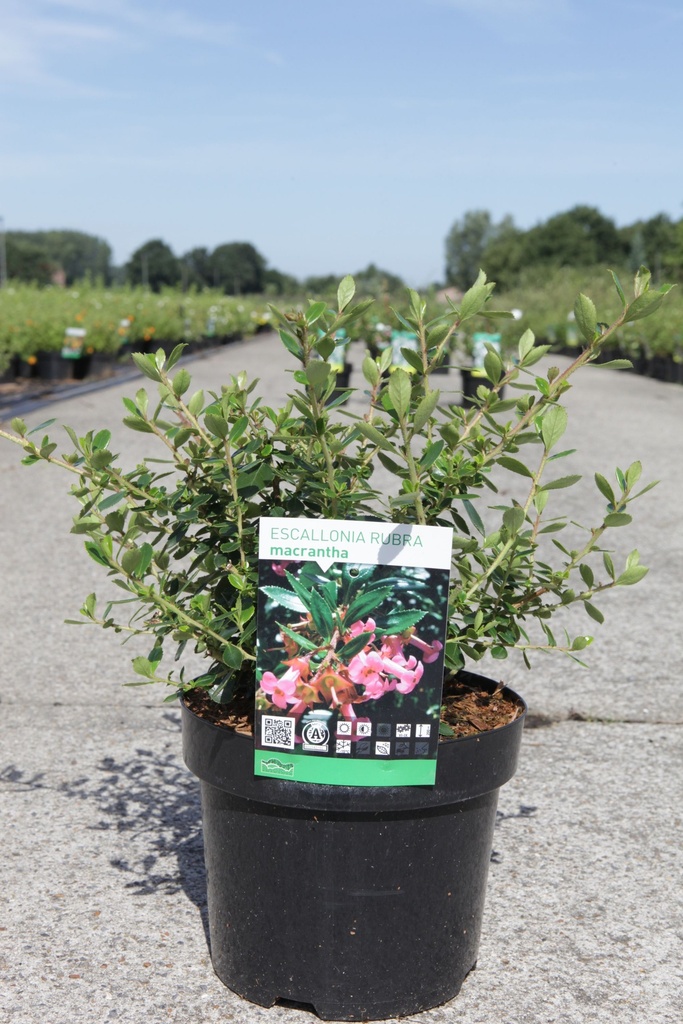
Escallonia rubra macrantha
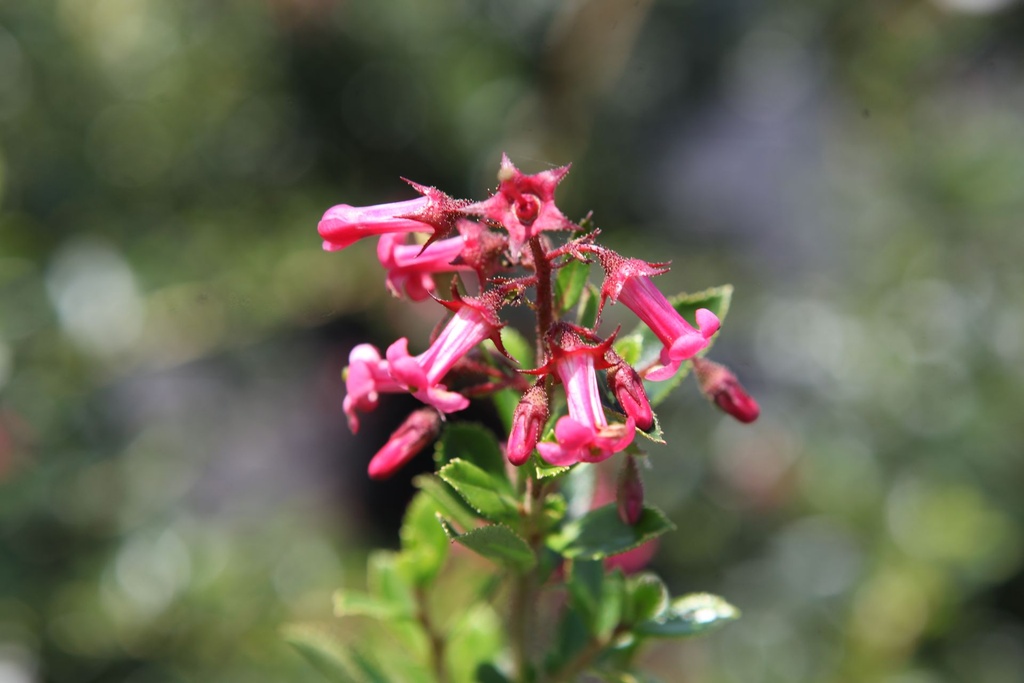
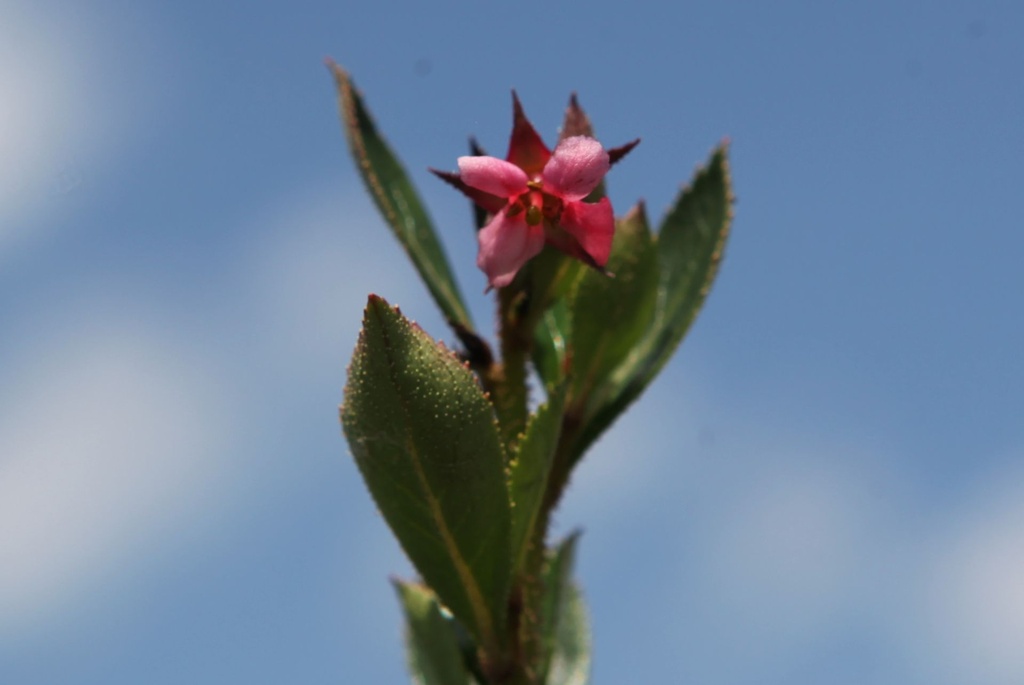
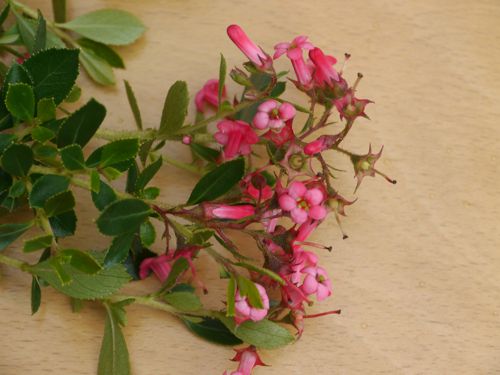
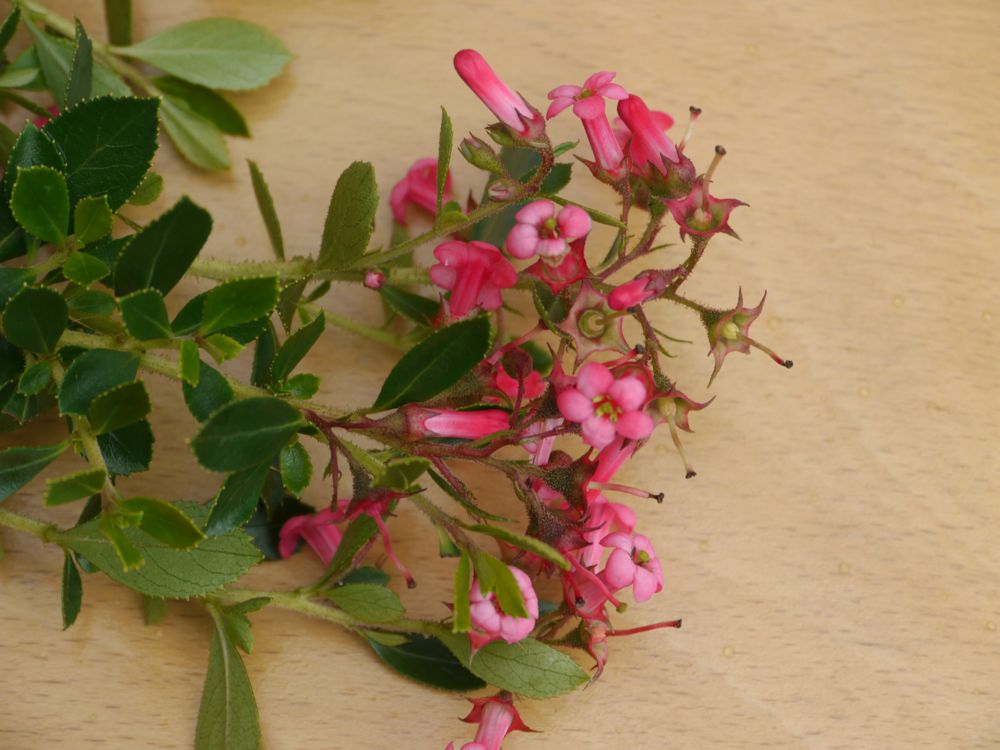
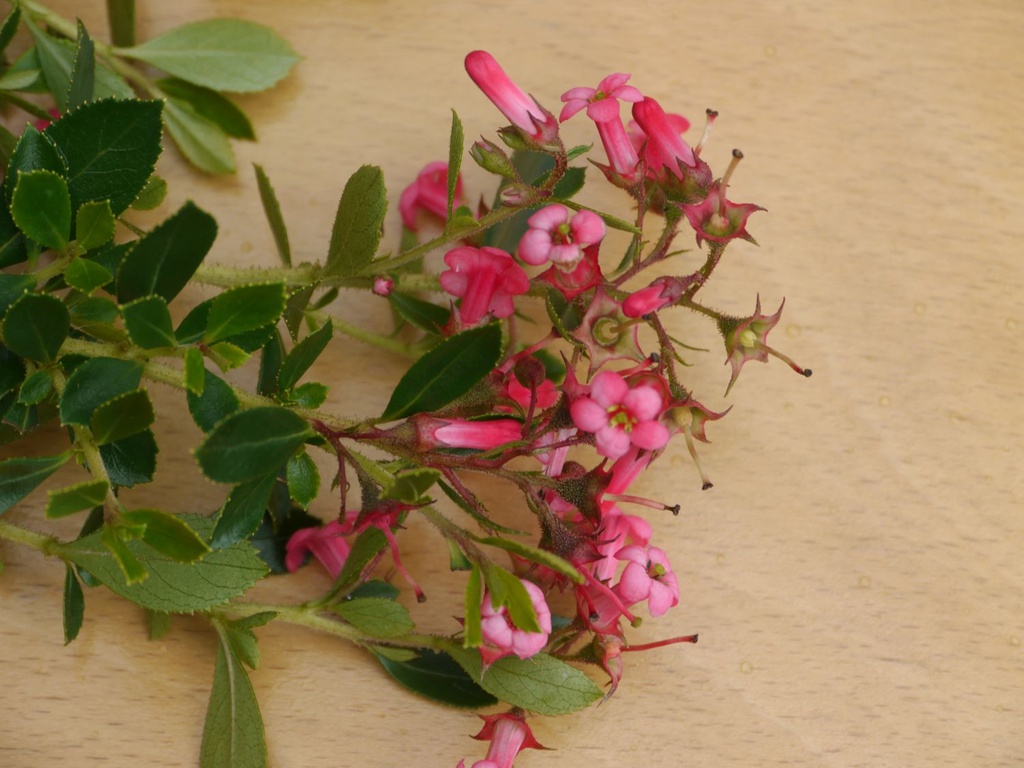
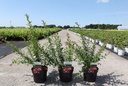
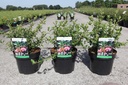
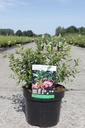
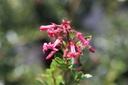
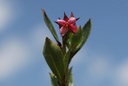
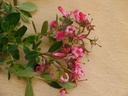
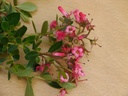
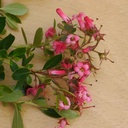
Escallonia rubra var. macrantha is a vigorous, fast-growing natural form of the species, with larger, rounded, glossy and slightly fleshy leaves that smell aromatic when crushed. From June to August it carries clusters of larger, waxy bell flowers, mostly carmine pink. It grows into a dense shrub of around 3 m tall and wide.
Location and soil
Give it full sun, or light shade in warm areas, and a well-drained soil without excess lime. It thrives in salt-laden coastal wind and tolerates summer drought once established. It is only moderately hardy, so in colder inland gardens plant it against a sheltered wall.
Pruning and care
Prune in March-April to shape the shrub and cut out any winter damage, and trim again lightly in September after flowering; a formal hedge can be clipped at both times. Plant in spring, mulch the base and water regularly during the first summers.
Use in the garden
One of the best shrubs for evergreen hedges and windbreaks in coastal gardens, clipped or left informal. It also makes a handsome specimen or background shrub in borders in mild areas.
Plant characteristics
Botanical
| Family | Escalloniaceae |
| Genus | Escallonia |
| Species | rubra macrantha |
Flowering
| Flowering period | june to september |
| Colour (flower) | red |
Foliage
| Evergreen | yes |
| Colour (foliage) | green |
Growth habit
| Height | 150 cm, 200 cm |
Location
| Winter hardiness | -15 °C |
| Location | sun, half shade |
Use
| Type (use) | shrub, hedge plant, solitary, in group, terrace plant |
Care
| Pruning | yes, march to april, september |