




|
J
|
F
|
M
|
A
|
M
|
J
|
J
|
A
|
S
|
O
|
N
|
D
|
|
J
|
F
|
M
|
A
|
M
|
J
|
J
|
A
|
S
|
O
|
N
|
D
|
|
J
|
F
|
M
|
A
|
M
|
J
|
J
|
A
|
S
|
O
|
N
|
D
|
About this plant
What makes this plant special
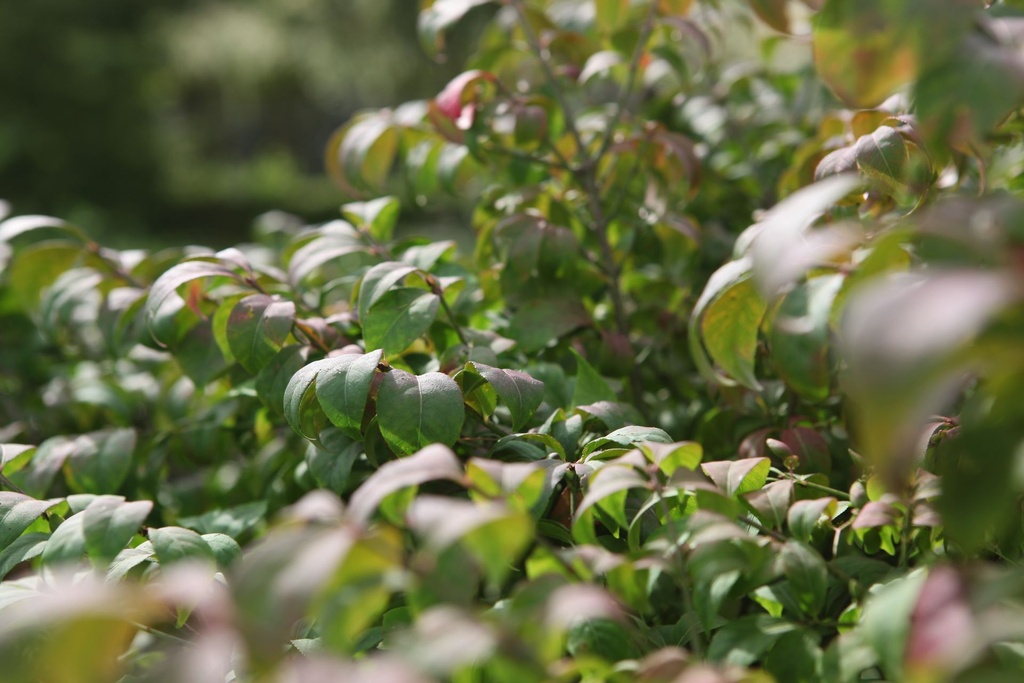
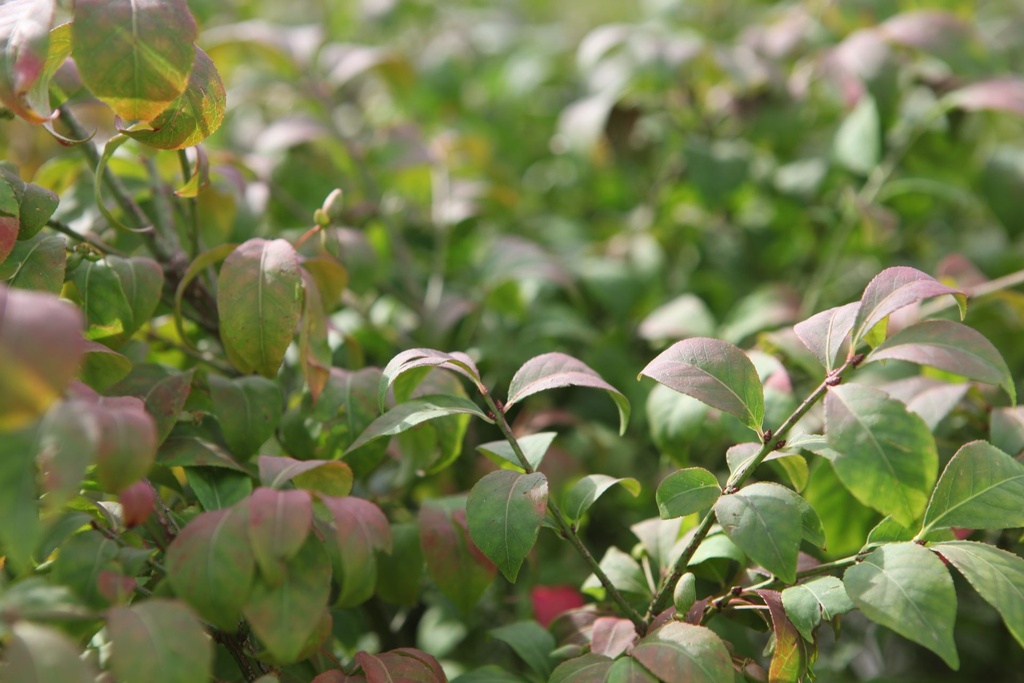
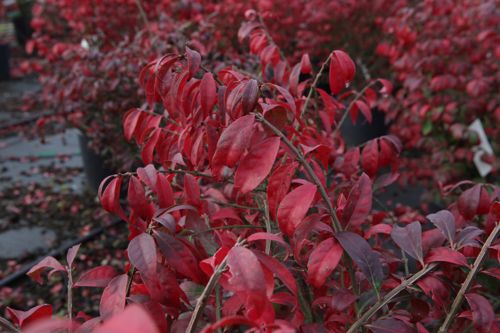
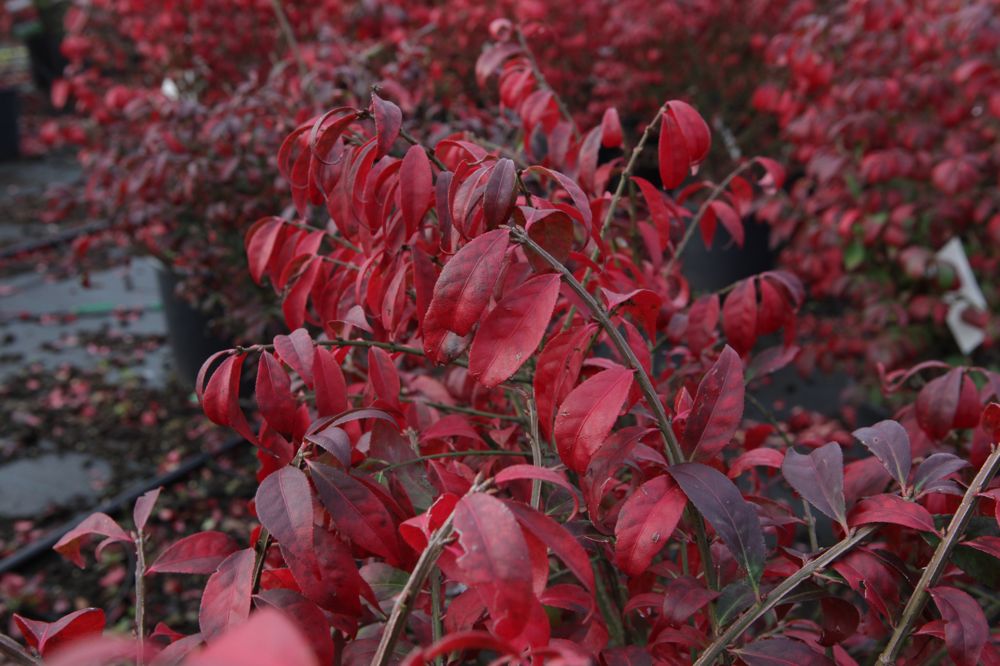
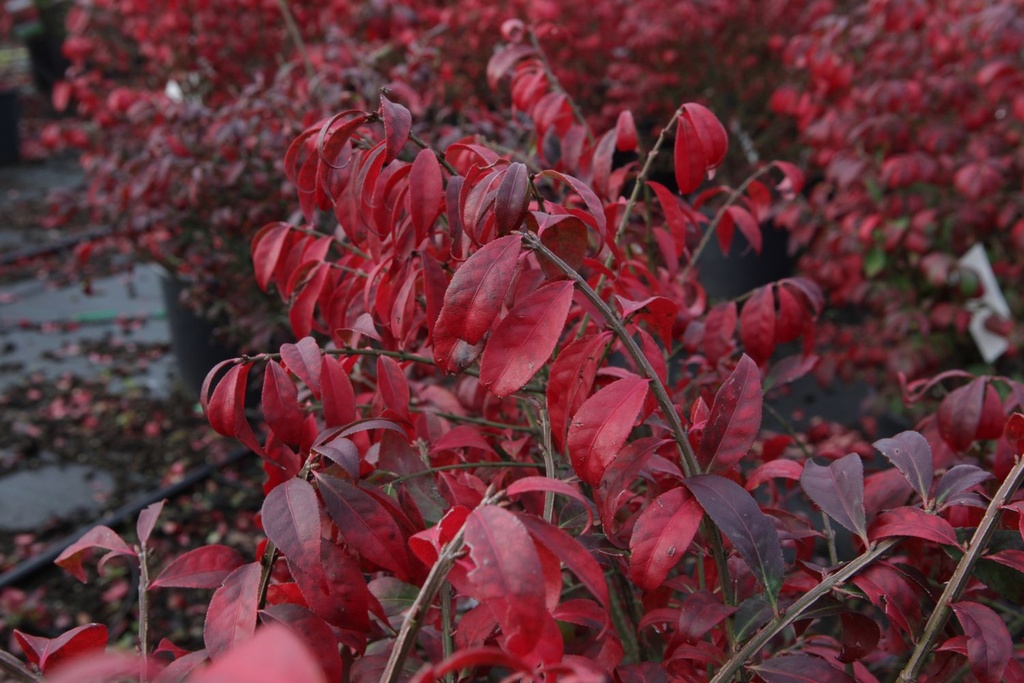
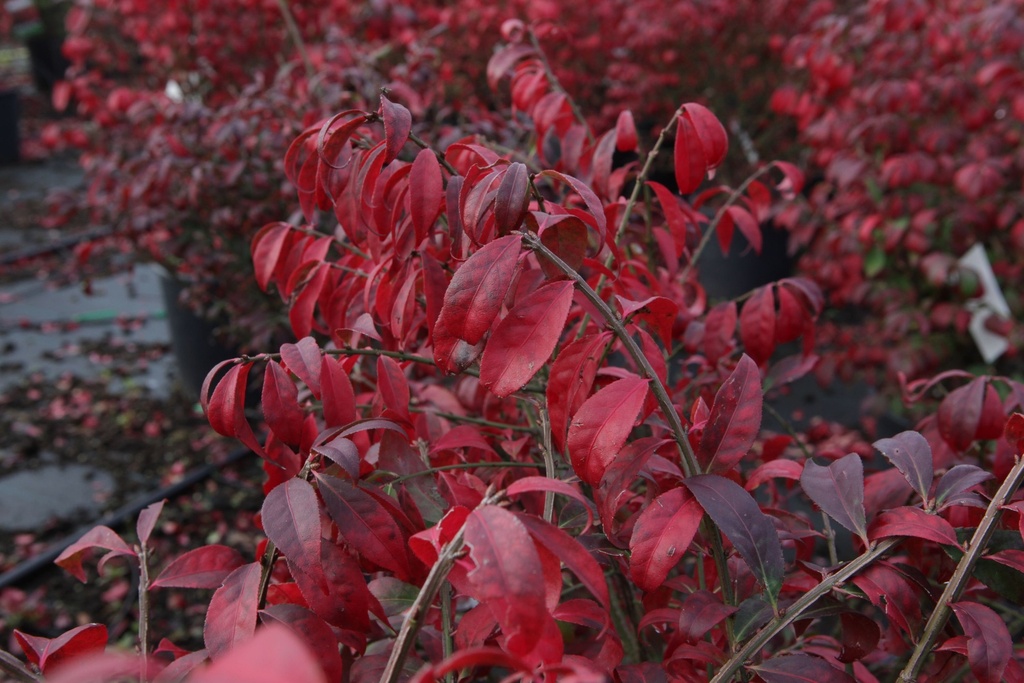
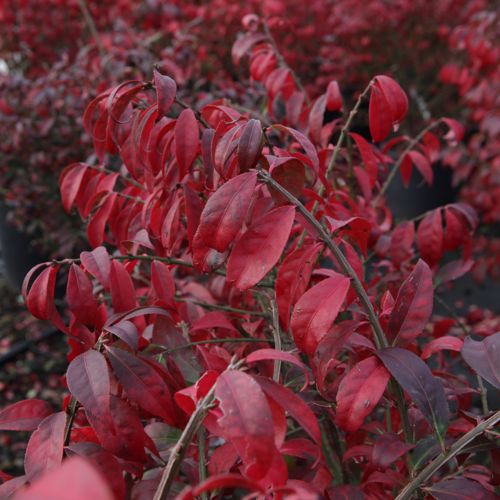
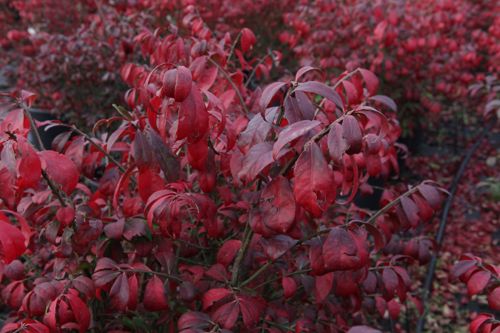
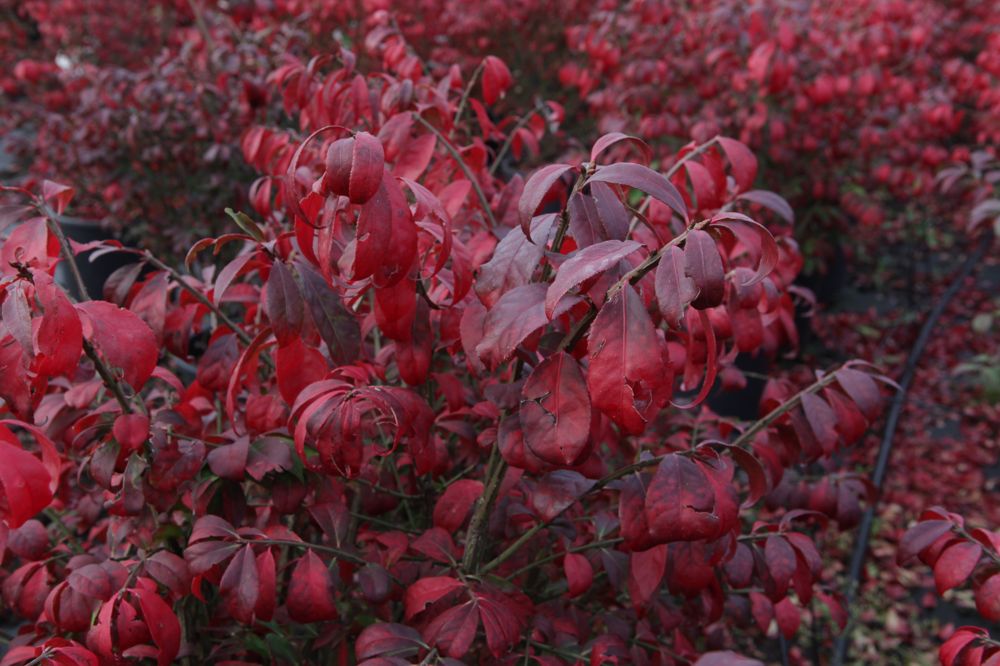
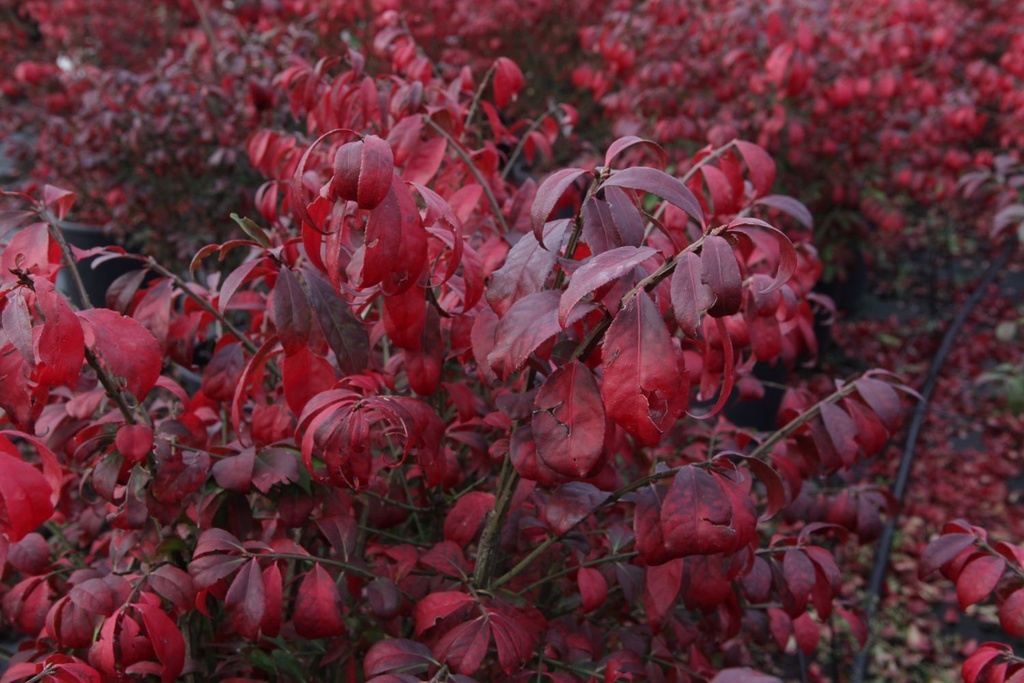
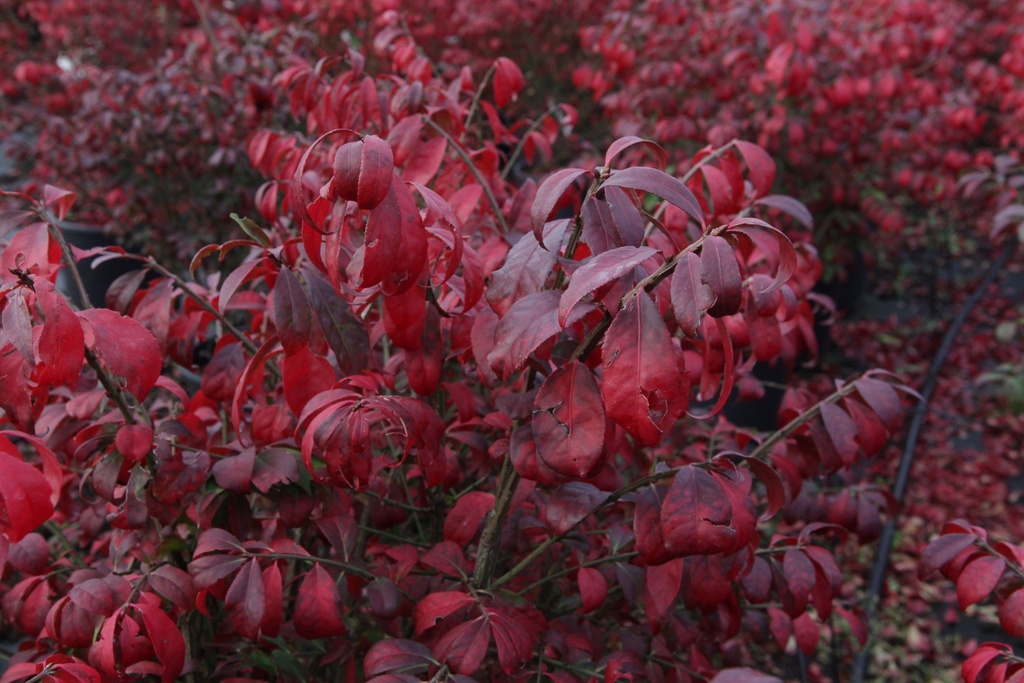
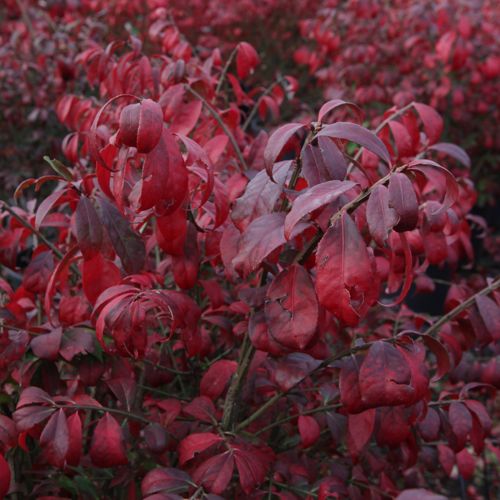
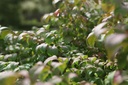
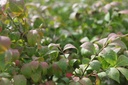
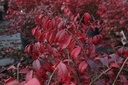
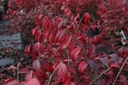
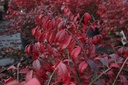
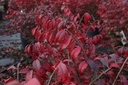
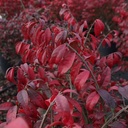
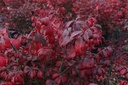
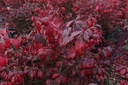
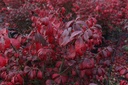
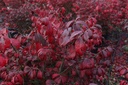
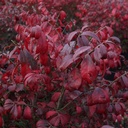
'Compactus' is a much tighter, densely branched form of the winged spindle, making a rounded bush of about 1 m by 1.2 m. At the first cold snap its foliage turns vivid red, later fading to pale pink and beige. Its neat shape and slow growth suit the front of a border, a small garden or a large container.
Spindle tree Euonymus
Spindles (Euonymus) are shrubs, small trees and creeping or climbing plants, mostly from Asia, with one native European species. The group combines evergreen species with glossy, often variegated foliage and deciduous species grown for their fiery autumn colour. The small flowers are inconspicuous, but the four-lobed pink to red capsules that split open to reveal brightly coloured seeds are a real feature in autumn.
Winged spindle Euonymus alatus
The winged spindle comes from eastern Asia, from southern Siberia to China, Korea and Japan. This slow-growing, broad deciduous shrub carries thin, corky ridges along its twigs, which remain striking in winter. In autumn its foliage turns pink, scarlet and purple while small purplish capsules open to show orange seeds.
Location and soil
Plant in full sun or partial shade; the autumn colour is most intense in a sunny spot. It grows in any deep, well-drained soil and, once rooted, copes with summer drought, but it dislikes standing water around the roots. Very hardy in Belgian winters.
Pruning and care
This shrub keeps a neat, bushy shape by itself and needs little pruning. If necessary, thin it out or remove awkward branches in March, before growth starts. Water young plants during dry spells in the first summer. The seeds are toxic if eaten.
Use in the garden
A classic for autumn colour: as a solitary shrub on a lawn, in front of a dark evergreen backdrop, in a free-growing hedge or a large shrub border. It suits natural, cottage and Japanese-style gardens, and birds feed on the fruits.
Plant characteristics
Botanical
| Family | Celastraceae |
| Genus | Euonymus |
| Species | alatus |
| Cultivar | 'Compactus' |
Flowering
| Flowering period | may |
| Colour (flower) | yellow, green |
Foliage
| Evergreen | no |
| Colour (foliage) | green |
| Autumn colour | red, pink |
Growth habit
| Height | 150 cm |
Location
| Winter hardiness | -25 °C |
| Soil type | acid |
| Location | sun, half shade |
| Soil moisture | normal |
Use
| Type (use) | shrub, hedge plant, fruit/berries, solitary, in group |
Care
| Pruning | march |


