
|
J
|
F
|
M
|
A
|
M
|
J
|
J
|
A
|
S
|
O
|
N
|
D
|
|
J
|
F
|
M
|
A
|
M
|
J
|
J
|
A
|
S
|
O
|
N
|
D
|
|
J
|
F
|
M
|
A
|
M
|
J
|
J
|
A
|
S
|
O
|
N
|
D
|
About this plant
What makes this plant special
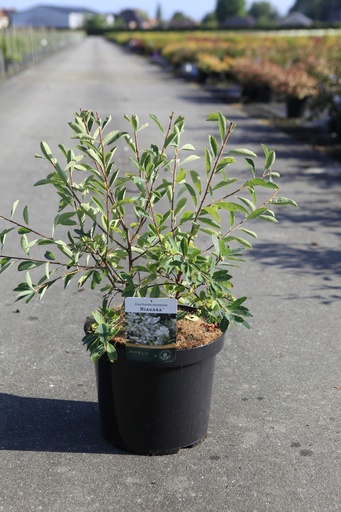
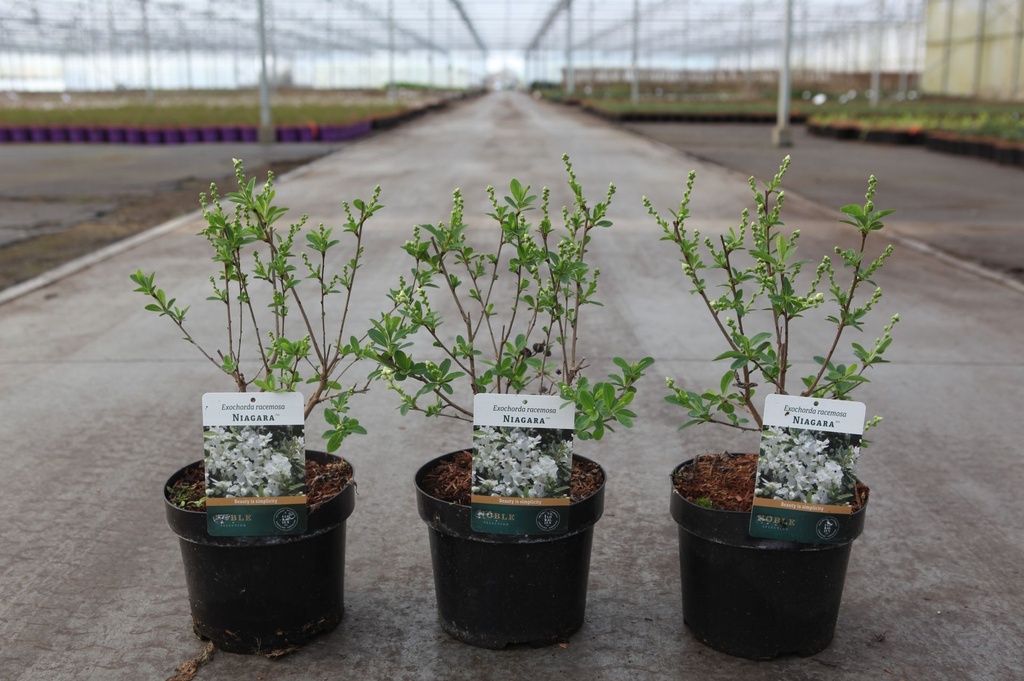
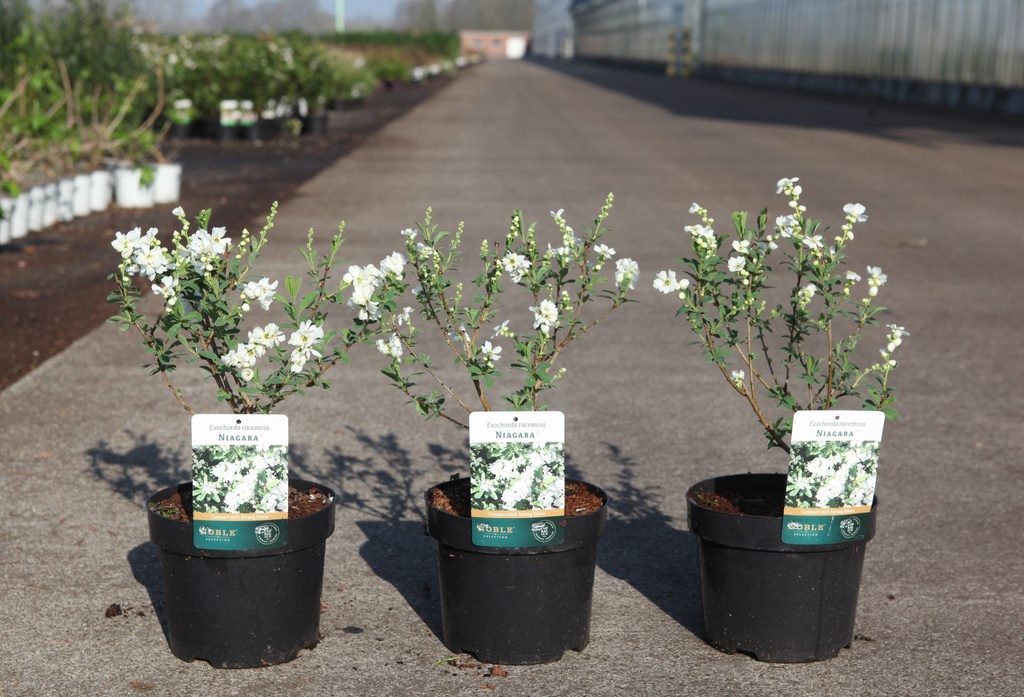
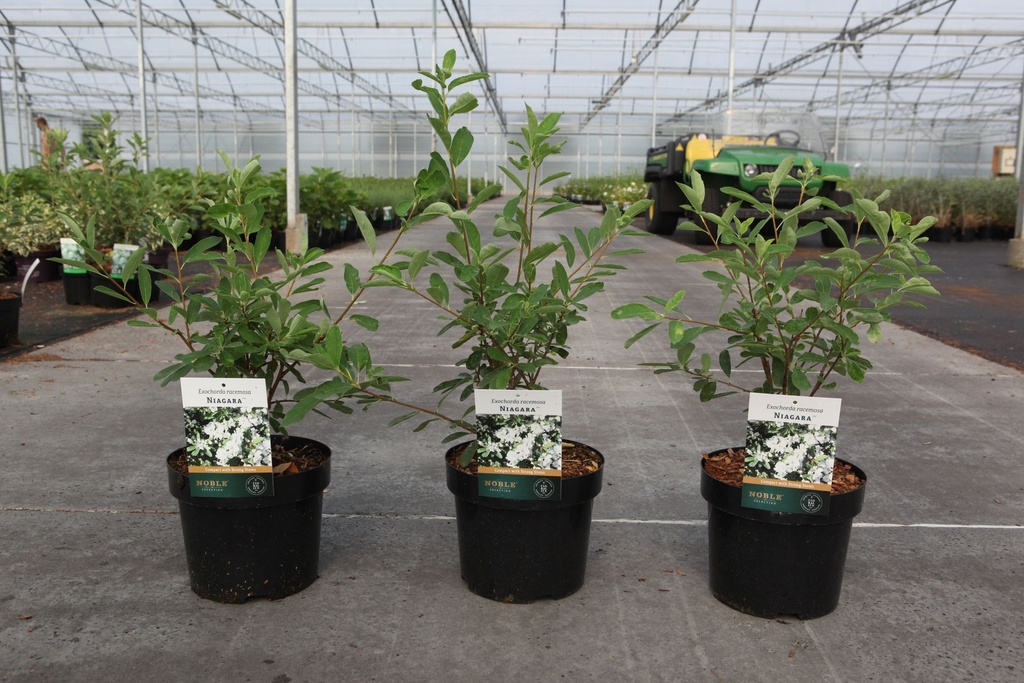
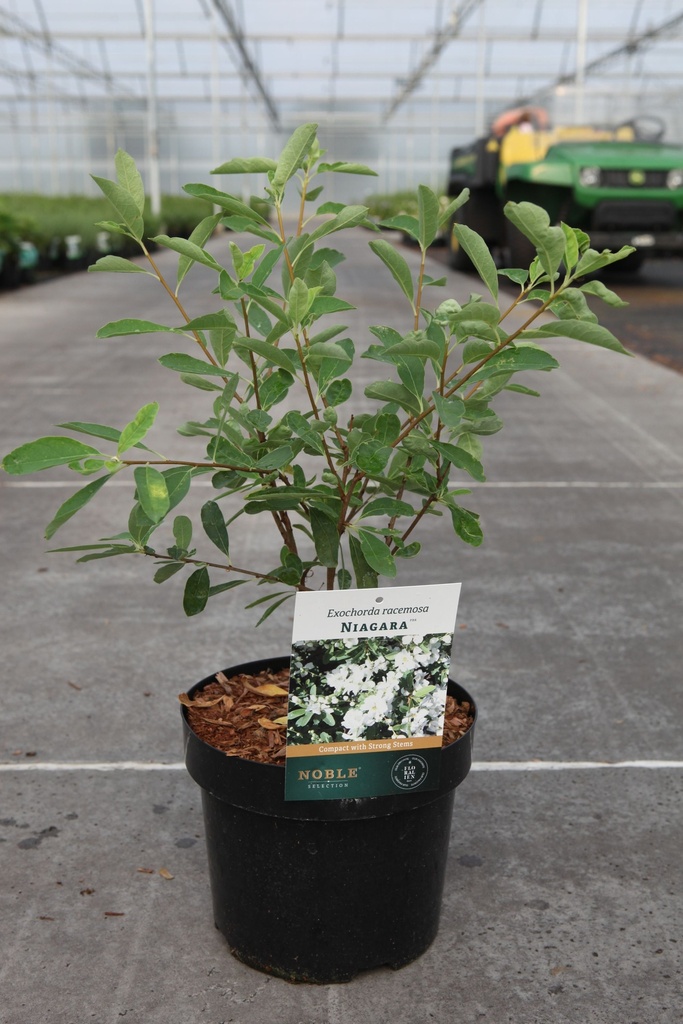
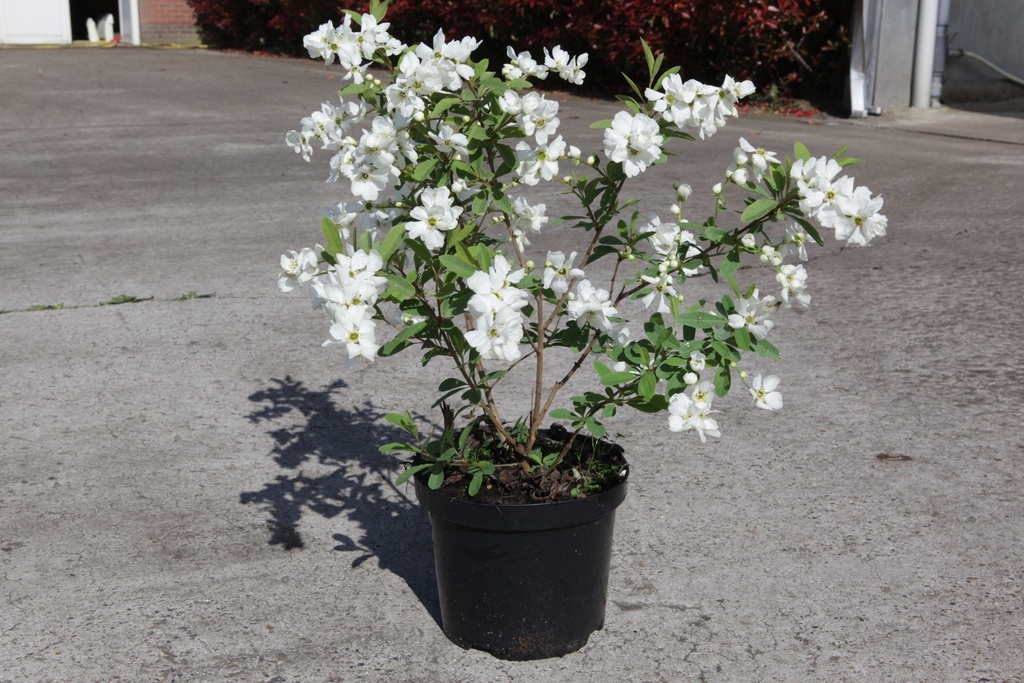
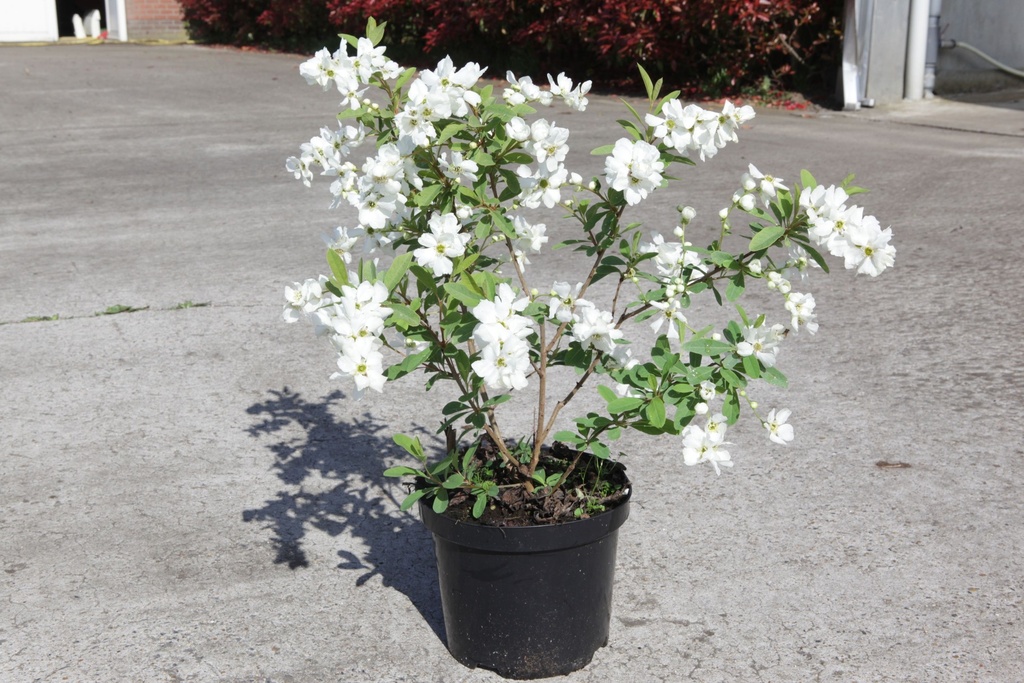
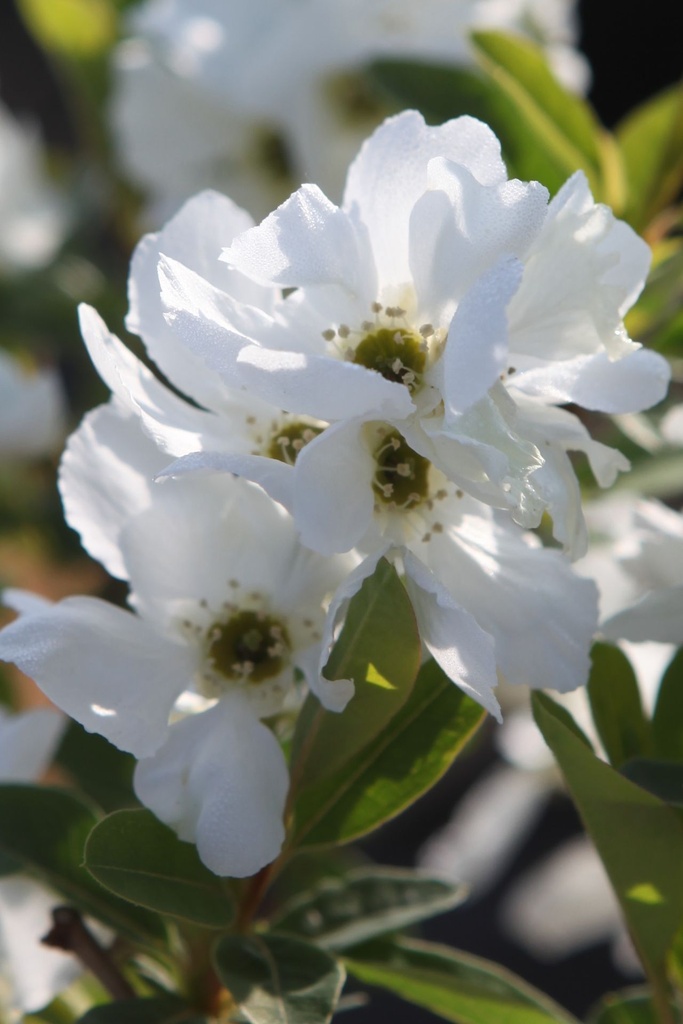
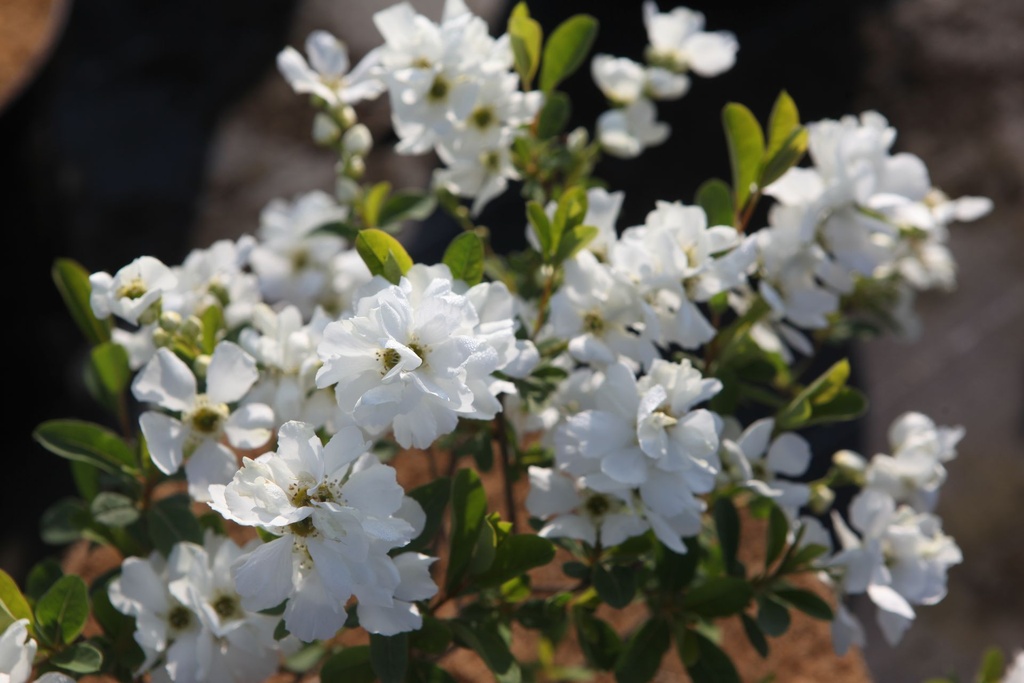
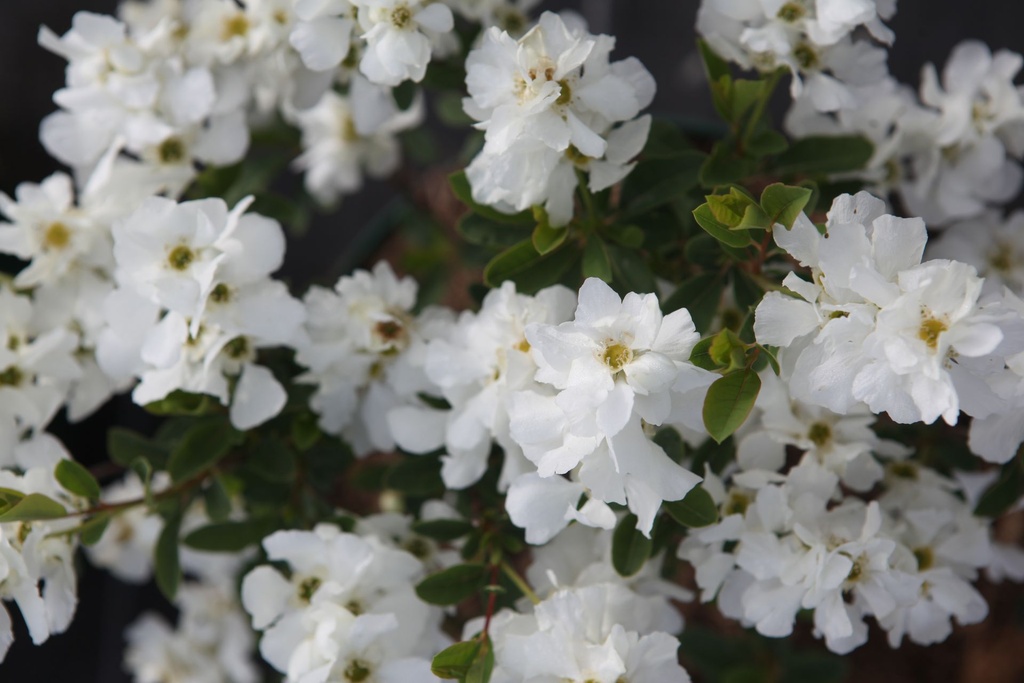
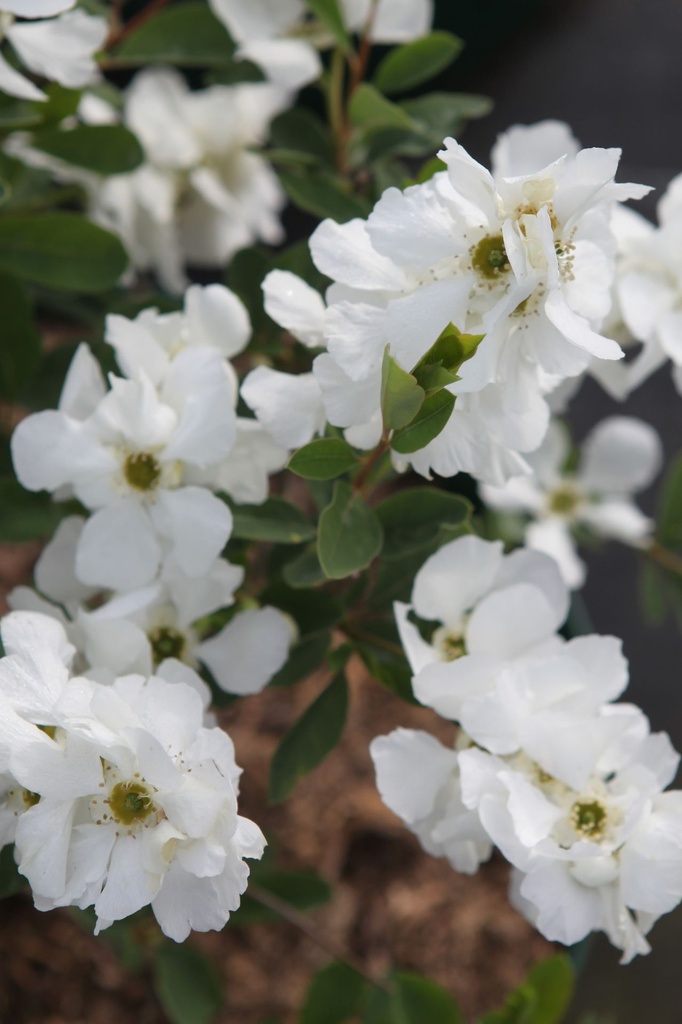
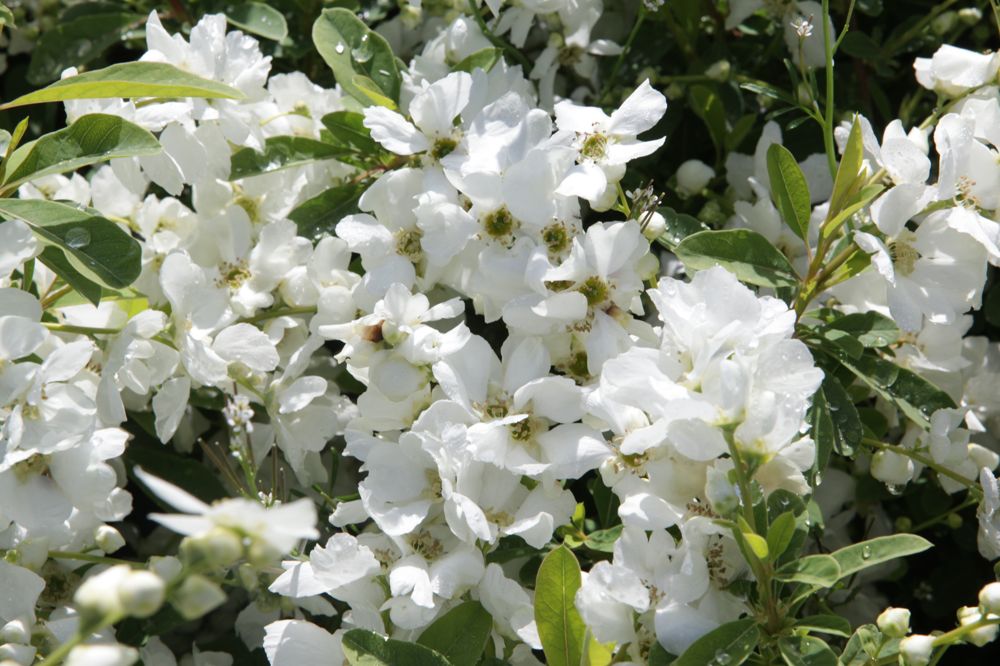
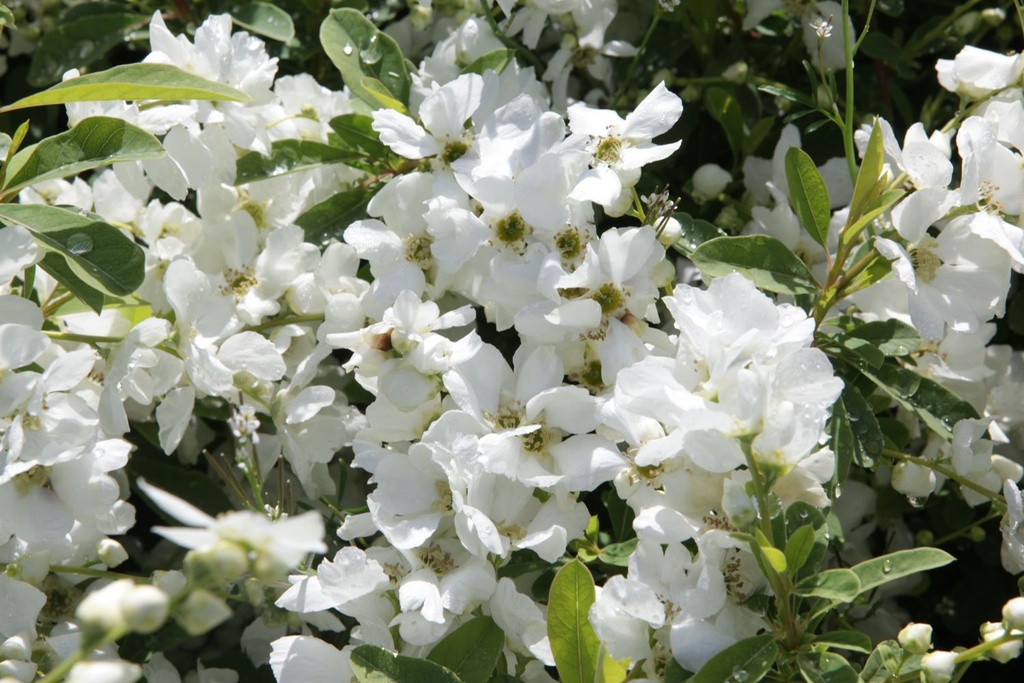
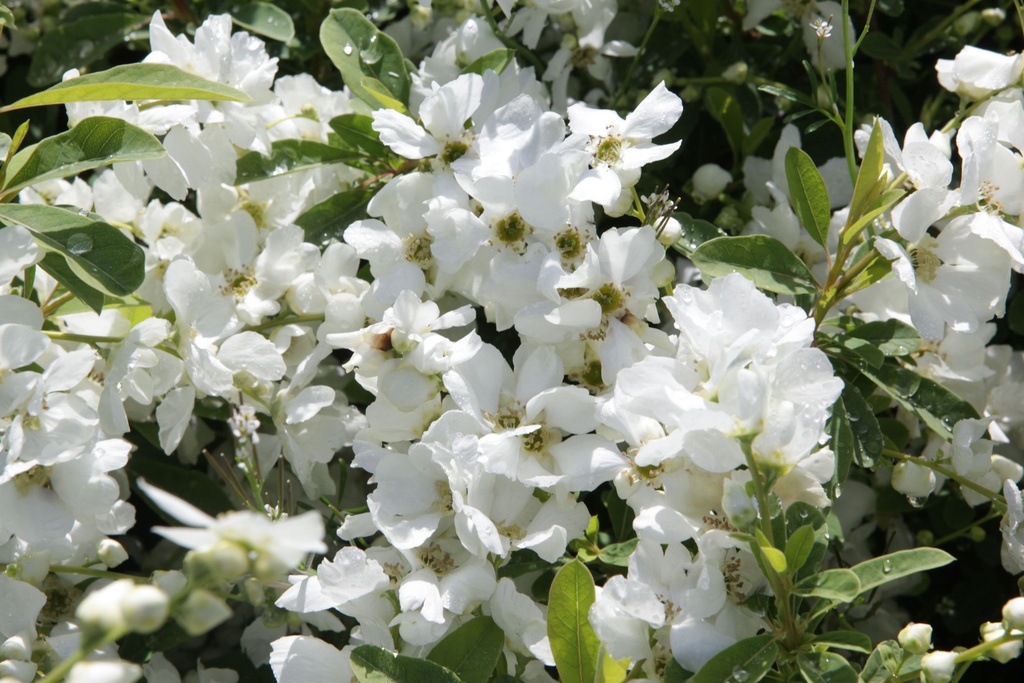
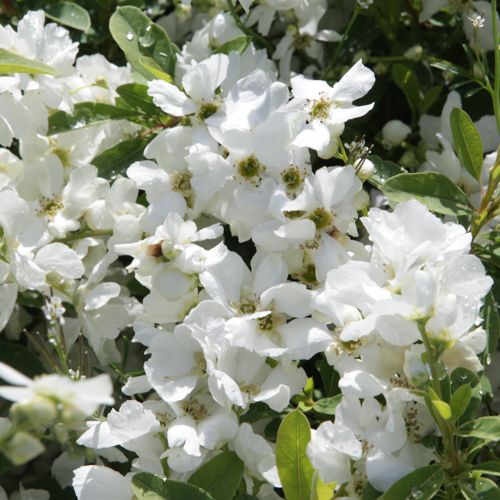
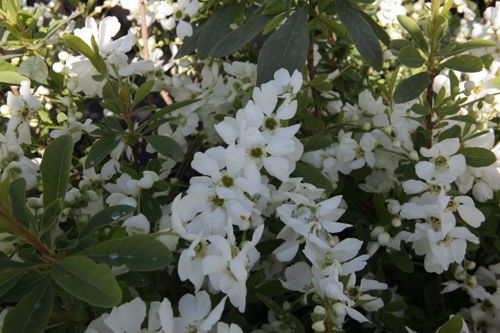
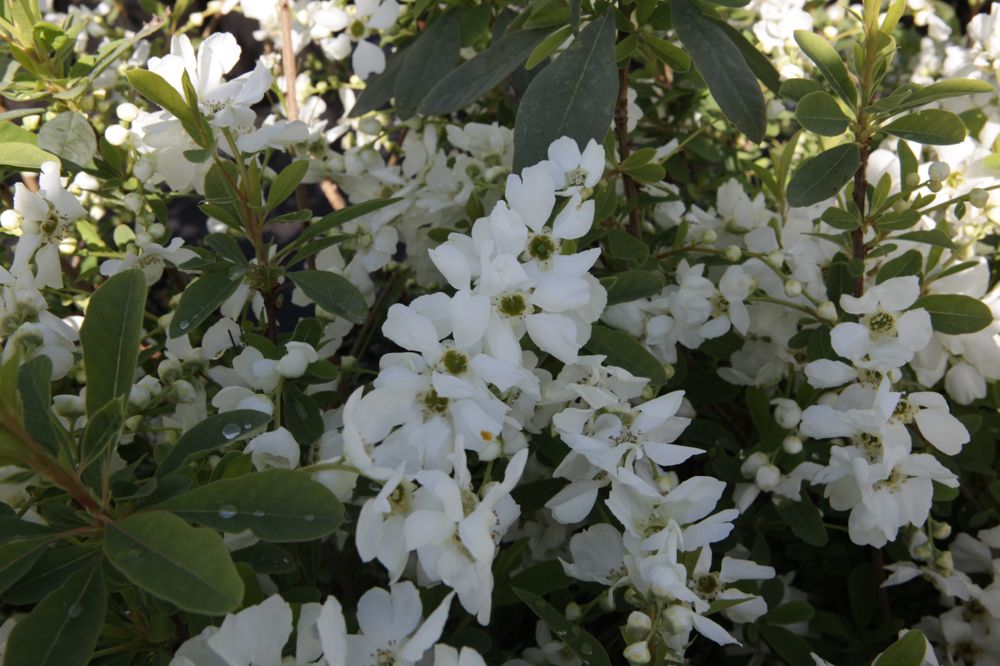
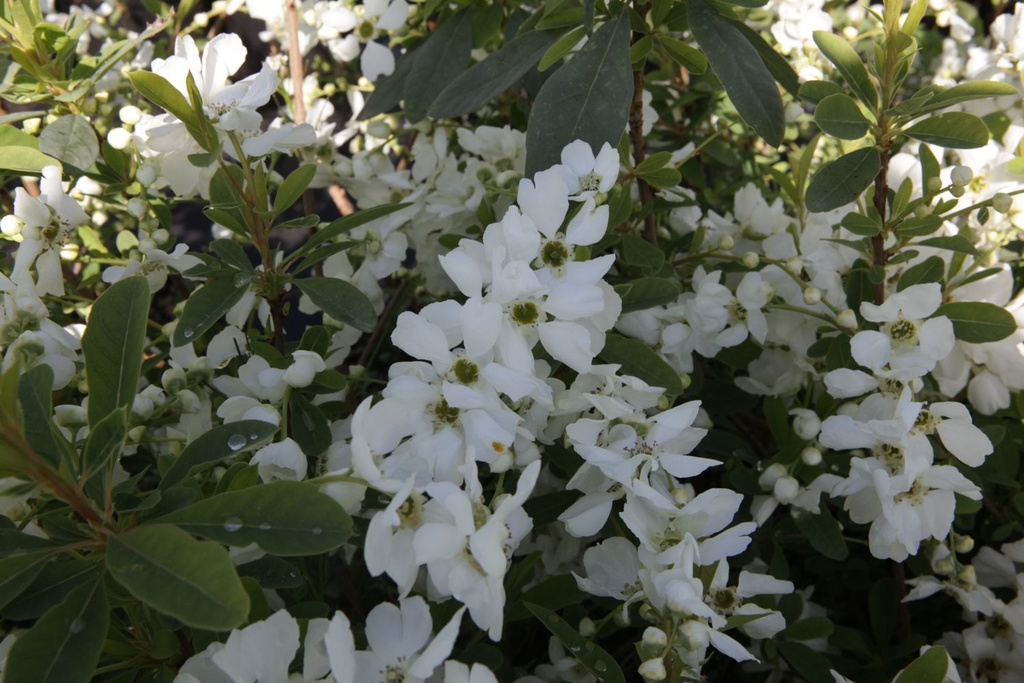
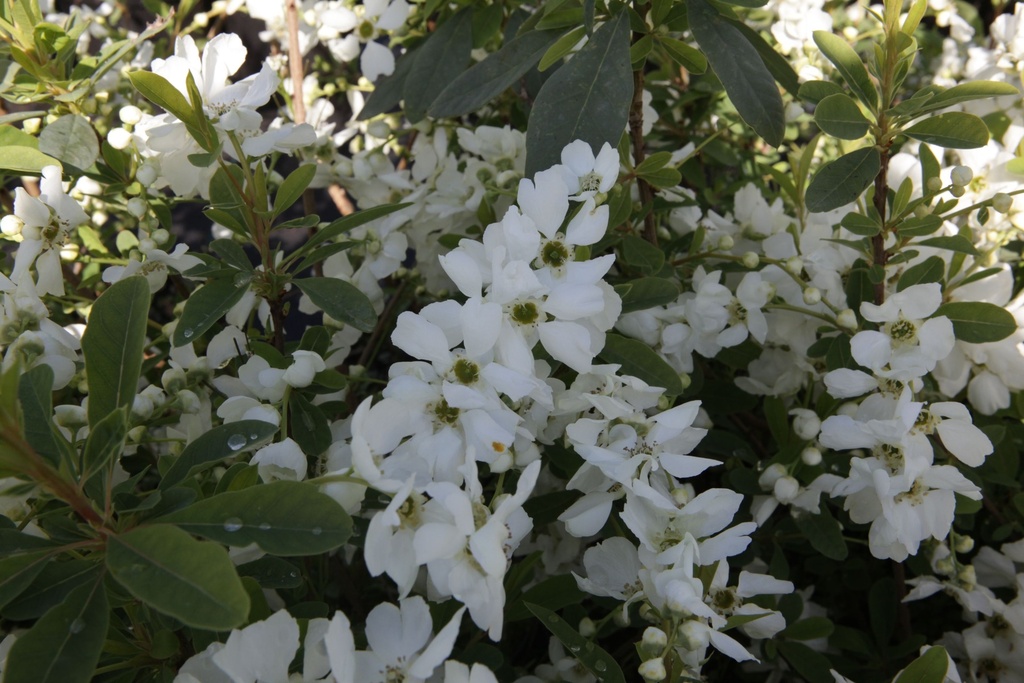
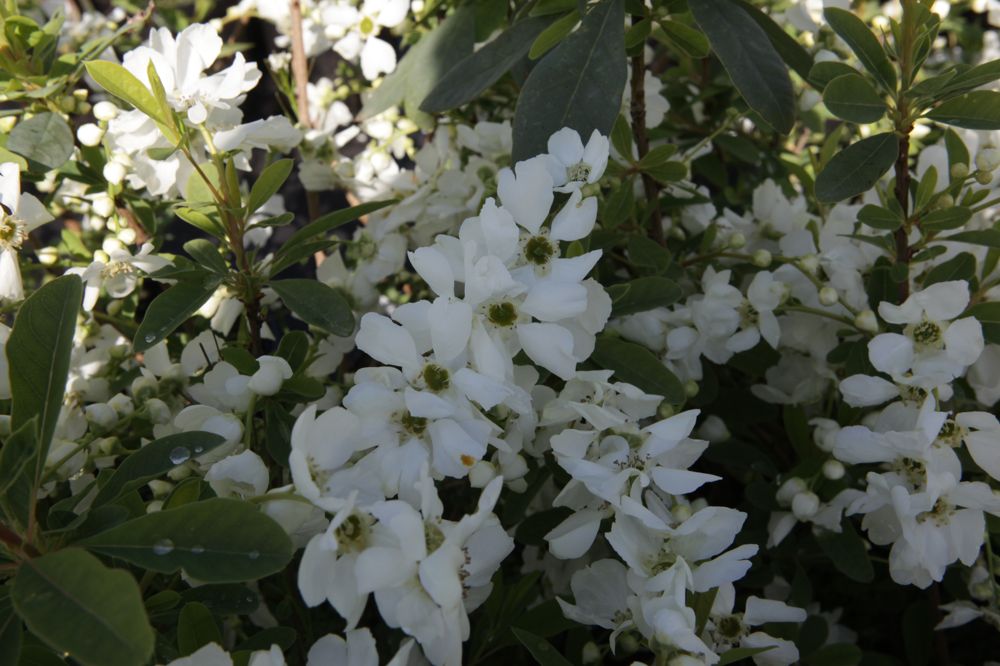
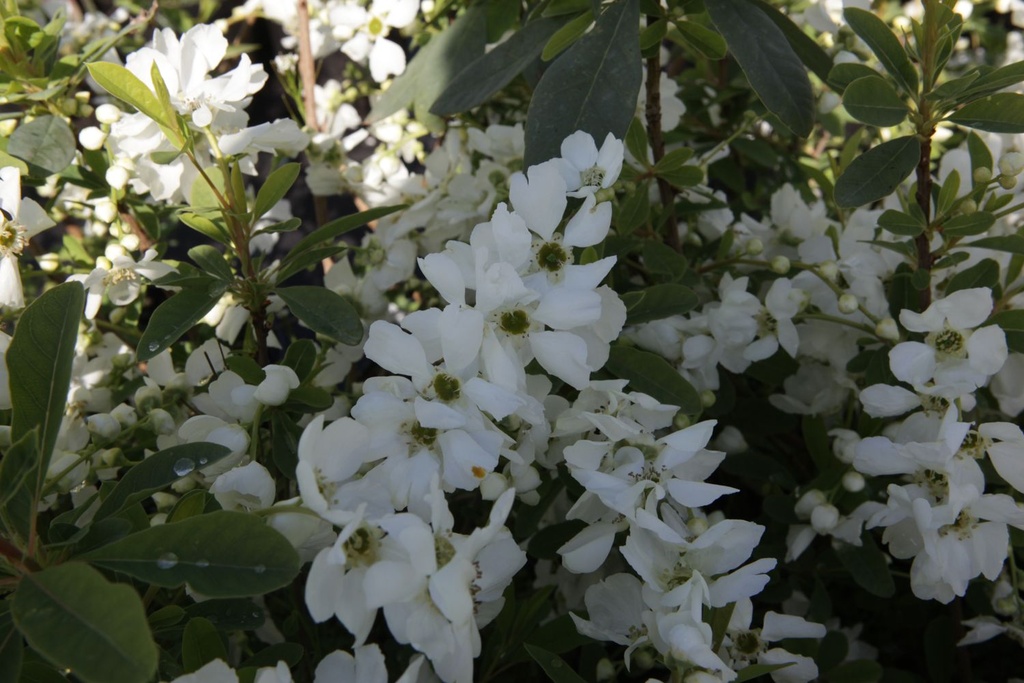
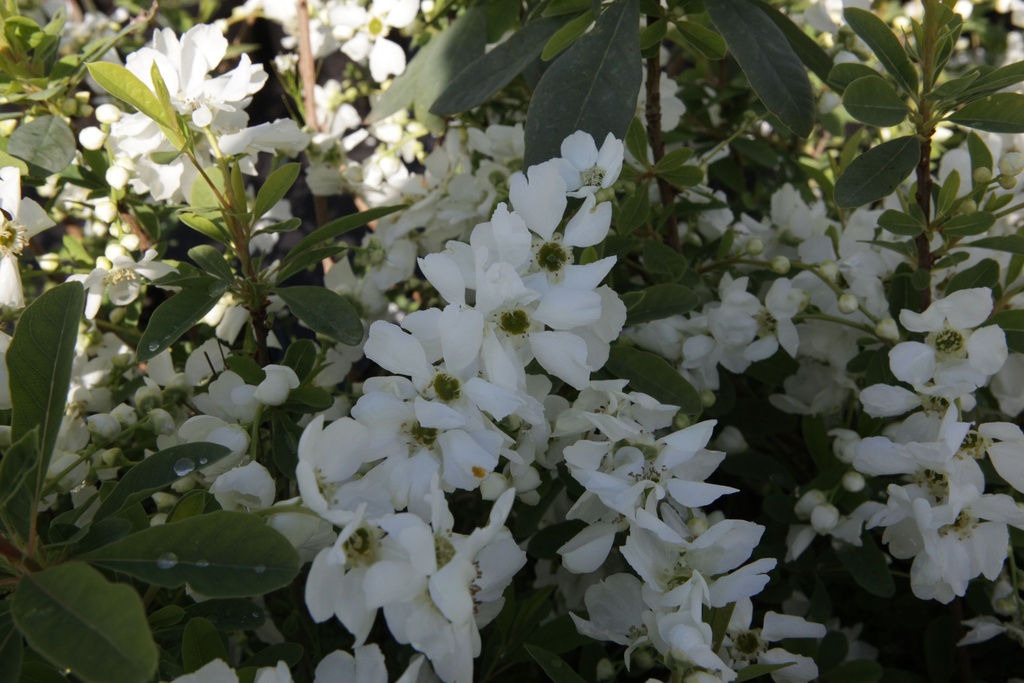
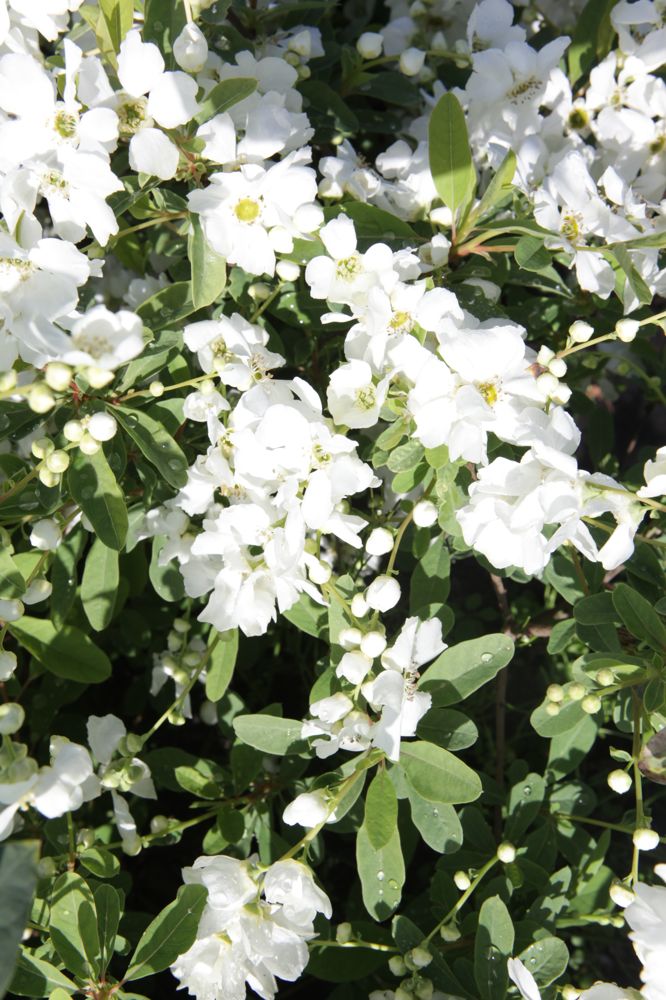
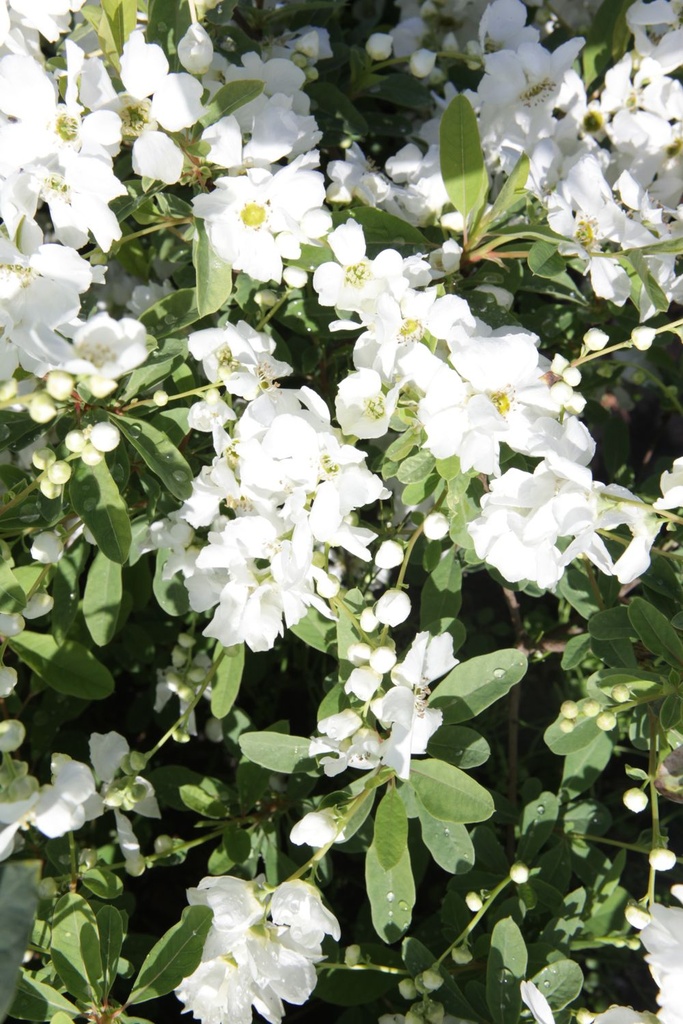
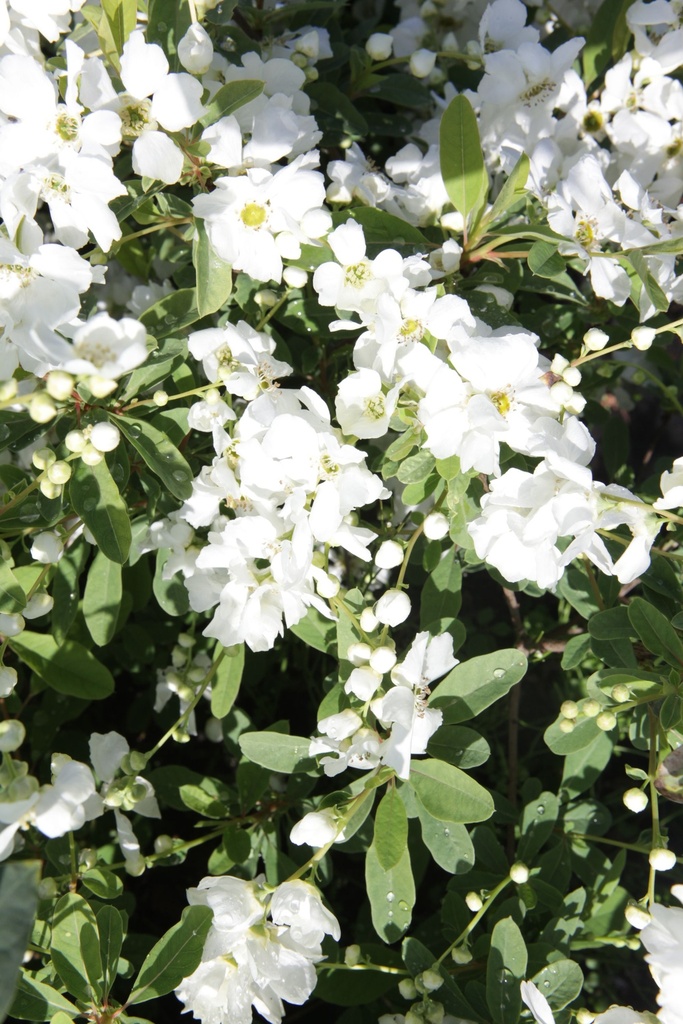
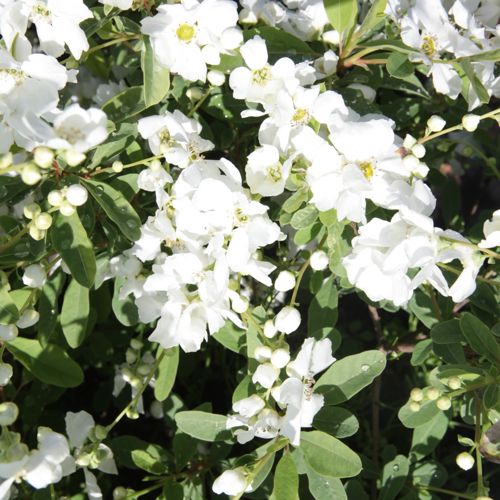
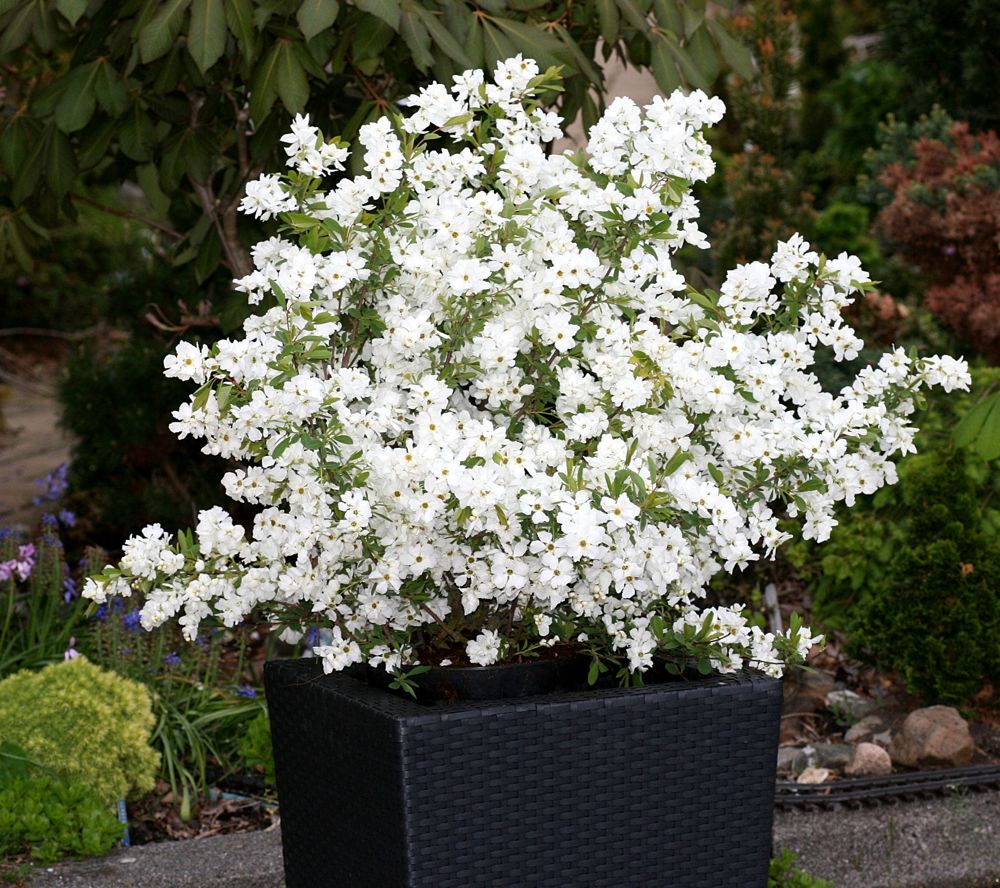
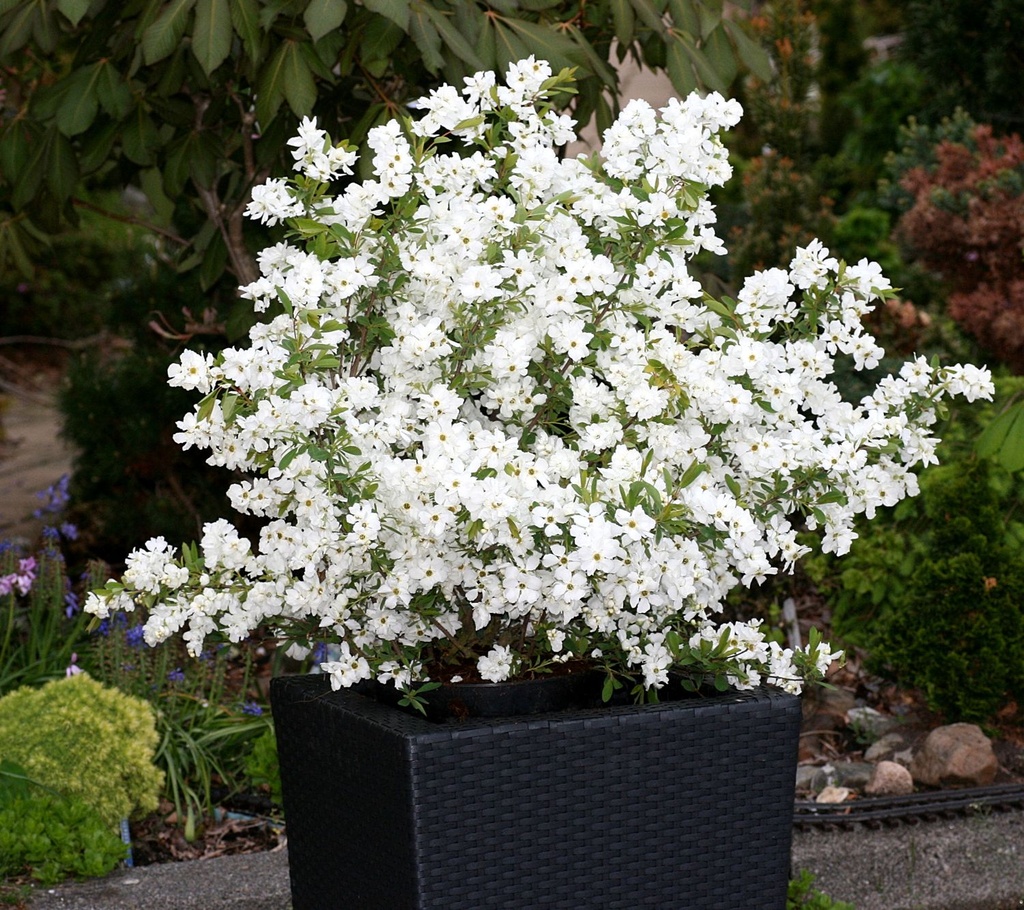
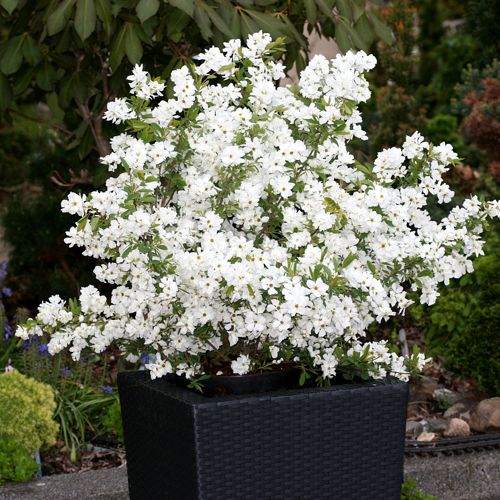
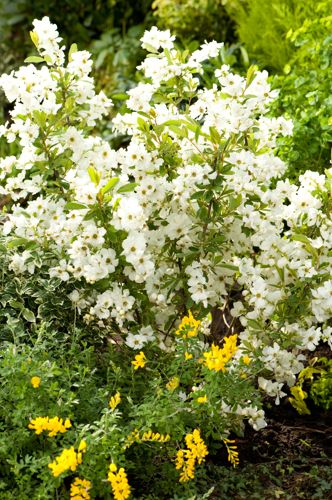
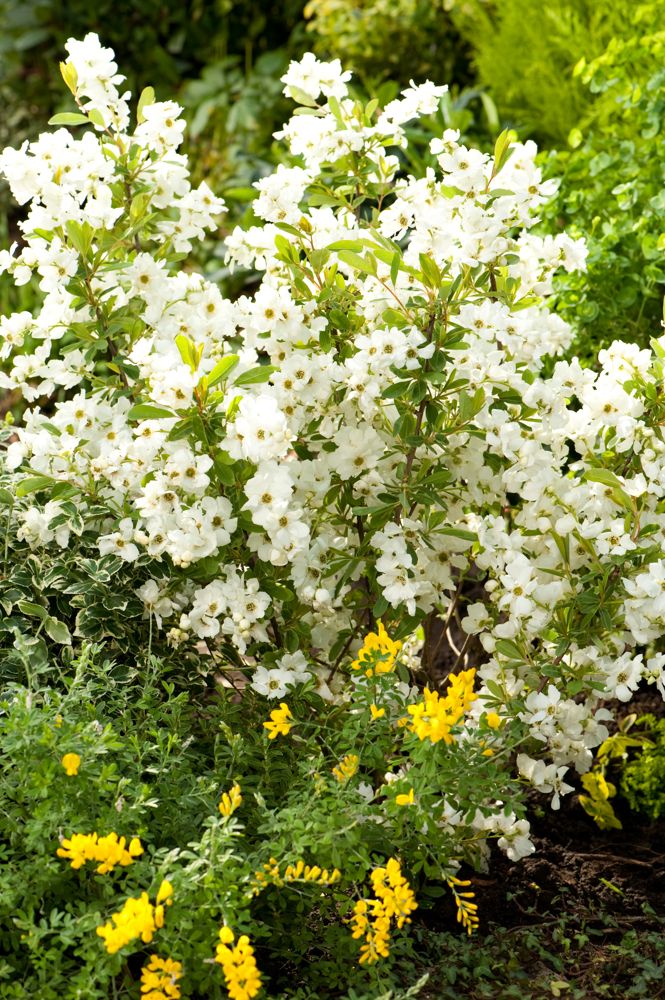
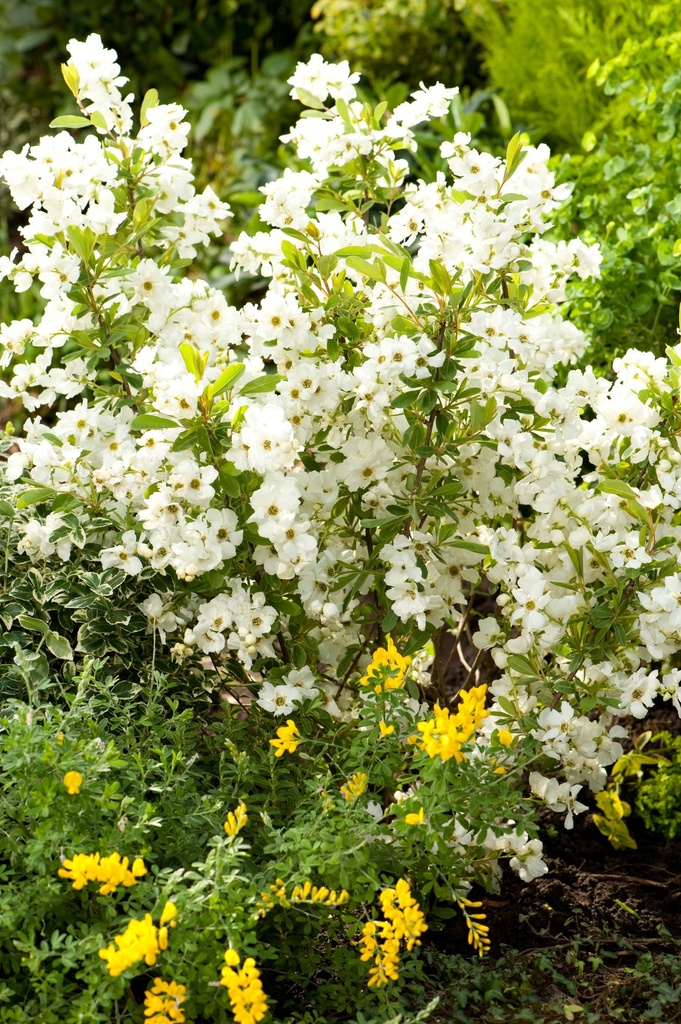
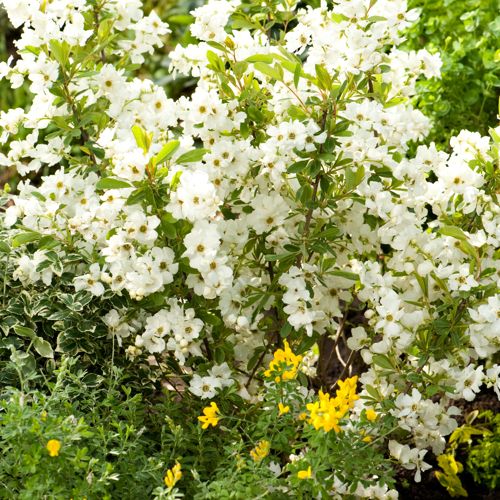
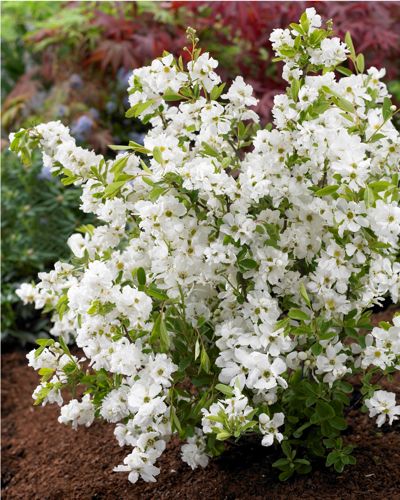
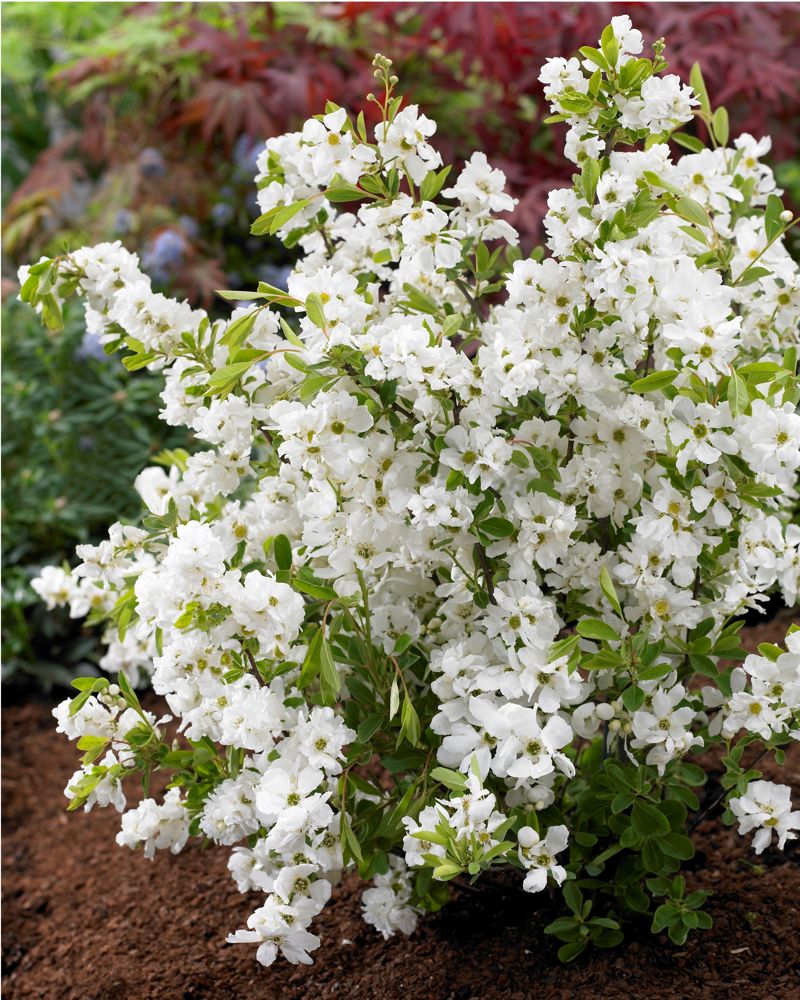
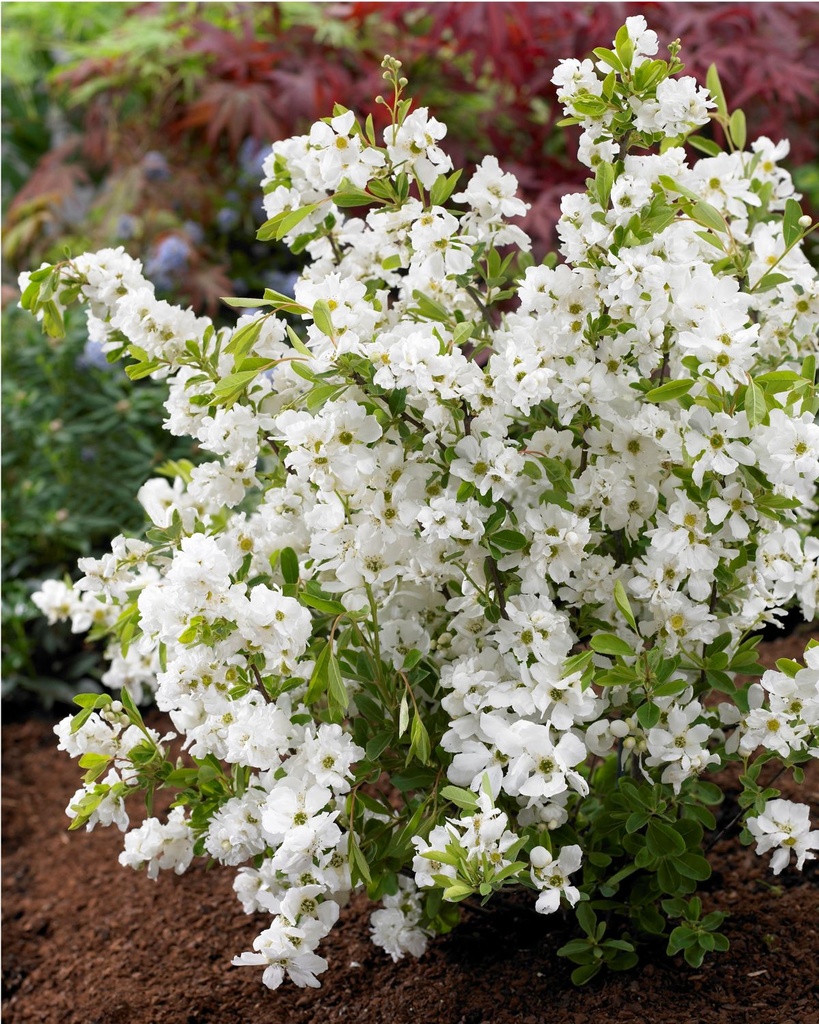
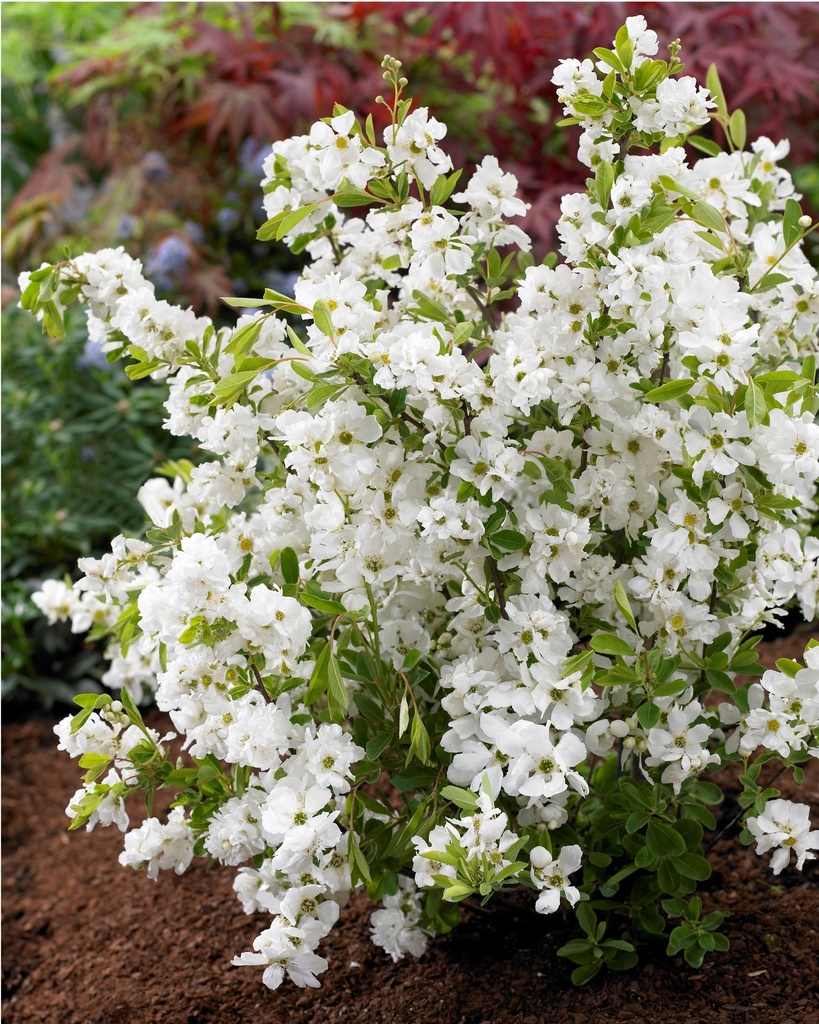
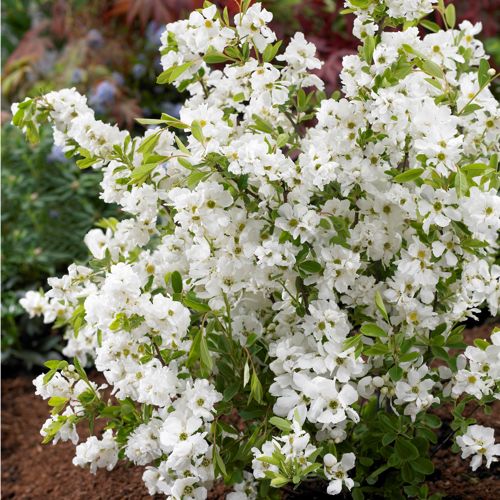
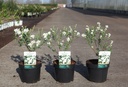
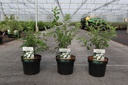
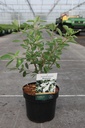
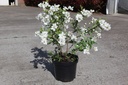
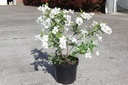
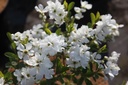
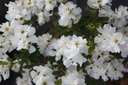
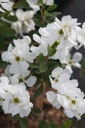
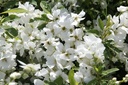
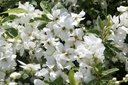
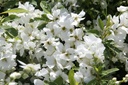
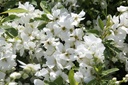
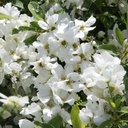
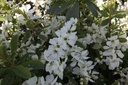
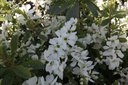
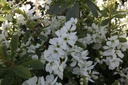
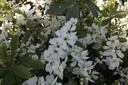
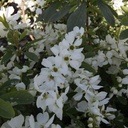
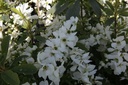
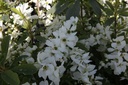
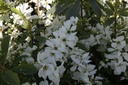
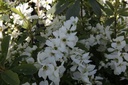
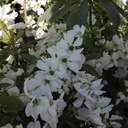
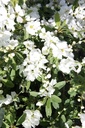
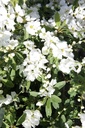
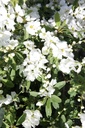
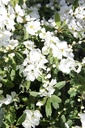
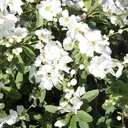
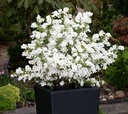
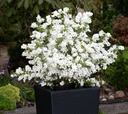
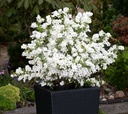
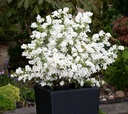
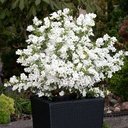
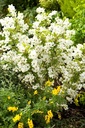
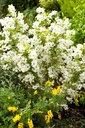
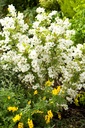
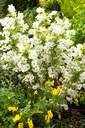
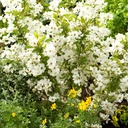
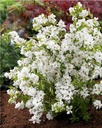
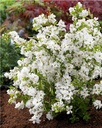
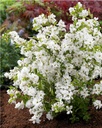
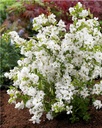
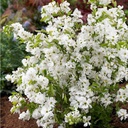
'Niagara' stays far more compact than other pearlbushes, at about 1.5 m tall and wide. In April and May its shoots bend under clusters of large white flowers until they arch down towards the ground, creating the white cascade its name refers to.
Pearl Bush Exochorda
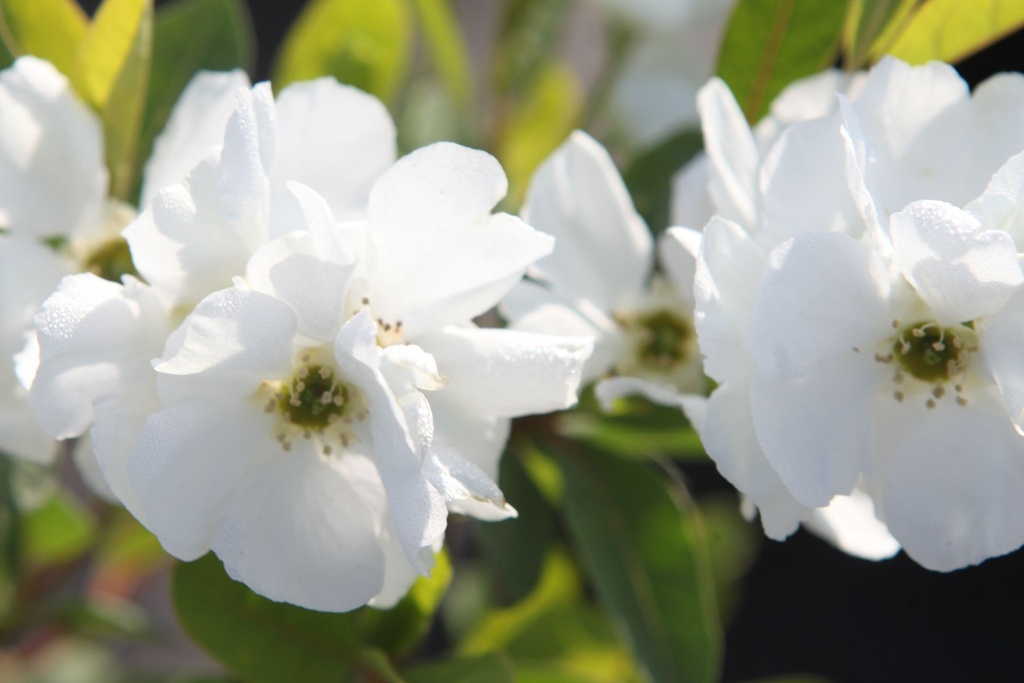
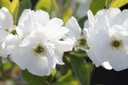
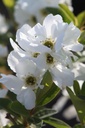
Pearlbushes (Exochorda) are deciduous shrubs of the rose family, native to China and Central Asia. They take their name from the round, pure white flower buds that line the arching shoots in spring like strings of pearls, before opening into cup-shaped white flowers. With age the shrub develops a graceful, overhanging habit.
Exochorda racemosa
Exochorda racemosa, the common pearlbush, is the Chinese species and the first pearlbush introduced into European gardens. It forms a larger, loosely branched shrub that can eventually reach three to four metres or more. White flowers open from pearl-like buds in short terminal clusters in April and May; the foliage shows little autumn colour.
Location and soil
Plant in full sun or partial shade, in a moderately moist, well-drained soil, preferably neutral to acid. Once established it tolerates dry spells reasonably well. The species is very hardy throughout Belgium and is rarely affected by pests or diseases.
Pruning and care
Flowers form on the previous year's wood, so prune only directly after flowering, in May or June. Shorten the flowered shoots and thin out older branches to keep the shrub flowering freely; left unpruned, the display tends to become sparser over the years.
Use in the garden
Suitable as a solitary shrub in a larger garden, at the back of a mixed border or in a free-growing flowering hedge. Because it is fairly plain after flowering, combine it with plants that bring interest in summer and autumn.
Plant characteristics
Botanical
| Family | Rosaceae |
| Genus | Exochorda |
| Species | racemosa |
| Cultivar | 'Niagara' |
Flowering
| Flowering period | april to may |
| Colour (flower) | white |
Foliage
| Evergreen | no |
| Colour (foliage) | green |
Growth habit
| Height | 150 cm |
Location
| Winter hardiness | -30 °C |
| Soil type | acid |
| Location | sun, half shade |
| Soil moisture | moist, normal |
Use
| Type (use) | shrub, solitary, in group |
Care
| Pruning | may to june |
Plant breeders' rights
Exochorda racemosa 'Niagara' (PBR) is subject to European Plant Breeders Rights under nr. 20081766. Asexual propagation and/or use of the trademark without license are prohibited.