


|
J
|
F
|
M
|
A
|
M
|
J
|
J
|
A
|
S
|
O
|
N
|
D
|
|
J
|
F
|
M
|
A
|
M
|
J
|
J
|
A
|
S
|
O
|
N
|
D
|
|
J
|
F
|
M
|
A
|
M
|
J
|
J
|
A
|
S
|
O
|
N
|
D
|
About this plant
Altheascrub Hibiscus
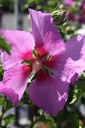
Hibiscus is a large genus of shrubs, perennials and annuals from warm and temperate regions worldwide, known for their wide, funnel-shaped flowers with a prominent central column of stamens. In gardens in our climate the hardy shrubby species are grown above all; they flower generously from midsummer into autumn, when many other shrubs have finished.
Altheascrub Hibiscus syriacus
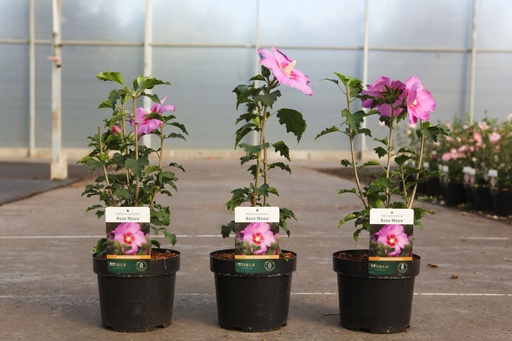
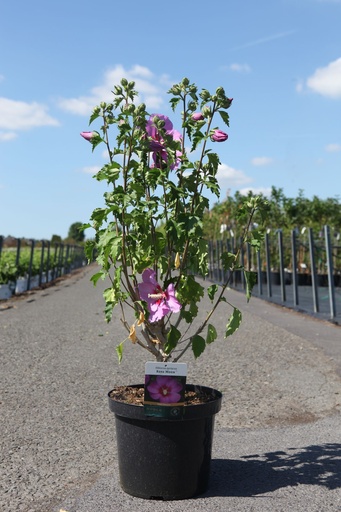
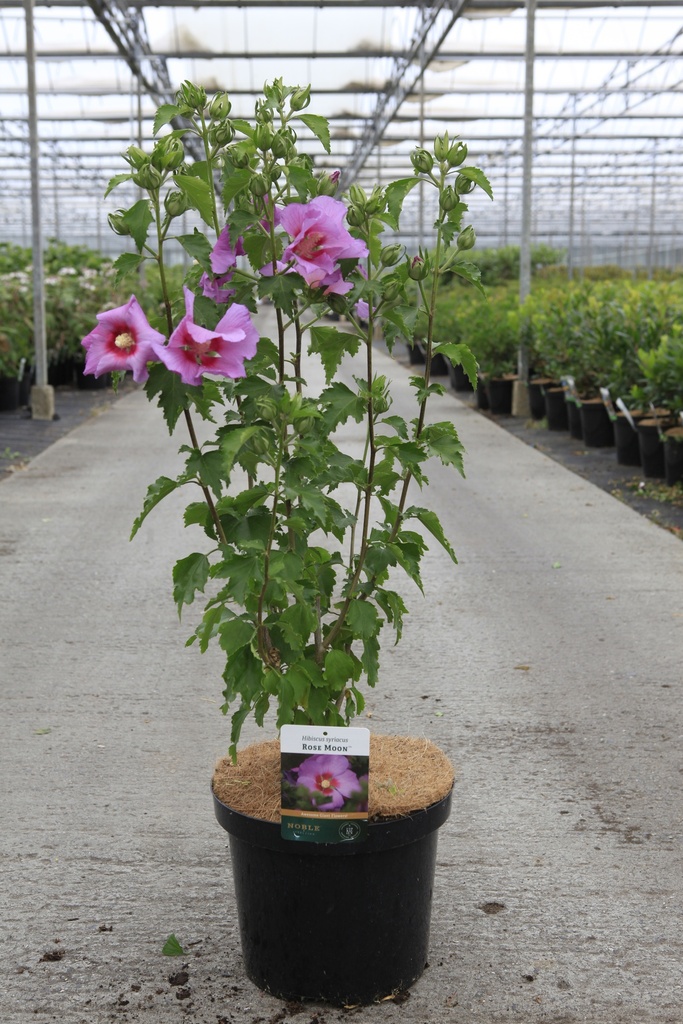
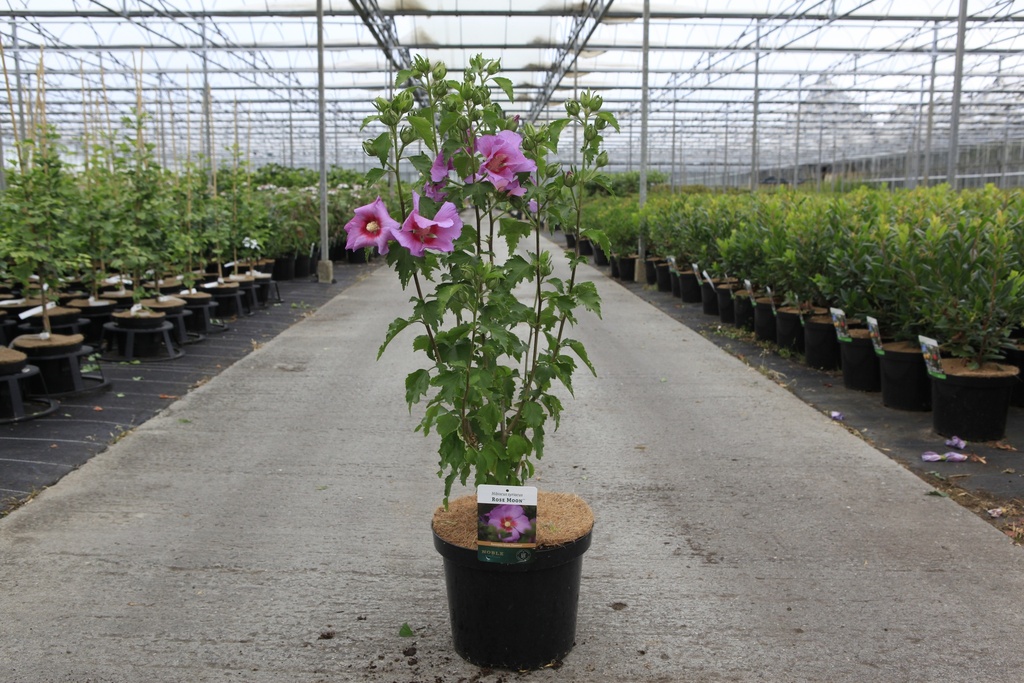
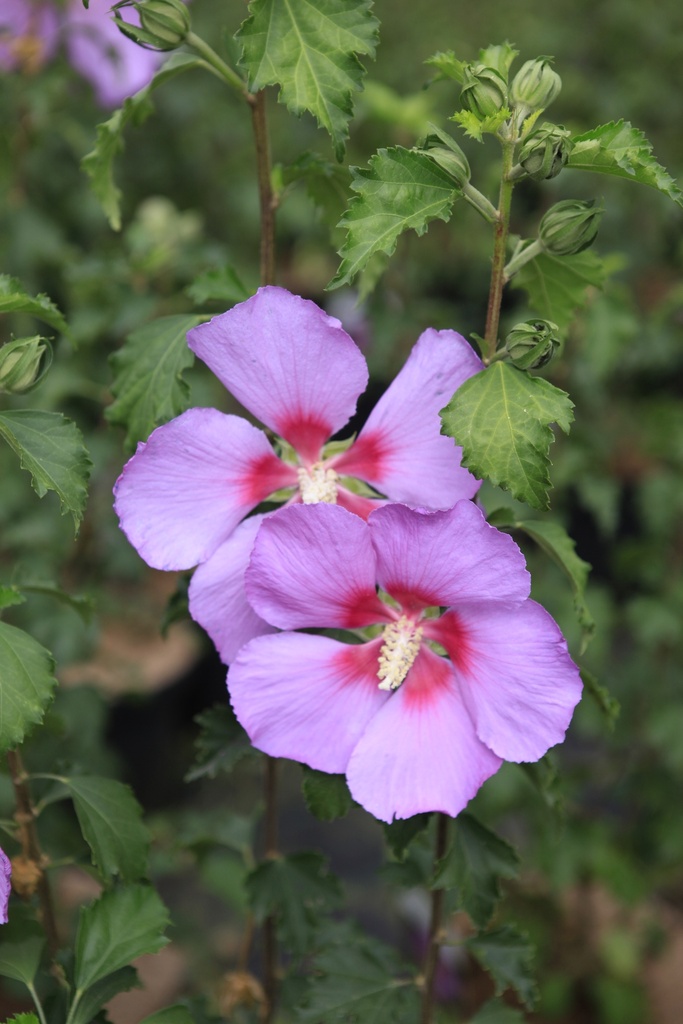
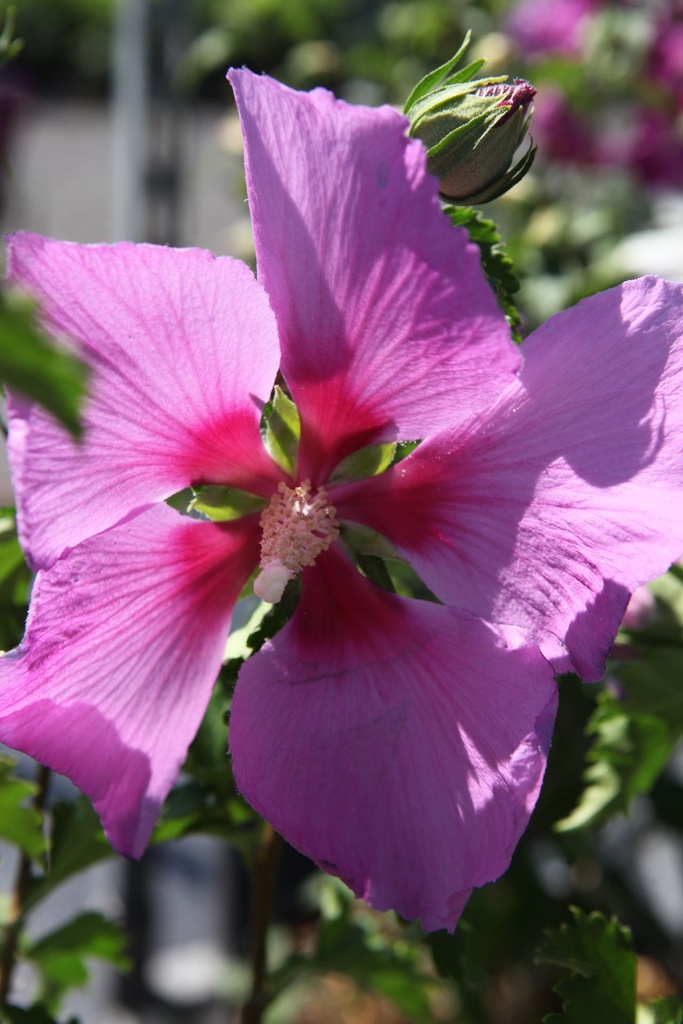
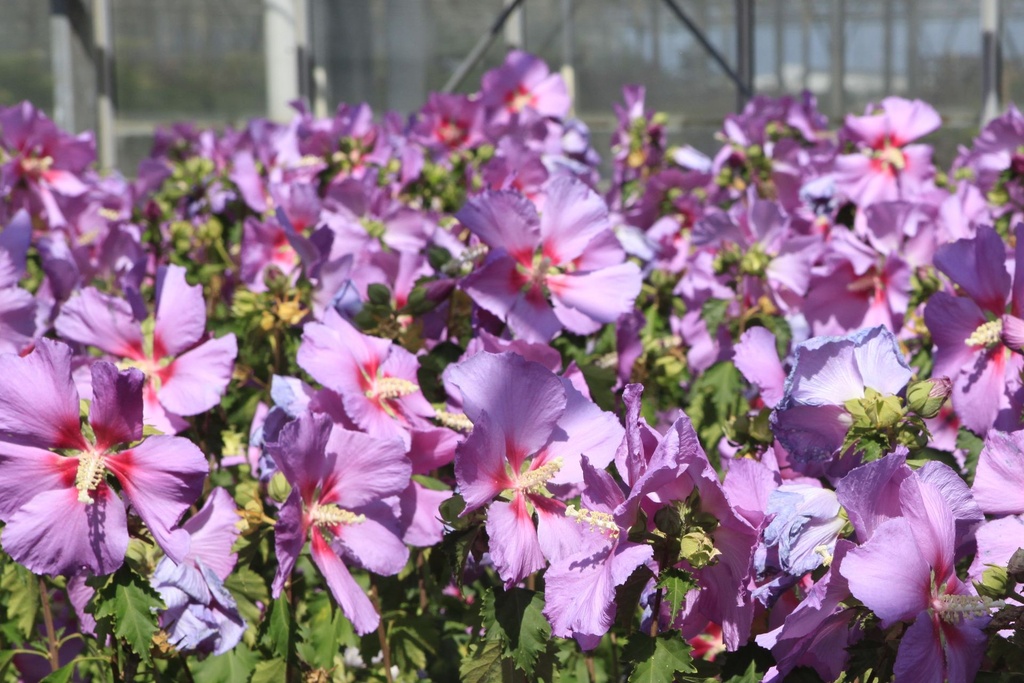
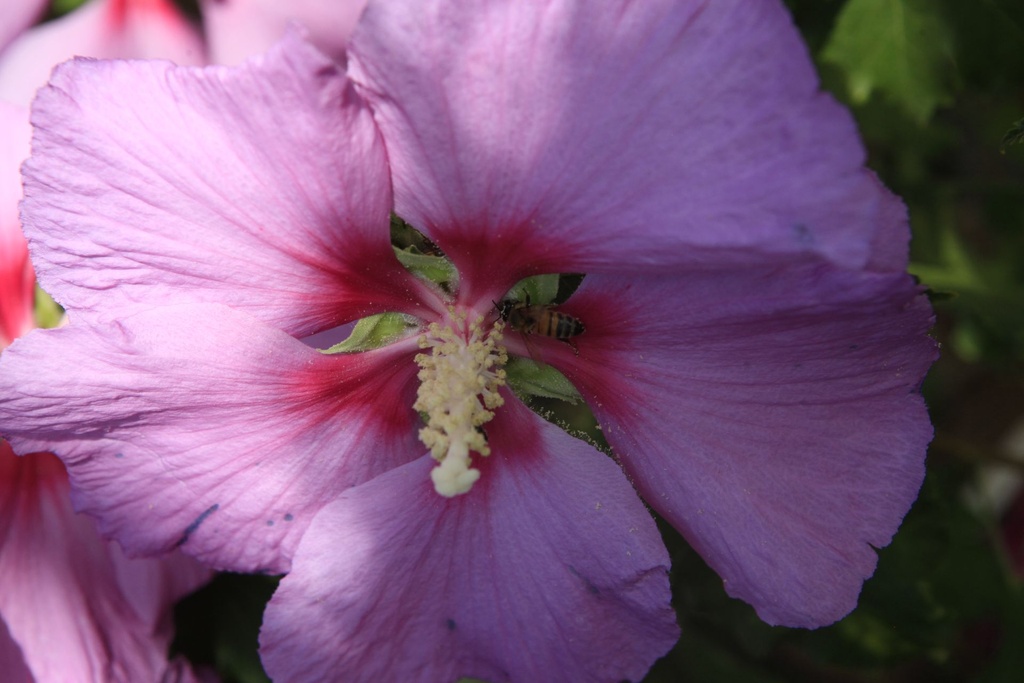
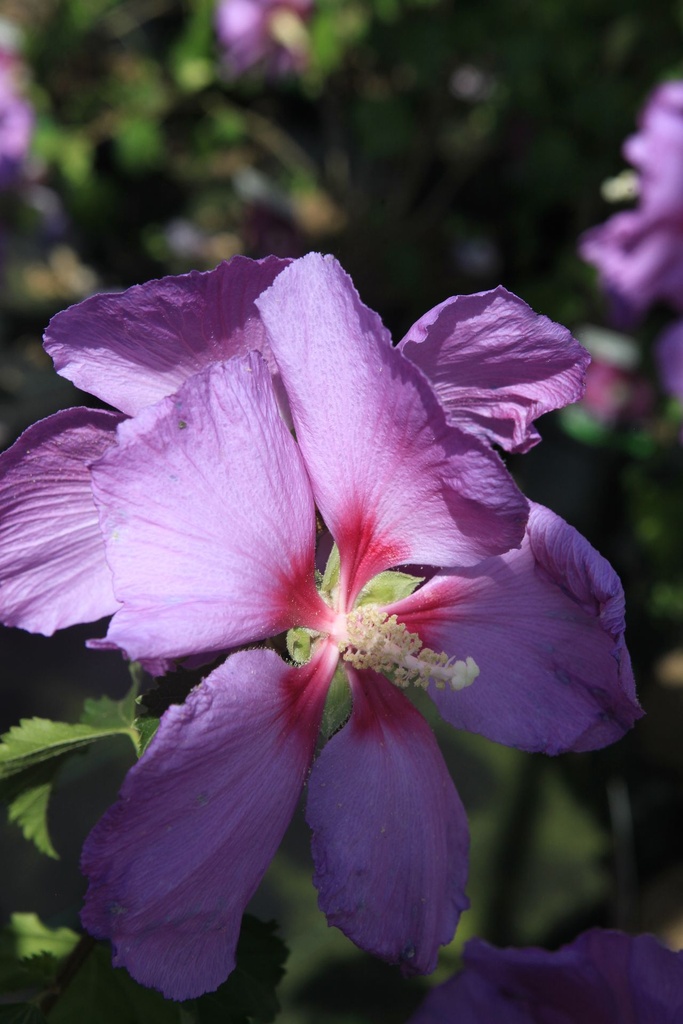
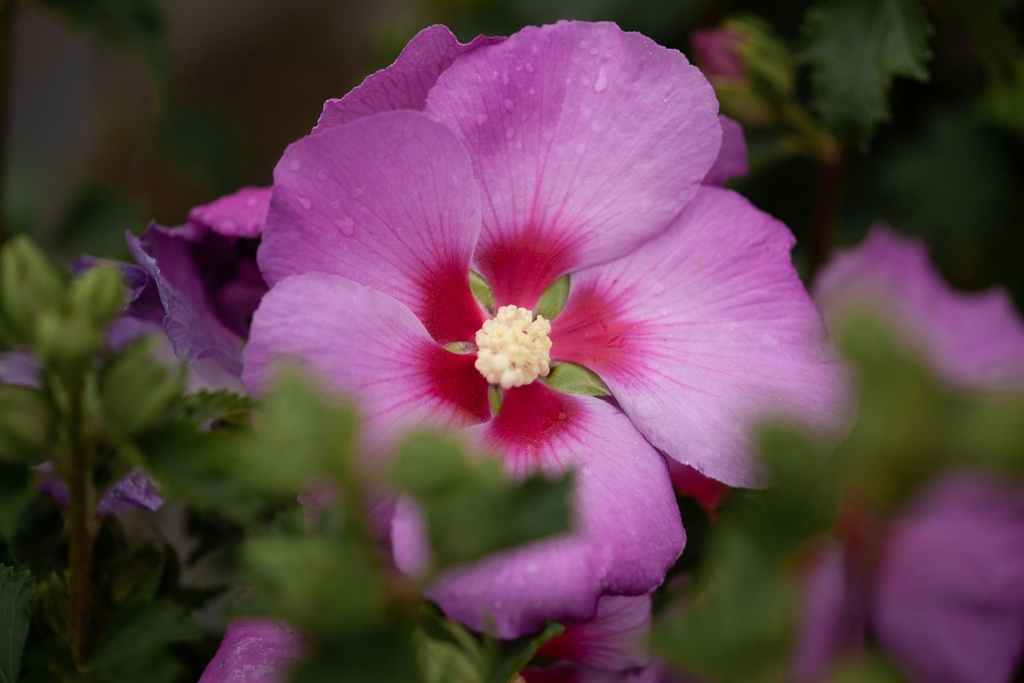
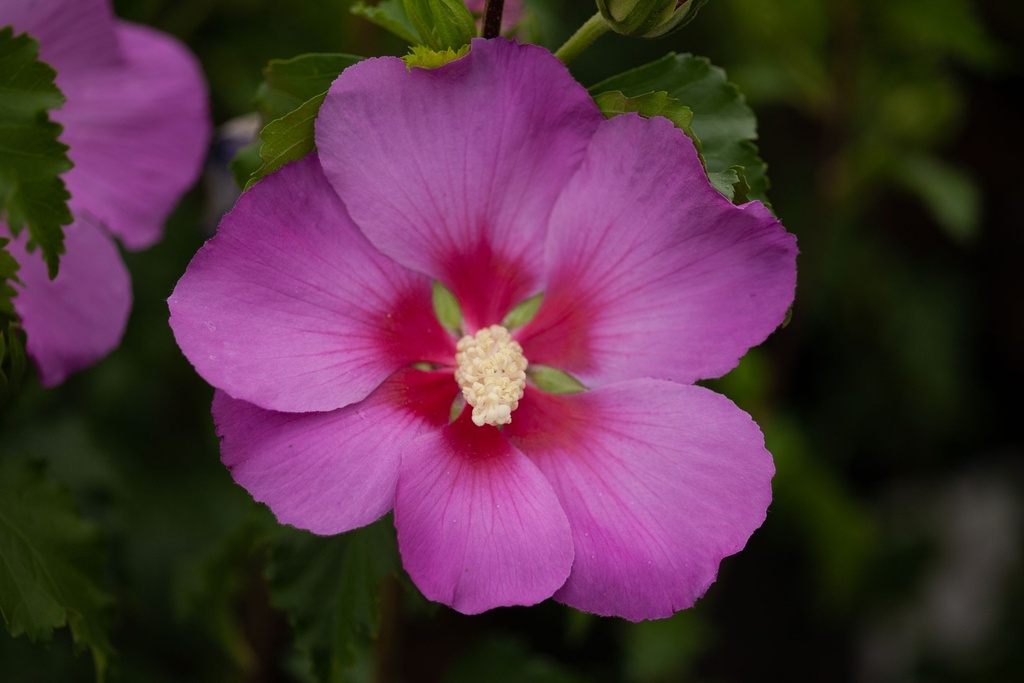
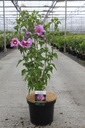
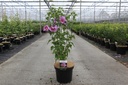
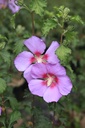
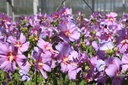
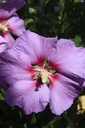
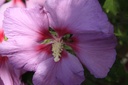
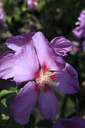
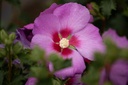
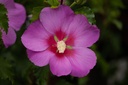
Rose of Sharon (Hibiscus syriacus), despite its name, comes from China and neighbouring parts of East Asia. It is an upright, deciduous shrub growing to around 2 to 3 m, with lobed leaves that appear late in spring. From July to September it bears a long succession of single or double flowers in white, pink, red, violet or blue, often with a dark eye.
Location and soil
Plant in full sun, sheltered from cold winds, in a fertile, well-drained soil; it does well on neutral to chalky ground and tolerates some summer dryness once established. The species is hardy in Belgian winters, withstanding frosts of around minus 20 °C, but young plants appreciate a winter mulch.
Pruning and care
Flowers form on the new shoots. For a compact shrub with plenty of flowers, prune in February to March: cut the main branches back by about half and shorten side shoots to three to five buds. Hedges should be trimmed every year at the same time. Removing faded flowers prolongs flowering. Be patient in spring, as new leaves only appear in May.
Use in the garden
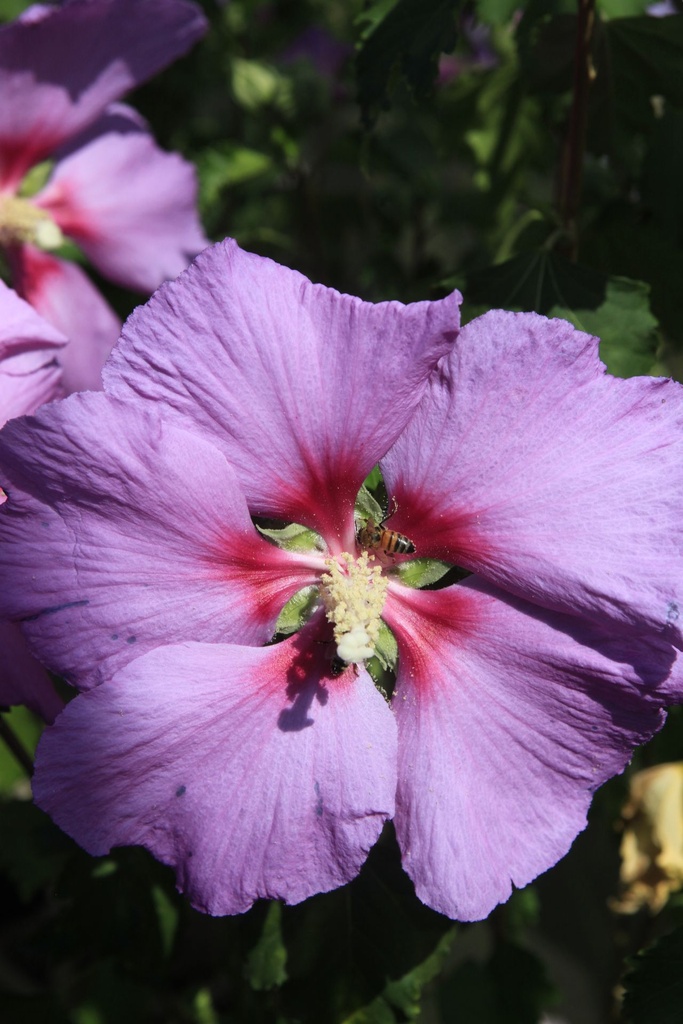
A classic late-summer shrub for sunny borders, as a specimen or in an informal or clipped flowering hedge. It is also widely grown in large containers and as a small standard tree for terraces and small gardens. The flowers are visited by bees.
Plant characteristics
Botanical
| Family | Malvaceae |
| Genus | Hibiscus |
| Species | syriacus |
| Cultivar | 'Walhirosmo' |
| Trade name | Rose Moon (PBR) |
Flowering
| Flowering period | july to september |
| Colour (flower) | pink |
Foliage
| Evergreen | no |
| Colour (foliage) | green |
Growth habit
| Height | 200 cm, 300 cm |
Location
| Winter hardiness | -20 °C |
| Location | sun |
Use
| Type (use) | shrub, hedge plant, solitary, in group |
Care
| Pruning | february to march |
Plant breeders' rights
Hibiscus syriacus 'Walhirosmo' ROSE MOON (PBR) is subject to European Plant Breeders Rights under nr. 20151185. Asexual propagation and/or use of the trademark without license are prohibited.