

About this plant
Hydrangea
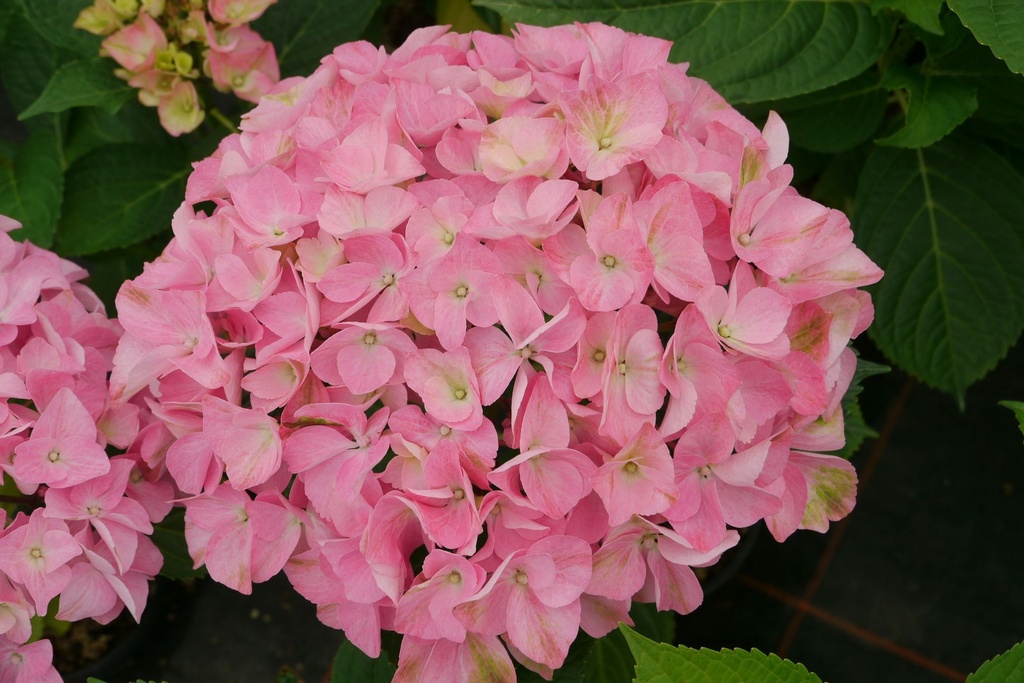
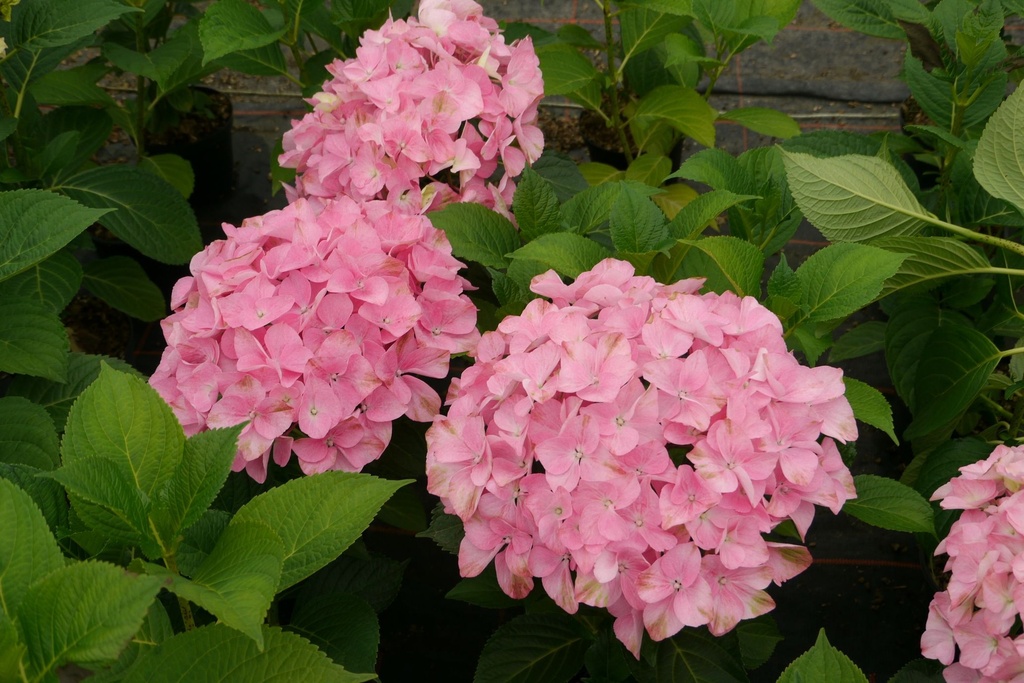
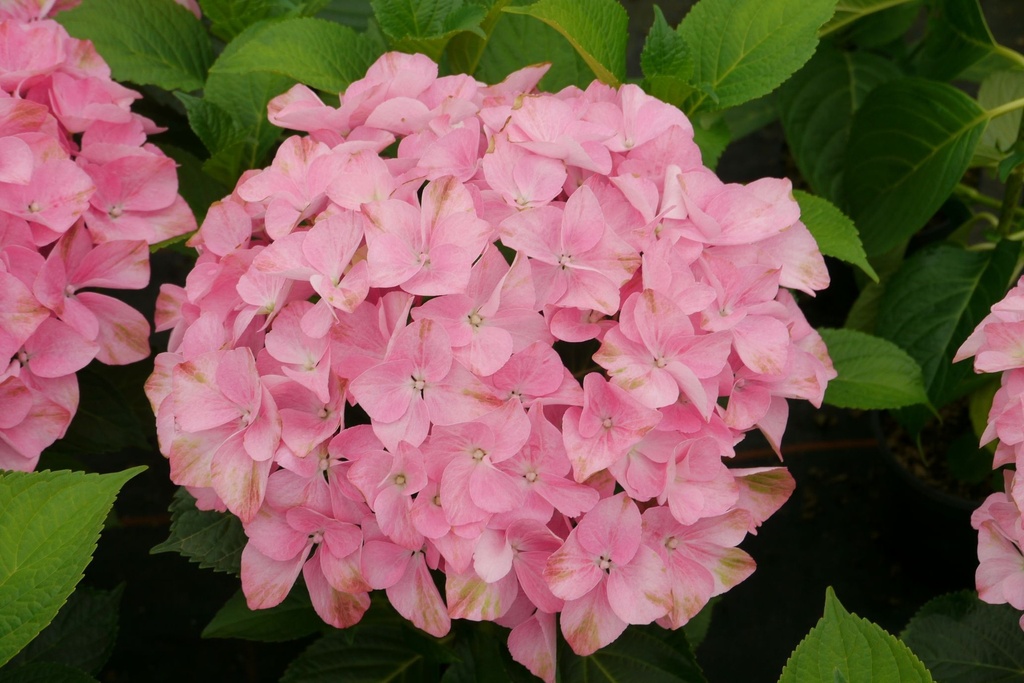
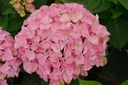
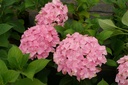
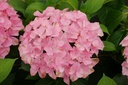
Hydrangeas are shrubs and climbers from East Asia and the Americas. They owe their fame to their large flower heads, in which showy, sterile florets surround or completely cover the small fertile flowers. Hydrangeas like a moist, humus-rich soil and flower in summer, when many other shrubs have finished flowering.
Hydrangea aspera
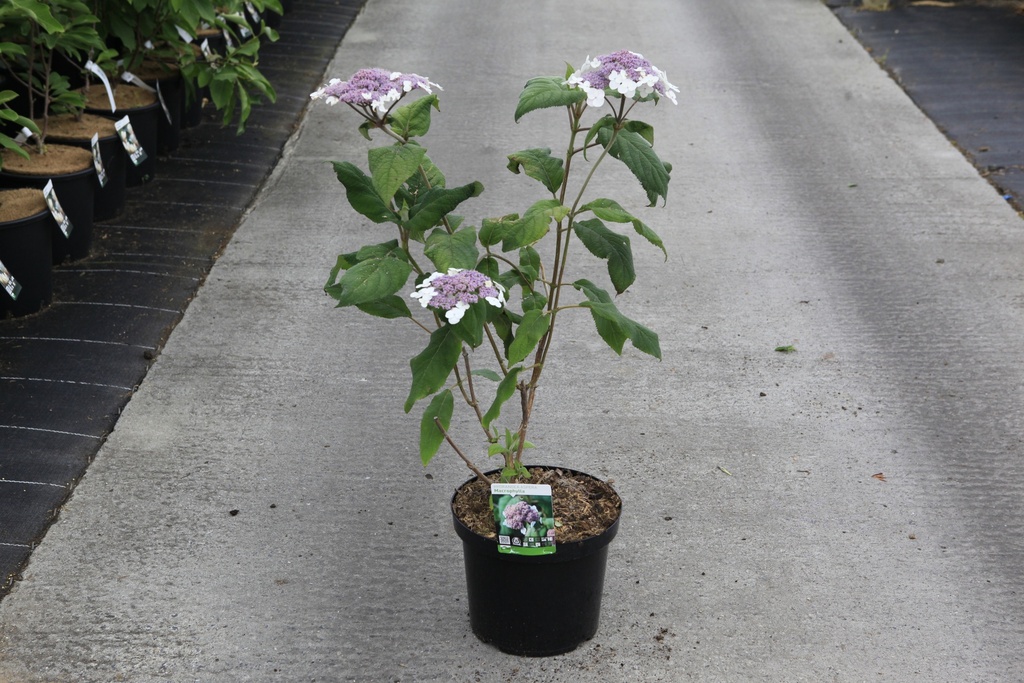
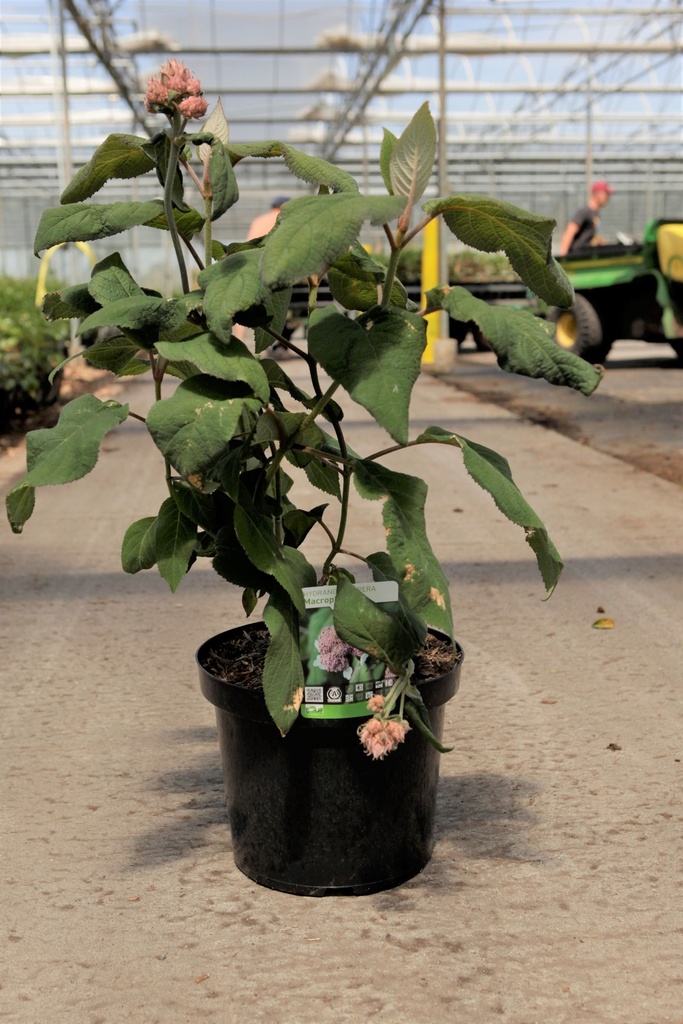
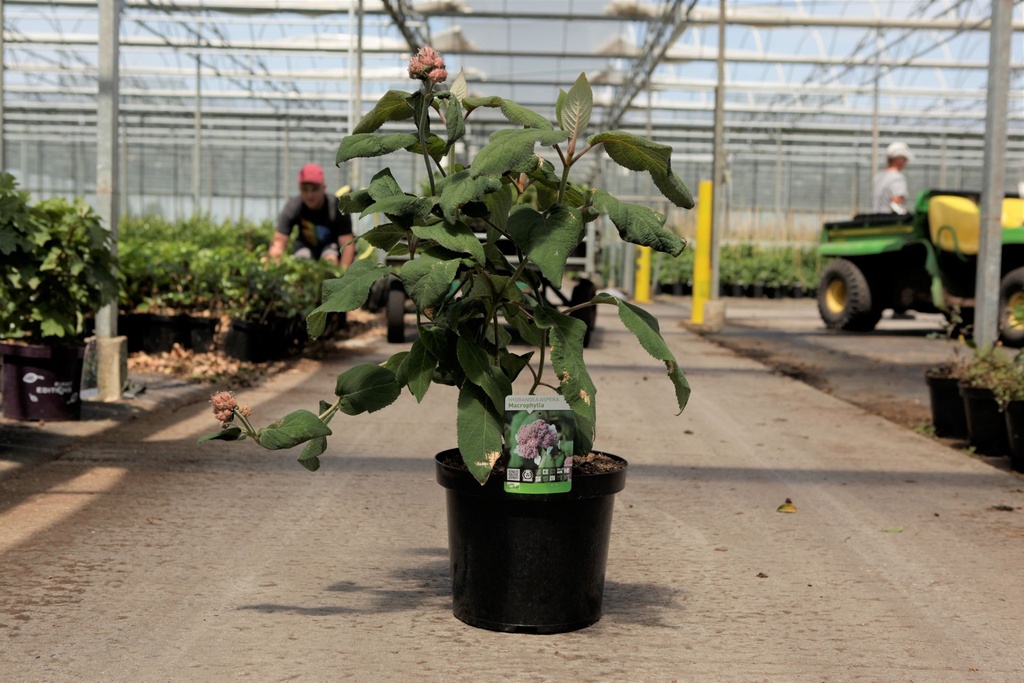
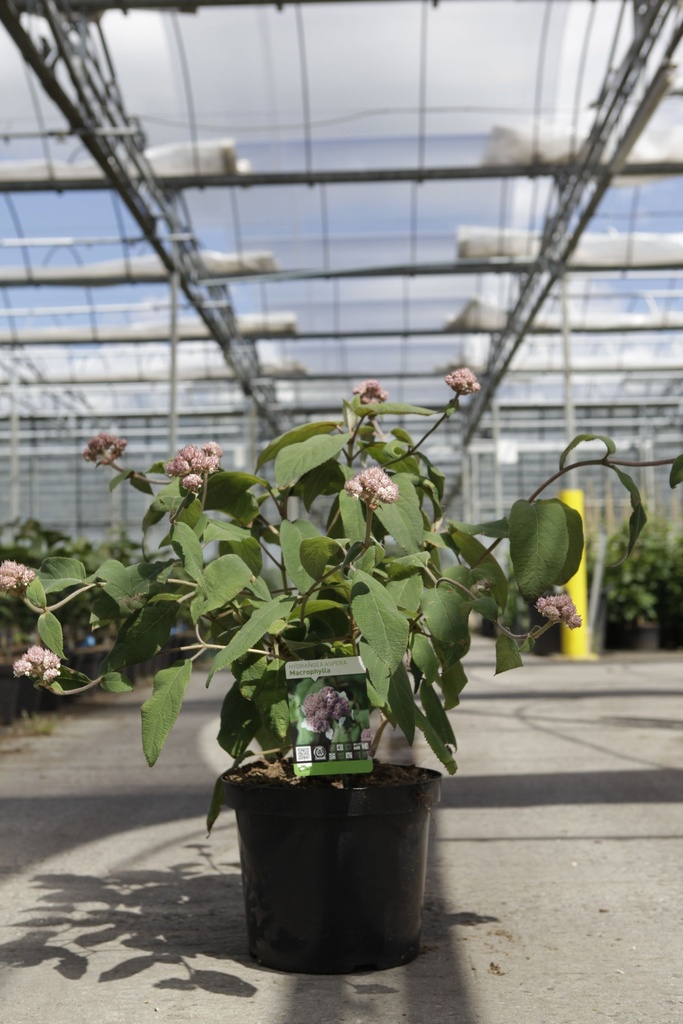
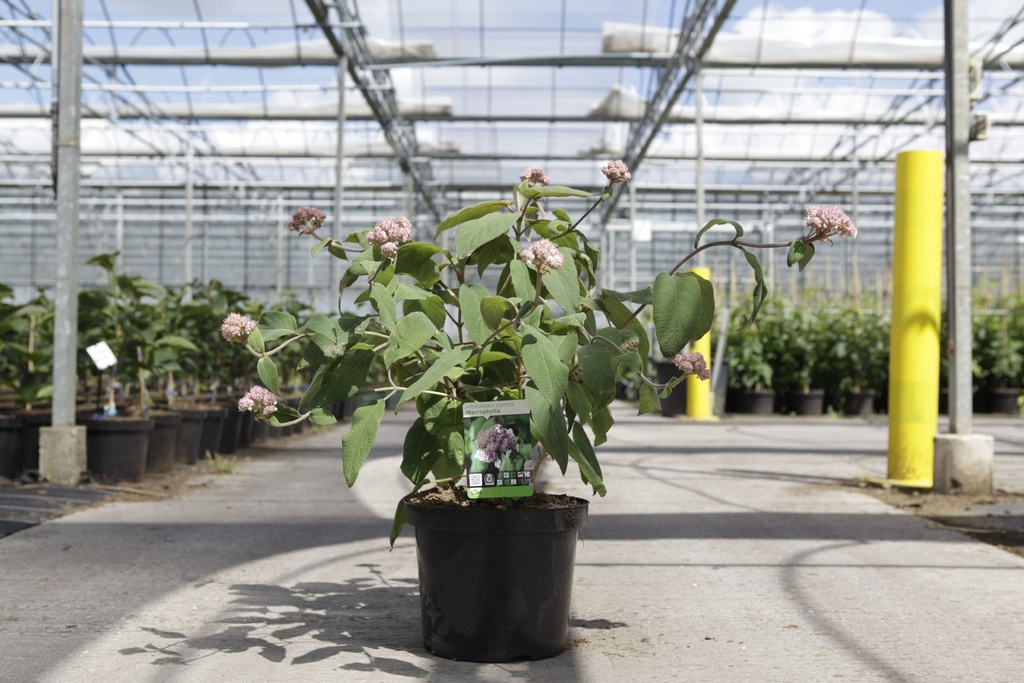
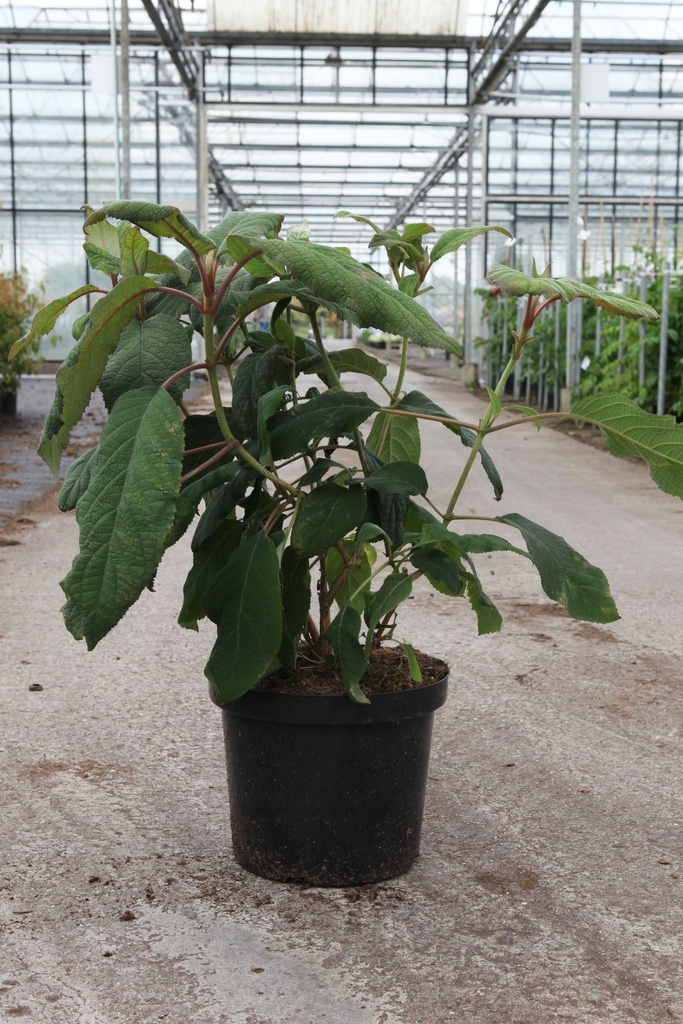
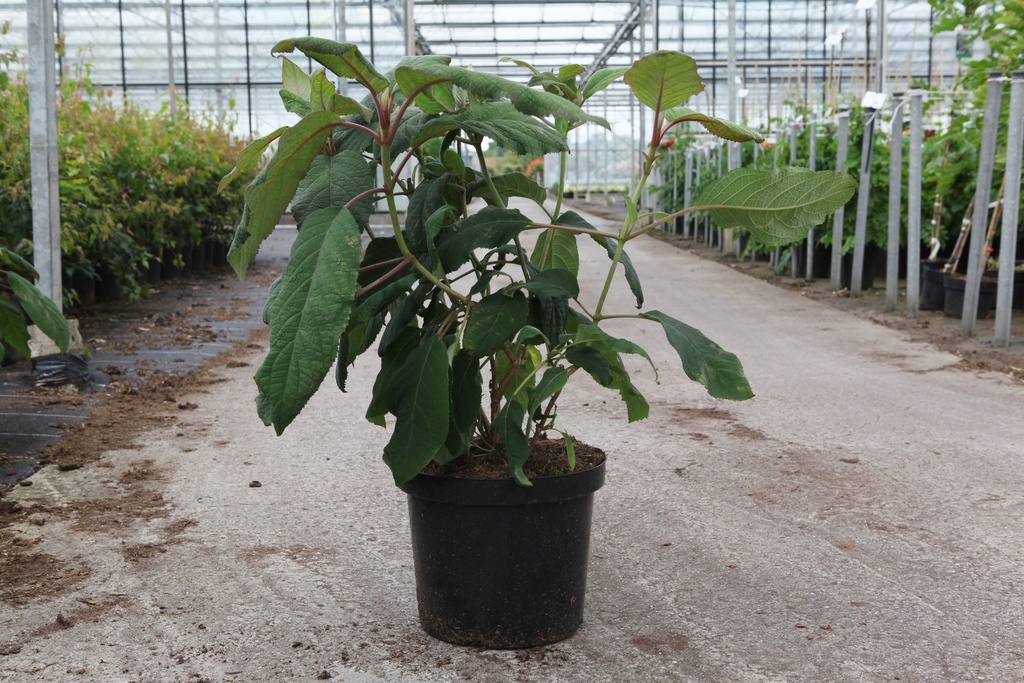
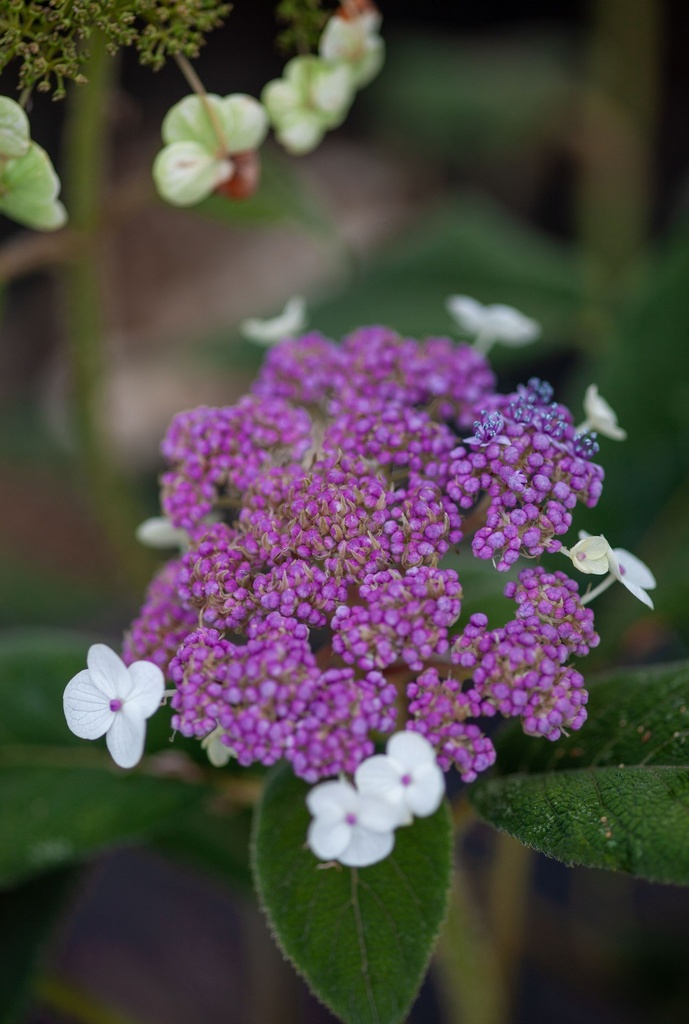
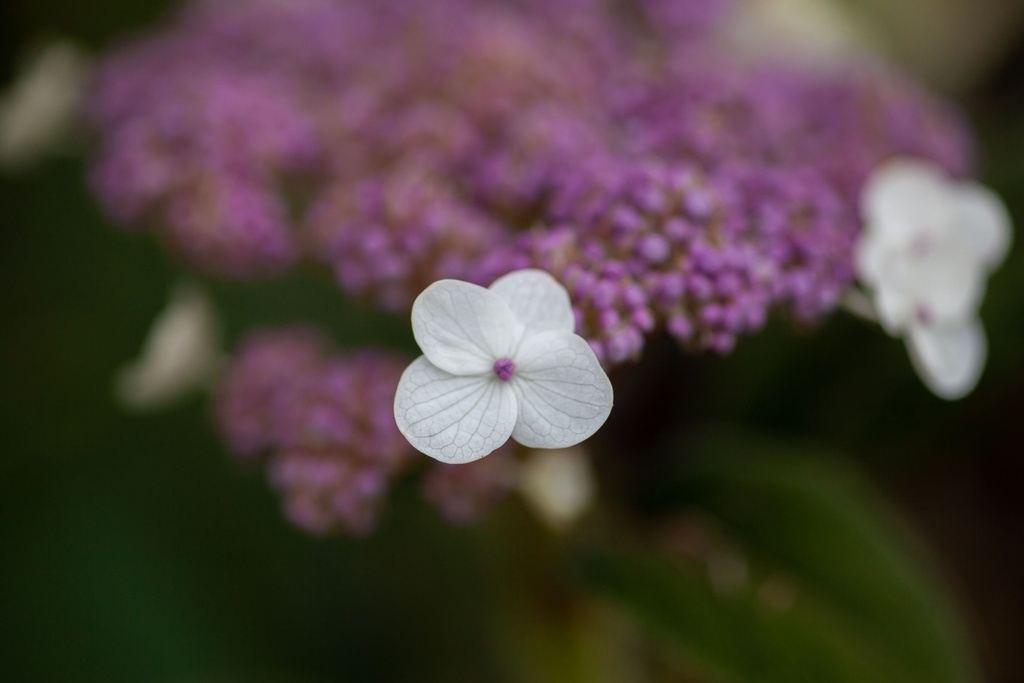
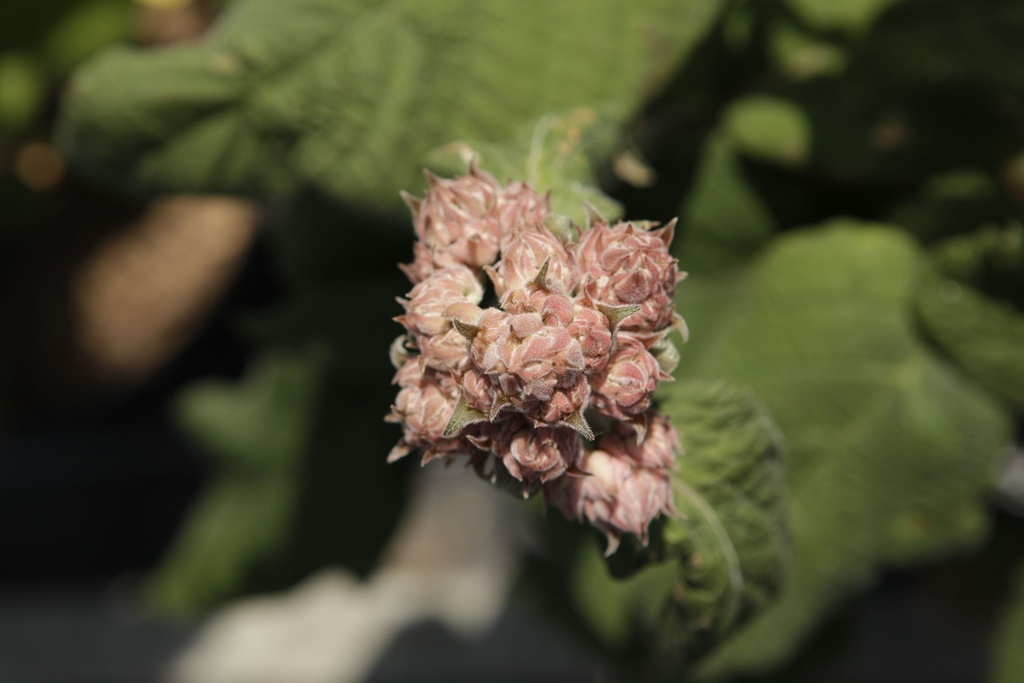
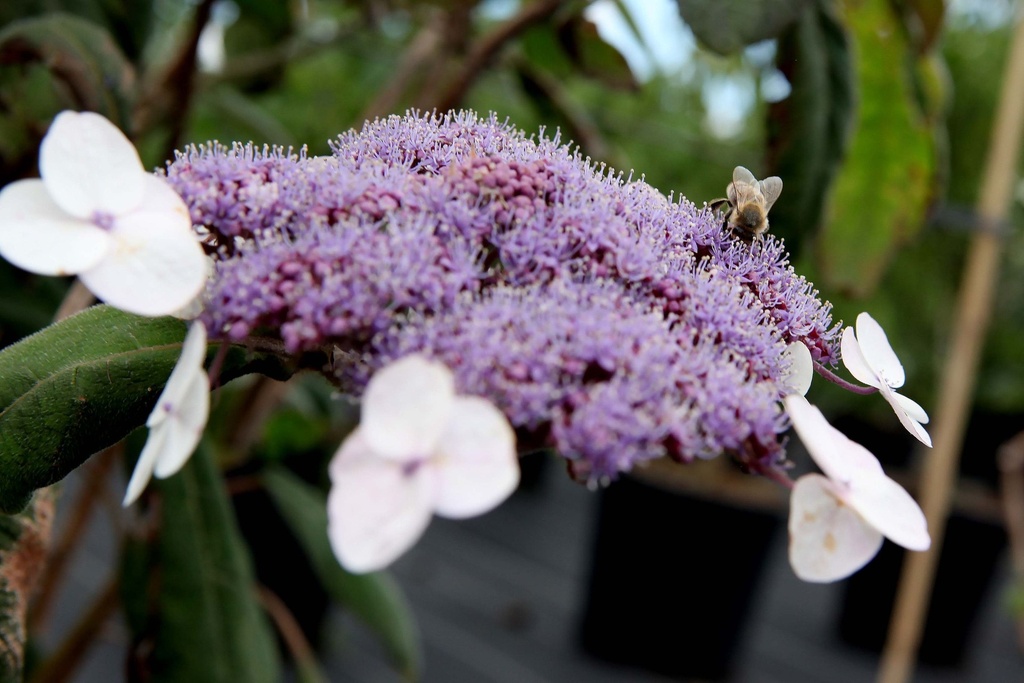
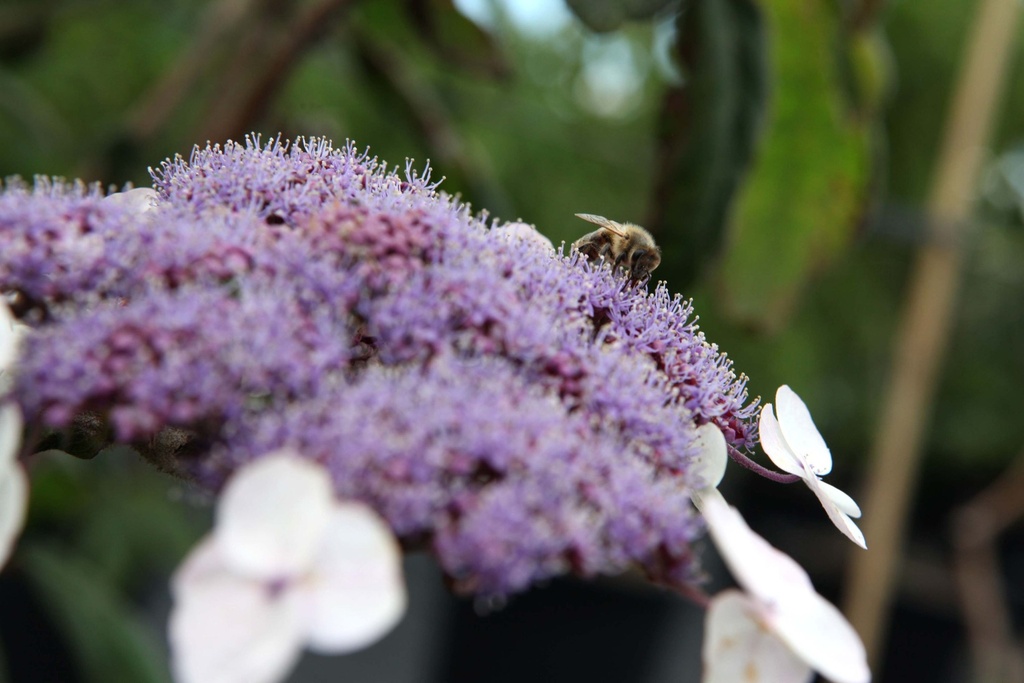
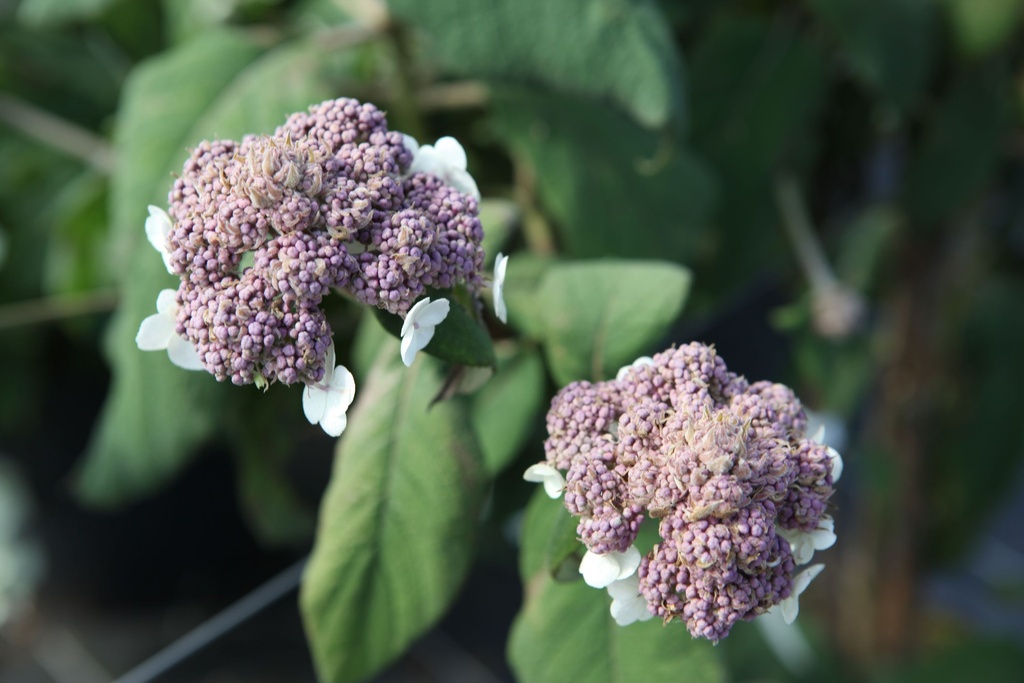
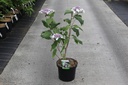
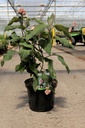
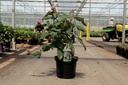
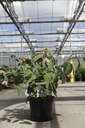
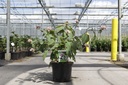
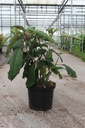
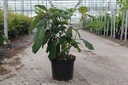
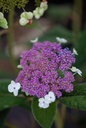
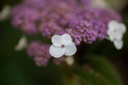
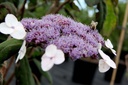
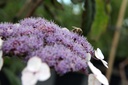
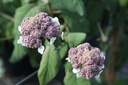
This hydrangea from the forests of China stands out for its long, narrow, velvety leaves that are soft to the touch. In summer it carries flat flower heads with a purple-violet centre ringed by pale lilac to white florets. With age it becomes a broad, upright shrub of around 2 m or more.
Location and soil
Likes filtered light or partial shade and a cool atmosphere; avoid hot afternoon sun. It needs moist, humus-rich, well-drained soil, acid to neutral. Fairly hardy; in cold areas mulch the base with leaves in winter.
Pruning and care
Needs little pruning, as it flowers on the previous year's wood. In February or March remove the old flower heads, dead wood and badly placed shoots, and thin out a few old stems at the base; avoid hard cutting back, which costs flowers. Water well in the first two years and during dry spells.
Use in the garden
A handsome shrub for woodland edges, shady borders and the back of a bed, valued as much for its foliage as for its flowers. Compact selections also do well in a large pot on a shaded terrace.
Plant characteristics
Flowering
| Flowering period | june, july, august |
| Colour (flower) | white, violet |
Foliage
| Evergreen | no |
| Colour (foliage) | green |
Growth habit
| Height | 200 cm |
Location
| Winter hardiness | -25 °C |
| Soil type | neutral |
| Location | half shade |
| Wind resistant | sheltered |
| Soil moisture | moist, normal |
Use
| Type (use) | shrub, solitary, in group |
Care
| Pruning | february, march |
Related products
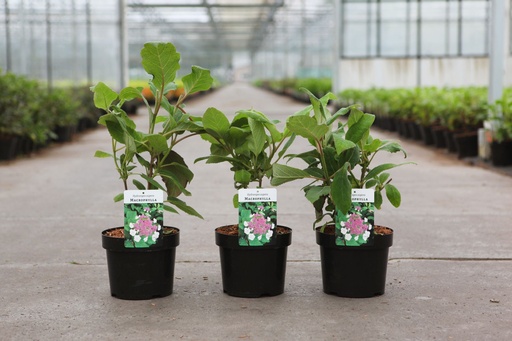
Hydrangea aspera 'Macrophylla'
cont. 3,6L 30-40 cm +p
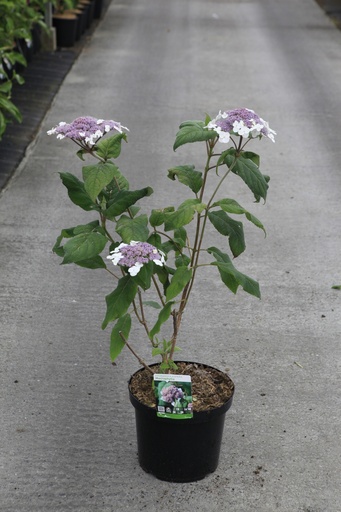
Hydrangea aspera 'Macrophylla'
cont. 10L 60-80 cm +p
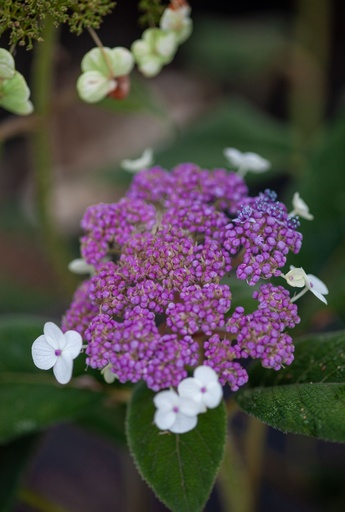
Hydrangea aspera 'Macrophylla'
cont. 15L 80/+ cm +p