
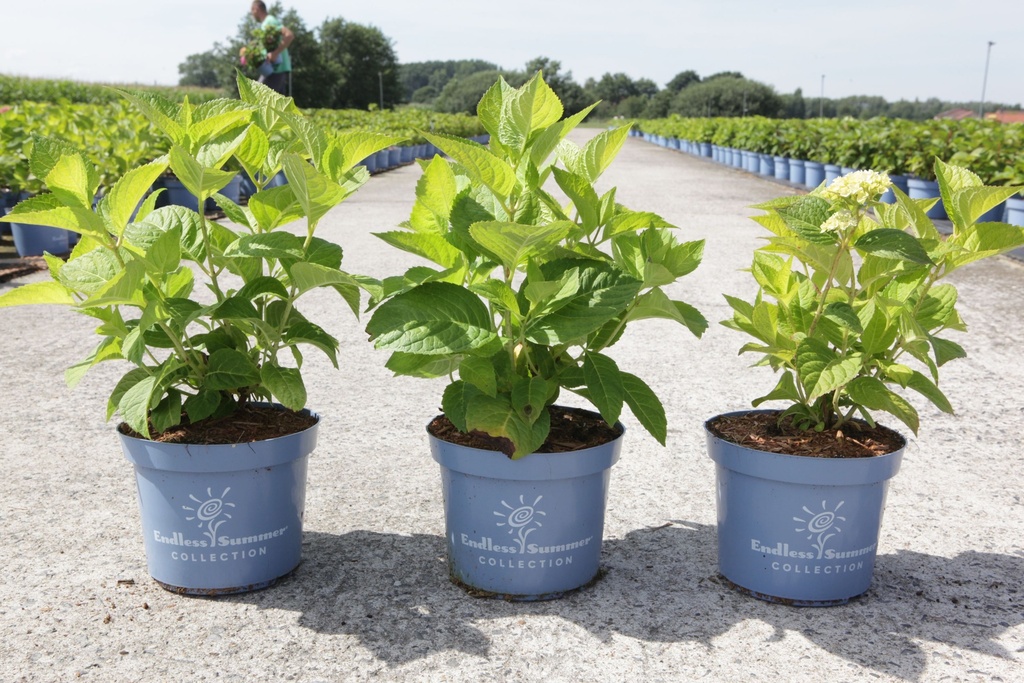
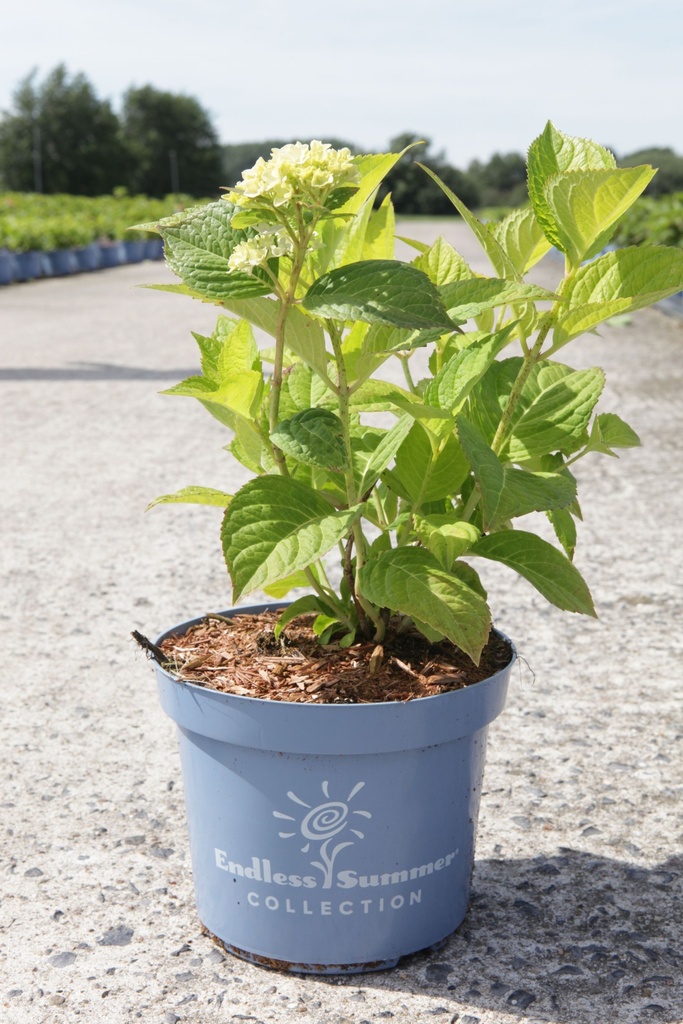

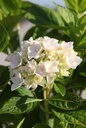
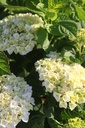
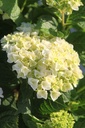
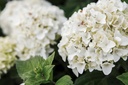
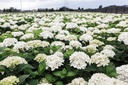
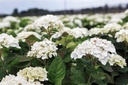
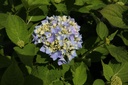
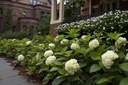
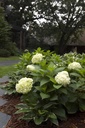
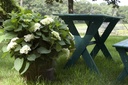
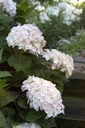
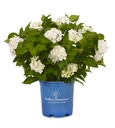
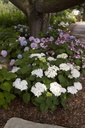
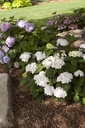
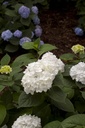
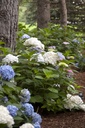
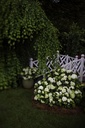
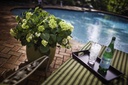
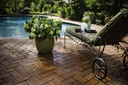
About this plant
Hydrangea
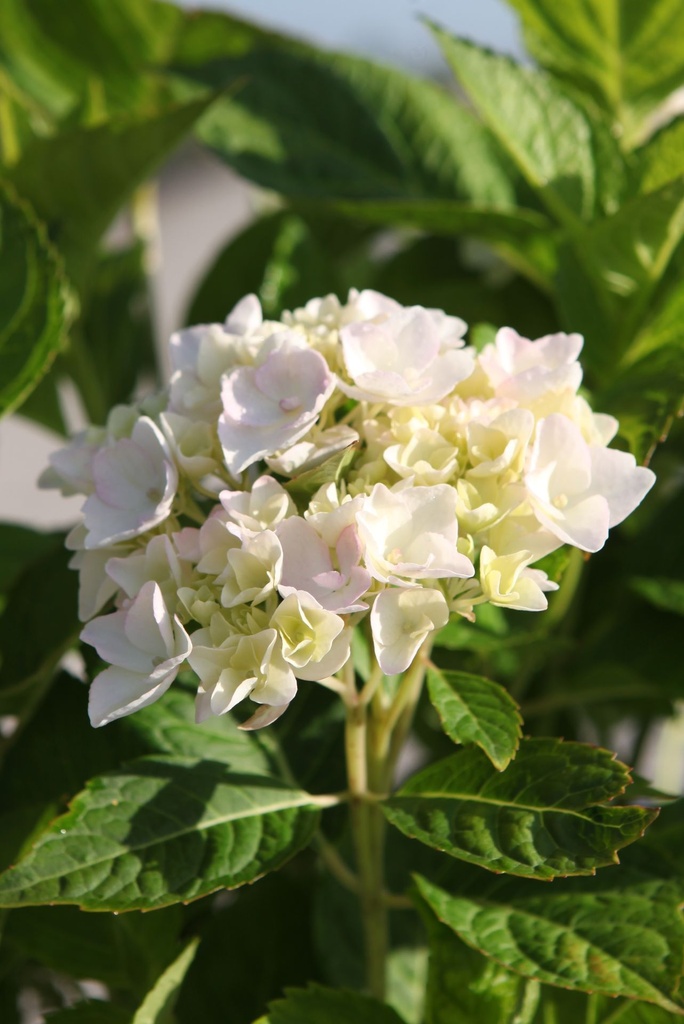
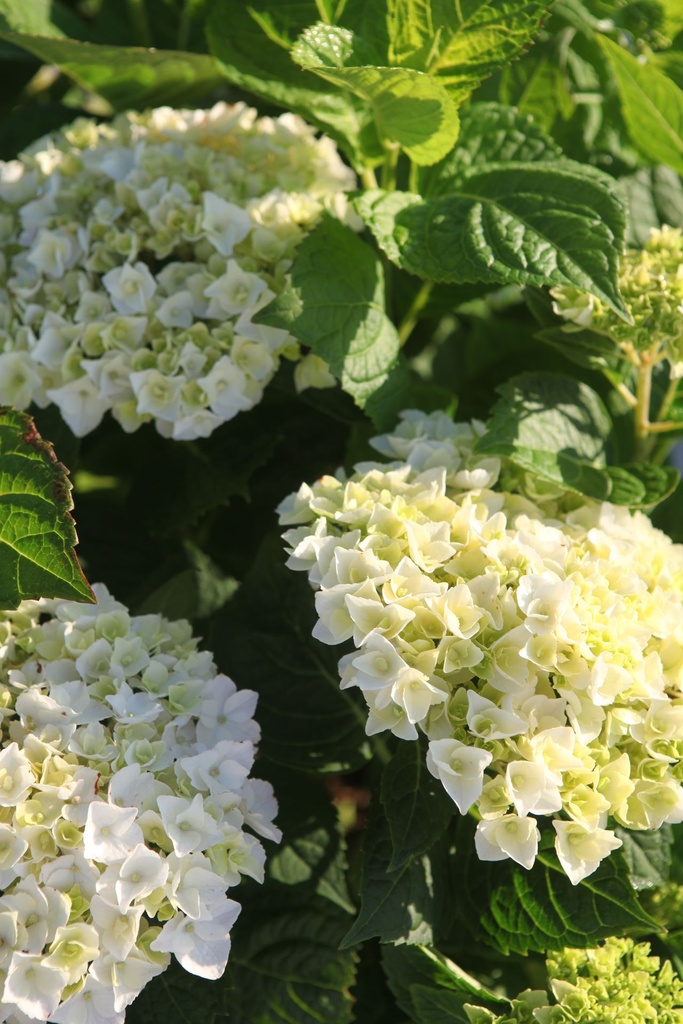
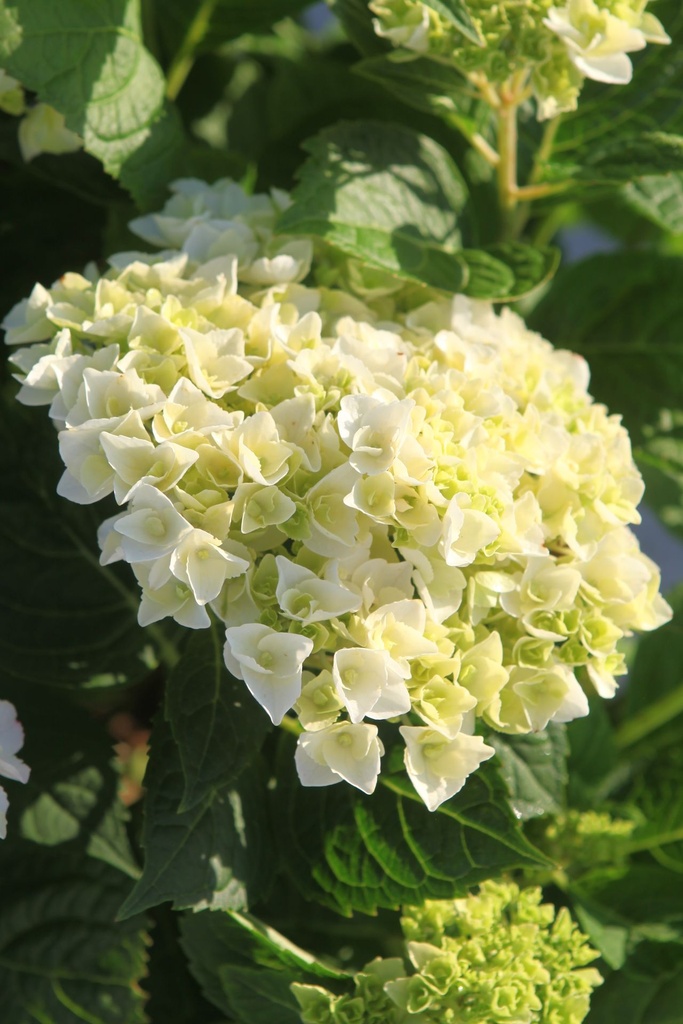
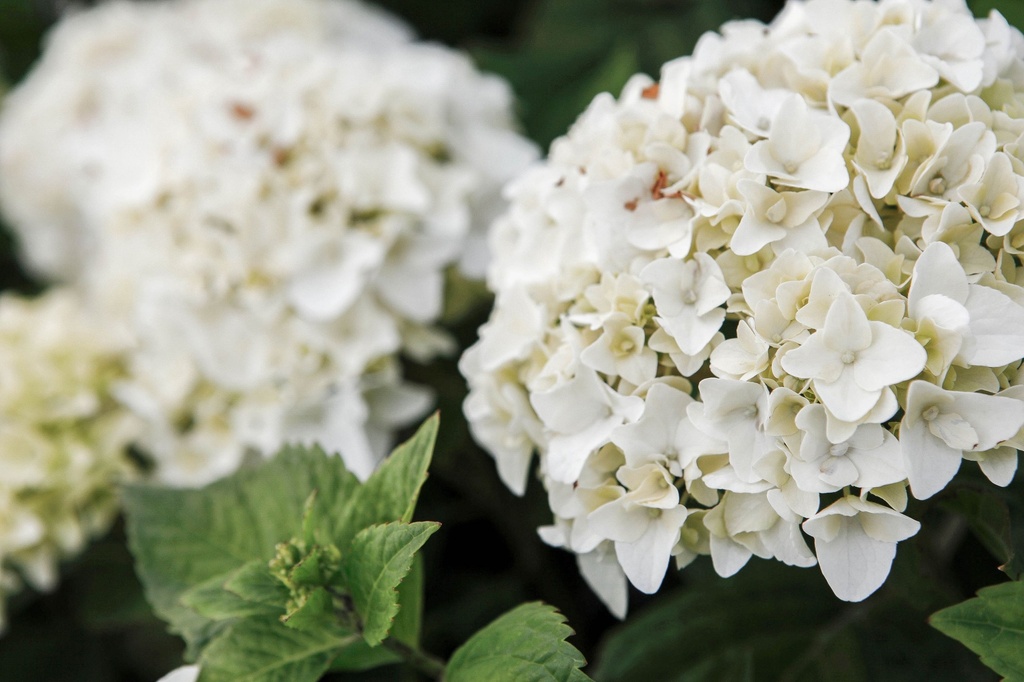
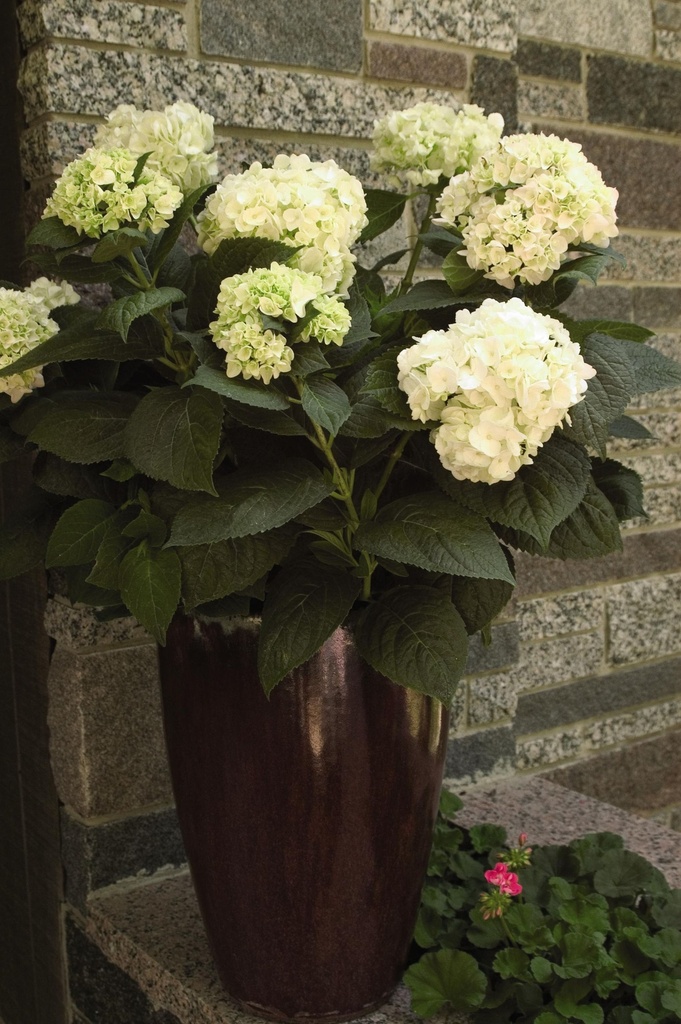
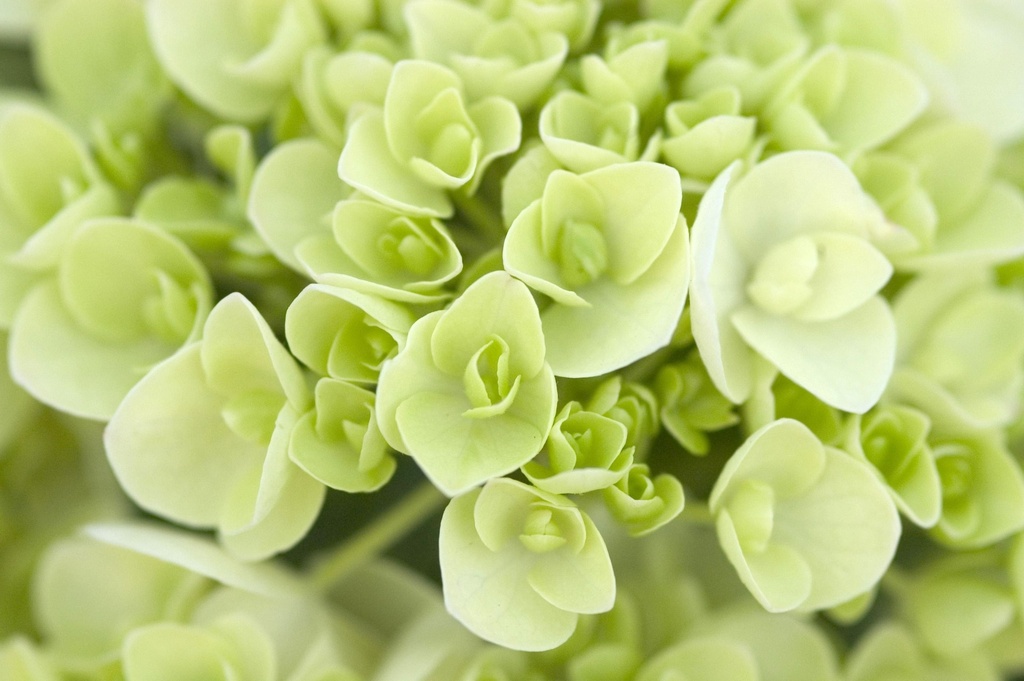
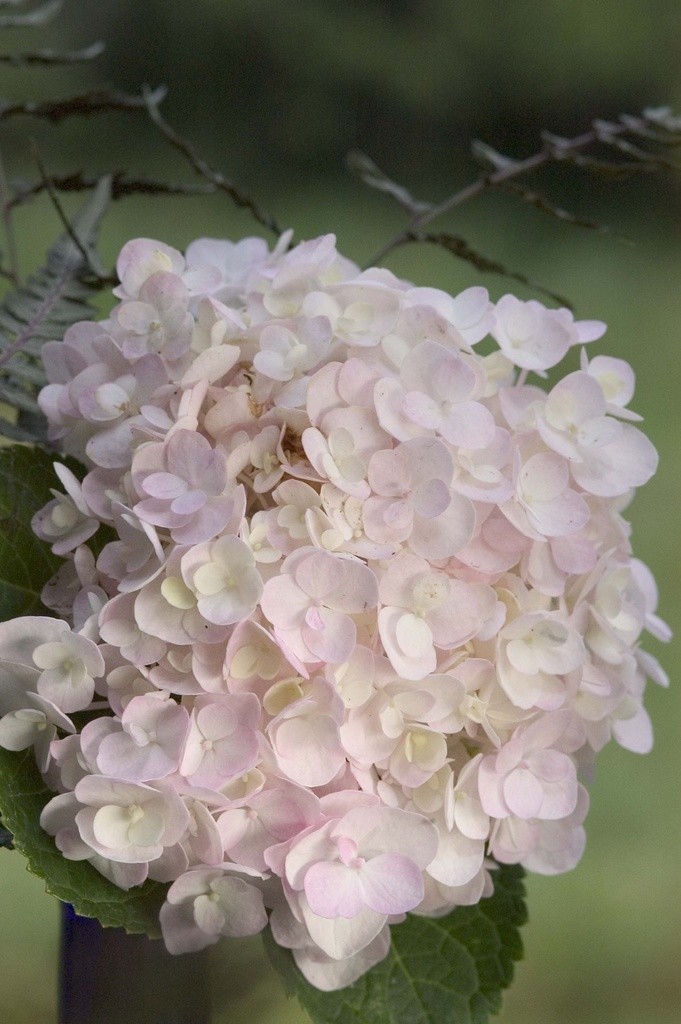
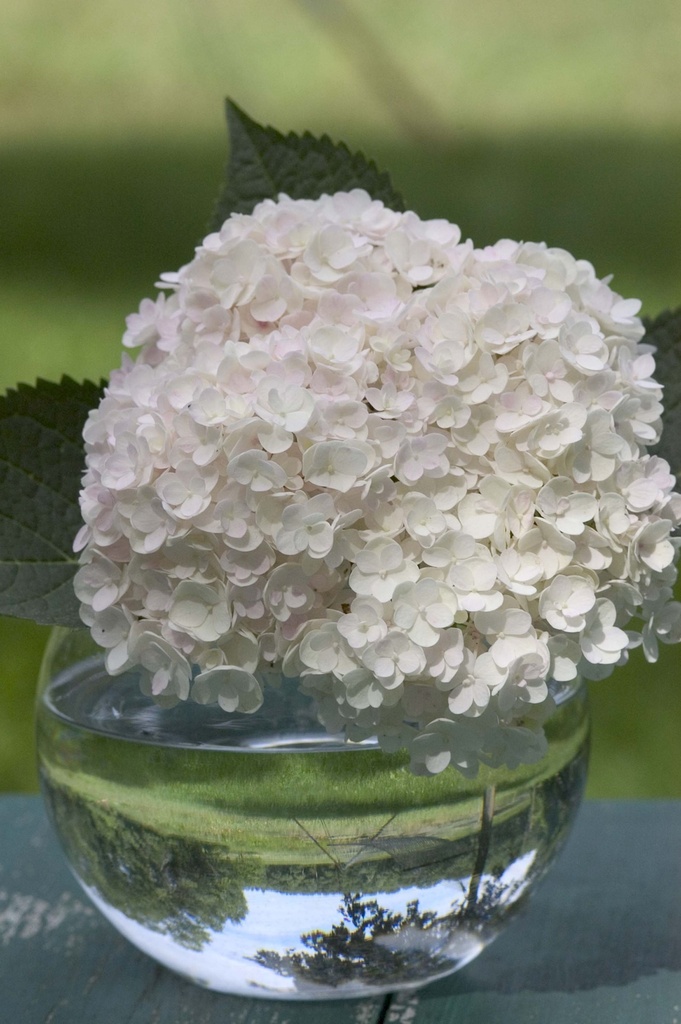
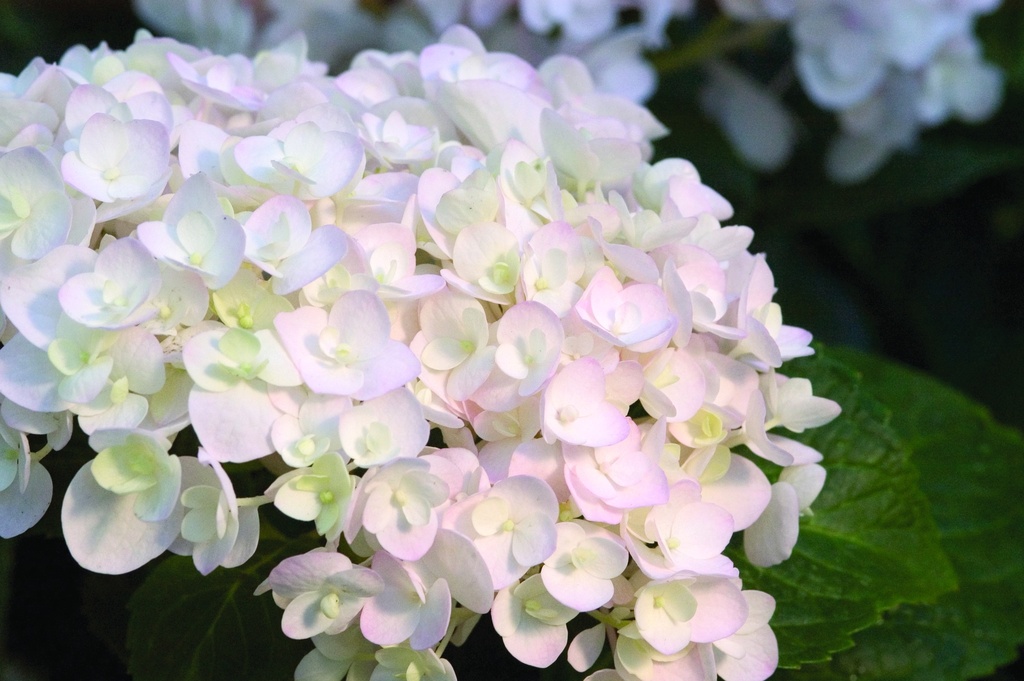
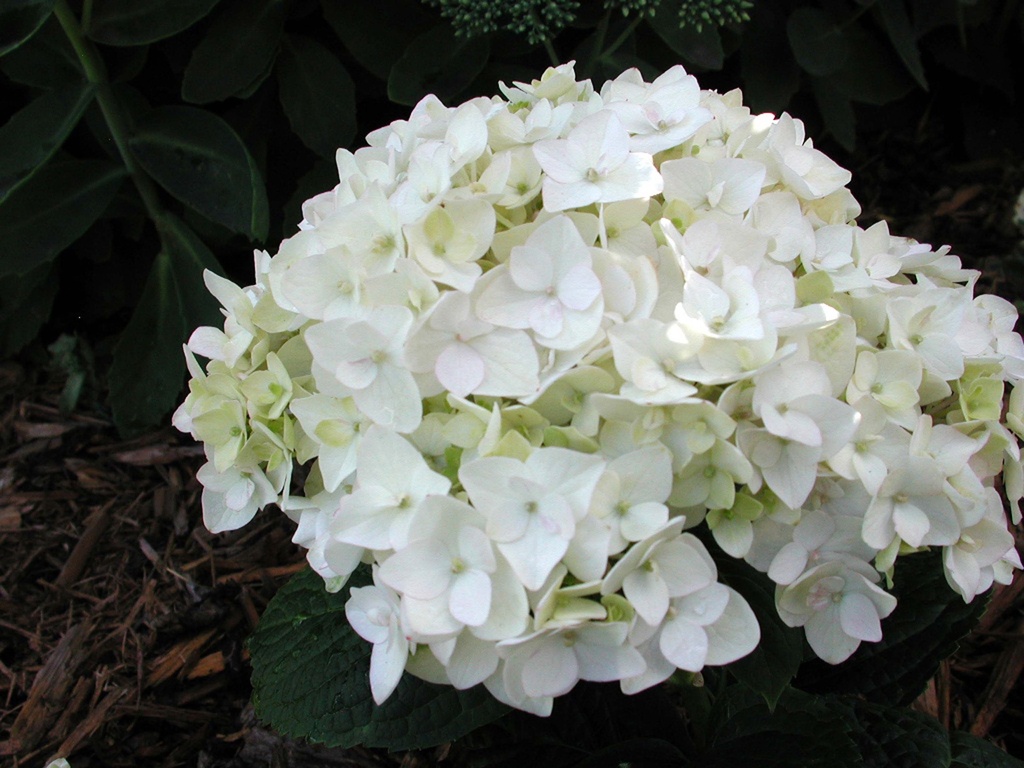
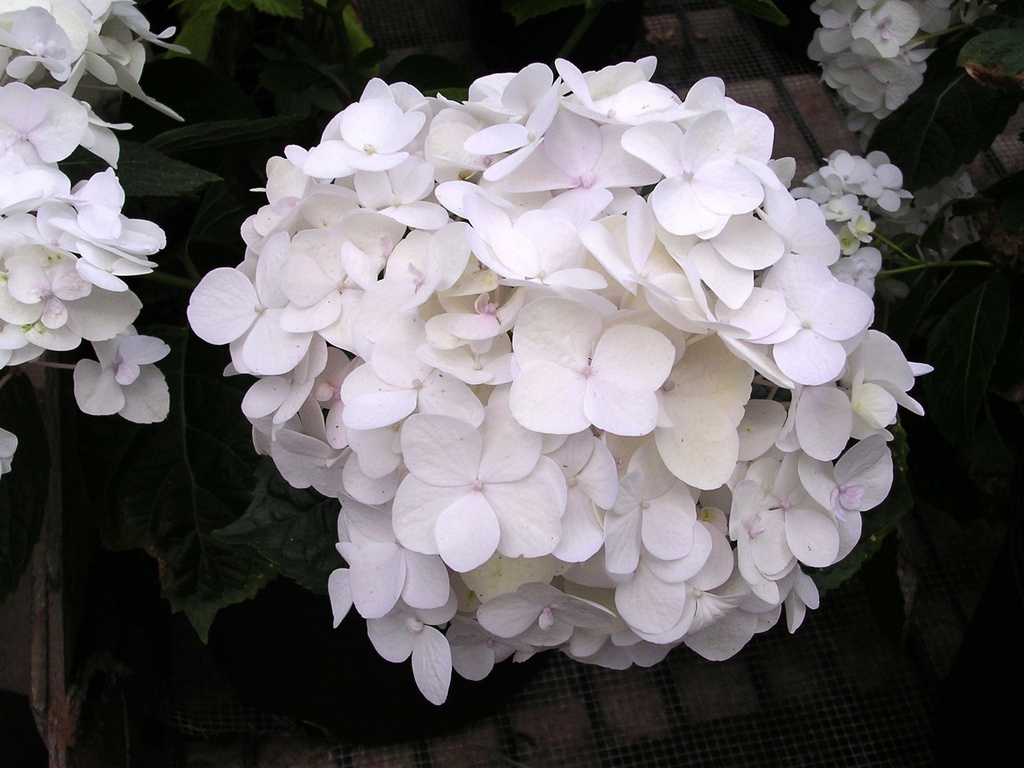
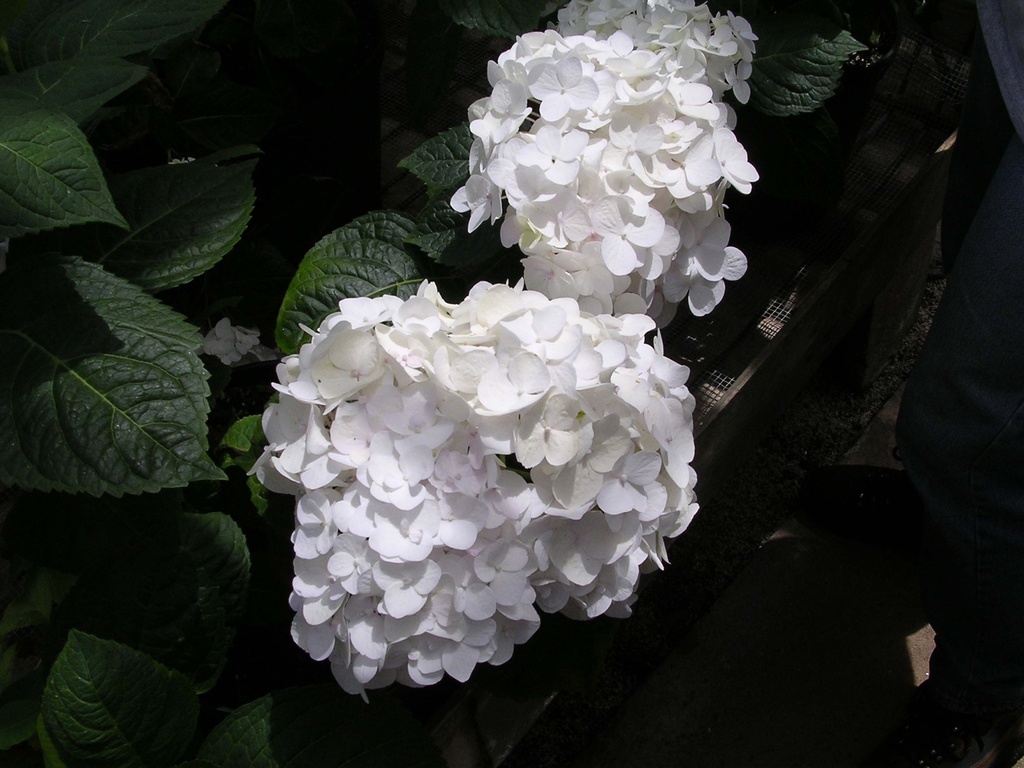
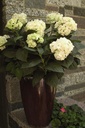
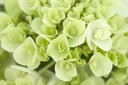
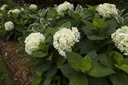
Hydrangeas are shrubs and climbers from East Asia and the Americas. They owe their fame to their large flower heads, in which showy, sterile florets surround or completely cover the small fertile flowers. Hydrangeas like a moist, humus-rich soil and flower in summer, when many other shrubs have finished flowering.
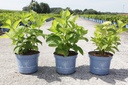
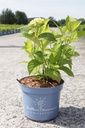
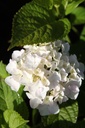
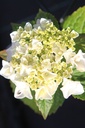
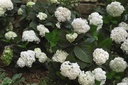
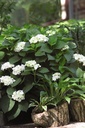
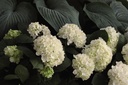
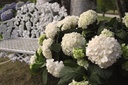
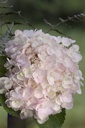
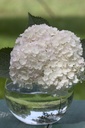
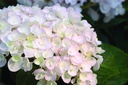
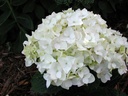
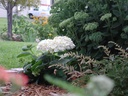
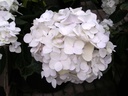
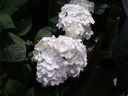
Lacecap Hydrangea macrophylla
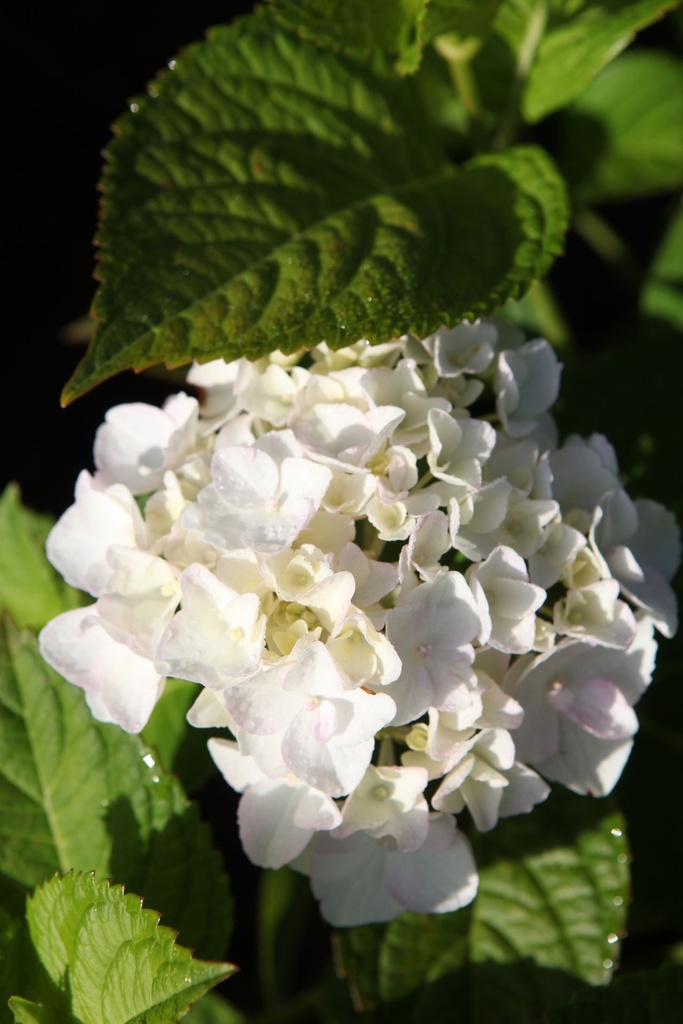
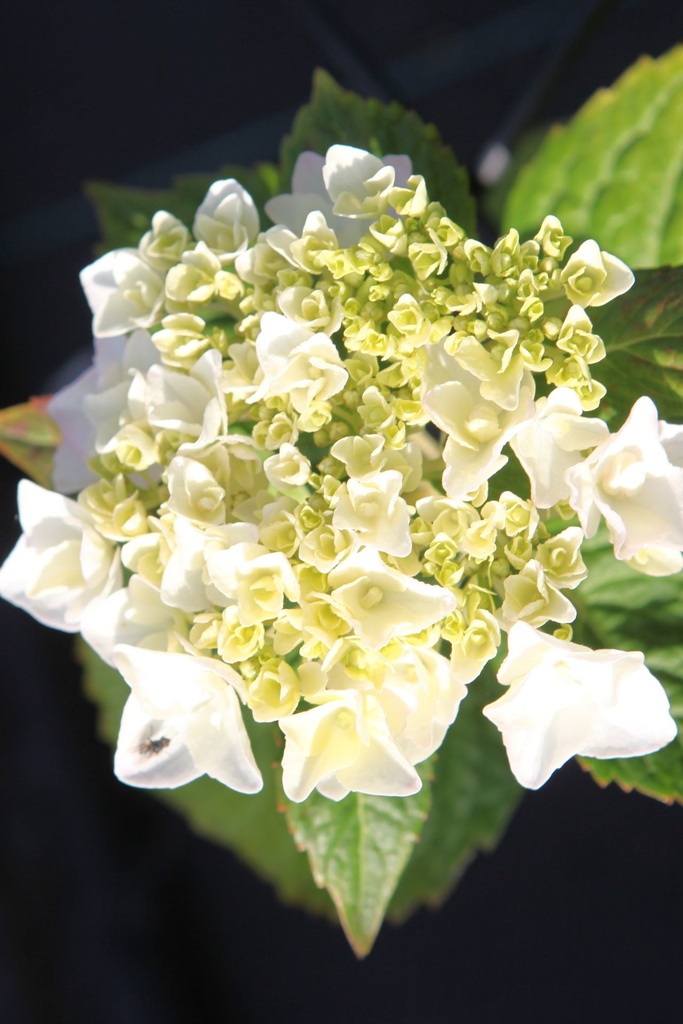
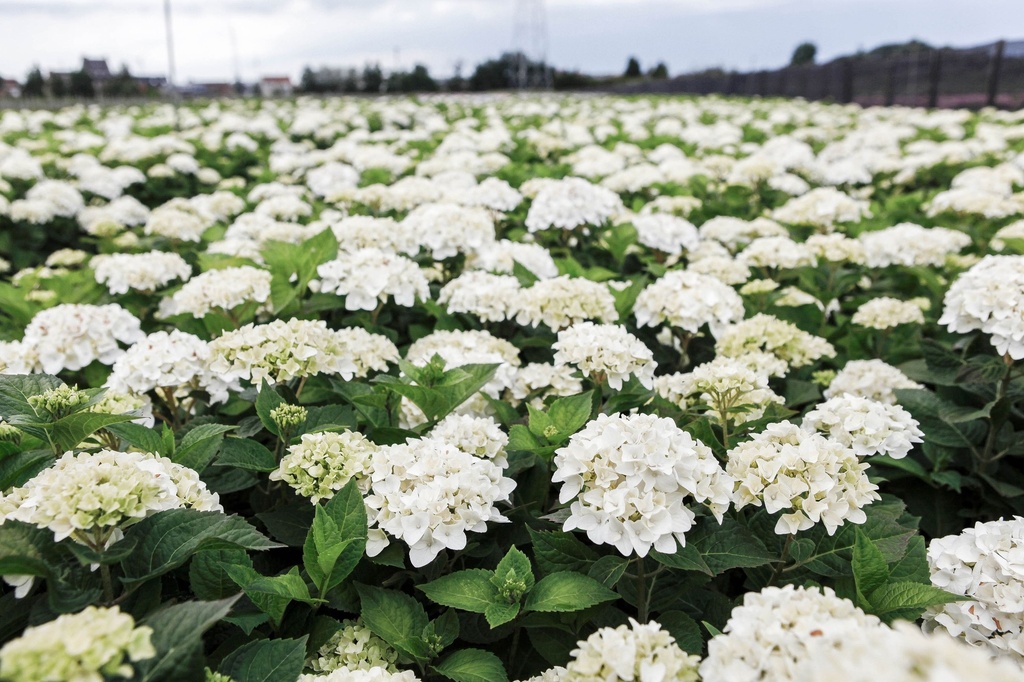
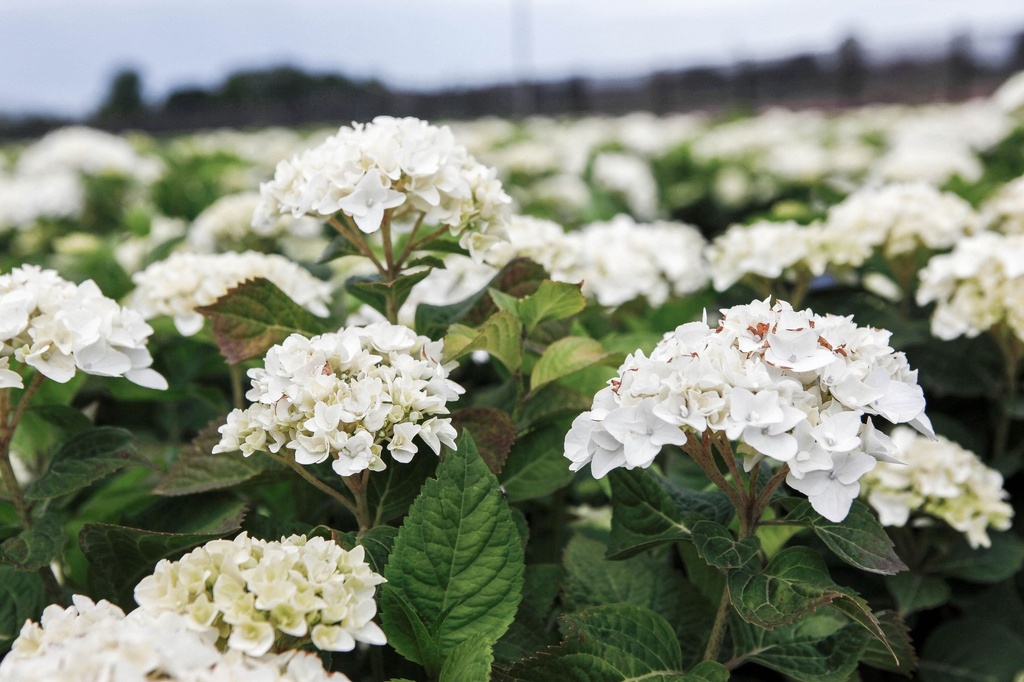
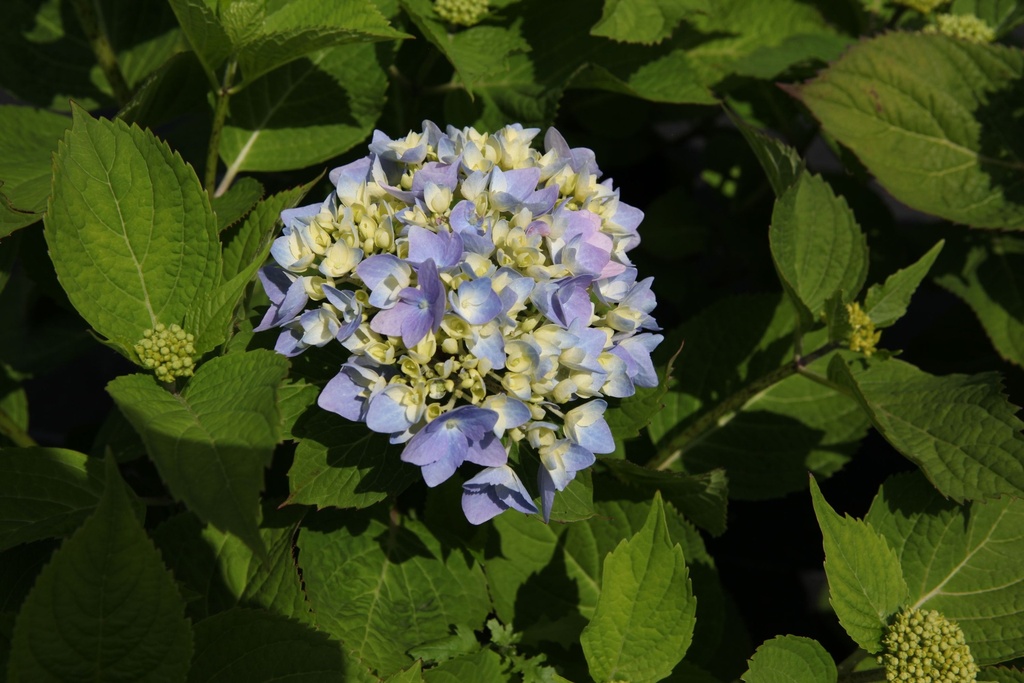
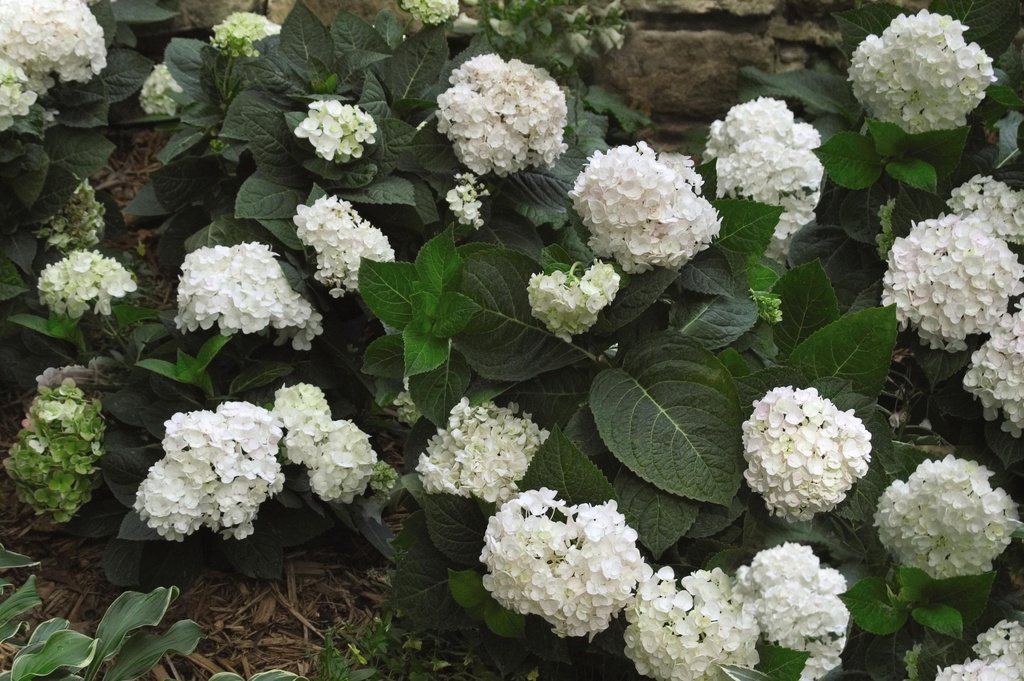
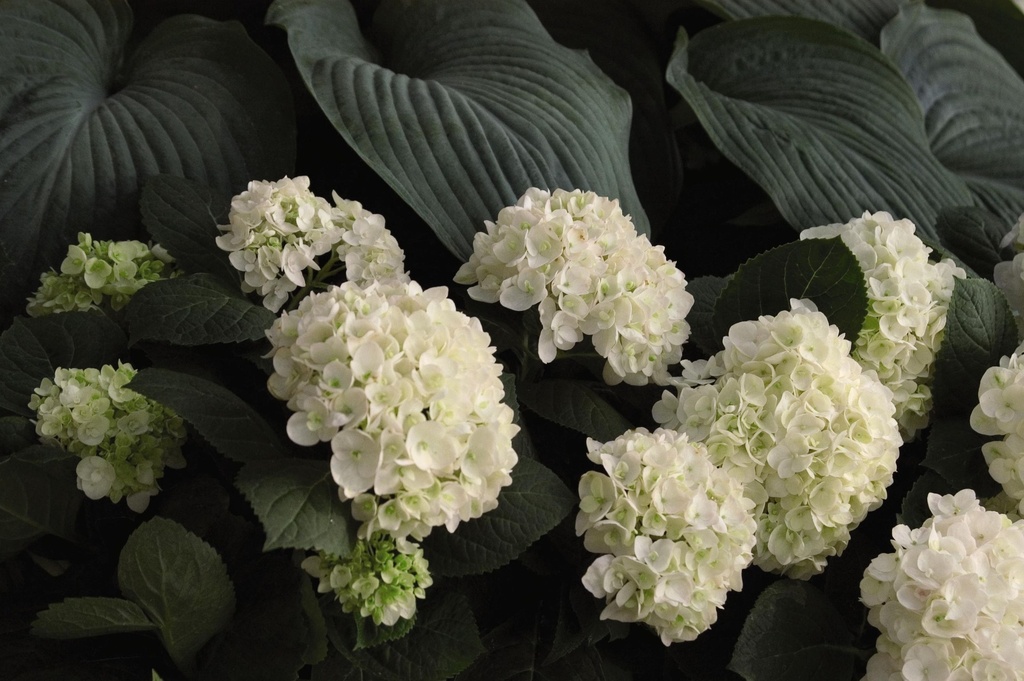
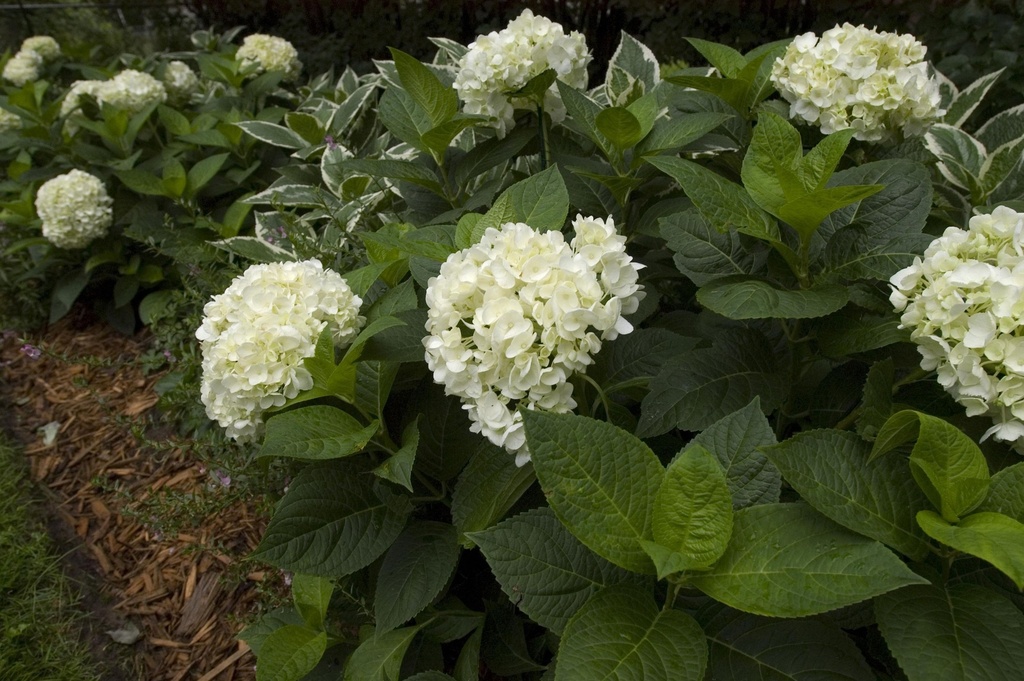
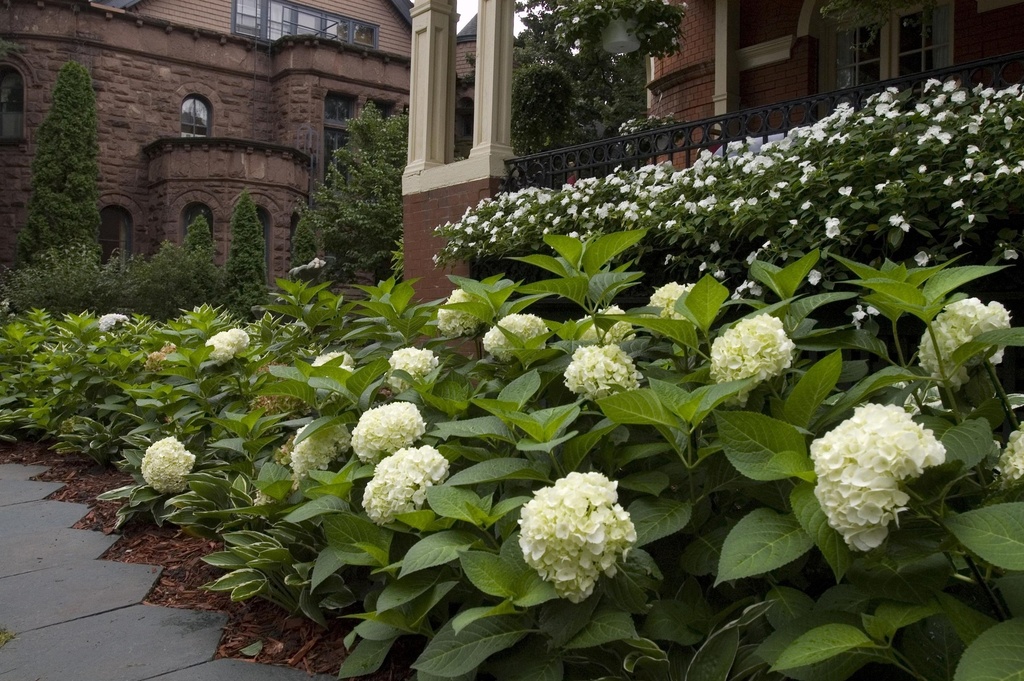
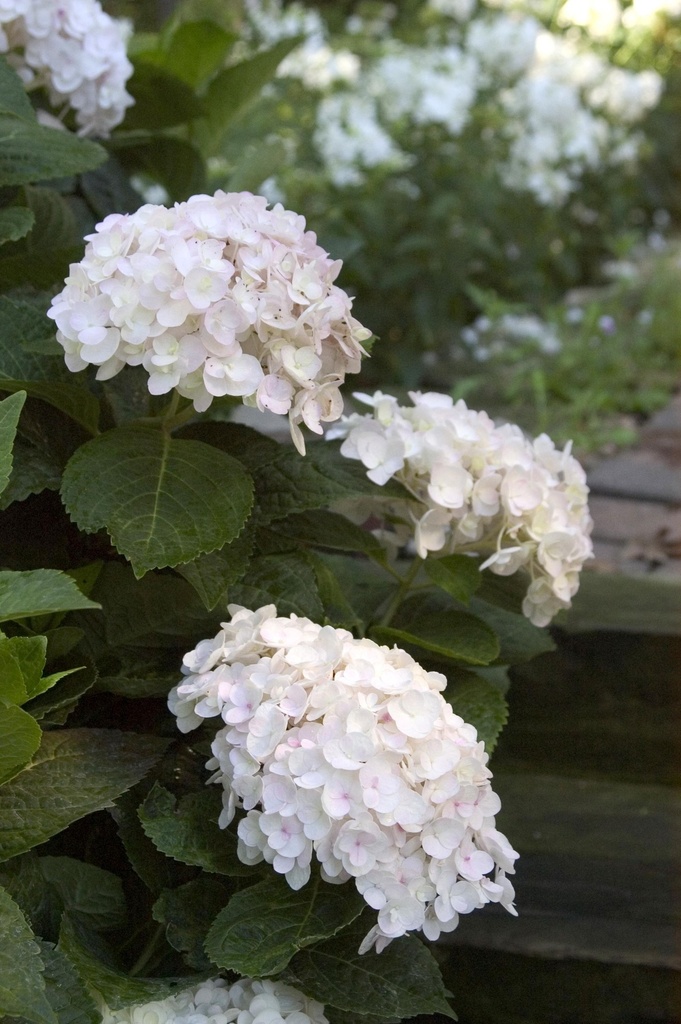
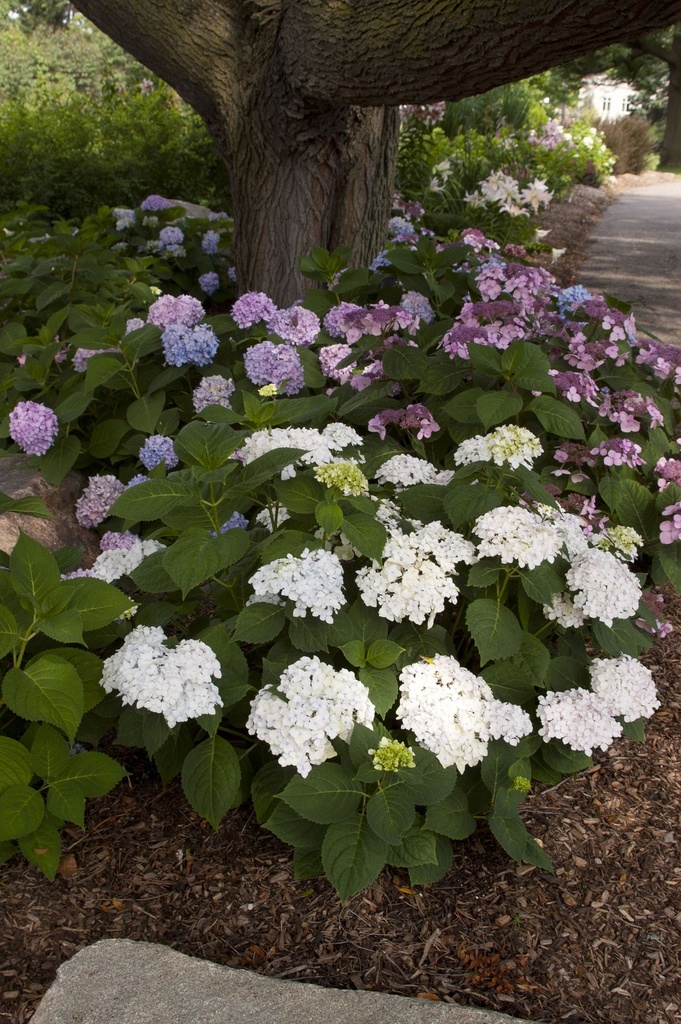
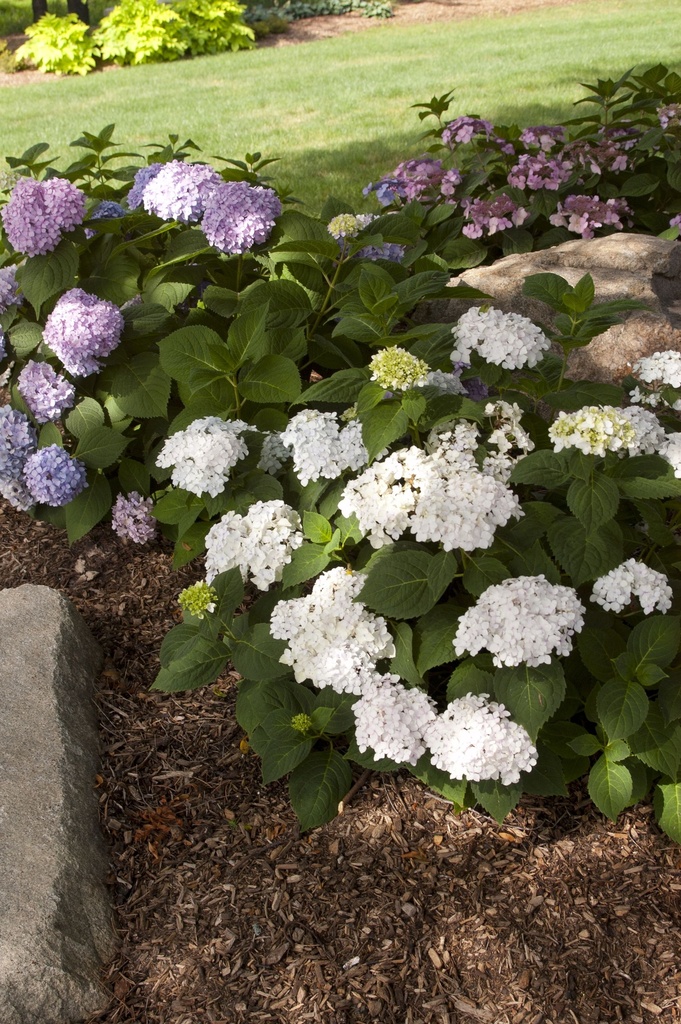
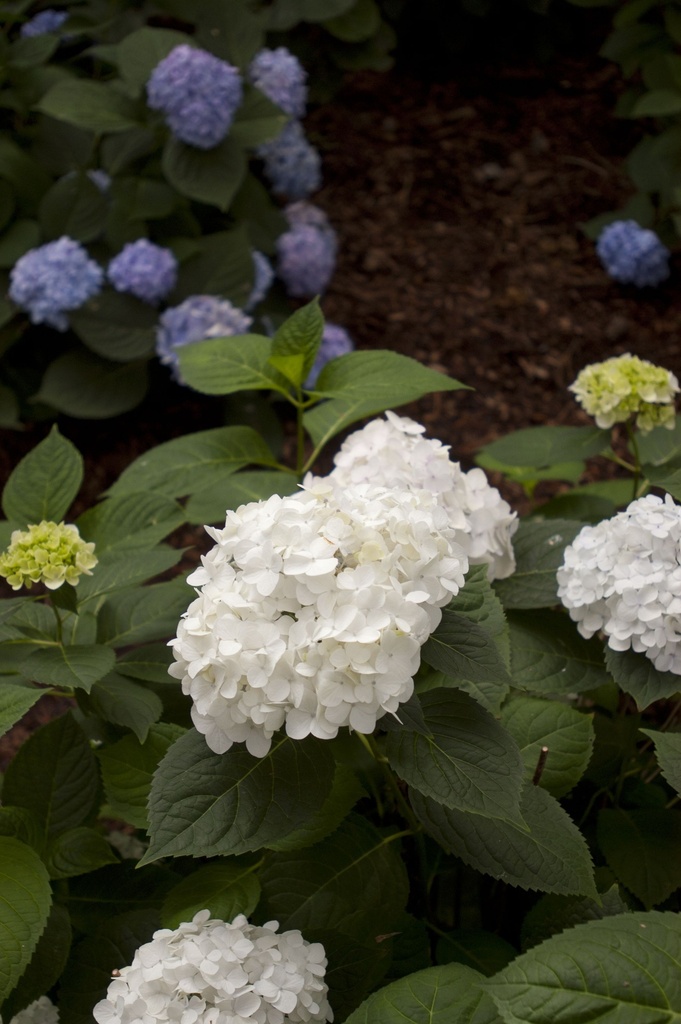
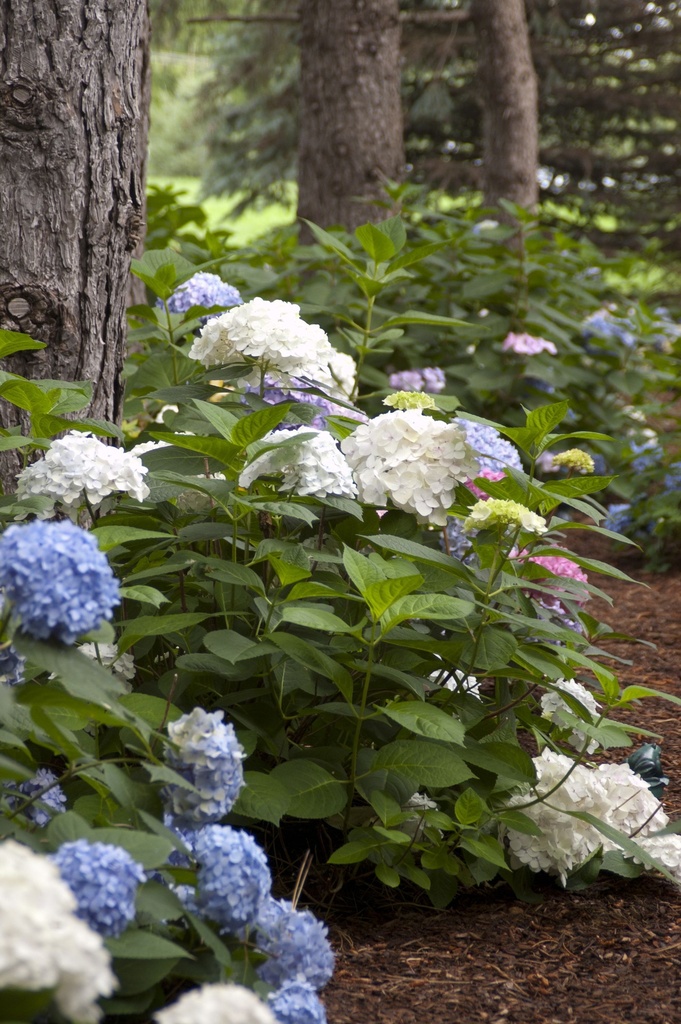
The bigleaf hydrangea from Japan is the classic garden hydrangea, with broad, glossy leaves and either rounded mophead or flat lacecap flower heads. It flowers from early summer into autumn. In pink and blue varieties the colour depends on the soil: acid soil gives blue flowers, chalky soil pink.
Location and soil
Grows best in partial shade, for instance against an east- or even north-facing wall, sheltered from cold, drying winds. It needs deep, fertile, moist but well-drained soil, preferably acid to neutral. Hardy, but in very cold areas a thick mulch protects the base.
Pruning and care
Flowers mainly on the previous year's wood, so prune lightly. In March or April cut the old flower heads back to the first pair of strong buds and remove dead wood; on mature plants take out a quarter to a third of the oldest stems at the base to keep the shrub young. Water during dry spells.
Use in the garden
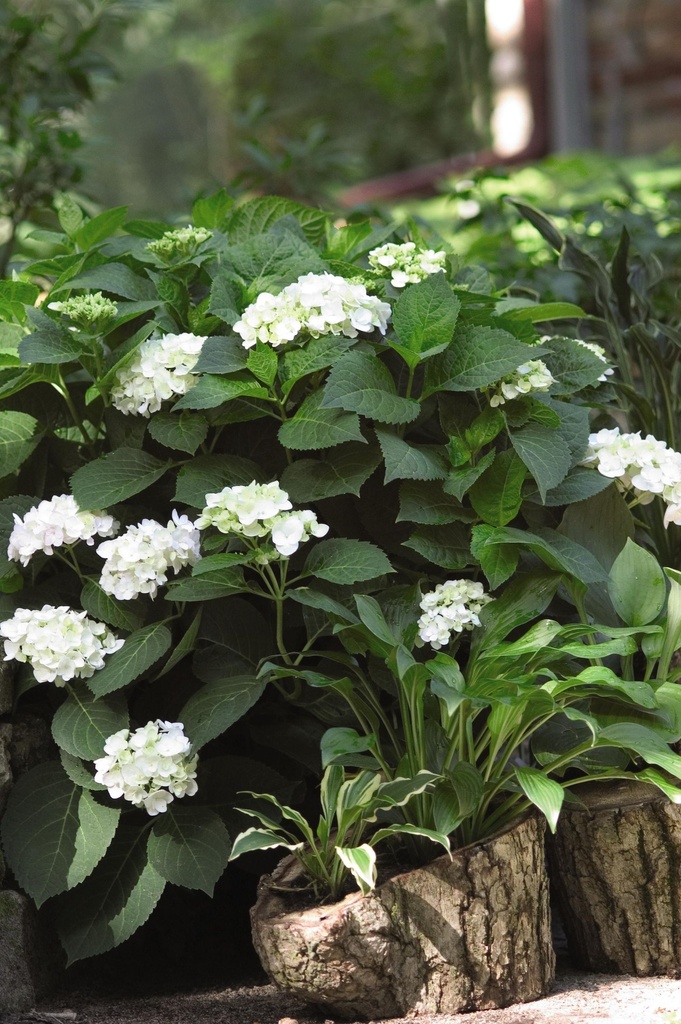
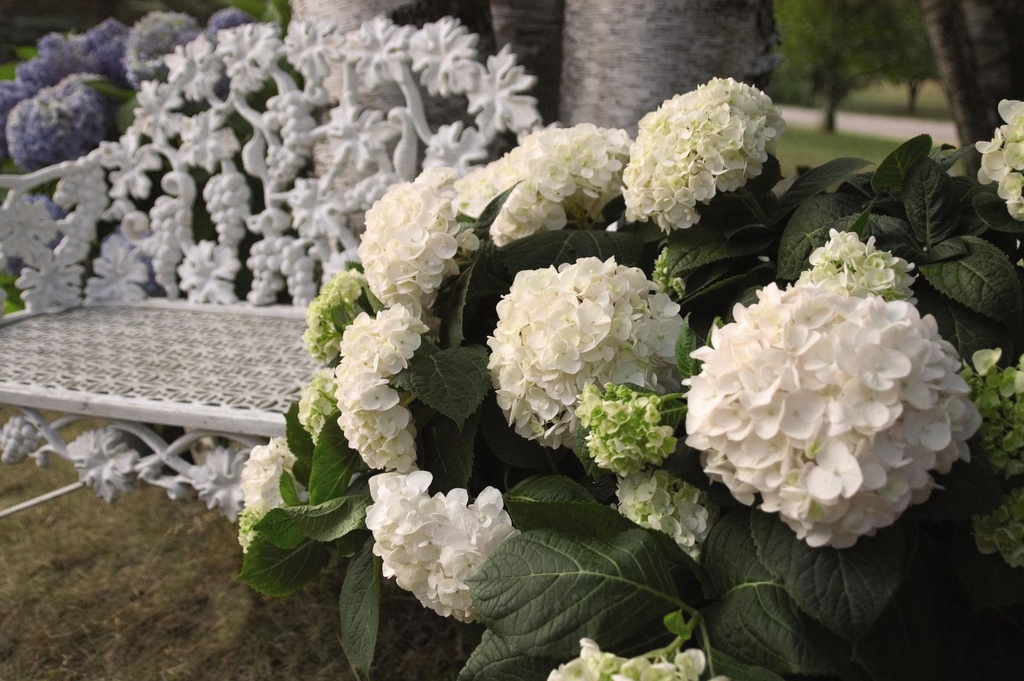
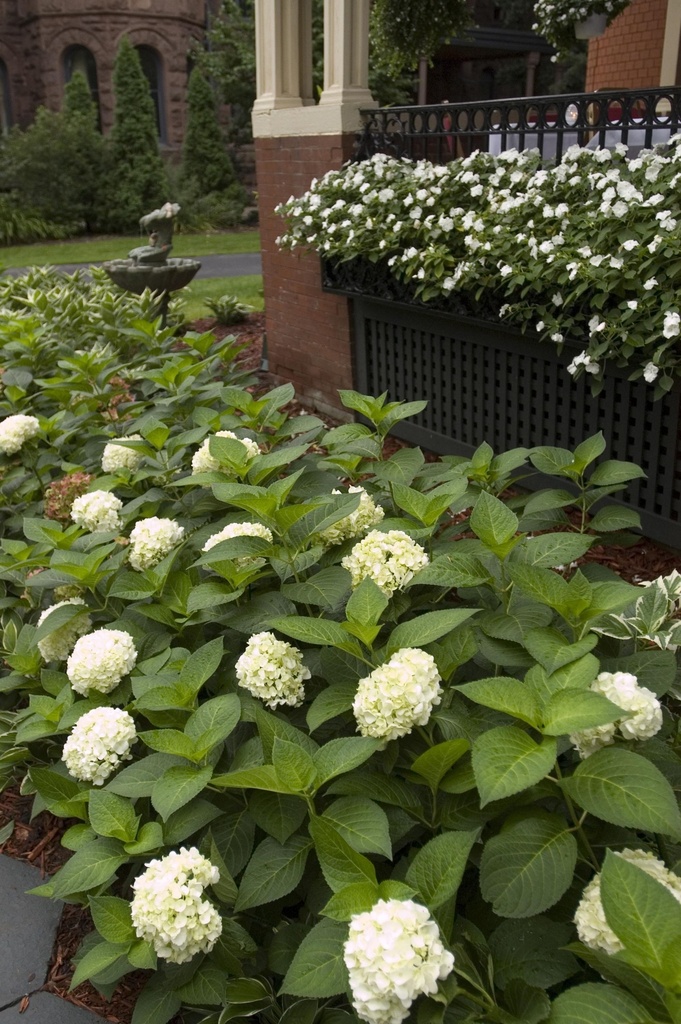
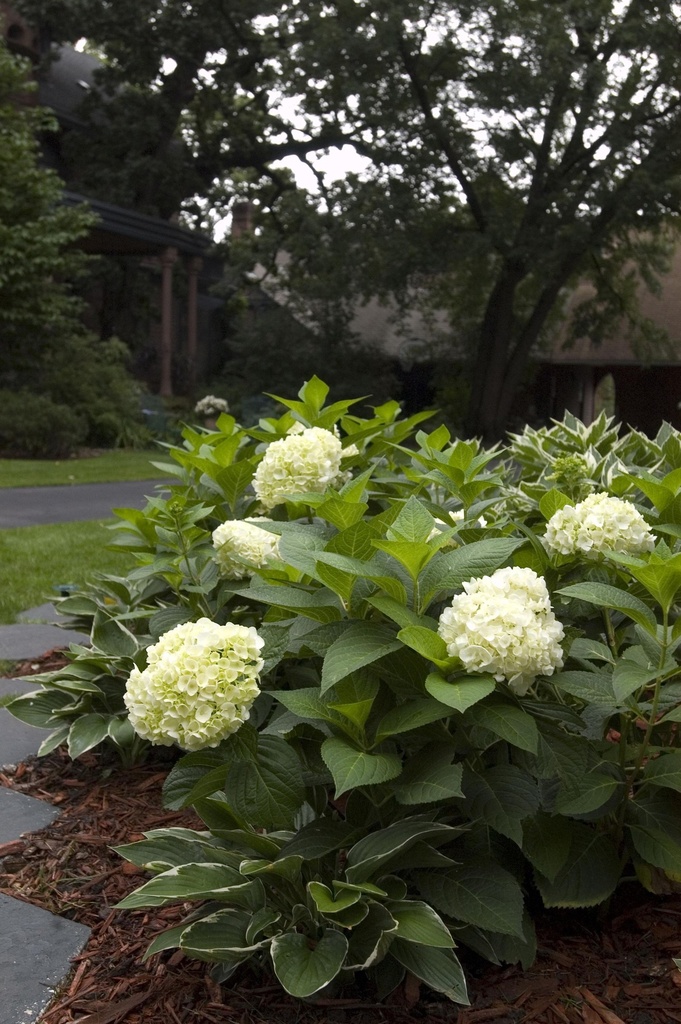
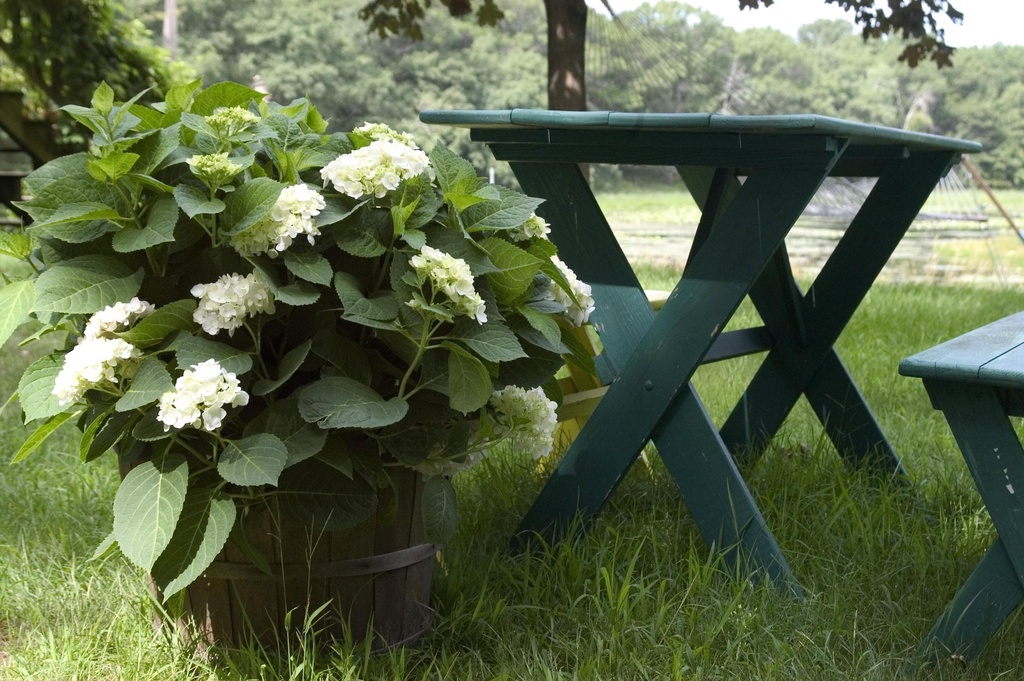
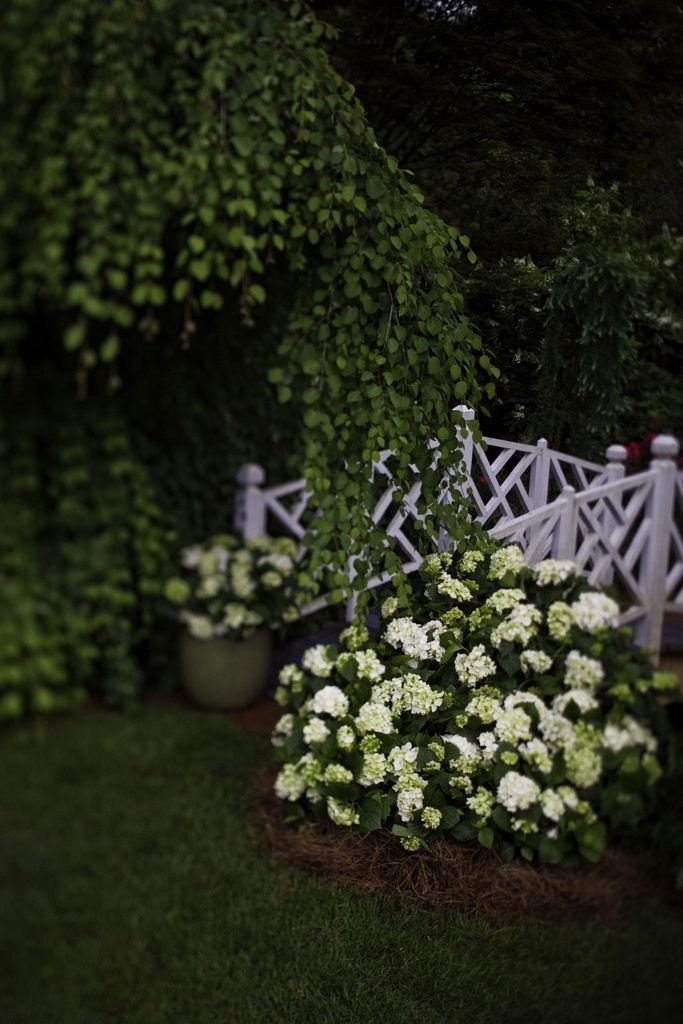
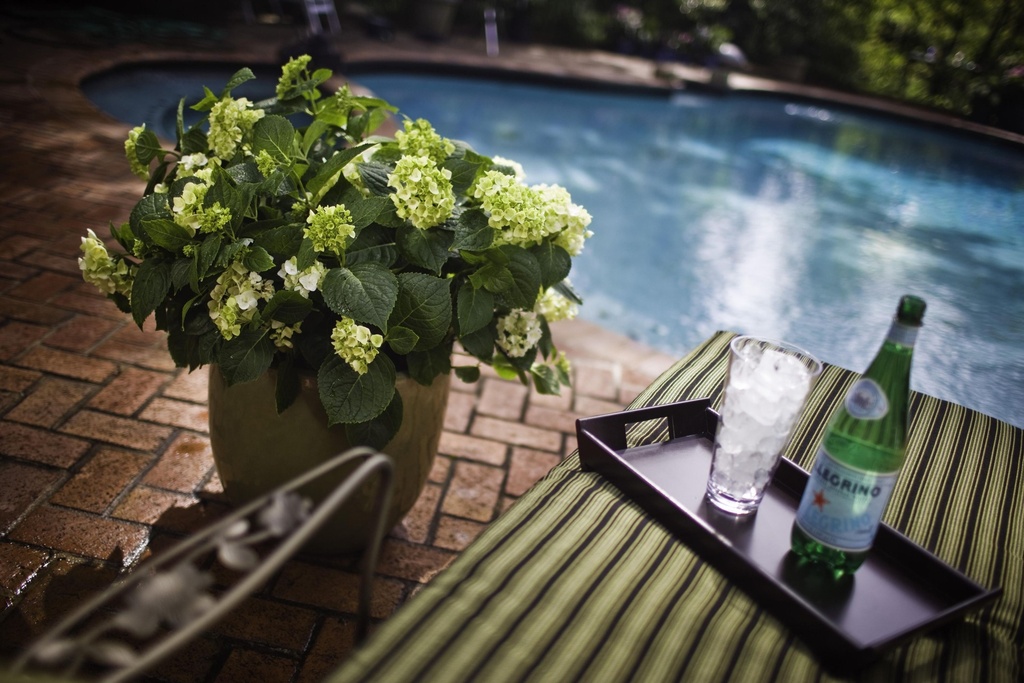
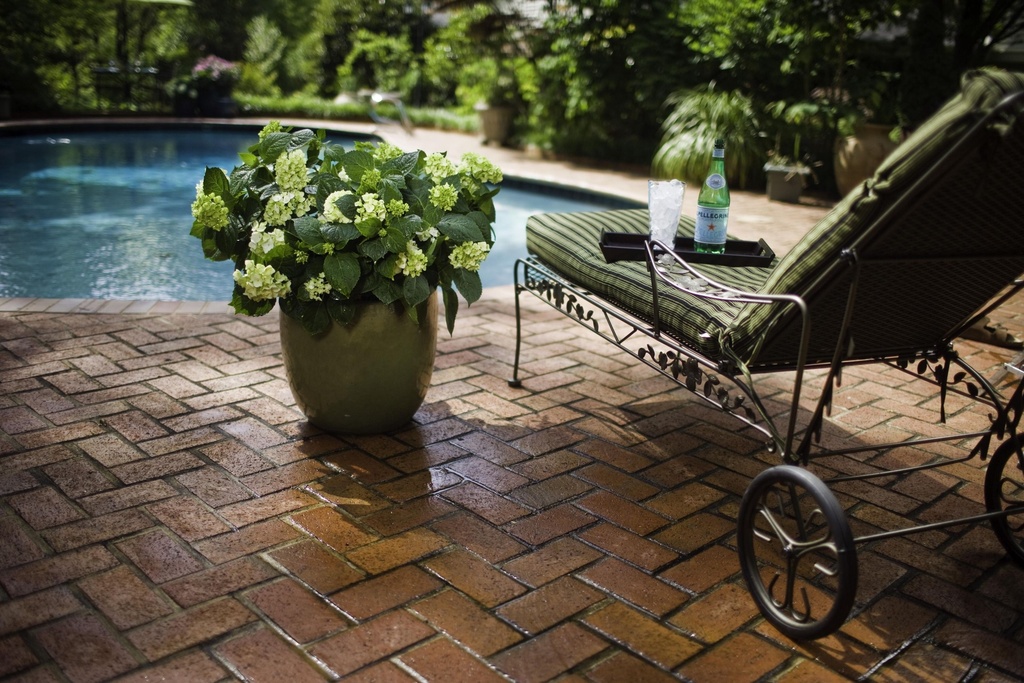
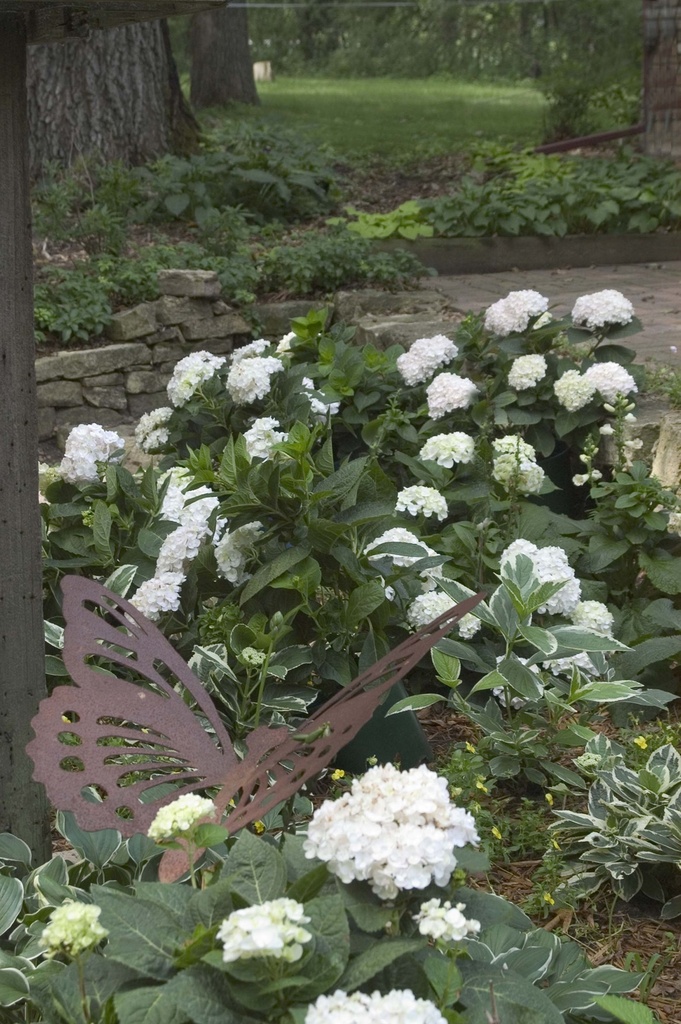
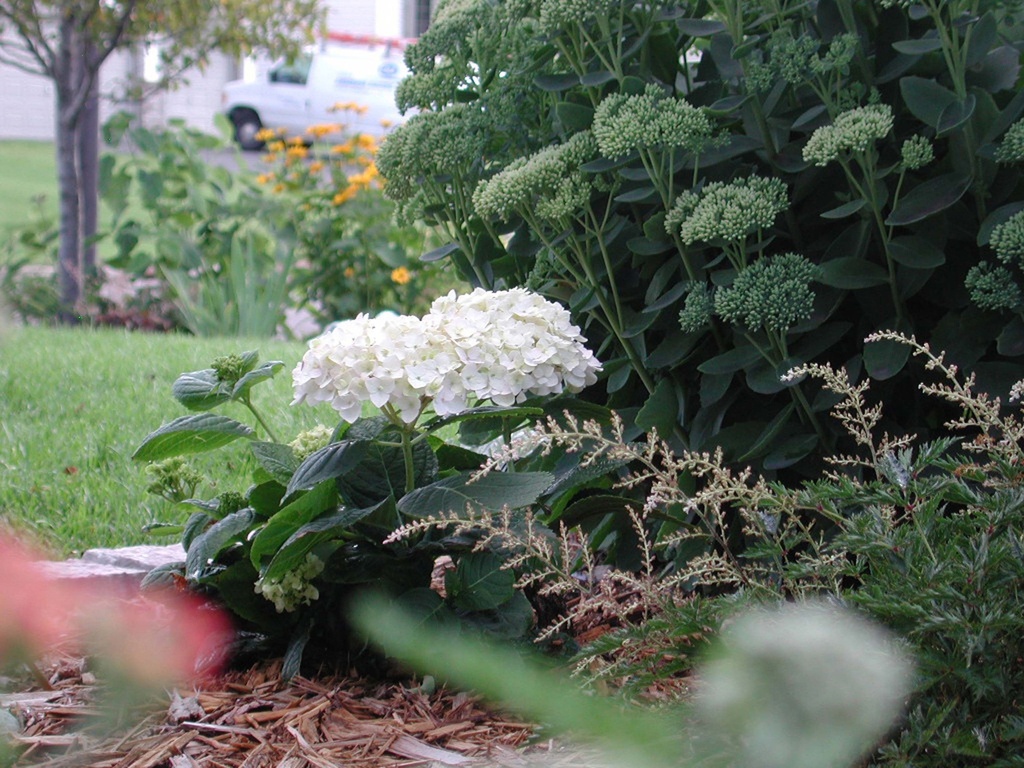
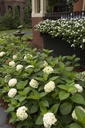
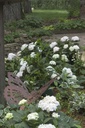
A mainstay for borders, shady beds, informal hedges and foundation planting, and compact varieties do well in pots on a terrace or balcony. The flower heads are also good for cutting and drying.
Plant characteristics
Flowering
| Flowering period | june, july, august, september, october |
| Colour (flower) | white, pink |
Foliage
| Evergreen | no |
| Colour (foliage) | green |
| Autumn colour | green, red |
Growth habit
| Height | 100 cm, 150 cm |
Location
| Winter hardiness | -25 °C |
| Soil type | neutral |
| Location | sun, half shade |
| Soil moisture | moist, normal |
Use
| Type (use) | shrub, solitary, in group |
Care
| Pruning | march, april |
Related products

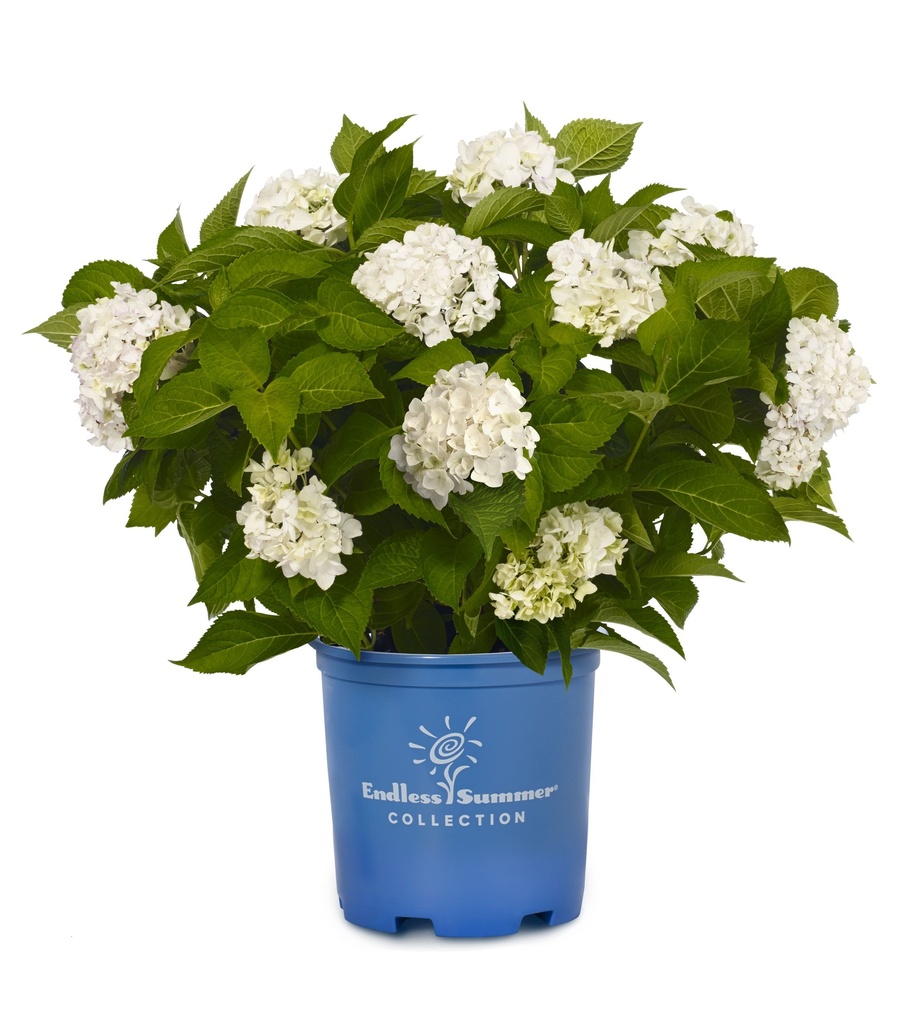
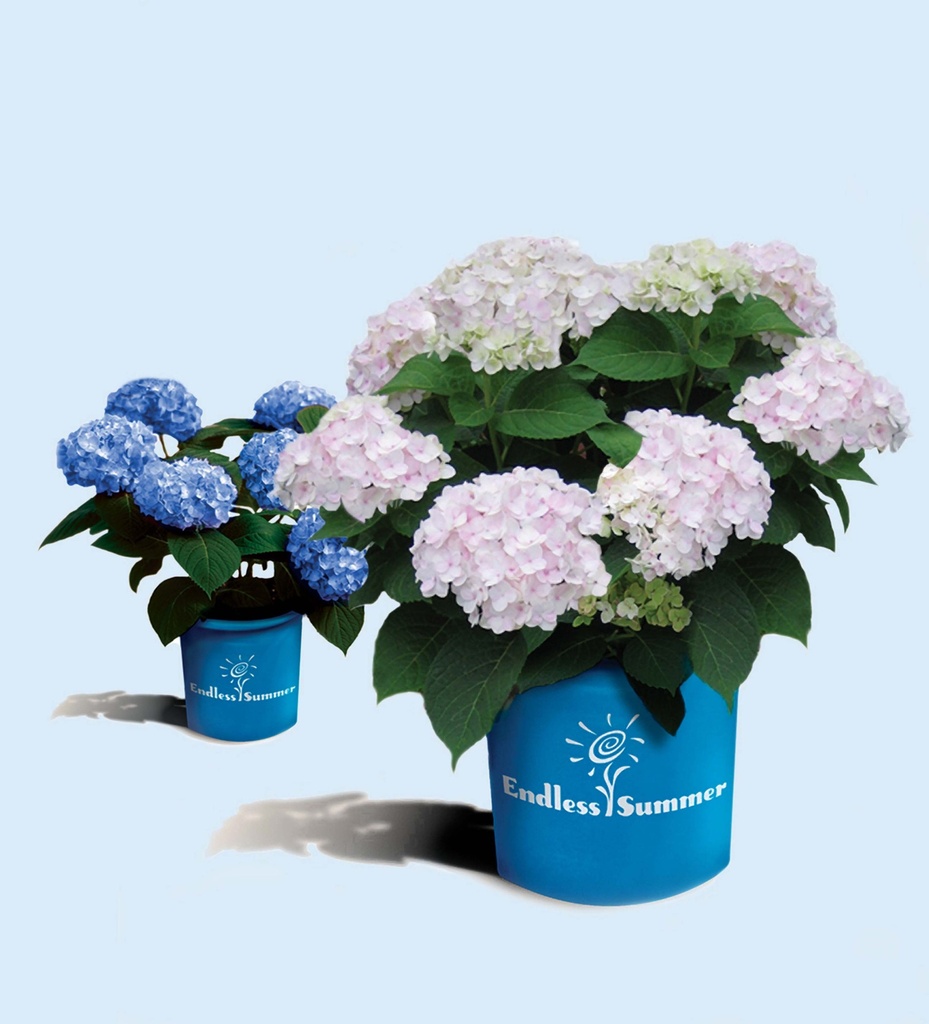
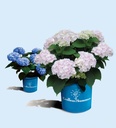
Hydrangea macrophylla Endless Summer® THE BRIDE (PBR)
cont. 3L deco (white) +p

Hydrangea macrophylla Endless Summer® THE BRIDE (PBR)
cont. 15L deco +p
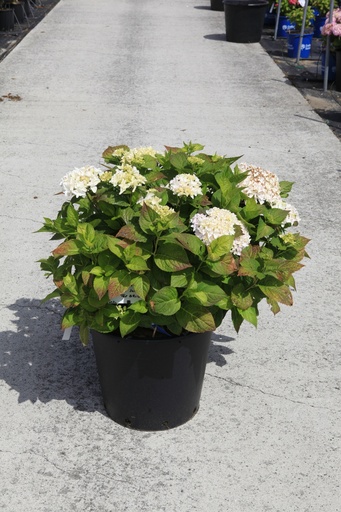
Hydrangea macrophylla Endless Summer® THE BRIDE (PBR)
cont. 35L deco +p