
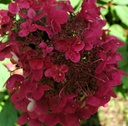
About this plant
Hydrangea
Hydrangeas are shrubs and climbers from East Asia and the Americas. They owe their fame to their large flower heads, in which showy, sterile florets surround or completely cover the small fertile flowers. Hydrangeas like a moist, humus-rich soil and flower in summer, when many other shrubs have finished flowering.
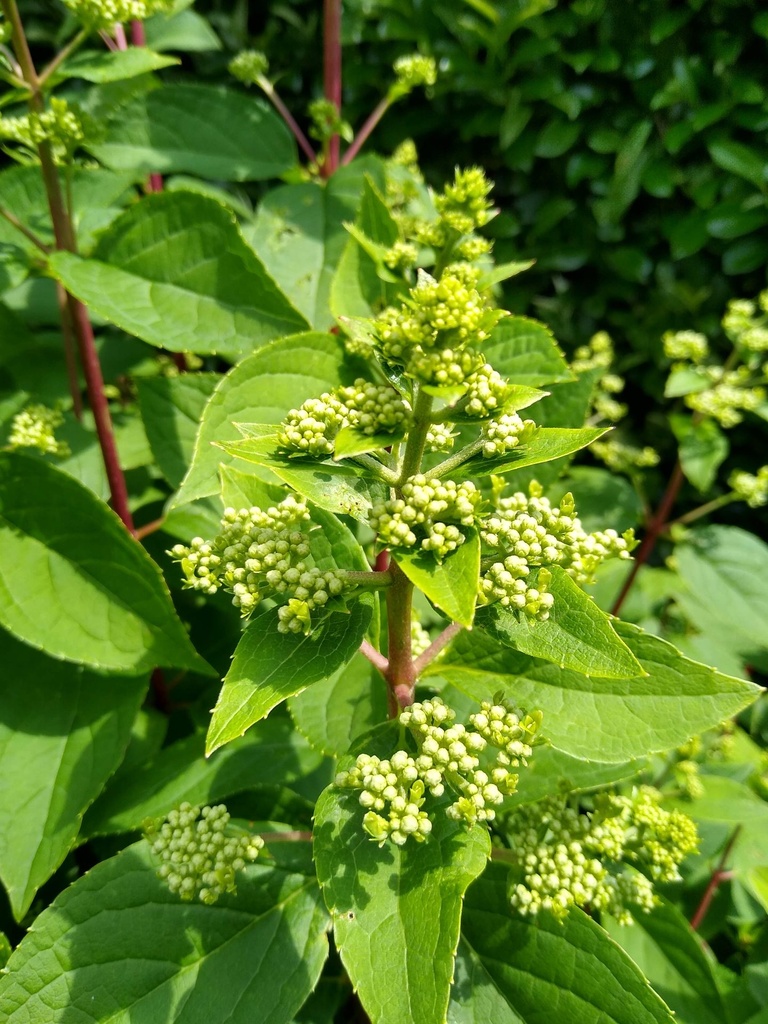
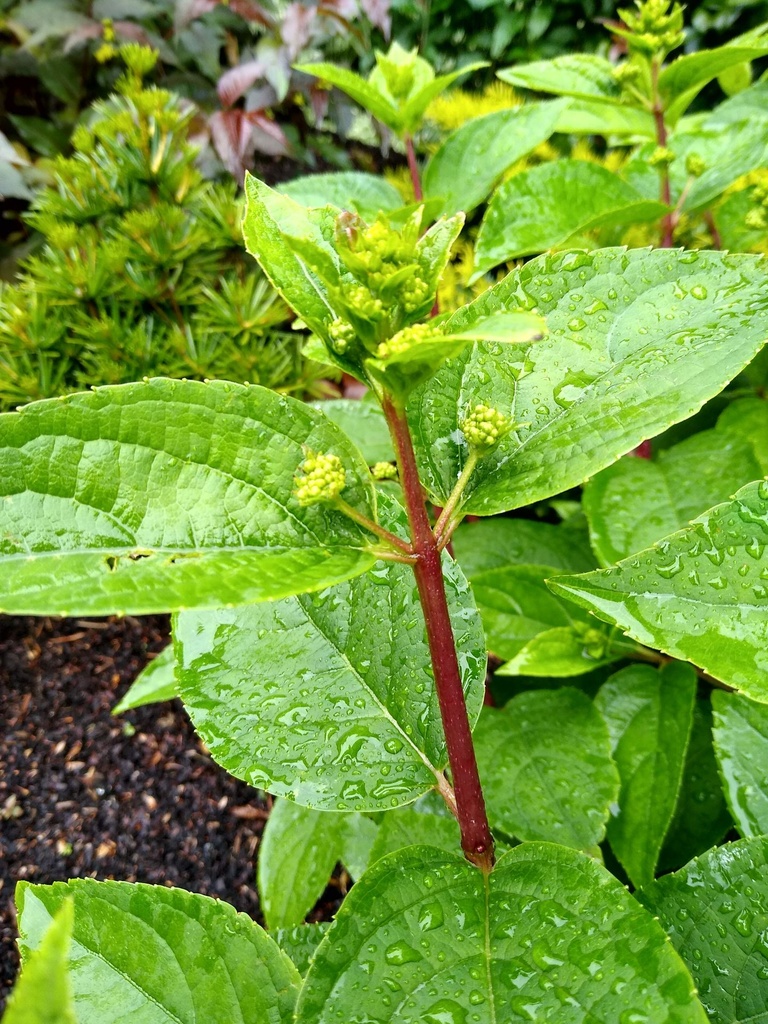
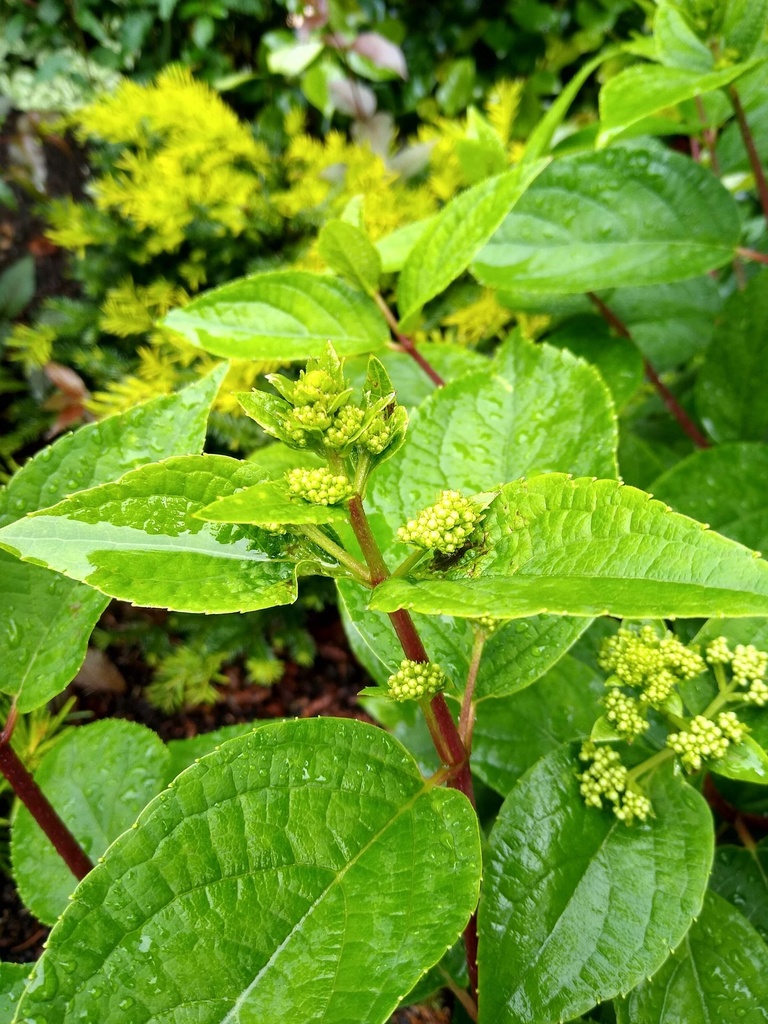
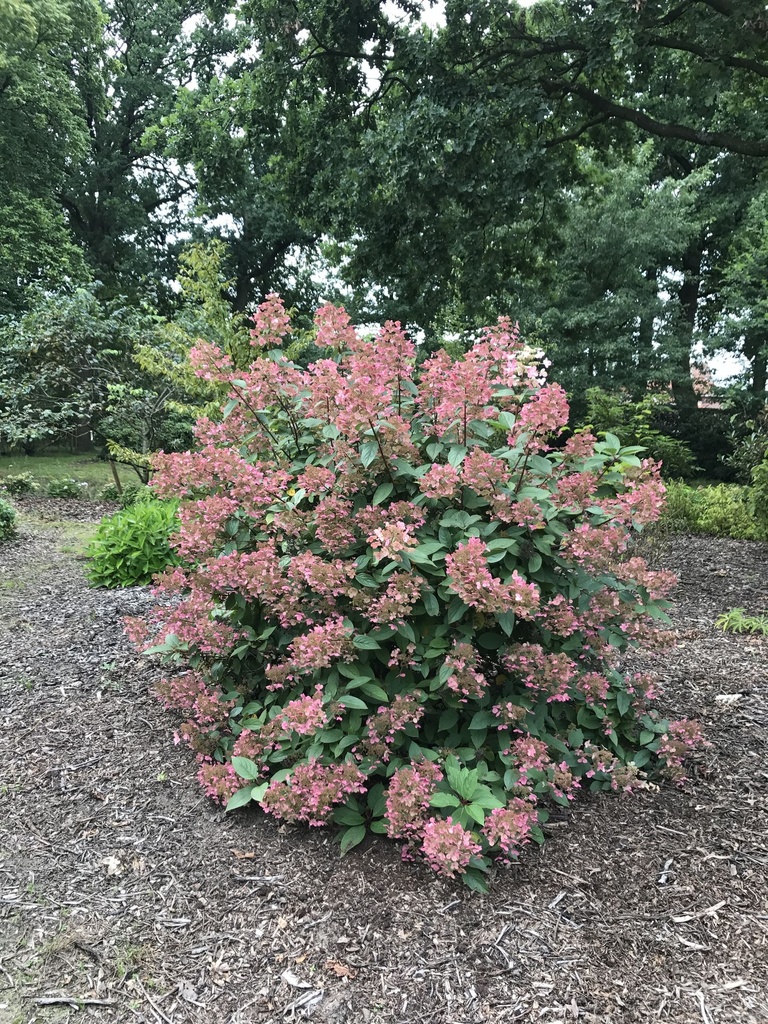
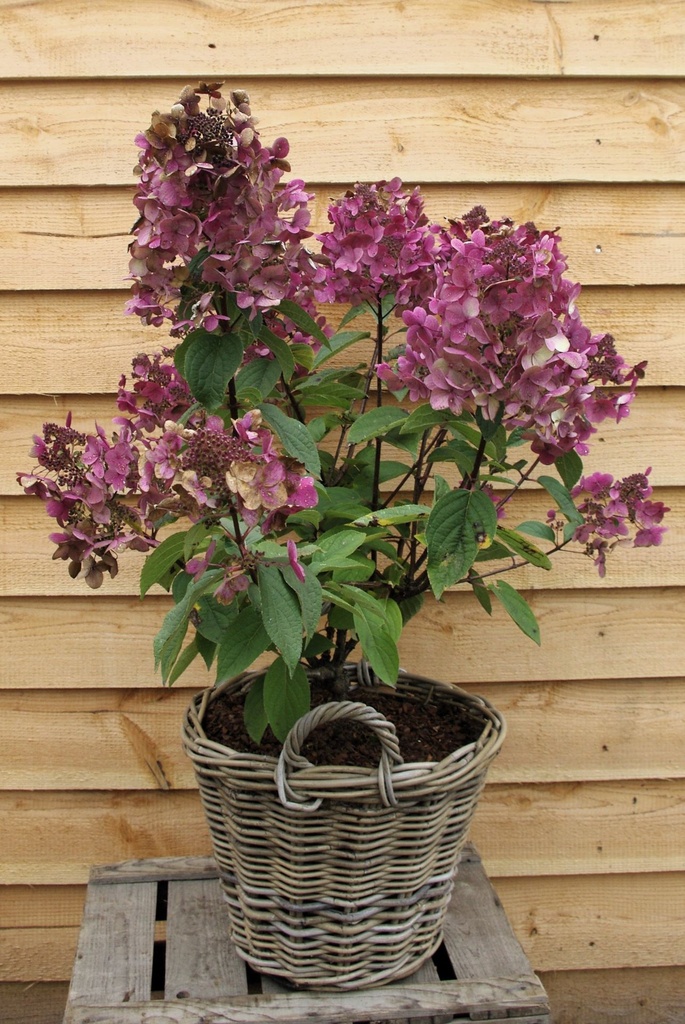
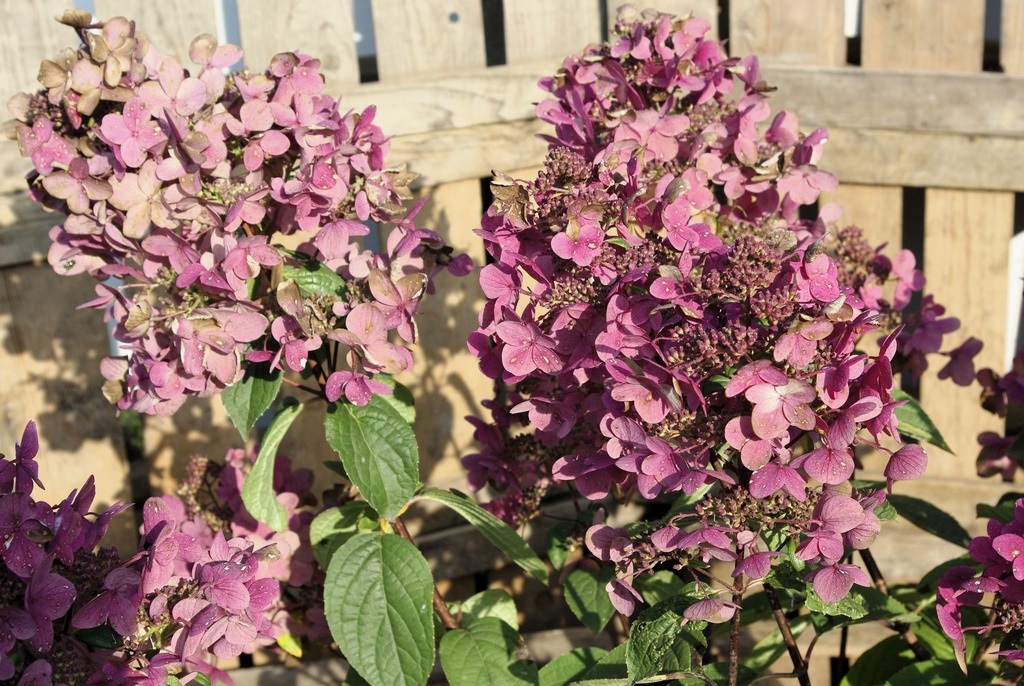
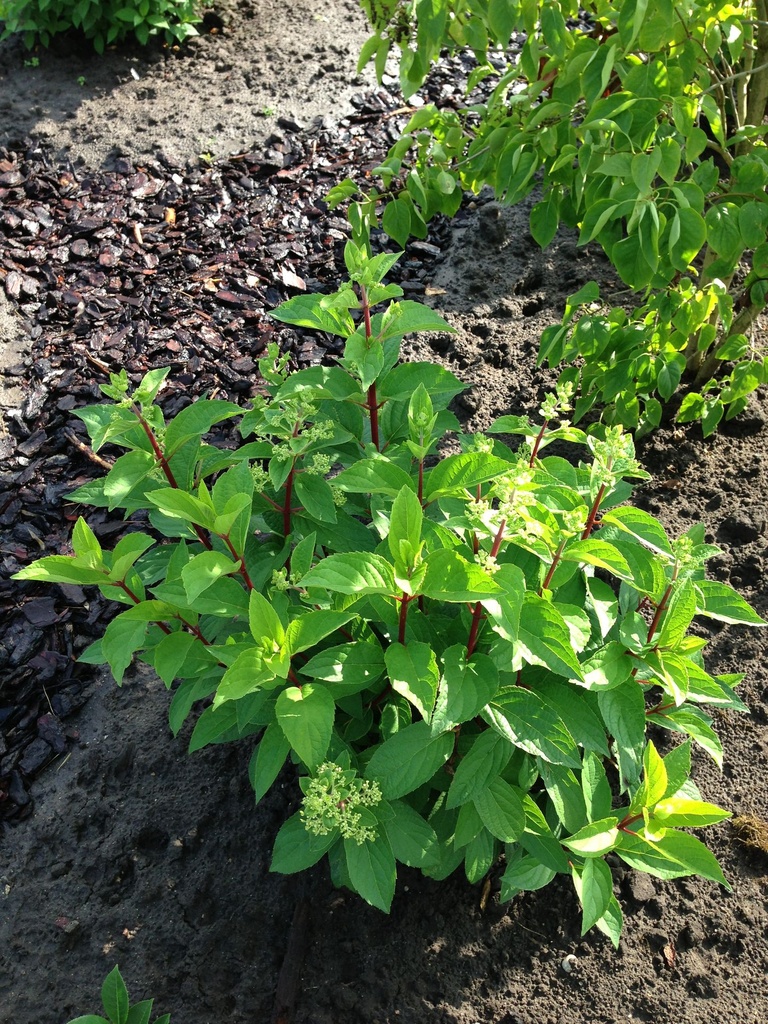
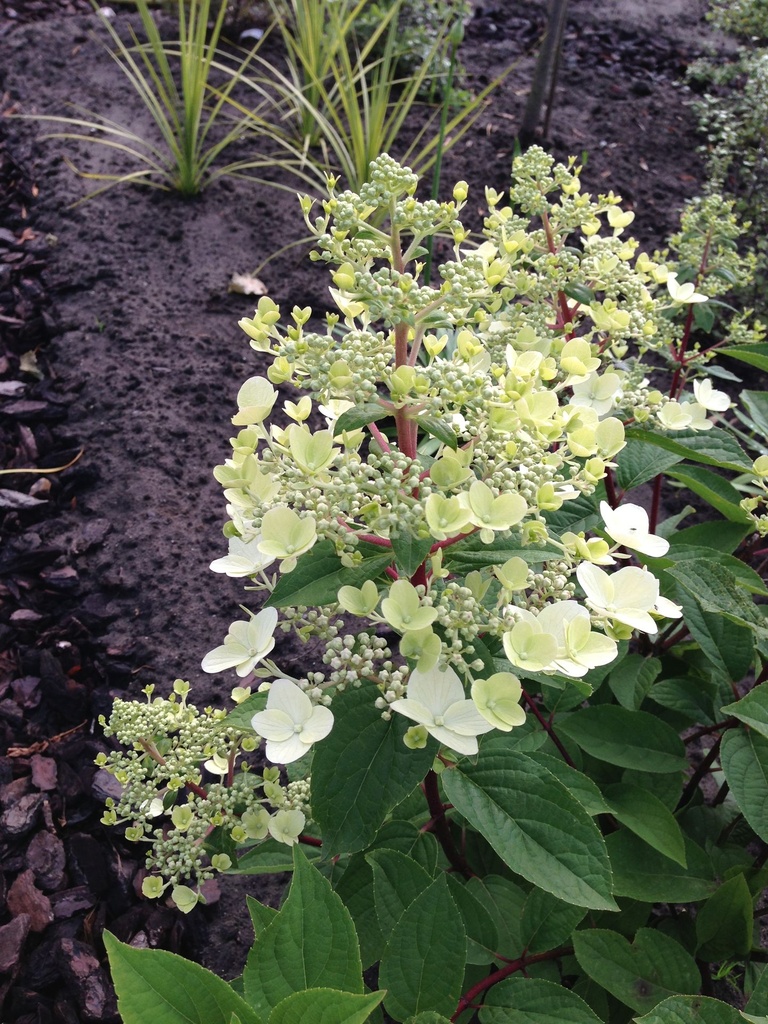
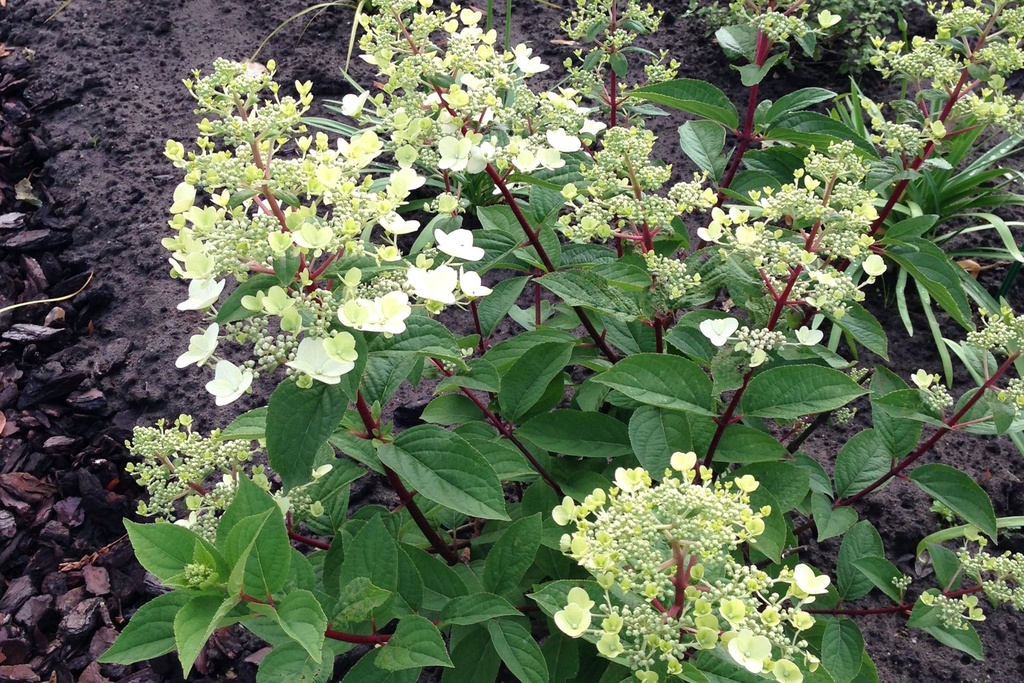
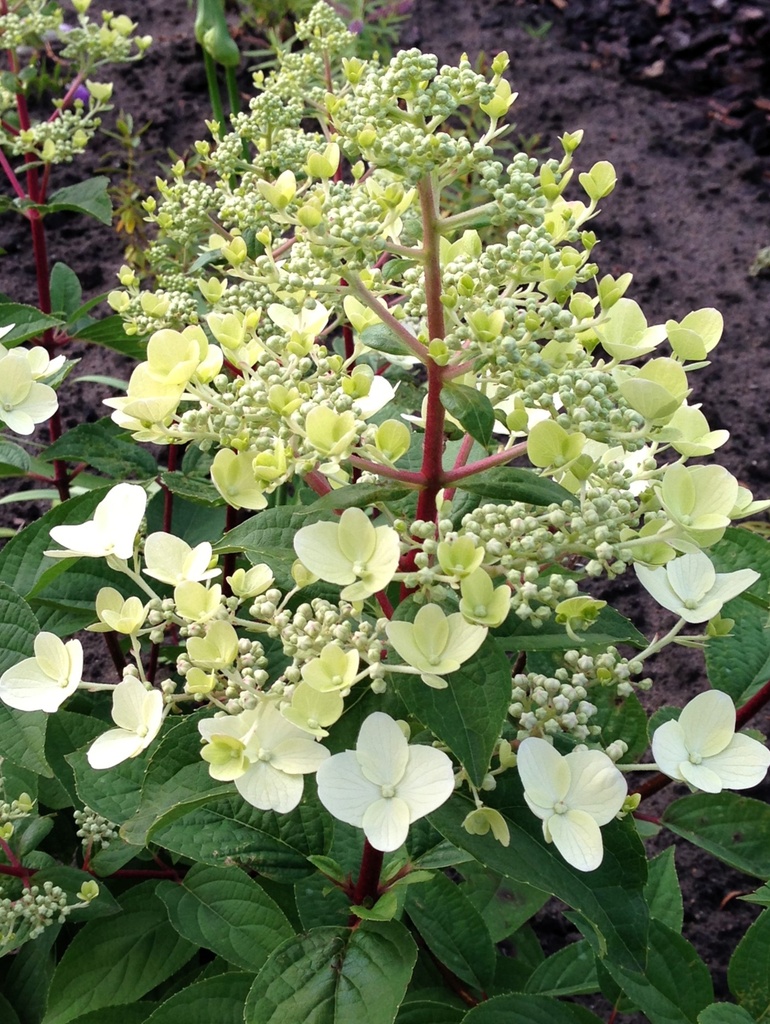
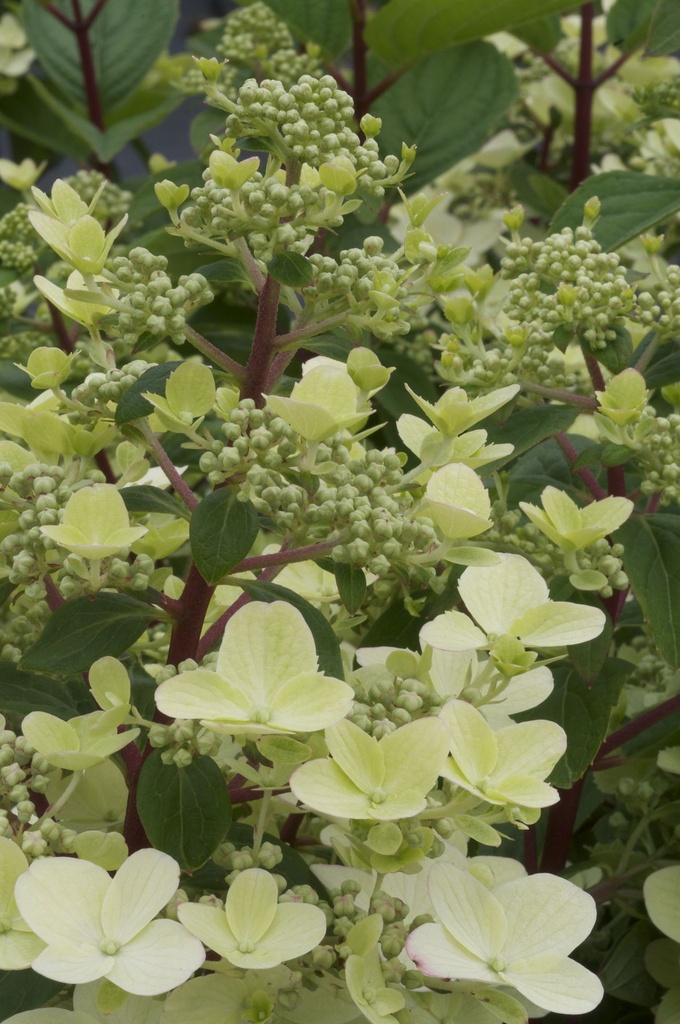
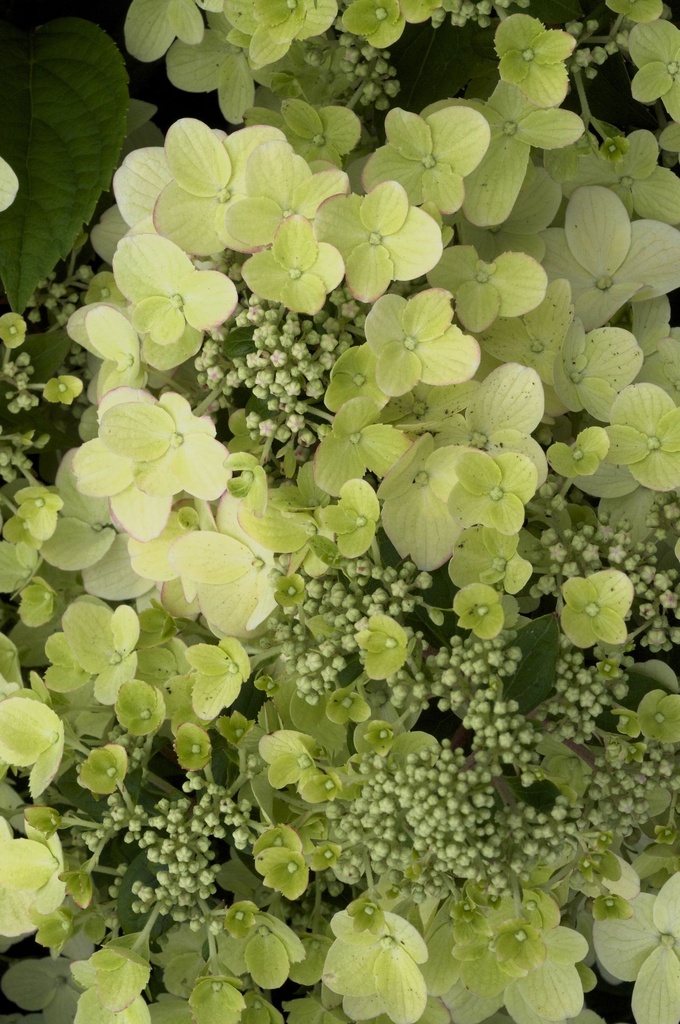
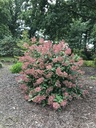
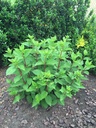
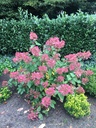
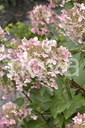
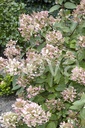
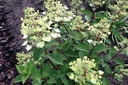
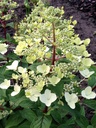
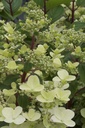
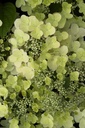
Panicled hydrangea Hydrangea paniculata
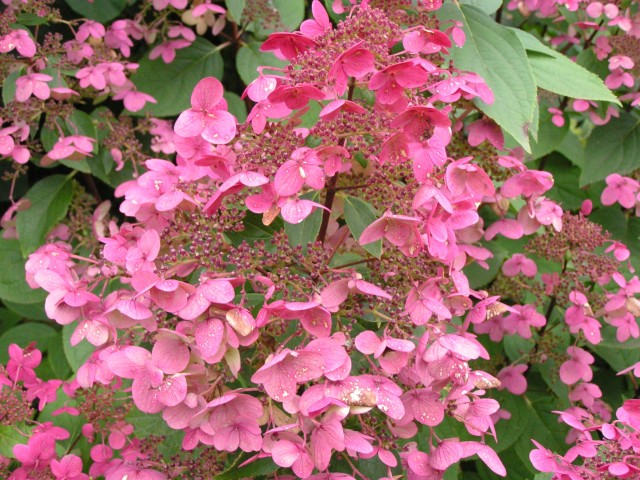
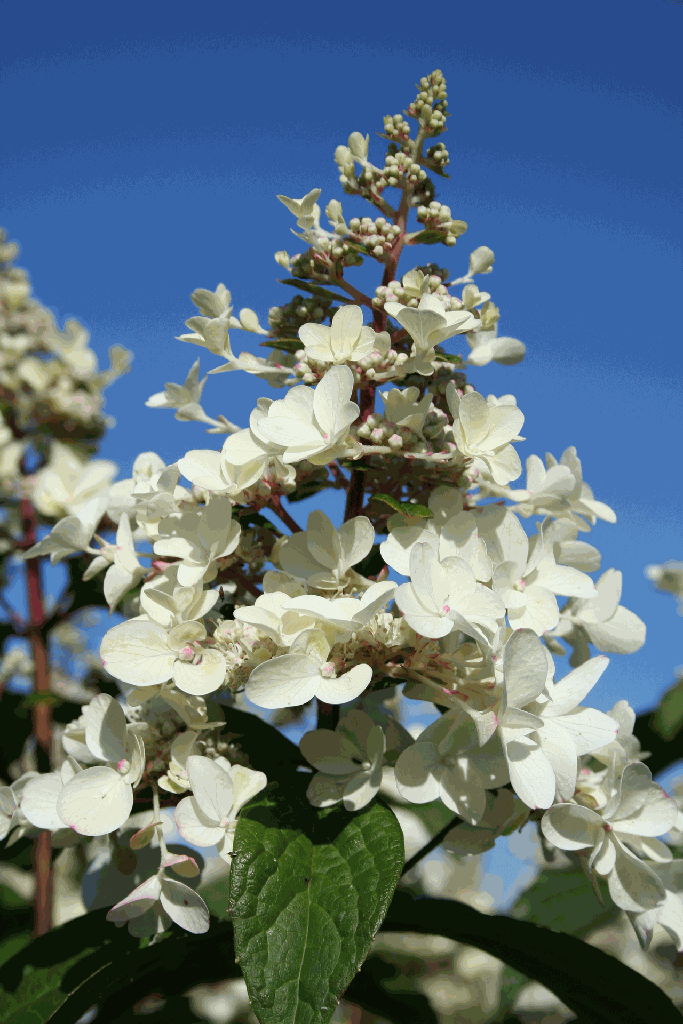
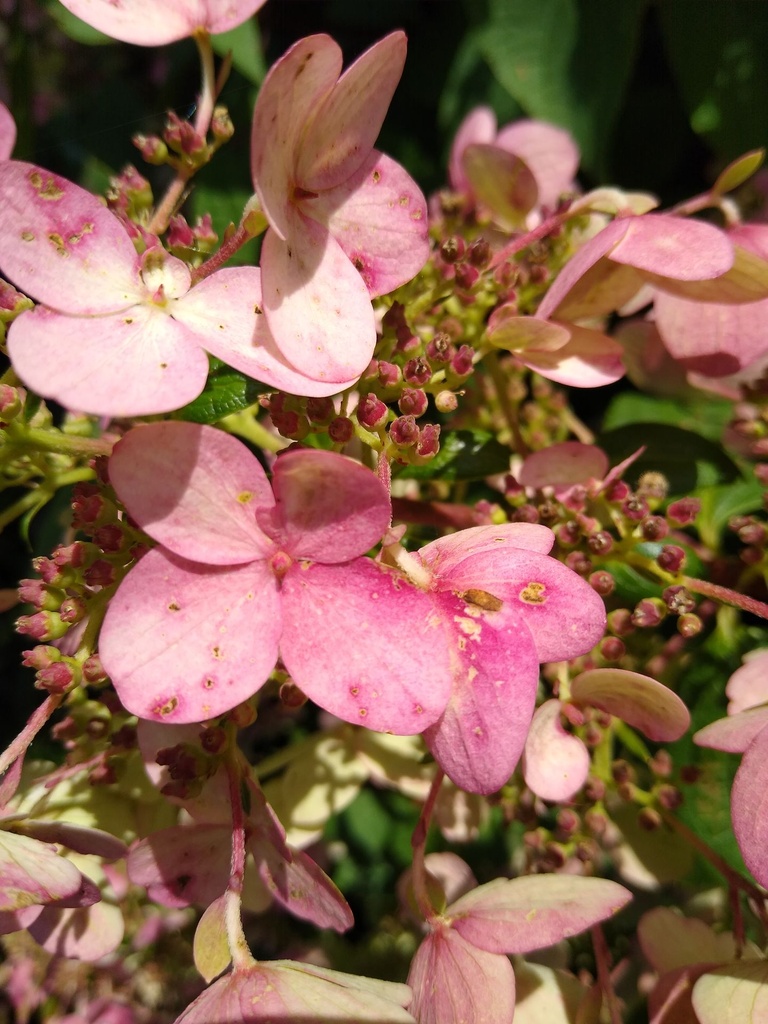
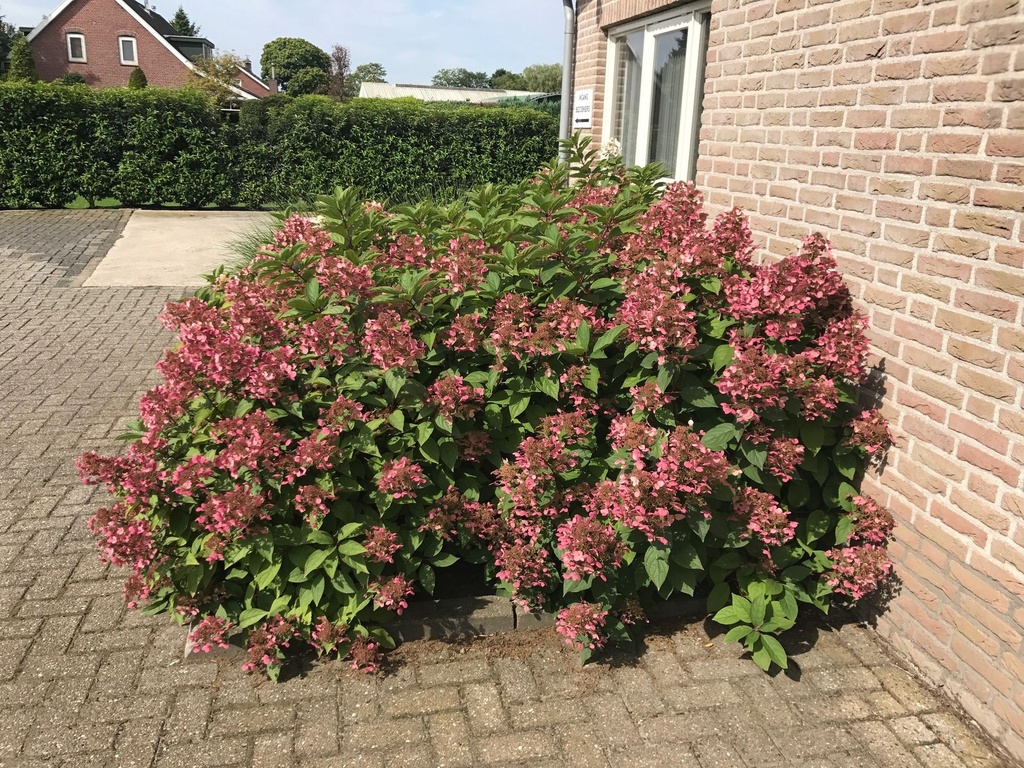
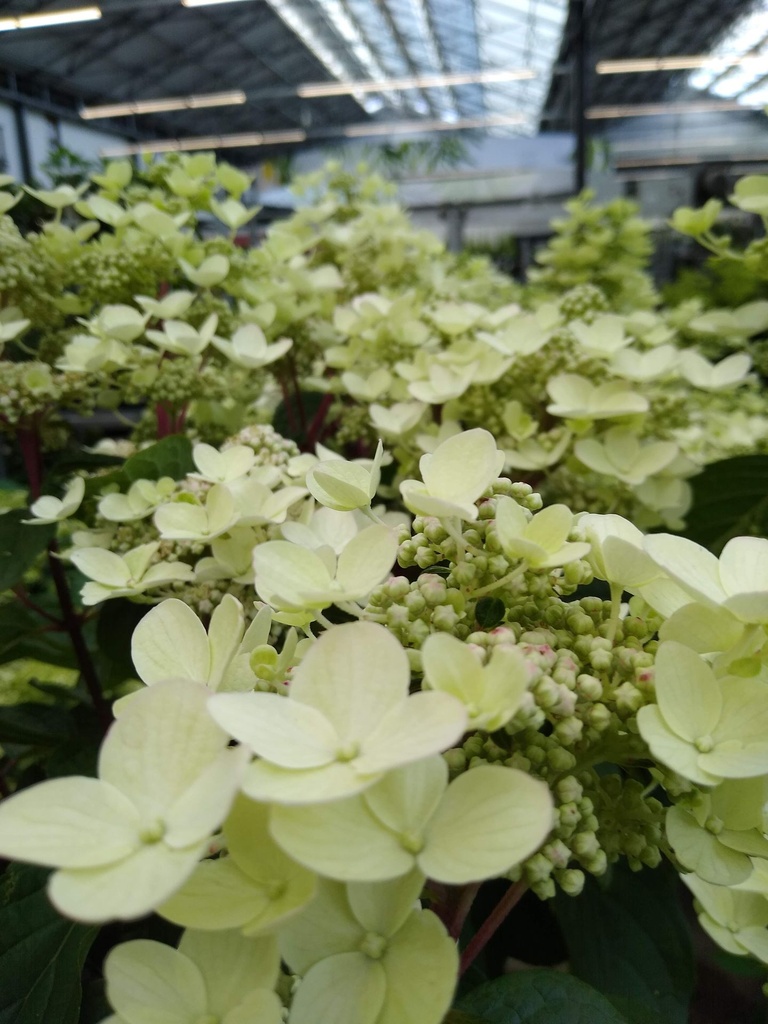
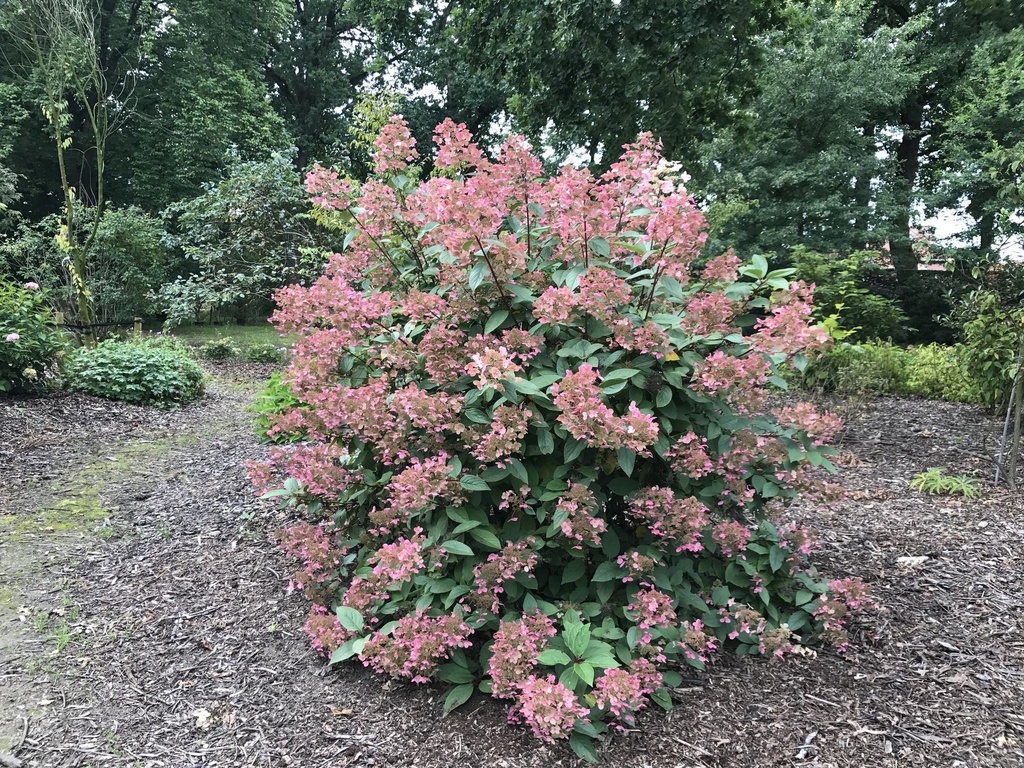
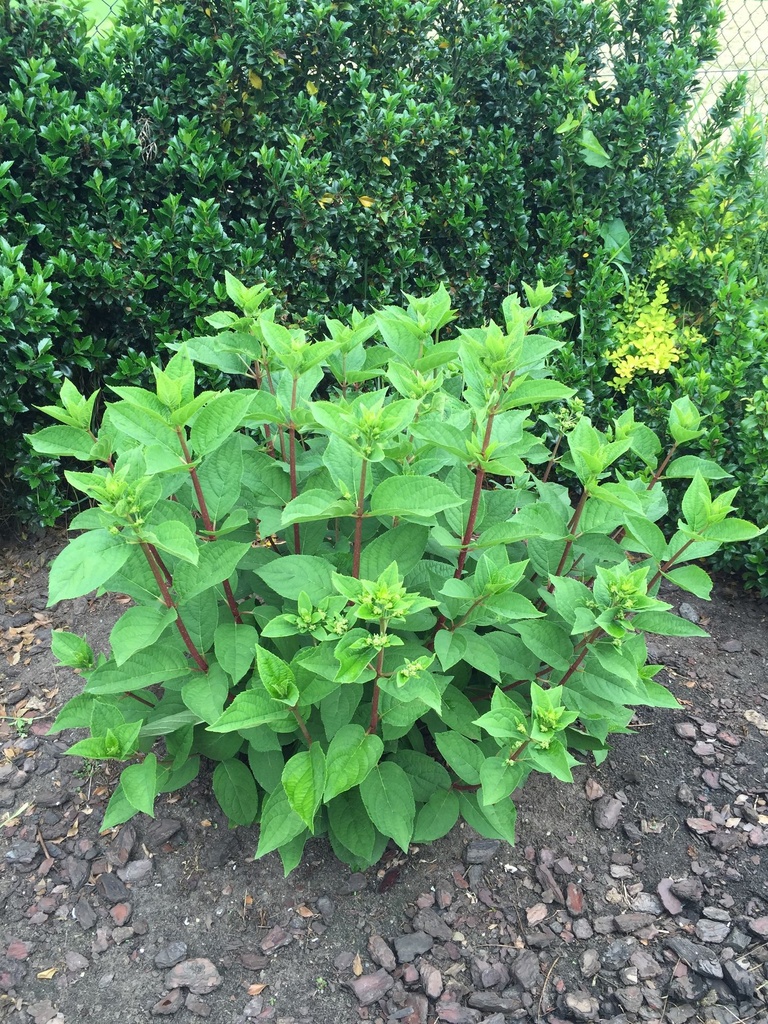
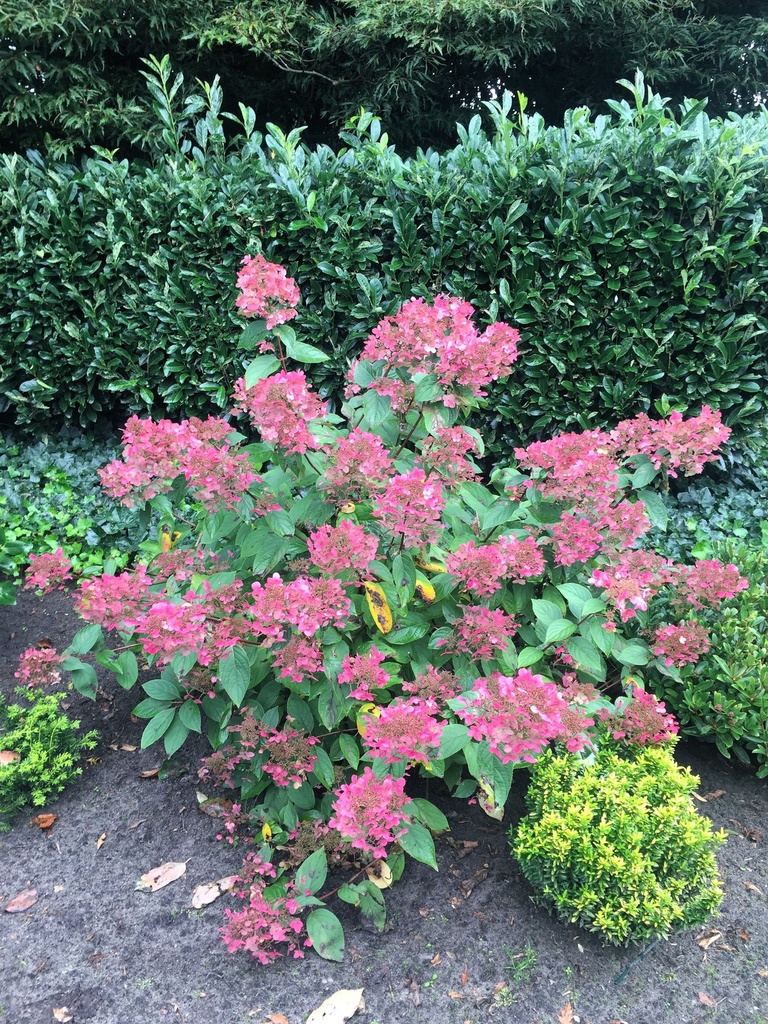
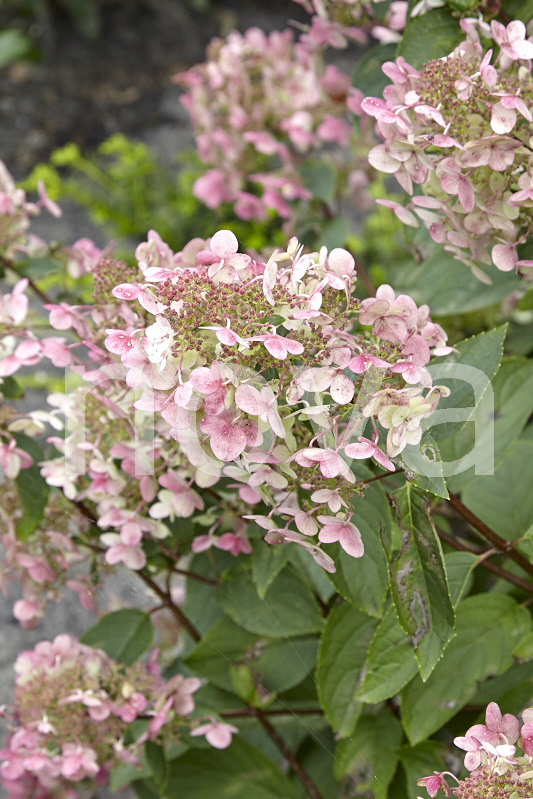
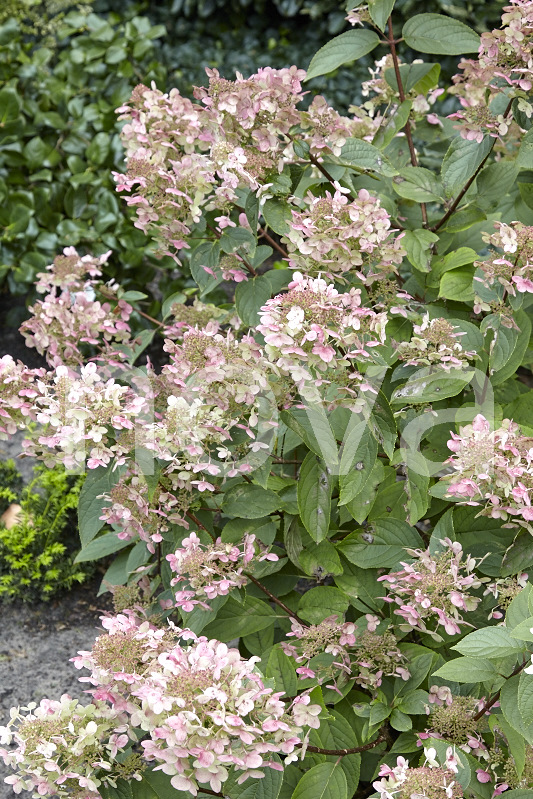
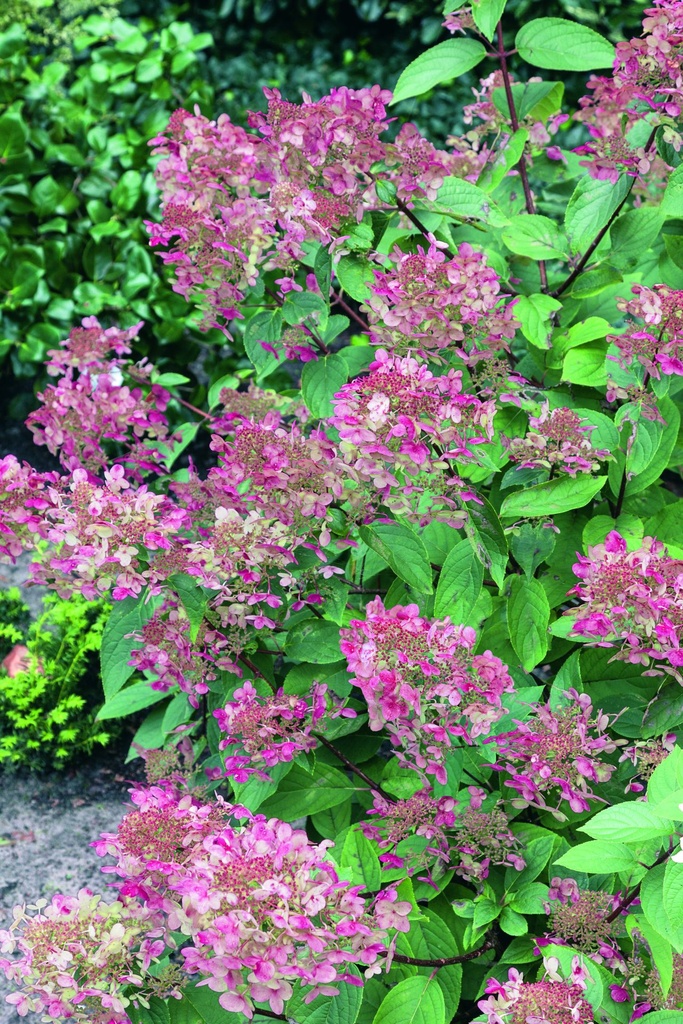
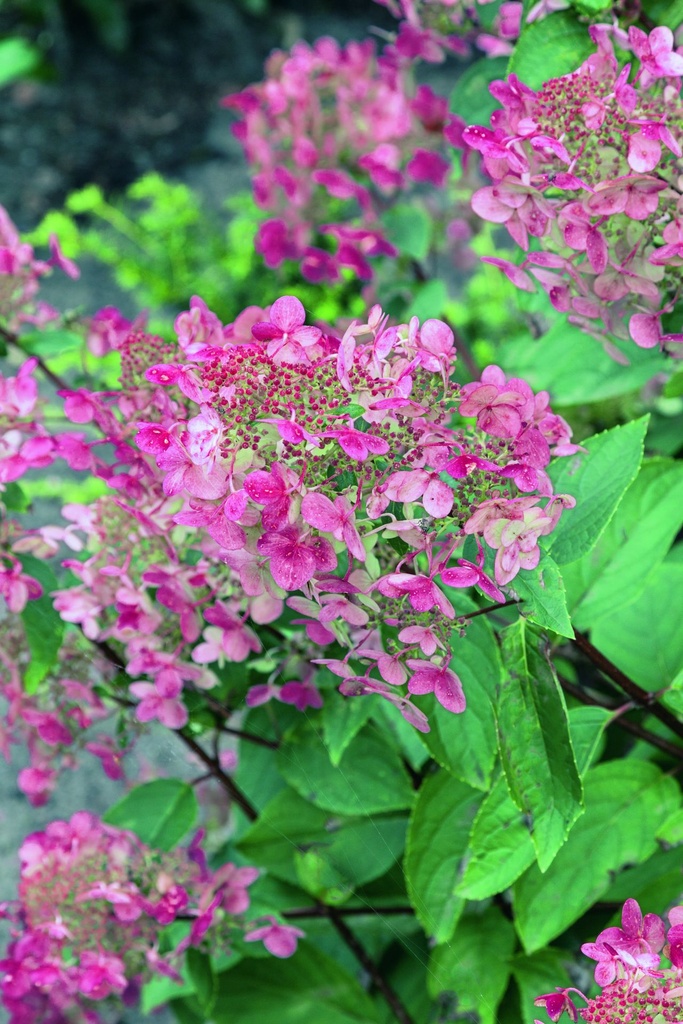
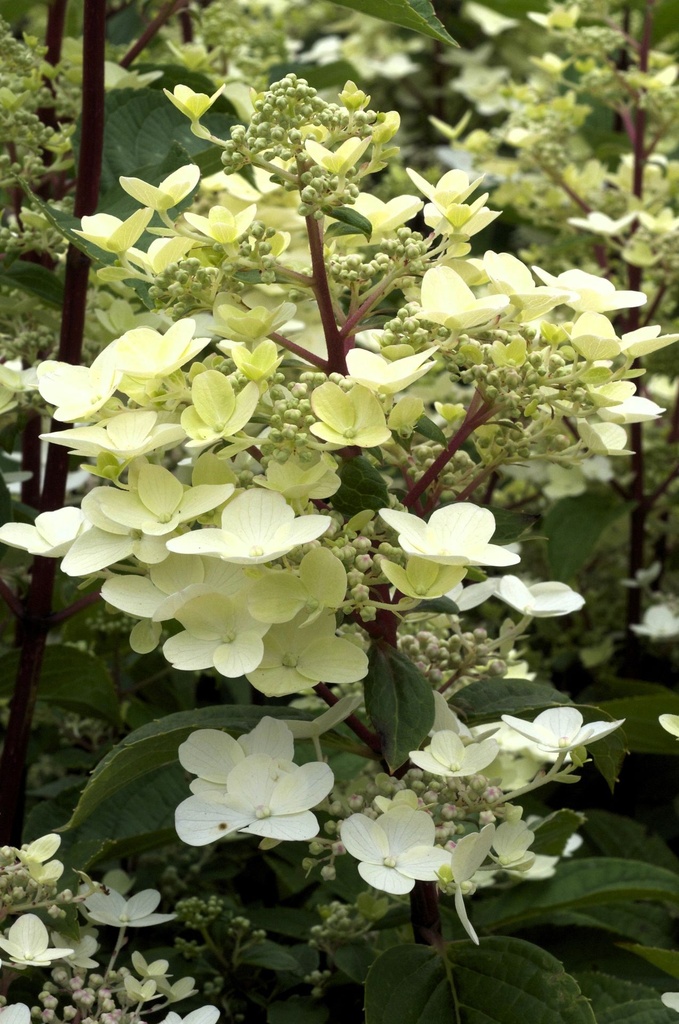
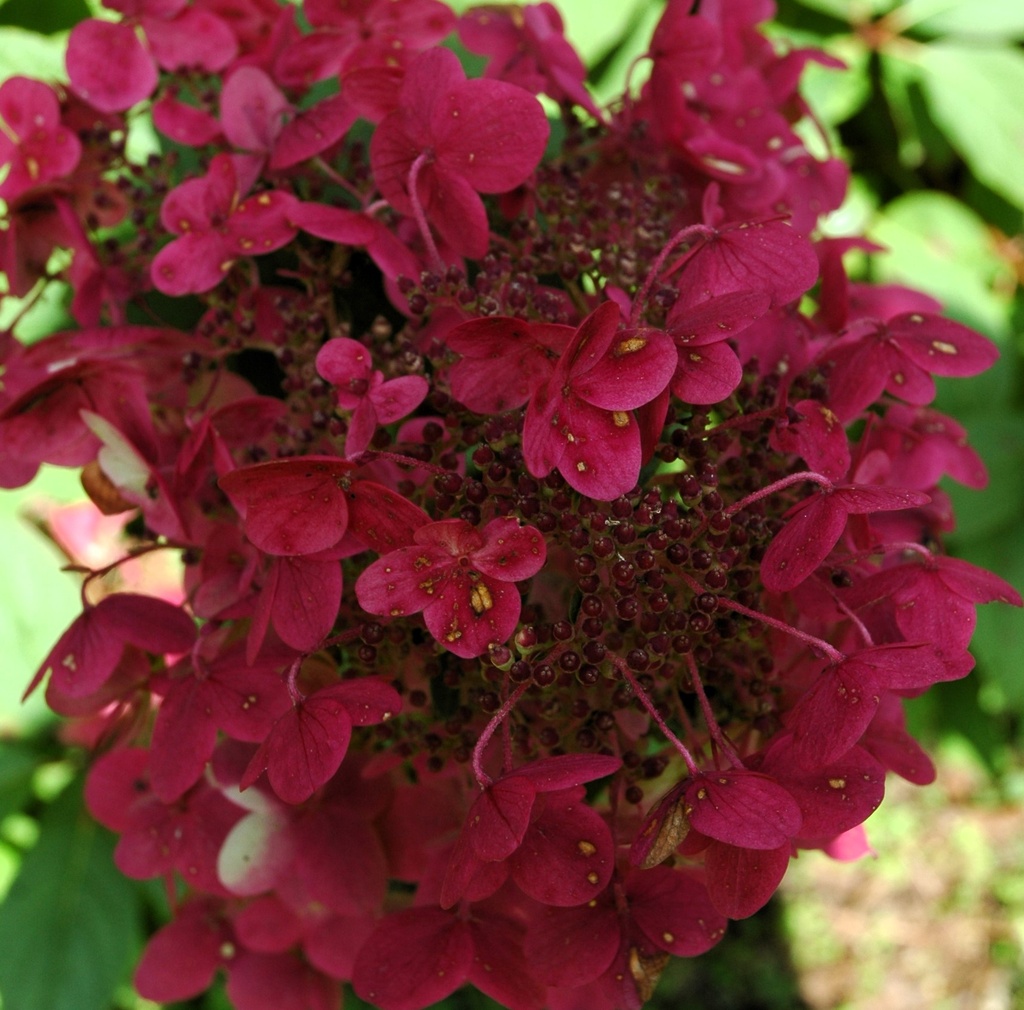
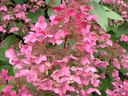
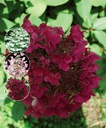
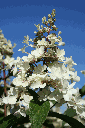
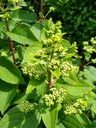
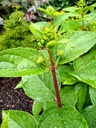
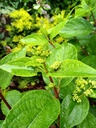
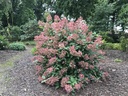
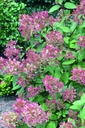
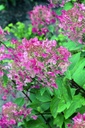
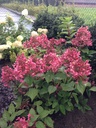
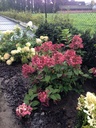
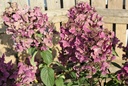
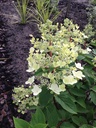
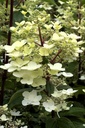
Panicle hydrangeas are among the most rewarding flowering shrubs for the garden. They form large, conical plumes that colour the late summer for weeks, are exceptionally hardy and very easy to maintain.
Location and soil
Panicle hydrangeas thrive in cool, humus-rich but well-drained soil, in full sun to partial shade. They tolerate any pH and cope well with urban conditions.
Pruning and care
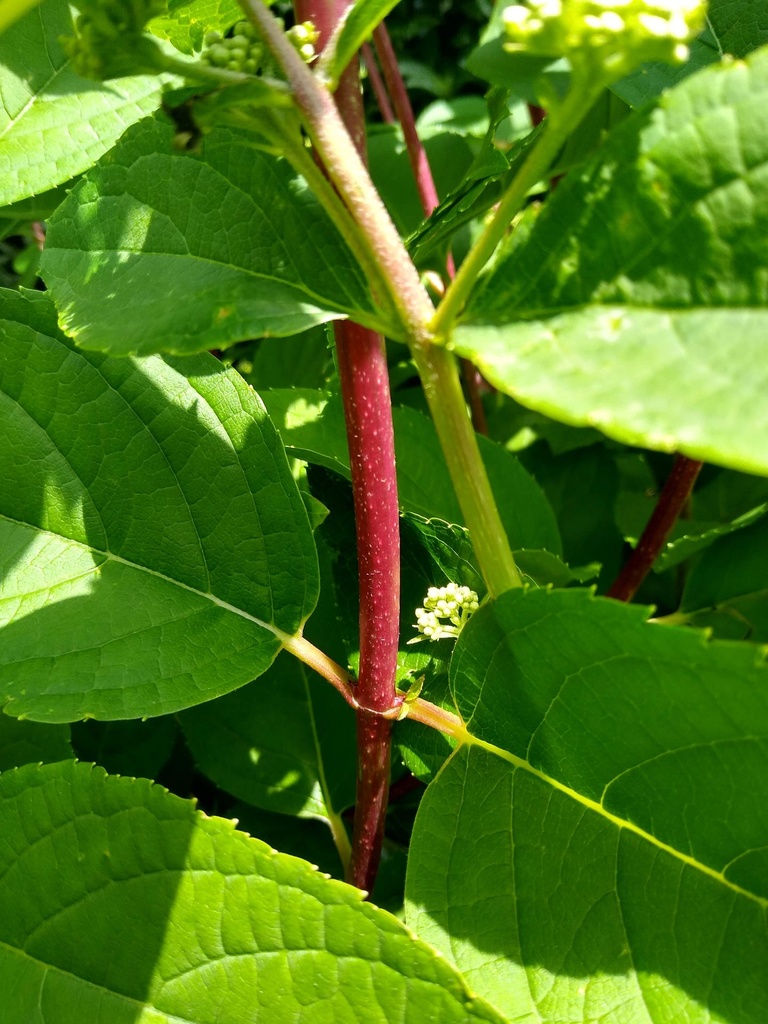
Flowers on new wood. Prune once a year, between January and March, cutting the branches back by about half; the harder you prune, the larger the plumes. No winter protection is needed in open ground, and disease resistance is very good.
Use in the garden
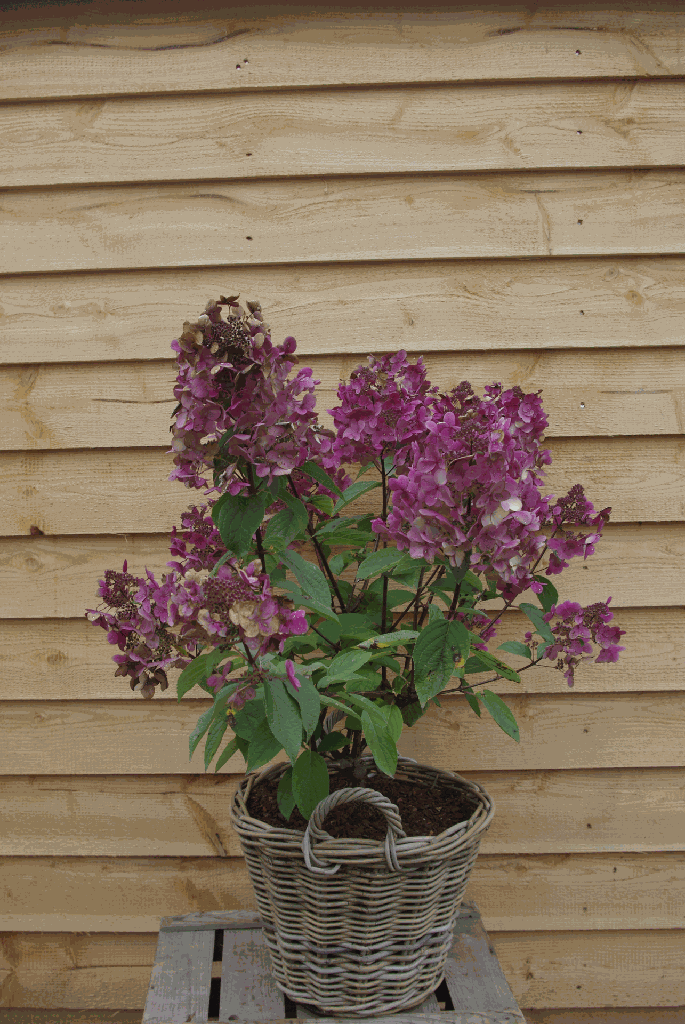
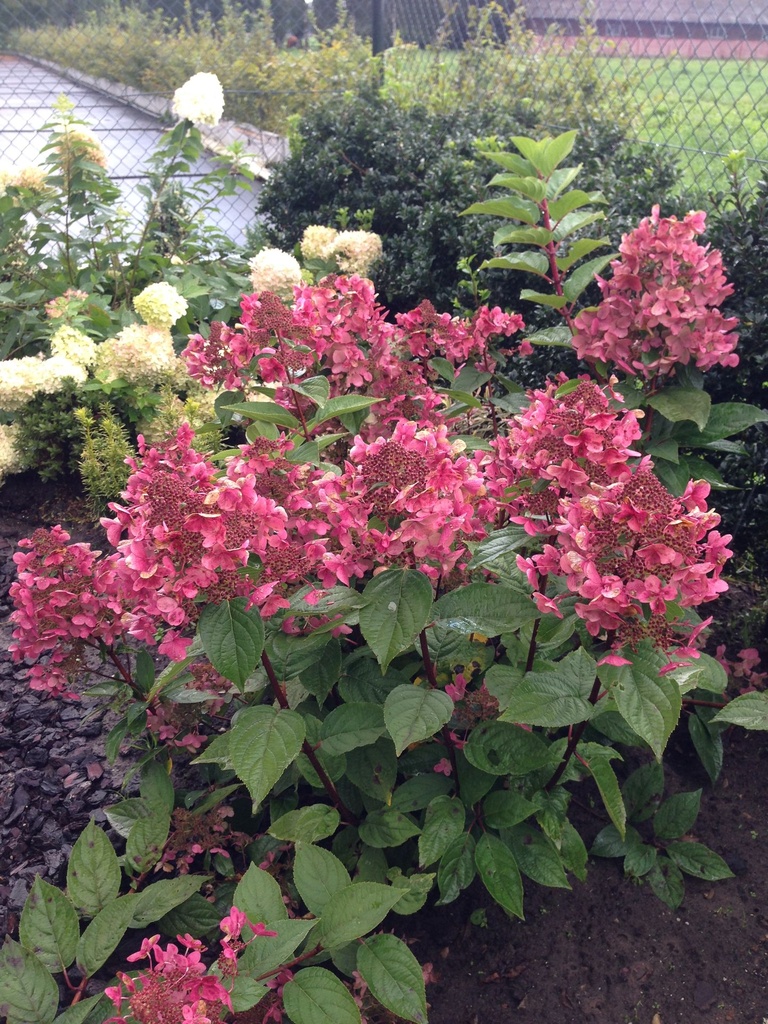
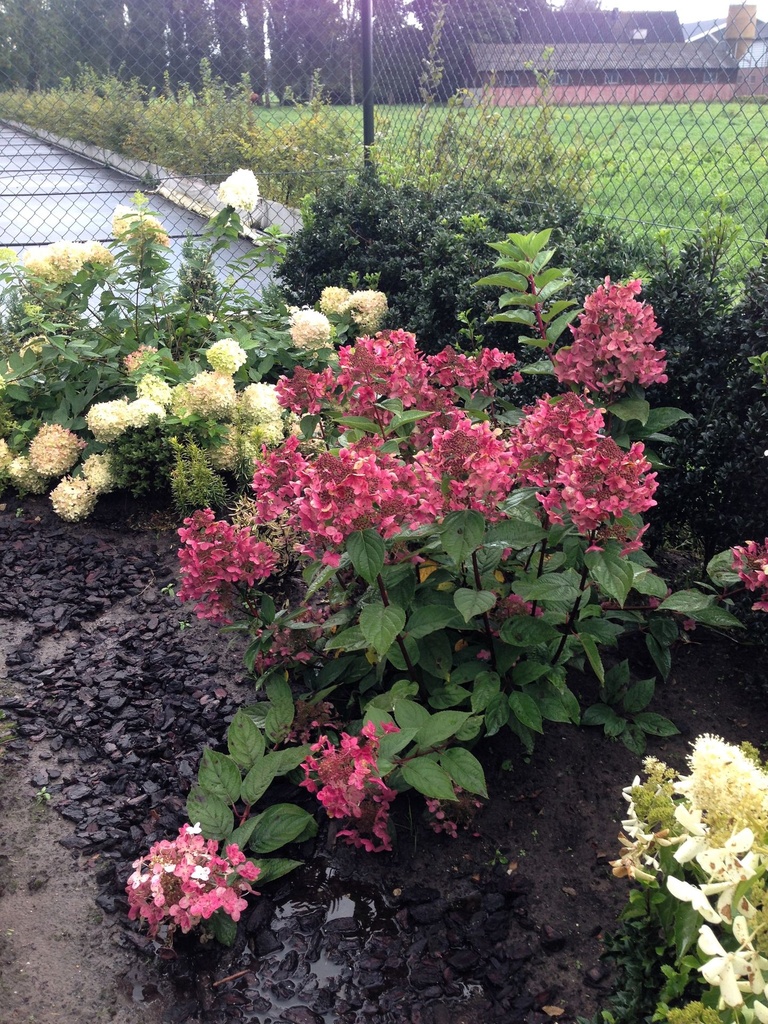
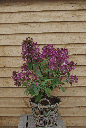
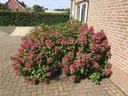
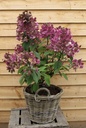
Beautiful as a specimen, in groups in the border or as a flowering hedge; the compact selections also do very well in pots on a terrace or balcony. The plumes are also popular as dried flowers.
Plant characteristics
Bloei
| Flowering period | june, july |
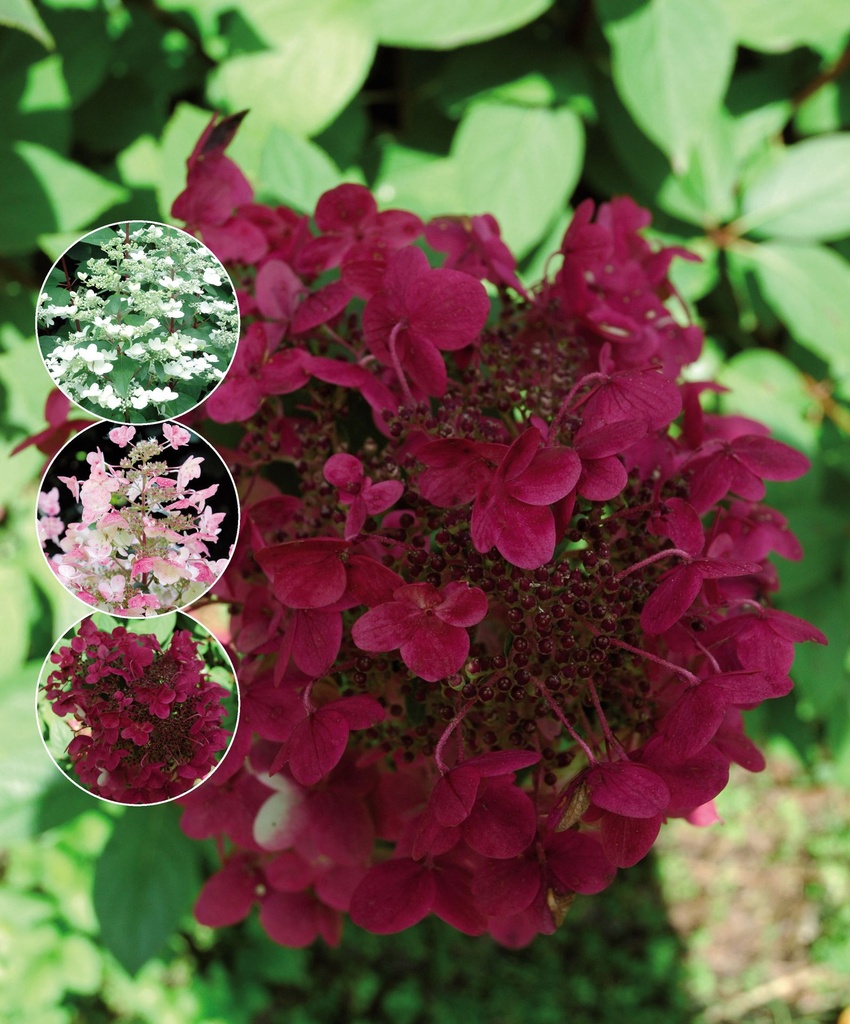
| Colour (flower) | white, red |
Blad
| Evergreen | no |
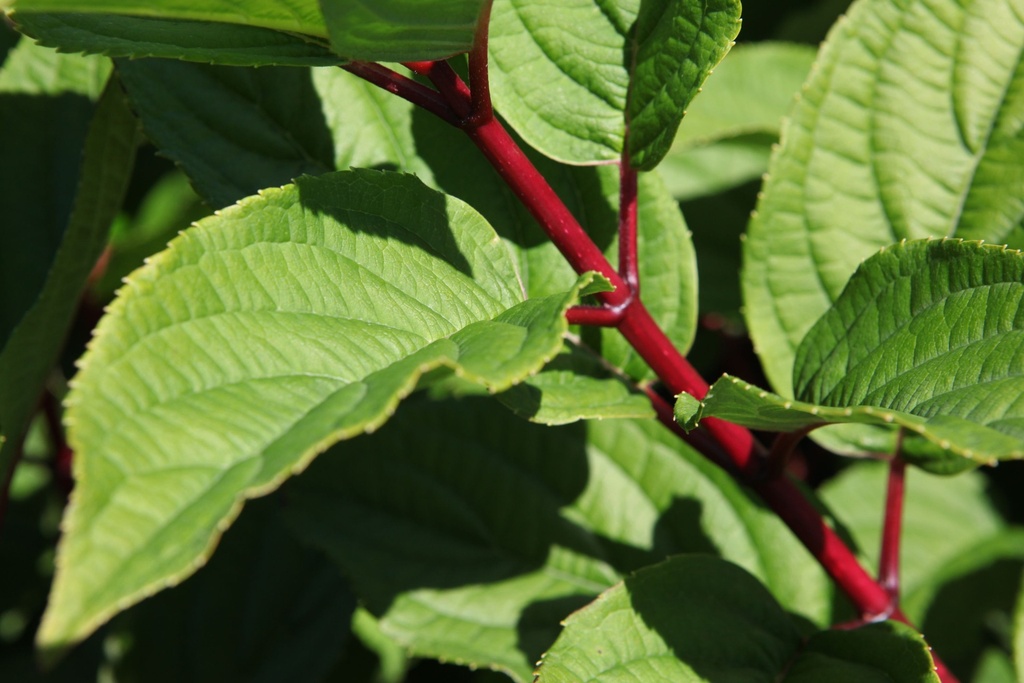
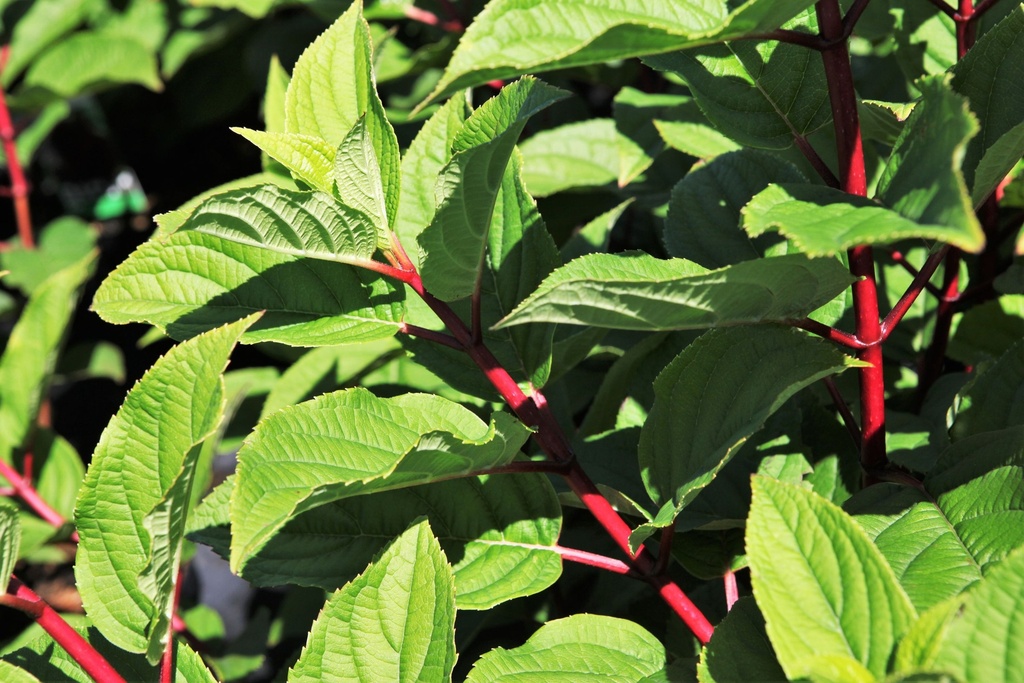
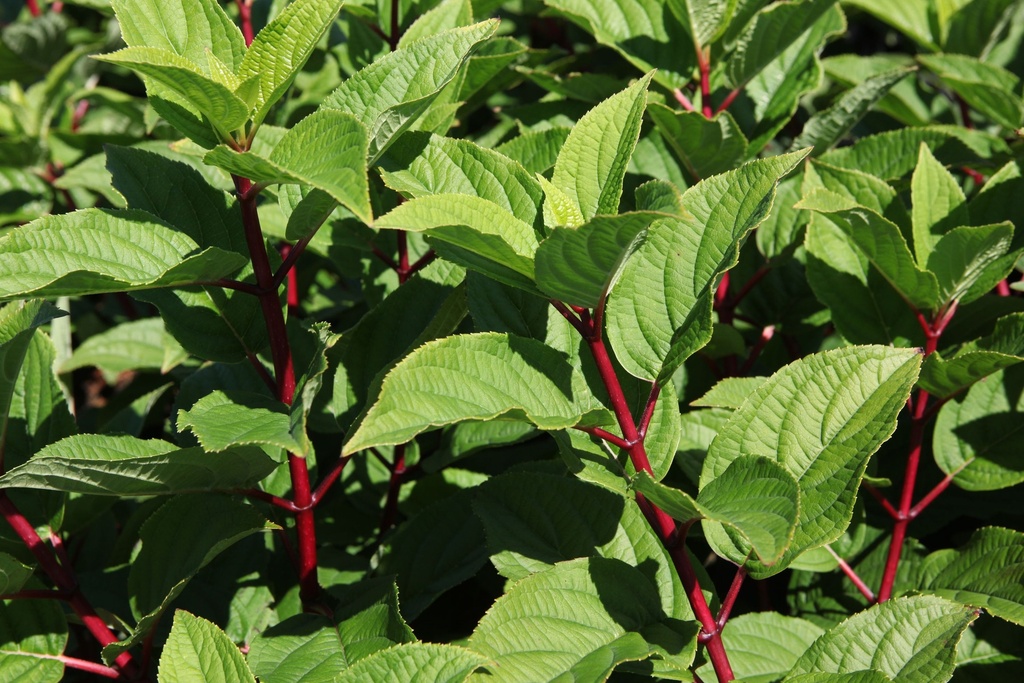
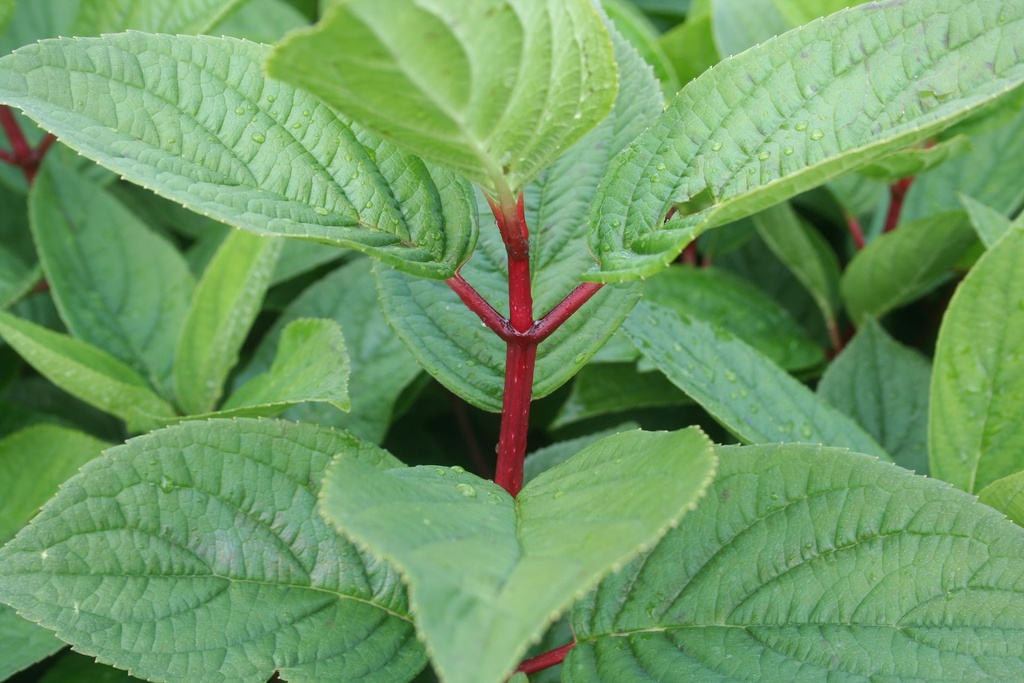
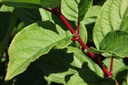
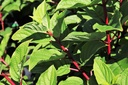
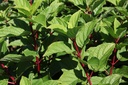
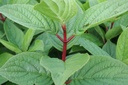
| Colour (foliage) | green |
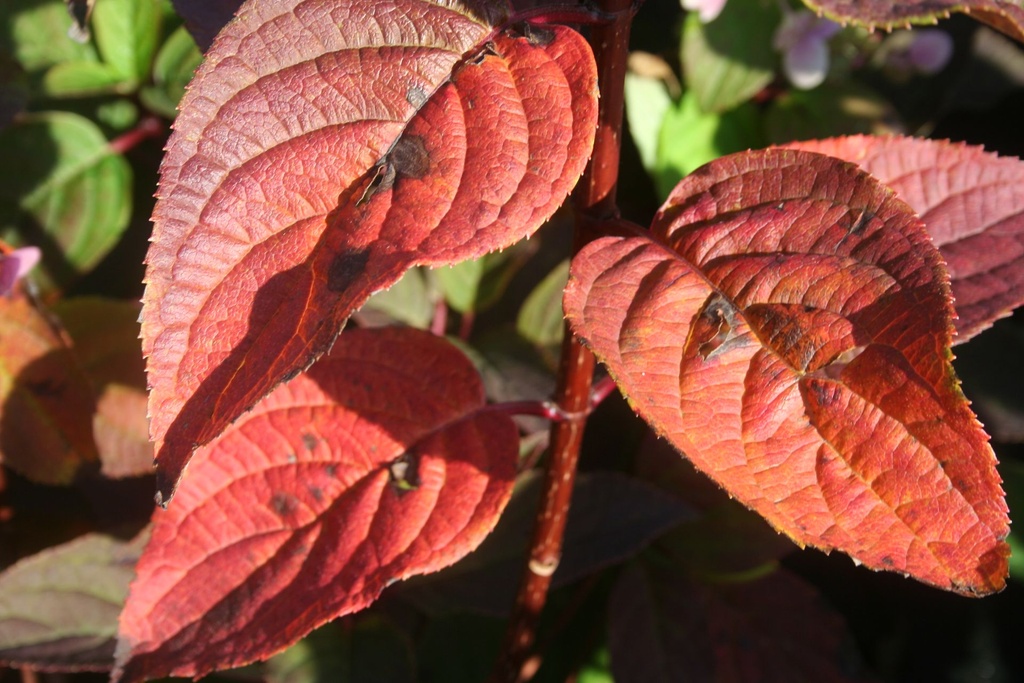
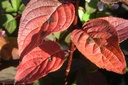
| Autumn colour | red |
Groeiwijze
| Height | 150 cm |
Standplaats
| Winter hardiness | -30 °C |
| Location | sun, half shade |
| Soil moisture | moist, normal |
Gebruik
| Type (use) | shrub, solitary, in group |
Related products
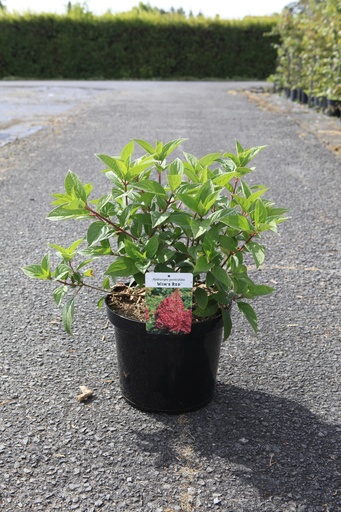
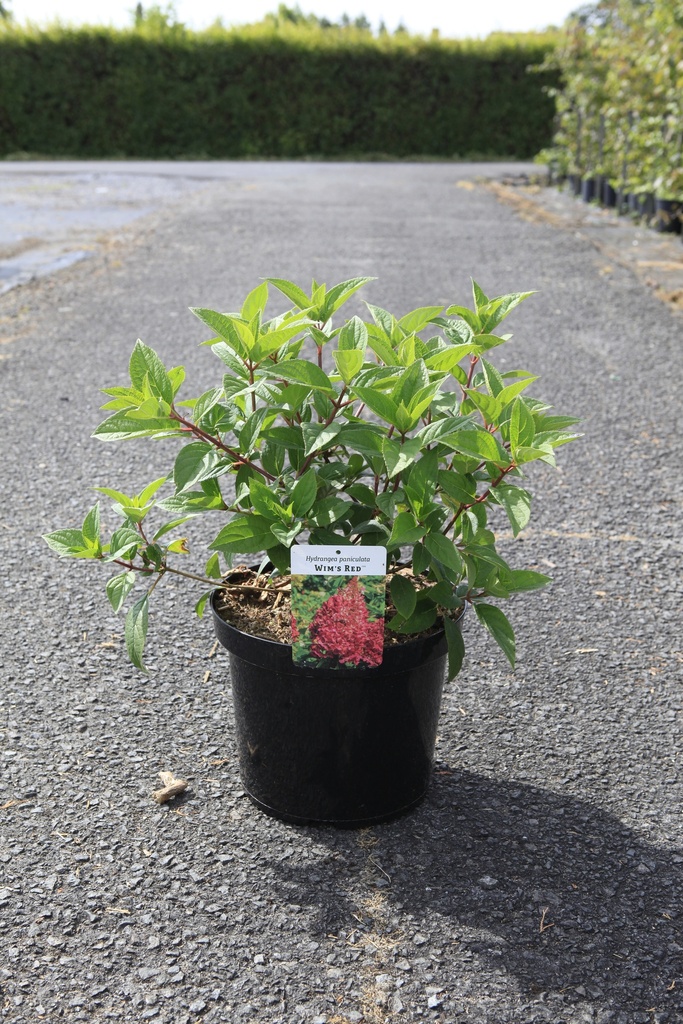
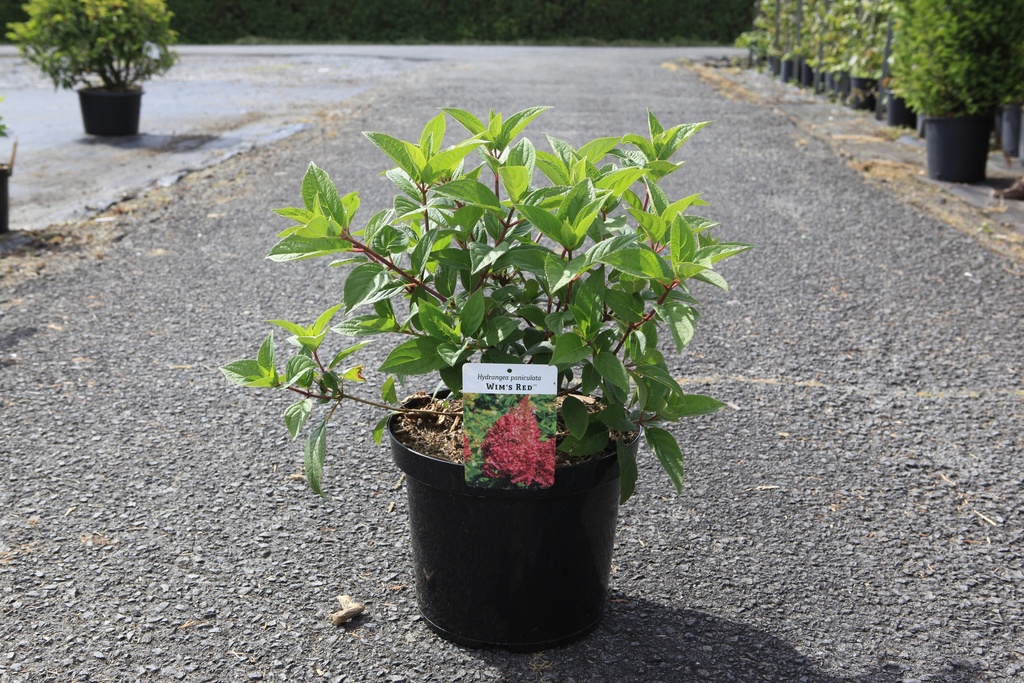
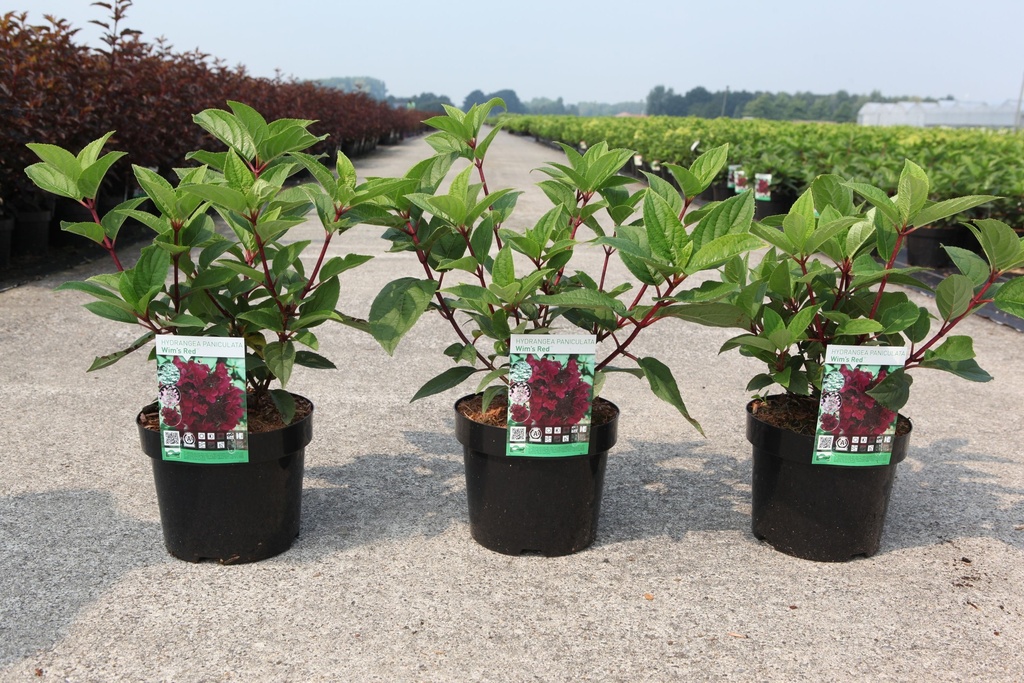
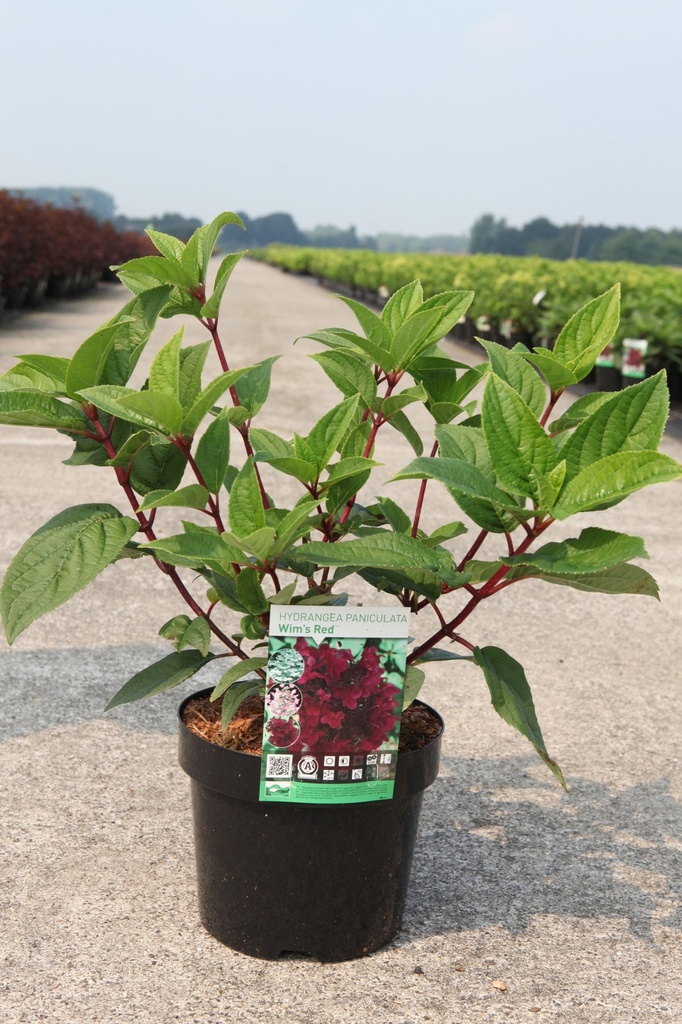
Hydrangea paniculata 'Wim's Red' (PBR)
cont. 3,6L 30-40 cm +p
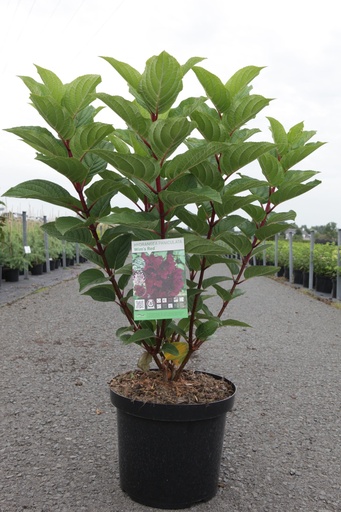
Hydrangea paniculata 'Wim's Red' (PBR)
cont. 10L 60-80 cm +p
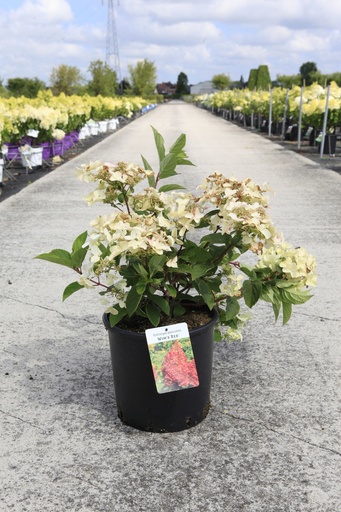
Hydrangea paniculata 'Wim's Red' (PBR)
cont. 12L 40-50 cm +p