


|
J
|
F
|
M
|
A
|
M
|
J
|
J
|
A
|
S
|
O
|
N
|
D
|
|
J
|
F
|
M
|
A
|
M
|
J
|
J
|
A
|
S
|
O
|
N
|
D
|
|
J
|
F
|
M
|
A
|
M
|
J
|
J
|
A
|
S
|
O
|
N
|
D
|
About this plant
What makes this plant special
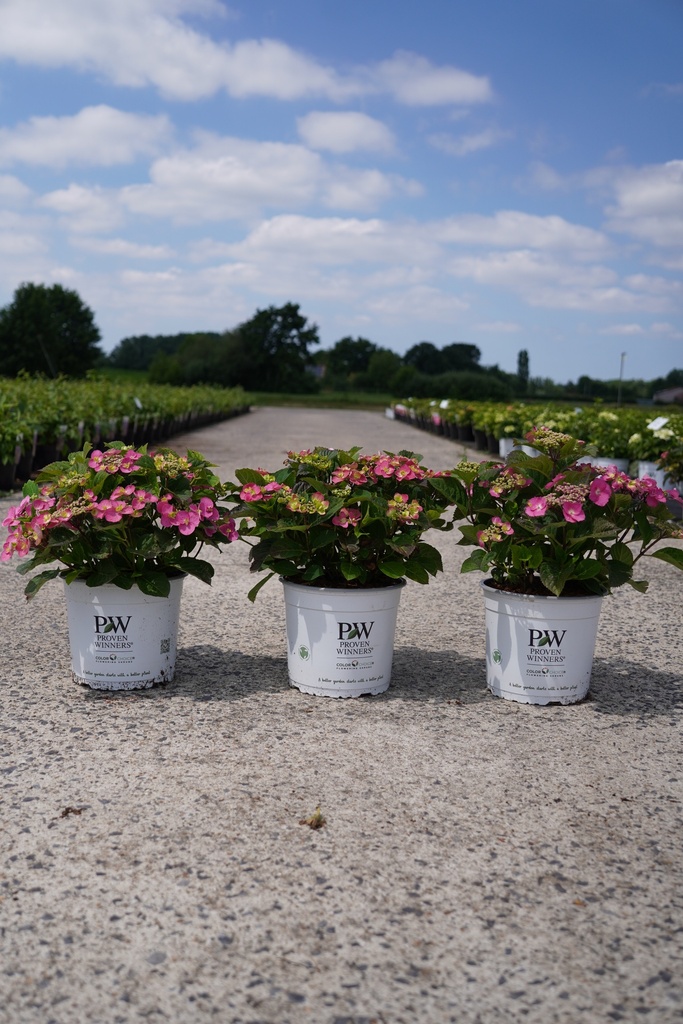
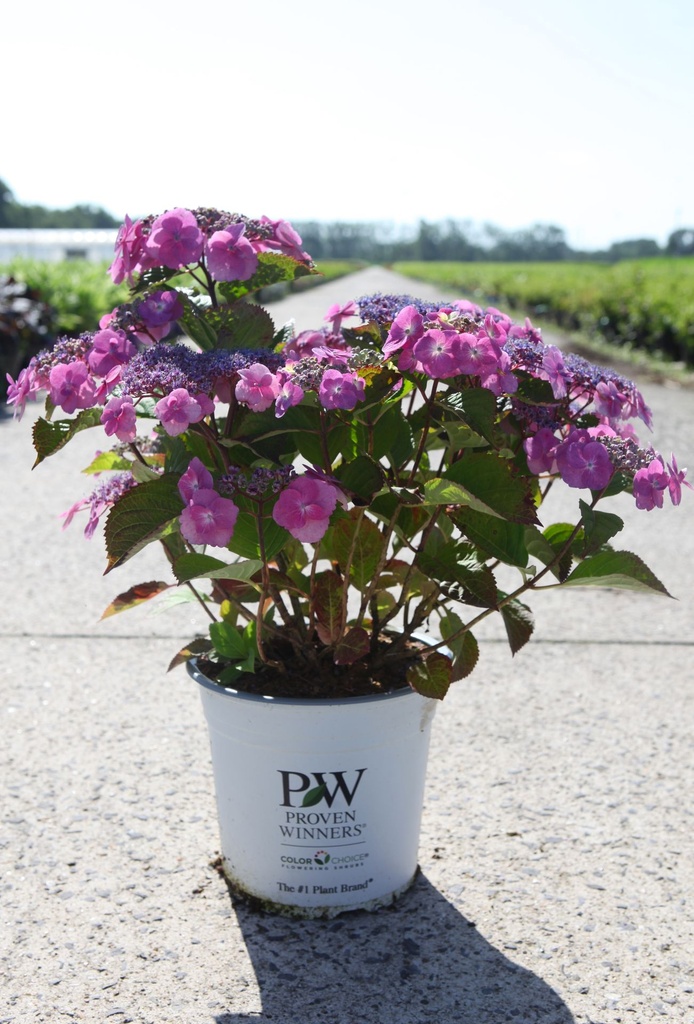
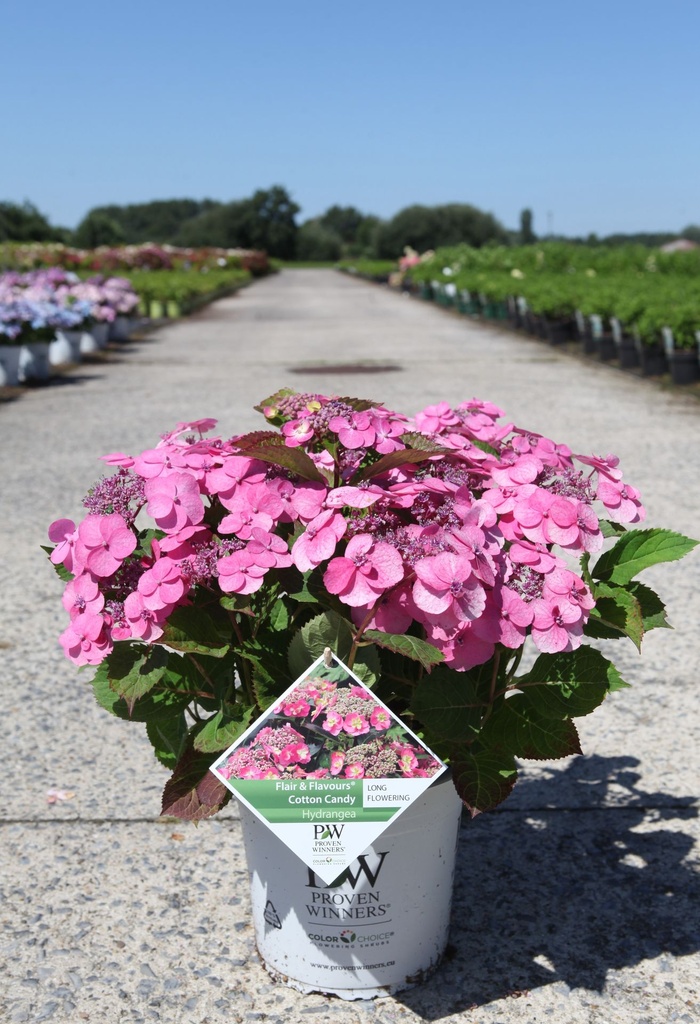
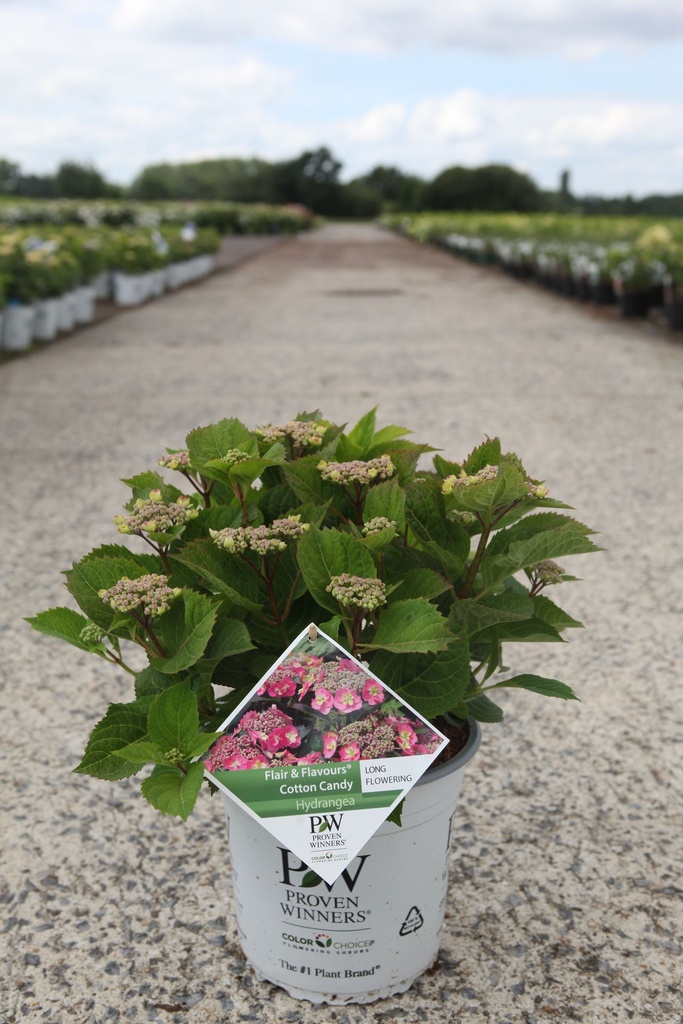
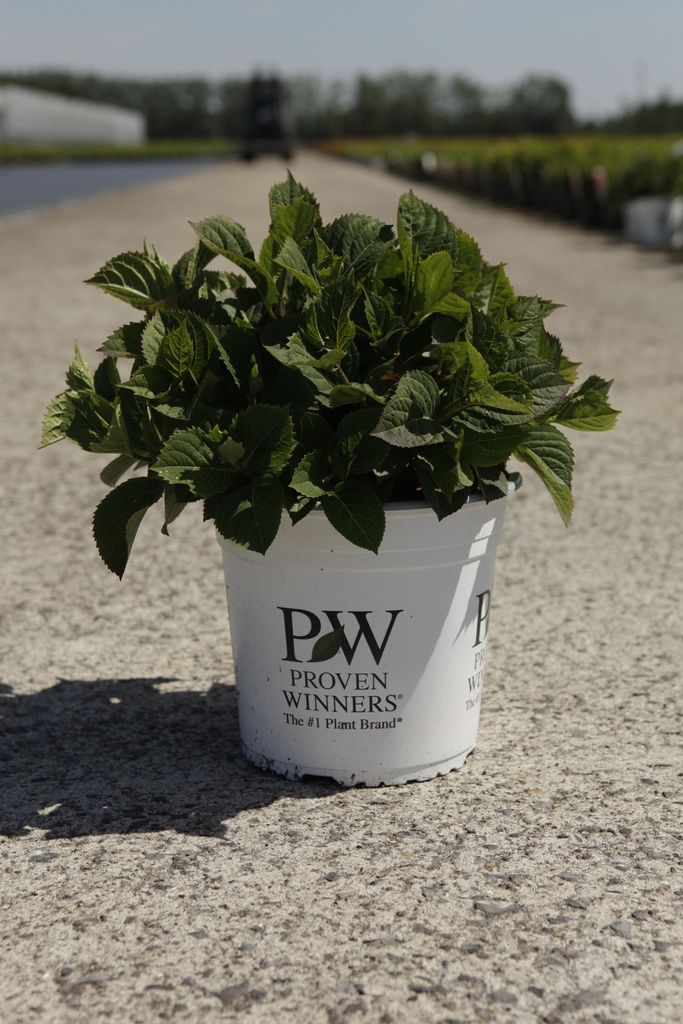
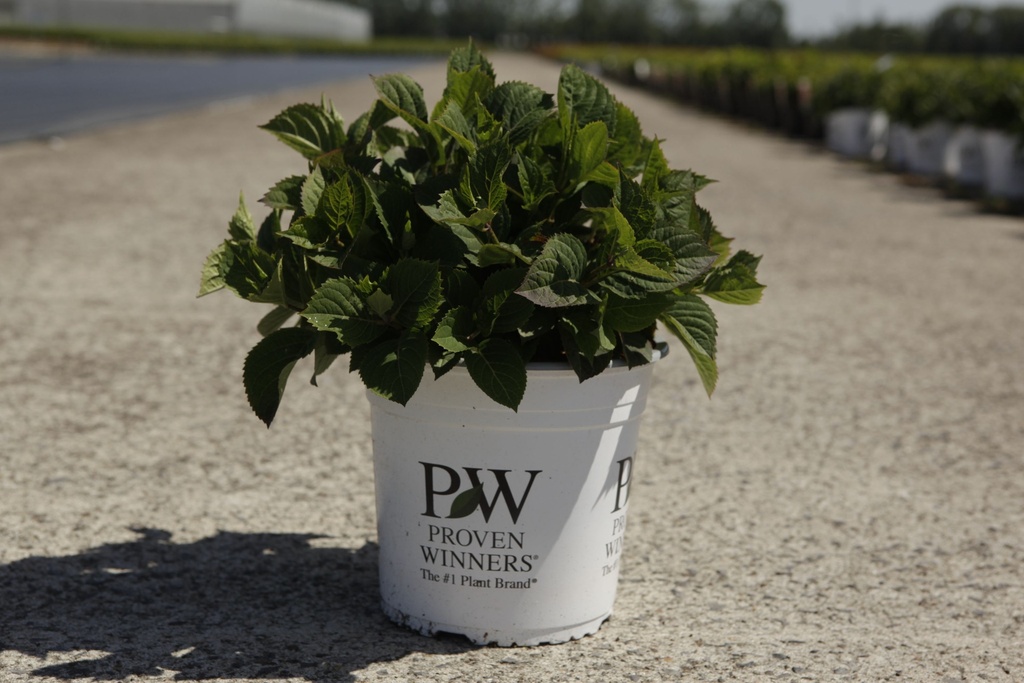
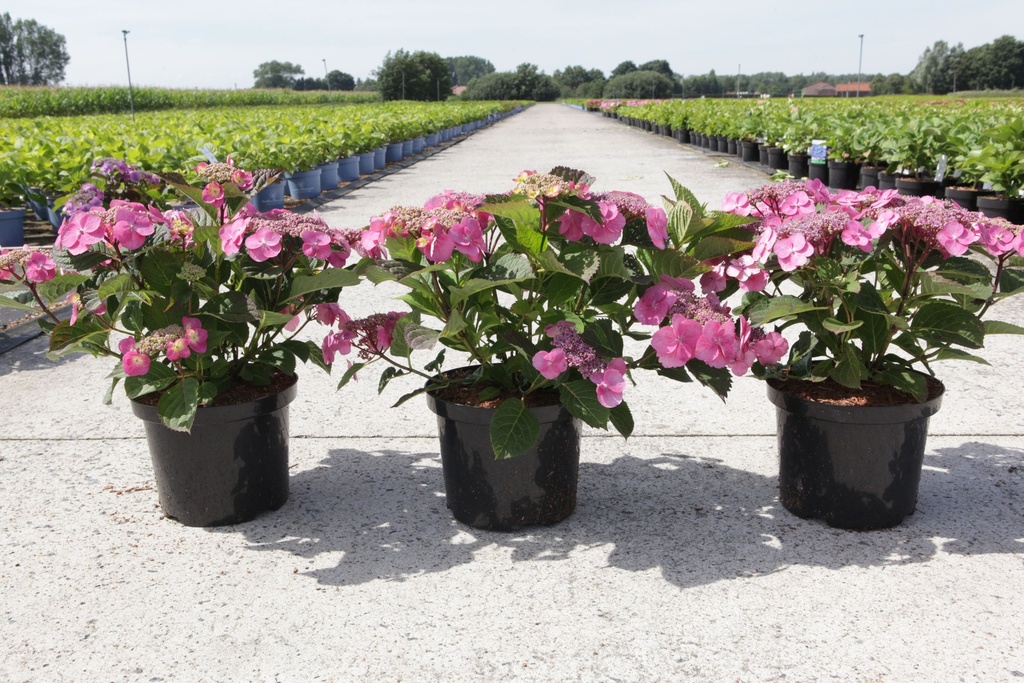
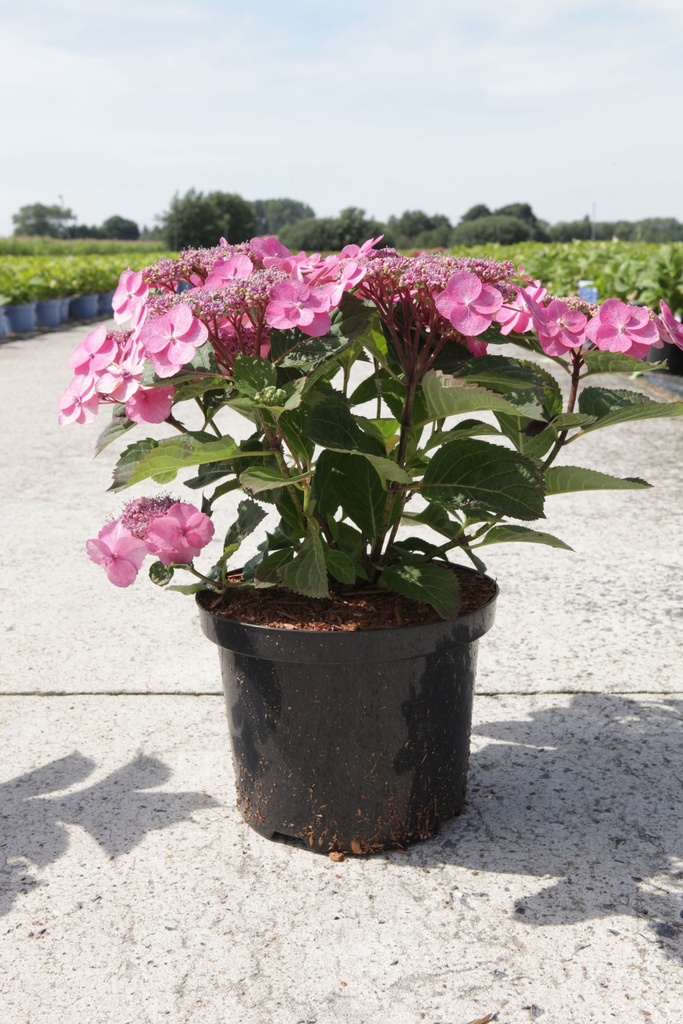
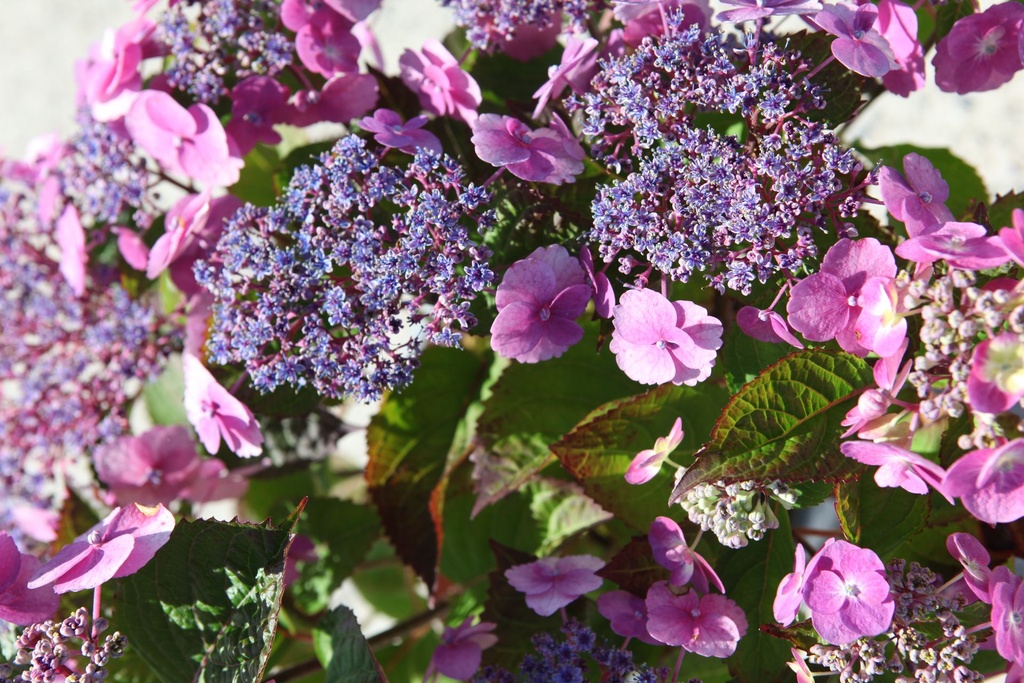
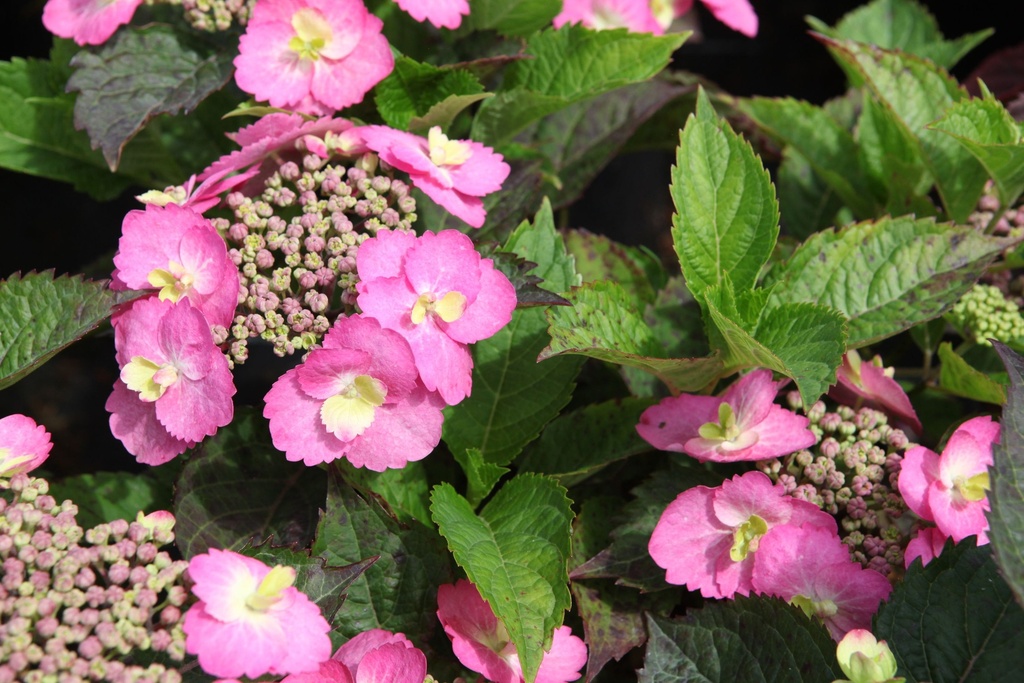
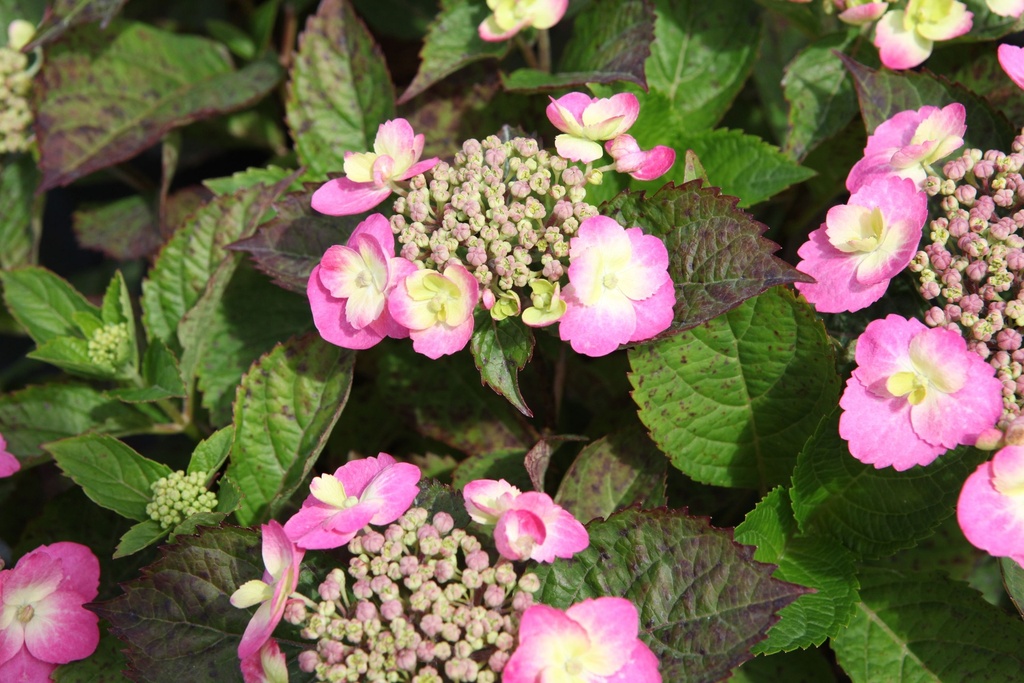
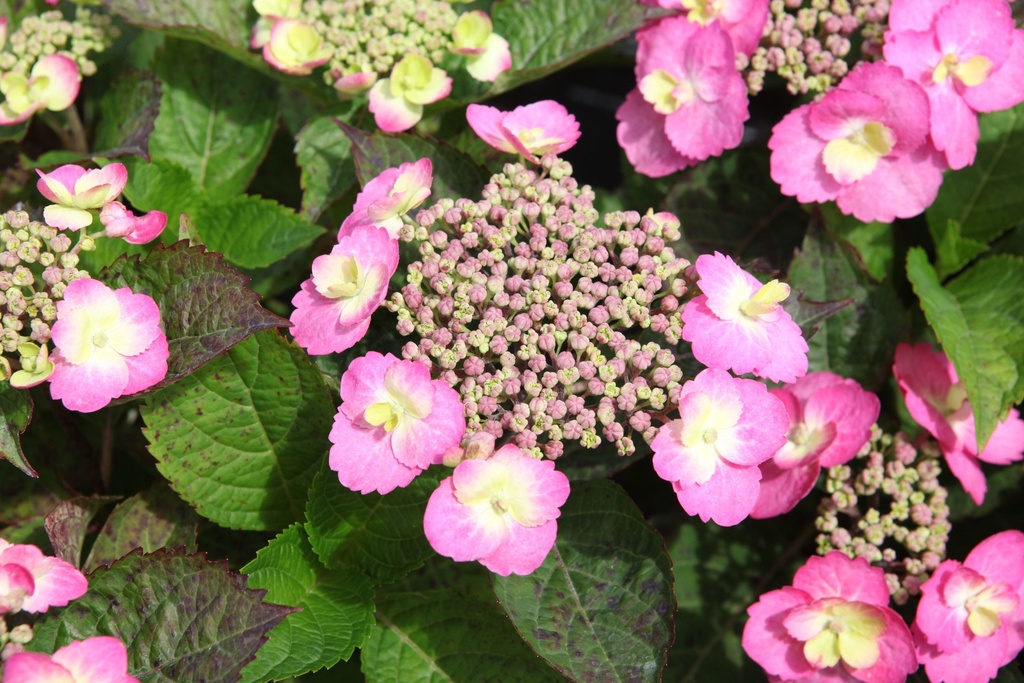
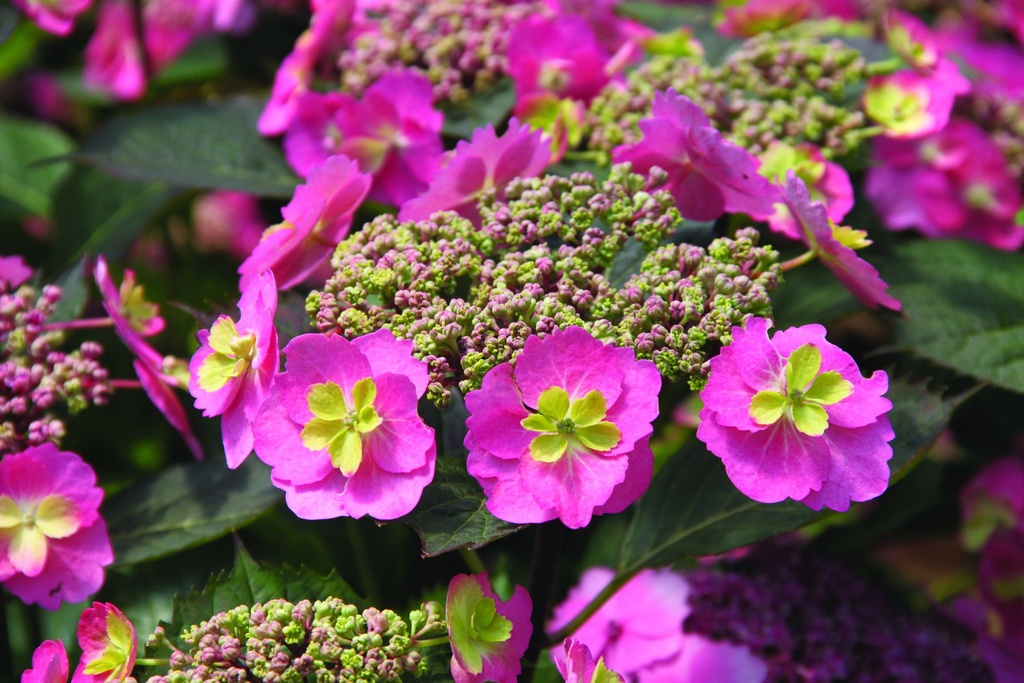
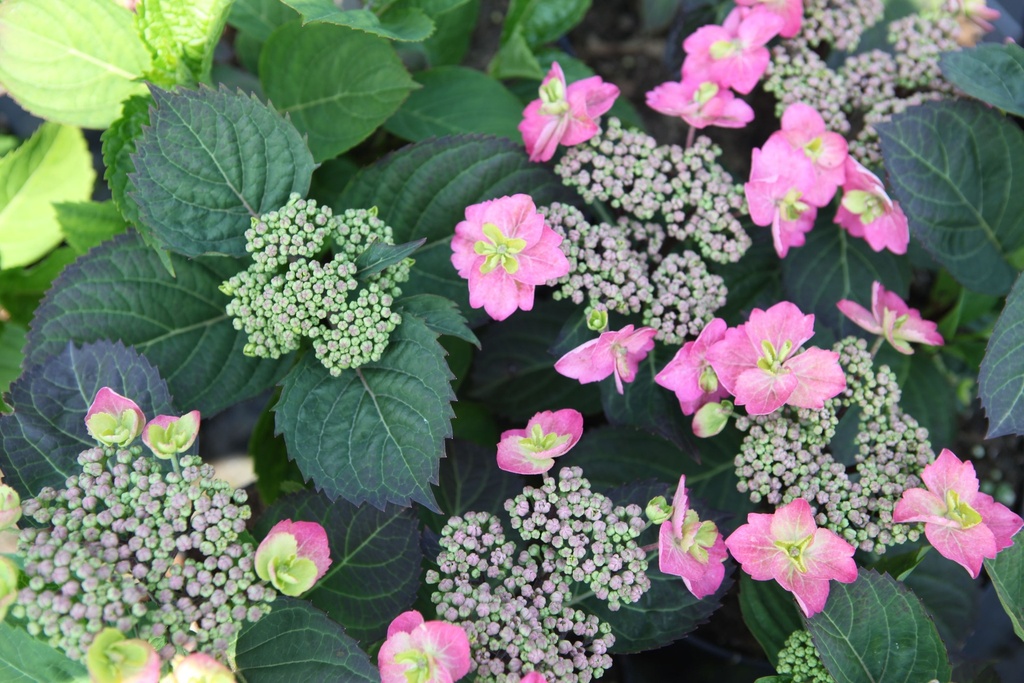
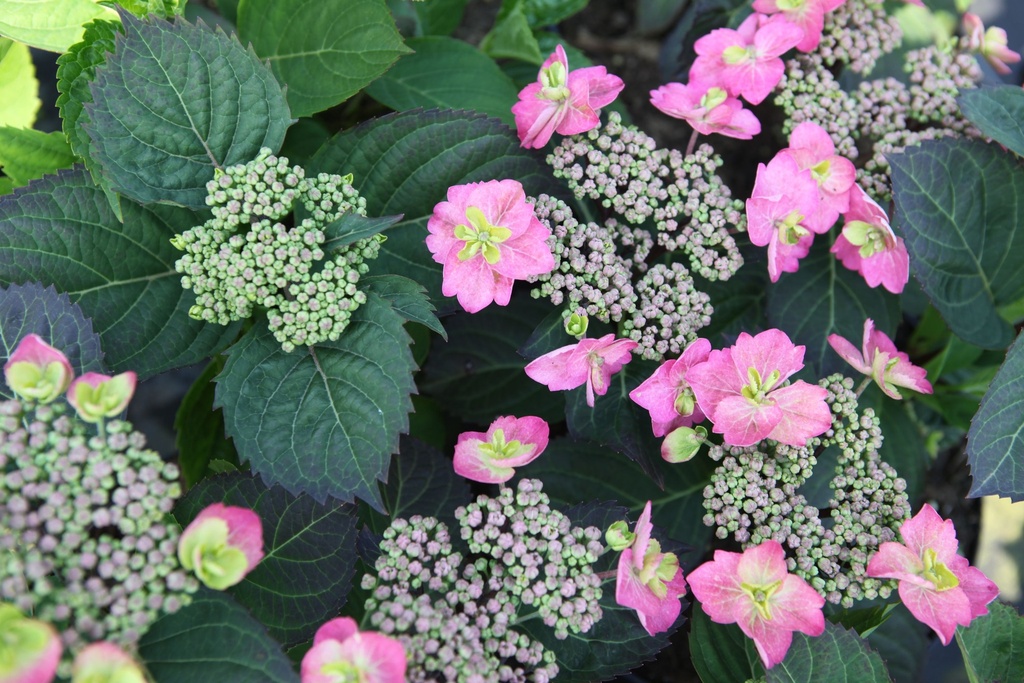
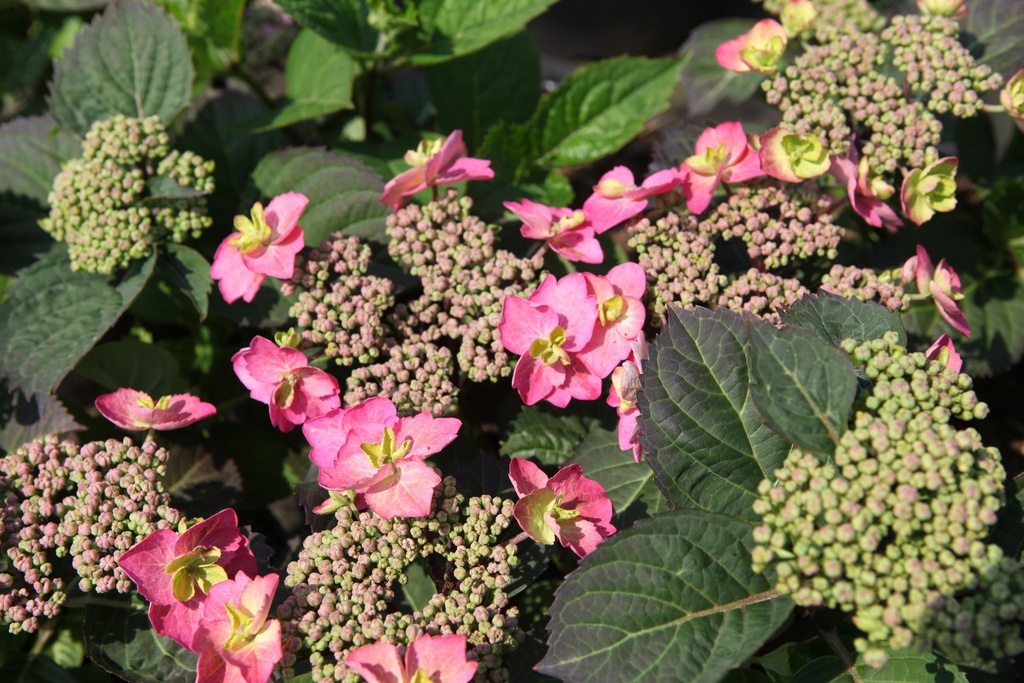
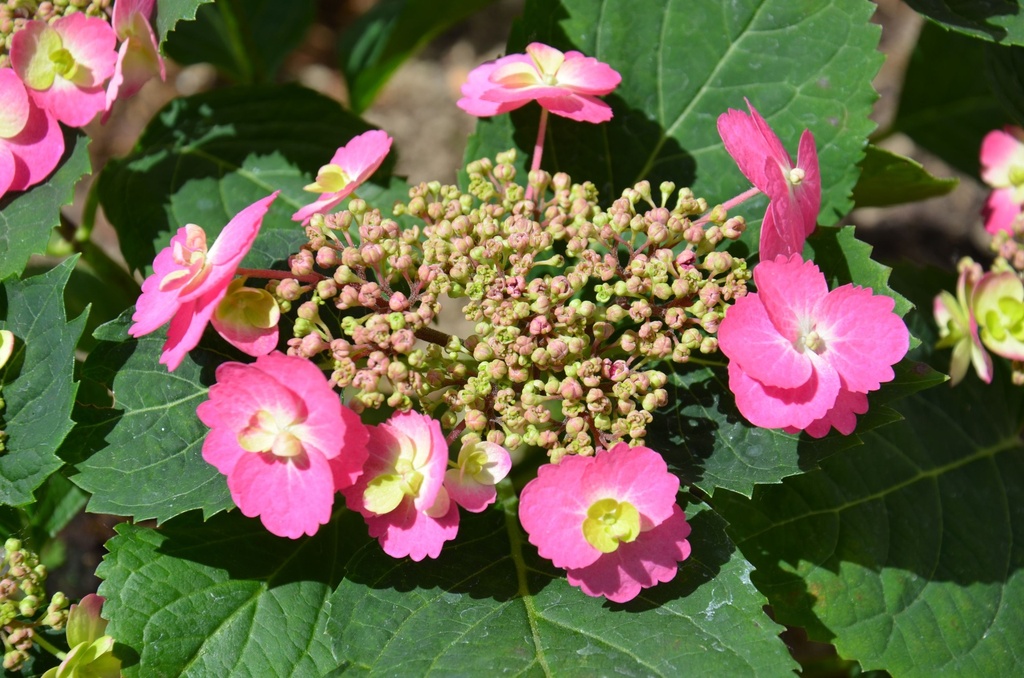
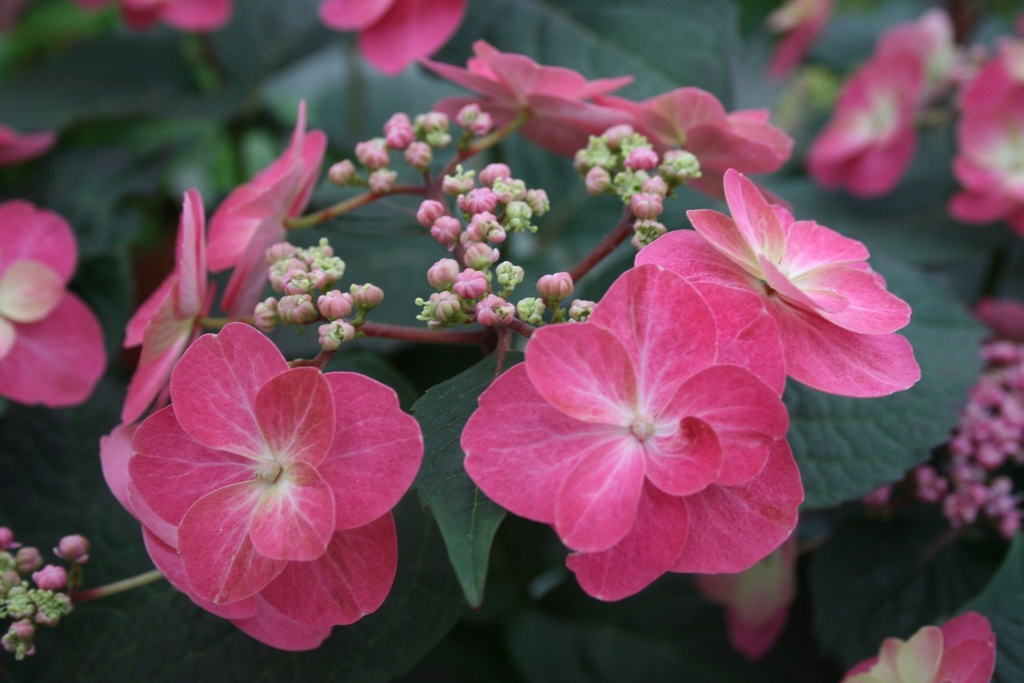
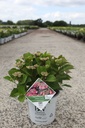
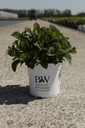
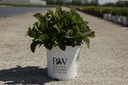
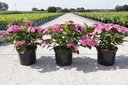
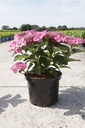
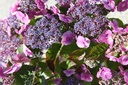
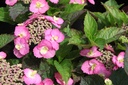
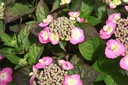
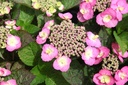
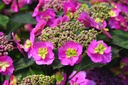
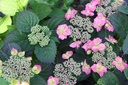
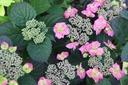
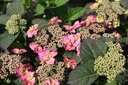
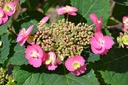
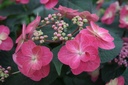
COTTON CANDY is the pink face of this selection: on neutral to slightly chalky soil the flat heads are sweet pink, each floret with a yellow centre, while acid soil pushes them towards blue. Fresh heads keep following the first flush, and the dark green foliage reddens in autumn. The bush stays compact and rounded.
Hydrangea
Hydrangeas are deciduous or evergreen shrubs and self-clinging climbers from East Asia and North America. Each flower head combines small fertile florets with larger, showy sterile ones; depending on the species they form a rounded head, a flat lacecap or a pointed plume. They flower over a long stretch from midsummer into autumn, the heads shifting colour as they age, and many species colour well in autumn too. Sizes run from small shrubs to almost tree-like specimens.
Mountain hydrangea Hydrangea serrata
The mountain hydrangea (Hydrangea serrata) is a woodland shrub from the mountain forests of Japan and Korea, closely related to the bigleaf hydrangea but finer in every part: thinner twigs, narrower, matt leaves and smaller flower heads. It flowers from early summer, ahead of its relative, mostly with flat lacecaps in blue, pink or white. In gardens it rarely grows much taller than a metre, and the young and autumn leaves are often tinted red or purple.
Location and soil
As a forest plant it thrives in light shade, sheltered from strong wind, in humus-rich soil that drains well but never dries out. A few hours of morning or evening sun bring out flowers and red leaf colour; in deep shade it flowers little. It is fully hardy in western Europe, and its buds suffer less from late frost than those of the bigleaf hydrangea. On acid soil most blue and pink selections flower blue, on chalky soil pink.
Pruning and care
It flowers on last year's wood: the buds for next summer form in August, just below the old heads, so it is not cut back in autumn. In April the faded heads are removed above the first strong pair of buds and, once the shrub is in leaf, any dead wood. On older plants one or two of the oldest stems can go at the base. Watering in dry spells and a spring mulch keep the soil moist.
Use in the garden
Its modest size suits small gardens, shaded borders and woodland edges, alone or in groups, and a large pot out of the midday sun. Low, spreading selections serve as flowering ground cover in mass plantings. The flat heads can be cut or dried.
Plant characteristics
Botanical
| Family | Hydrangeaceae |
| Genus | Hydrangea |
| Species | serrata |
| Cultivar | 'Mak 20' |
| Trade name | Flair & Flavours® Cotton Candy (PBR) |
| Brand | Proven Winners® |
Flowering
| Flowering period | june to september |
| Colour (flower) | red, pink |
| Flowers | half filled |
Foliage
| Evergreen | no |
| Colour (foliage) | green |
| Autumn colour | red |
Growth habit
| Height | 100 cm |
Location
| Winter hardiness | zone 6a (down to -23,3 °C) |
| Summer heat | up to heat zone 9 |
| Location | sun, half shade |
Use
| Type (use) | shrub, solitary, in group |
Care
| Pruning | april |
Plant breeders' rights
Hydrangea serrata 'Mak 20' FLAIR & FLAVOURS COTTON CANDY (PBR) is subject to European Plant Breeders Rights under nr. 20121047. Asexual propagation and/or use of the trademark without license are prohibited.