

|
J
|
F
|
M
|
A
|
M
|
J
|
J
|
A
|
S
|
O
|
N
|
D
|
|
J
|
F
|
M
|
A
|
M
|
J
|
J
|
A
|
S
|
O
|
N
|
D
|
|
J
|
F
|
M
|
A
|
M
|
J
|
J
|
A
|
S
|
O
|
N
|
D
|
About this plant
What makes this plant special
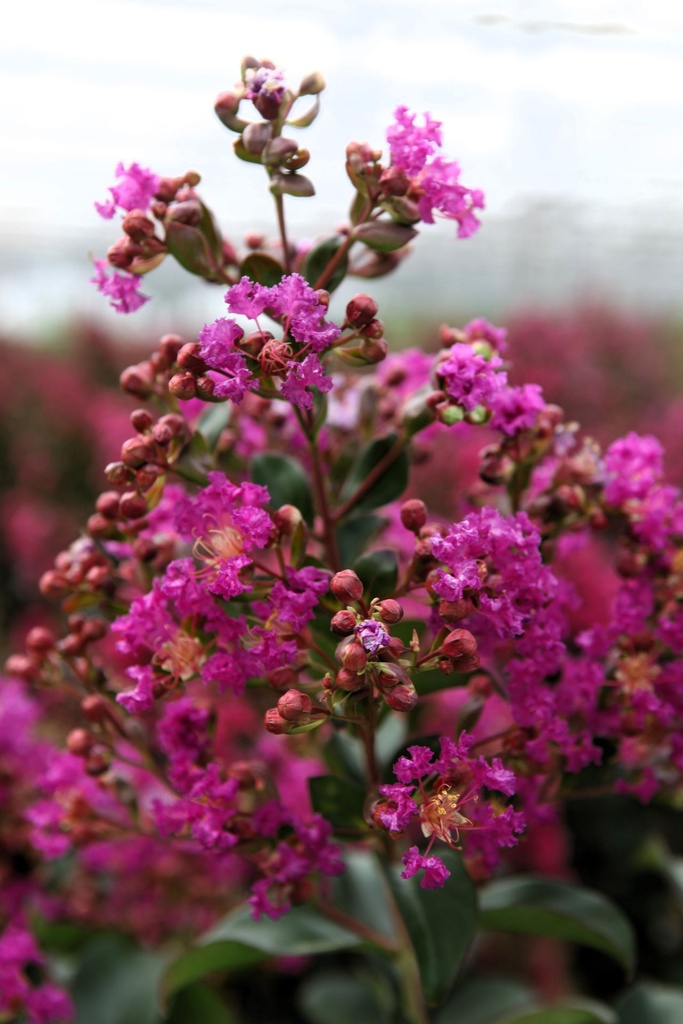
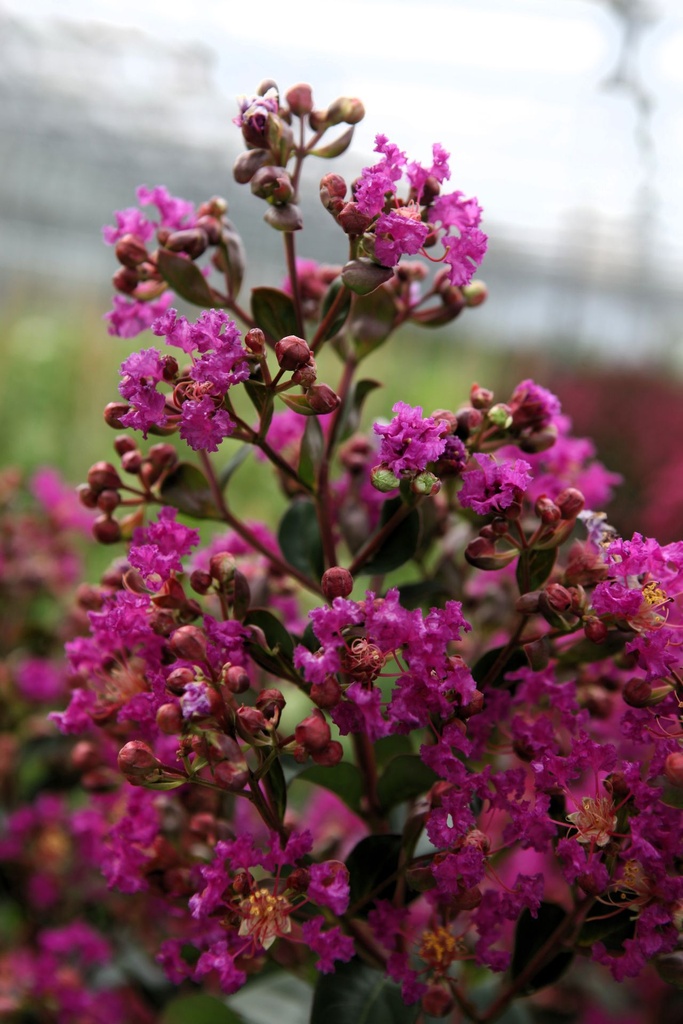
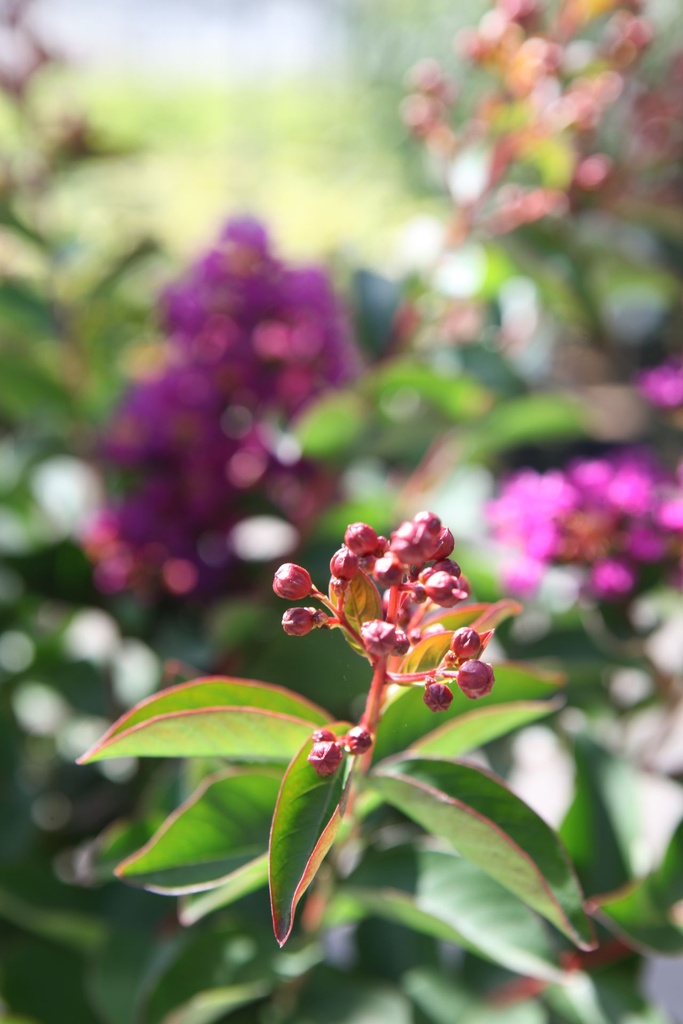
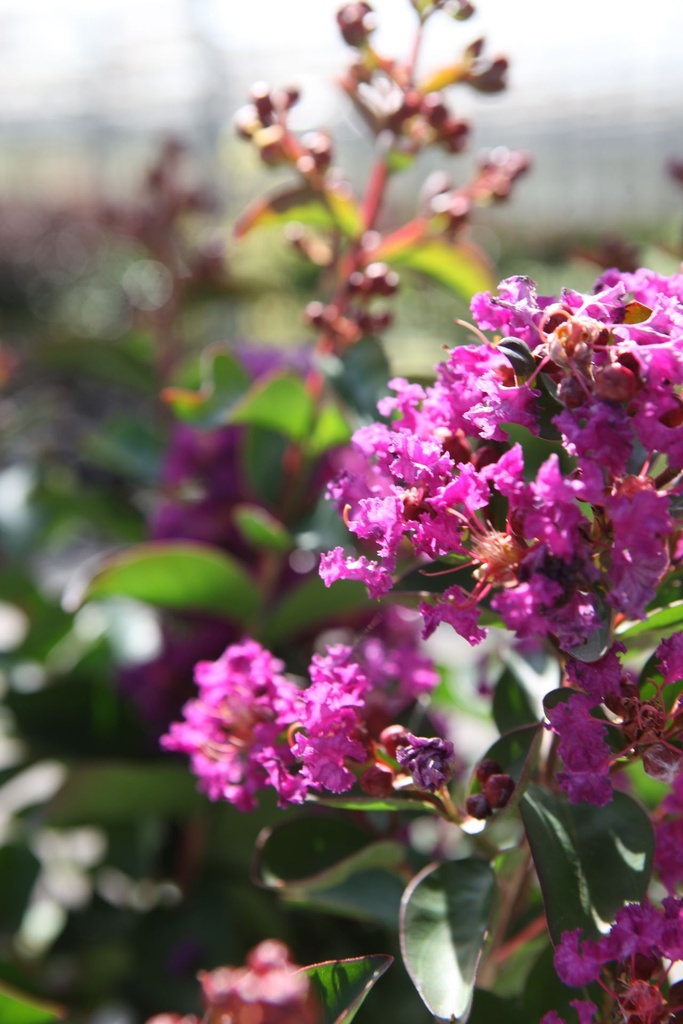
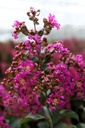
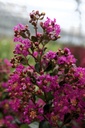
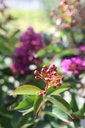
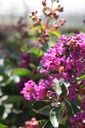
Large, nectar-rich flowers in an intense purple with a pink cast open from July to September above plain green leaves. Stems and bark add interest once flowering is over, and the shrub stays a manageable size, as a specimen or in a large pot.
Crape myrtle Lagerstroemia
Lagerstroemia is a genus of deciduous shrubs and small trees from the warm monsoon regions of Asia, in the same family as the pomegranate. The English name, crape myrtle, refers to the crinkled, crepe-like petals and the myrtle-like leaves. Its garden value lies in the late-summer panicles, the autumn colour and the smooth bark that peels away in thin plates.
Crape myrtle Lagerstroemia indica
Lagerstroemia indica comes from China and Korea, not from India, and has been grown in Europe since the eighteenth century. In western Europe it forms a large, usually multi-stemmed shrub or a small tree with a vase-shaped crown and small leaves that colour yellow, orange or red in autumn. From July to September the shoots end in panicles of crinkled flowers in white, pink, red or purple.
Location and soil
A plant for the warmest, sunniest and most sheltered spot in the garden, ideally in front of a south-facing wall: the flowers only open freely after a consistently warm summer. Ordinary garden soil suits it, preferably slightly acid, moist but free-draining; chalk and waterlogging are disliked, drought and paving are tolerated once established. It is only moderately hardy in western Europe, so young plants deserve winter protection.
Pruning and care
The flowers form on the shoots of the current year, so pruning waits until late winter or early spring, after the hard frosts. Cutting last year's growth back hard keeps the plant bushy and gives the most flowers; alternatively a few strong stems are kept and cleared of side shoots to form a small tree that shows off its bark. A thick winter mulch protects the roots, and young plants are watered in dry summers.
Use in the garden
A specimen for a sunny terrace, courtyard or front garden, where summer flowers, autumn foliage and winter bark are enjoyed close to the house. It also holds its own at the back of a shrub border, and compact forms do well in large pots, on roof gardens and in small town gardens. Bees visit the flowers.
Plant characteristics
Botanical
| Family | Lythraceae |
| Genus | Lagerstroemia |
| Species | indica |
| Cultivar | 'Hoch1065' |
| Trade name | Purple Star (PBR) |
Flowering
| Flowering period | july to september |
| Colour (flower) | violet |
Foliage
| Evergreen | no |
| Colour (foliage) | green |
Growth habit
| Height | 250 cm, 100 cm |
Location
| Winter hardiness | zone 7a (down to -17,8 °C) |
| Summer heat | up to heat zone 9 |
Care
| Pruning | february to march |
Plant breeders' rights
Lagerstroemia indica 'Hoch1065' PURPLE STAR (PBR) is subject to European Plant Breeders Rights under nr. 20202654. Asexual propagation and/or use of the trademark without license are prohibited.