

|
J
|
F
|
M
|
A
|
M
|
J
|
J
|
A
|
S
|
O
|
N
|
D
|
|
J
|
F
|
M
|
A
|
M
|
J
|
J
|
A
|
S
|
O
|
N
|
D
|
|
J
|
F
|
M
|
A
|
M
|
J
|
J
|
A
|
S
|
O
|
N
|
D
|
About this plant
What makes this plant special
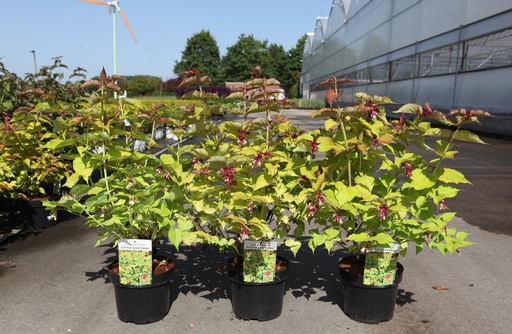
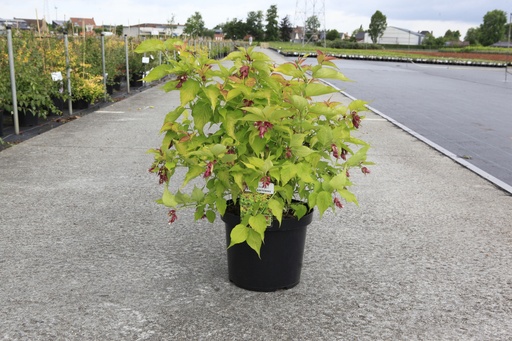
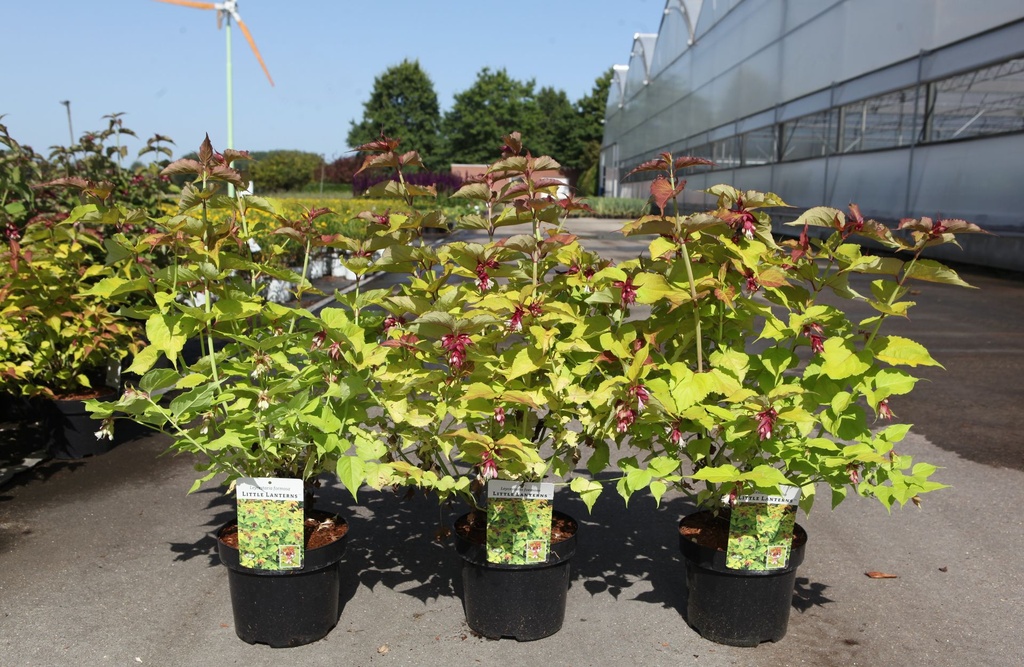
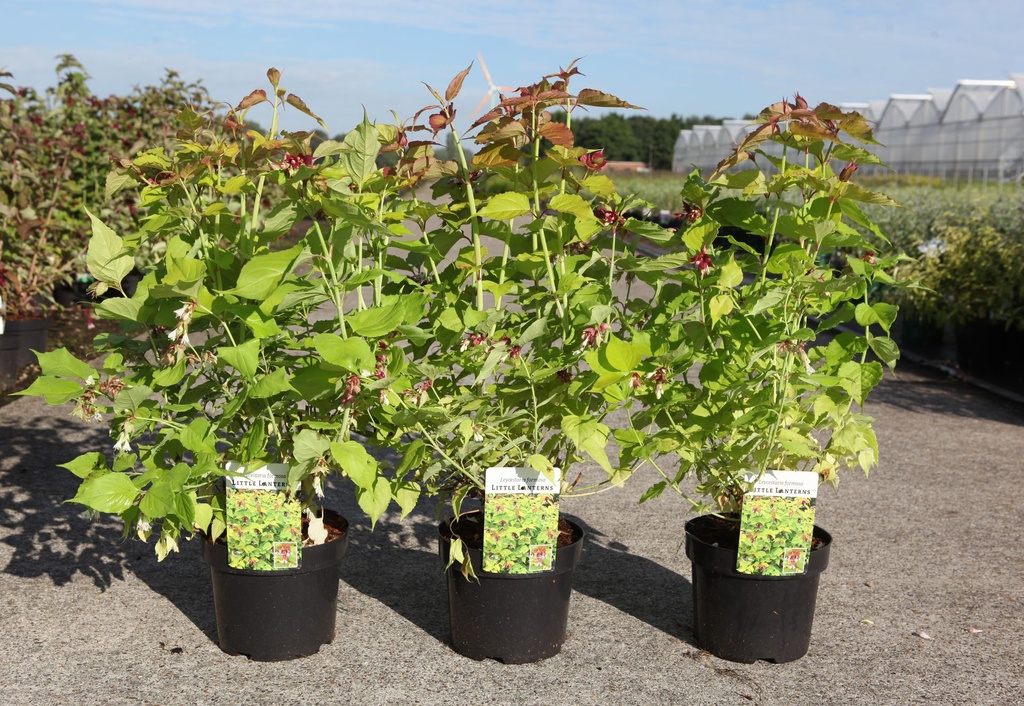
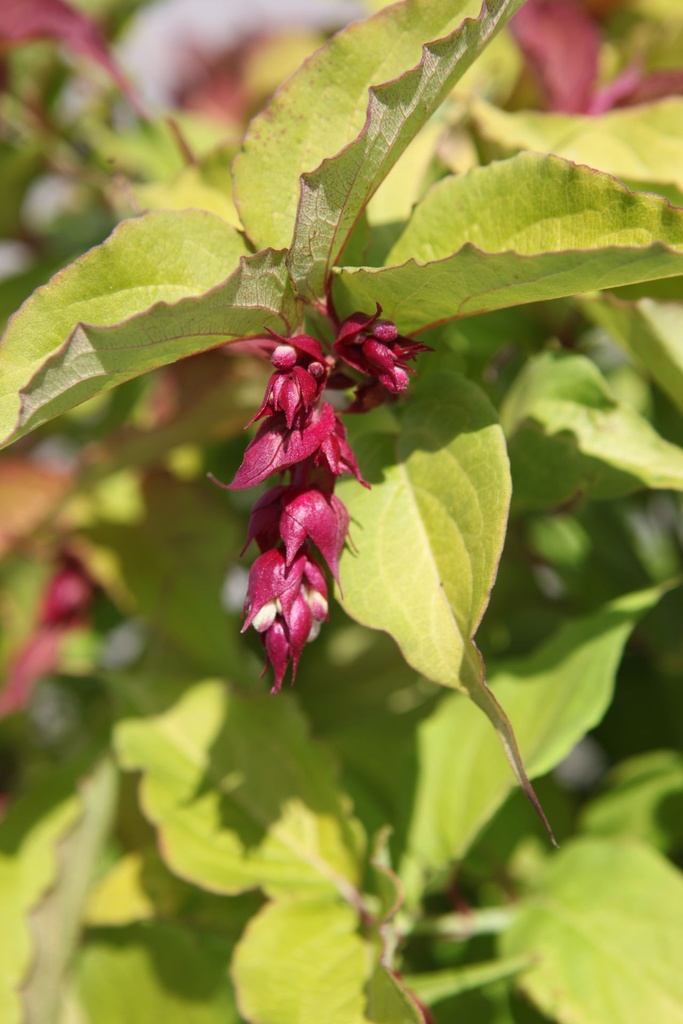
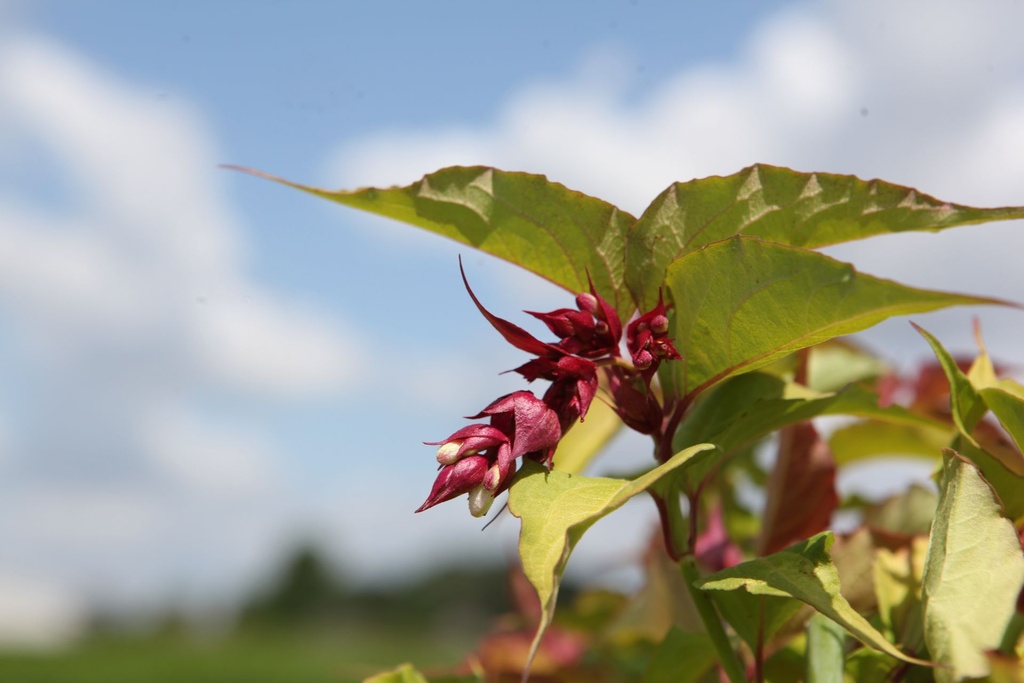
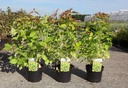
Charles Carr at Hillier Nurseries picked out Little Lanterns in 2015 as a naturally small, well-branched form of about 90 by 75 cm that needs no pruning. Its golden-yellow foliage stands up to sun, with red tips on the leaves and young shoots; white flowers from July to September are followed by purple berries.
Himalayan Honeysuckle Leycesteria
The pheasant berry (Leycesteria) is a small genus of shrubs from the Himalayas and south-western China, related to honeysuckle. The plants form clumps of hollow, bamboo-like stems and bear hanging chains of small white flowers set among colourful bracts from summer into autumn, followed by dark purple berries that birds, pheasants included, eagerly eat.
Leycesteria formosa
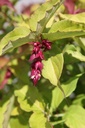
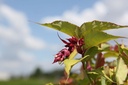
Leycesteria formosa, also called Himalayan honeysuckle, is the species found in gardens. It grows fast into an upright, bushy shrub of around 2 m, with blue-green, semi-evergreen to deciduous leaves that turn yellow-orange in autumn. From July to October white flowers appear between deep purple-red bracts, and glossy purple berries ripen from August, often on the same cluster as the last flowers.
Location and soil
Give this species a sunny or lightly shaded spot, avoiding scorching sun, in fertile soil that stays moist and drains well; clay and limy soils are fine. It is fairly hardy: in a hard winter the stems may freeze back to the ground, but new shoots rise from the protected roots in spring and quickly regain full height. It shows good resistance to disease.
Pruning and care
Pruning is optional, but a cut in March or April keeps the shrub fresh and full of flower. Remove frozen and weak stems, then shorten the strong ones by half, keeping about ten stems per plant; in cold areas you can cut the whole plant back to 10 to 20 cm above the ground. Very hard pruning delays flowering slightly. Mulch the base in autumn.
Use in the garden
This species makes a striking specimen or a group in a shrub border, and works well in an informal flowering hedge or at a woodland edge. Its fruit feeds birds well into early winter, making it a good choice for wildlife gardens. The berries are best left to the birds, as they are hard to digest for people. Pair it with purple-leaved shrubs for contrast.
Plant characteristics
Botanical
| Family | Caprifoliaceae |
| Genus | Leycesteria |
| Species | formosa |
| Cultivar | 'CDC01' |
| Trade name | Little Lanterns (PBR) |
Flowering
| Flowering period | july to september |
| Colour (flower) | white |
Foliage
| Evergreen | no |
| Colour (foliage) | yellow |
Growth habit
| Height | 100 cm |
Location
| Winter hardiness | zone 7a (down to -17,8 °C) |
| Summer heat | up to heat zone 8 |
Care
| Pruning | march to april |
Plant breeders' rights
Leycesteria formosa 'CDC01' LITTLE LANTERNS (PBR) is subject to European Plant Breeders Rights under nr. 20200915. Asexual propagation and/or use of the trademark without license are prohibited.