






|
J
|
F
|
M
|
A
|
M
|
J
|
J
|
A
|
S
|
O
|
N
|
D
|
|
J
|
F
|
M
|
A
|
M
|
J
|
J
|
A
|
S
|
O
|
N
|
D
|
|
J
|
F
|
M
|
A
|
M
|
J
|
J
|
A
|
S
|
O
|
N
|
D
|
About this plant
What makes this plant special
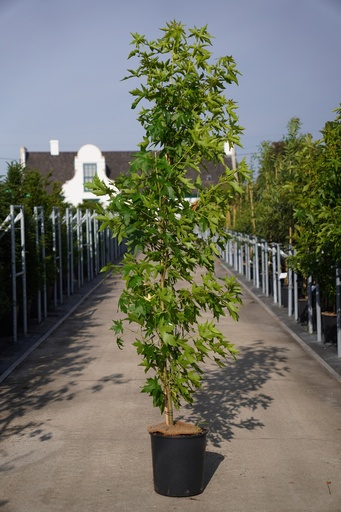
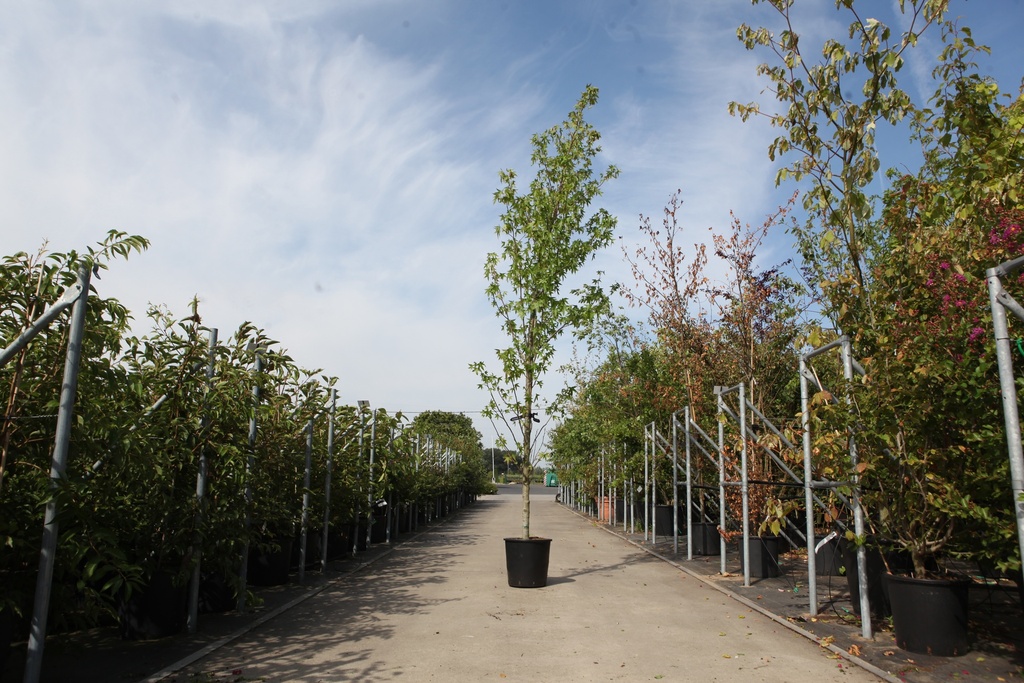
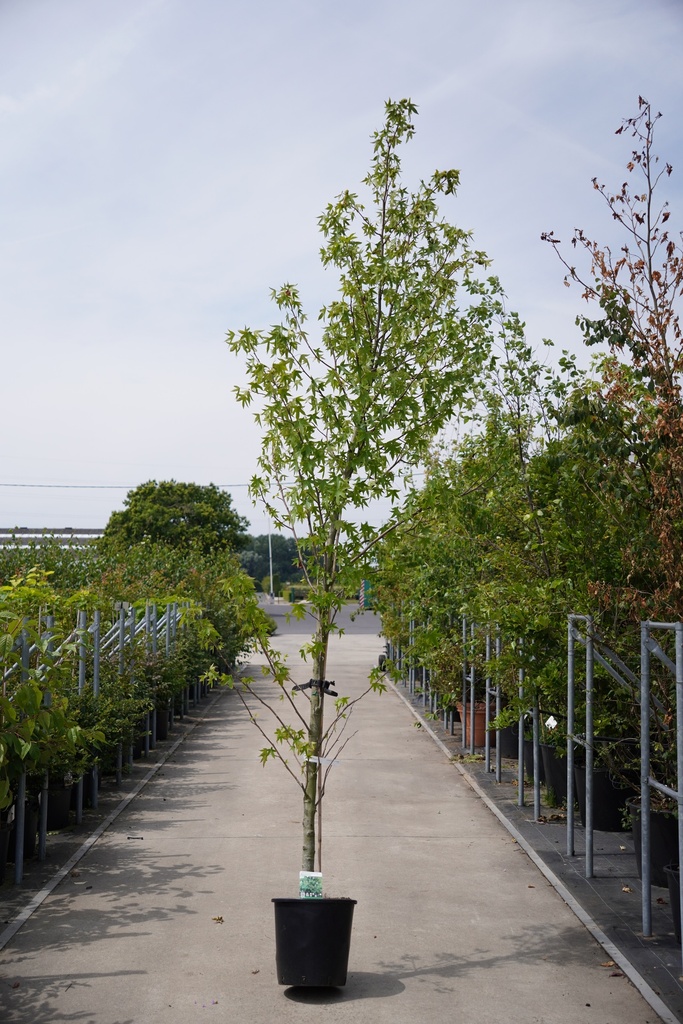
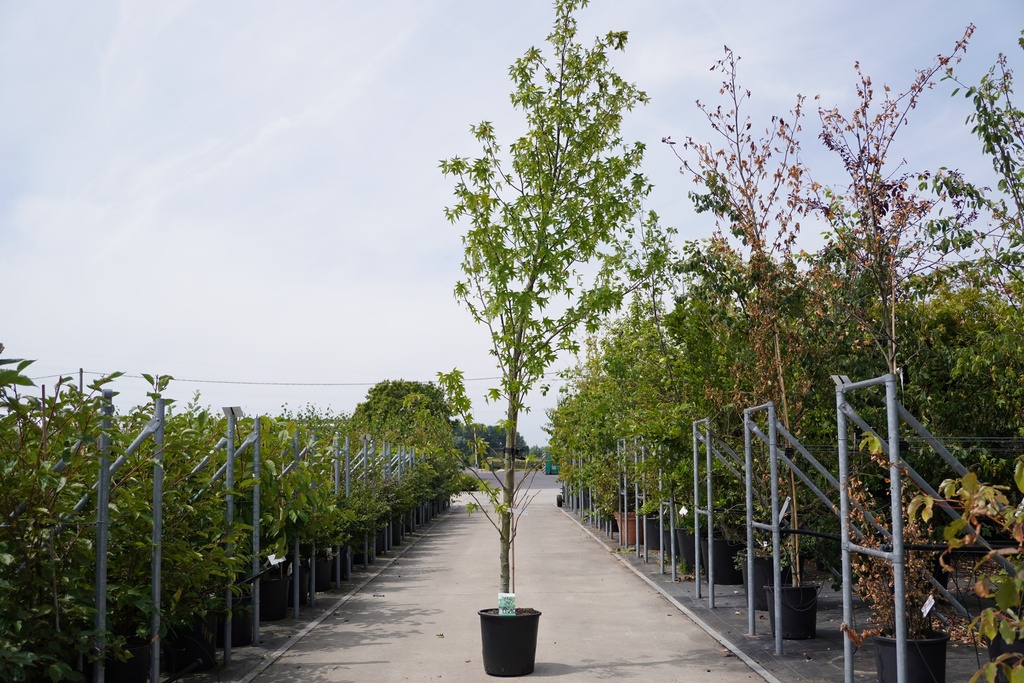
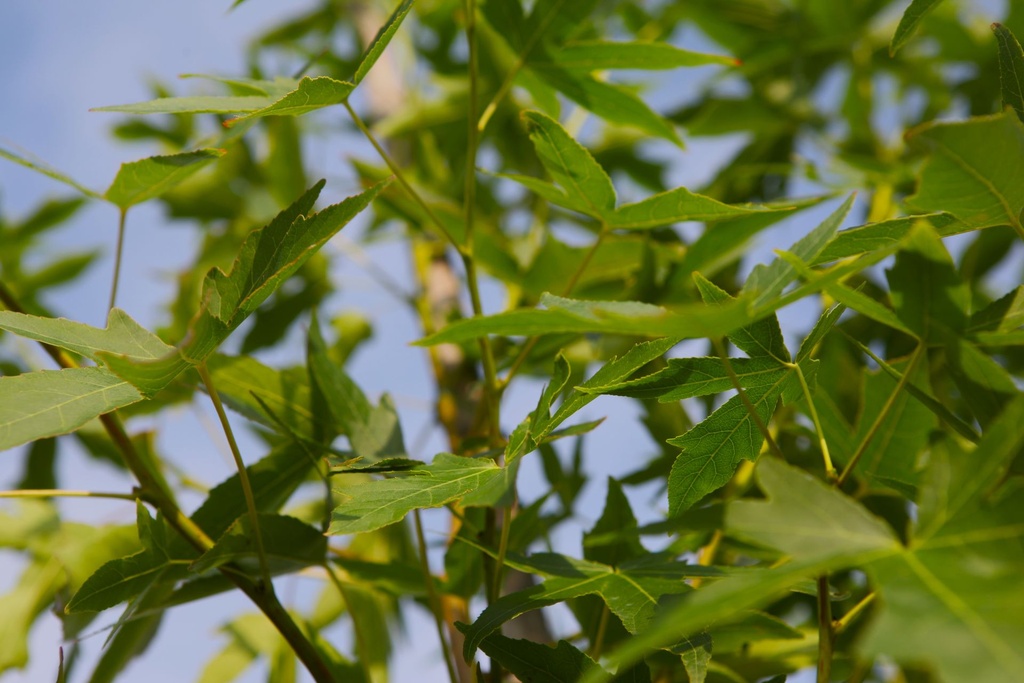
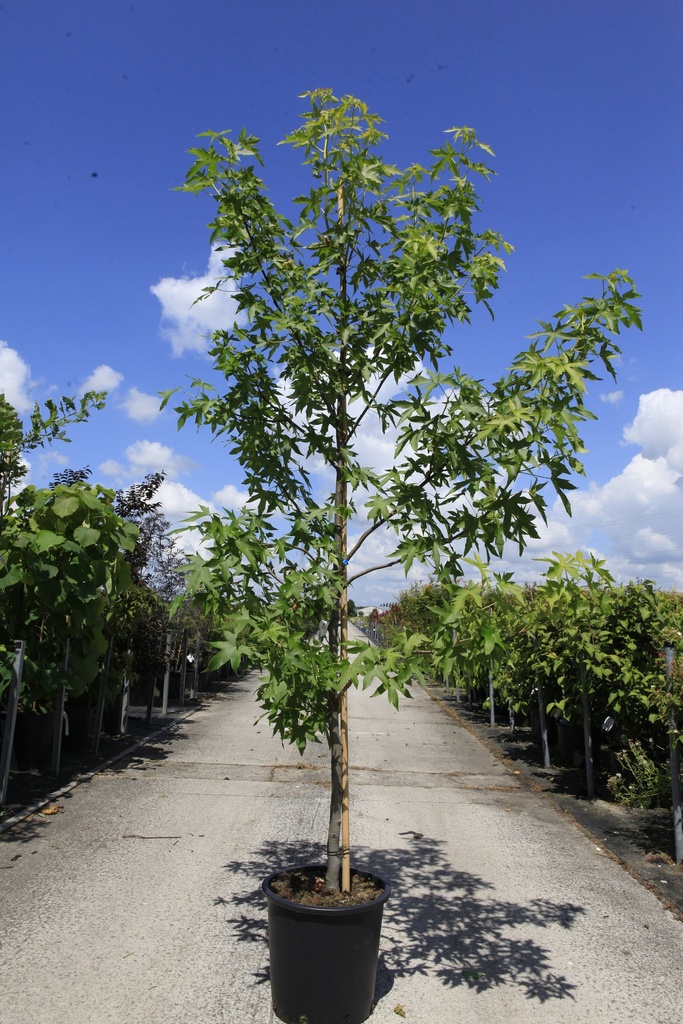
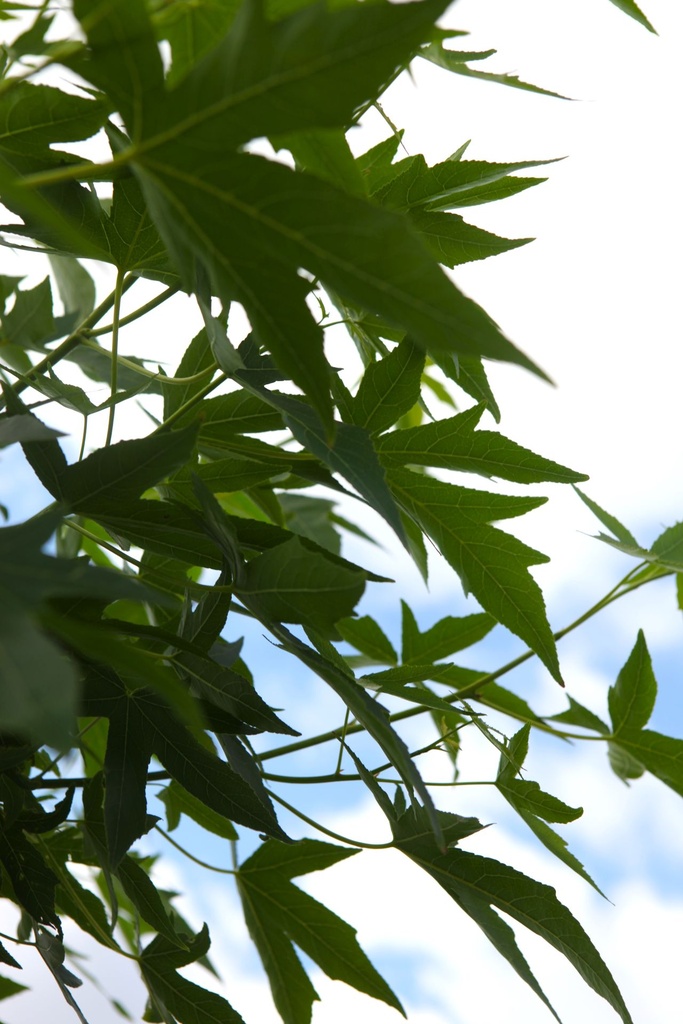
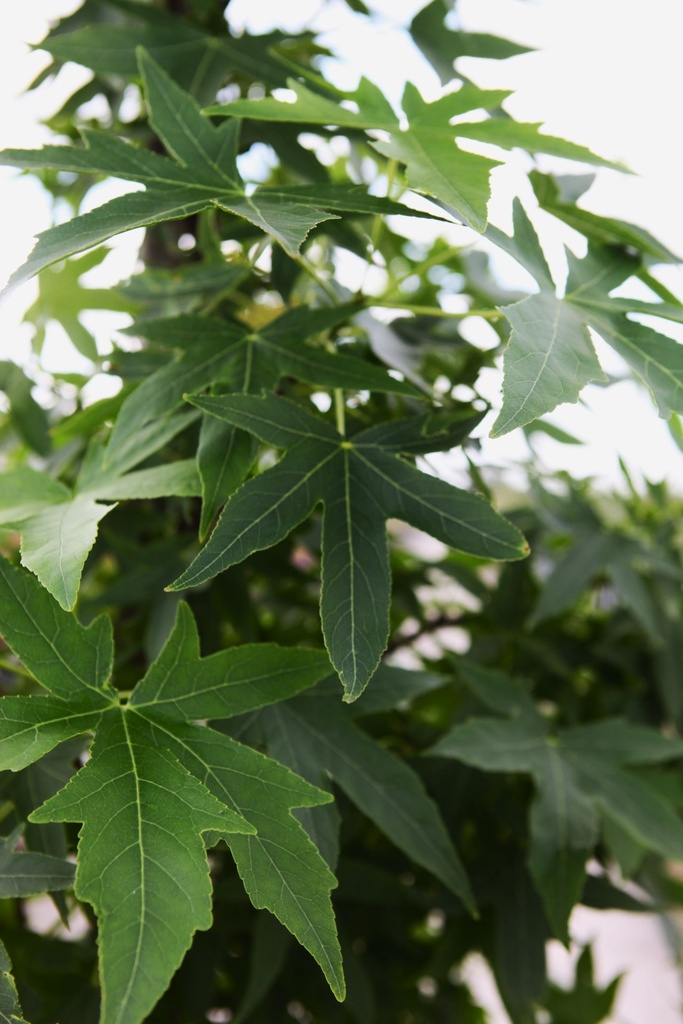
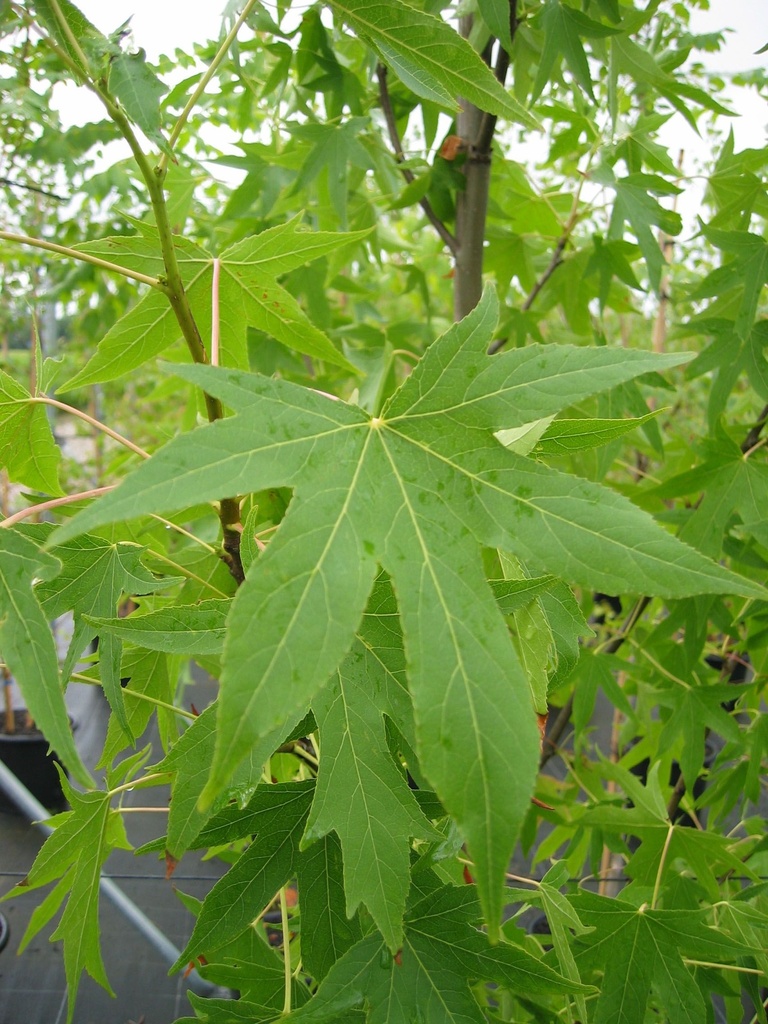
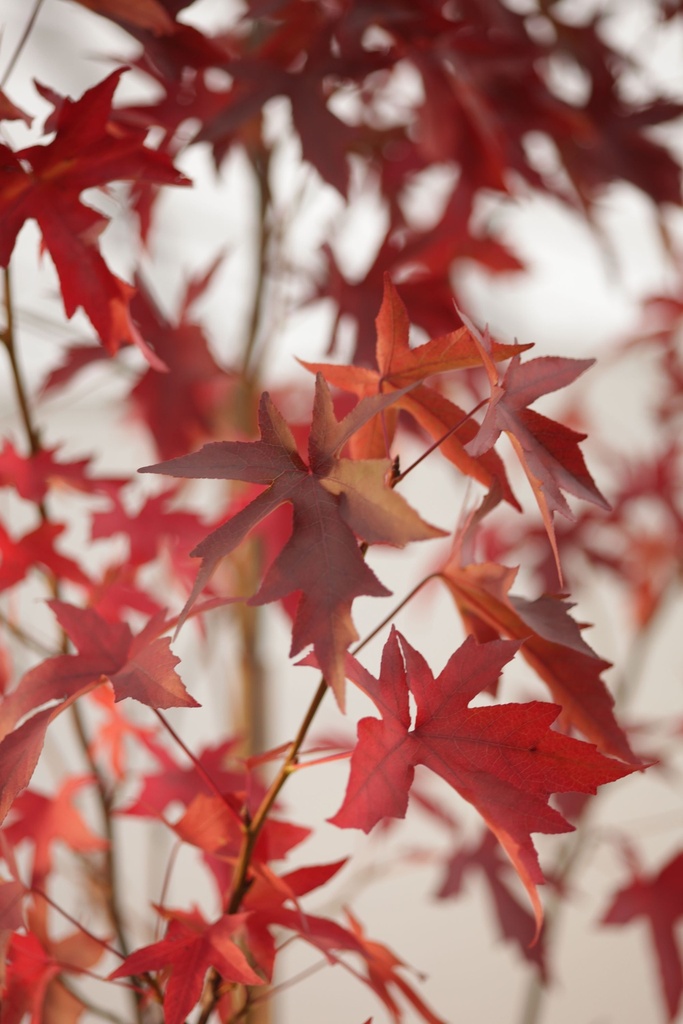
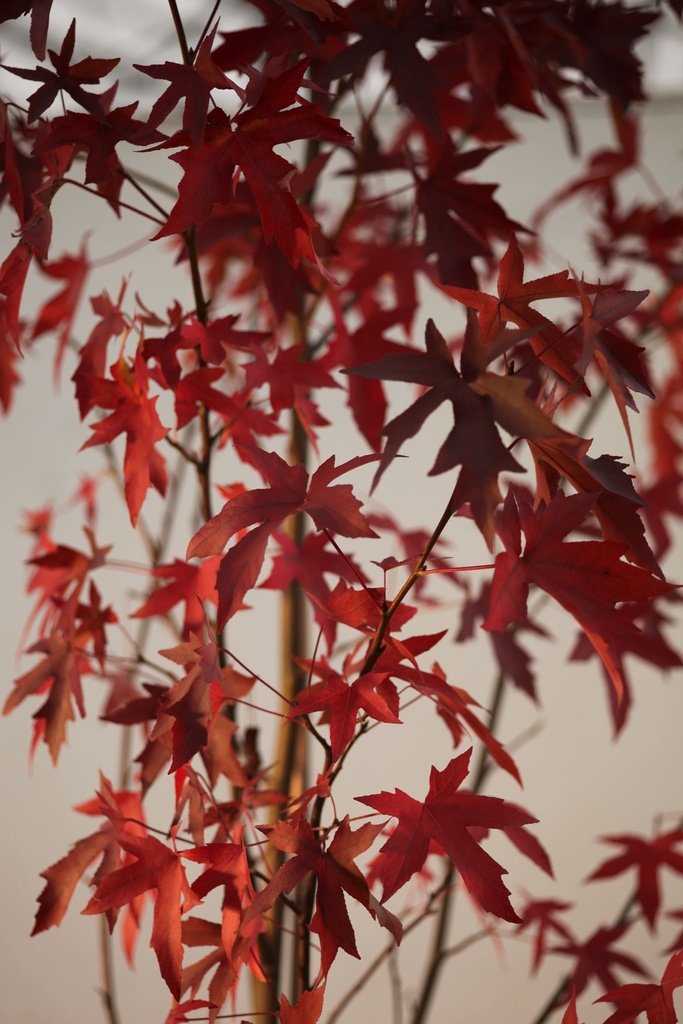
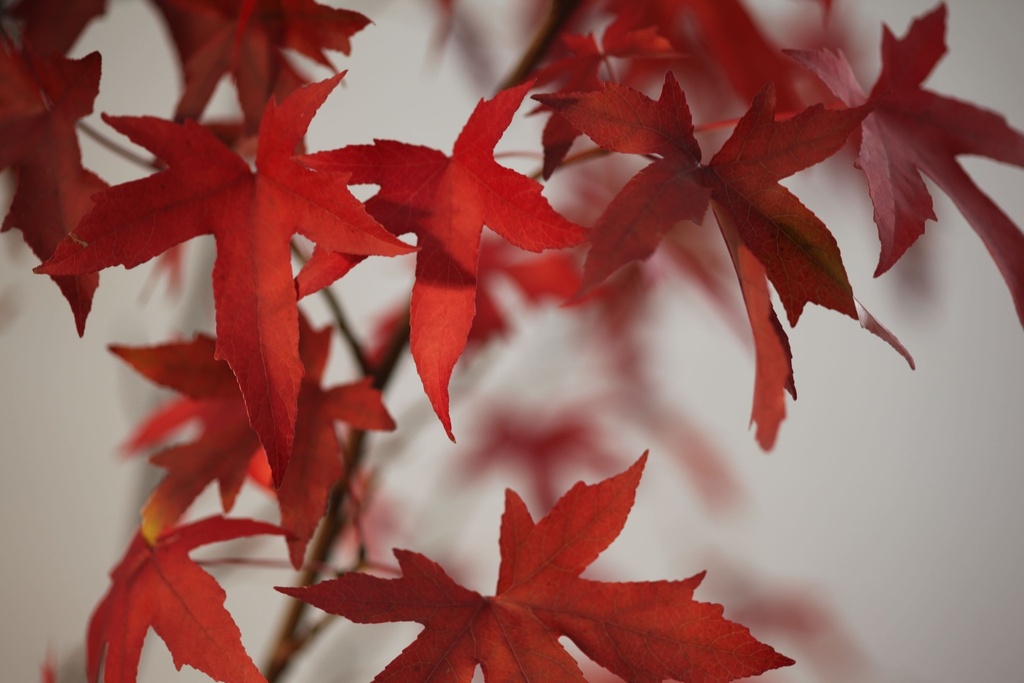
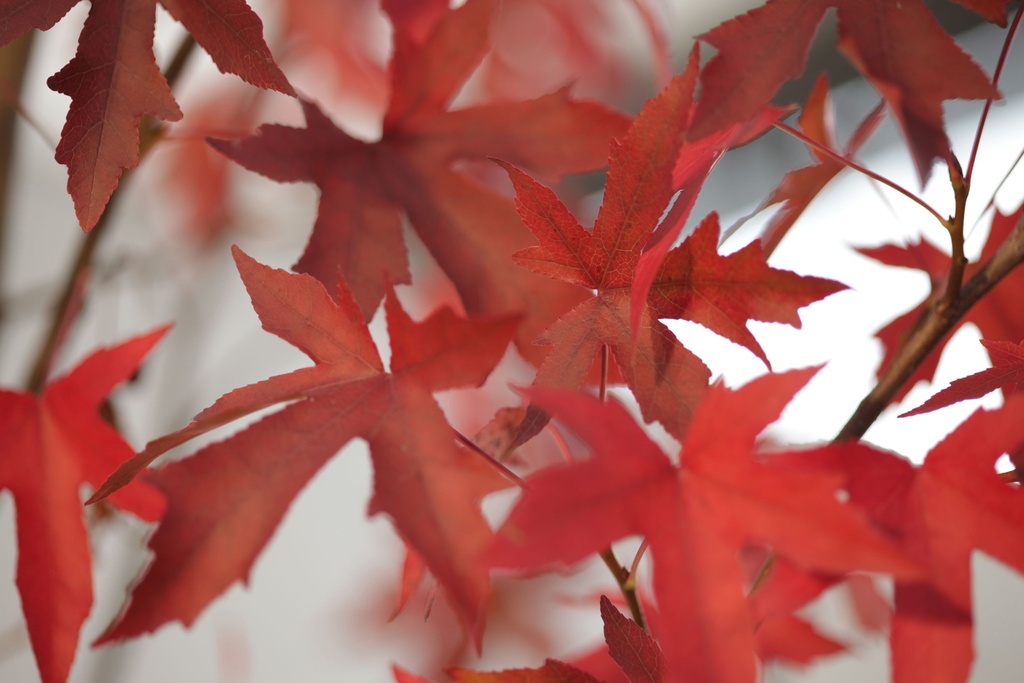
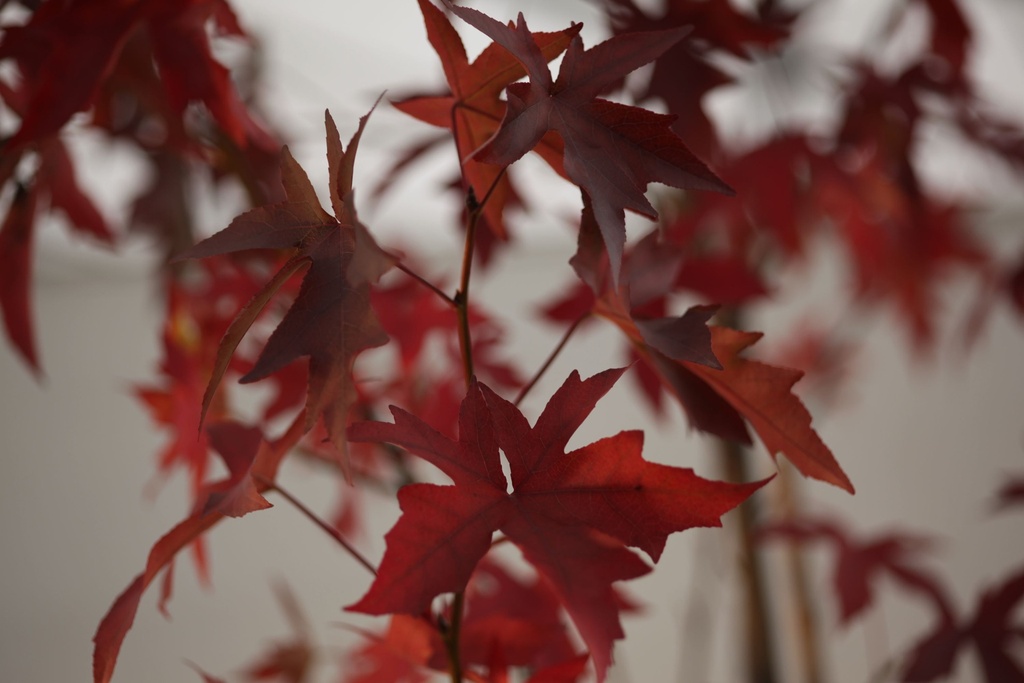
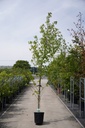
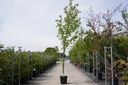
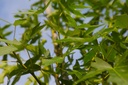
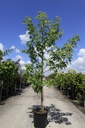
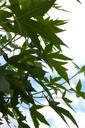
'Worplesdon' is an English selection that copes well with the cold, wet and changeable weather of north-western Europe. Its deeply cut, sharply toothed leaves are longer than those of the species and colour apricot, orange and orange-red every autumn, even after a poor summer and most intensely on moist ground.
Sweet Gum Liquidambar
Sweetgums (Liquidambar) are deciduous trees from North America, Turkey and eastern Asia, growing wild in temperate forests and along rivers. Their palmately lobed leaves resemble those of maples but are set alternately on the shoots, and they are famous for their blazing autumn colour. The name refers to the fragrant, amber-coloured resin that seeps from the bark.
Liquidambar styraciflua
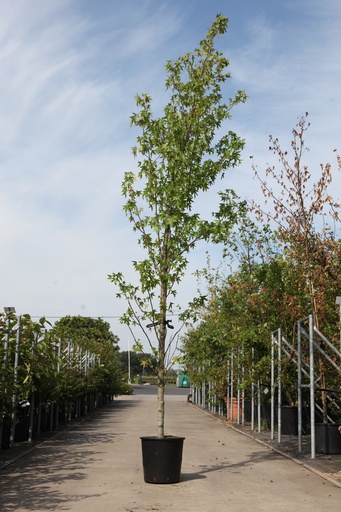
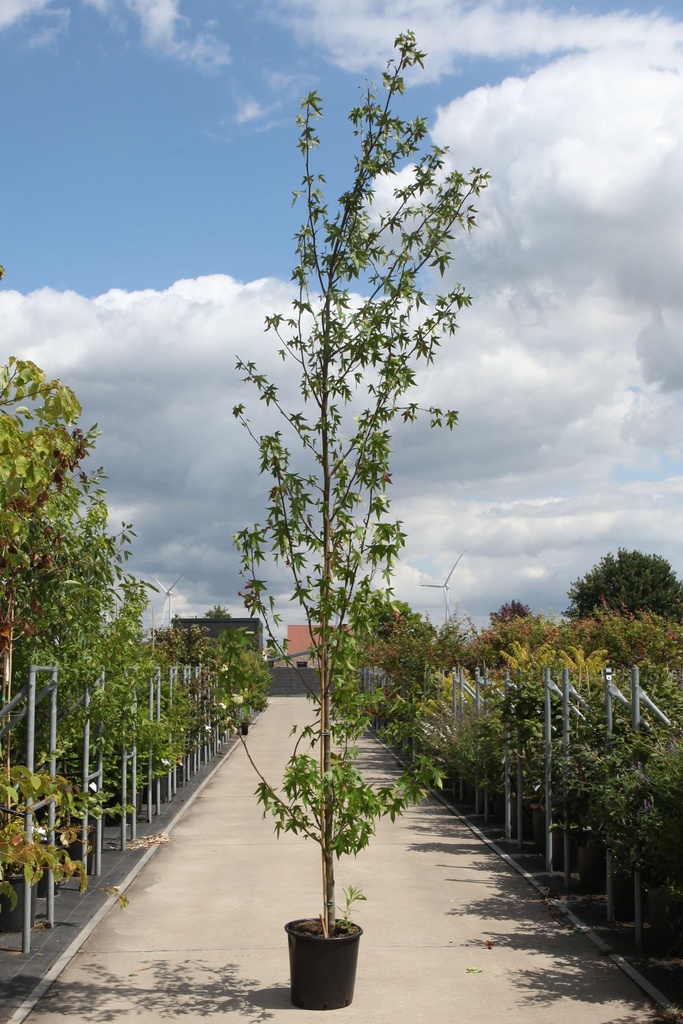
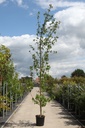
American sweetgum (Liquidambar styraciflua) from eastern North America is the best-known species. In cultivation it usually grows to around 20 to 25 m, with a straight trunk and an initially narrow, pyramidal crown that becomes oval with age. The five- to seven-lobed leaves turn wine red, orange, yellow and purple in autumn, and older branches develop thick corky ridges.
Location and soil
Needs full sun and plenty of room, in a fertile, moist loam or clay; it does well on acidic to neutral soils and avoids chalk. It tolerates wet ground, short and even longer flooding, and paving around the trunk, but not long droughts. Hardy in Belgium; late spring frosts can occasionally damage young shoots.
Pruning and care
Grows fairly fast once established, after a slower start. Water well in the first summers. No regular pruning is needed; remove dead wood when required and correct poorly placed branches lightly between mid-August and the end of September. Avoid moving the tree later, as the taproot recovers poorly.
Use in the garden
A classic avenue tree for wide streets thanks to its straight central leader, and a striking specimen in parks, large gardens or near water. The round, spiny seed capsules hang on the tree well into winter. The pollen can trigger allergies in sensitive people.
Plant characteristics
Botanical
| Family | Altingiaceae |
| Genus | Liquidambar |
| Species | styraciflua |
| Cultivar | 'Worplesdon' |
Flowering
| Flowering period | may |
Foliage
| Evergreen | no |
| Colour (foliage) | green, red |
| Autumn colour | red |
Growth habit
| Height | >1000 cm, 1000 cm |
| Trunk/branches | conspicuous |
Location
| Winter hardiness | zone 5b (down to -26,1 °C) |
| Summer heat | up to heat zone 9 |
| Soil type | acid |
| Location | sun, half shade |
| Soil moisture | normal |
Use
| Type (use) | shrub, solitary, in group |
Care
| Pruning | august to september |