




|
J
|
F
|
M
|
A
|
M
|
J
|
J
|
A
|
S
|
O
|
N
|
D
|
|
J
|
F
|
M
|
A
|
M
|
J
|
J
|
A
|
S
|
O
|
N
|
D
|
|
J
|
F
|
M
|
A
|
M
|
J
|
J
|
A
|
S
|
O
|
N
|
D
|
About this plant
What makes this plant special
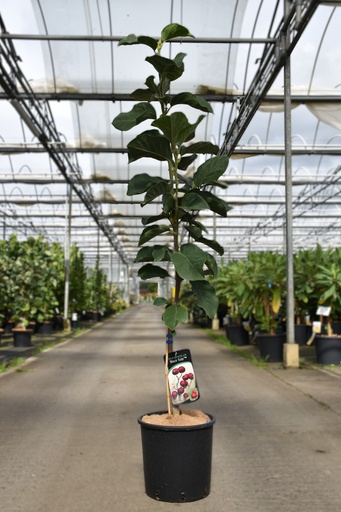
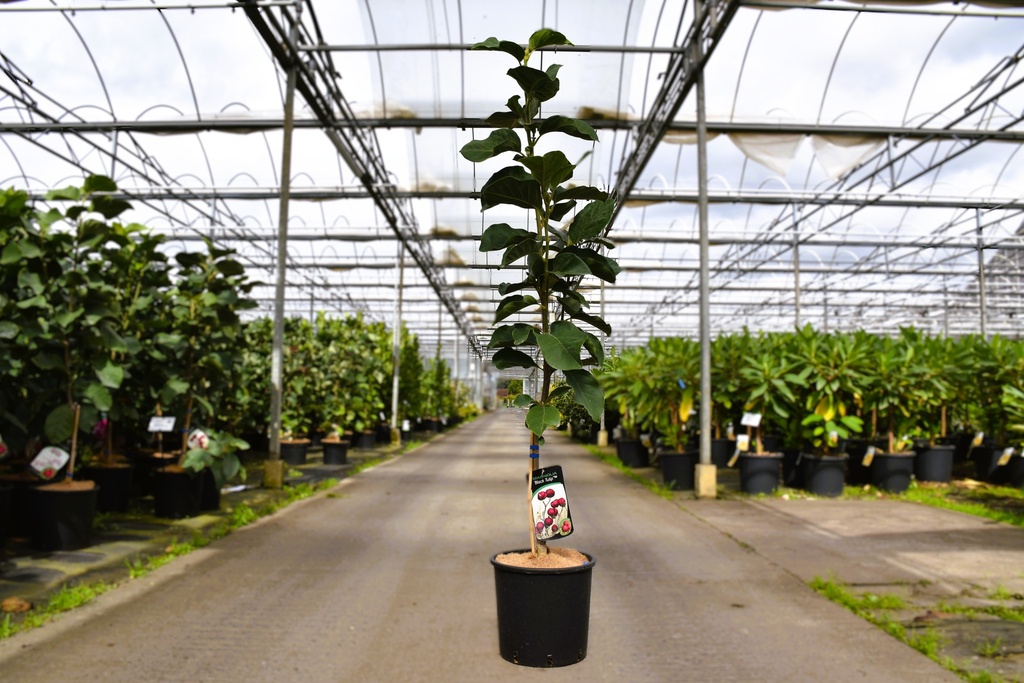
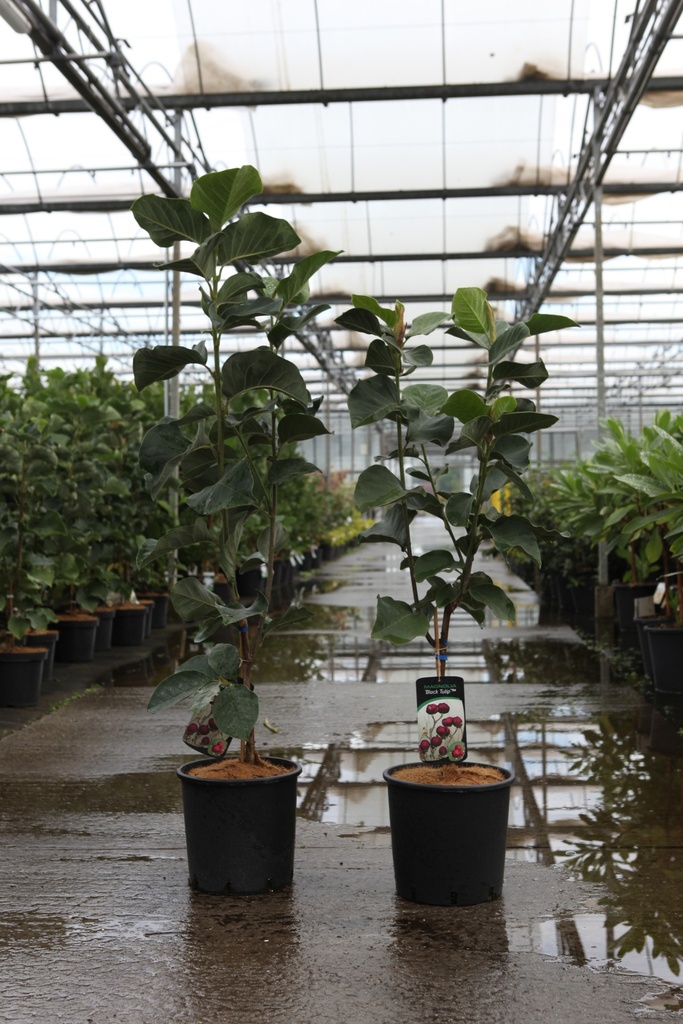
This New Zealand hybrid of 'Vulcan' and 'Iolanthe' is grown for its colour: deep, dark purple inside and out. The thick-petalled flowers form a tight goblet that hardly opens and stands up well to wind. It flowers from a young age; on young plants and in a cool climate with little sun the colour can turn out lighter.
Magnolia
Magnolias (Magnolia) are trees and shrubs from eastern Asia and the Americas, some 330 species in all. Gardens grow mainly the deciduous East Asian species and their hybrids, which open large white, pink or purple flowers on bare branches in spring, shaped like stars, bowls or goblets and often scented. Other species flower in summer, and a few are evergreen with dark, glossy leaves.
Location and soil
Magnolias like sun or partial shade in a spot sheltered from cold winds, as late frosts can damage the early flowers. They need deep, humus-rich soil that stays moist but drains well and is neutral to slightly acid; most species dislike lime. Most are hardy in our climate and tolerate urban air pollution well.
Pruning and care
The fleshy roots are fragile and shallow, so plant carefully at the original depth and do not move an established plant. Water young plants regularly and mulch the root zone. Regular pruning is not needed; if desired, prune lightly every few years after flowering, in July–August, to remove dead or crossing branches.
Use in the garden
Magnolias make striking specimens on a lawn or above lower shrubs, and combine well with rhododendrons, camellias and Japanese maples on lime-free soil. Compact types suit small gardens and large containers on a terrace. Underplant with spring bulbs, but keep other shrubs away from the shallow root zone.
Plant characteristics
Botanical
| Family | Magnoliaceae |
| Genus | Magnolia |
| Cultivar | 'Jurmag1' |
| Trade name | Black Tulip (PBR) |
Flowering
| Flowering period | april to may |
| Colour (flower) | red, black |
Foliage
| Evergreen | no |
| Colour (foliage) | green |
Growth habit
| Height | 200 cm, 300 cm |
Location
| Winter hardiness | zone 6a (down to -23,3 °C) |
| Summer heat | up to heat zone 8 |
| Soil type | acid |
| Location | sun |
| Soil moisture | moist |
Use
| Type (use) | shrub, solitary |
Care
| Pruning | july to august |
Plant breeders' rights
Magnolia 'Jurmag1' BLACK TULIP (PBR) is subject to European Plant Breeders Rights under nr. 20030226. Asexual propagation and/or use of the trademark without license are prohibited.