

|
J
|
F
|
M
|
A
|
M
|
J
|
J
|
A
|
S
|
O
|
N
|
D
|
|
J
|
F
|
M
|
A
|
M
|
J
|
J
|
A
|
S
|
O
|
N
|
D
|
|
J
|
F
|
M
|
A
|
M
|
J
|
J
|
A
|
S
|
O
|
N
|
D
|
About this plant
What makes this plant special
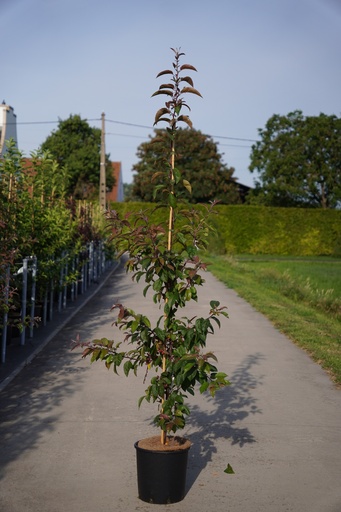
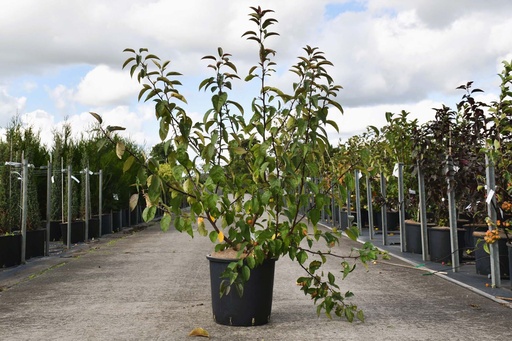
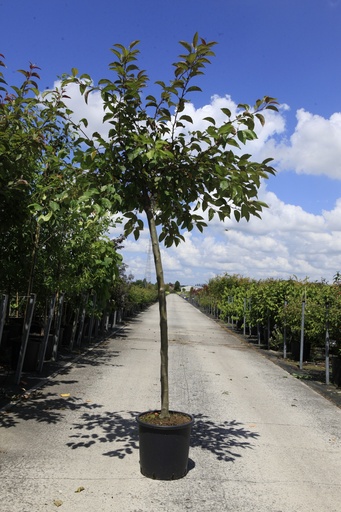
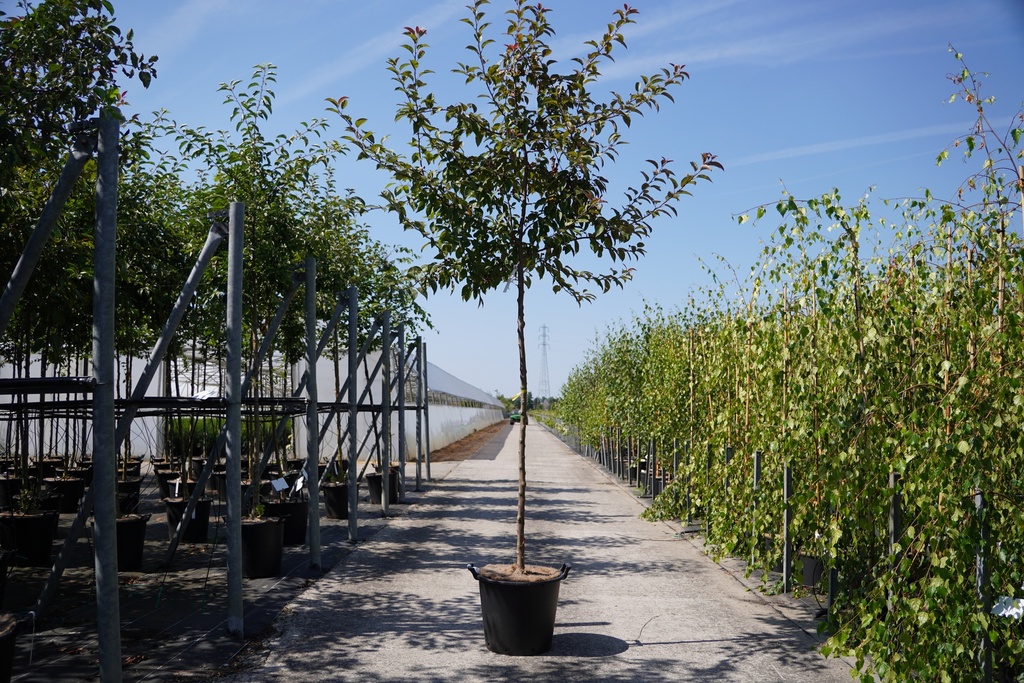
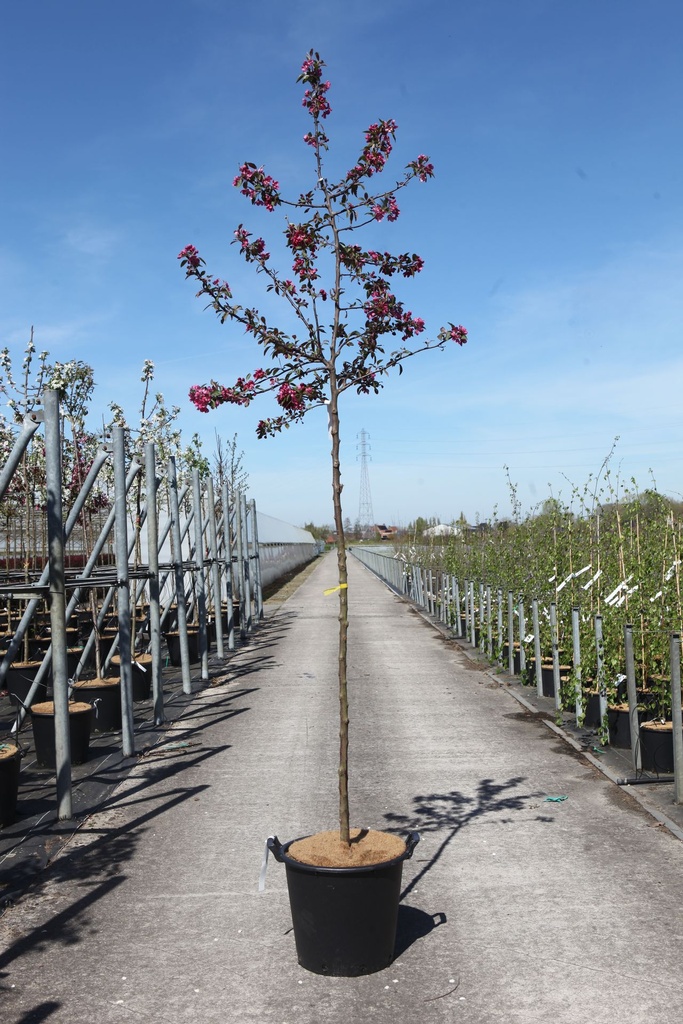
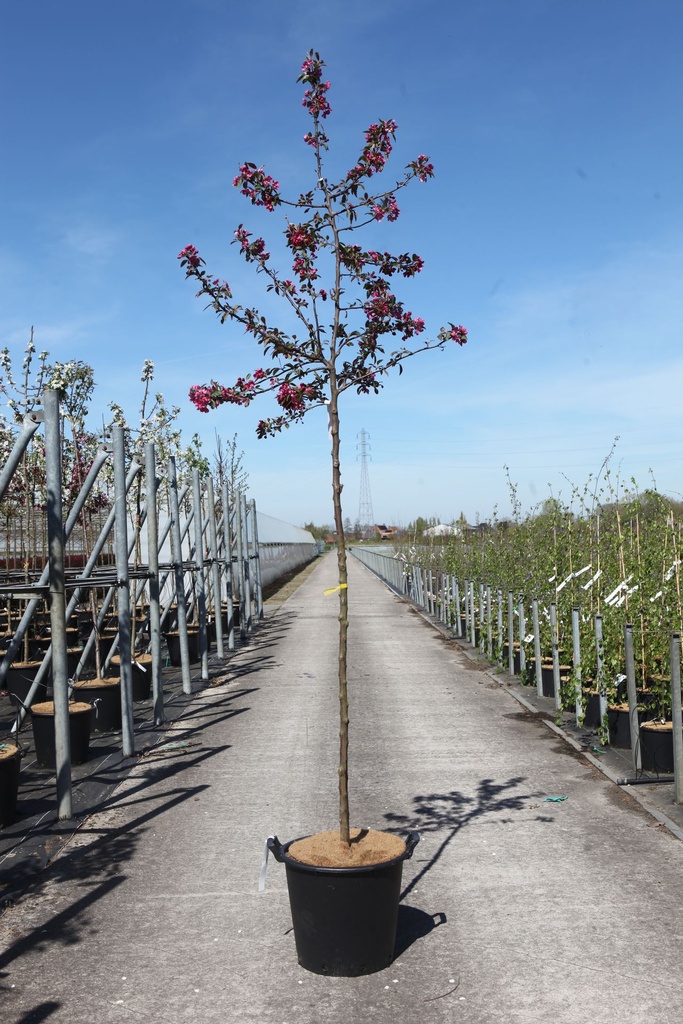
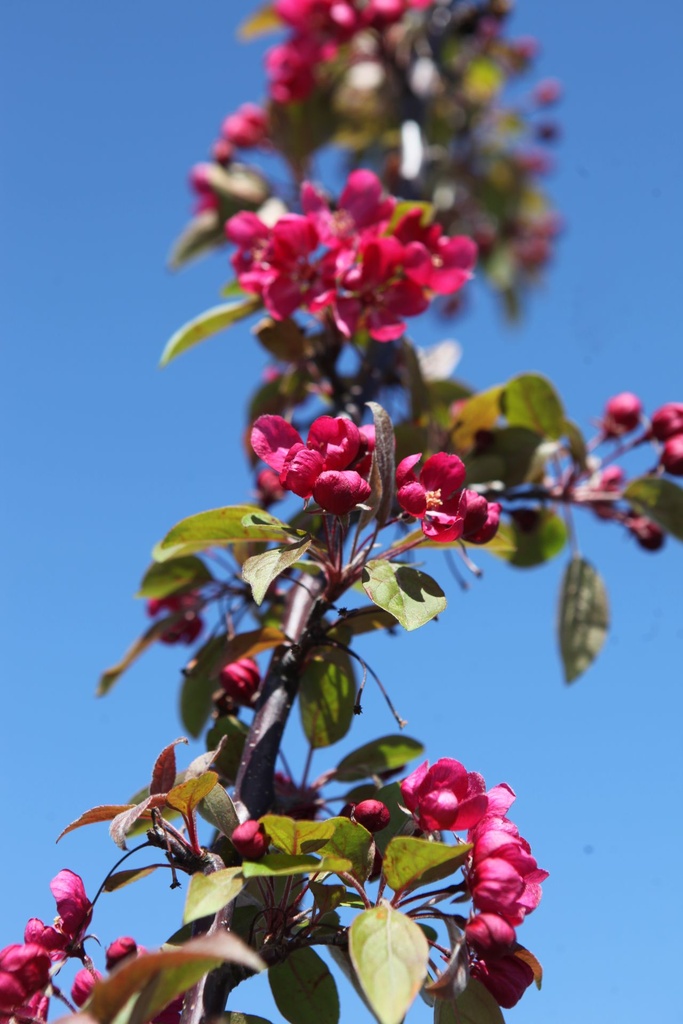
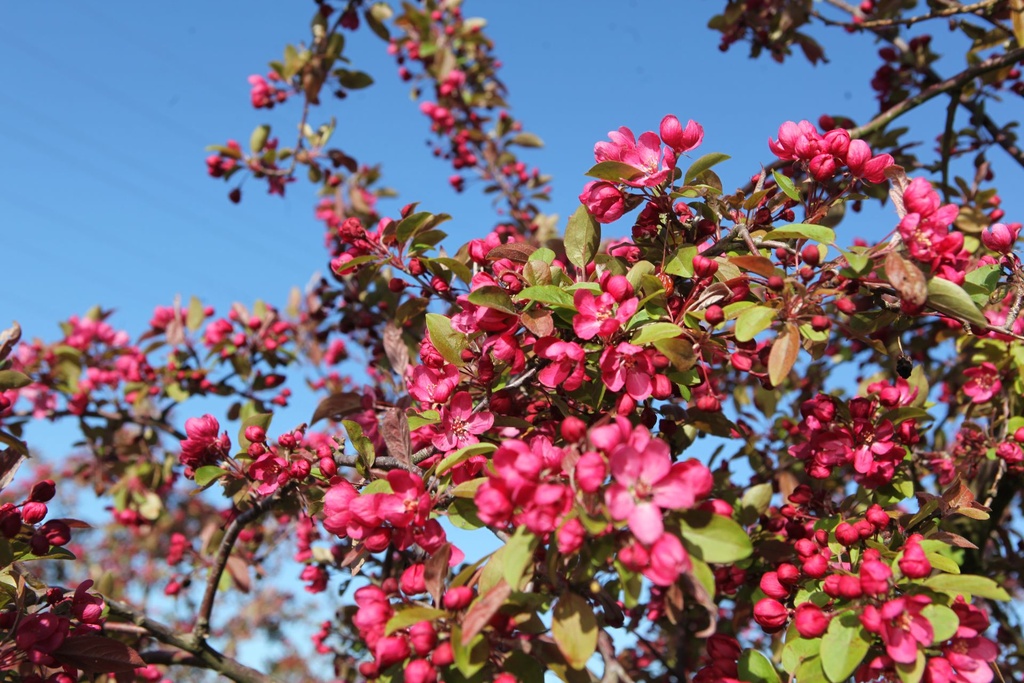
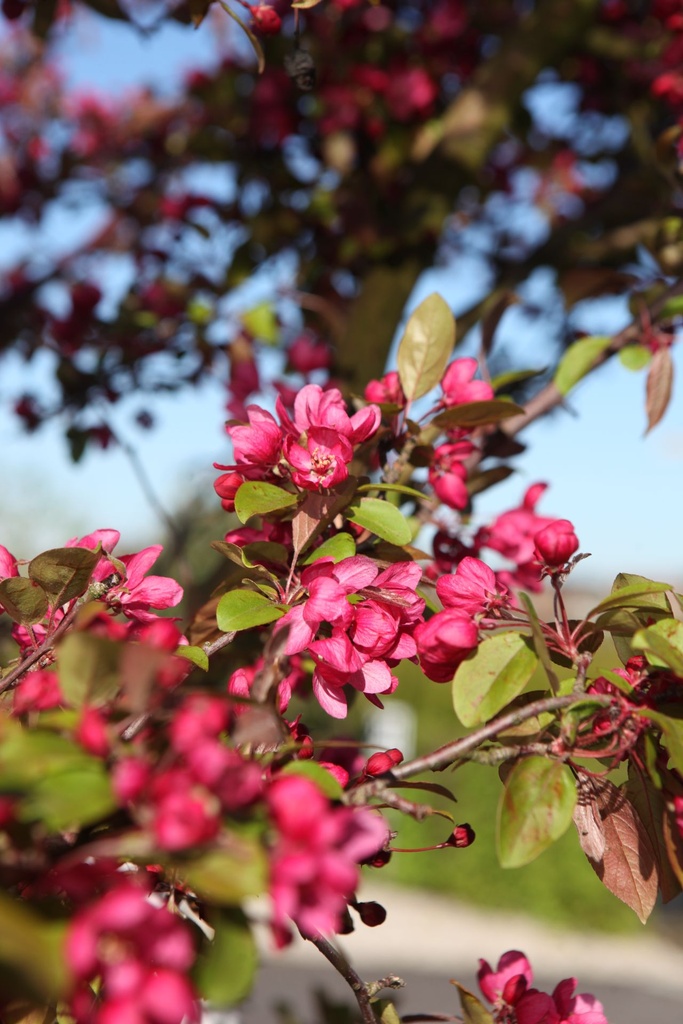
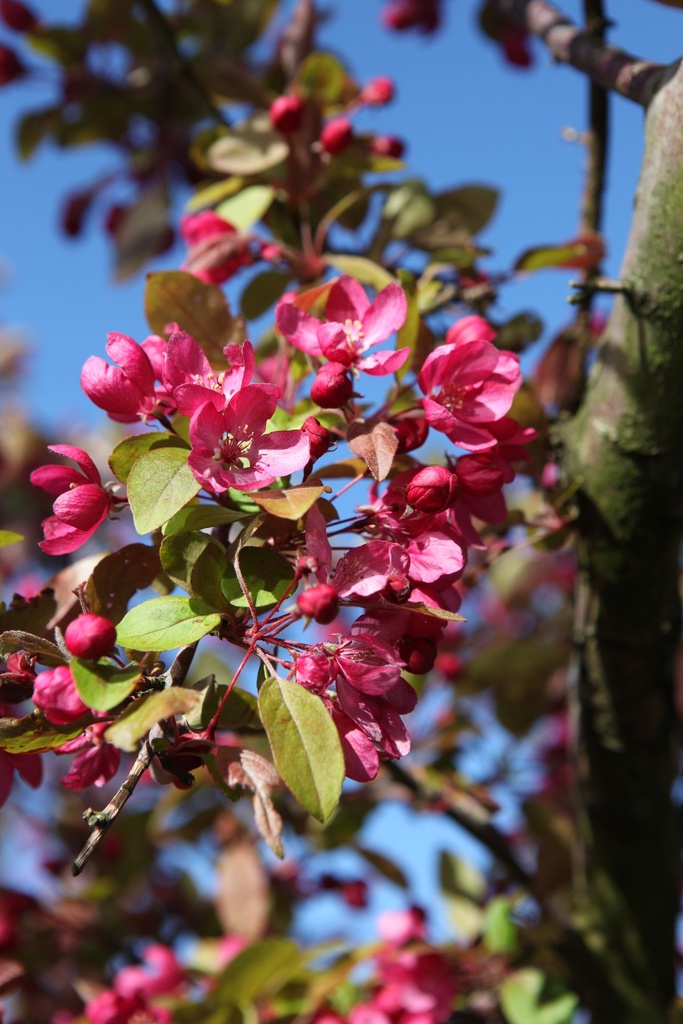
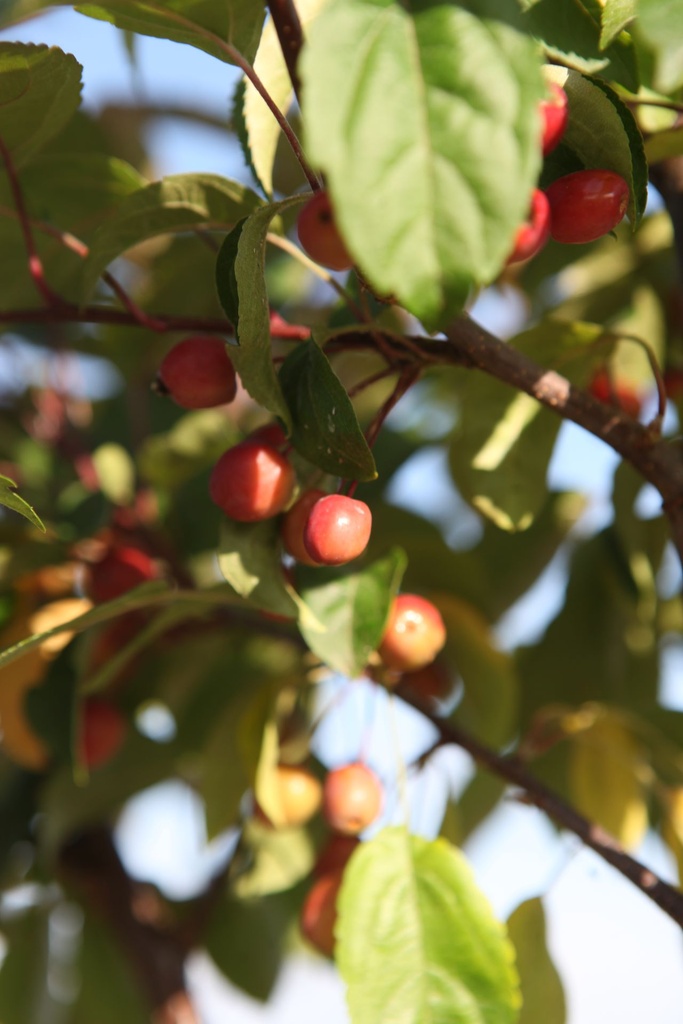
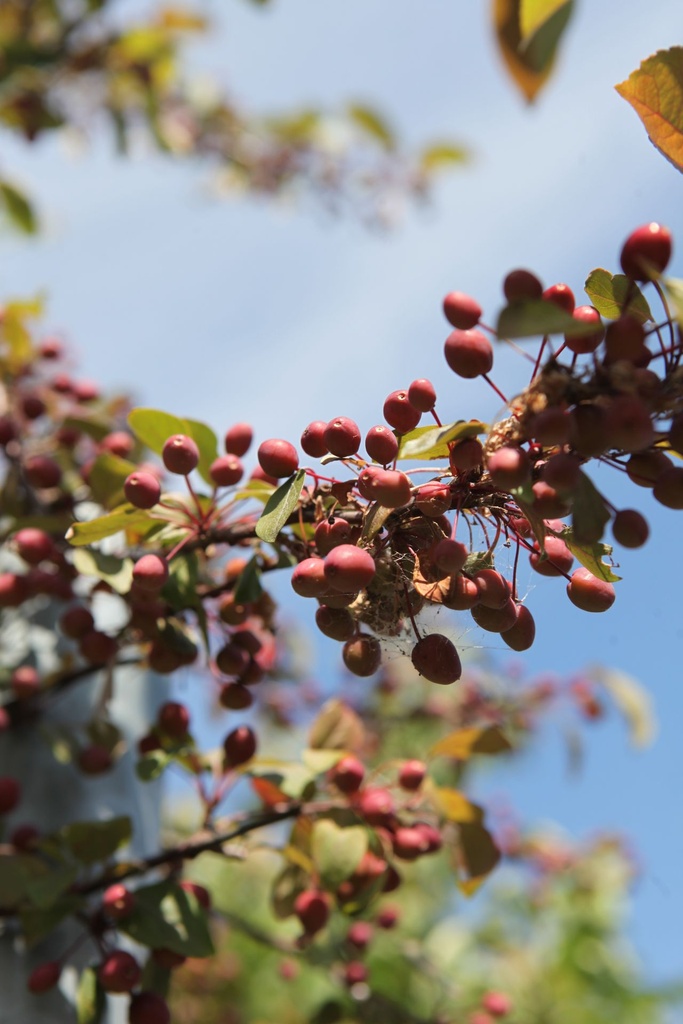
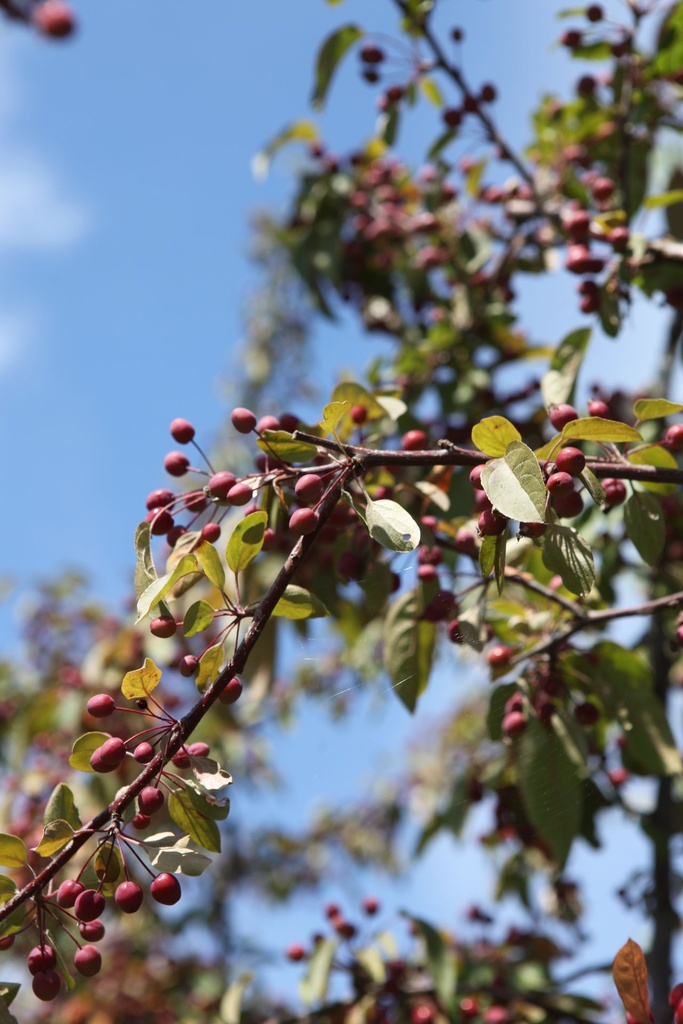
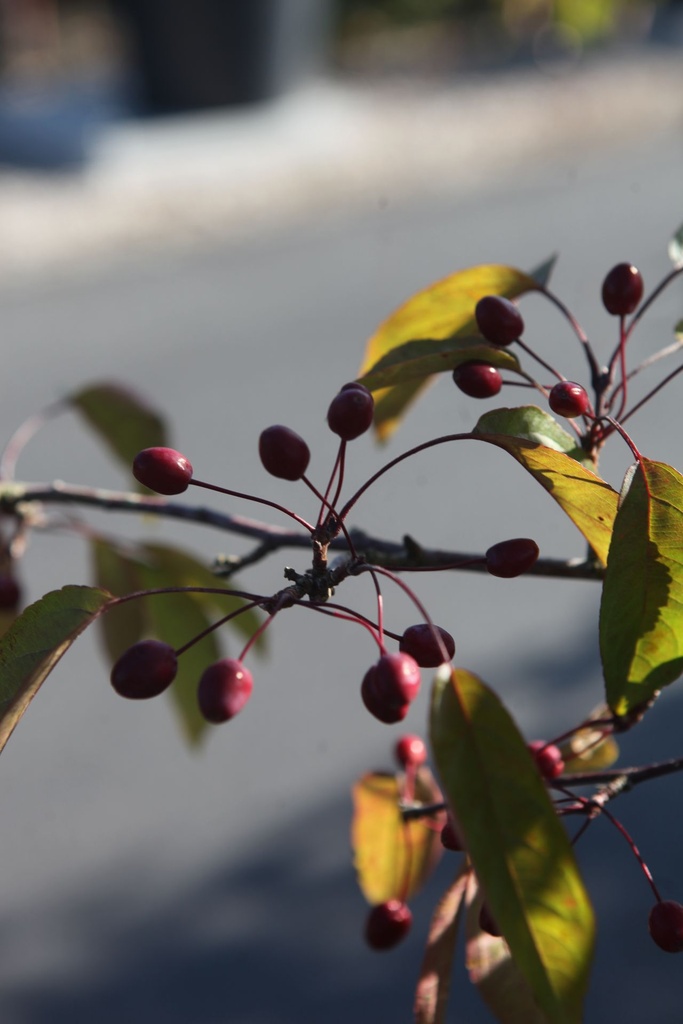
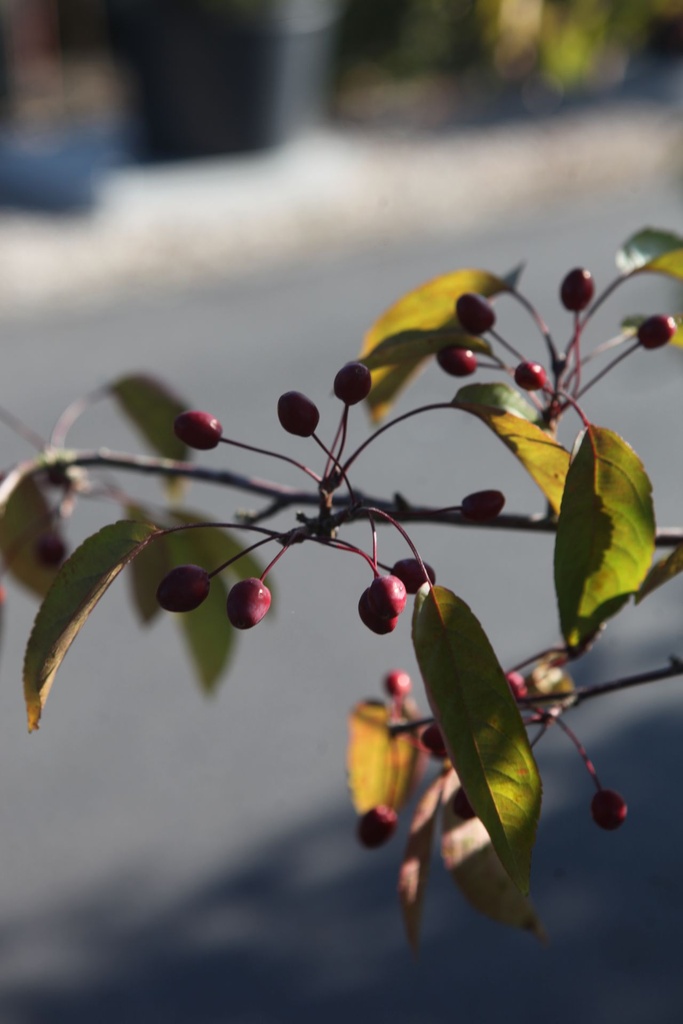
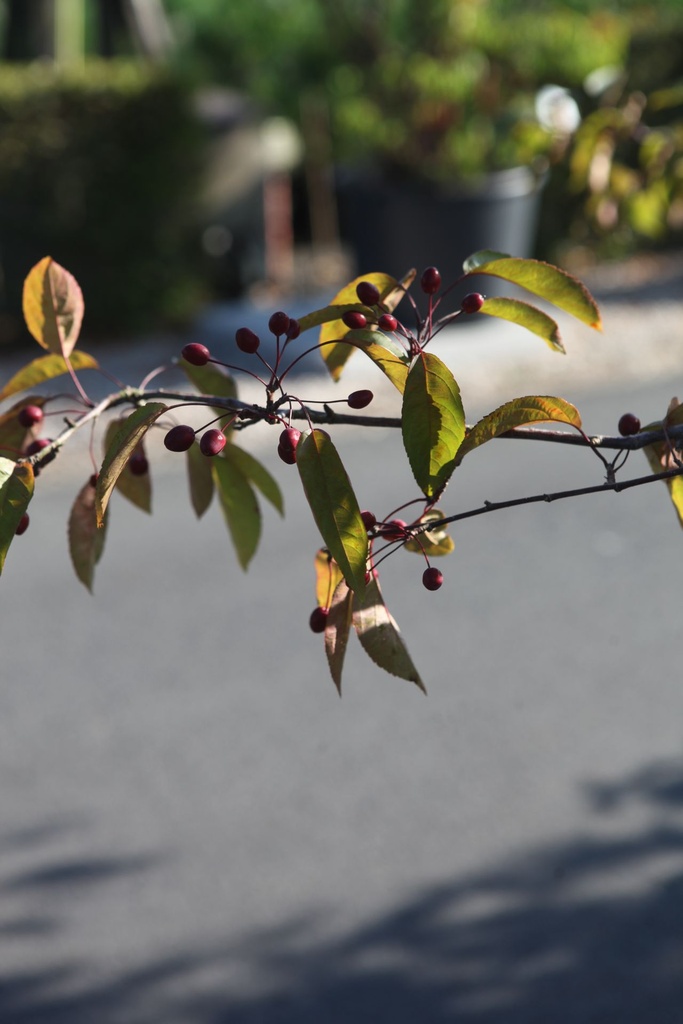
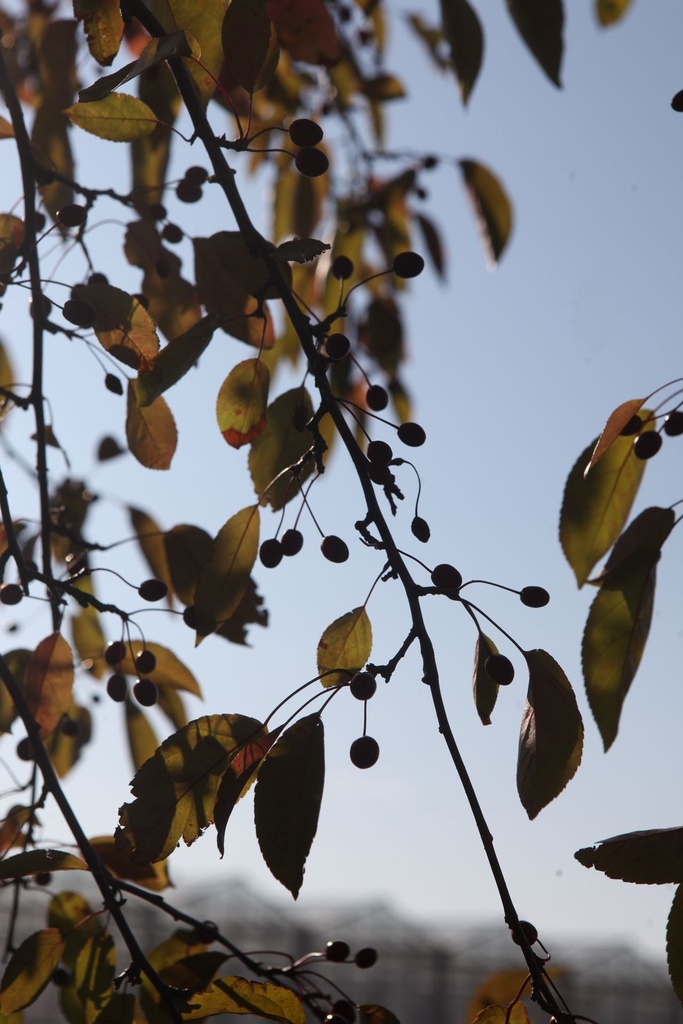
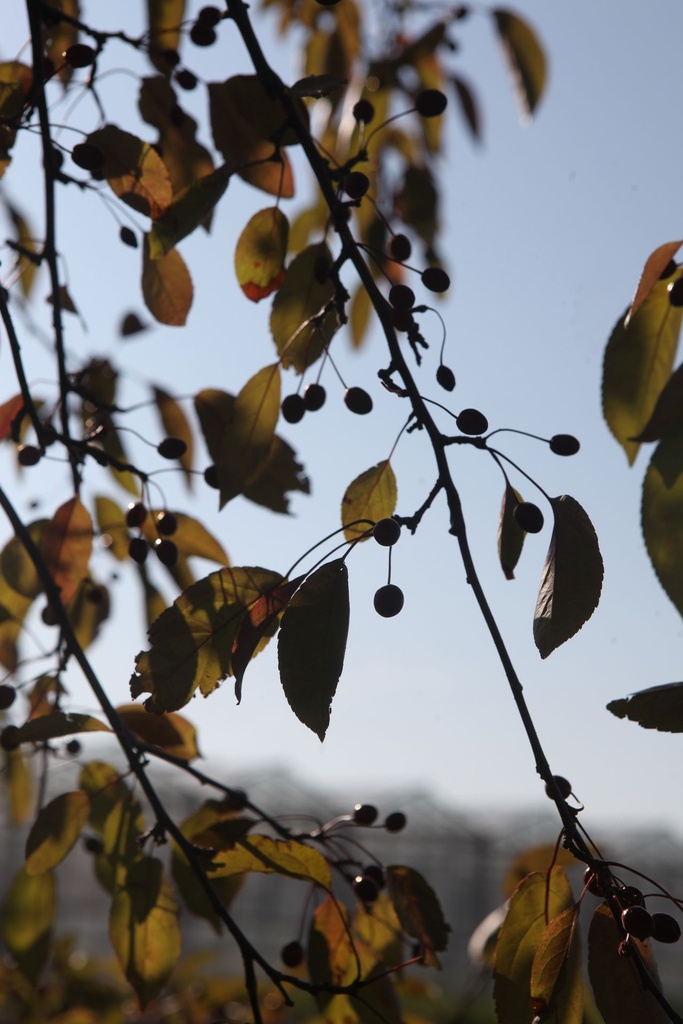
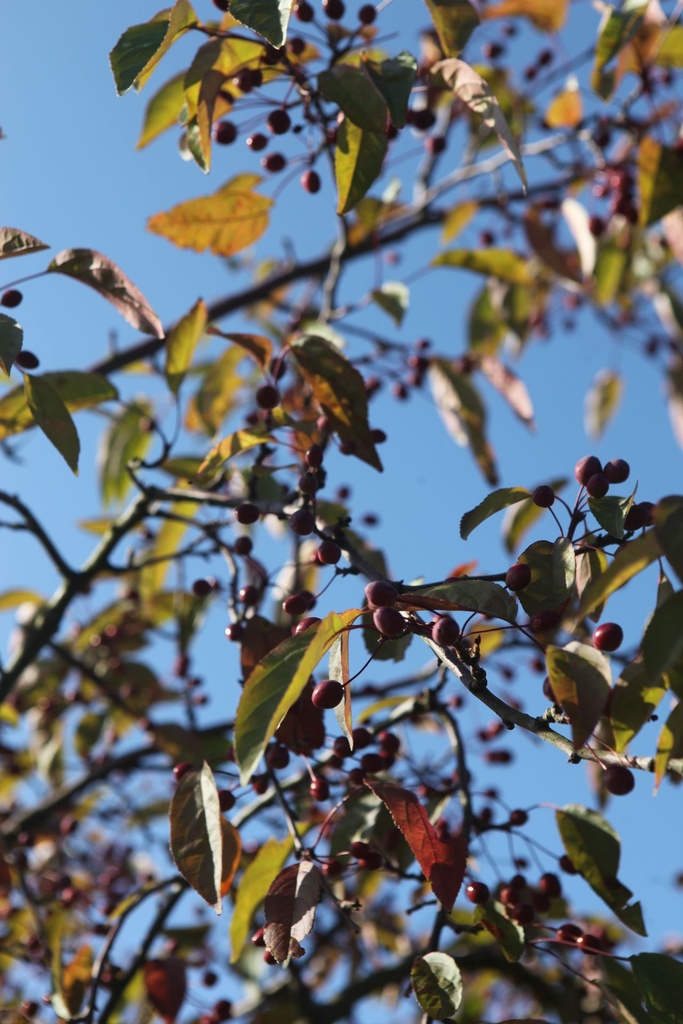
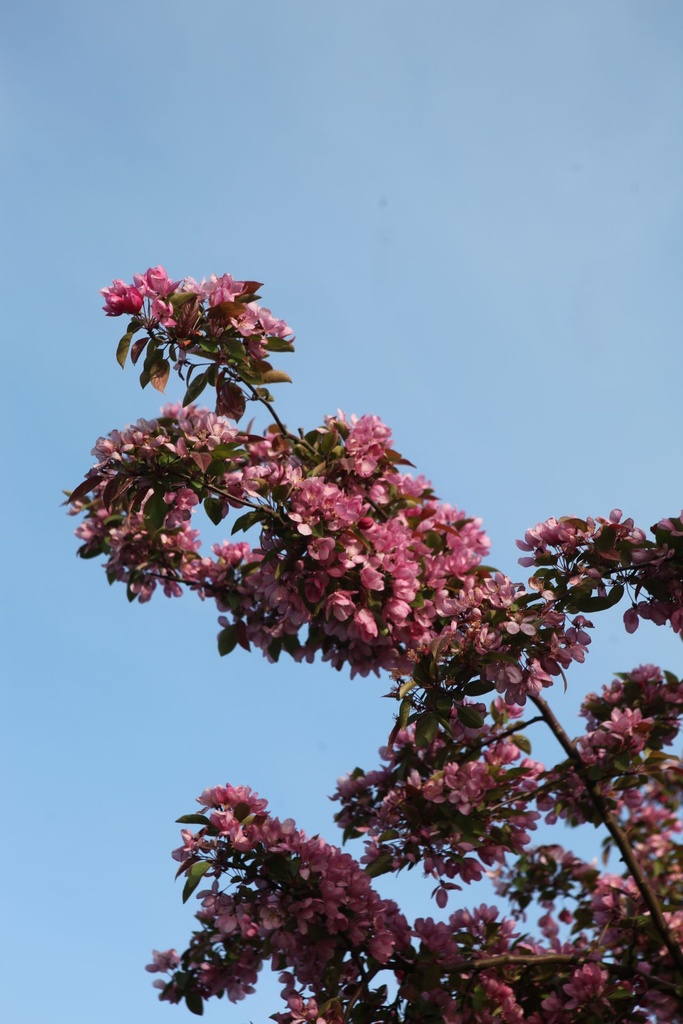
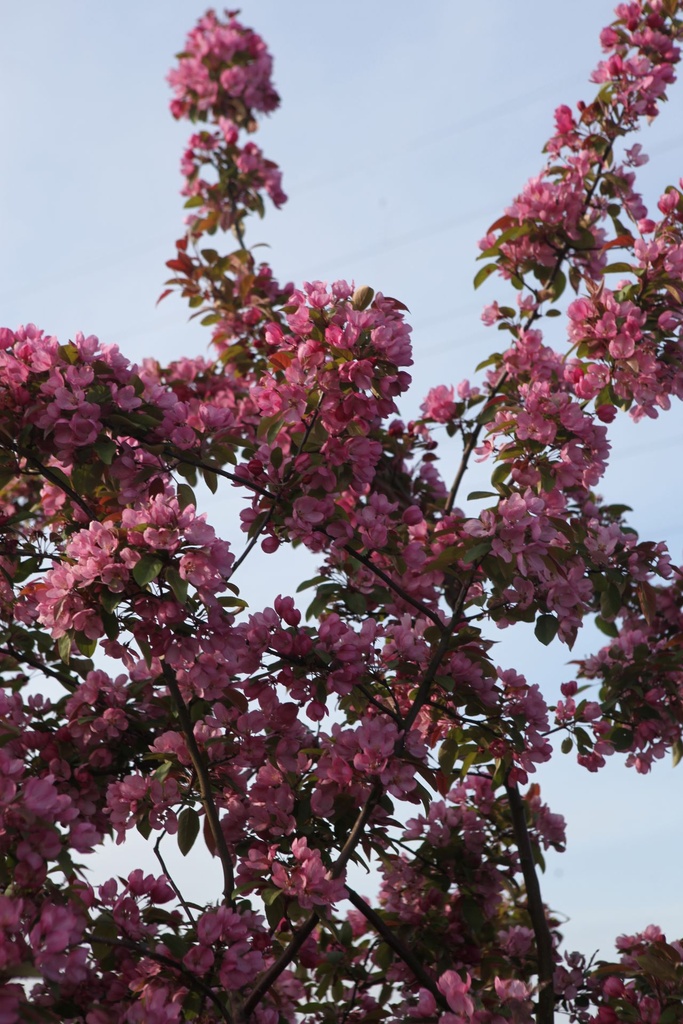
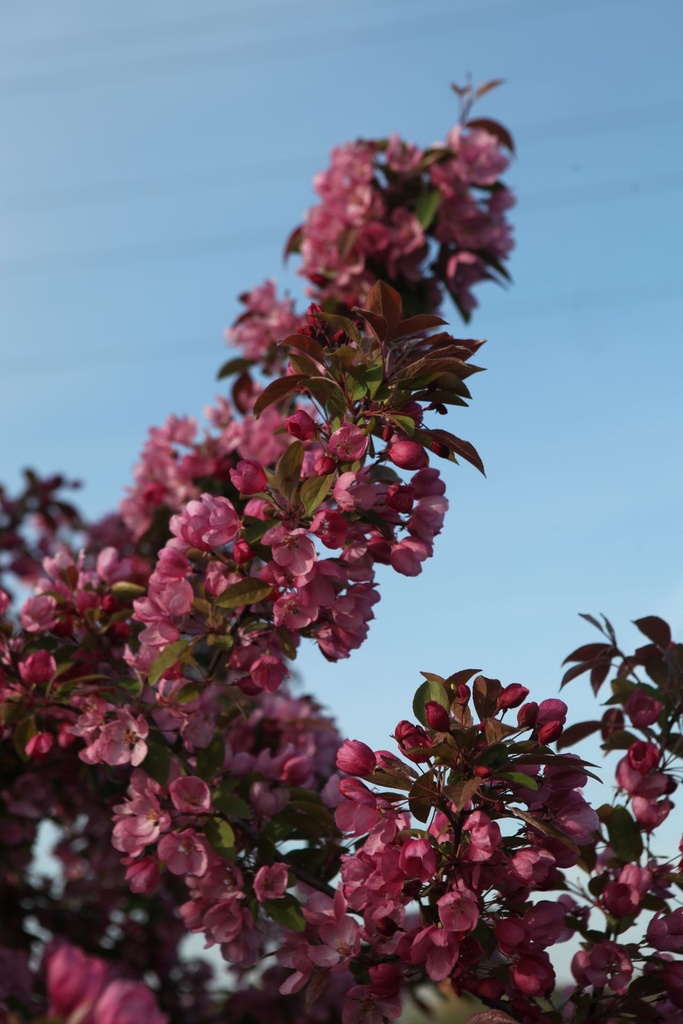
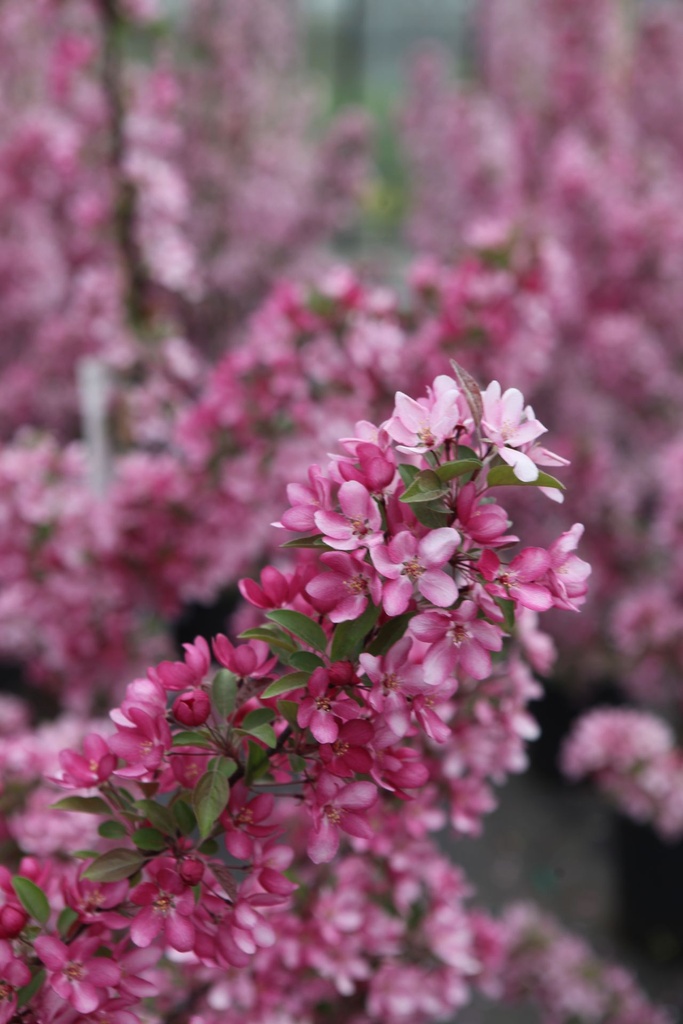
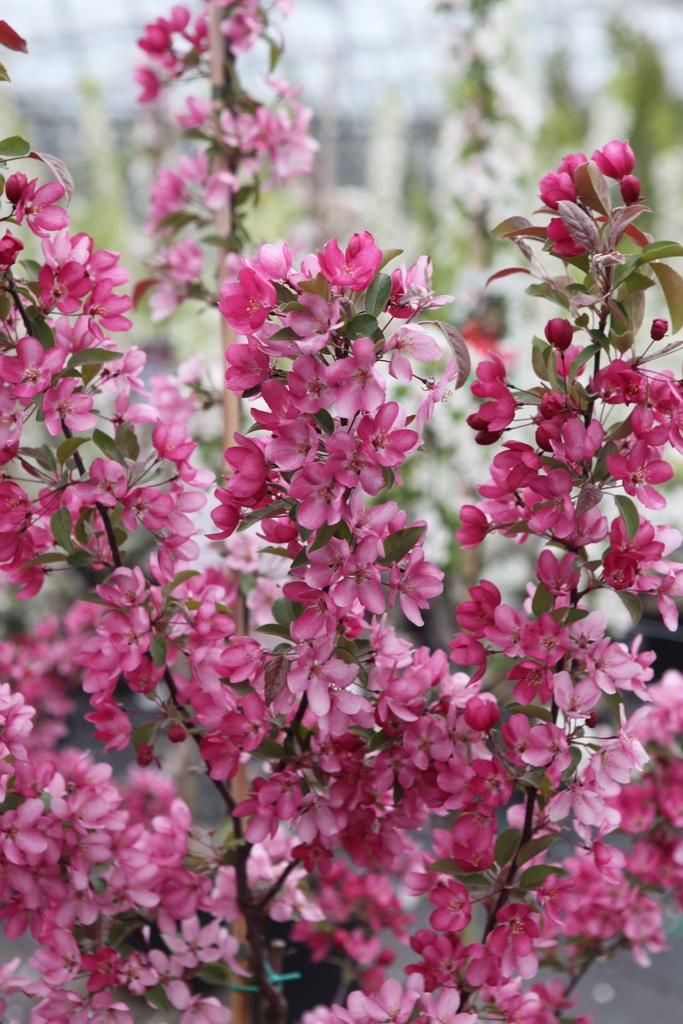
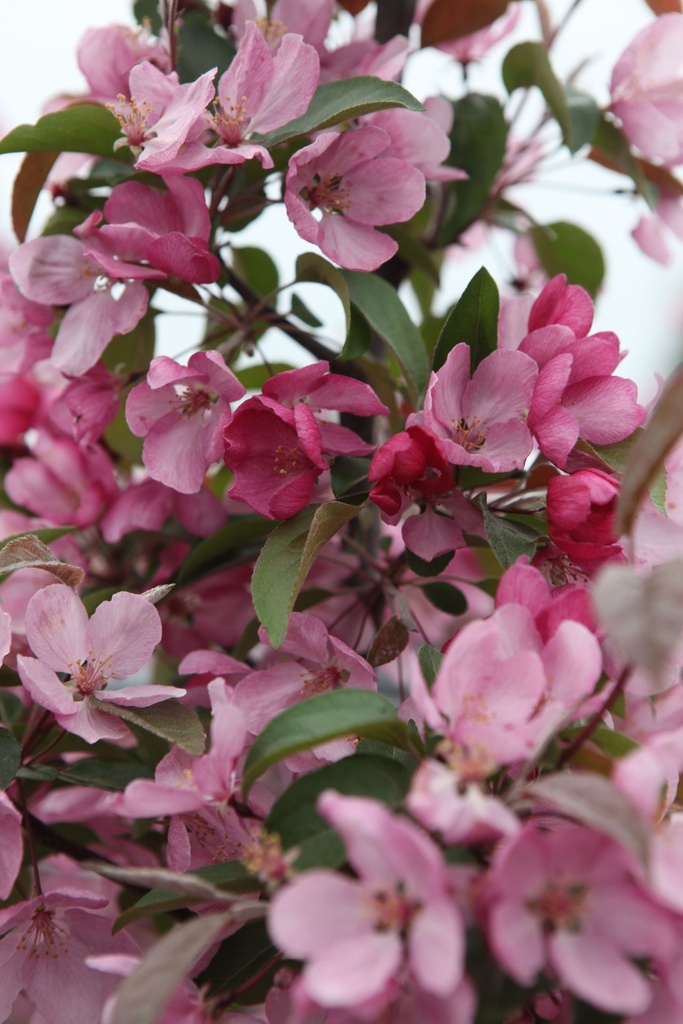
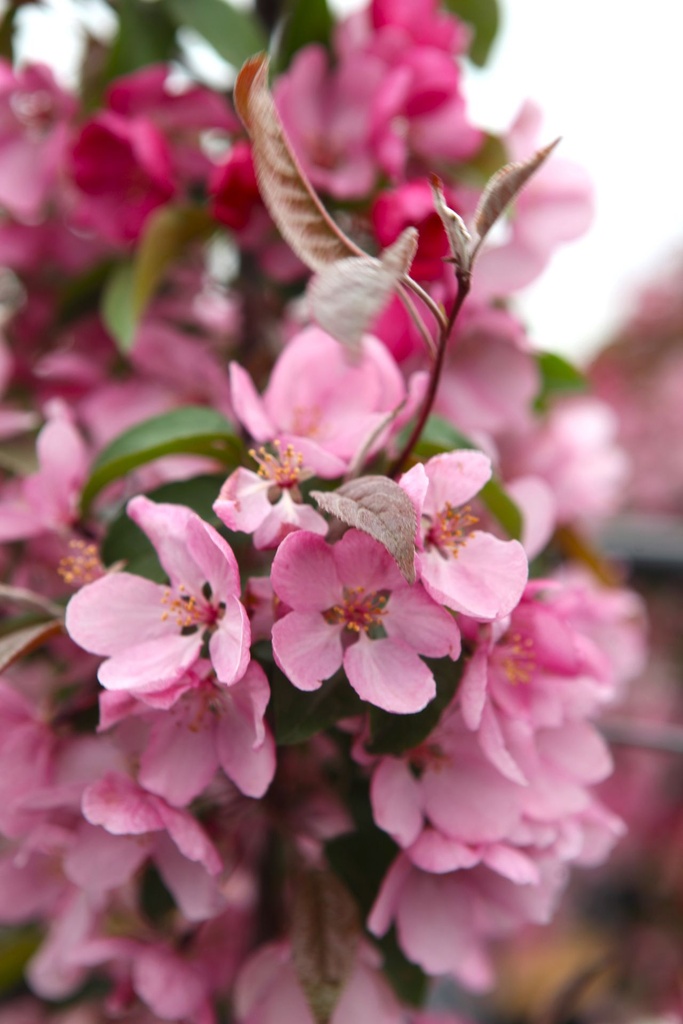
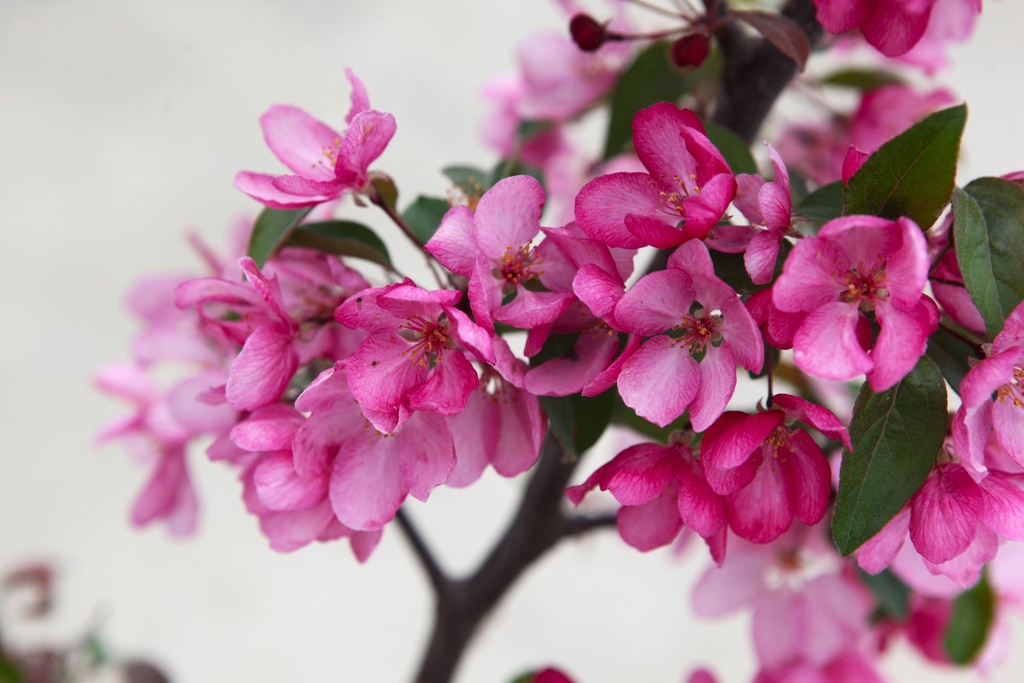
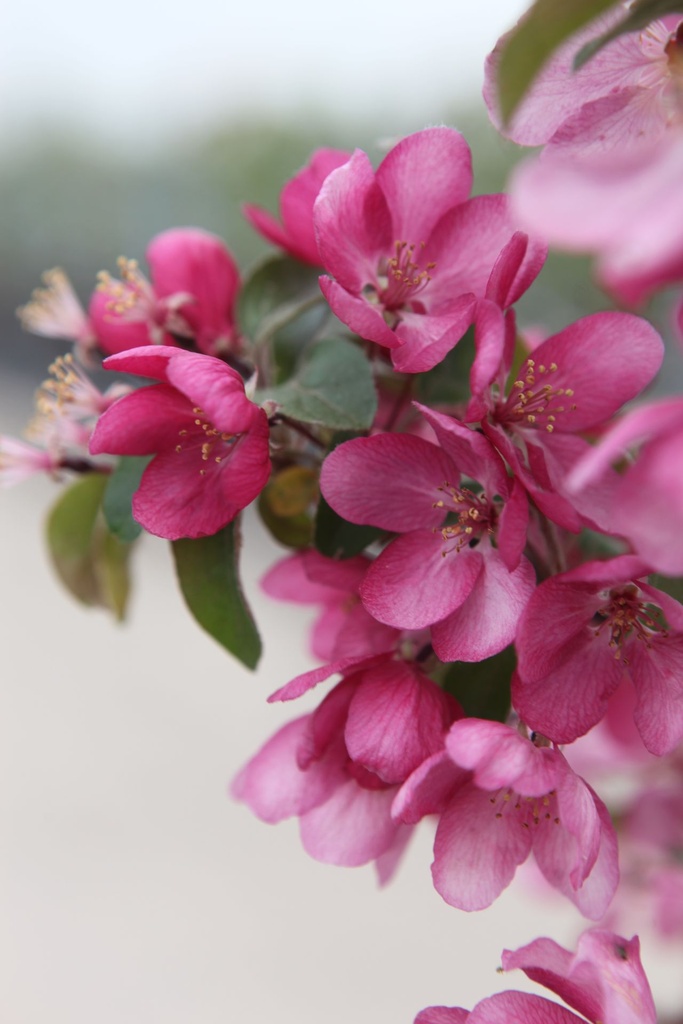
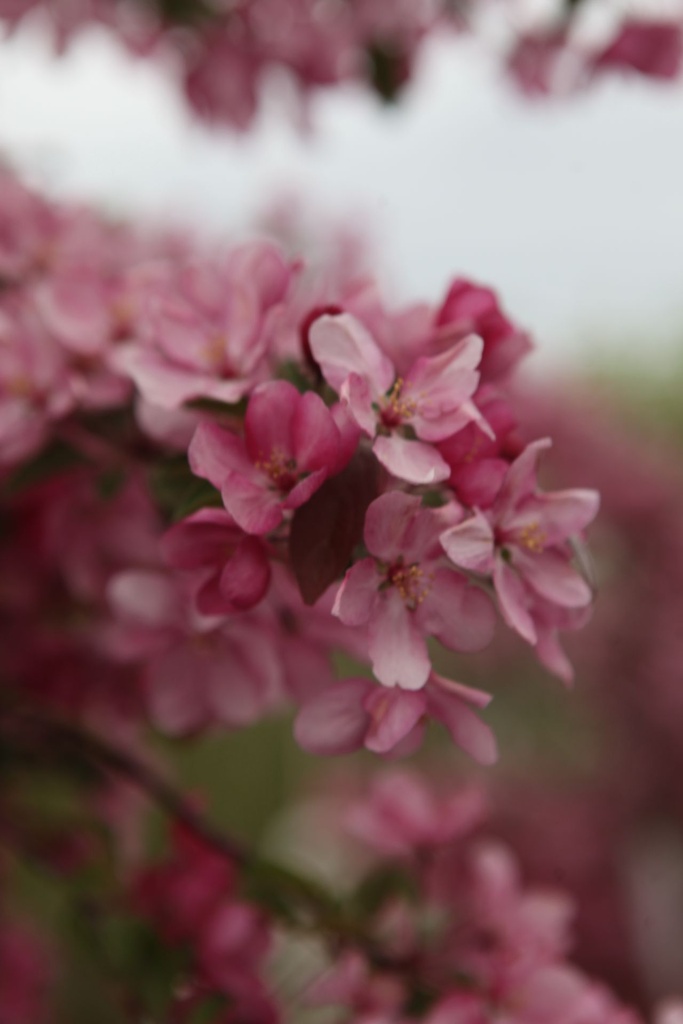
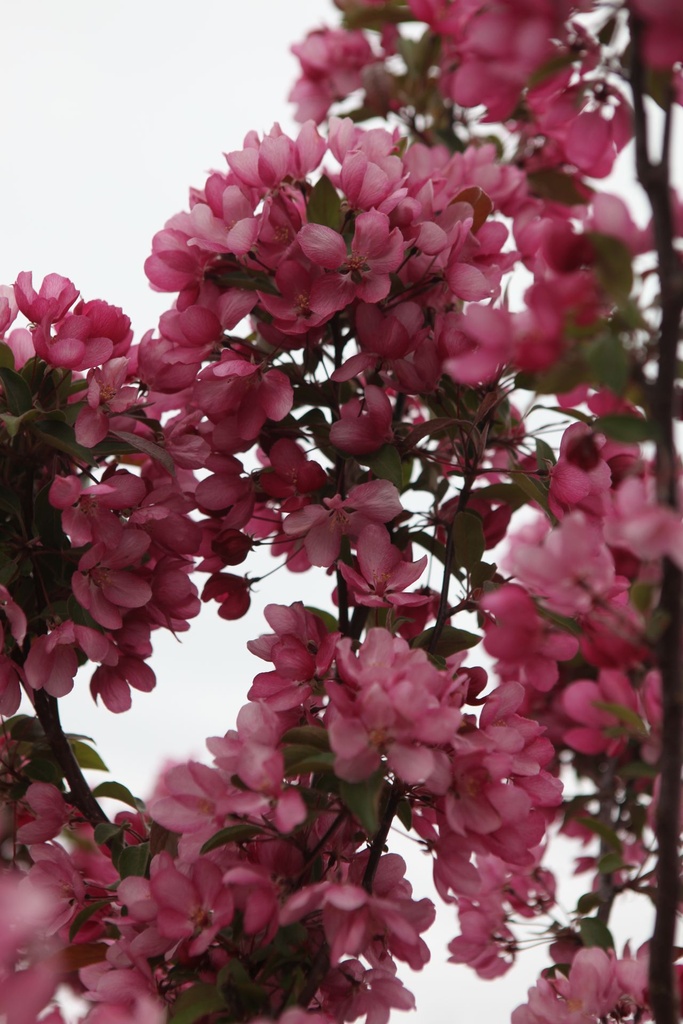
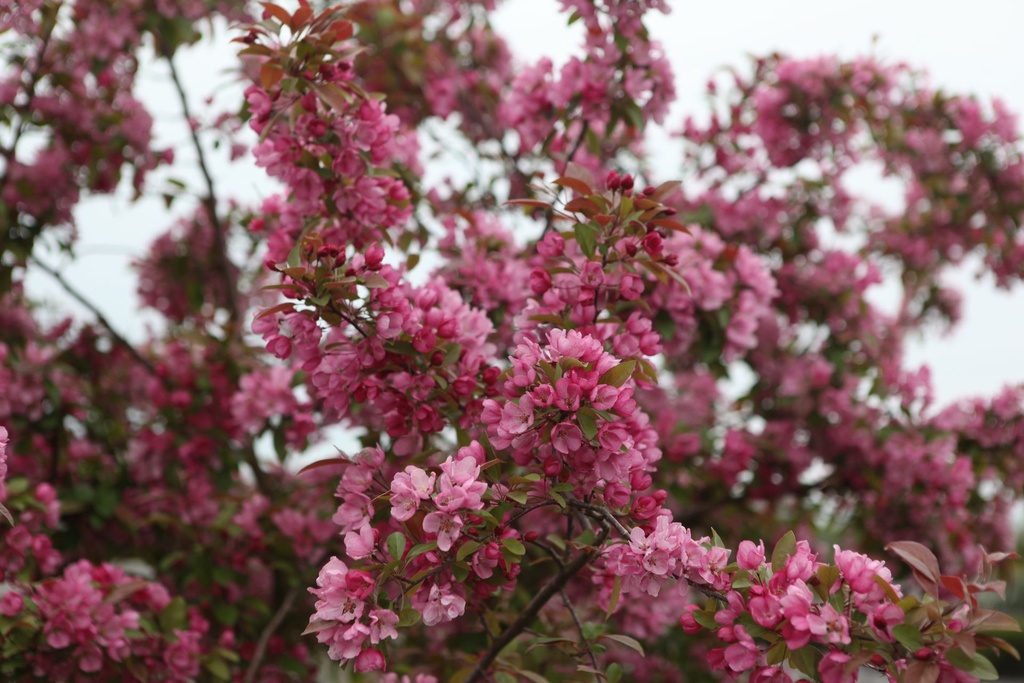
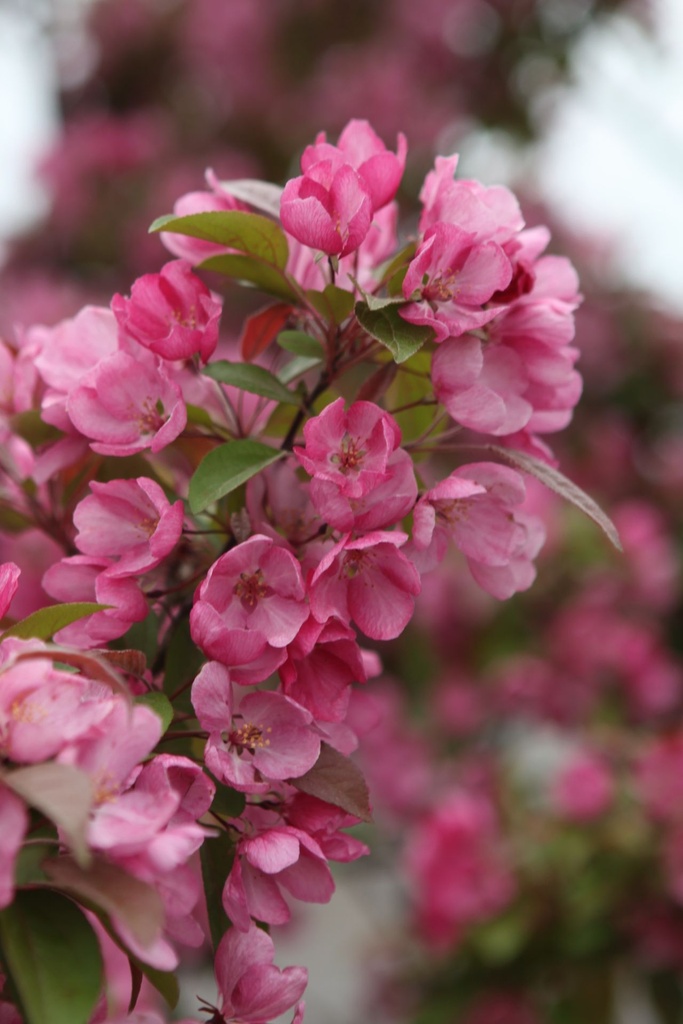
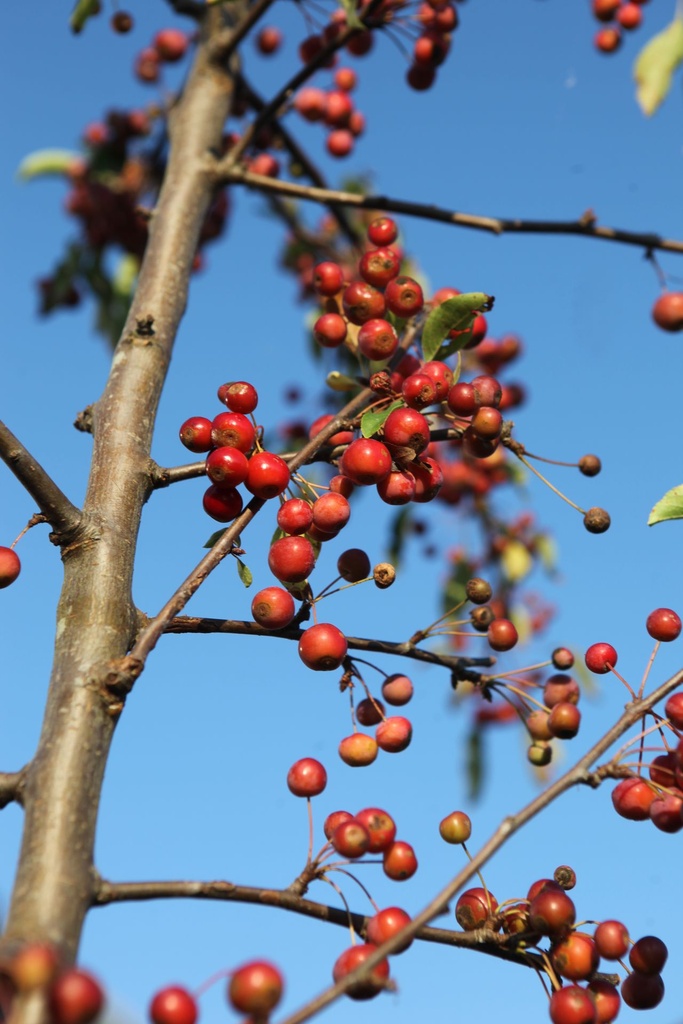
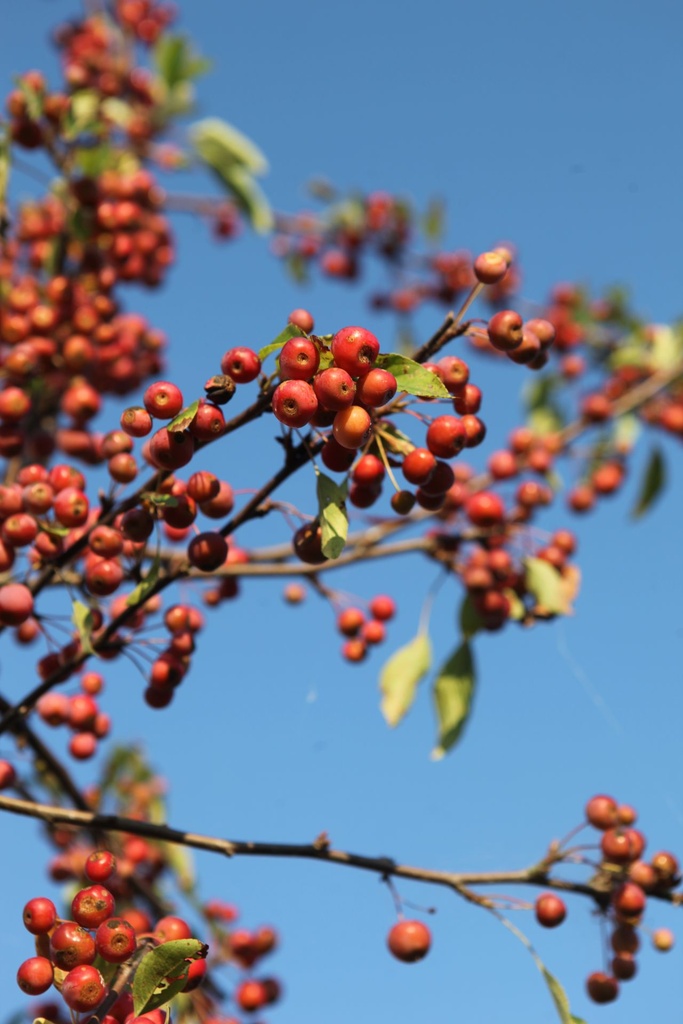
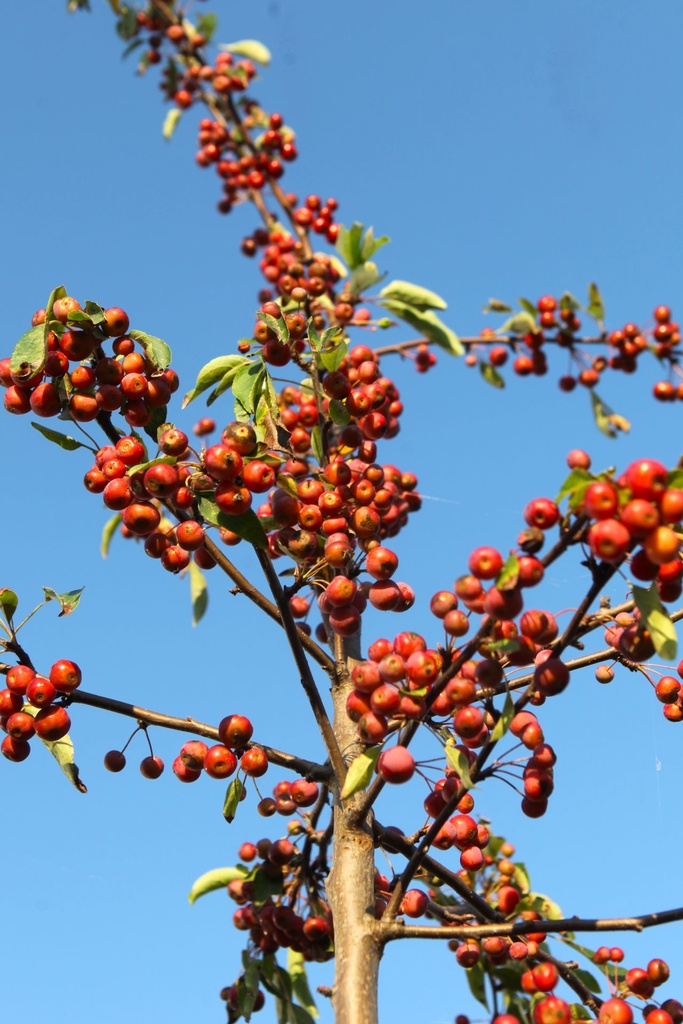
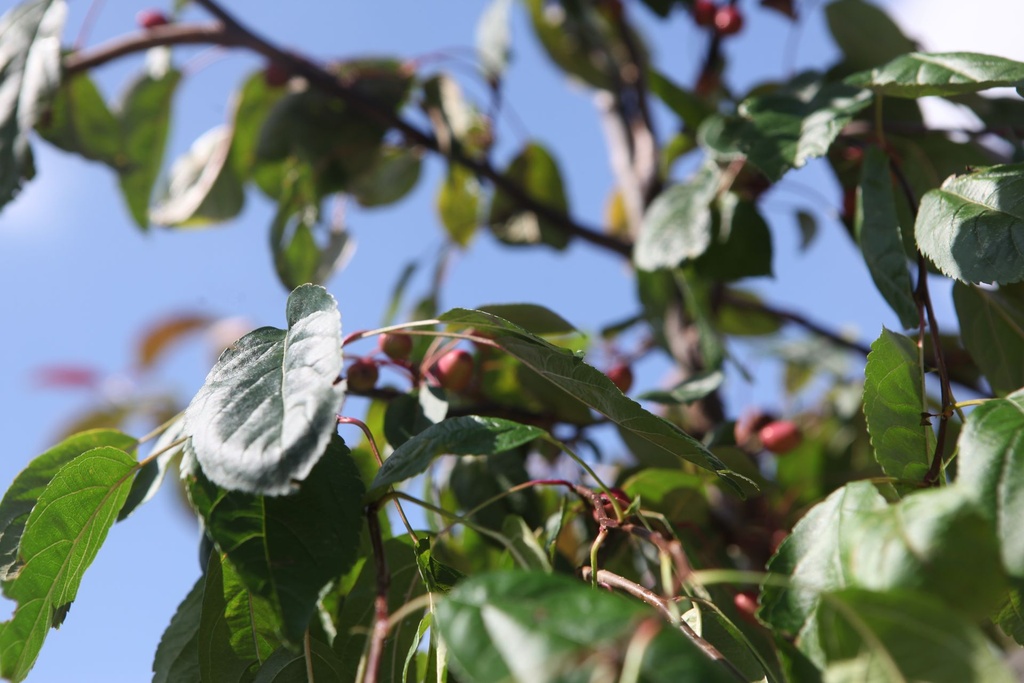
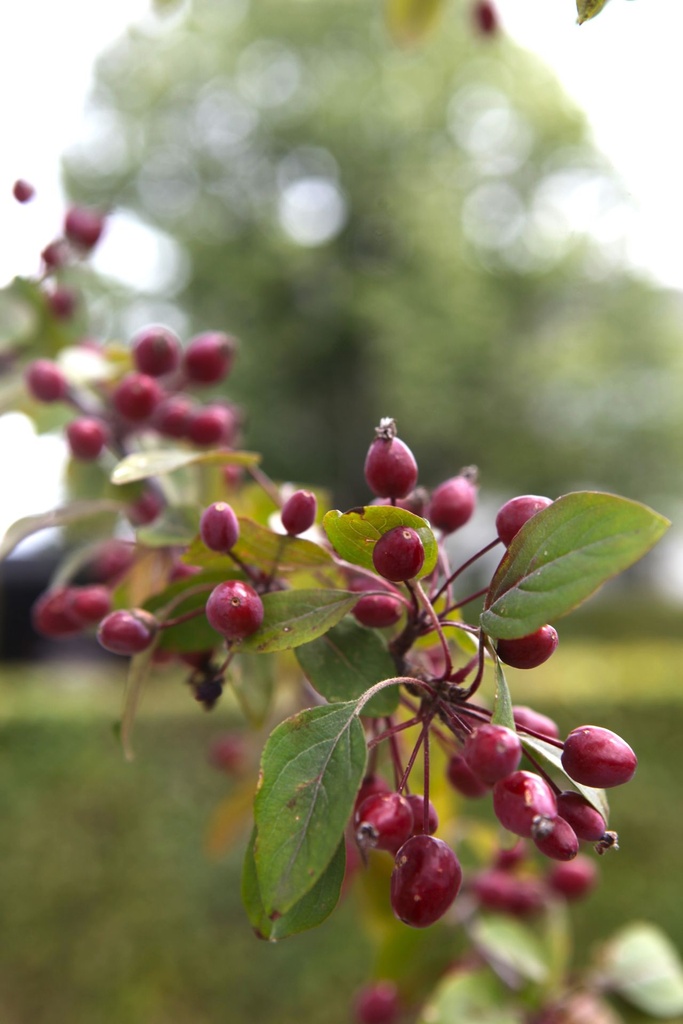
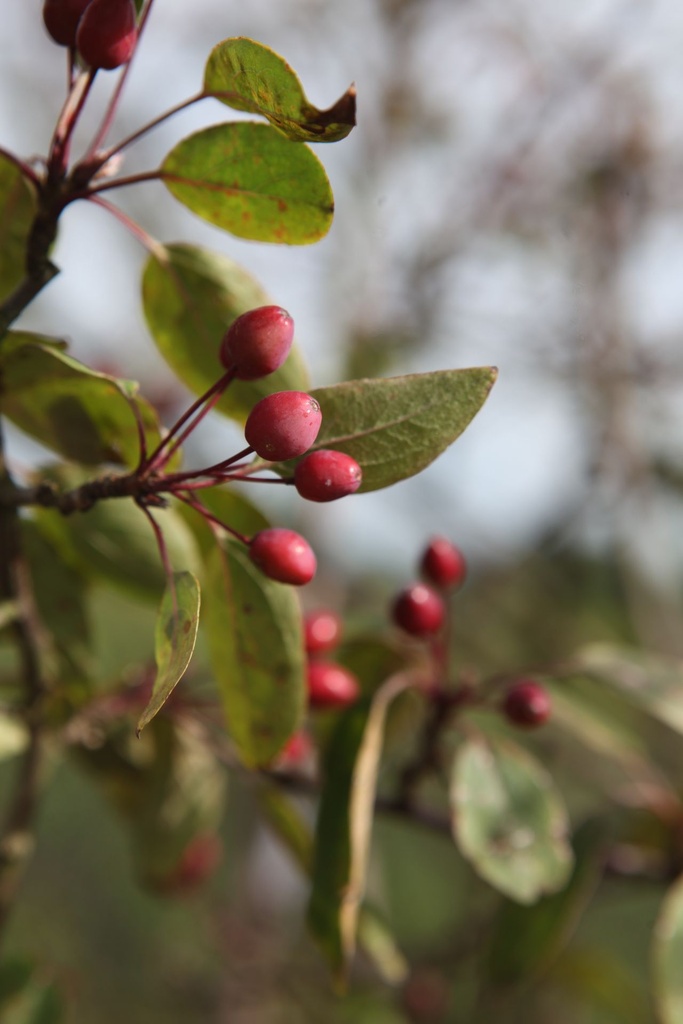
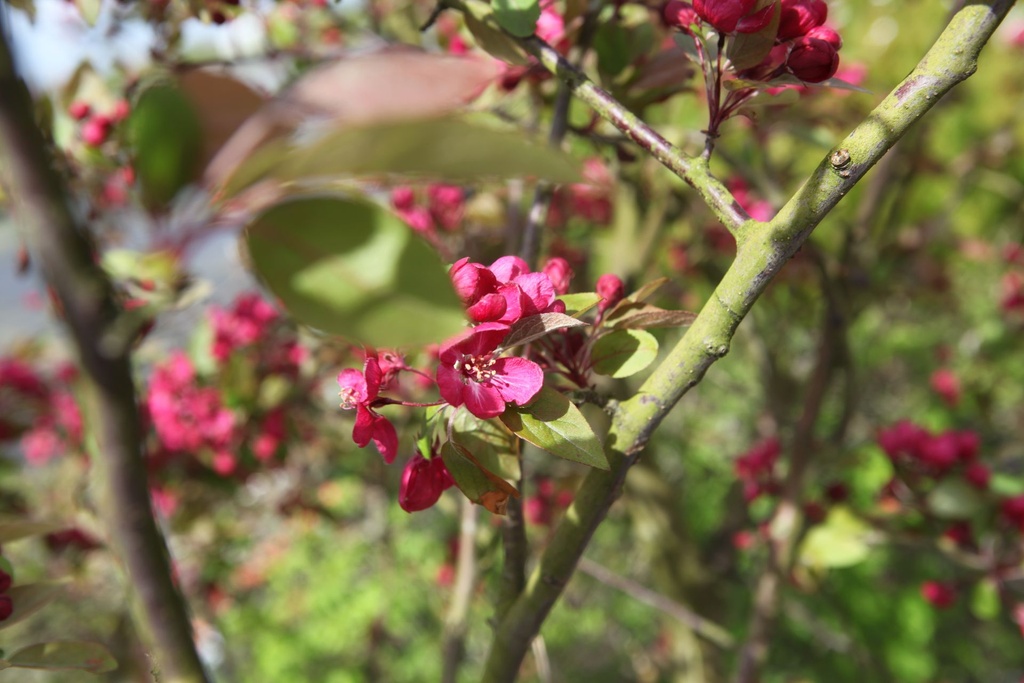
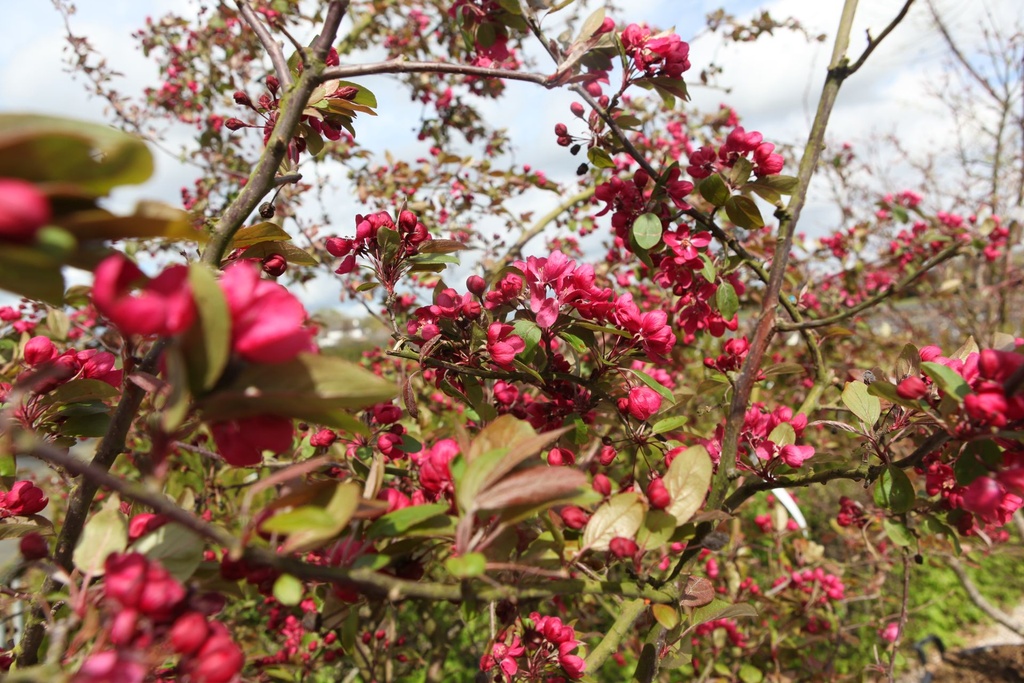
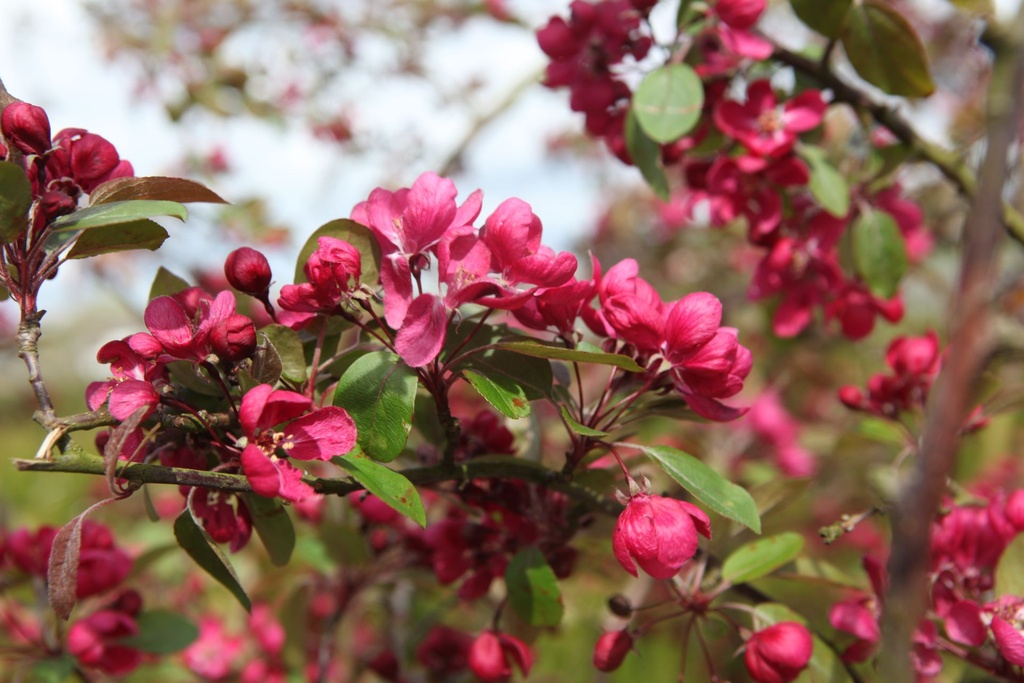
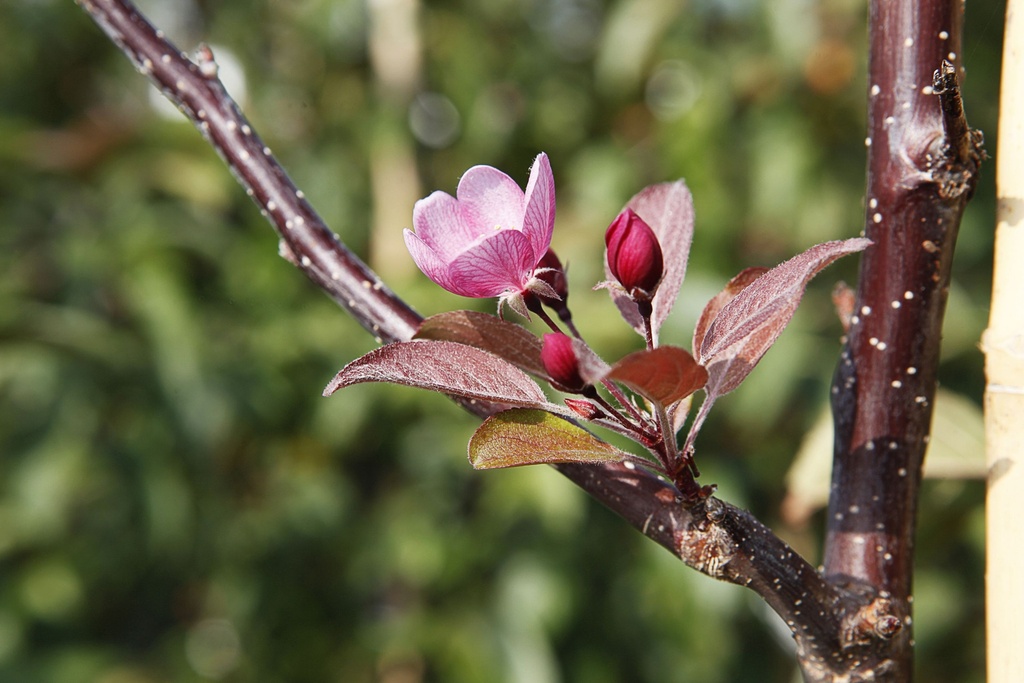
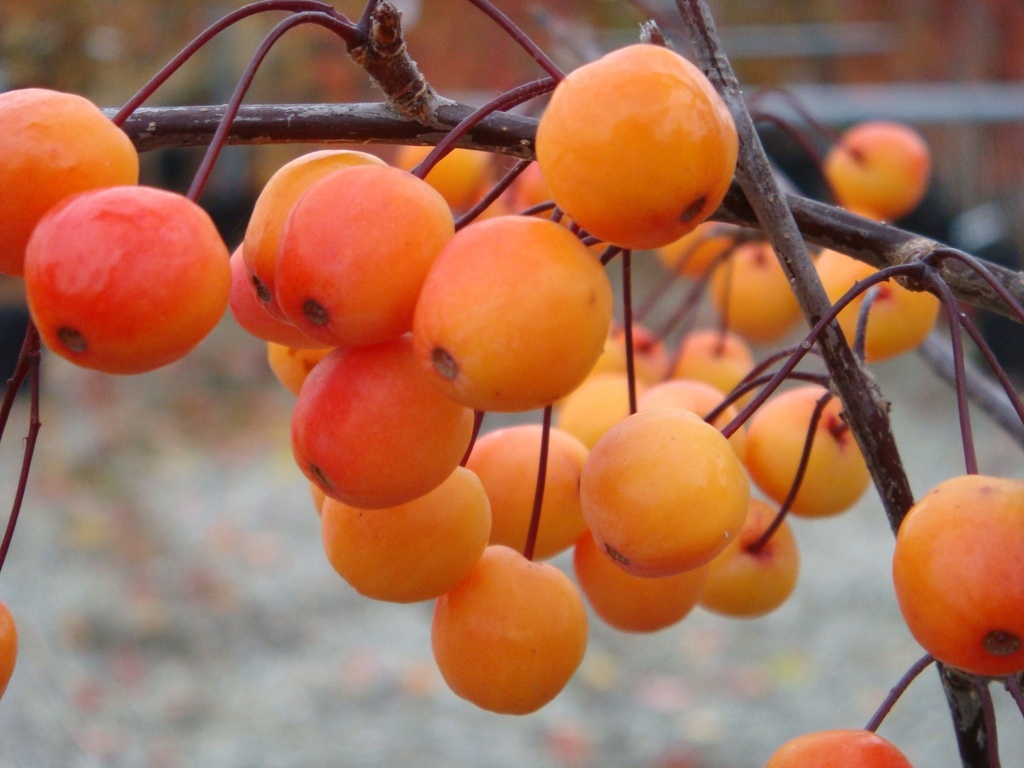
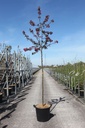
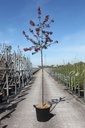
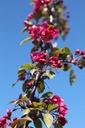
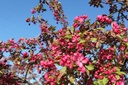
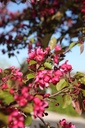
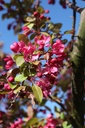
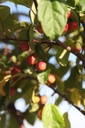
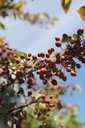
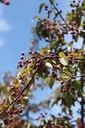
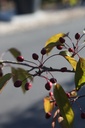
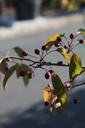
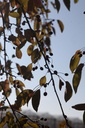
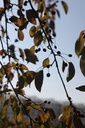
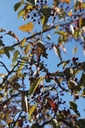
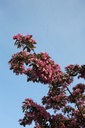
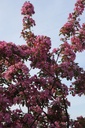
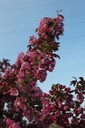
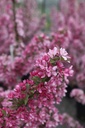
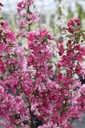
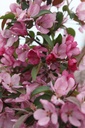
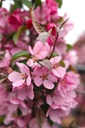
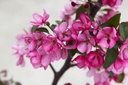
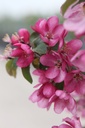
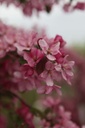
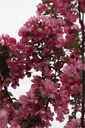
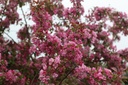
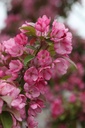
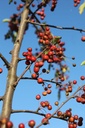
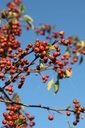
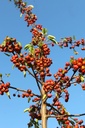
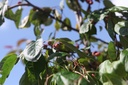
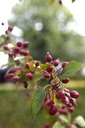
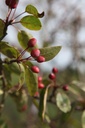
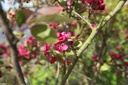
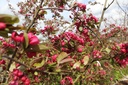
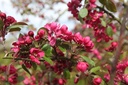
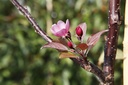
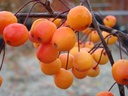
'Indian Magic', a 1969 American selection, forms a broad, rounded crown of about 5 m high and 6 m wide. Deep pink buds open into rose-red flowers in April and May, followed by small elongated fruits of 1.5 cm that ripen glossy bright red, shift to orange and hang on through winter. Good scab resistance and orange-yellow autumn colour.
Malus
Apples and crabapples (Malus) are deciduous small trees and large shrubs from across the northern hemisphere, with around 60 wild species. Besides the eating apple, many are grown purely for ornament: they flower white, pink or red in April and May, then carry small yellow, orange or red fruits that often hang on into winter, and many colour well in autumn.
Location and soil
Plant in full sun, or partial shade at most, away from large trees and out of strong winds that can harm the blossom. Malus prefers a deep, rich and moist soil, even clay, is indifferent to pH, but does not like drought. The genus is very hardy in Belgium.
Pruning and care
Water regularly for the first two years, stake young trees and give compost each spring on poor soil. Ornamental crabapples need no routine pruning; if necessary, shape lightly and remove dead wood in February or March, without shortening the main branches. Scab and powdery mildew can occur in warm, damp weather, more on fruiting apples than on crabapples.
Use in the garden
Crabapples suit small gardens as a specimen, in a free-growing hedge or, for dwarf types, in a large tub. The blossom feeds bees and the fruits feed birds well into winter; they are not toxic and can be made into jelly, juice or cider. Any Malus also pollinates nearby apple trees, which need a partner within about 100 m to set fruit.
Plant characteristics
Botanical
| Family | Rosaceae |
| Genus | Malus |
| Cultivar | 'Indian Magic' |
Flowering
| Flowering period | april to may |
| Colour (flower) | pink |
Foliage
| Evergreen | no |
| Colour (foliage) | green |
Growth habit
| Height | 600 cm, 400 cm |
Location
| Winter hardiness | zone 5a (down to -28,9 °C) |
| Summer heat | up to heat zone 8 |
| Soil type | kalkrijk, acid, neutral, all |
| Location | sun, half shade |
| Soil moisture | normal |
Use
| Type (use) | shrub, solitary, in group |
| Fruits/berries | showy, orange |
Care
| Pruning | february to march |