


|
J
|
F
|
M
|
A
|
M
|
J
|
J
|
A
|
S
|
O
|
N
|
D
|
|
J
|
F
|
M
|
A
|
M
|
J
|
J
|
A
|
S
|
O
|
N
|
D
|
|
J
|
F
|
M
|
A
|
M
|
J
|
J
|
A
|
S
|
O
|
N
|
D
|
About this plant
What makes this plant special
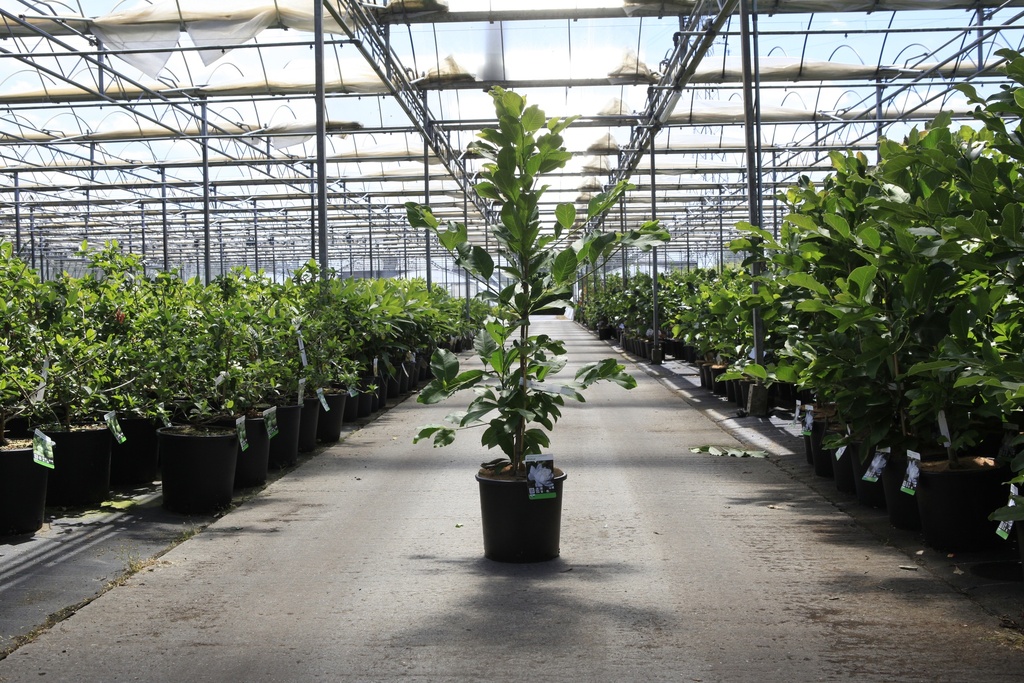
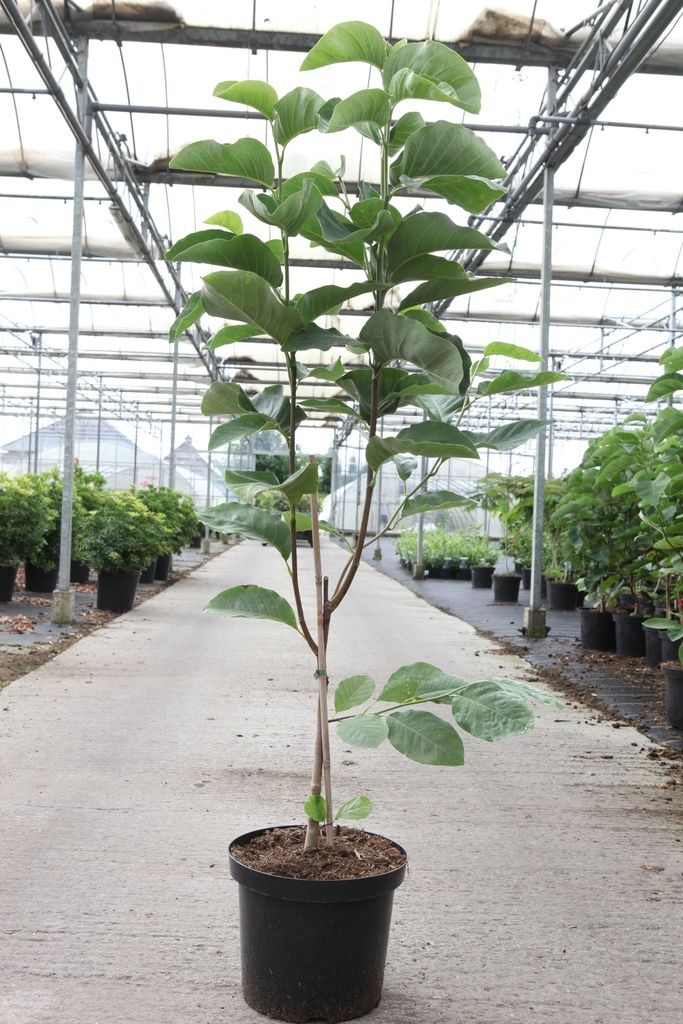
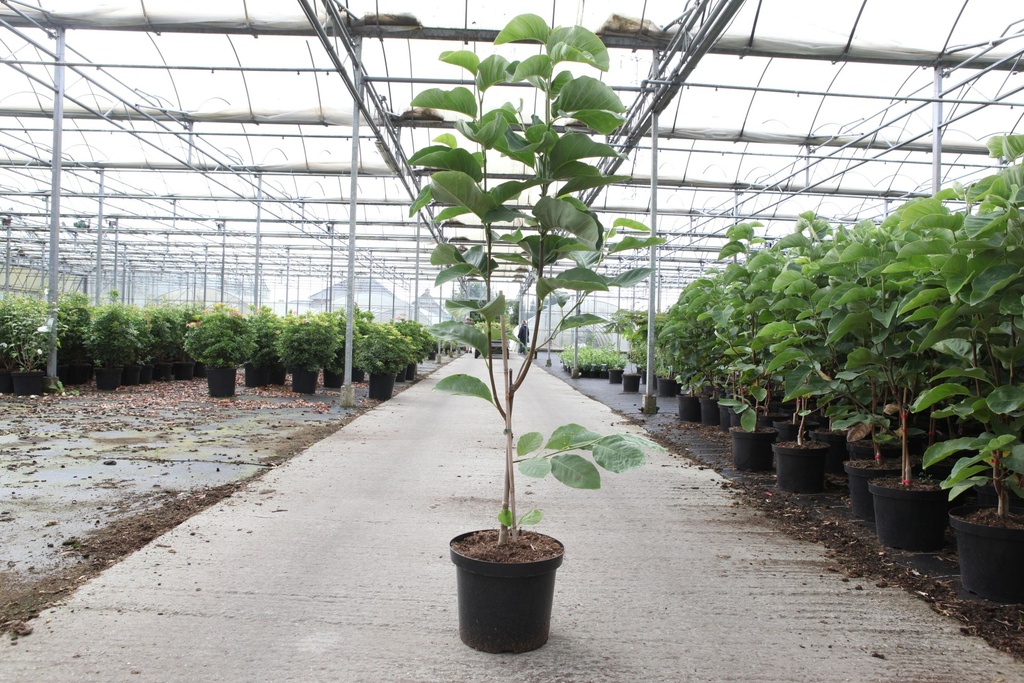
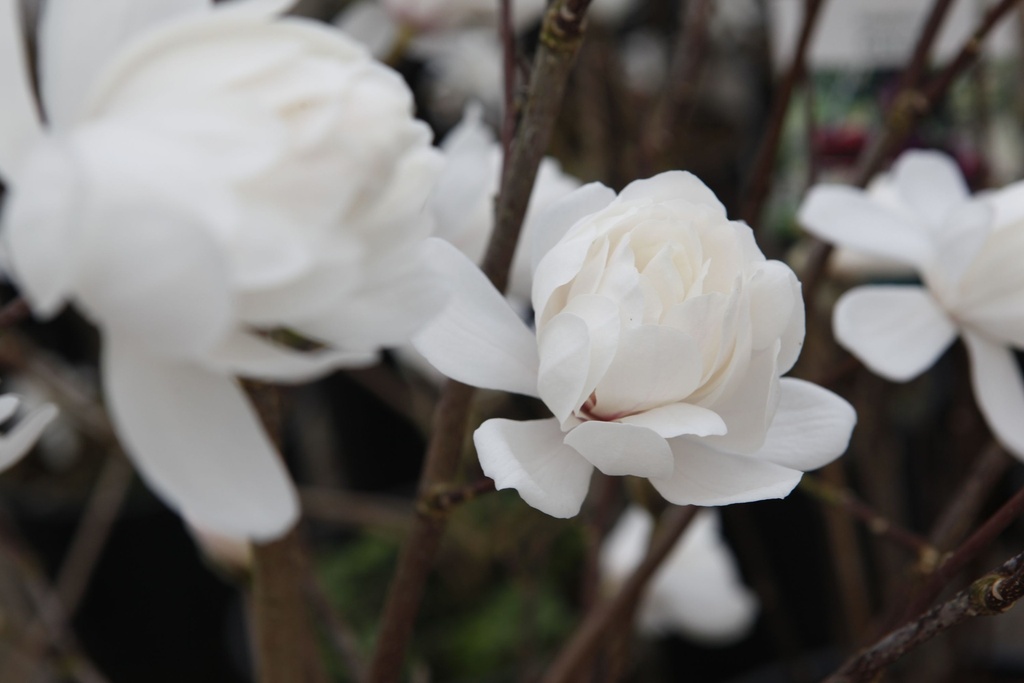
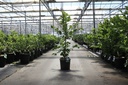
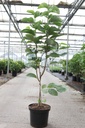
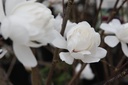
'Wildcat' stands out for its fully double flowers of around 50 tepals, 10 to 12.5 cm across, which open soft pink, fade to white and give a pompom-like effect. They keep coming for about six weeks. Larry Langford of Tennessee chose it from a batch of seedlings, and it grows into a shrub of medium to large size.
Magnolia
Magnolias (Magnolia) are trees and shrubs from eastern Asia and the Americas, some 330 species in all. Gardens grow mainly the deciduous East Asian species and their hybrids, which open large white, pink or purple flowers on bare branches in spring, shaped like stars, bowls or goblets and often scented. Other species flower in summer, and a few are evergreen with dark, glossy leaves.
Magnolia loebneri
The Loebner magnolia (Magnolia × loebneri) is a deciduous hybrid between the Kobus magnolia and the star magnolia, raised in Germany in the early twentieth century. It grows into a large shrub or small, often multi-stemmed tree with a rounded crown, and in March and April, before the leaves, it is smothered in fragrant, star-shaped flowers in white, pink or lilac.
Location and soil
It wants direct sunshine for part of each day, so choose a sunny or half-shaded spot rather than deep shade, ideally screened from cold winds. A rich, deep soil that holds moisture yet drains is best, neutral to slightly acid; a trace of lime does less harm here than to most magnolias. It is hardy, and both buds and flowers cope fairly well with late frost.
Pruning and care
Pruning is a light task for March–April: take out dead or diseased wood and any branches rubbing in the middle of the crown, and build up the shape of young plants step by step. Regular watering helps it settle in; once rooted, it usually manages on rainfall alone. Flowers appear within a few years of planting.
Use in the garden
A beautiful specimen for a lawn or the centre of a bed, and a good choice for small gardens. It also works well in a large informal hedge, at the back of a shrub border or along a woodland edge.
Plant characteristics
Botanical
| Family | Magnoliaceae |
| Genus | Magnolia |
| Species | loebneri |
| Cultivar | 'Wildcat' |
Flowering
| Flowering period | March to april |
| Colour (flower) | white, pink |
| Flowers | fragrant |
Foliage
| Evergreen | no |
| Colour (foliage) | green |
Growth habit
| Height | 300 cm |
Location
| Winter hardiness | zone 5a (down to -28,9 °C) |
| Summer heat | up to heat zone 9 |
| Soil type | neutral |
| Location | sun, half shade |
| Soil moisture | normal |
Use
| Type (use) | shrub, solitary, in group |
Care
| Pruning | march to april |