

|
J
|
F
|
M
|
A
|
M
|
J
|
J
|
A
|
S
|
O
|
N
|
D
|
|
J
|
F
|
M
|
A
|
M
|
J
|
J
|
A
|
S
|
O
|
N
|
D
|
|
J
|
F
|
M
|
A
|
M
|
J
|
J
|
A
|
S
|
O
|
N
|
D
|
About this plant
What makes this plant special
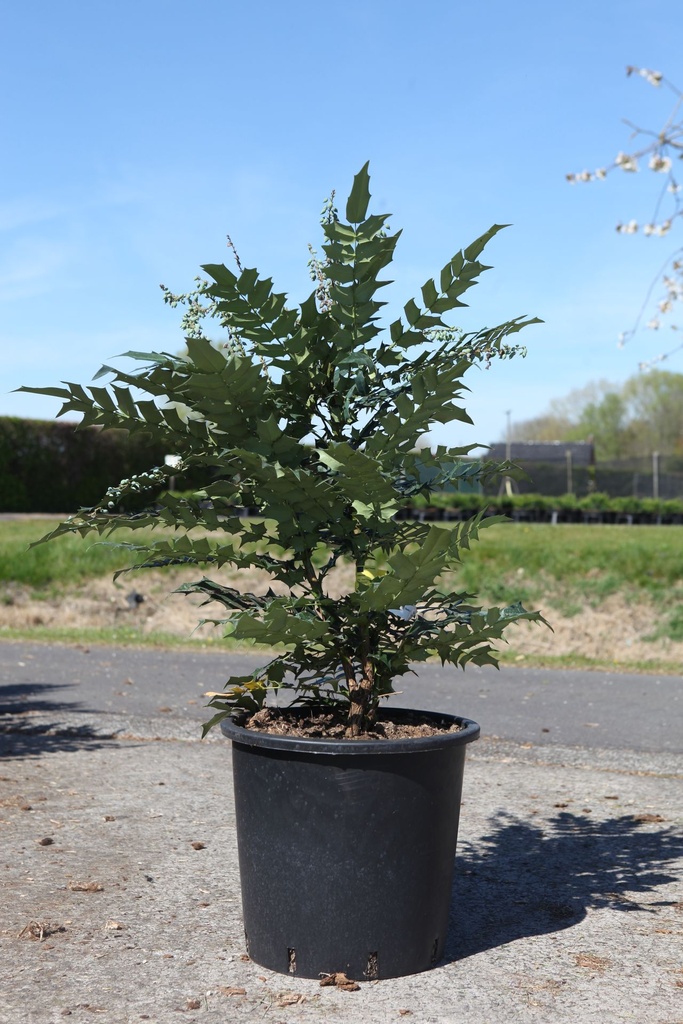
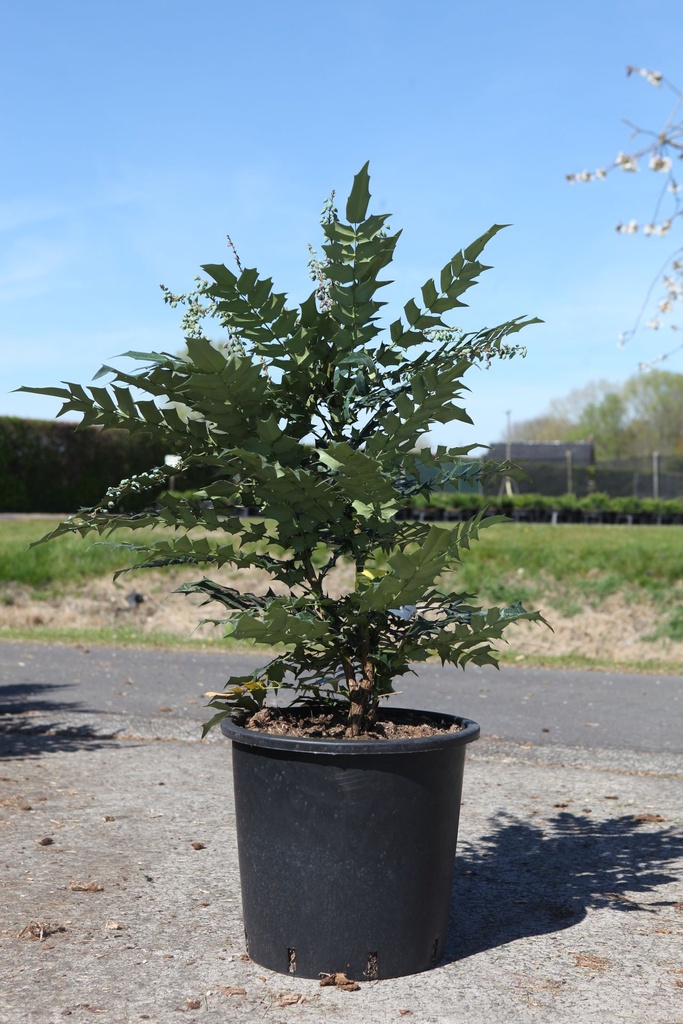
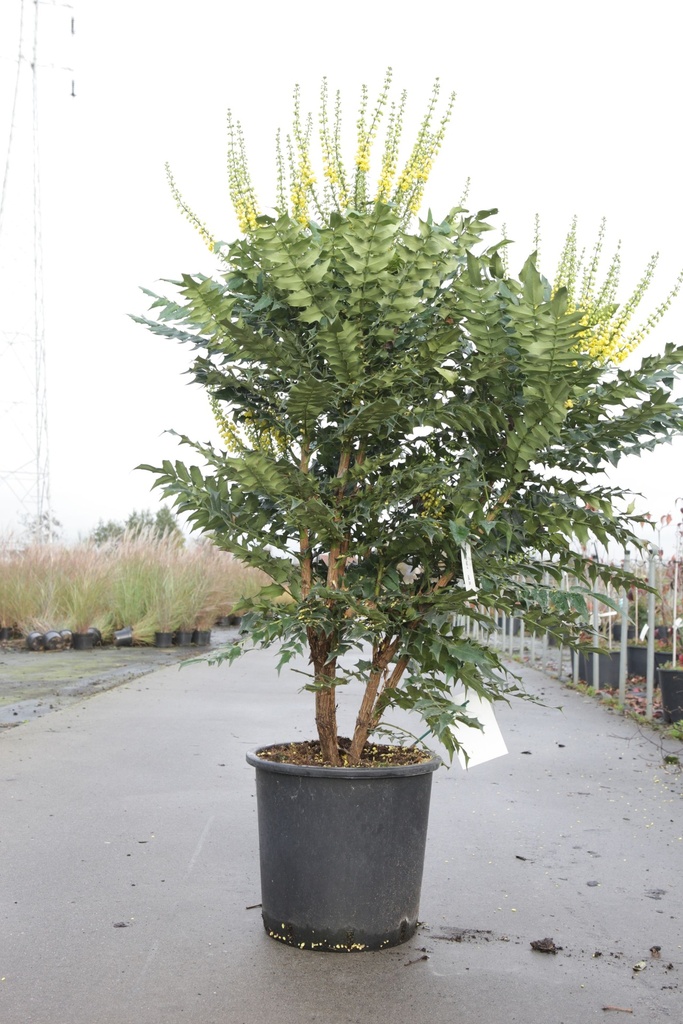
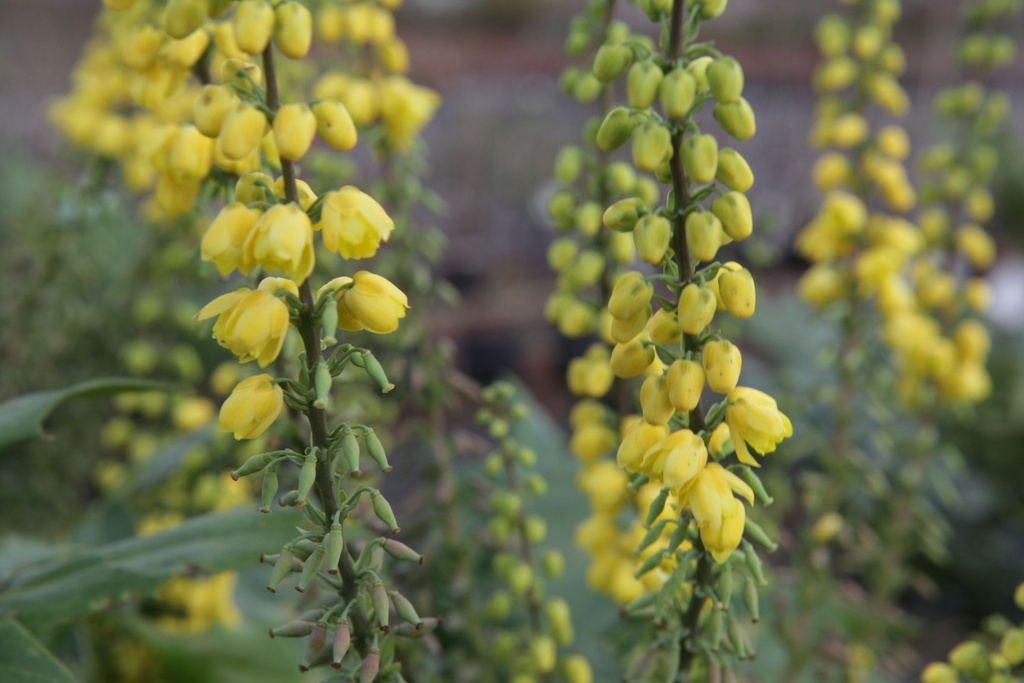
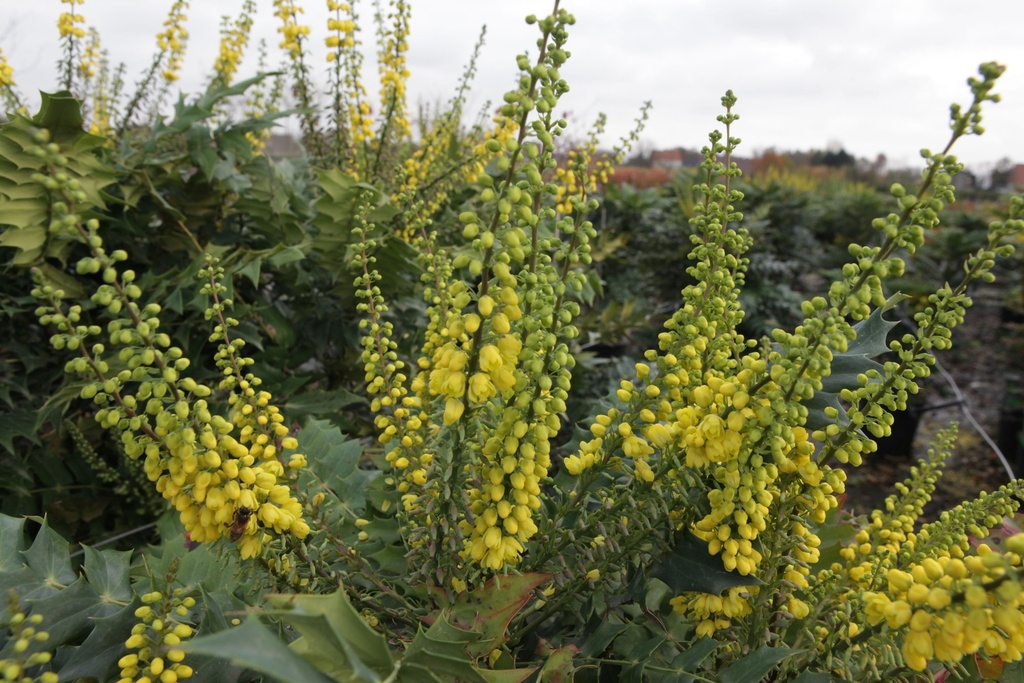
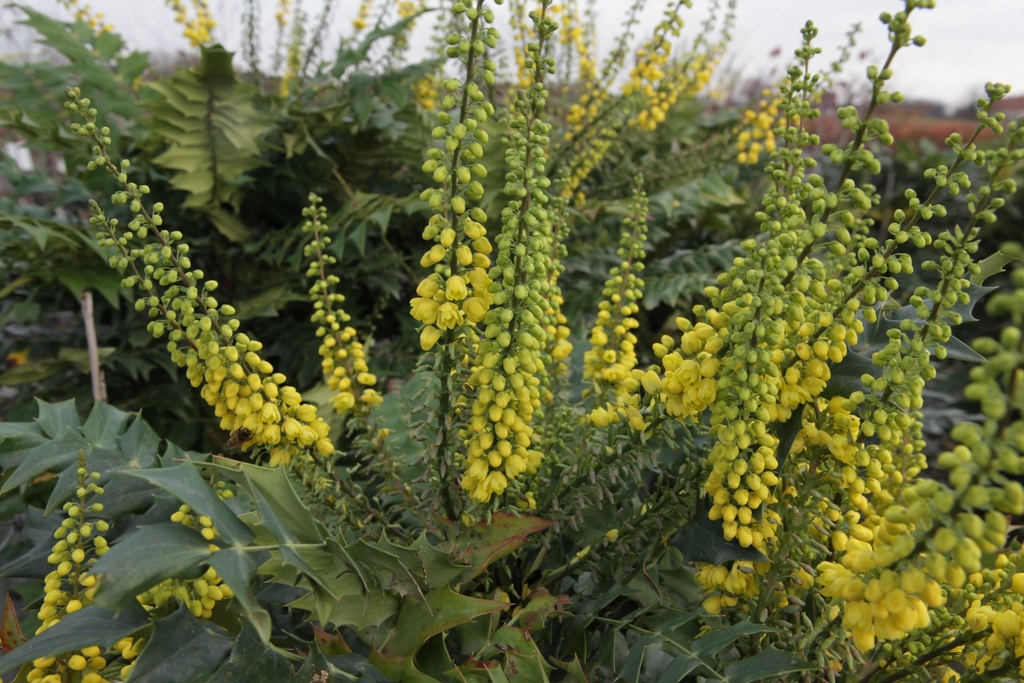
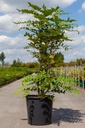
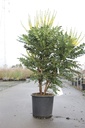
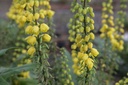
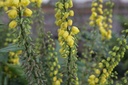
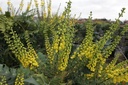
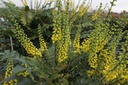
'Winter Sun' is a sister seedling of 'Charity' from the Slieve Donard nursery in Northern Ireland and possibly the better of the two. Its flower spikes stand straighter and fan outwards instead of drooping, and in November 1985 its large blooms came through a spell of hard frost unharmed.
Mahonia
Mahonias (Mahonia) are evergreen shrubs, some 70 species from North America and Asia, closely related to barberries. They are grown for their leathery, pinnate leaves, often spiny like holly, and for their scented yellow flower clusters between autumn and early spring, which feed bees when little else is in flower. Blue-black berries follow.
Mahonia media
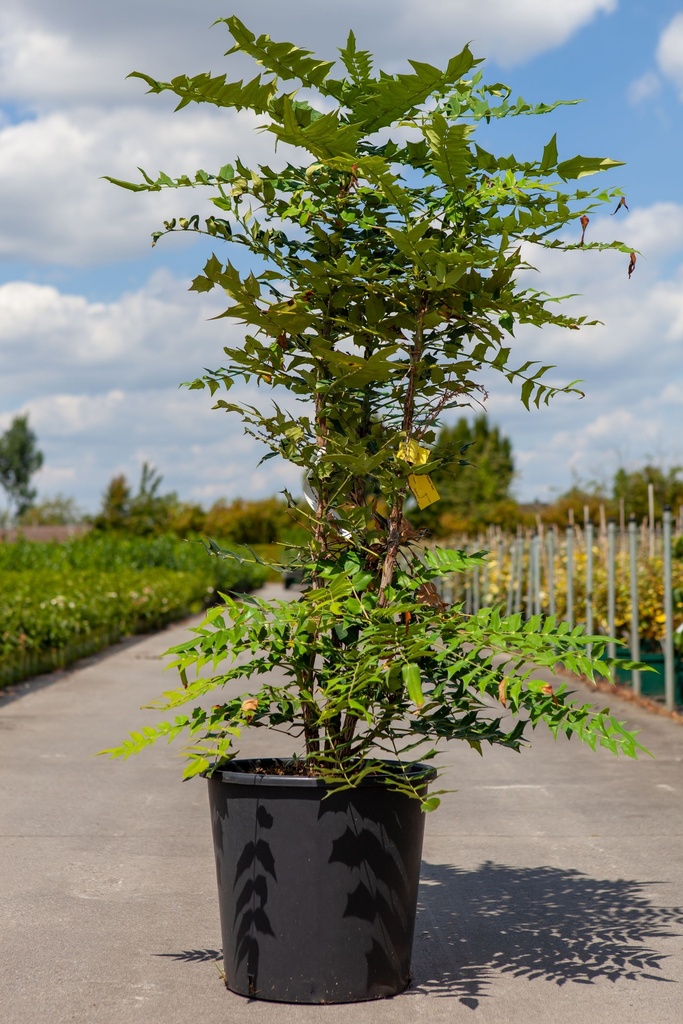
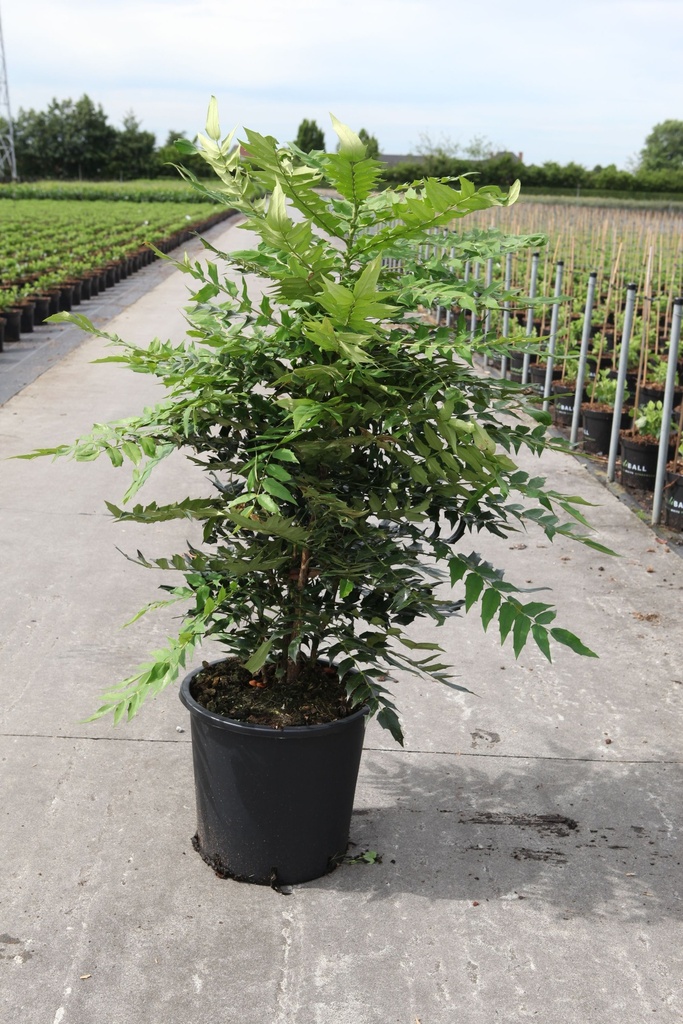
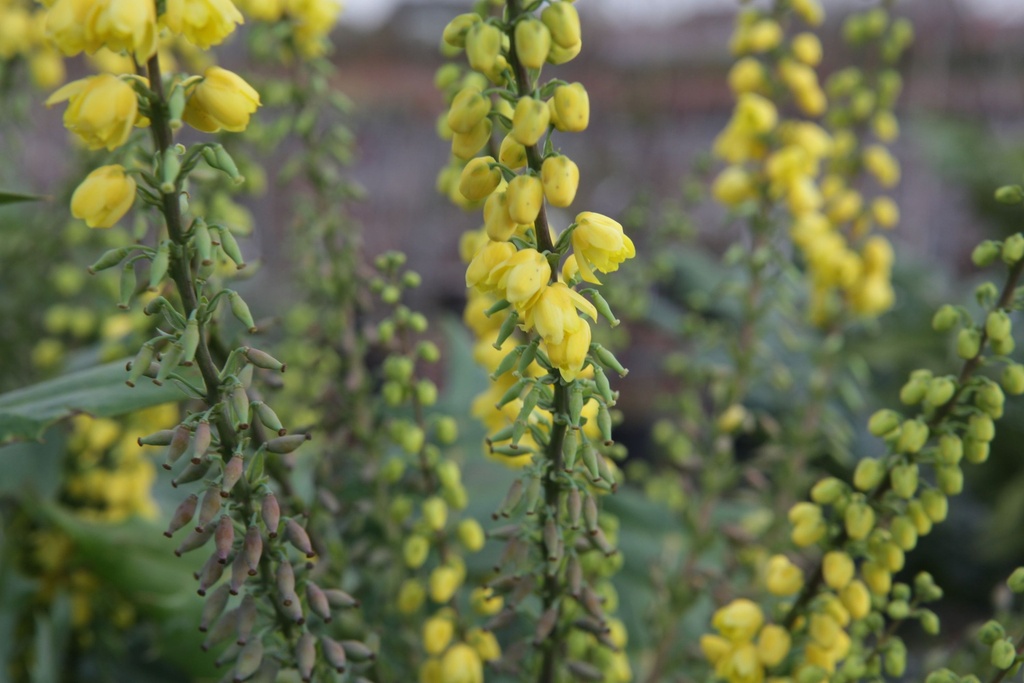
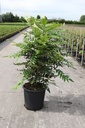
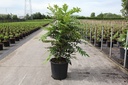
Mahonia × media is a garden hybrid between M. japonica and the taller M. lomariifolia. It becomes a large, upright shrub of 3 to 4 m, with long leaves of around twenty glossy, spiny leaflets that can take on purple tints in cold weather. From December to February it carries long, arching sprays of yellow, lightly scented flowers.
Location and soil
Prefers partial or full shade, though it accepts sun in cool regions, in a deep, cool and well-drained soil, ideally slightly acid but also slightly chalky. Mature plants are hardy and cope with dry summers in shade; young plants can suffer in hard frost, so choose a spot sheltered from cold winds. Avoid wet ground.
Pruning and care
Give it plenty of room and add compost and a little sand at planting. In the first years, pinch out young shoots in spring or cut off the faded flower stems to encourage branching. On mature plants, simply remove dead or damaged wood in March, once flowering is over.
Use in the garden
A bold, structural shrub for the back of a shady border, as a specimen or in a group of three, and for informal or defensive hedges; young plants also grow in large tubs. The winter flowers feed bees and bumblebees, and cut stems last well in arrangements. The berries are mildly toxic to people but eaten by birds.
Plant characteristics
Botanical
| Family | Berberidaceae |
| Genus | Mahonia |
| Species | media |
| Cultivar | 'Winter Sun' |
Flowering
| Flowering period | december to february |
| Colour (flower) | yellow |
Foliage
| Evergreen | yes |
| Colour (foliage) | green |
Growth habit
| Height | 150 cm |
Location
| Winter hardiness | zone 7b (down to -15,0 °C) |
| Summer heat | up to heat zone 9 |
| Soil type | acid, neutral |
| Location | sun, half shade |
| Soil moisture | moist, dry, normal |
Use
| Type (use) | shrub, solitary, in group |
Care
| Pruning | march |