
|
J
|
F
|
M
|
A
|
M
|
J
|
J
|
A
|
S
|
O
|
N
|
D
|
|
J
|
F
|
M
|
A
|
M
|
J
|
J
|
A
|
S
|
O
|
N
|
D
|
|
J
|
F
|
M
|
A
|
M
|
J
|
J
|
A
|
S
|
O
|
N
|
D
|
About this plant
What makes this plant special
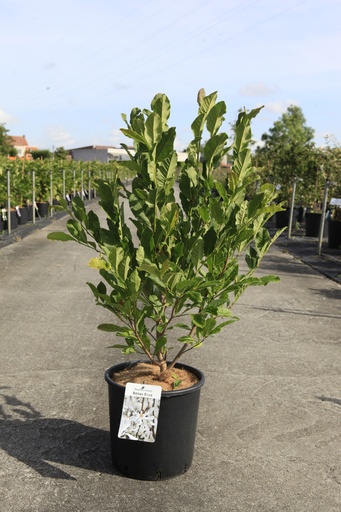
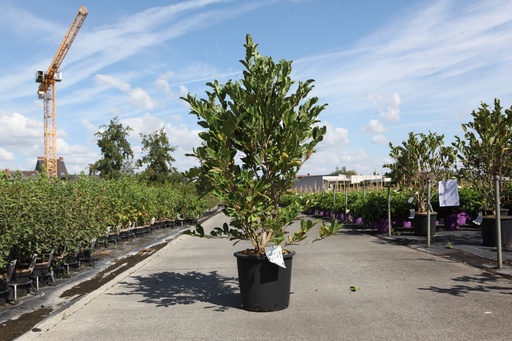
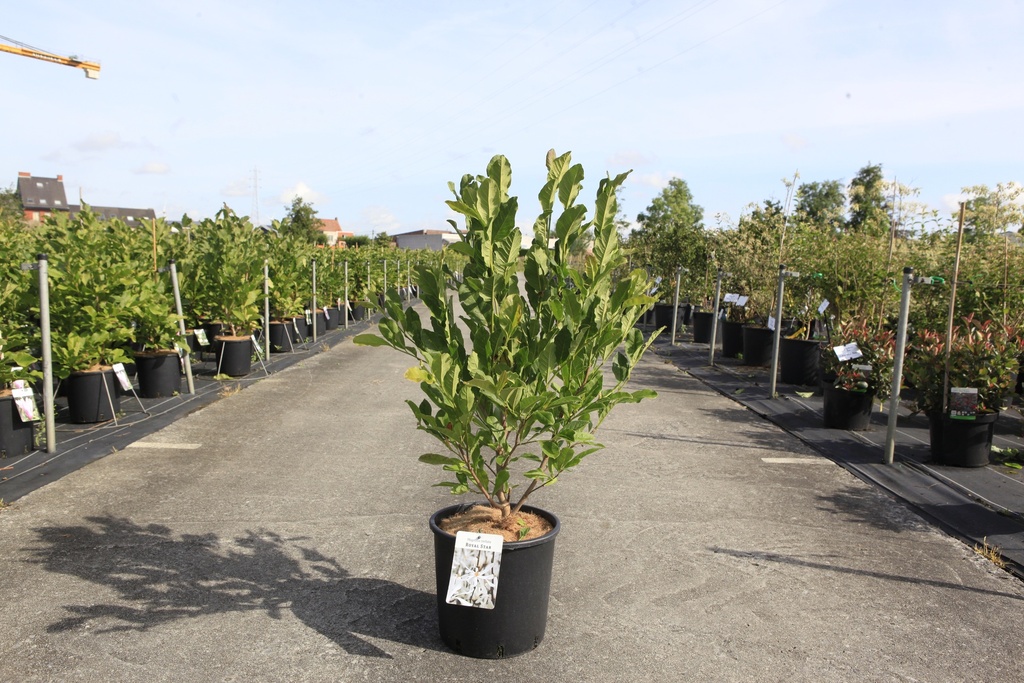
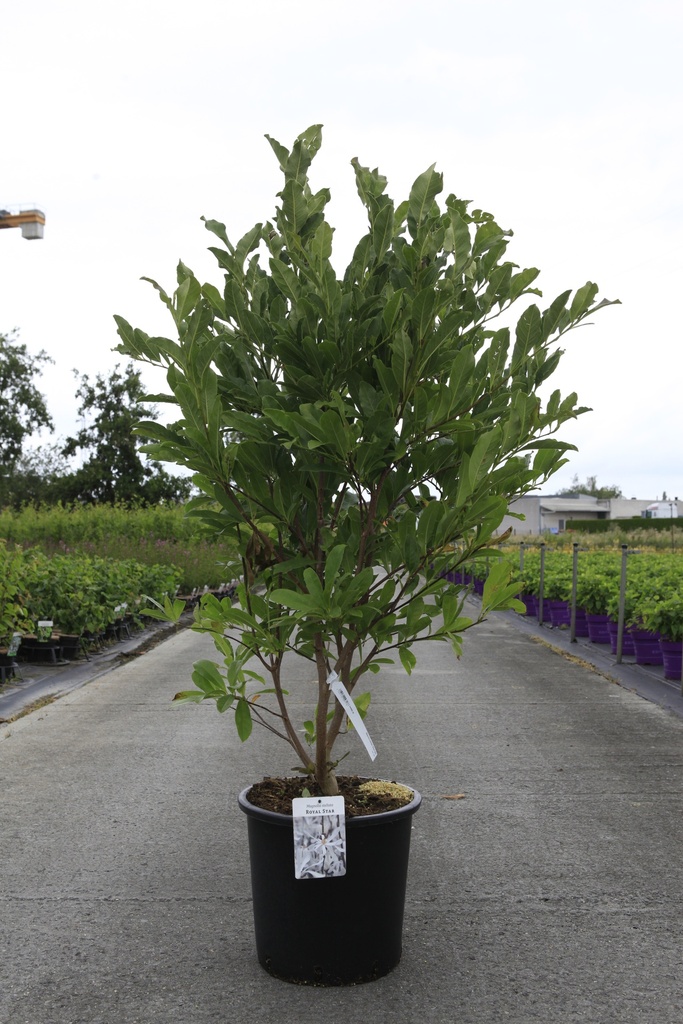
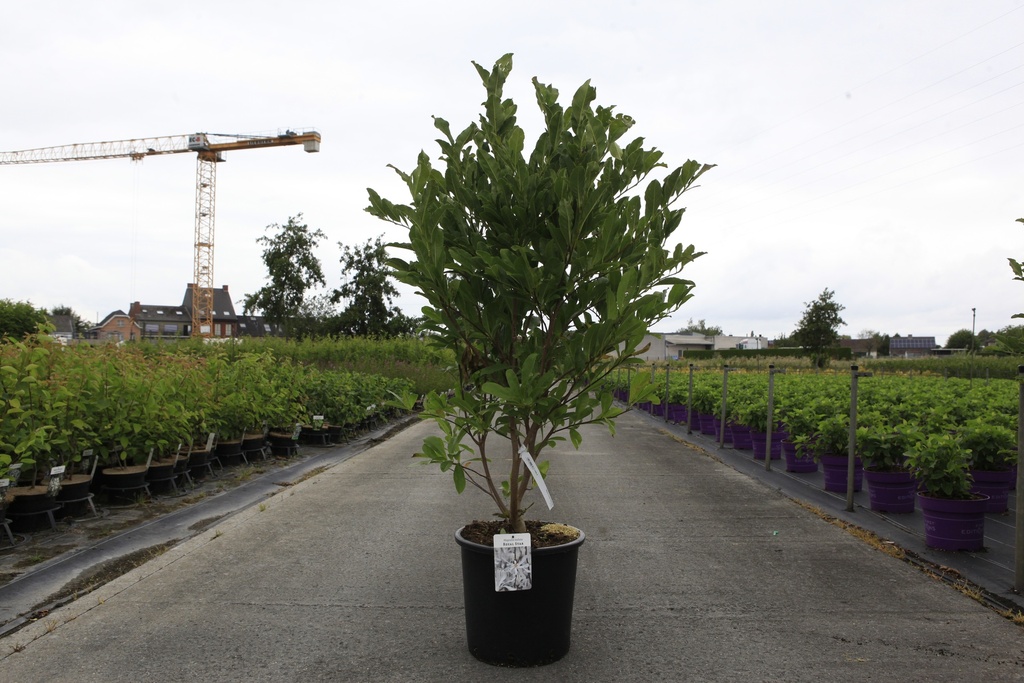
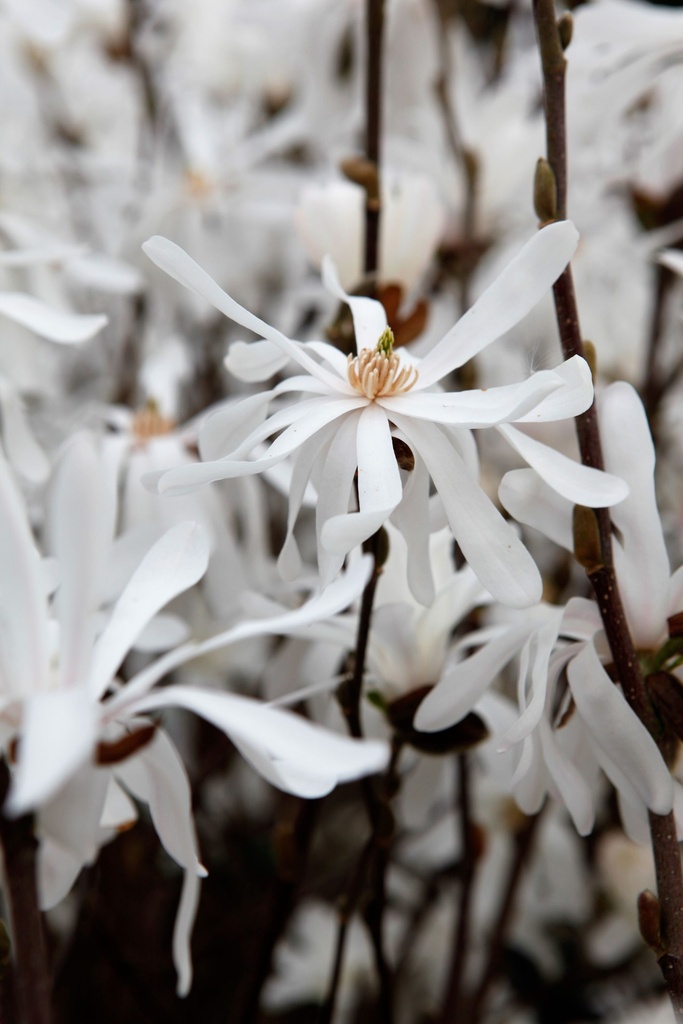
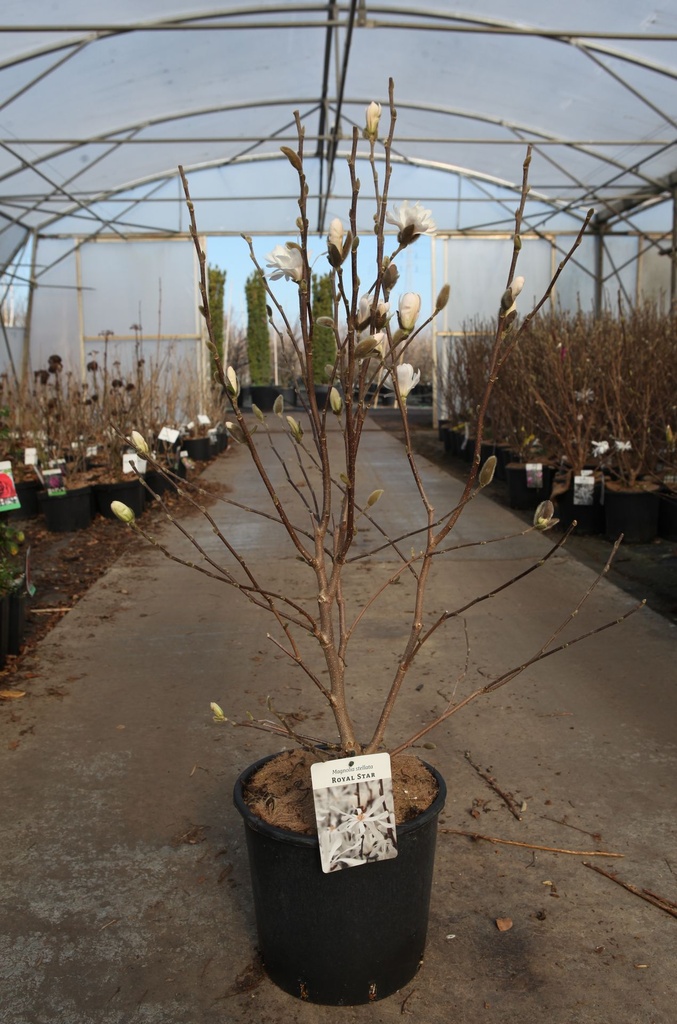
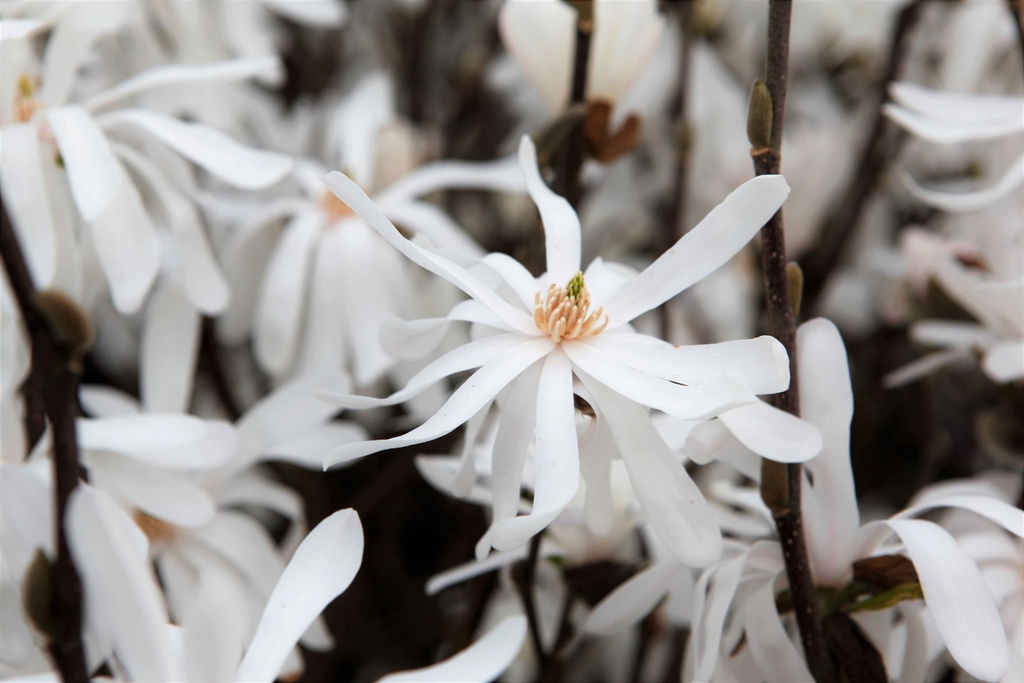
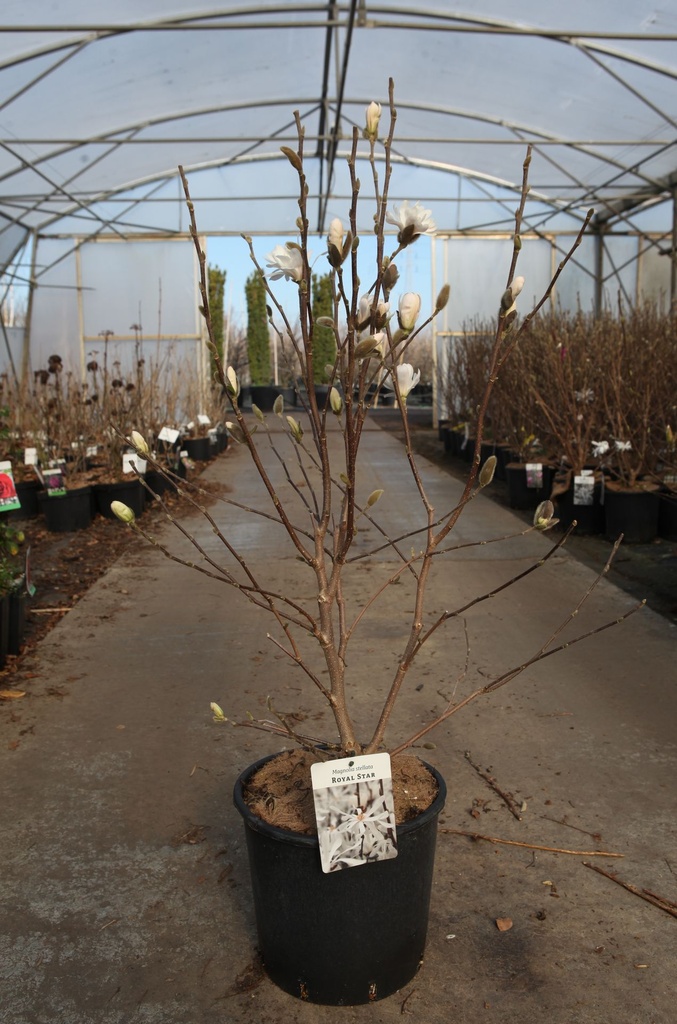
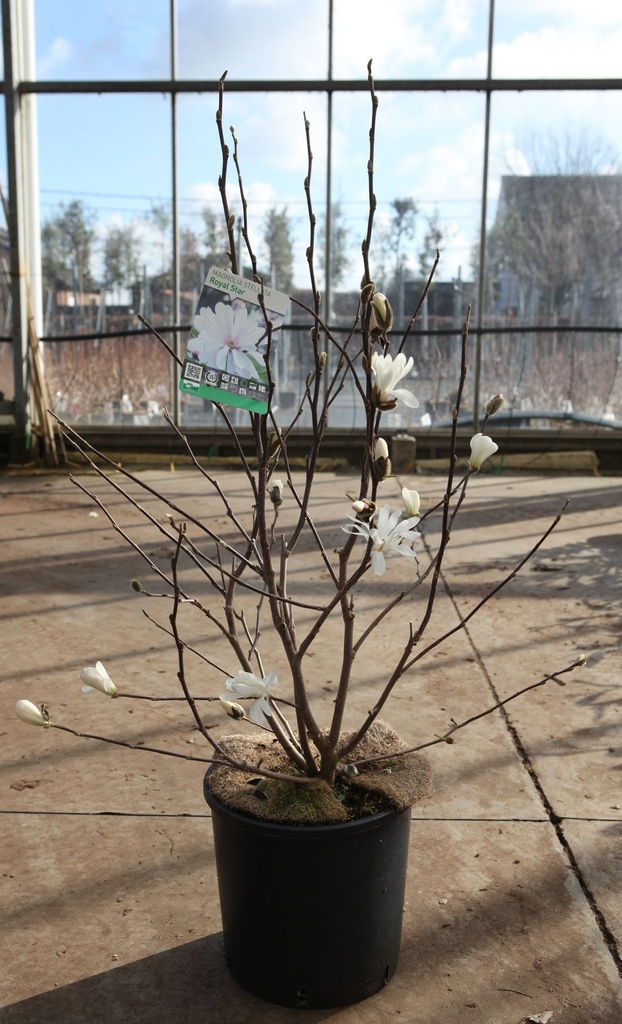
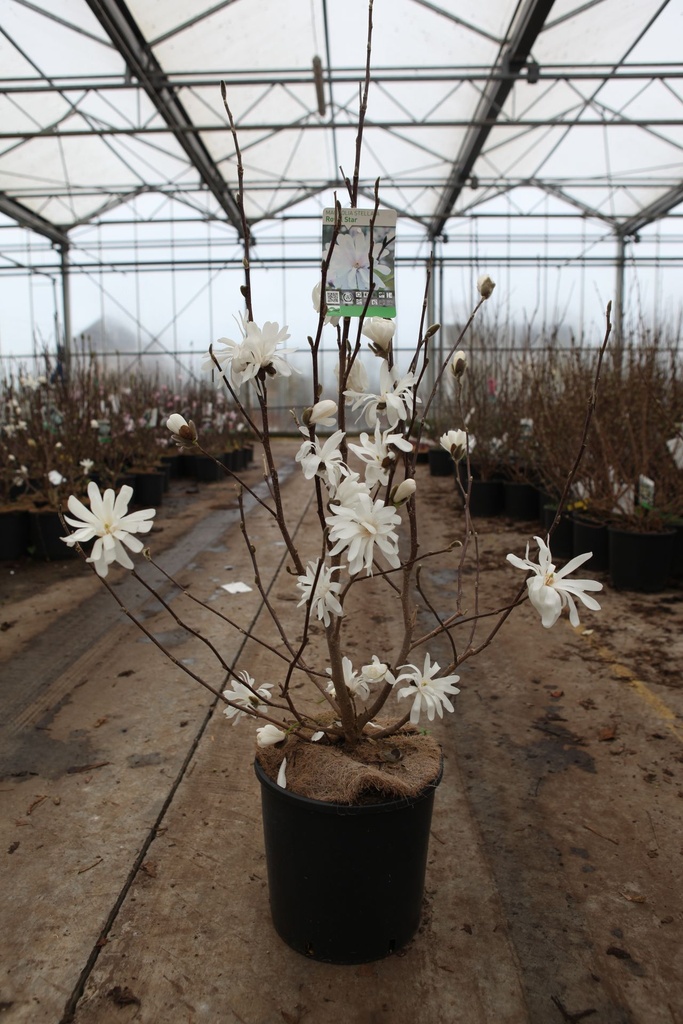
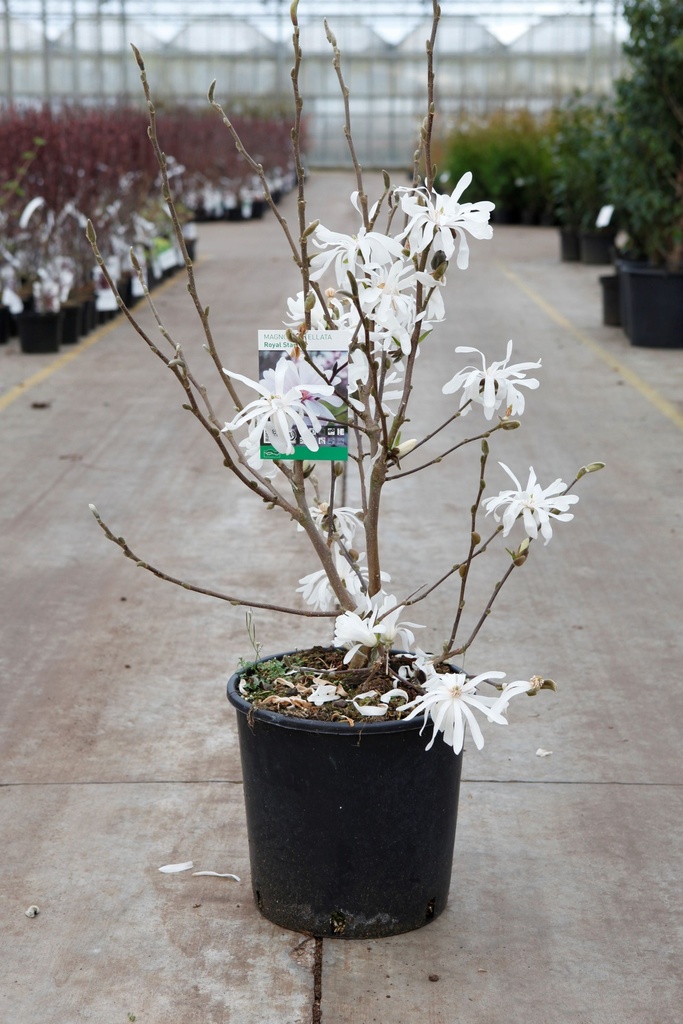
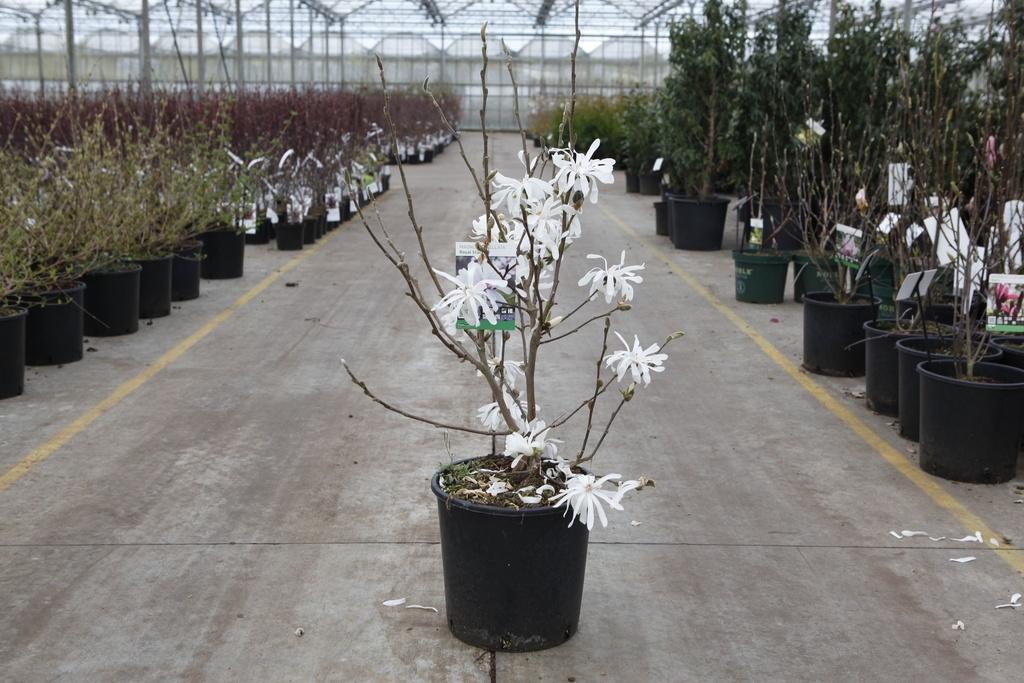
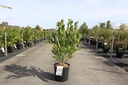
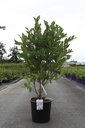
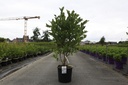
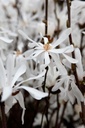
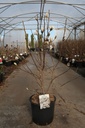
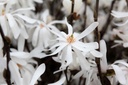
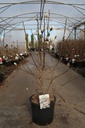
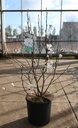
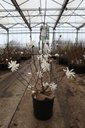
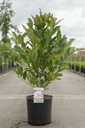
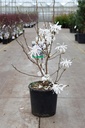
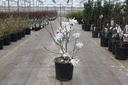
'Royal Star' has buds of a soft silvery pink that open to snow-white flowers with up to 25 tepals, more than in the typical star magnolia. It goes back to a 1947 seedling of 'Waterlily' from Long Island and was brought onto the market around 1960 by John Vermeulen and Sons. It is noticeably hardier than the species.
Magnolia
Magnolias (Magnolia) are deciduous or evergreen trees and shrubs from Asia and the Americas, and belong to an ancient lineage of flowering plants. They are loved for their large, often fragrant flowers shaped like tulips, cups or stars, in white, pink, purple or yellow. Deciduous species mostly flower in spring on bare branches, evergreen species in summer.
Star magnolia Magnolia stellata
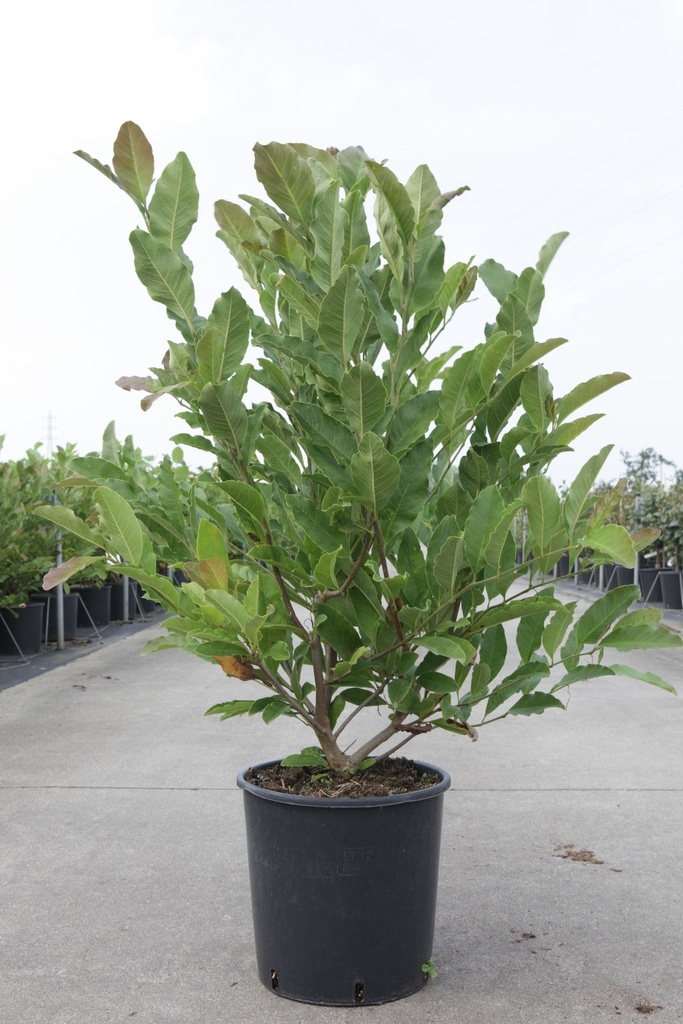
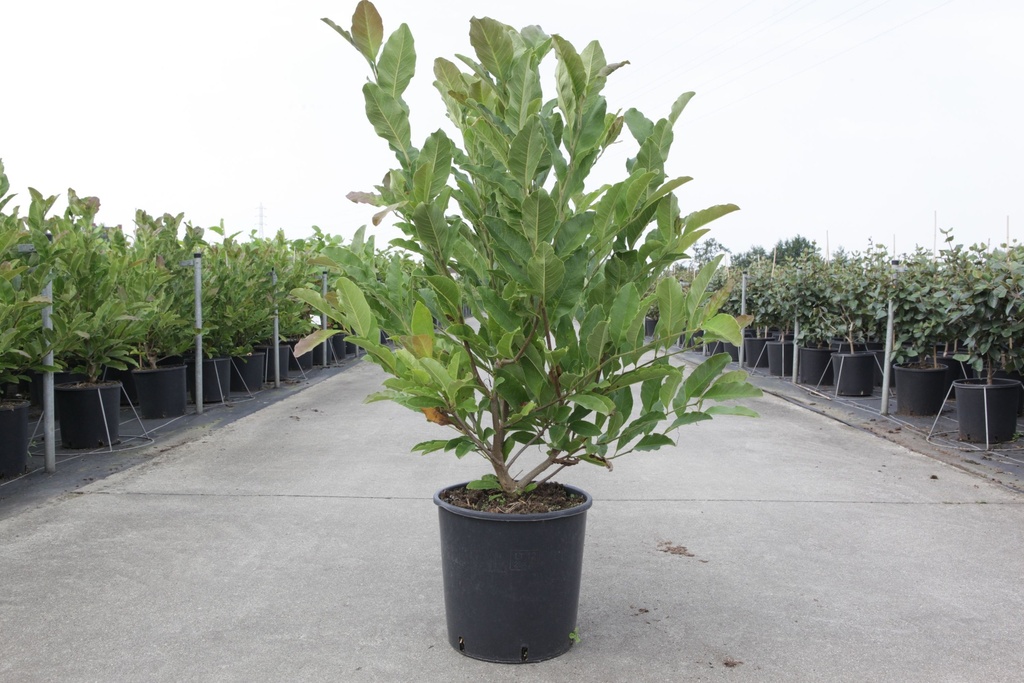
The star magnolia (Magnolia stellata) comes from Japan and is a slow-growing, bushy shrub that broadens with age. In March and April, before the leaves appear, its bare branches are covered with pure white, star-shaped flowers made up of many narrow petals, with a light, sweet scent. It flowers from a young age.
Location and soil
A sunny or lightly shaded place out of the prevailing wind suits it best. The soil should be fertile, neutral to acid, and drain well without drying out; chalk is to be avoided. Frost is no threat to the plant itself, but a late cold snap can brown open flowers. Where the ground tends to dry, cover it with pine bark in summer.
Pruning and care
No pruning is needed, as the shrub naturally keeps a neat, rounded shape. Keep the soil evenly moist in summer and do not plant other shrubs within about 1.5 m, as the roots dislike competition. On chalky soil, plant in a large hole filled with ericaceous compost, or grow it in a container.
Use in the garden
Thanks to its compact size and slow growth, it suits small gardens, white-themed borders and large containers on a terrace. Plant it as a specimen or with rhododendrons, camellias and pieris, or alternate it with other magnolias in an informal flowering hedge.
Plant characteristics
Botanical
| Family | Magnoliaceae |
| Genus | Magnolia |
| Species | stellata |
| Cultivar | 'Royal Star' |
Flowering
| Flowering period | april to may |
| Colour (flower) | white |
Foliage
| Evergreen | no |
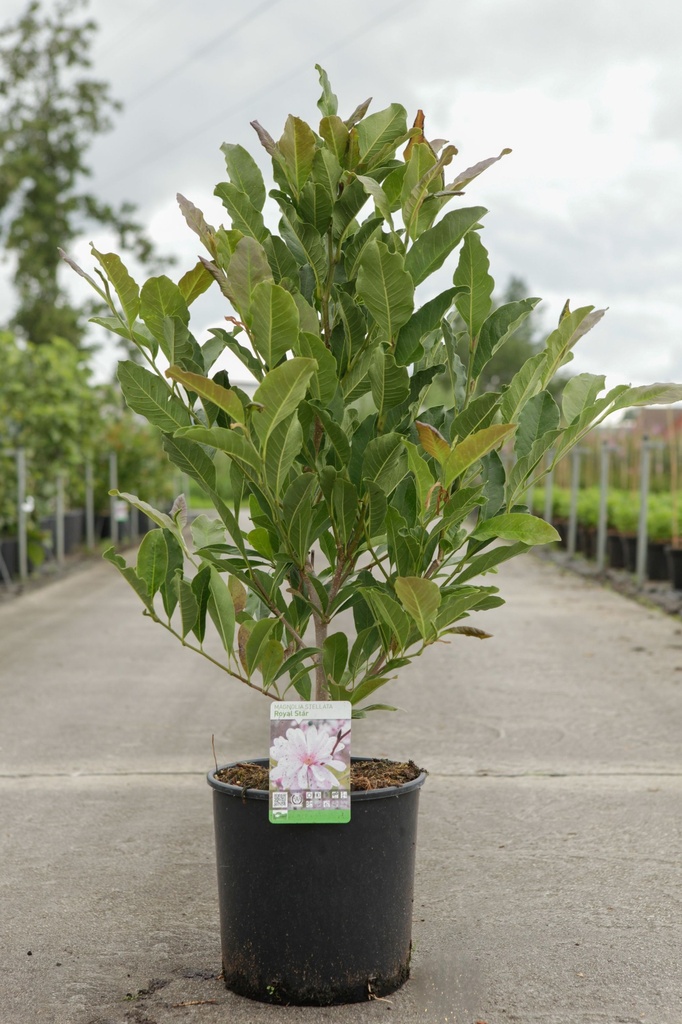
| Colour (foliage) | green |
Growth habit
| Height | 150 cm, 200 cm |
Location
| Winter hardiness | zone 4a (down to -34,4 °C) |
| Summer heat | up to heat zone 9 |
| Soil type | acid |
| Location | sun, half shade |
| Soil moisture | moist, normal |
Use
| Type (use) | shrub, solitary, in group |
Care
| Pruning | july to august |