

















|
J
|
F
|
M
|
A
|
M
|
J
|
J
|
A
|
S
|
O
|
N
|
D
|
|
J
|
F
|
M
|
A
|
M
|
J
|
J
|
A
|
S
|
O
|
N
|
D
|
|
J
|
F
|
M
|
A
|
M
|
J
|
J
|
A
|
S
|
O
|
N
|
D
|
About this plant
What makes this plant special
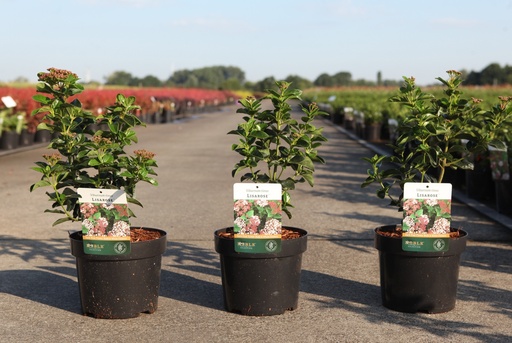
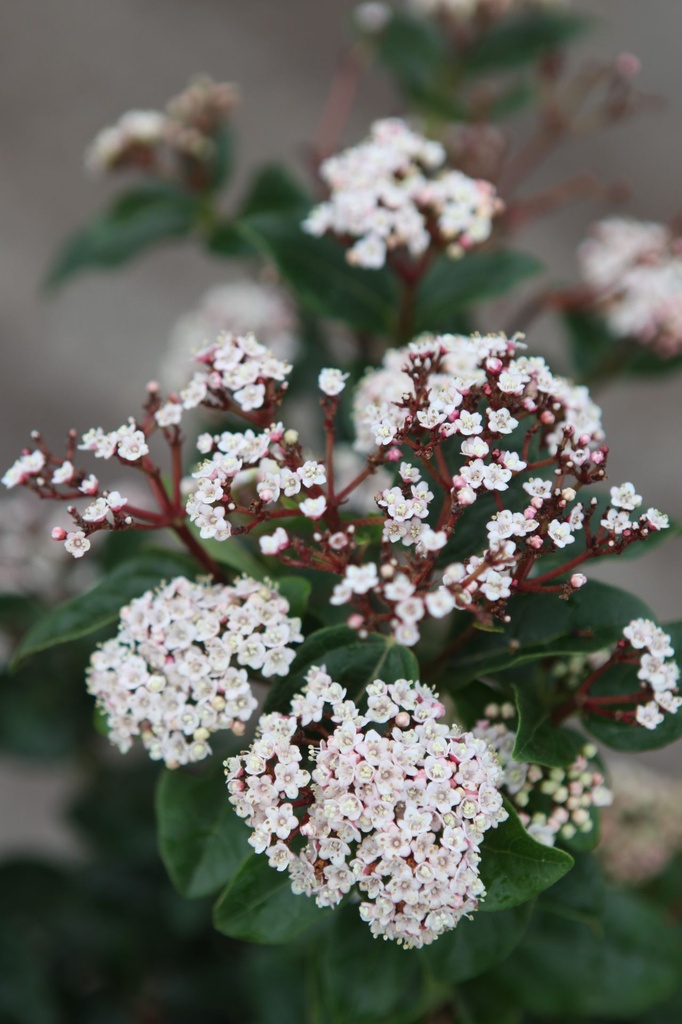
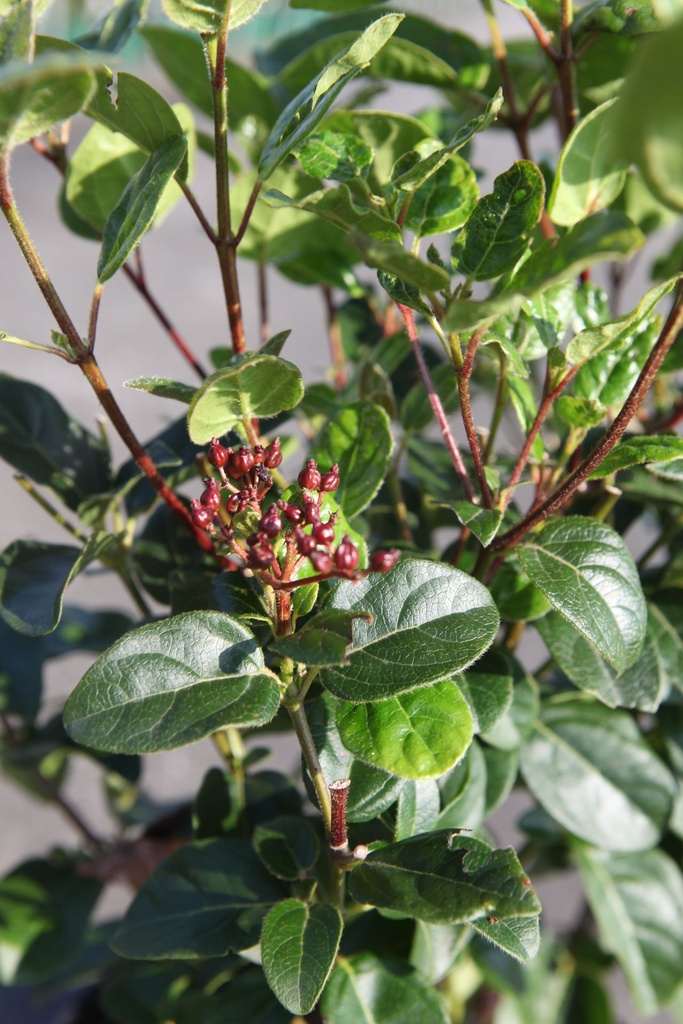
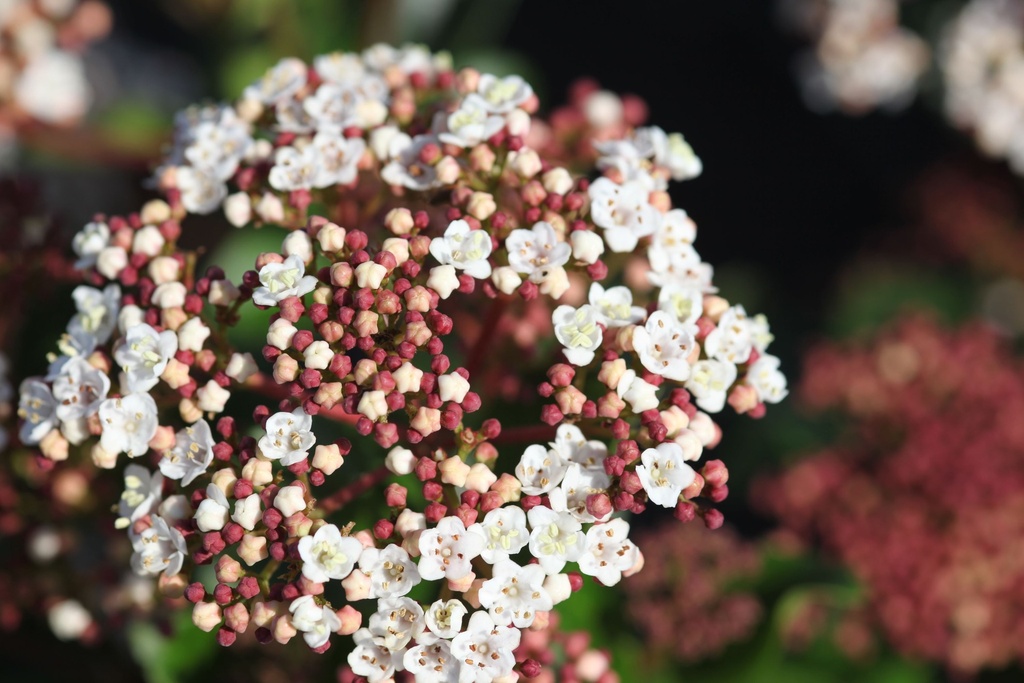
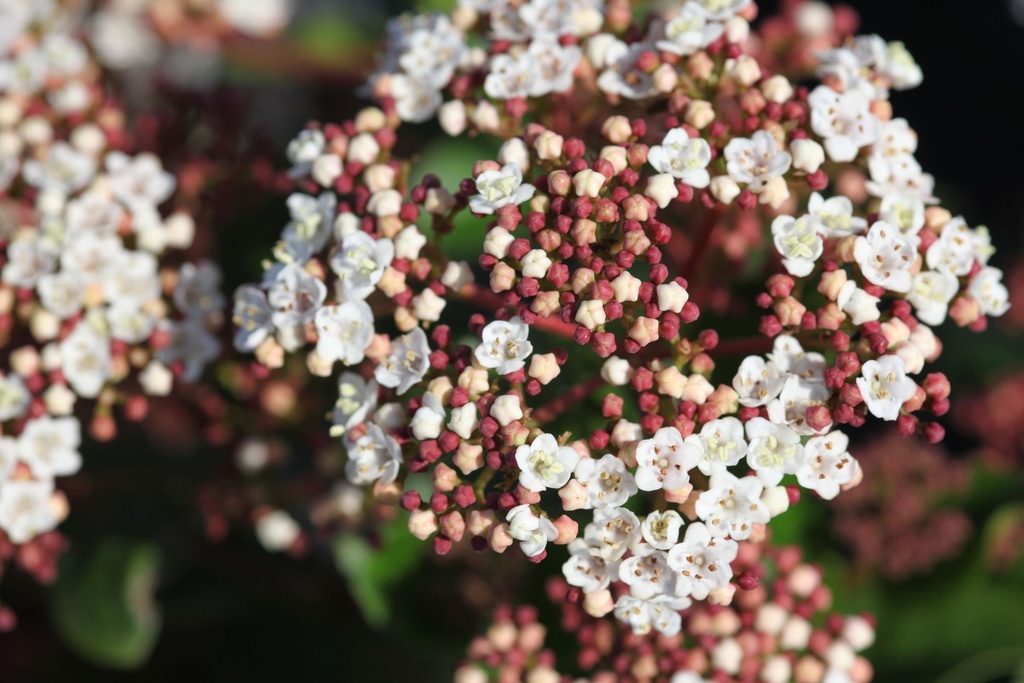
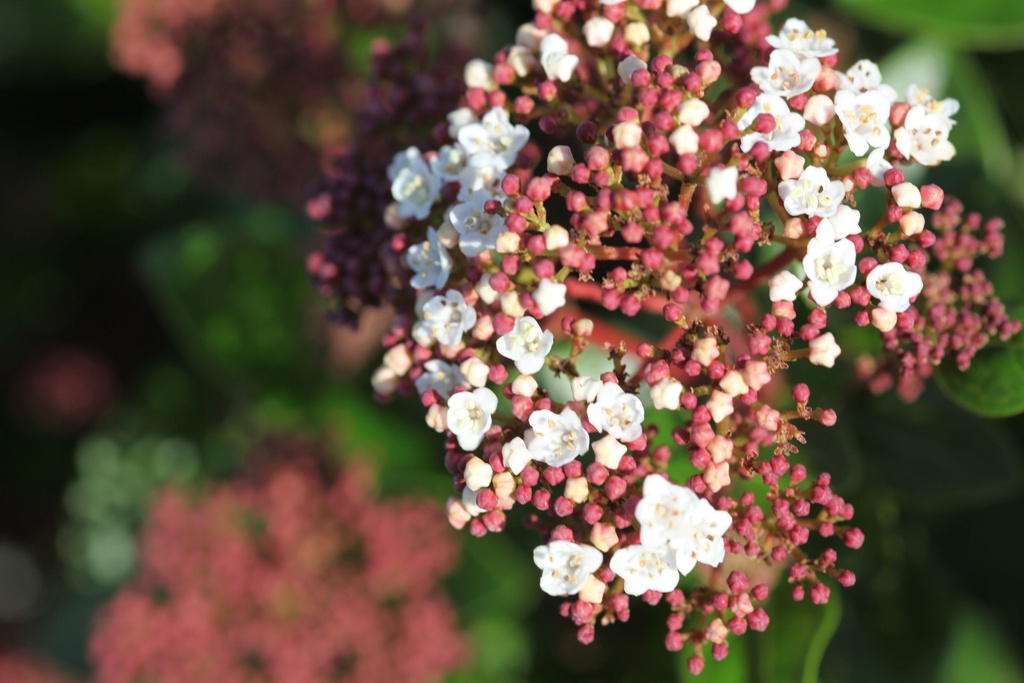
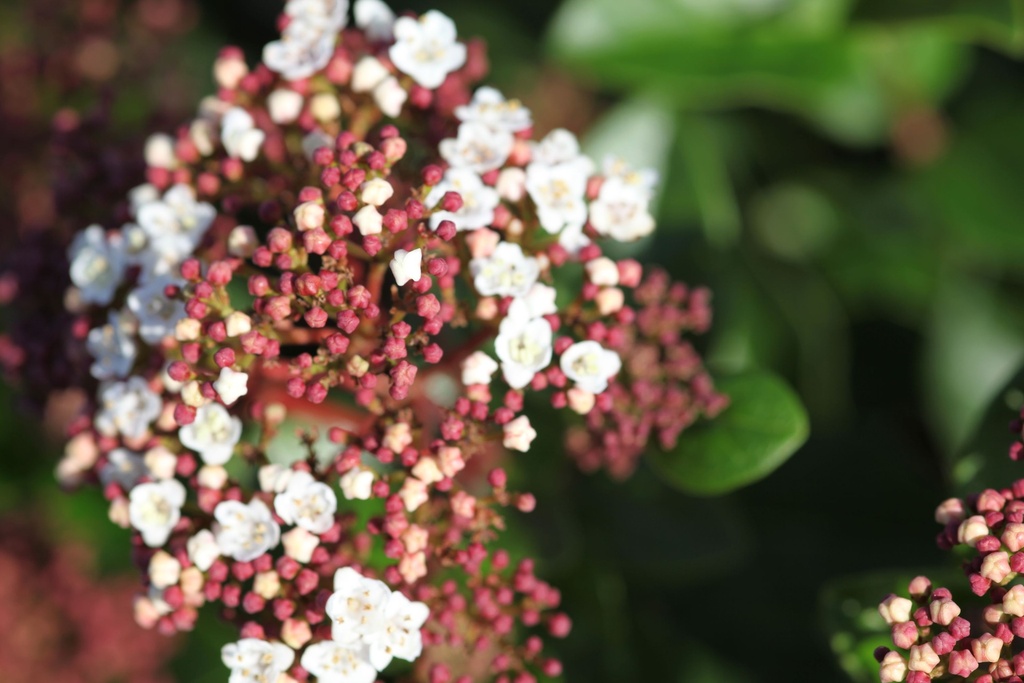
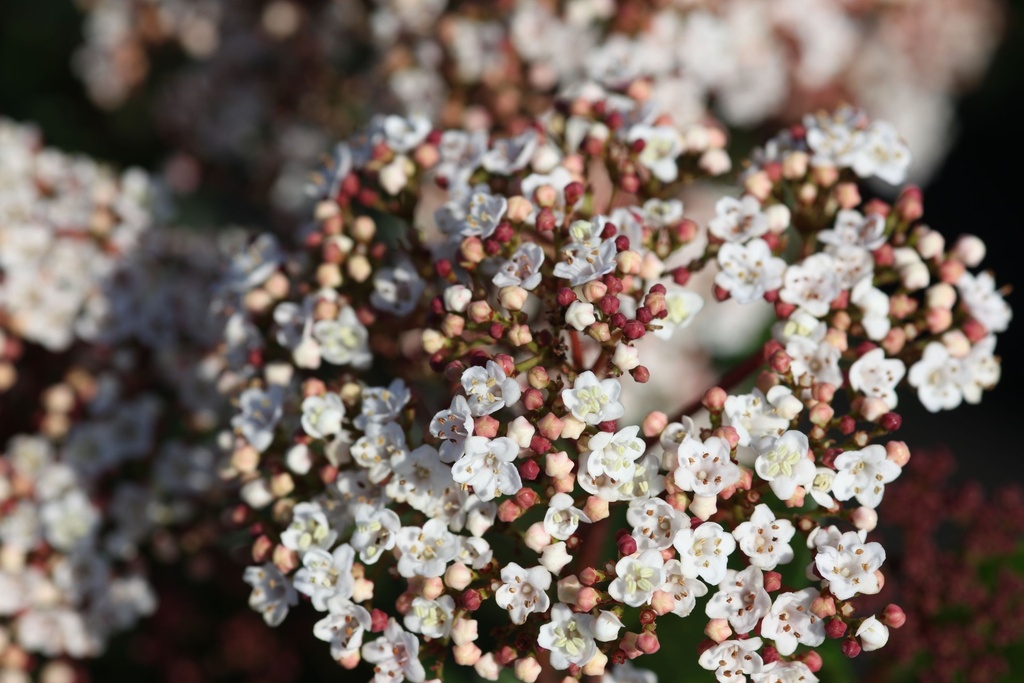
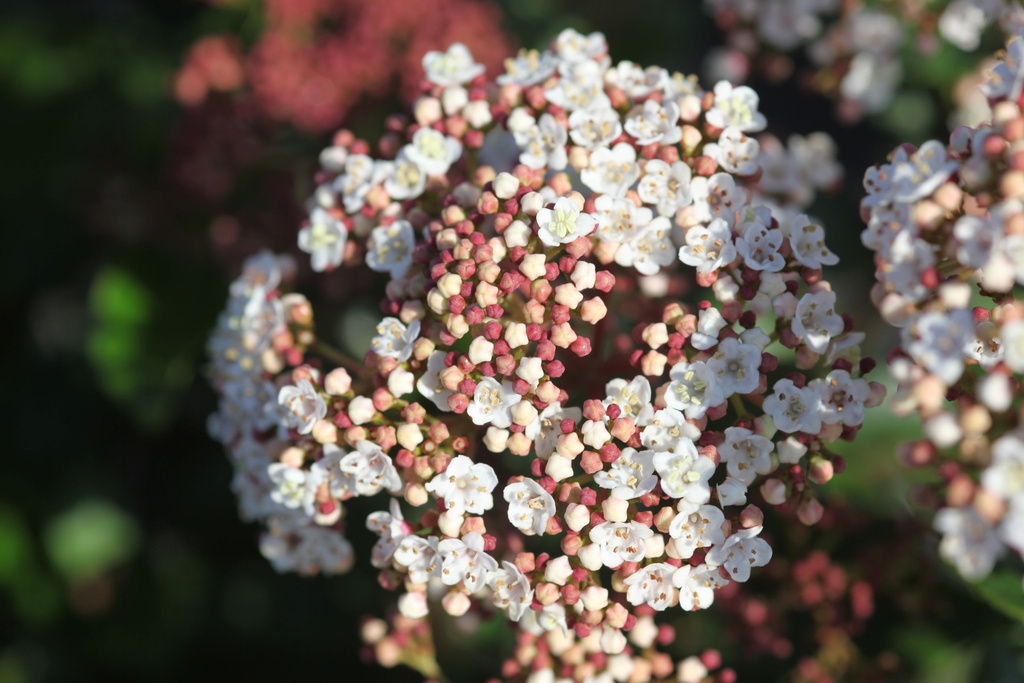
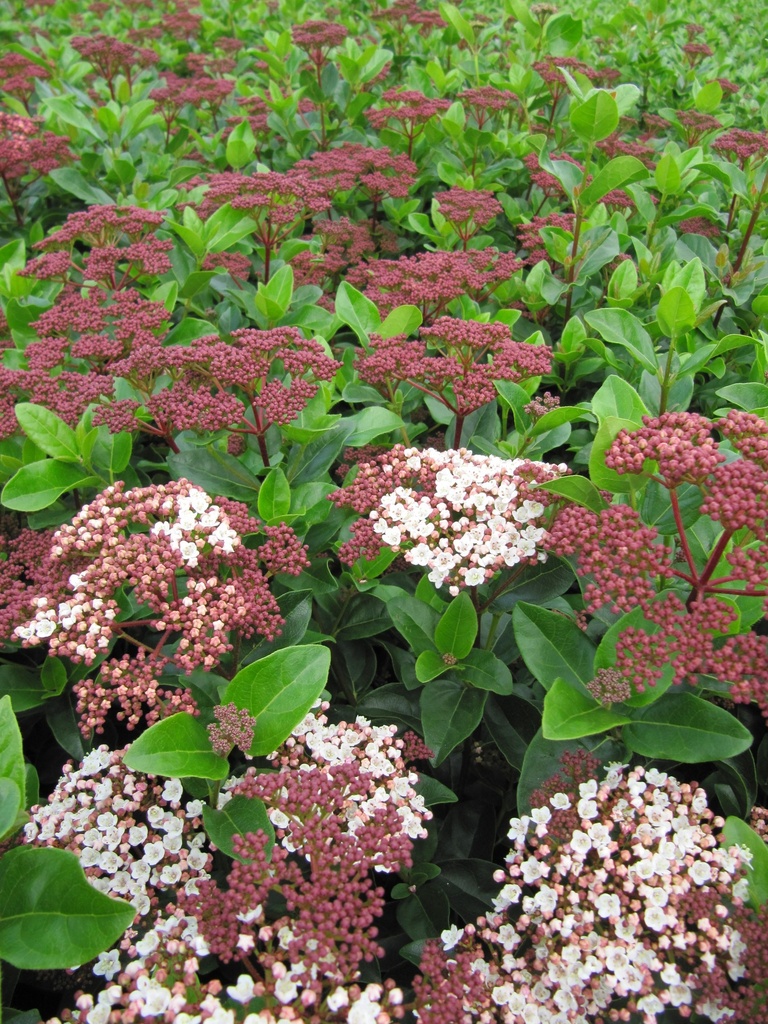
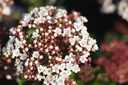
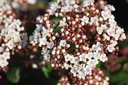
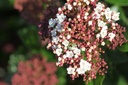
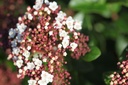
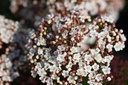
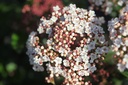
'Lisarose' is a laurustinus with pink rather than white flowers: from autumn its rose-pink buds cluster among the leaves like beads and open gradually into light pink flowers until February or March. The young shoots are purple-tinged. It stays at about 2 m tall and 1.5 m wide and copes with poor, dry soil and root competition.
Snowball Shrub Viburnum
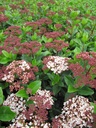
Viburnums (Viburnum) are shrubs, and occasionally small trees, from the temperate regions of the Northern Hemisphere; the genus counts around 200 species, both deciduous and evergreen. They are valued for their flat or rounded clusters of white to pink, often fragrant flowers in winter or spring, for the red, blue or black berries that attract birds, and for the autumn colour of many deciduous species.
Laurustinus viburnum Viburnum tinus
Laurustinus (Viburnum tinus) is an evergreen shrub from the Mediterranean region that grows fairly quickly into a dense, rounded bush of 2.5 to 3.5 m. Its leathery, glossy dark green leaves set off pink buds that open between November and April into flat clusters of small white flowers, followed by metallic blue berries that ripen black.
Location and soil
Grows in sun, partial shade or even shade in any well-drained soil, including limy or dry ground, but dislikes heavy soil that stays waterlogged in winter. It is less hardy than most viburnums, to about -10 to -12 °C, so in Belgium choose a spot sheltered from cold north and east winds. It tolerates sea wind and pollution well.
Pruning and care
Plant in autumn, or in spring in colder areas, water during the first summers and mulch to protect the young roots from frost. Prune lightly after flowering, between March and May, to keep it dense; it also tolerates hard pruning and clipping. Removing the spent flowers prevents self-seeding.
Use in the garden
A reliable evergreen for informal or clipped hedges, screens and the back of a border, and also suitable for topiary, coastal gardens and large containers. Its winter flowers feed bees and its berries attract birds.
Plant characteristics
Botanical
| Family | Viburnaceae |
| Genus | Viburnum |
| Species | tinus |
| Cultivar | 'Lisarose' |
Flowering
| Flowering period | october to april |
| Colour (flower) | white, pink |
Foliage
| Evergreen | yes |
| Colour (foliage) | green |
Growth habit
| Height | 200 cm, 300 cm |
Location
| Winter hardiness | zone 8a (down to -12,2 °C) |
| Summer heat | up to heat zone 10 |
| Soil type | neutral |
| Location | sun, half shade |
| Soil moisture | normal |
Use
| Type (use) | shrub, solitary, in group, terrace plant |
Care
| Pruning | march to may |
Plant breeders' rights
Viburnum tinus 'Lisarose' (PBR) is subject to European Plant Breeders Rights under nr. 20082467. Asexual propagation and/or use of the trademark without license are prohibited.