
|
J
|
F
|
M
|
A
|
M
|
J
|
J
|
A
|
S
|
O
|
N
|
D
|
|
J
|
F
|
M
|
A
|
M
|
J
|
J
|
A
|
S
|
O
|
N
|
D
|
|
J
|
F
|
M
|
A
|
M
|
J
|
J
|
A
|
S
|
O
|
N
|
D
|
About this plant
What makes this plant special
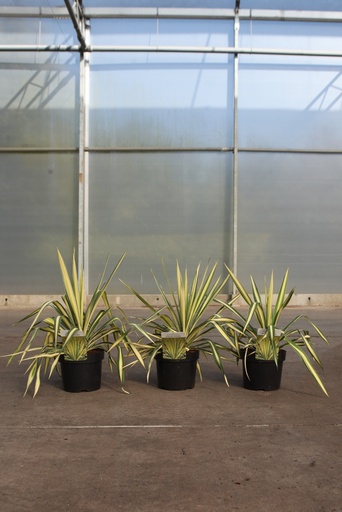
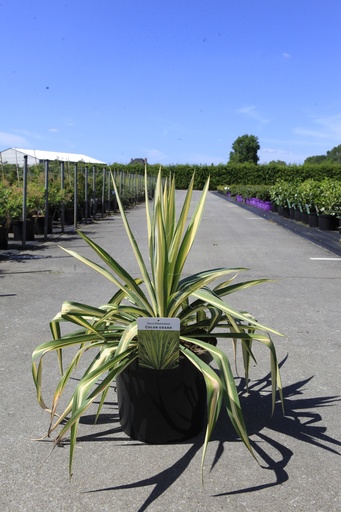
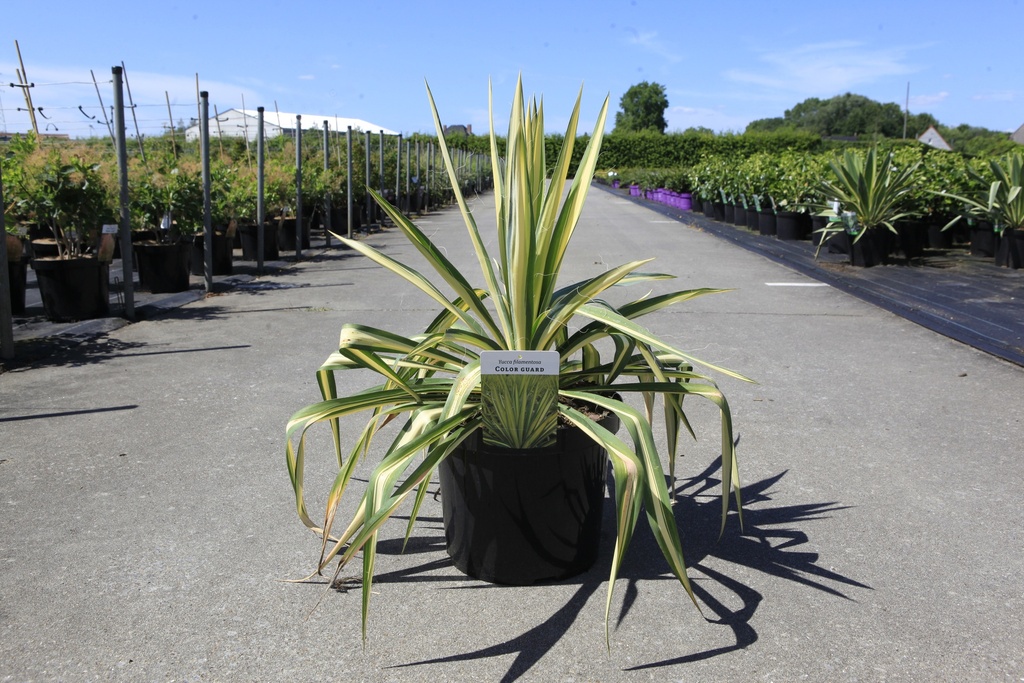
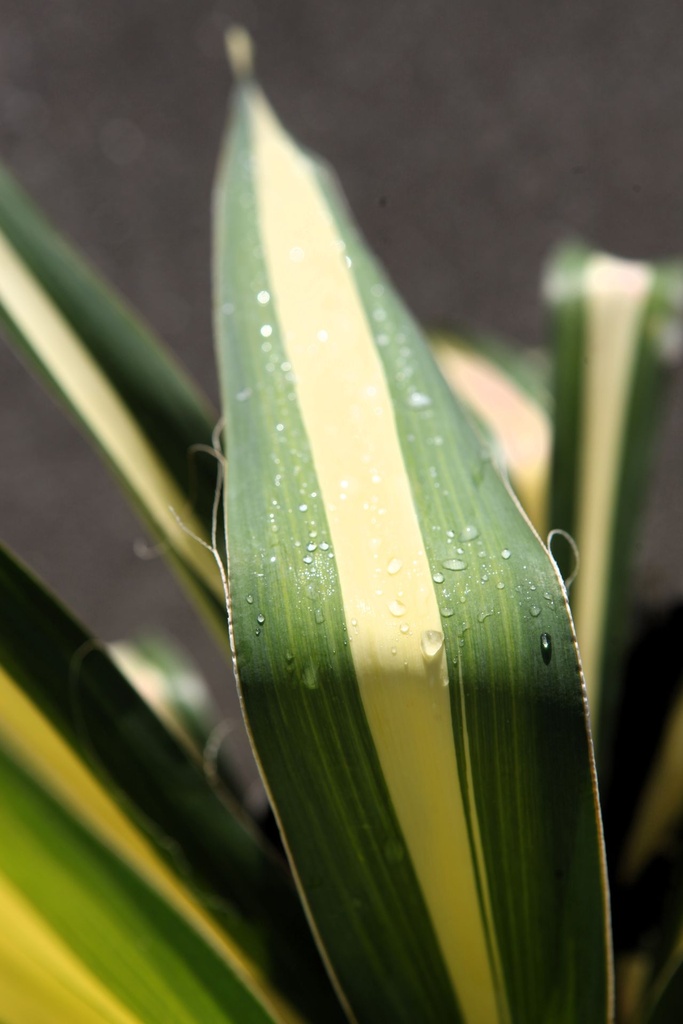
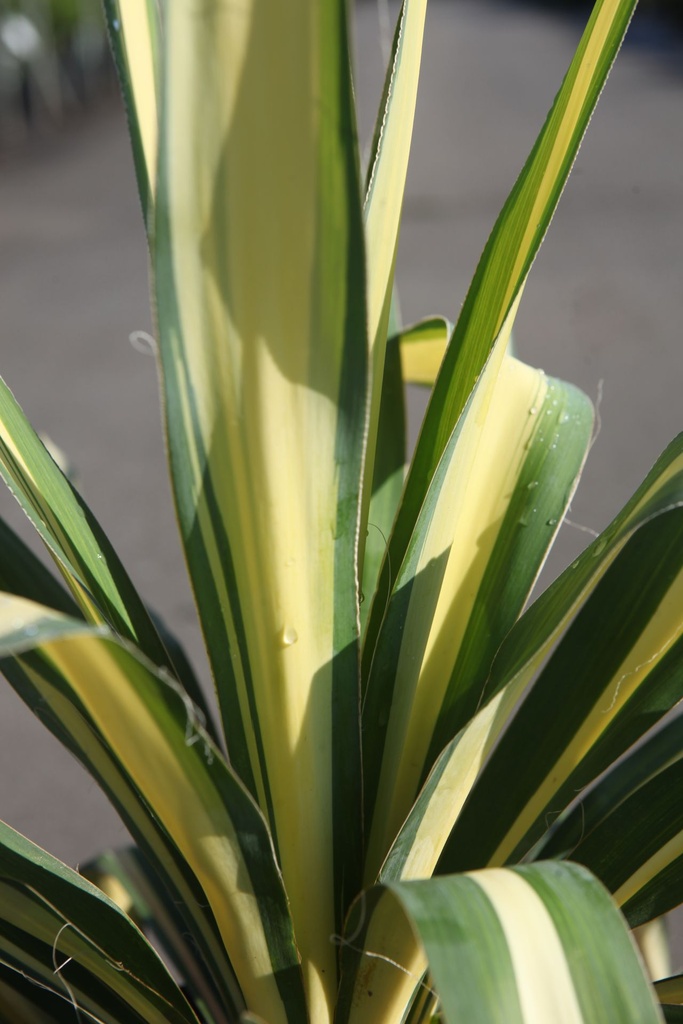
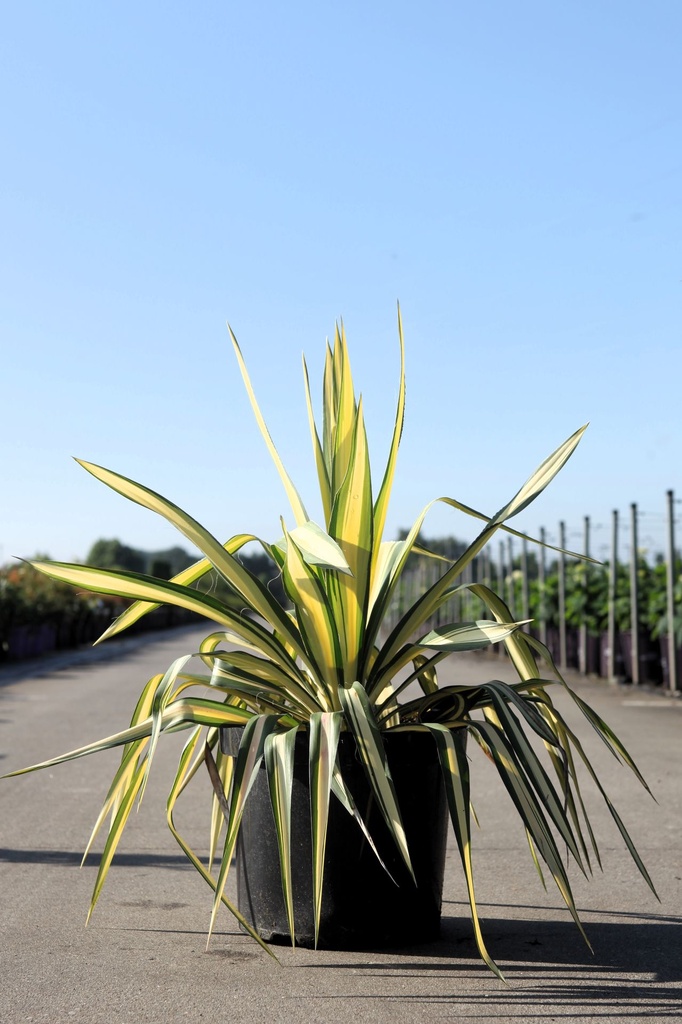
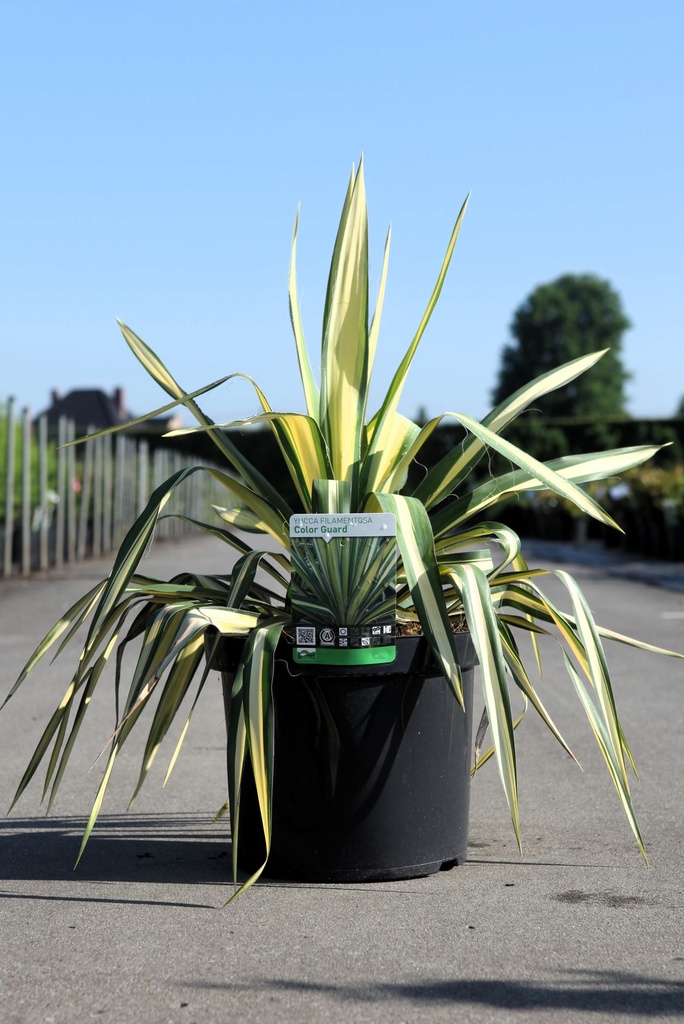
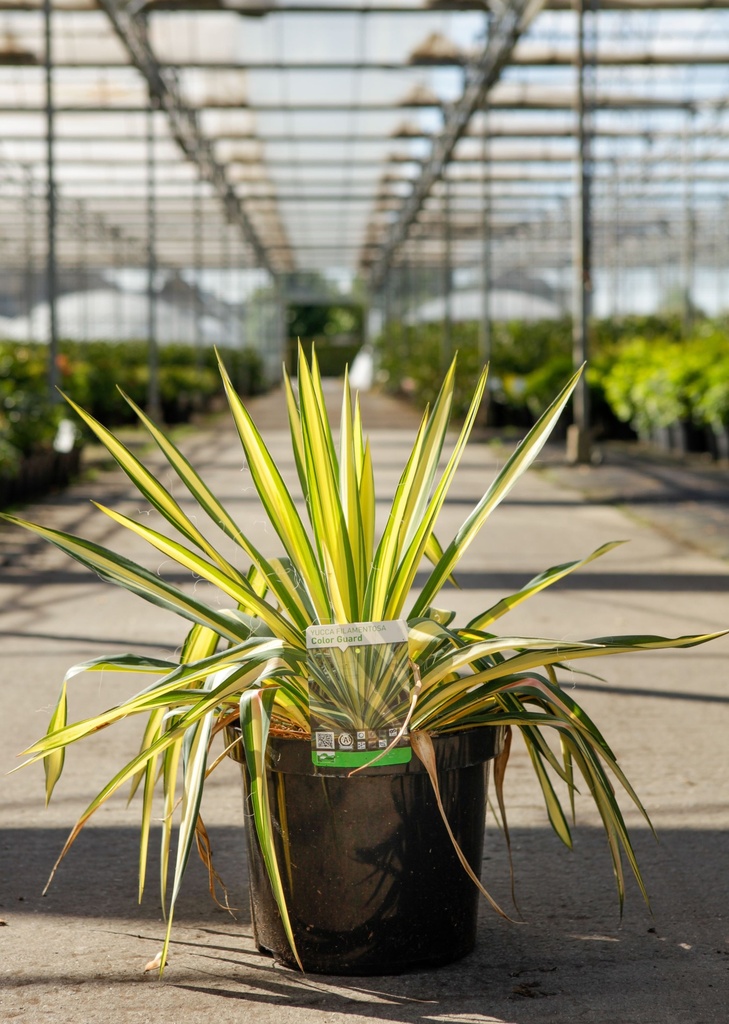
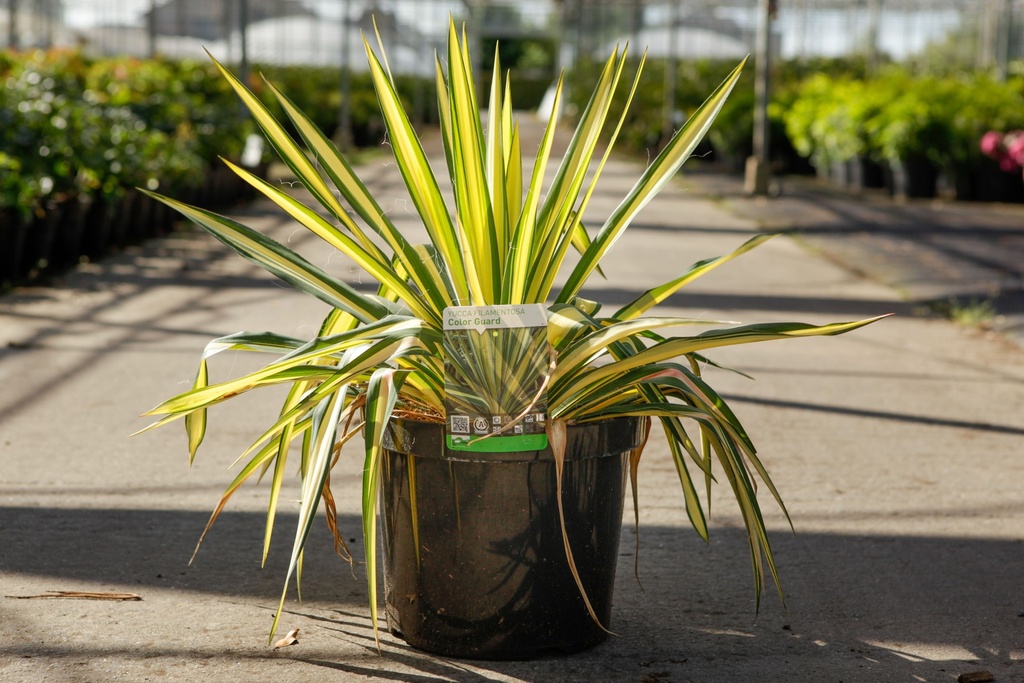
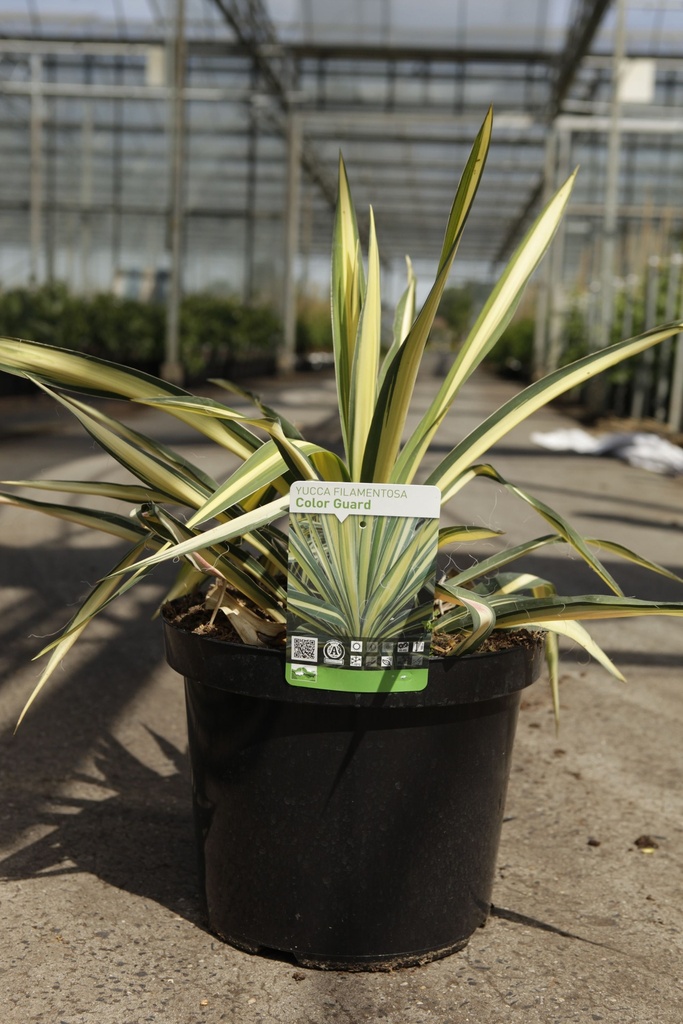
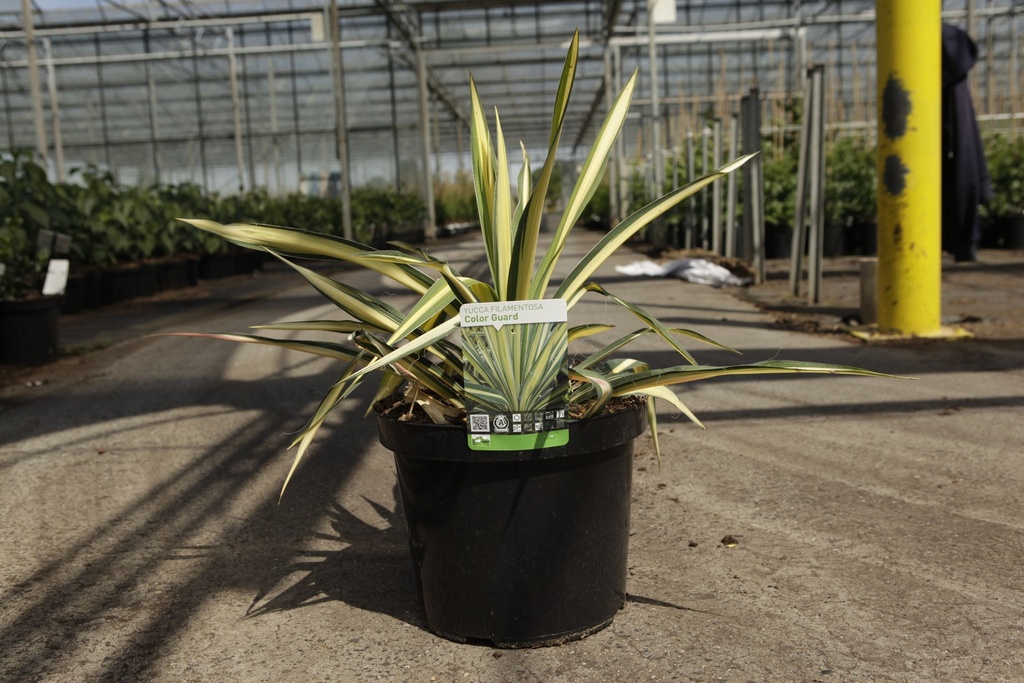
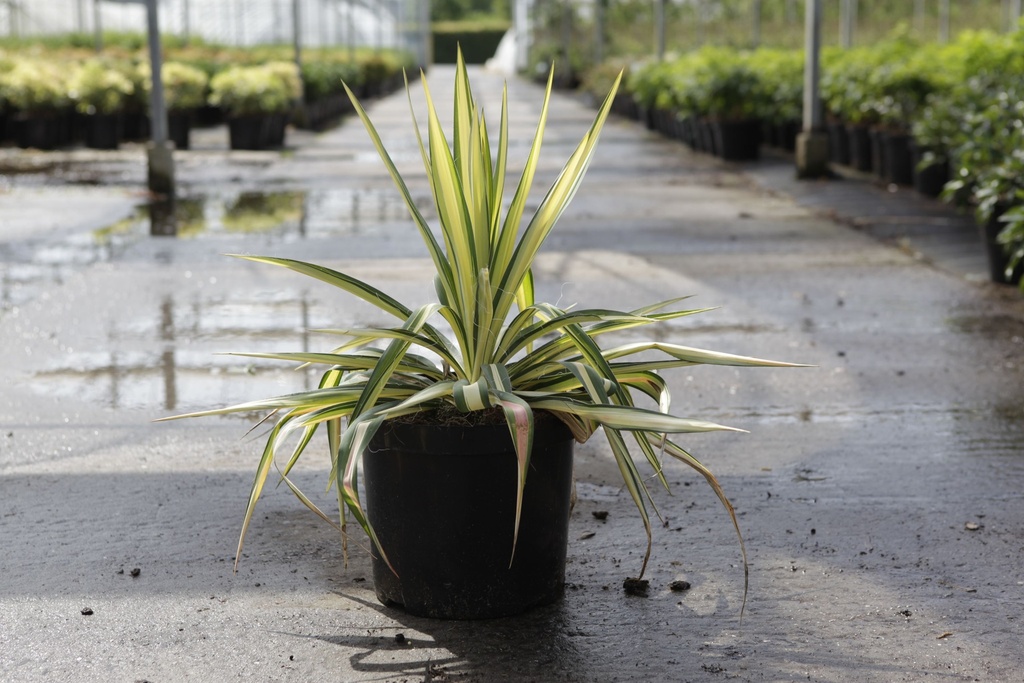
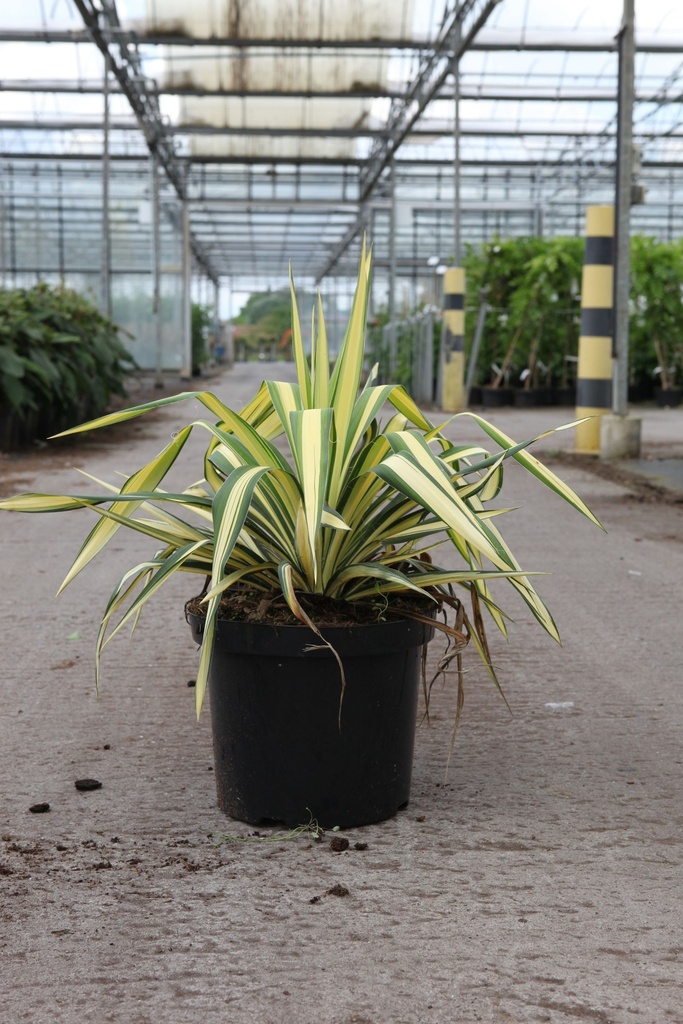
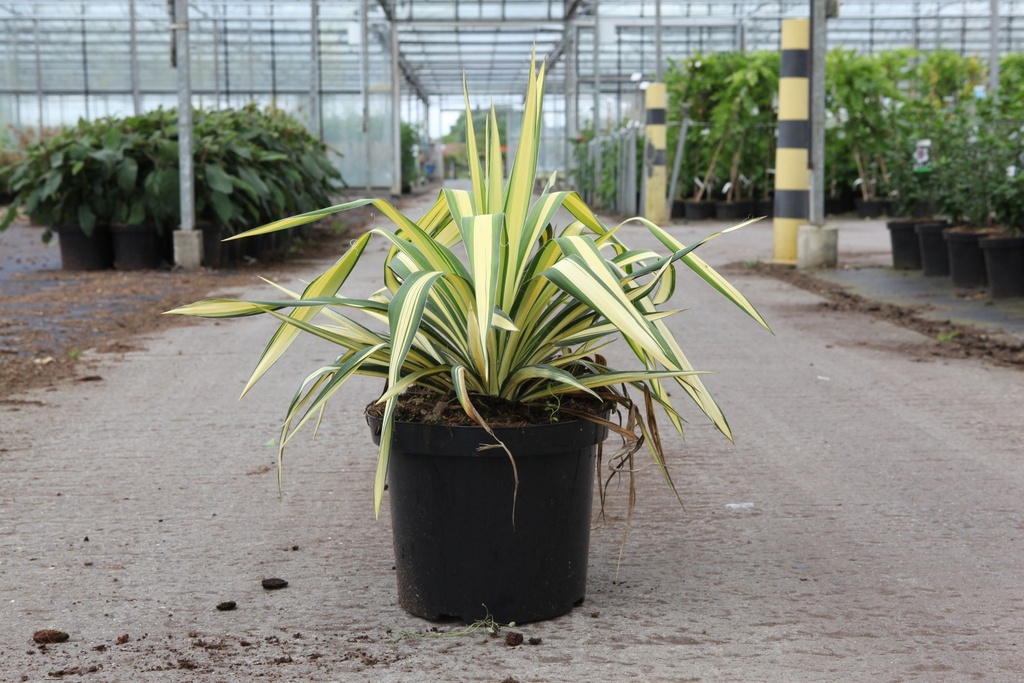
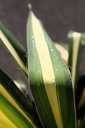
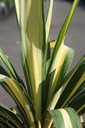
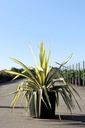
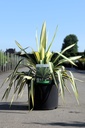
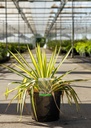
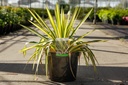
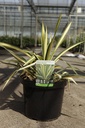
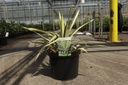
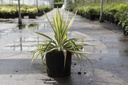
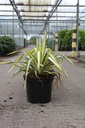
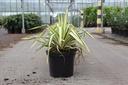
'Color Guard' has leaves with a broad creamy-yellow central band and bright green edges, which often take on a pink flush in cold weather. The leaves are less sharply pointed than in many yuccas, and in summer mature plants carry spikes of ivory bells about 1.5 m tall.
Yucca
Yuccas (Yucca) are evergreen perennials, shrubs and small trees from the warm, dry regions of North and Central America, with some forty to fifty species. They form dense rosettes of stiff, sword-shaped leaves, often tipped with a sharp spine, and in summer send up tall spikes of nodding, waxy, creamy-white bells. Several species are surprisingly hardy.
Yucca filamentosa
Adam's needle (Yucca filamentosa) is native to sandy coasts, dunes and fields of the south-eastern United States. It is practically stemless and forms clumps of rosettes about 60–90 cm high, with dark green, sword-shaped leaves edged with curly white threads. In June–August, mature plants send up branched stems up to around 2 m carrying many nodding, creamy-white bells.
Location and soil
One of the hardiest yuccas, it withstands around -20 °C provided the soil is well drained, making it well suited to Belgian gardens. Plant in full sun, although it tolerates a little shade, in any well-drained soil, even poor, sandy, stony or chalky. It copes with heat, drought, salt spray and urban conditions.
Pruning and care
Care is minimal: water during the first summers, then only in long dry spells. In August, cut off the faded flower stems at the base and remove dry leaves. The flowering rosette dies afterwards, but young rosettes appear around it, so the clump slowly widens; these offsets are easy to divide.
Use in the garden
This stemless yucca is ideal for rock gardens, dry slopes, gravel gardens and the front or middle of a sunny border, where its rosettes give year-round structure. It is also suitable for coastal gardens and large containers. Its leaves are less rigid than those of many yuccas, but the tips are still sharp.
Plant characteristics
Botanical
| Family | Asparagaceae |
| Genus | Yucca |
| Species | filamentosa |
| Cultivar | 'Color Guard' |
Flowering
| Flowering period | july to august |
| Colour (flower) | white |
Foliage
| Evergreen | yes |
| Colour (foliage) | green, yellow, variegated |
Growth habit
| Height | 100 cm |
Location
| Winter hardiness | zone 4a (down to -34,4 °C) |
| Summer heat | up to heat zone 11 |
| Location | sun |
Use
| Type (use) | shrub, solitary, terrace plant |
Care
| Pruning | august |