
|
G
|
F
|
M
|
A
|
M
|
G
|
L
|
A
|
S
|
O
|
N
|
D
|
|
G
|
F
|
M
|
A
|
M
|
G
|
L
|
A
|
S
|
O
|
N
|
D
|
Informazioni su questa pianta
Cosa rende speciale questa pianta
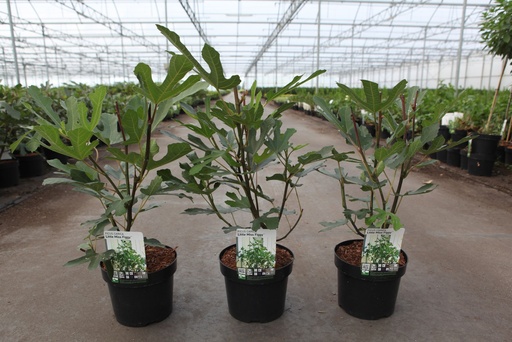
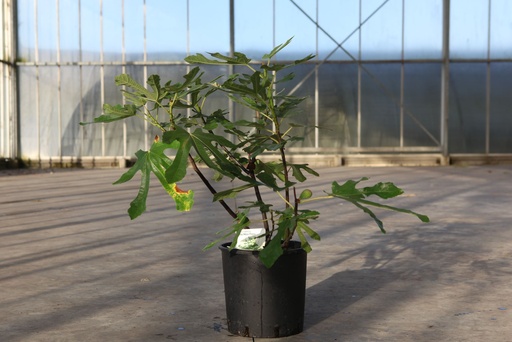
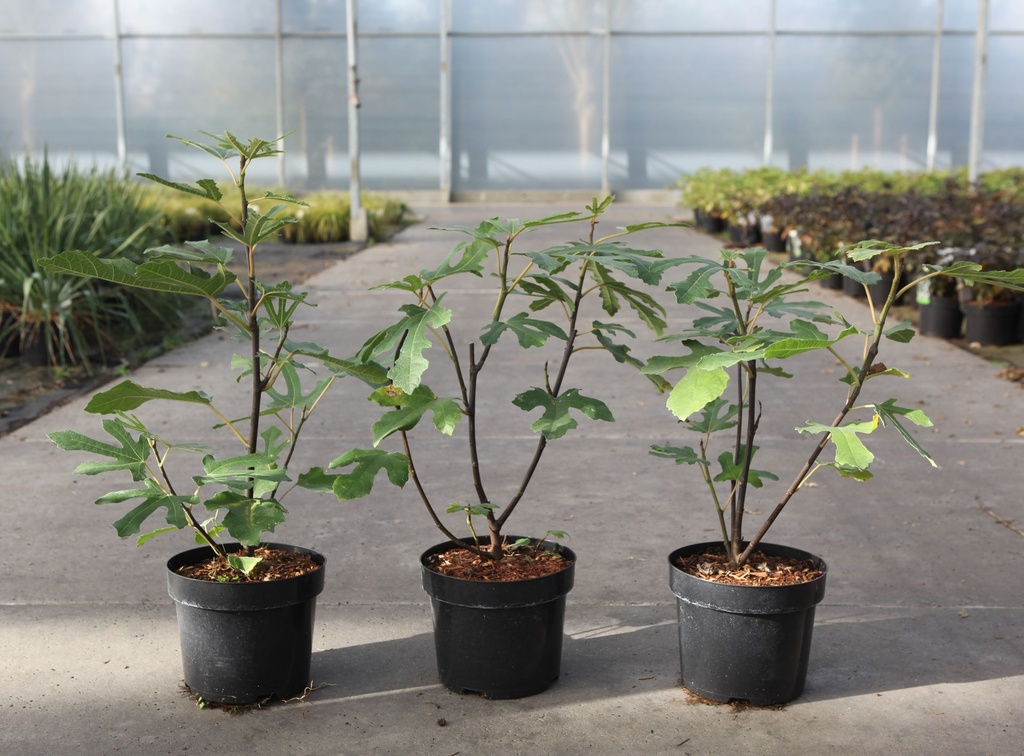
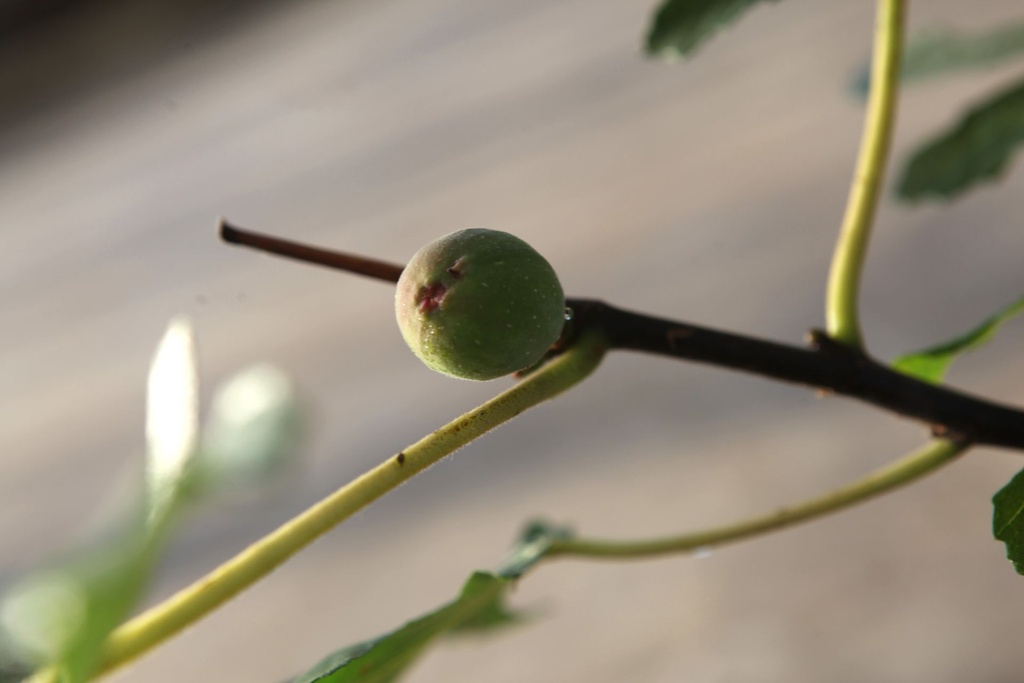
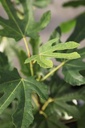
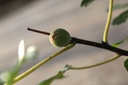
Little Miss Figgy is a bushy dwarf fig from the United States, reaching only about 1.2 to 1.8 m. It gives two crops, in July and August and again from late September to October, of small dark violet figs that are plentiful for the plant's size. Hardy to about -12 °C, it also grows well in a large pot.
Ficus
Figs (Ficus) form a huge genus in the mulberry family, with hundreds of trees, shrubs and climbers from warm regions of the world. All of them hide their tiny flowers inside a fleshy, closed receptacle that later becomes the fig. In our climate only the common fig is grown outdoors, loved for its sculptural leaves and sweet fruit.
Ficus carica
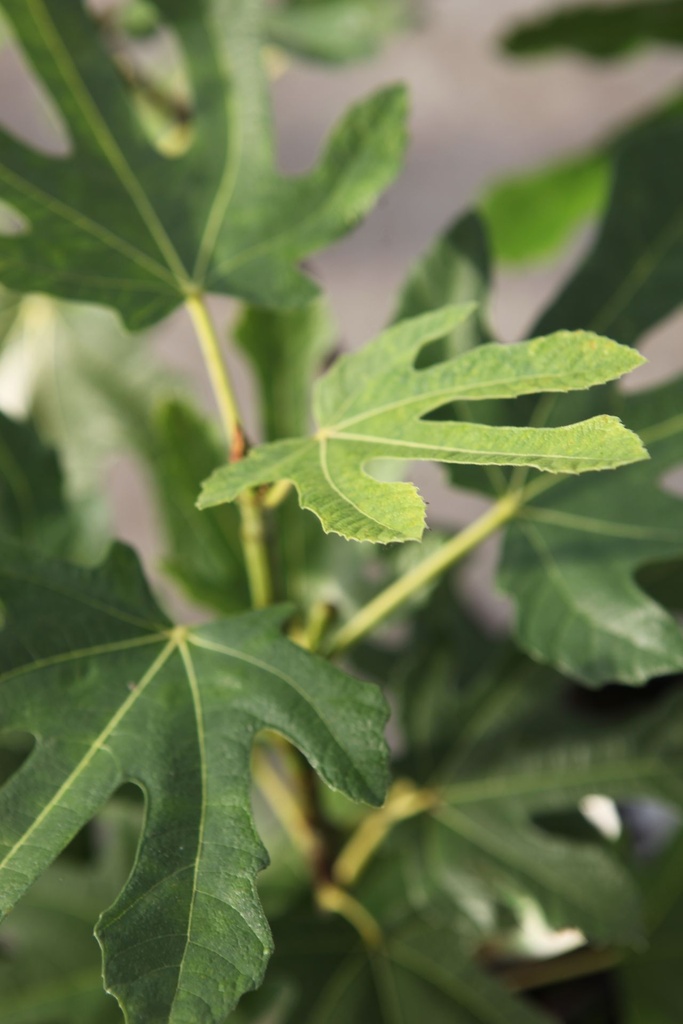
The common fig comes from Turkey and the eastern Mediterranean and grows into a deciduous shrub or small tree with large, deeply lobed leaves. Depending on the variety it gives one crop from August to October or two: early figs in July on last year's wood and a second crop in autumn. Self-fertile varieties set fruit without a pollinator.
Esposizione e terreno
Plant in full sun in the warmest corner of the garden, out of the wind, preferably against a south- or south-west-facing wall. Deep, well-drained, calcareous soil gives the best results, though poor and stony ground is tolerated. Established plants withstand moderate frost; in colder areas choose varieties that crop once, as late frosts can ruin early figs.
Potatura e cura
Prune lightly in March and April as the sap rises: pinch the young shoots of young plants and shorten the previous year's growth above an outward-facing bud. From September to November, cut back shoots that have fruited and seal larger wounds against canker. Water during the first two summers, mulch each spring and wrap young plants in fleece during hard frost.
Utilizzo in giardino
A fruit tree with real ornamental value: grow it as a free-standing shrub, a small tree or a wall-trained fan in the kitchen garden or on a sunny terrace. Compact varieties suit large pots that can be moved to shelter in winter. The fruit is eaten fresh, dried or made into jam. The sap can irritate the skin in sunlight.
Caratteristiche della pianta
Dati botanici
| Famiglia | Moraceae |
| Genere | Ficus |
| Specie | carica |
| Nome commerciale | Little Miss Figgy (PBR) |
Fogliame
| Sempreverde | no |
| Colore (fogliame) | green |
Portamento
| Altezza | 120 cm, 200 cm |
Posizione
| Rusticità | zona 7a (fino a -17,8 °C) |
| Caldo estivo | fino alla zona di calore 9 |
Cura
| Potatura | march – april, september – november |
Privativa vegetale
Ficus carica LITTLE MISS FIGGY (PBR) is subject to European Plant Breeders Rights under nr. 20192170. Asexual propagation and/or use of the trademark without license are prohibited.