
|
G
|
F
|
M
|
A
|
M
|
G
|
L
|
A
|
S
|
O
|
N
|
D
|
|
G
|
F
|
M
|
A
|
M
|
G
|
L
|
A
|
S
|
O
|
N
|
D
|
|
G
|
F
|
M
|
A
|
M
|
G
|
L
|
A
|
S
|
O
|
N
|
D
|
Informazioni su questa pianta
Cosa rende speciale questa pianta
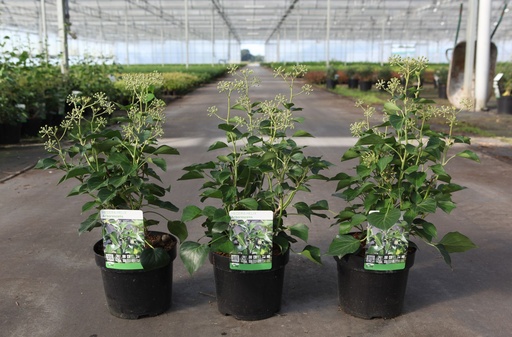
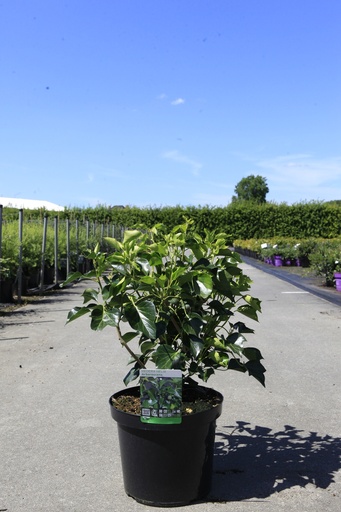
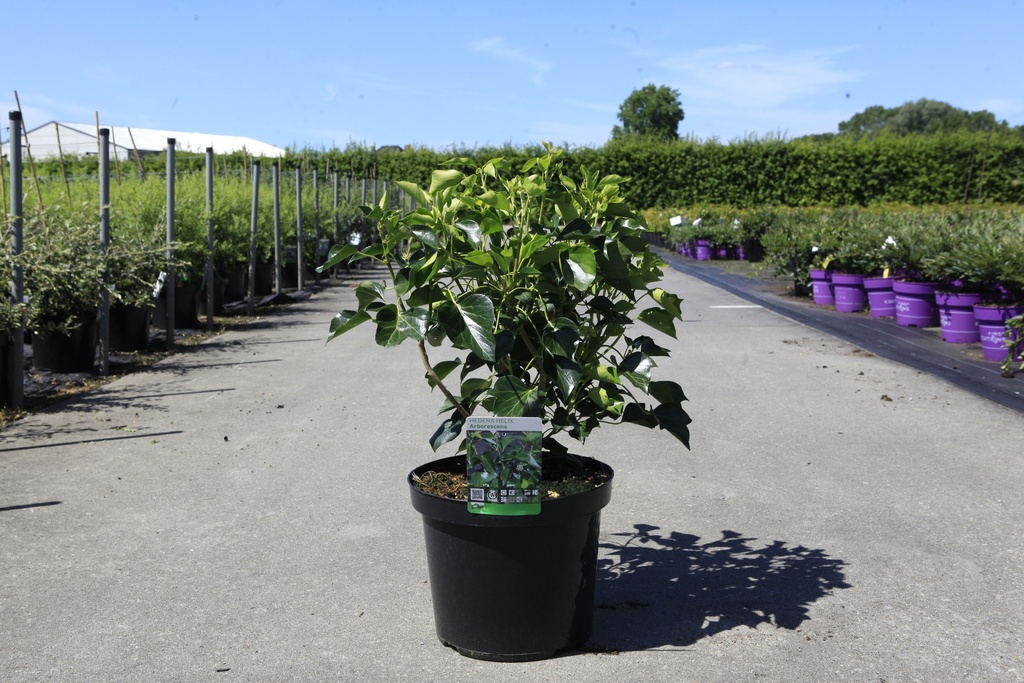
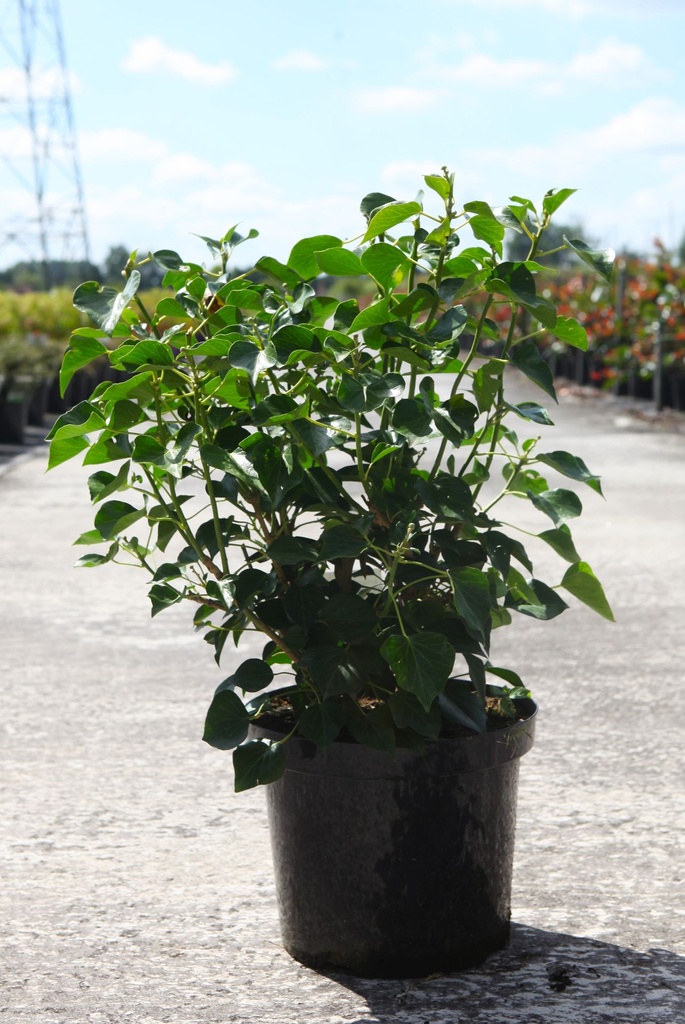
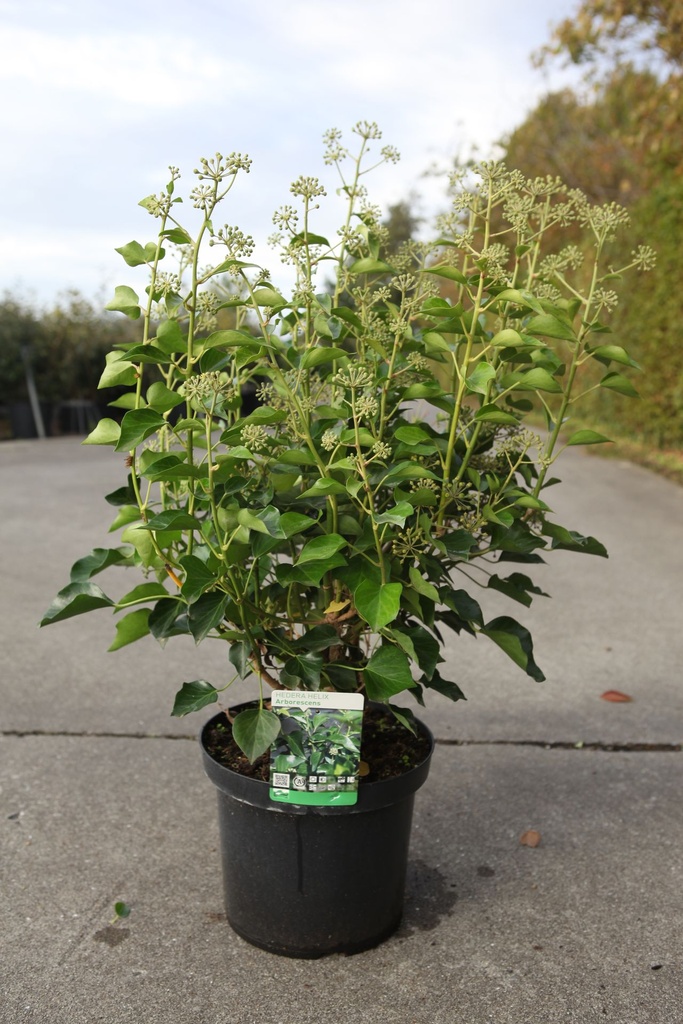
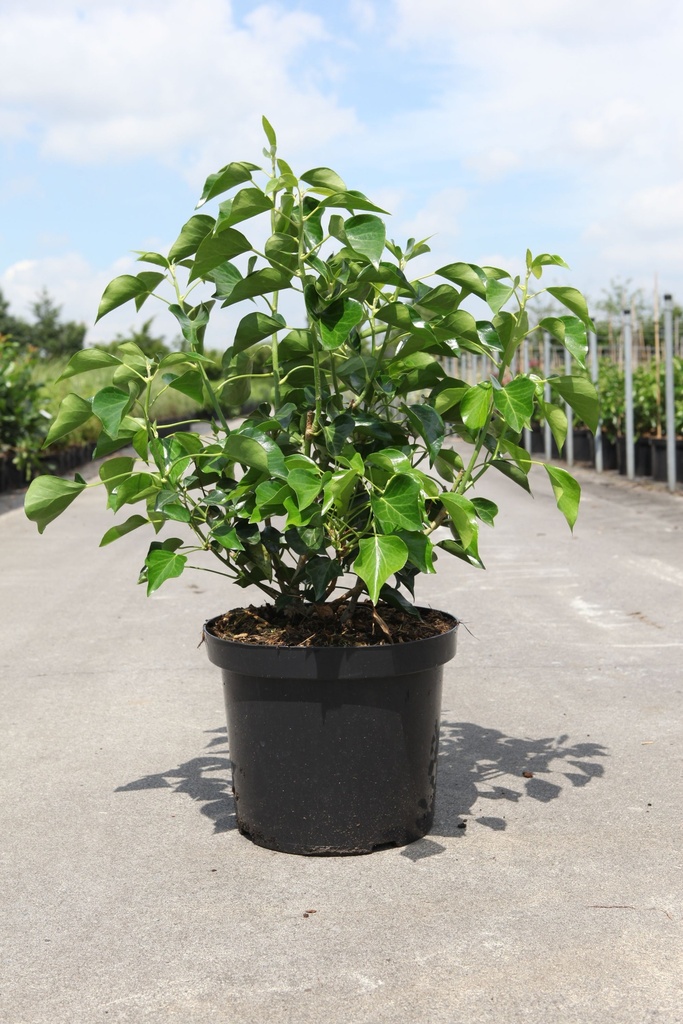
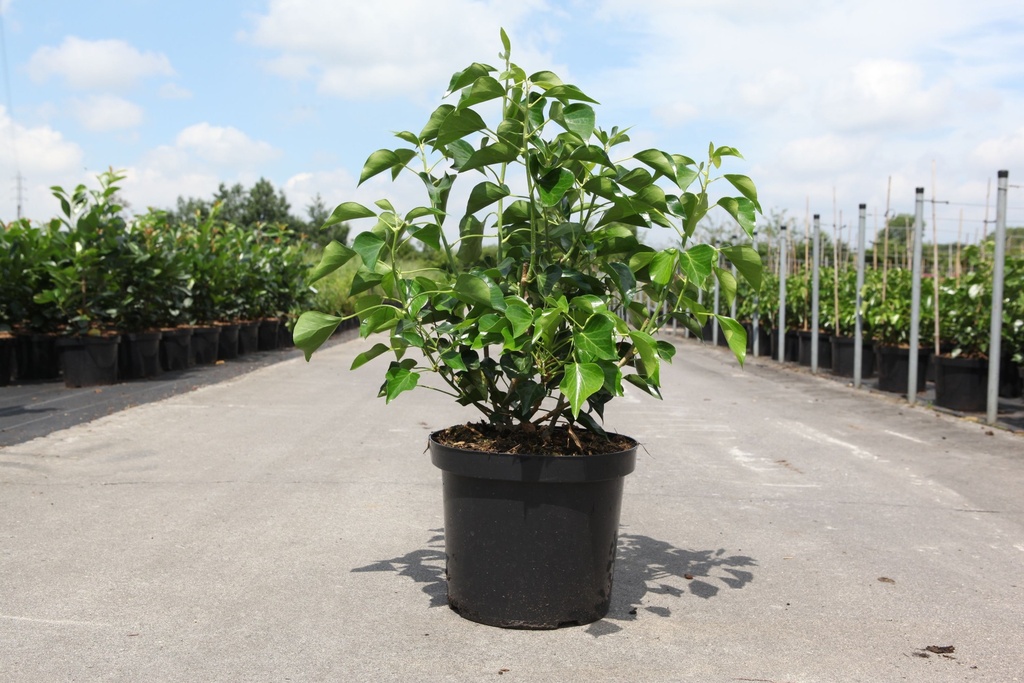
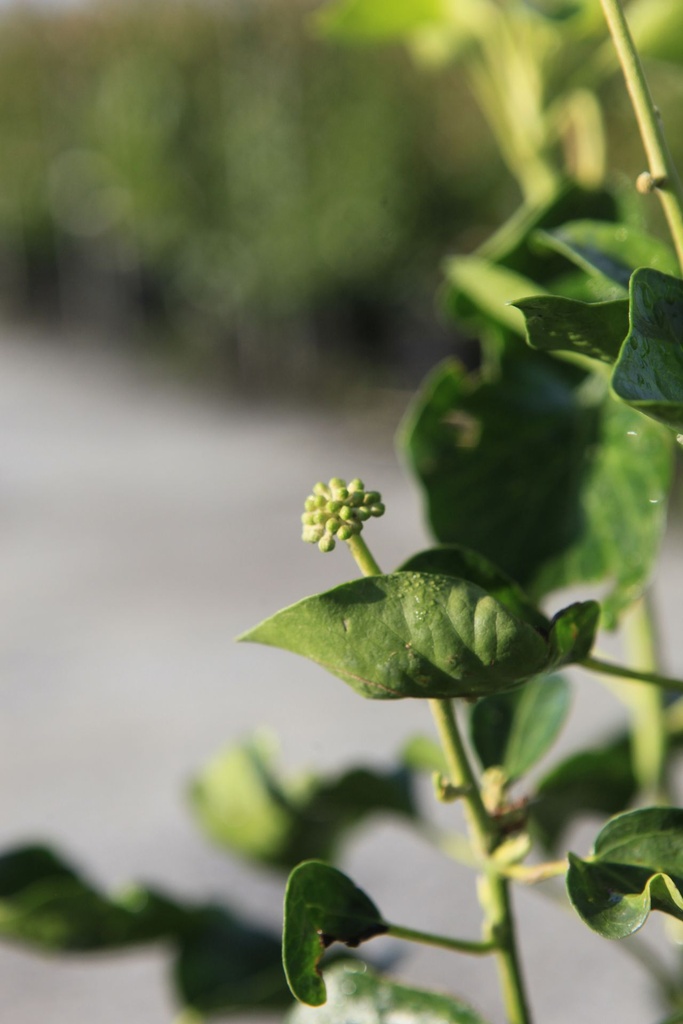
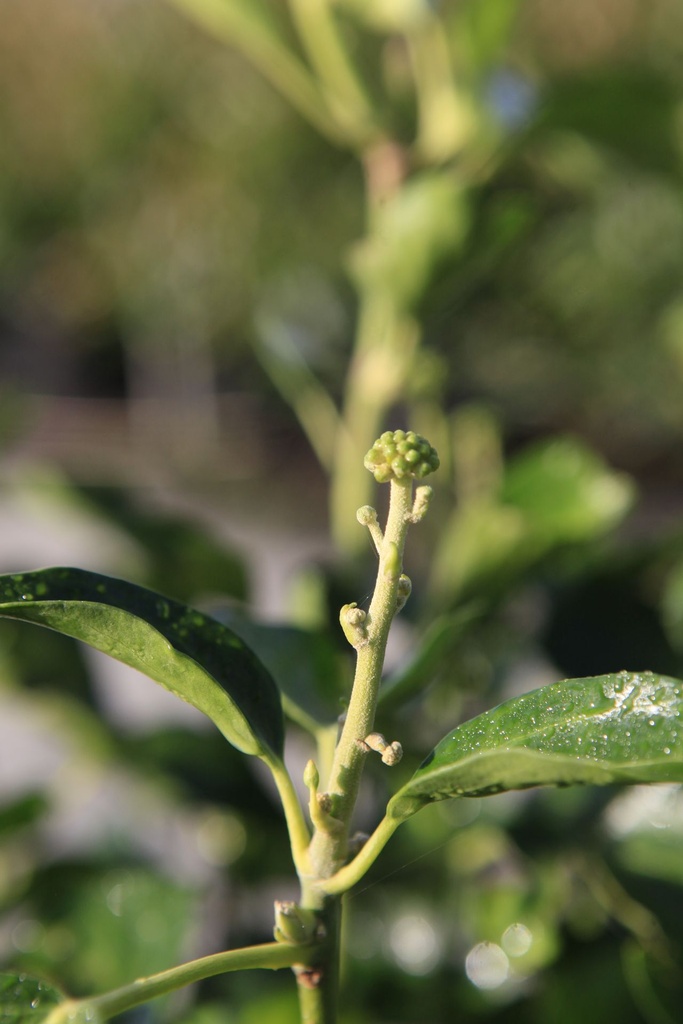
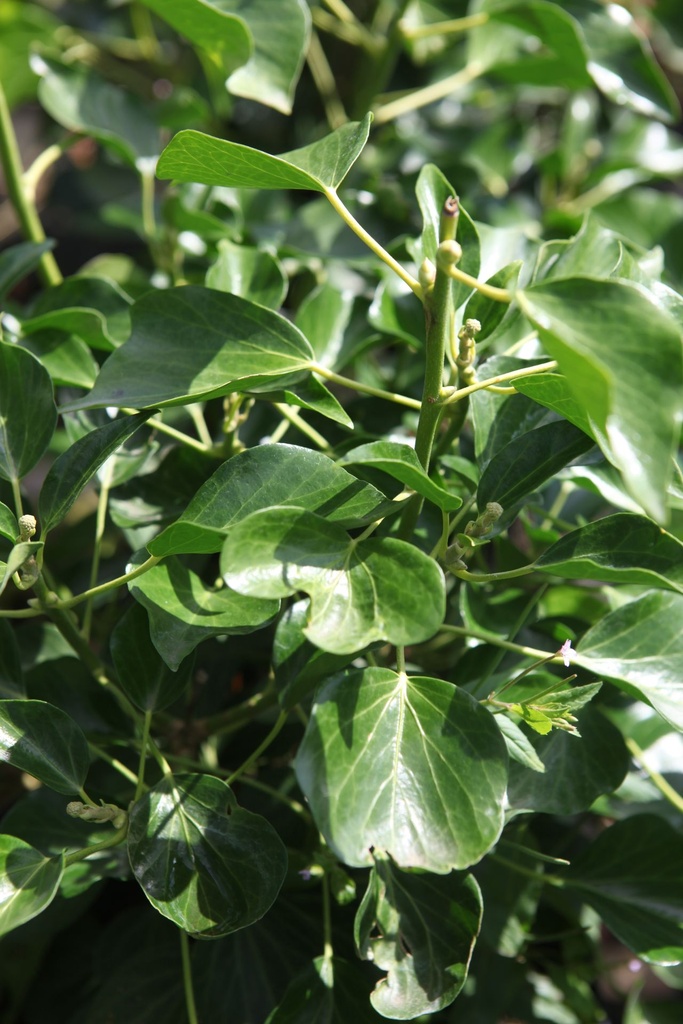
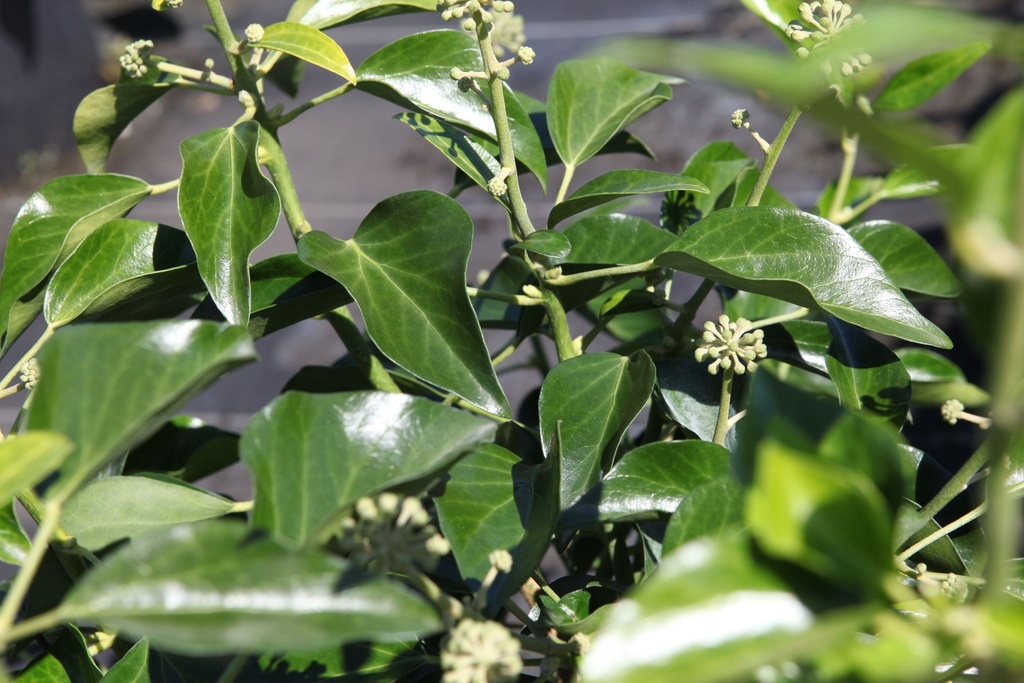
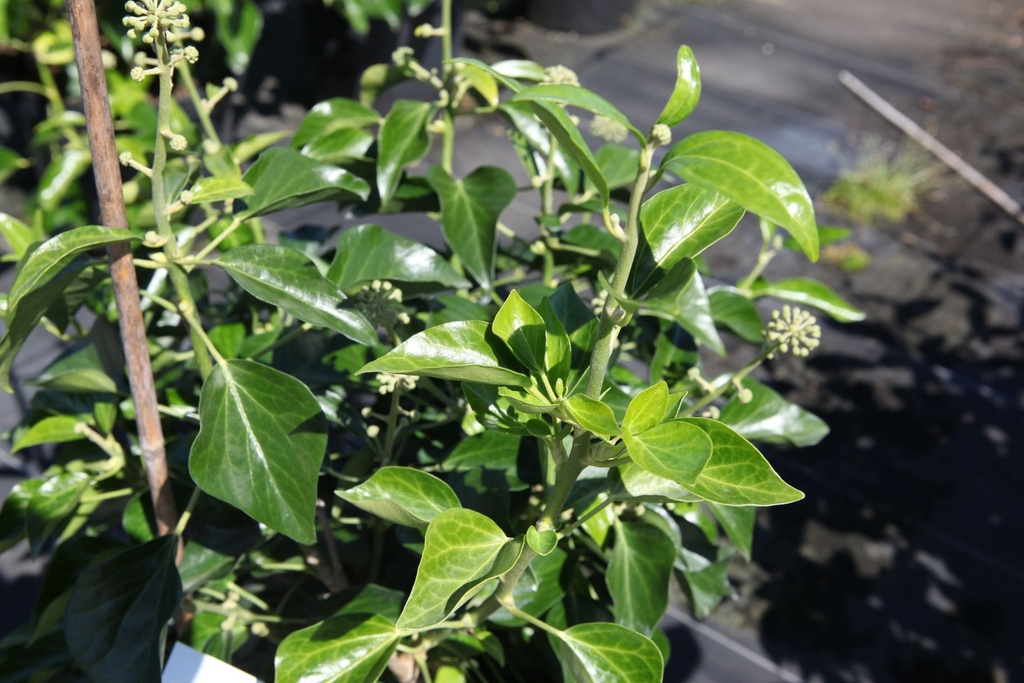
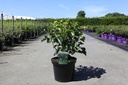
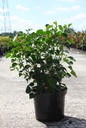
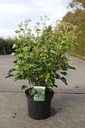
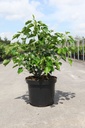
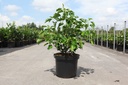
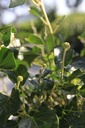
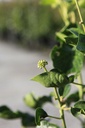
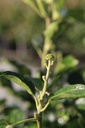
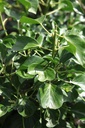
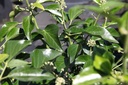
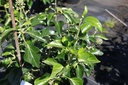
'Arborescens' is propagated from the mature, flowering shoots of common ivy, so it grows as a free-standing shrub without aerial roots and with entire, unlobed leaves. It slowly reaches 1 to 1.5 m and, being in its adult stage, flowers and bears berries every year without first having to climb.
Hedera
Ivy (Hedera) is a genus of evergreen climbers native to Europe, North Africa and western Asia. The stems cling to walls, fences and trees with small aerial roots, or creep along the ground where there is no support. Gardeners value ivy for its year-round foliage and for its late flowers and winter berries, which feed insects and birds.
Hedera helix
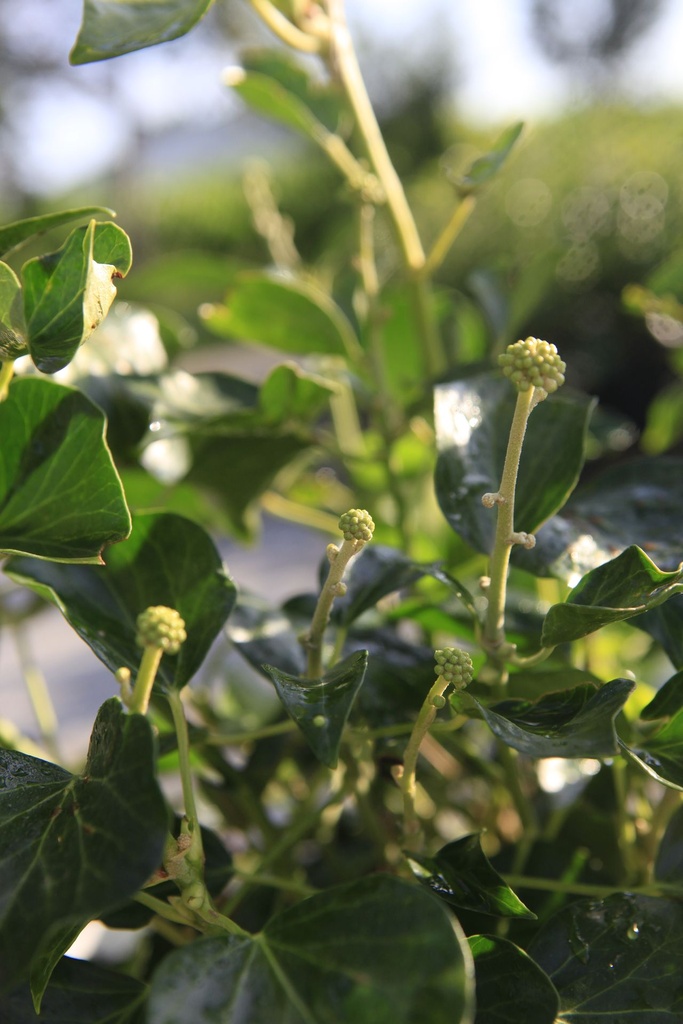
Common ivy is the native European ivy and the most widely grown species. Its dark green leaves are three- to five-lobed on climbing shoots and become oval and unlobed on mature flowering stems. Greenish umbels appear in early autumn, followed by black berries in late winter. Countless garden forms exist, differing in leaf shape, size and variegation.
Esposizione e terreno
Common ivy is very hardy and thrives in partial or full shade, in practically any soil that is not waterlogged. It also grows in sun, where variegated forms colour best. Once settled it copes well with dry periods, which makes it suitable for difficult spots under trees.
Potatura e cura
Prune once a year, preferably in January. Remove old stems from time to time to rejuvenate the plant and pinch young shoots to keep it dense. Forms propagated from mature flowering shoots grow as compact, non-climbing shrubs and need only a light trim to keep their shape.
Utilizzo in giardino
Common ivy is used to clothe walls, fences and tree trunks, as a ground cover in shade, and in containers and hanging baskets, where its trailing stems soften the edges. Its autumn flowers and winter berries support bees, butterflies and birds. All parts are toxic if eaten.
Caratteristiche della pianta
Dati botanici
| Famiglia | Araliaceae |
| Genere | Hedera |
| Specie | helix |
| Cultivar | 'Arborescens' |
Fioritura
| Periodo di fioritura | september – october |
| Colore (fiore) | yellow, green |
Fogliame
| Sempreverde | yes |
| Colore (fogliame) | green |
Portamento
| Altezza | 100 cm |
Posizione
| Rusticità | zona 5a (fino a -28,9 °C) |
| Caldo estivo | fino alla zona di calore 12 |
| Tipo di terreno | kalkrijk, acid, neutral |
| Esposizione | sun, half shade |
| Umidità del terreno | moist, normal |
Utilizzo
| Tipo (uso) | climbing, fruit/berries, ground cover, in group |
Cura
| Potatura | january |