
|
G
|
F
|
M
|
A
|
M
|
G
|
L
|
A
|
S
|
O
|
N
|
D
|
|
G
|
F
|
M
|
A
|
M
|
G
|
L
|
A
|
S
|
O
|
N
|
D
|
|
G
|
F
|
M
|
A
|
M
|
G
|
L
|
A
|
S
|
O
|
N
|
D
|
Informazioni su questa pianta
Cosa rende speciale questa pianta
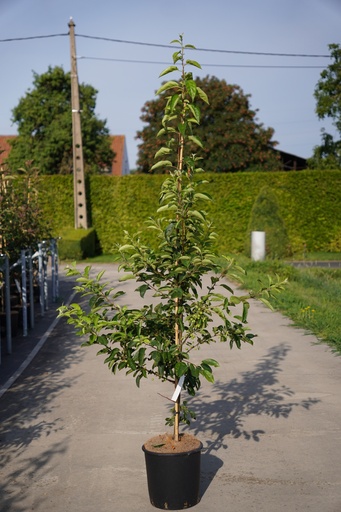
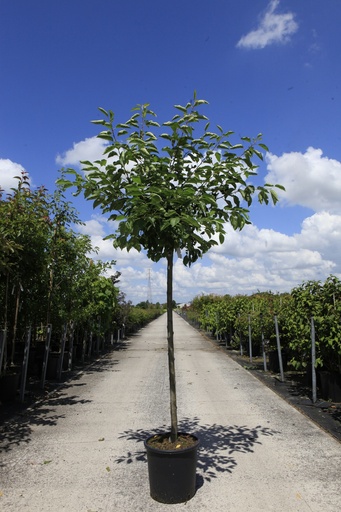
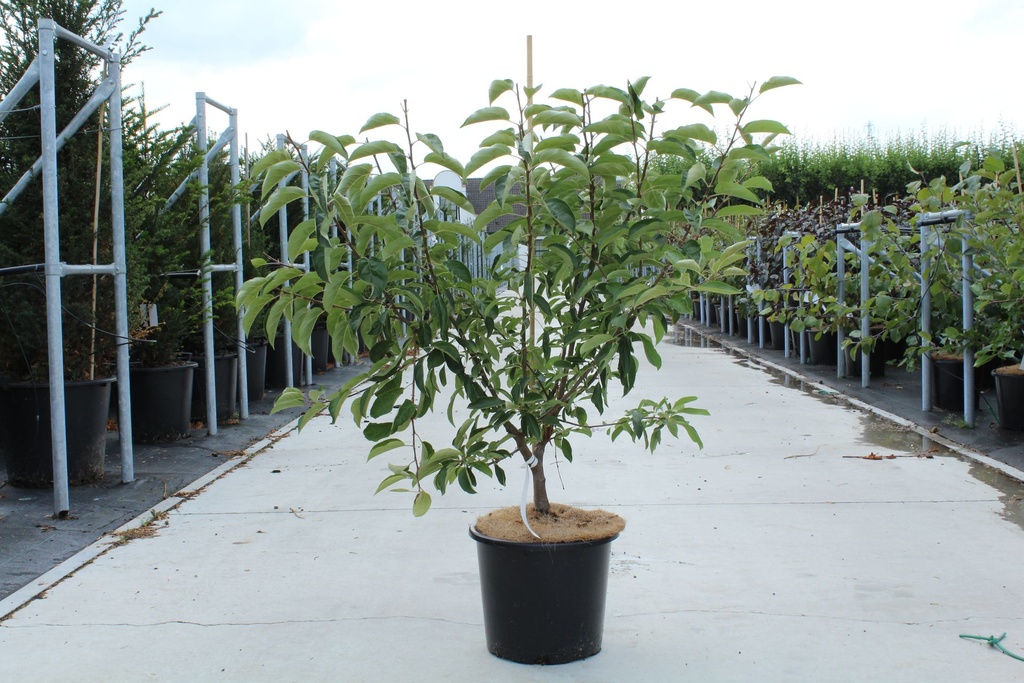
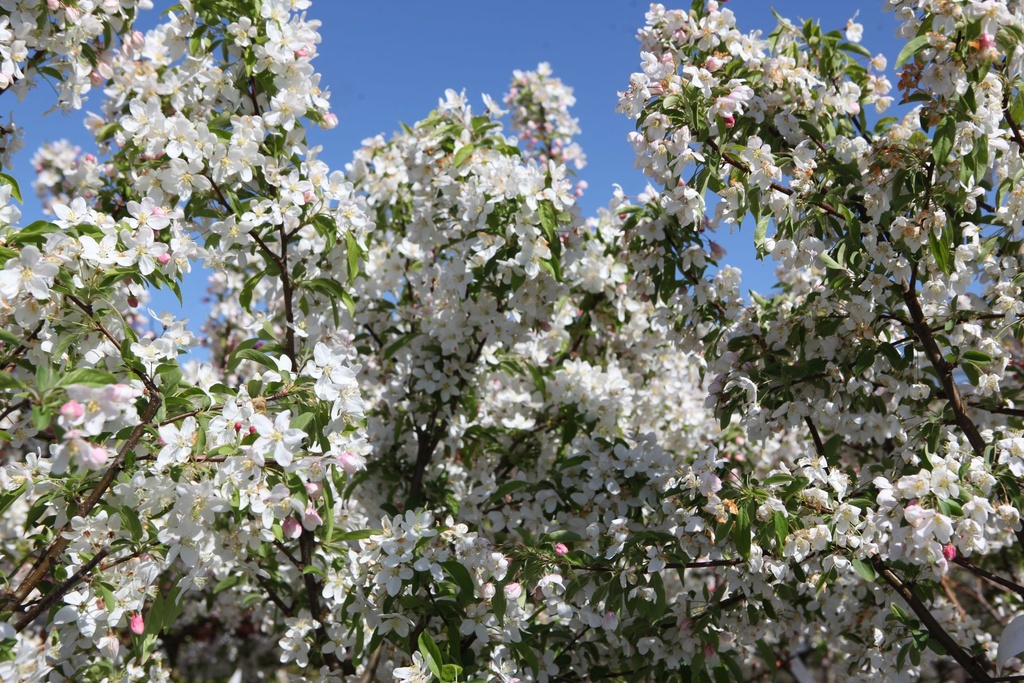
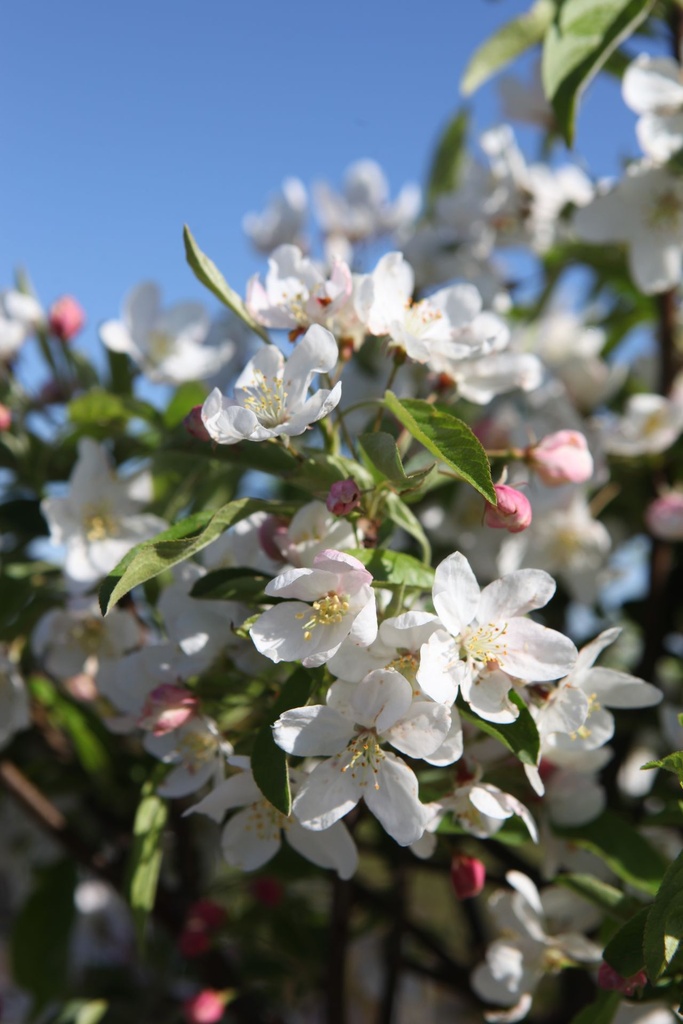
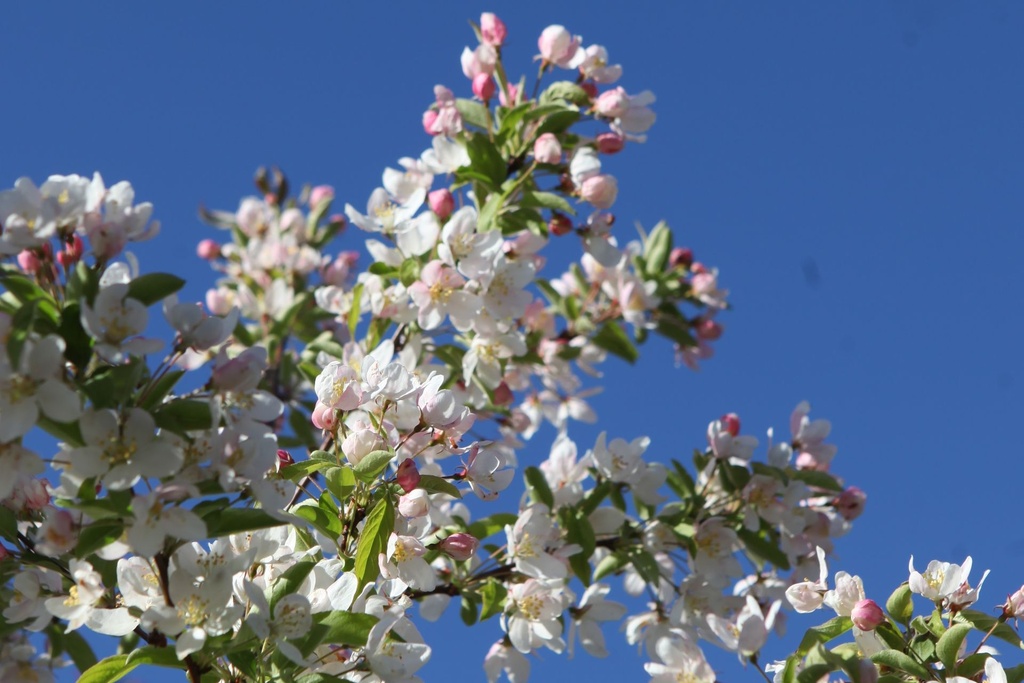
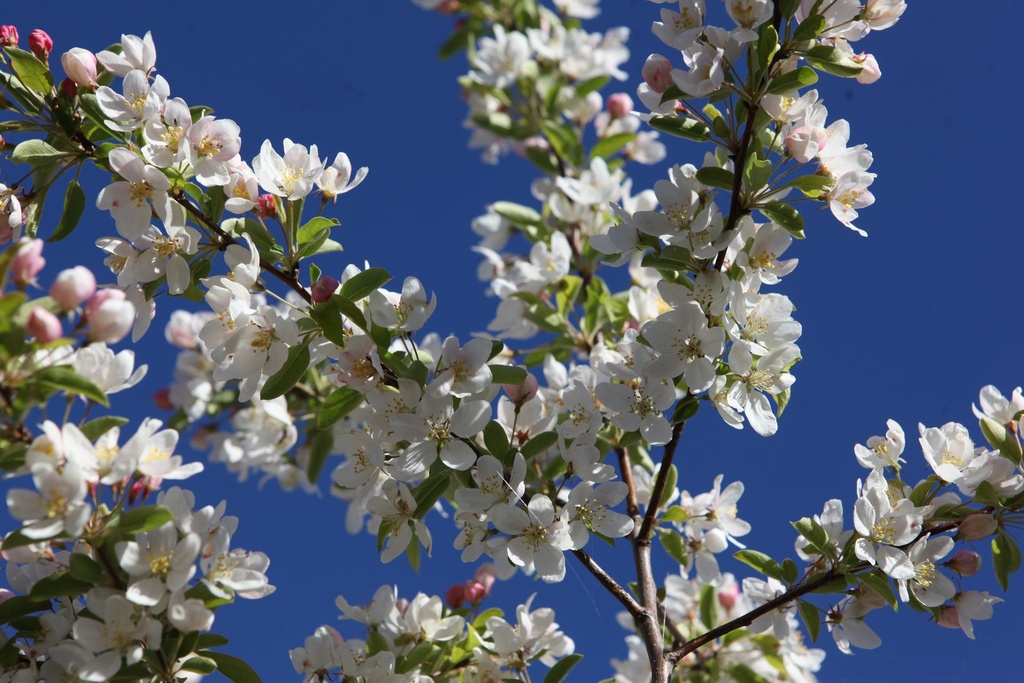
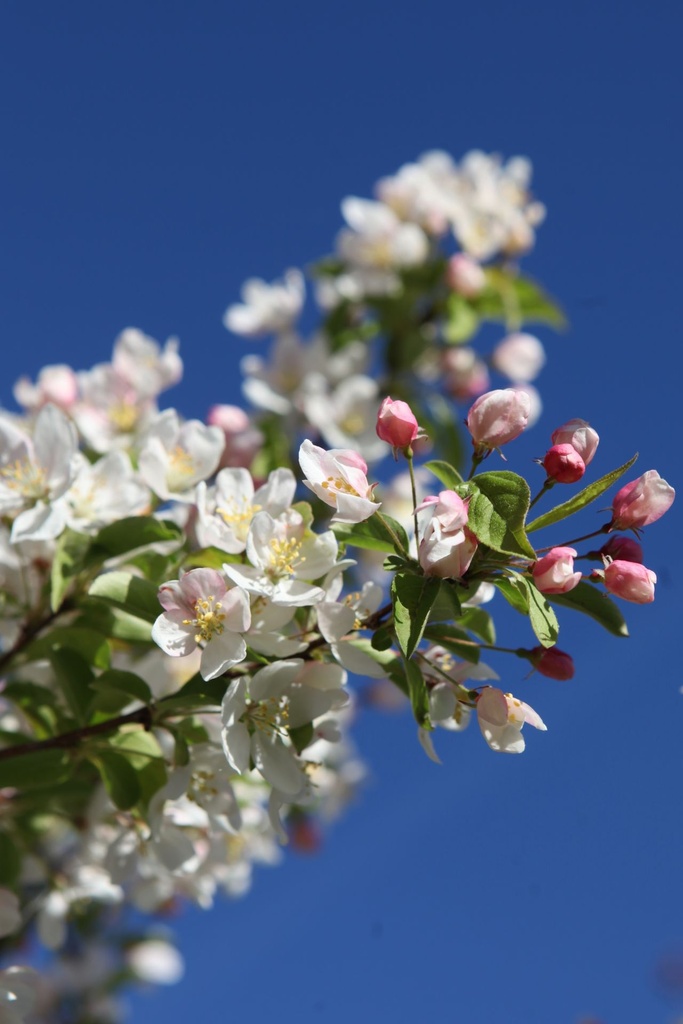
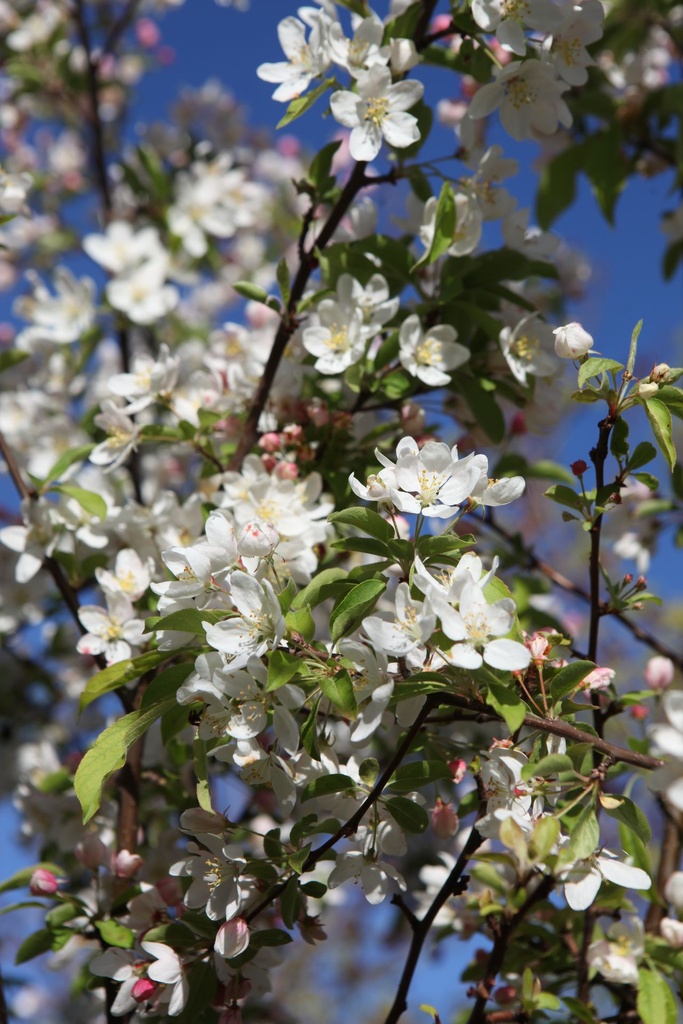
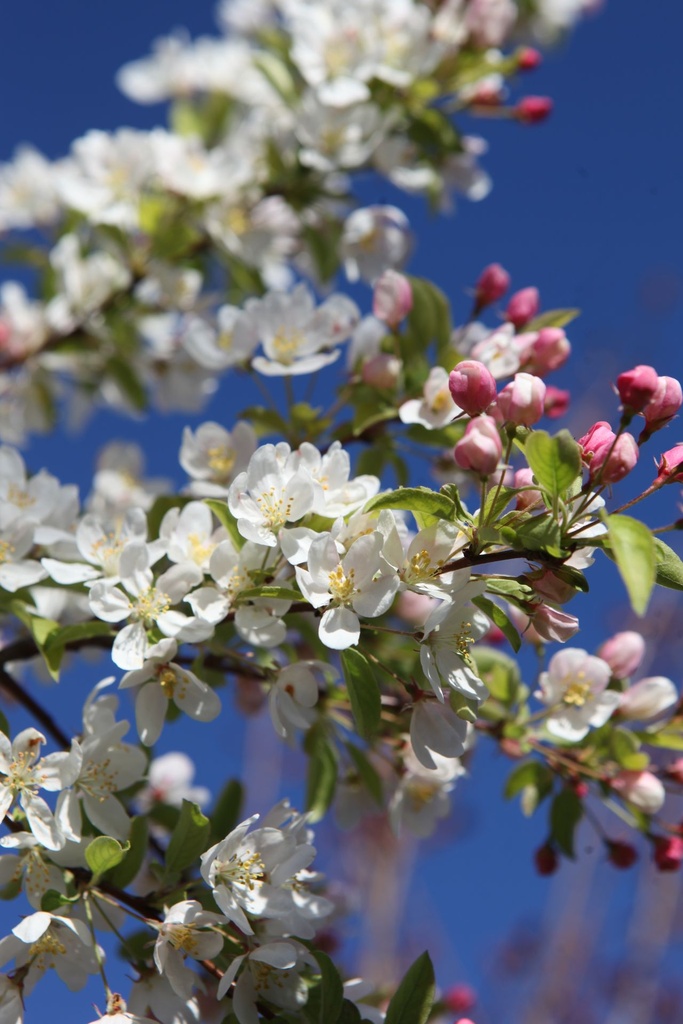
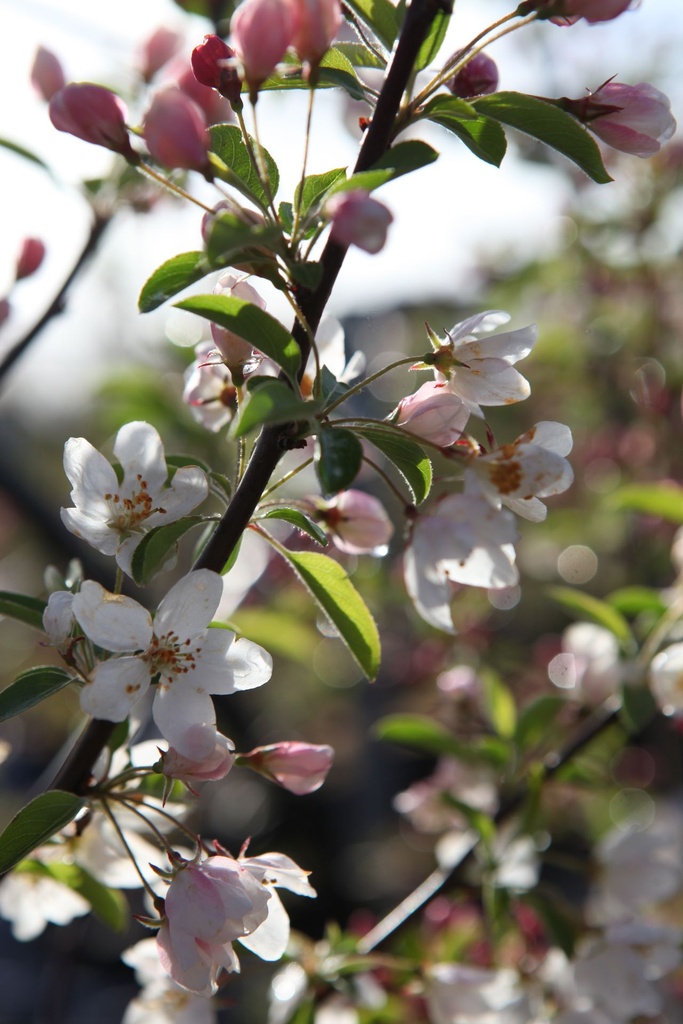
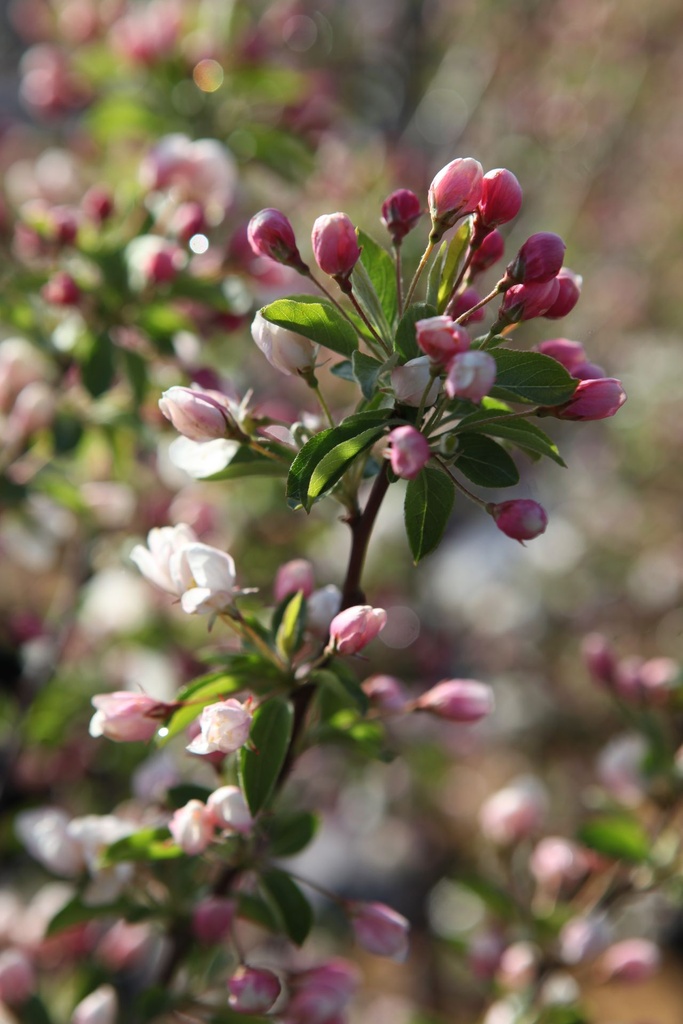
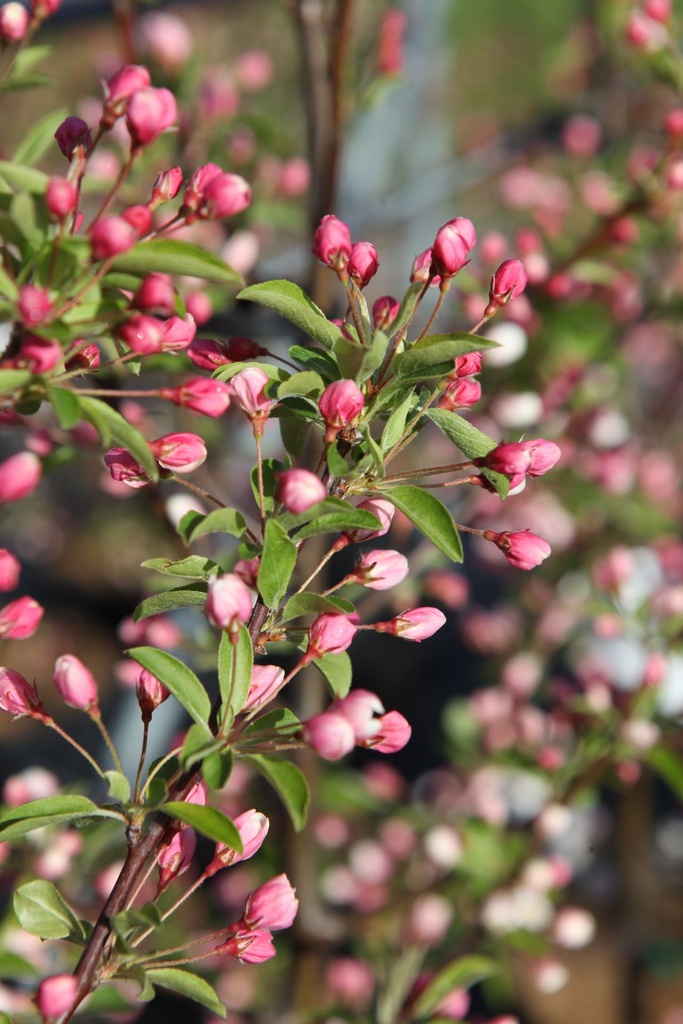
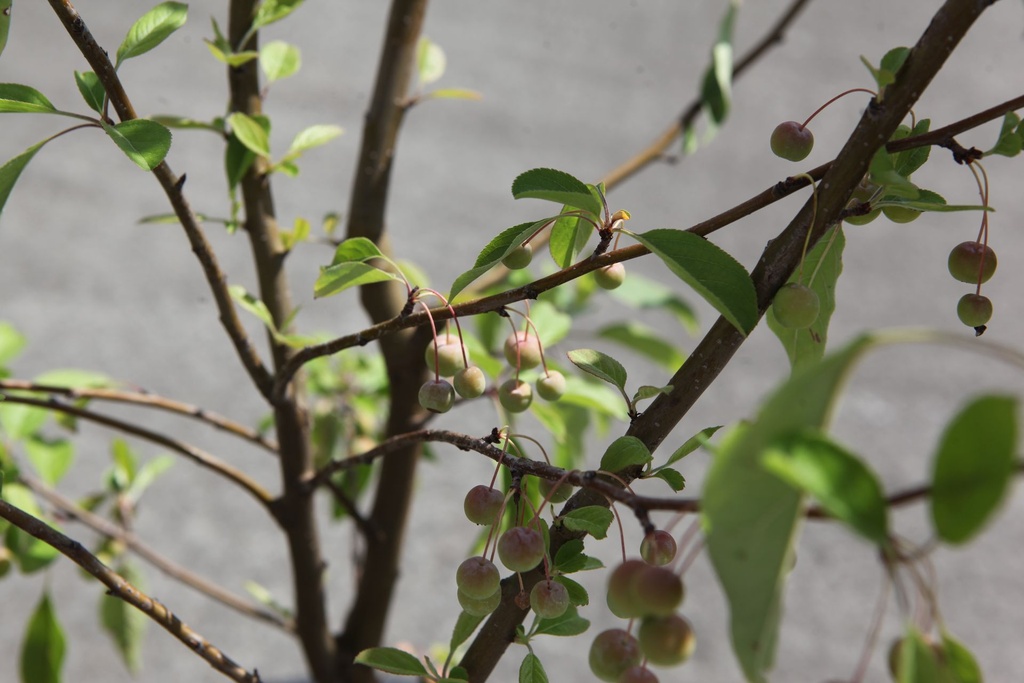
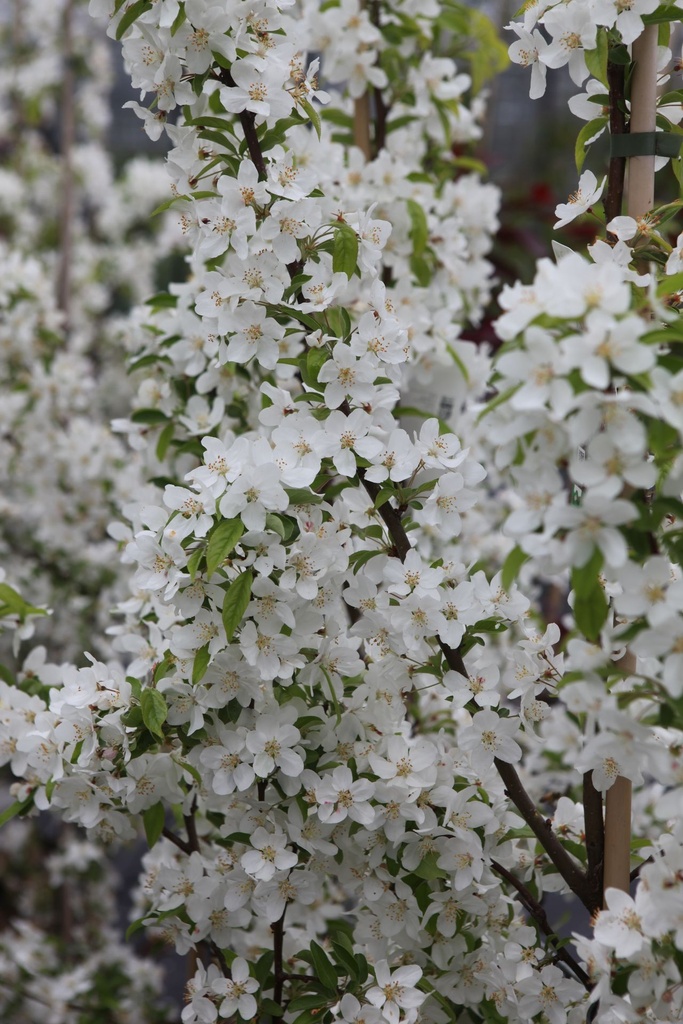
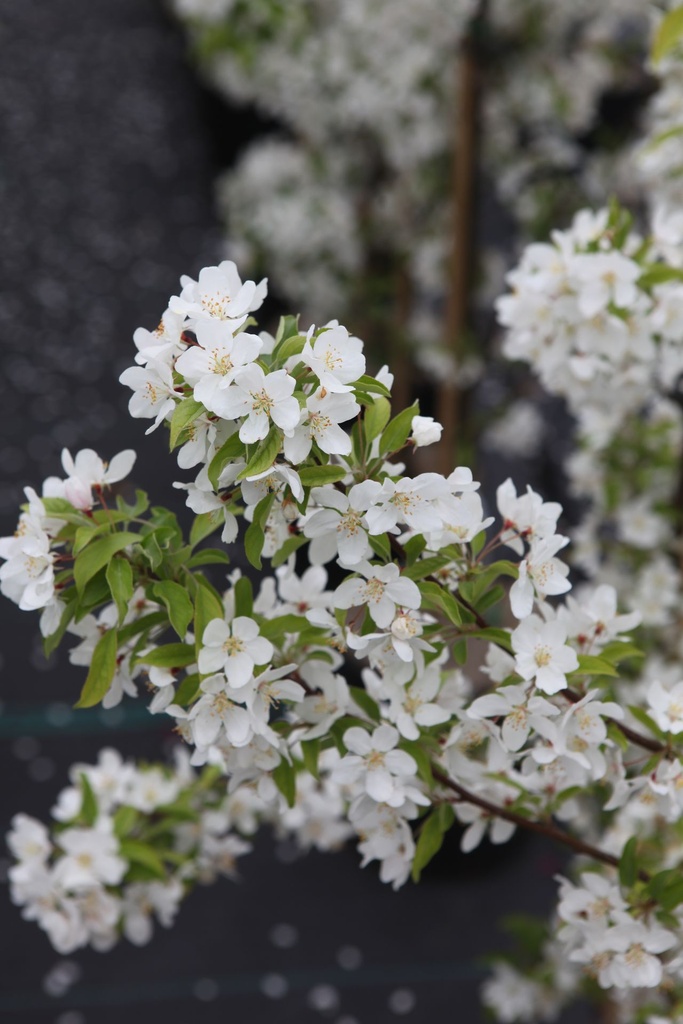
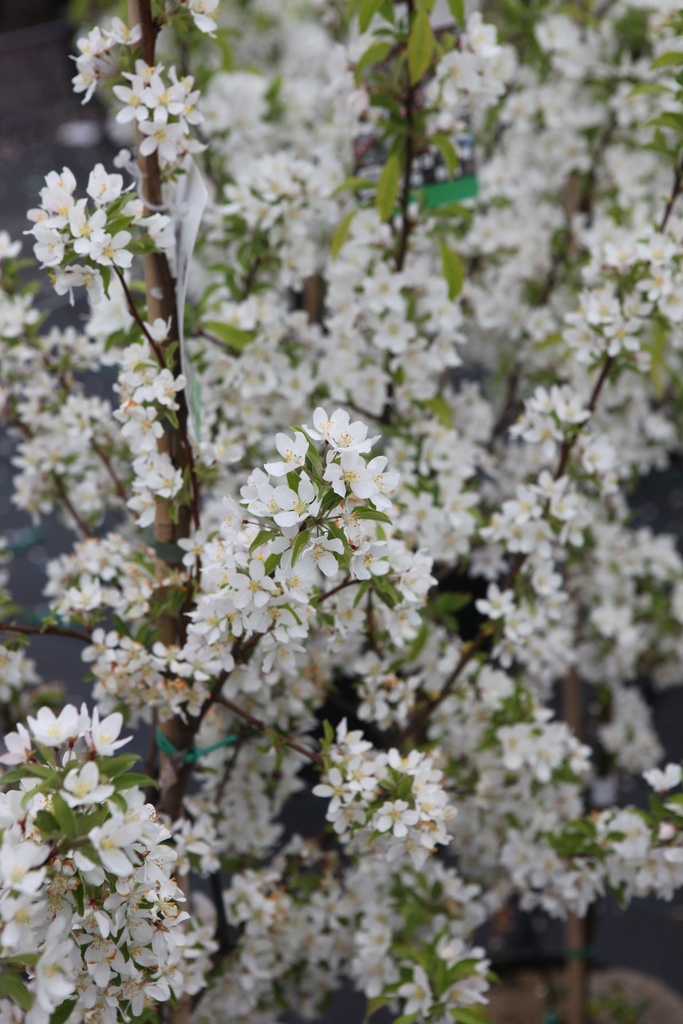
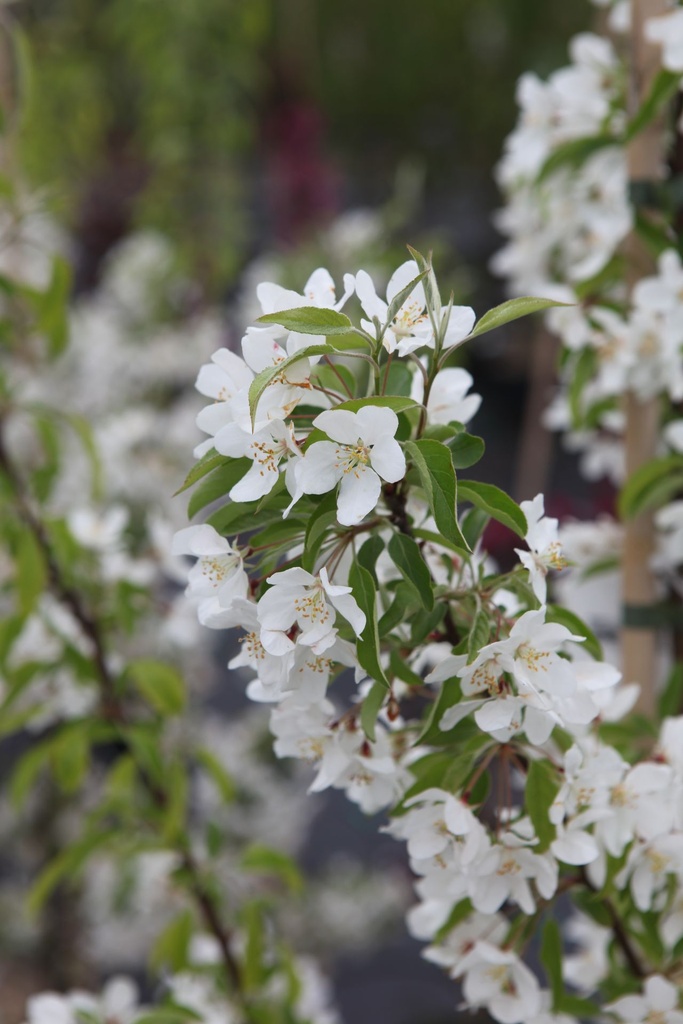
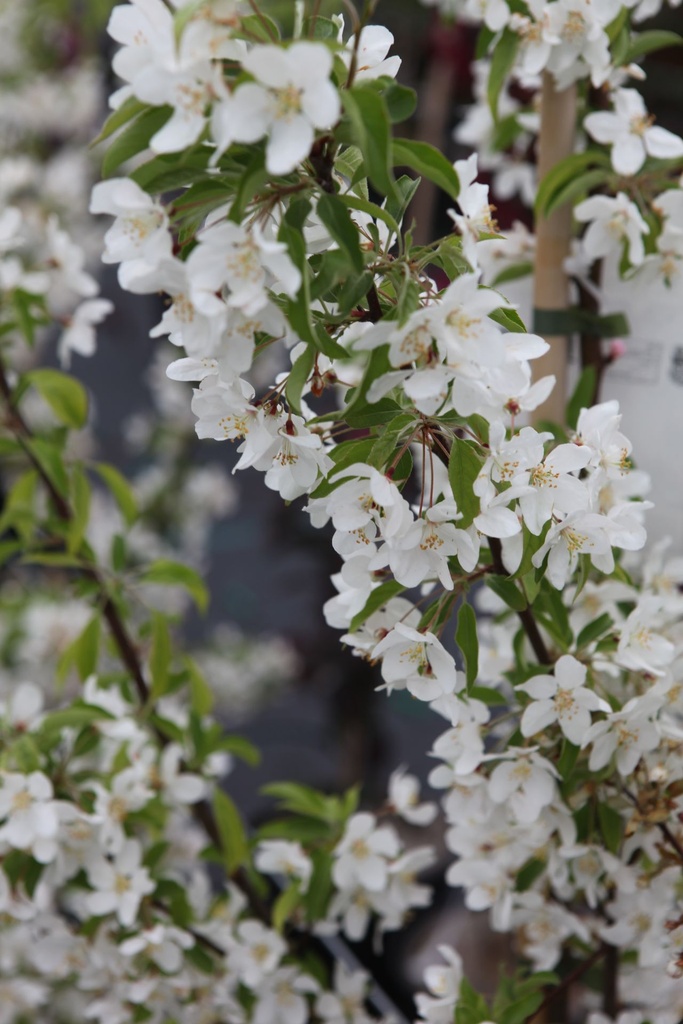
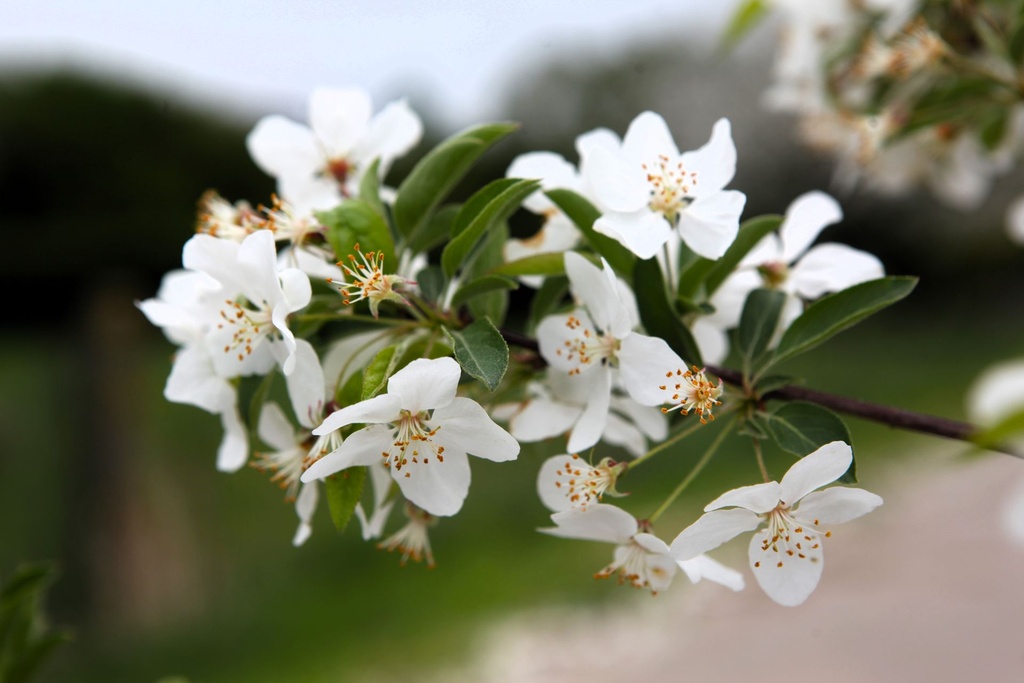
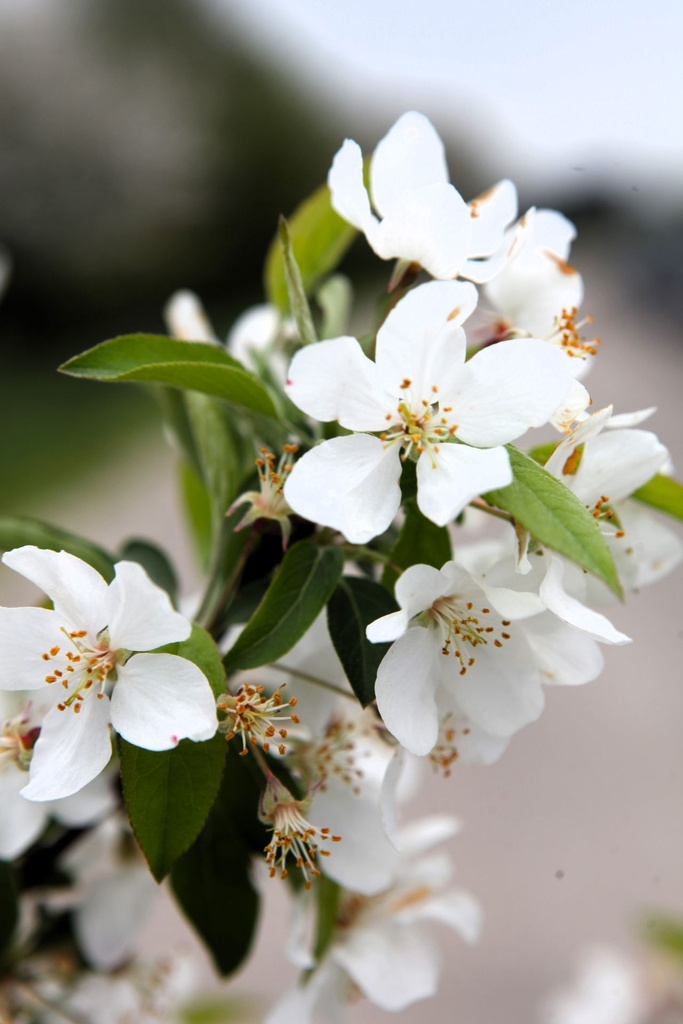
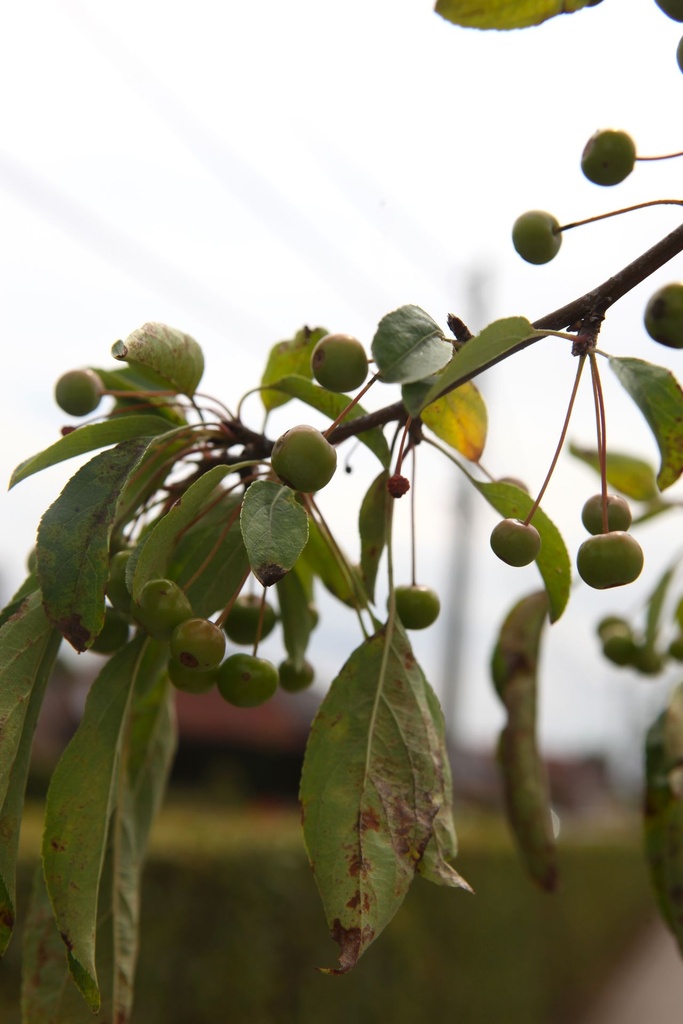
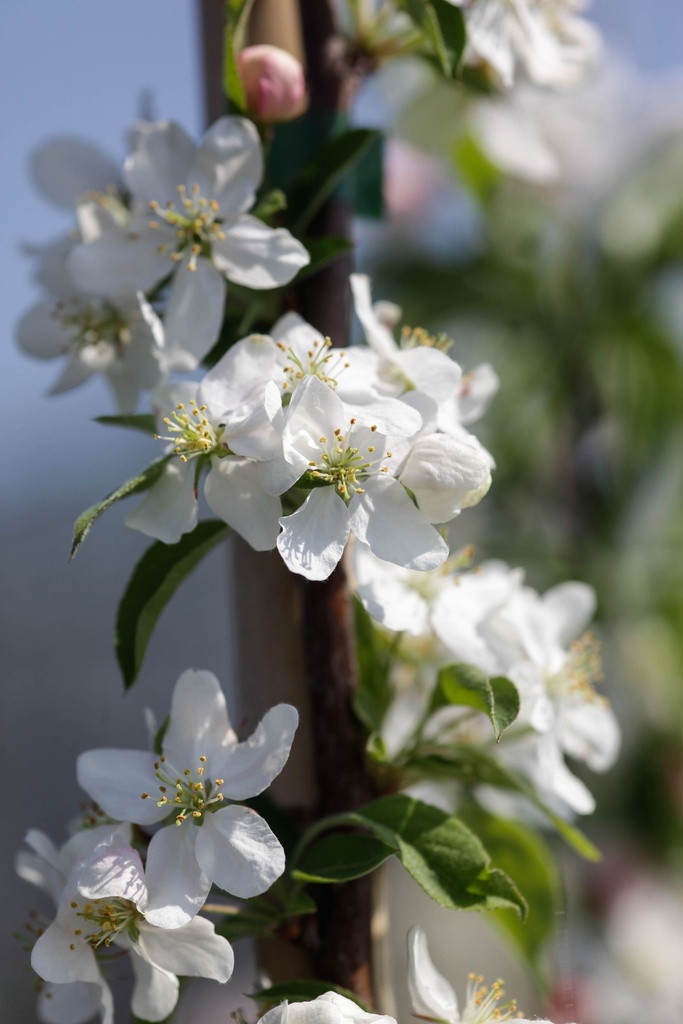
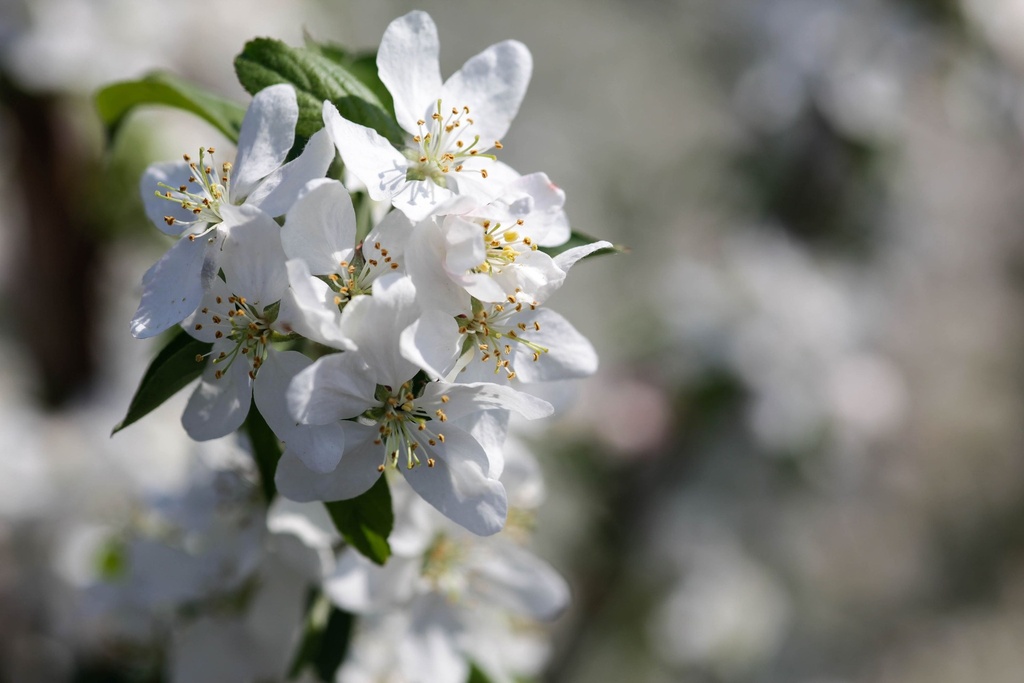
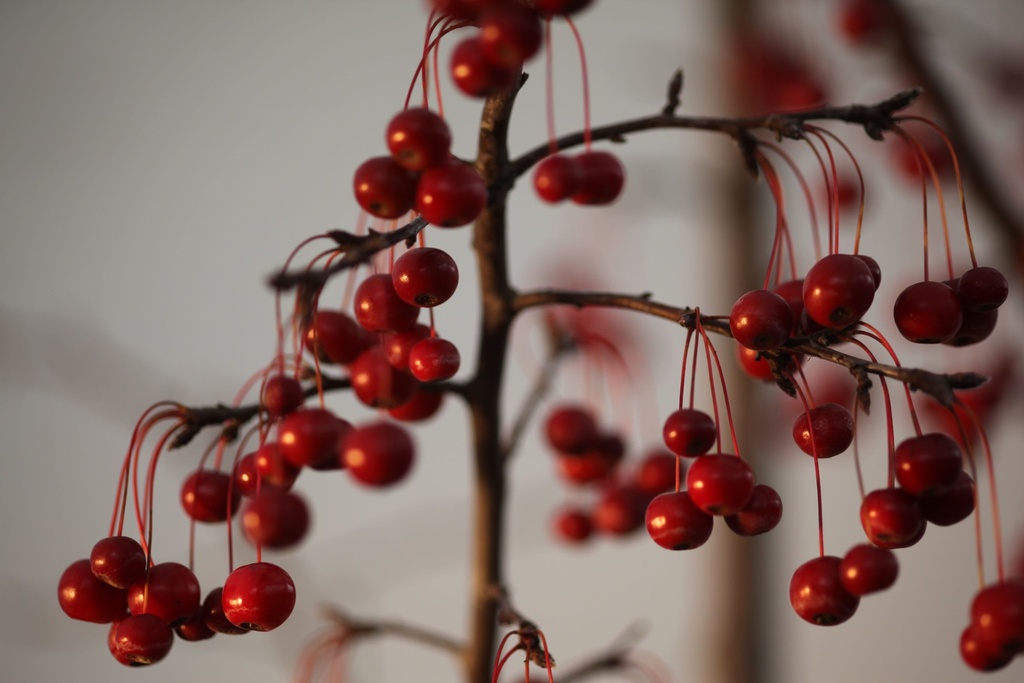
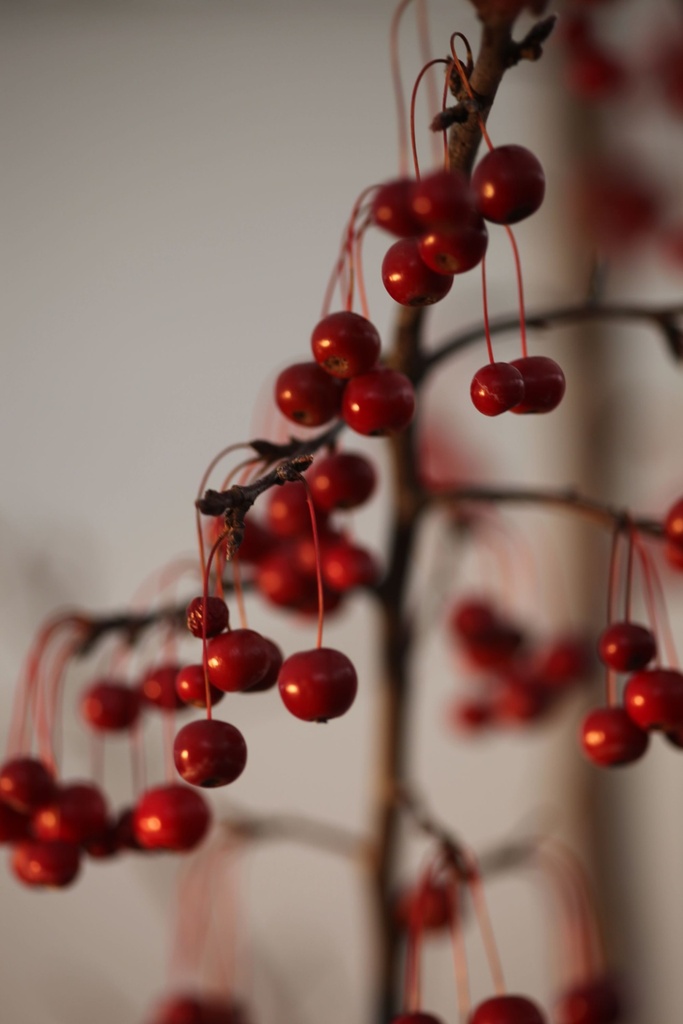
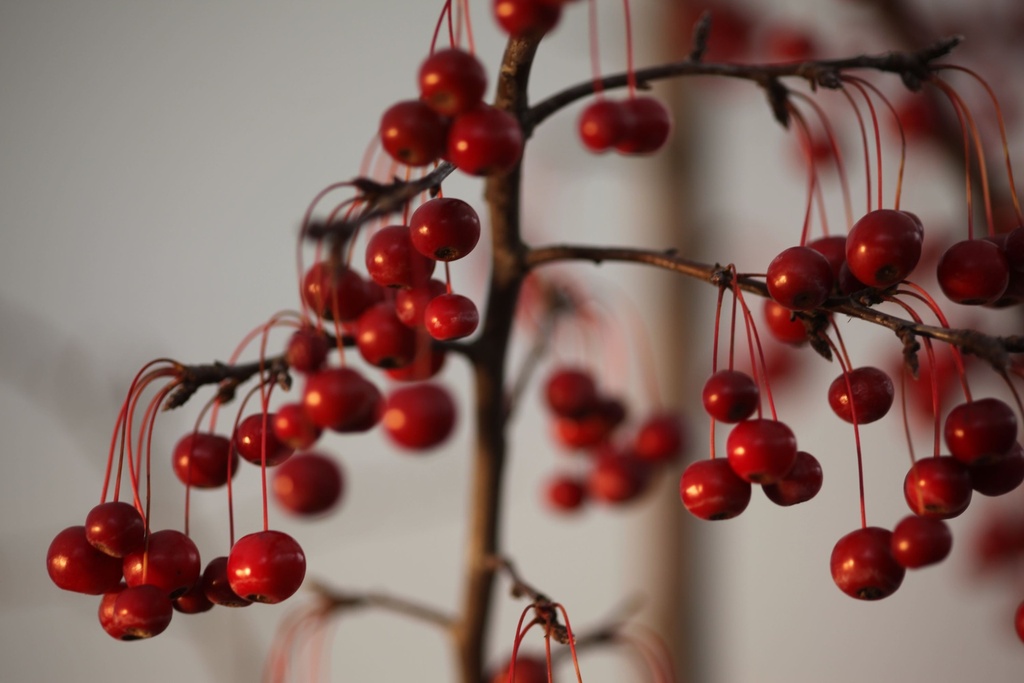
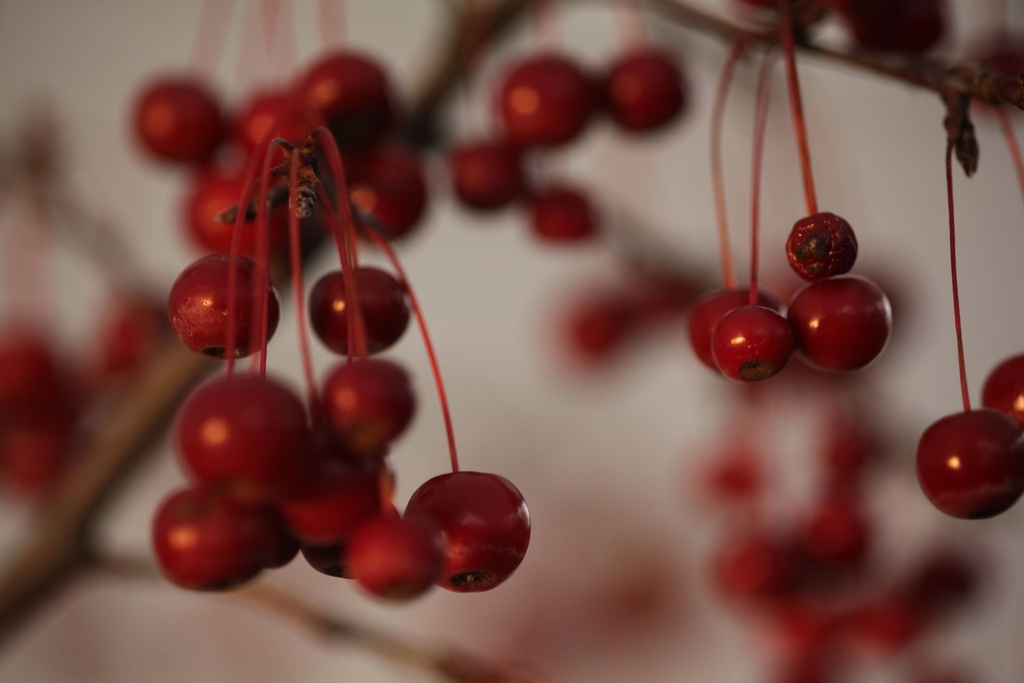
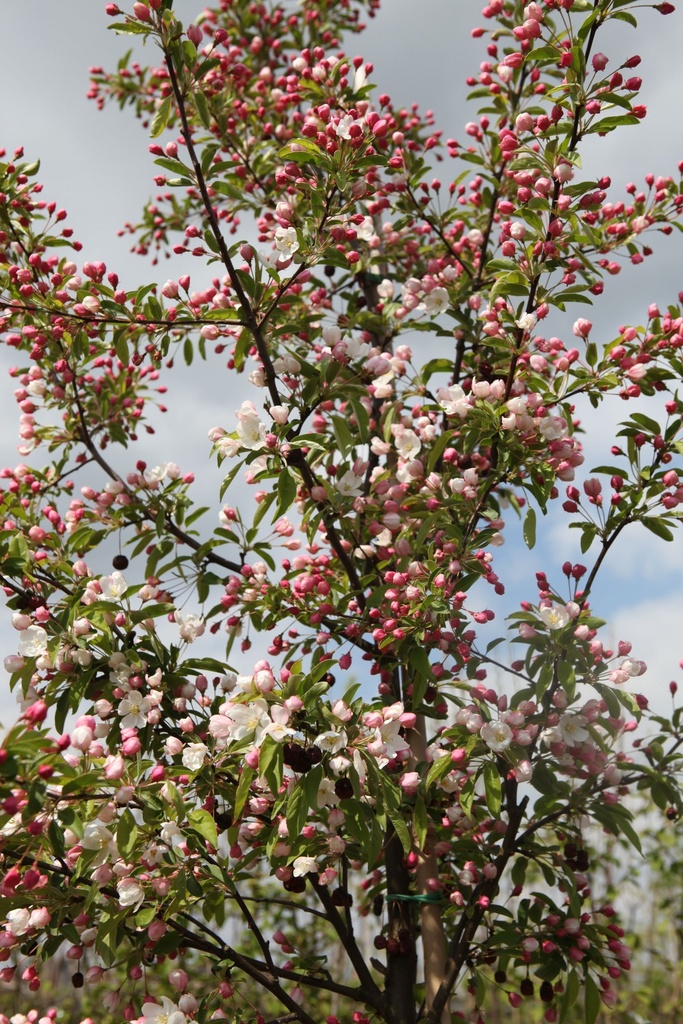
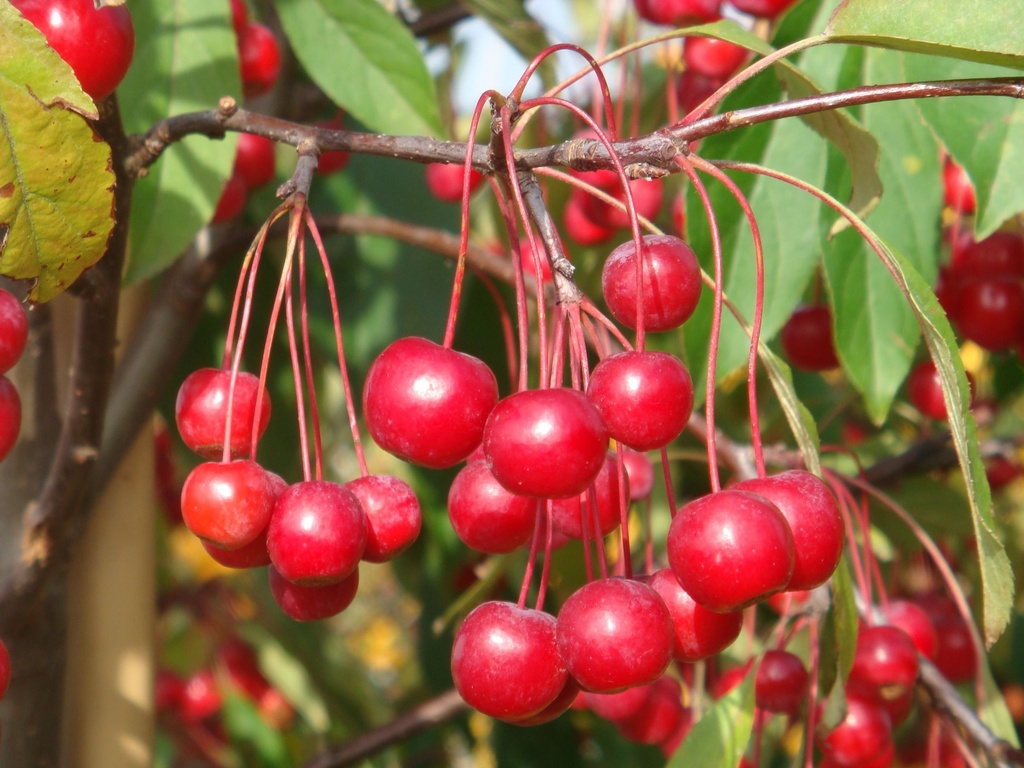
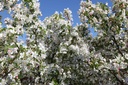
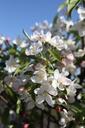
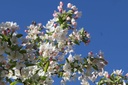
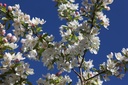
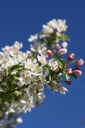
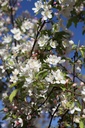
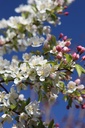
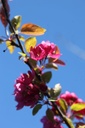
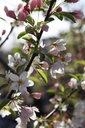
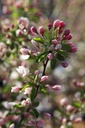
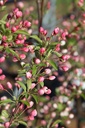
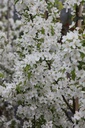
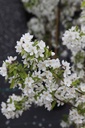
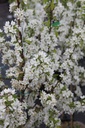
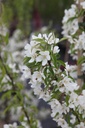
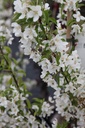
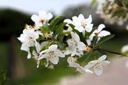
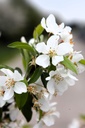
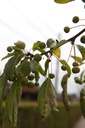
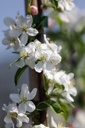
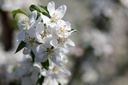
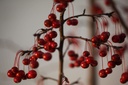
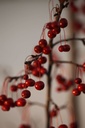
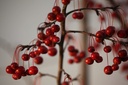
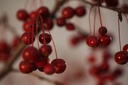
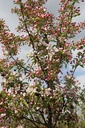
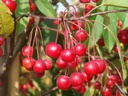
'Sugar Tyme', a 1988 American selection, makes a fairly spreading small tree of 5 to 6 m. In April and May salmon-pink buds open to lightly fragrant, pure white flowers that cover the whole tree, and from October masses of round, cherry-red fruits of 12 to 13 mm hang on into winter. Good disease resistance, notably to fire blight.
Malus
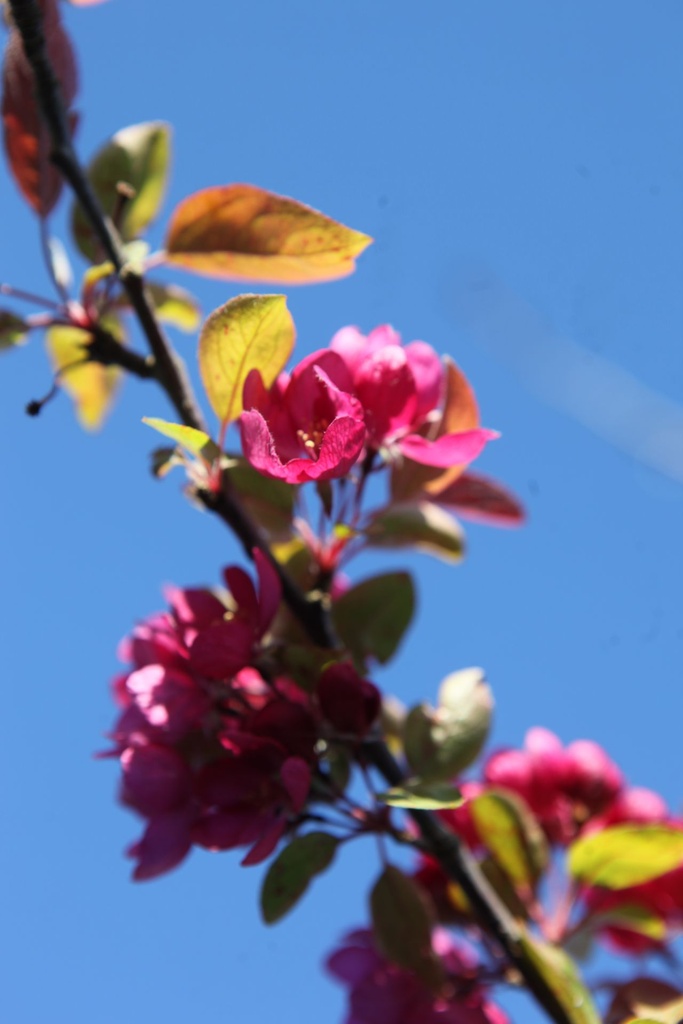
Apples and crabapples (Malus) are deciduous small trees and large shrubs from across the northern hemisphere, with around 60 wild species. Besides the eating apple, many are grown purely for ornament: they flower white, pink or red in April and May, then carry small yellow, orange or red fruits that often hang on into winter, and many colour well in autumn.
Esposizione e terreno
Plant in full sun, or partial shade at most, away from large trees and out of strong winds that can harm the blossom. Malus prefers a deep, rich and moist soil, even clay, is indifferent to pH, but does not like drought. The genus is very hardy in Belgium.
Potatura e cura
Water regularly for the first two years, stake young trees and give compost each spring on poor soil. Ornamental crabapples need no routine pruning; if necessary, shape lightly and remove dead wood in February or March, without shortening the main branches. Scab and powdery mildew can occur in warm, damp weather, more on fruiting apples than on crabapples.
Utilizzo in giardino
Crabapples suit small gardens as a specimen, in a free-growing hedge or, for dwarf types, in a large tub. The blossom feeds bees and the fruits feed birds well into winter; they are not toxic and can be made into jelly, juice or cider. Any Malus also pollinates nearby apple trees, which need a partner within about 100 m to set fruit.
Caratteristiche della pianta
Dati botanici
| Famiglia | Rosaceae |
| Genere | Malus |
| Cultivar | 'Sugar Tyme' |
Fioritura
| Periodo di fioritura | april – may |
| Colore (fiore) | pink |
Fogliame
| Sempreverde | no |
| Colore (fogliame) | red |
Portamento
| Altezza | 600 cm, 400 cm |
Posizione
| Rusticità | zona 5a (fino a -28,9 °C) |
| Caldo estivo | fino alla zona di calore 8 |
| Tipo di terreno | acid |
| Esposizione | sun, half shade |
| Umidità del terreno | normal |
Utilizzo
| Tipo (uso) | shrub, solitary, in group |
| Frutti/bacche | showy, red |
Cura
| Potatura | february – march |