

|
1
|
2
|
3
|
4
|
5
|
6
|
7
|
8
|
9
|
10
|
11
|
12
|
|
1
|
2
|
3
|
4
|
5
|
6
|
7
|
8
|
9
|
10
|
11
|
12
|
|
1
|
2
|
3
|
4
|
5
|
6
|
7
|
8
|
9
|
10
|
11
|
12
|
O této rostlině
Čím je tato rostlina výjimečná
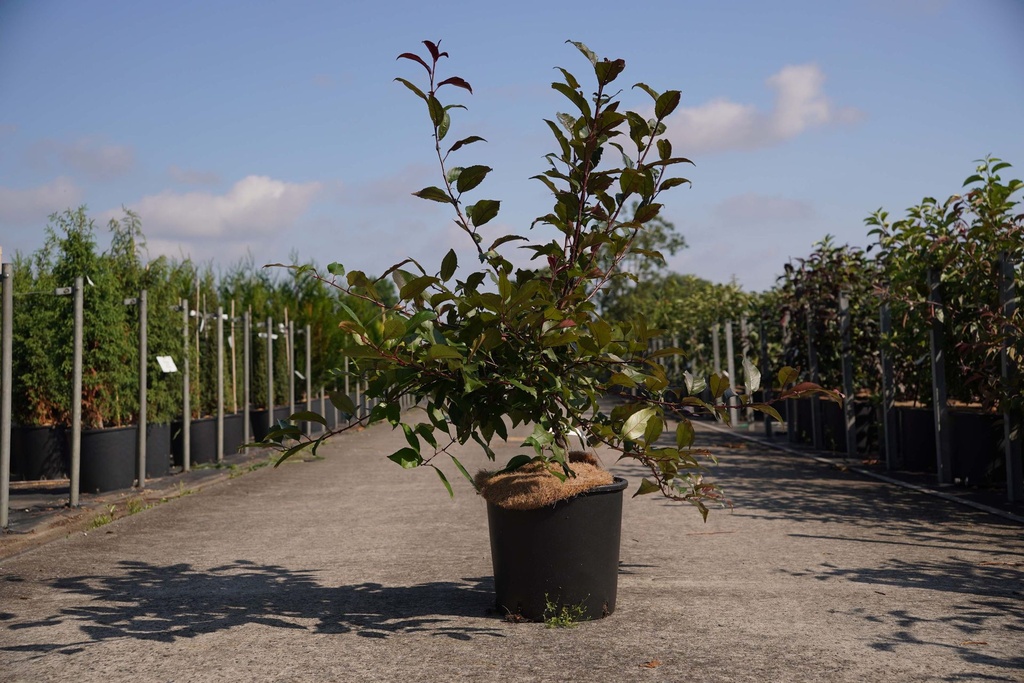
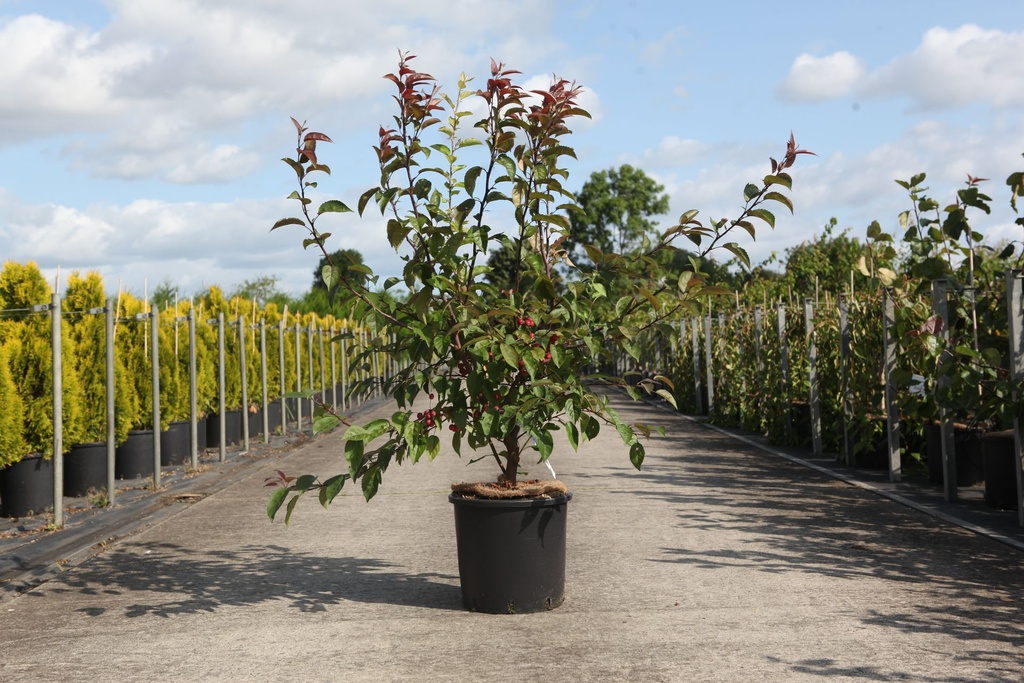
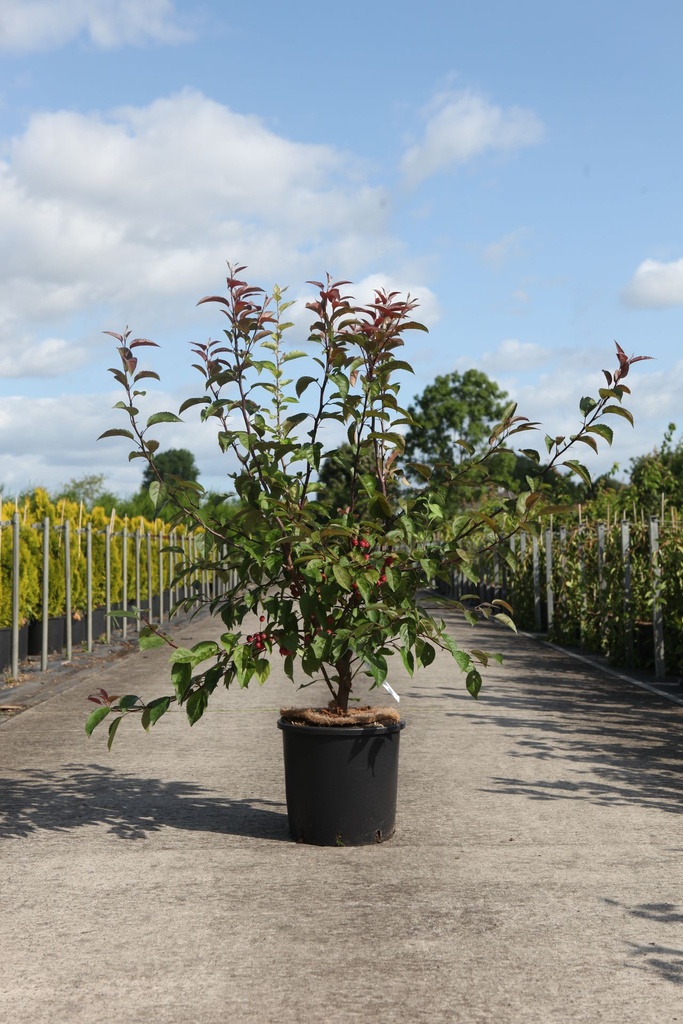
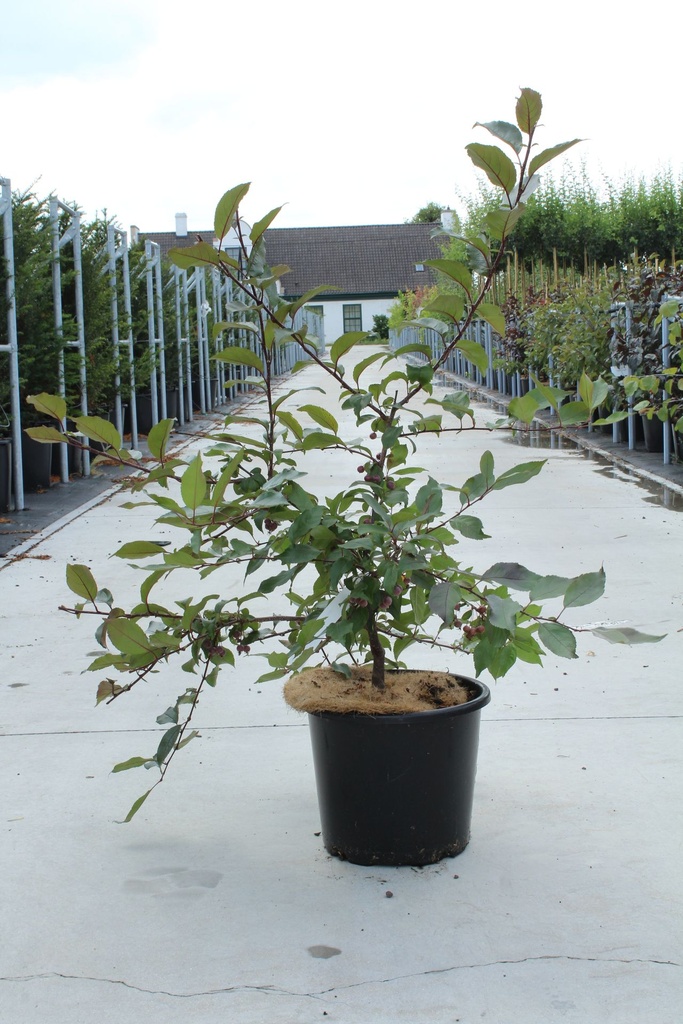
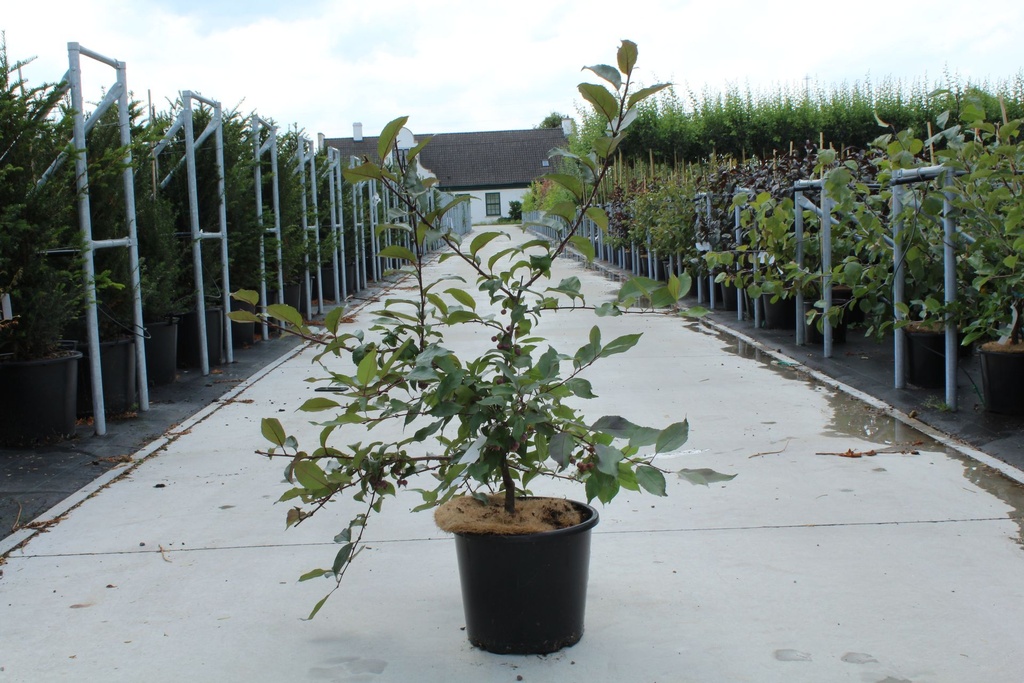
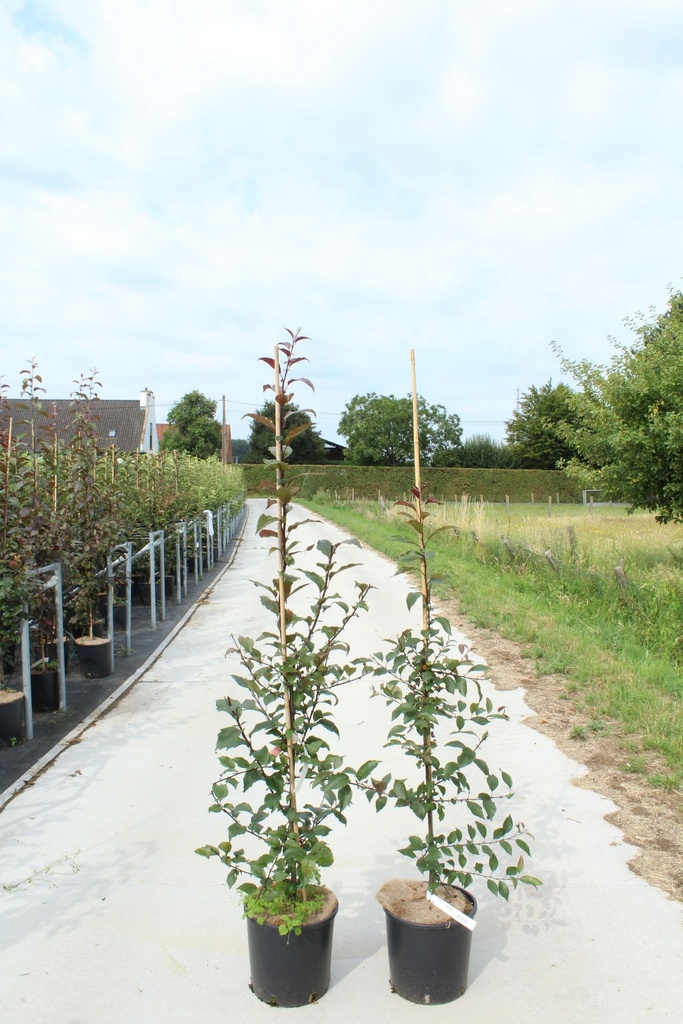
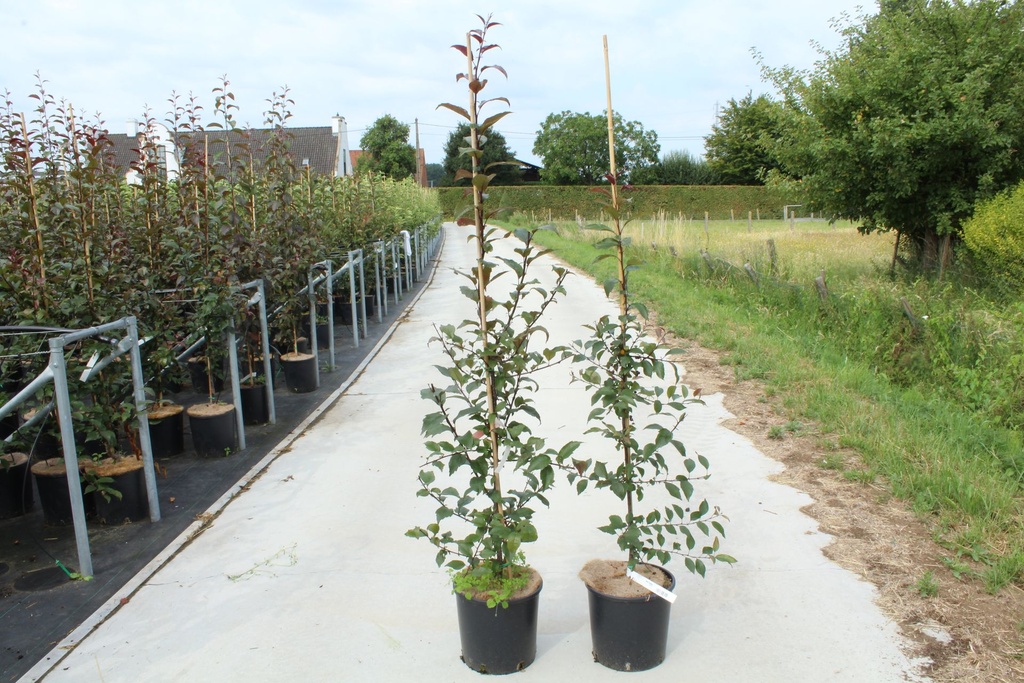
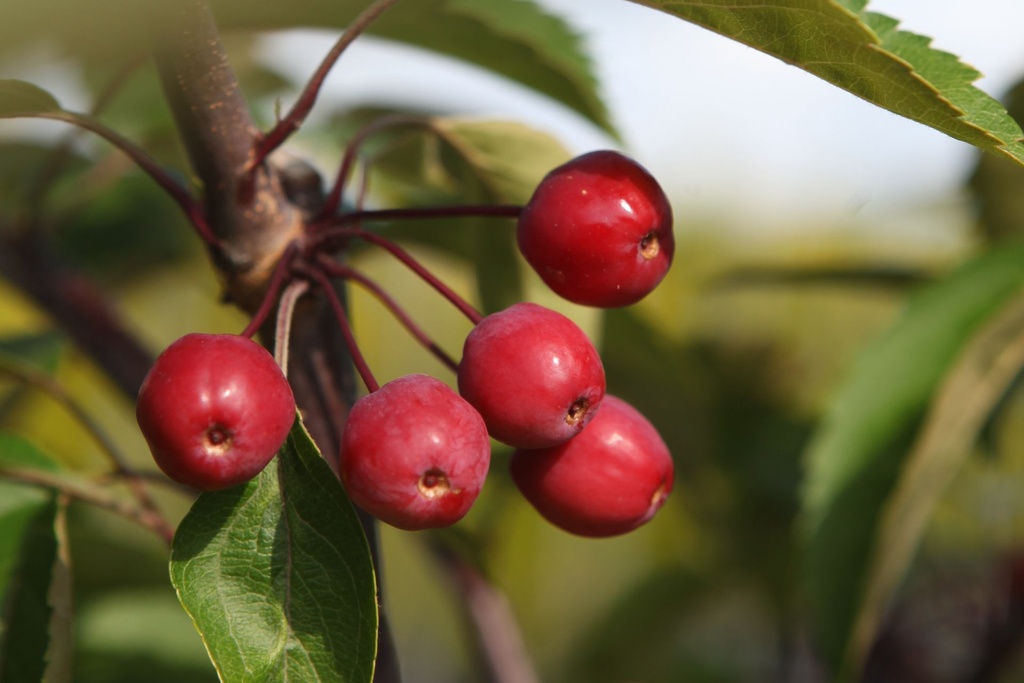
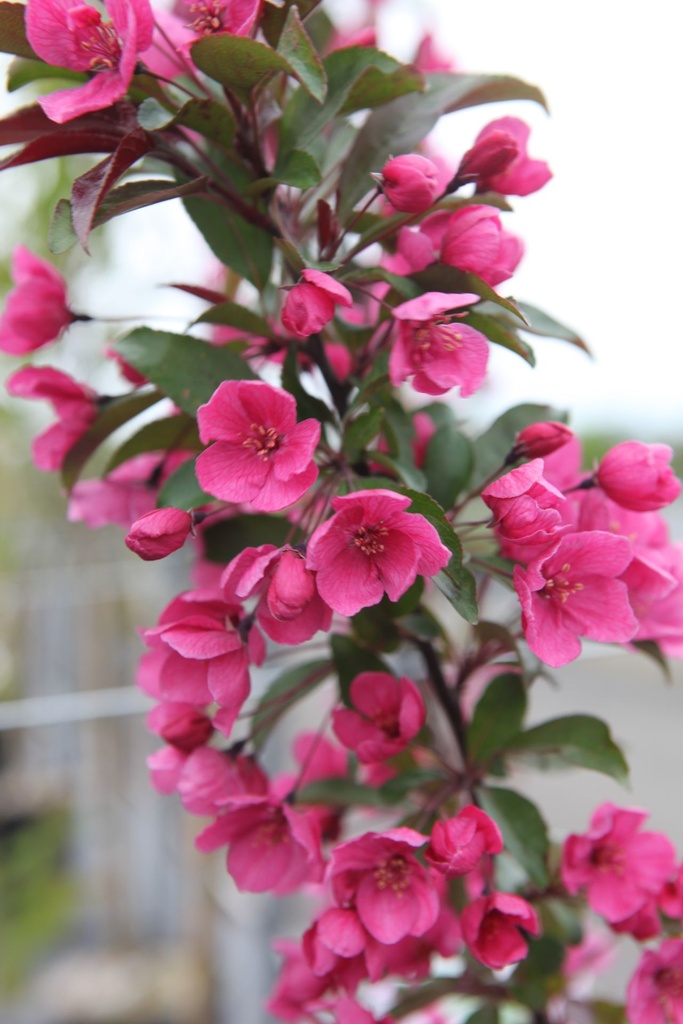
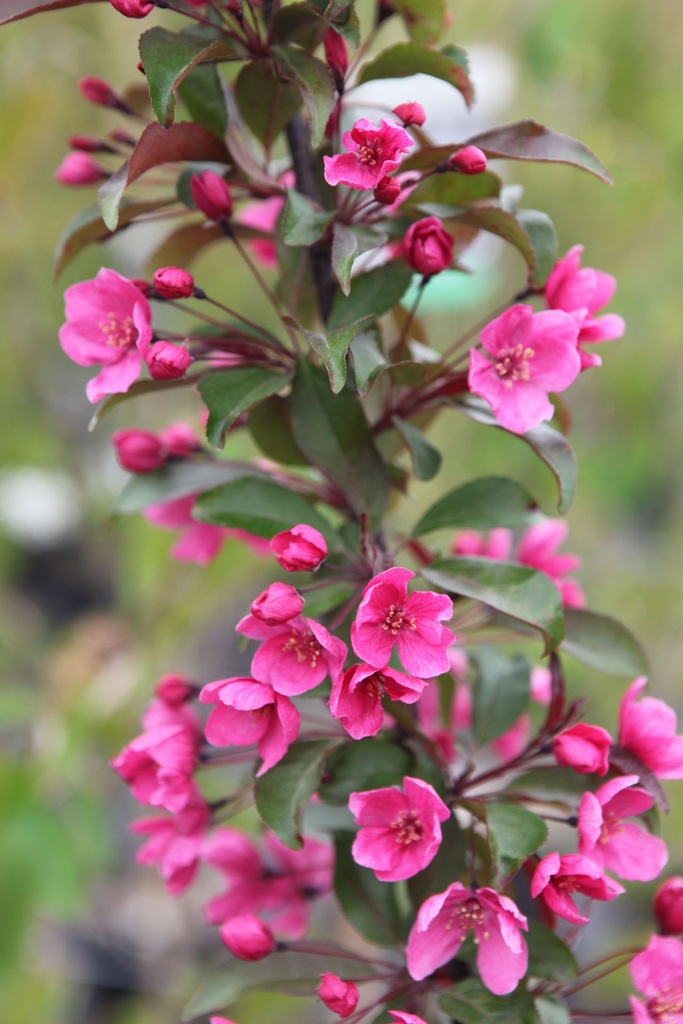
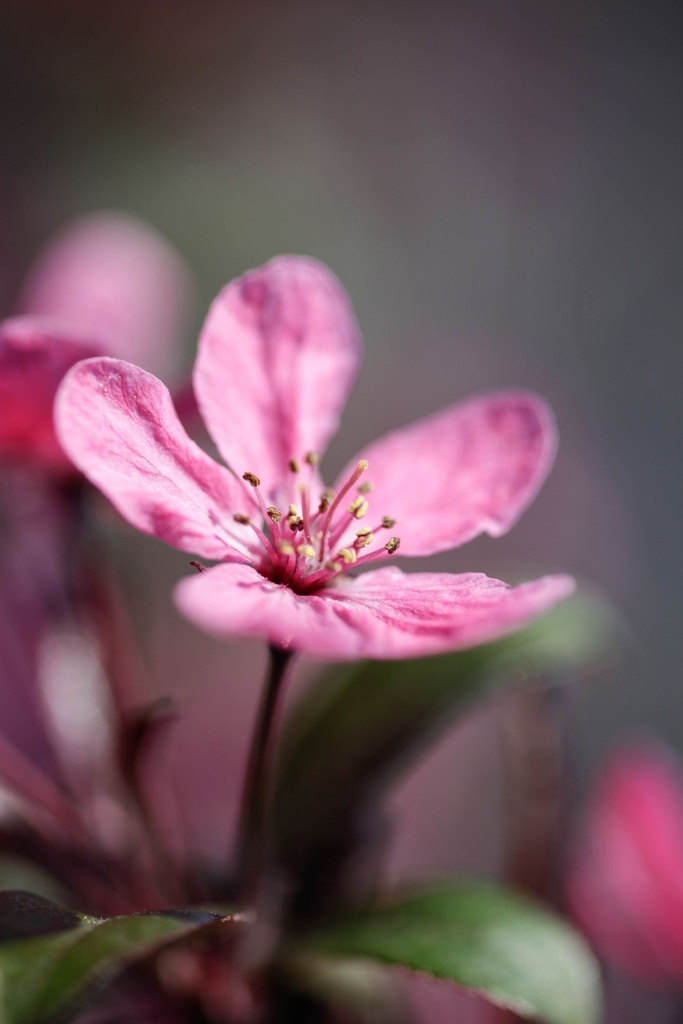
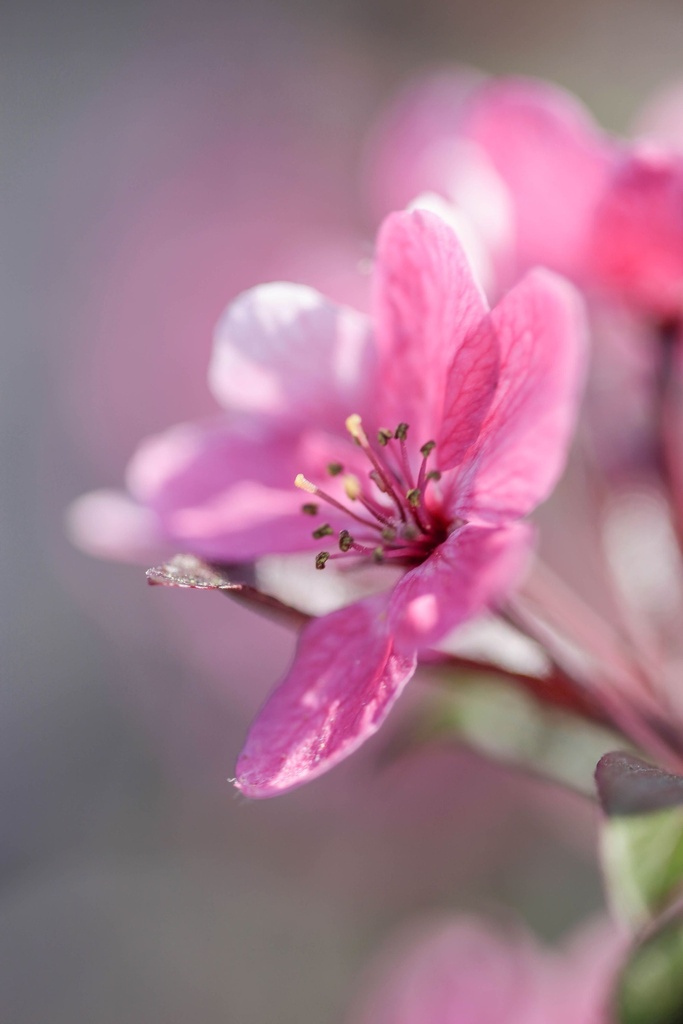
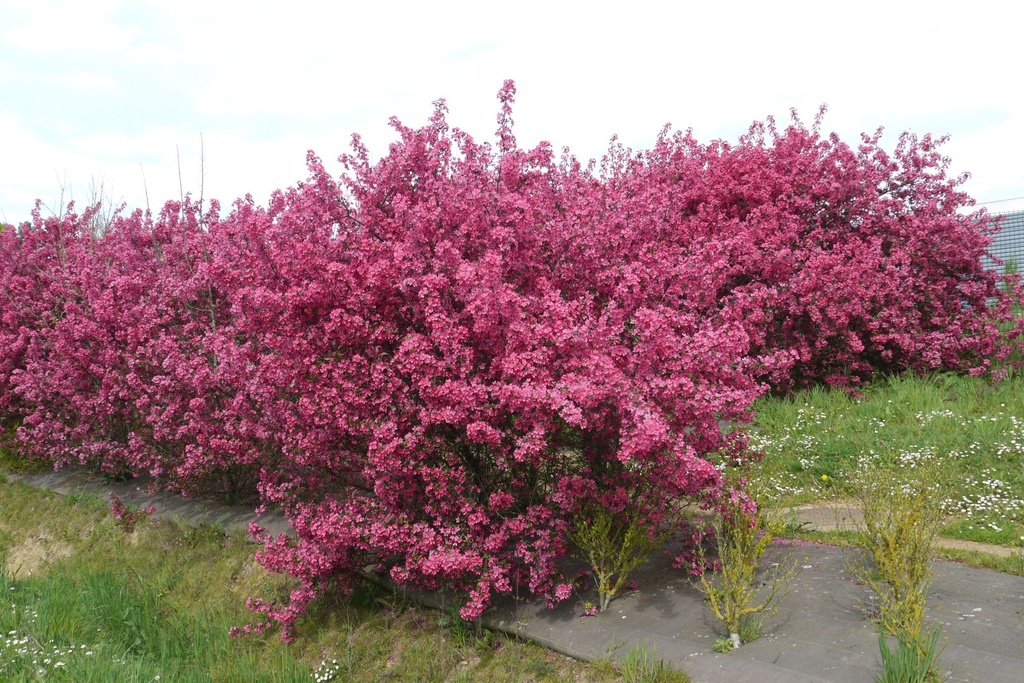
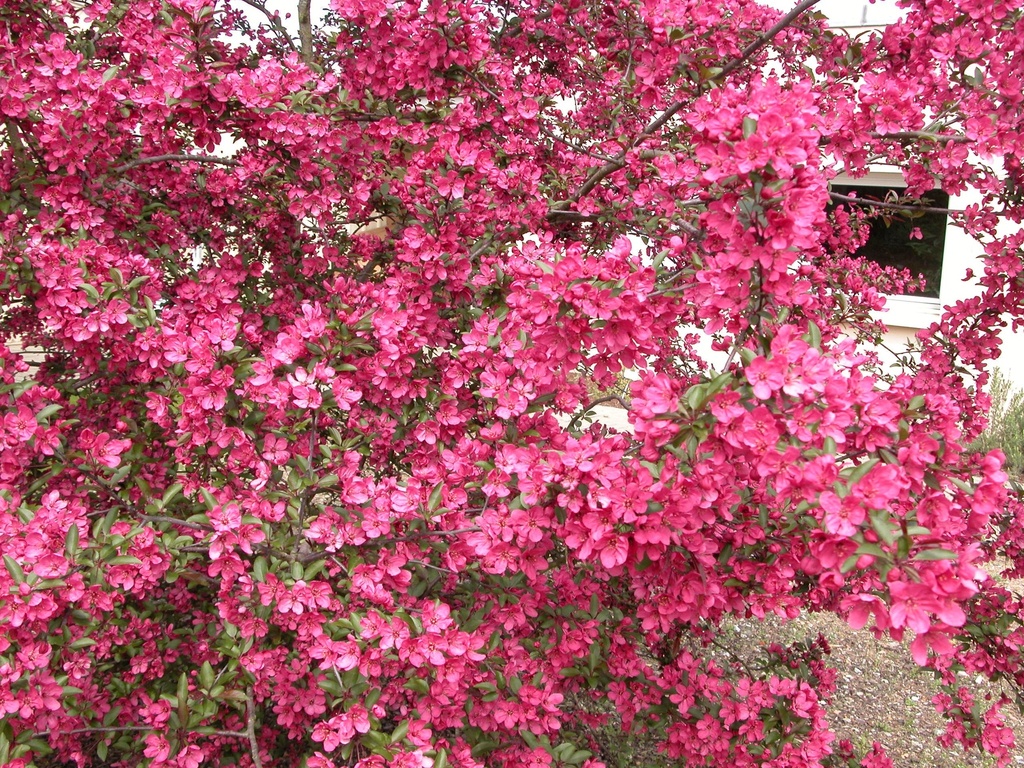
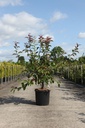
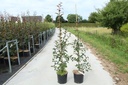
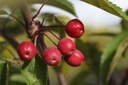
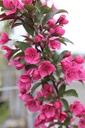
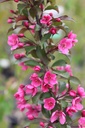
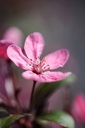
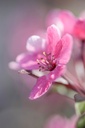
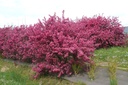
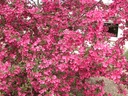
Bred by Daniel Dayton at the University of Illinois and introduced in 1982, 'Prairiefire' combines a very rich show of purple-pink flowers from red buds with purple-red young foliage and dark red-brown twigs. Its small, dark purplish fruits are about 1 cm, and it is only slightly prone to scab.
Malus
Apples and crabapples (Malus) are deciduous small trees and large shrubs from across the northern hemisphere, with around 60 wild species. Besides the eating apple, many are grown purely for ornament: they flower white, pink or red in April and May, then carry small yellow, orange or red fruits that often hang on into winter, and many colour well in autumn.
Stanoviště a půda
Plant in full sun, or partial shade at most, away from large trees and out of strong winds that can harm the blossom. Malus prefers a deep, rich and moist soil, even clay, is indifferent to pH, but does not like drought. The genus is very hardy in Belgium.
Řez a péče
Water regularly for the first two years, stake young trees and give compost each spring on poor soil. Ornamental crabapples need no routine pruning; if necessary, shape lightly and remove dead wood in February or March, without shortening the main branches. Scab and powdery mildew can occur in warm, damp weather, more on fruiting apples than on crabapples.
Použití v zahradě
Crabapples suit small gardens as a specimen, in a free-growing hedge or, for dwarf types, in a large tub. The blossom feeds bees and the fruits feed birds well into winter; they are not toxic and can be made into jelly, juice or cider. Any Malus also pollinates nearby apple trees, which need a partner within about 100 m to set fruit.
Vlastnosti rostliny
Botanické údaje
| Čeleď | Rosaceae |
| Rod | Malus |
| Kultivar | 'Prairiefire' |
Kvetení
| Doba květu | april až may |
| Barva (květ) | pink |
Listy
| Stálezelený | no |
| Barva (listy) | green, red |
Habitus
| Výška | 300 cm |
Stanoviště
| Mrazuvzdornost | zóna 5a (do -28,9 °C) |
| Letní horko | do zóny horka 8 |
| Stanoviště | sun |
Použití
| Typ (použití) | shrub, solitary, in group |
| Plody/bobule | showy |
Péče
| Řez | february až march |