
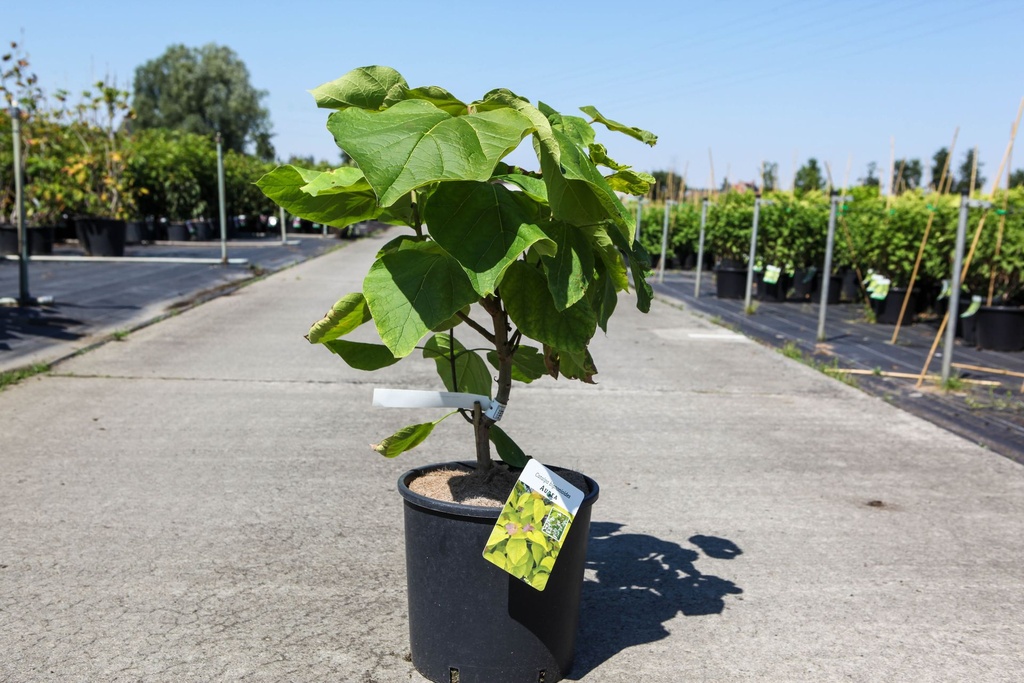
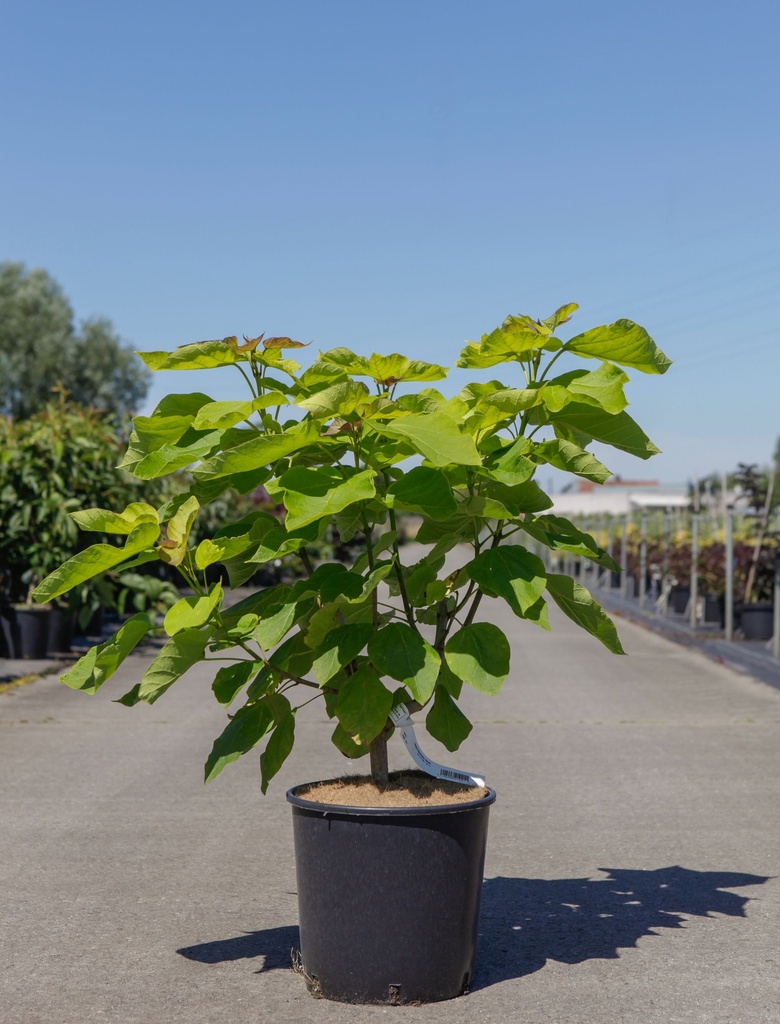
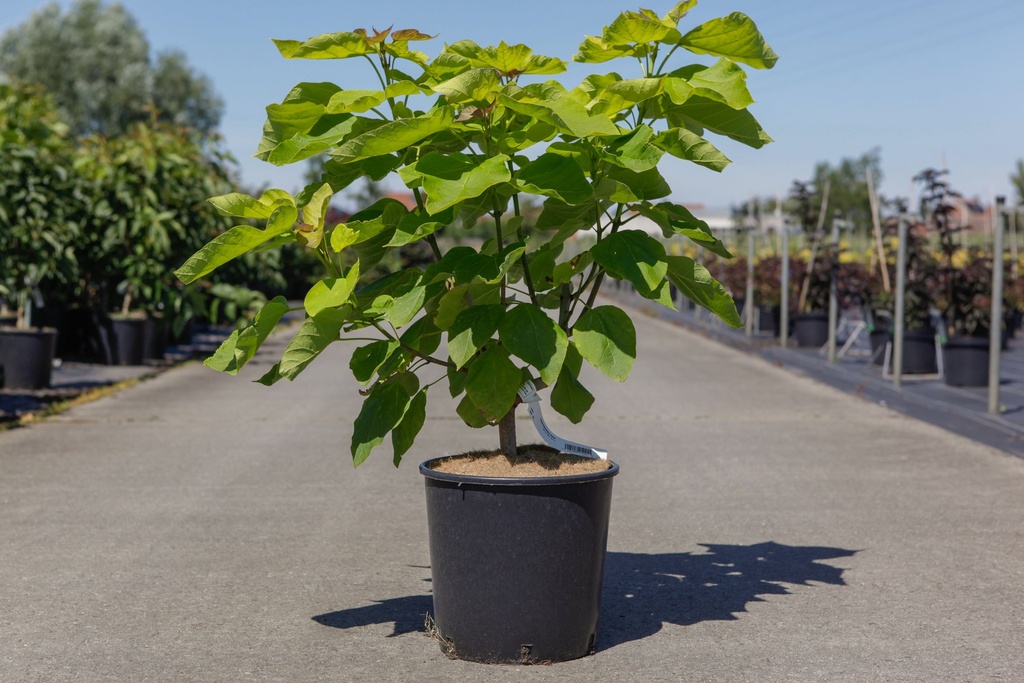
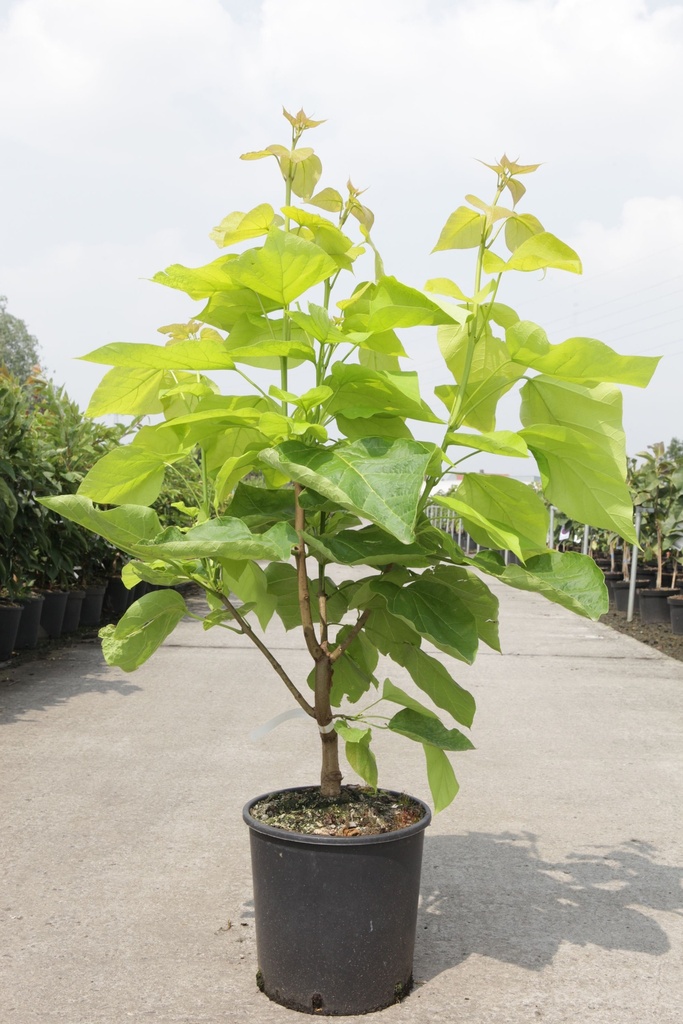

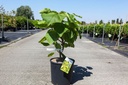
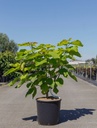
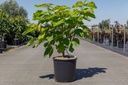
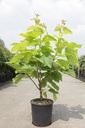





About this plant
Catalpa
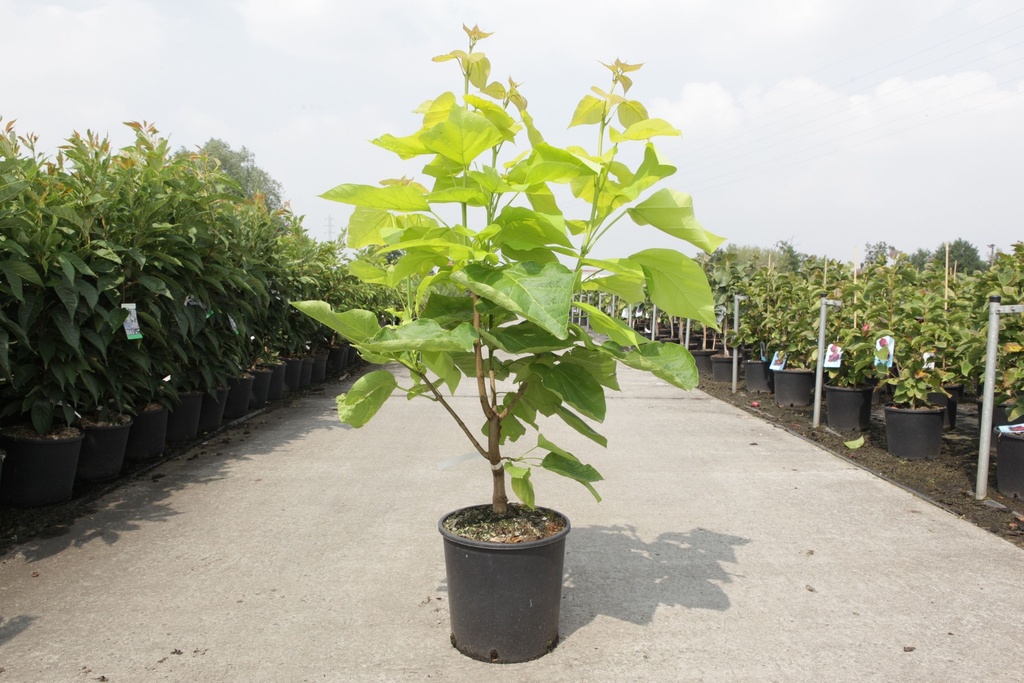
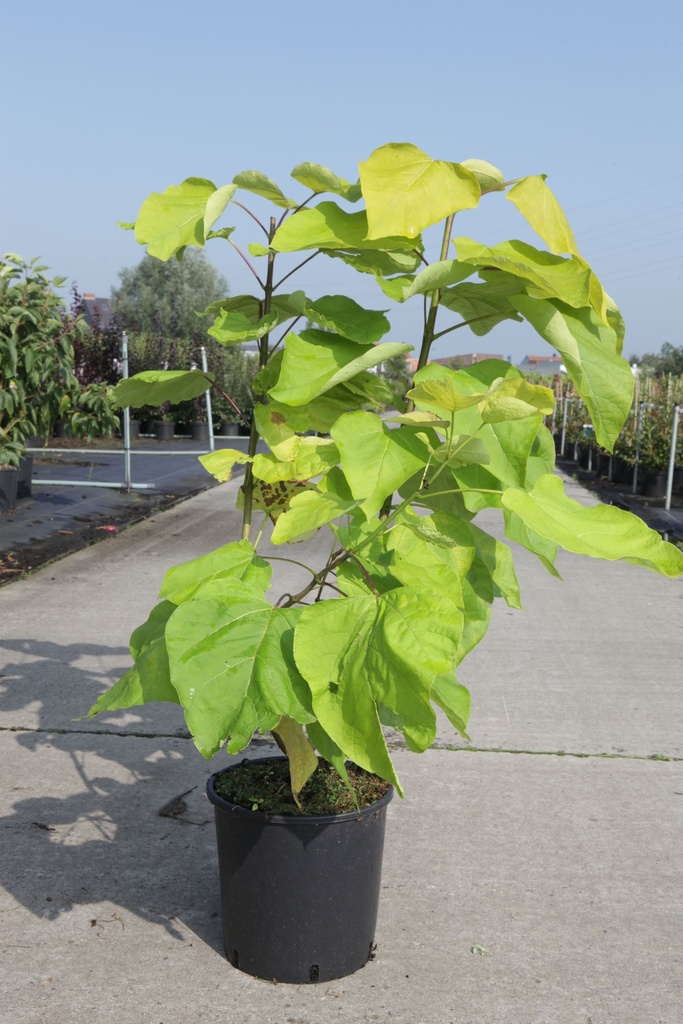
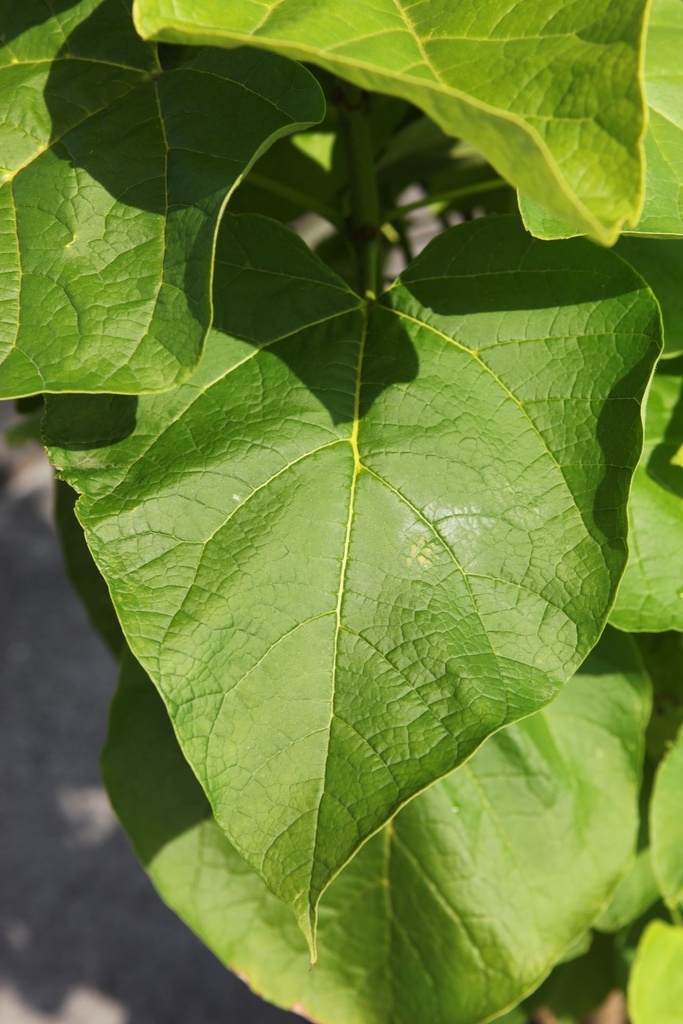
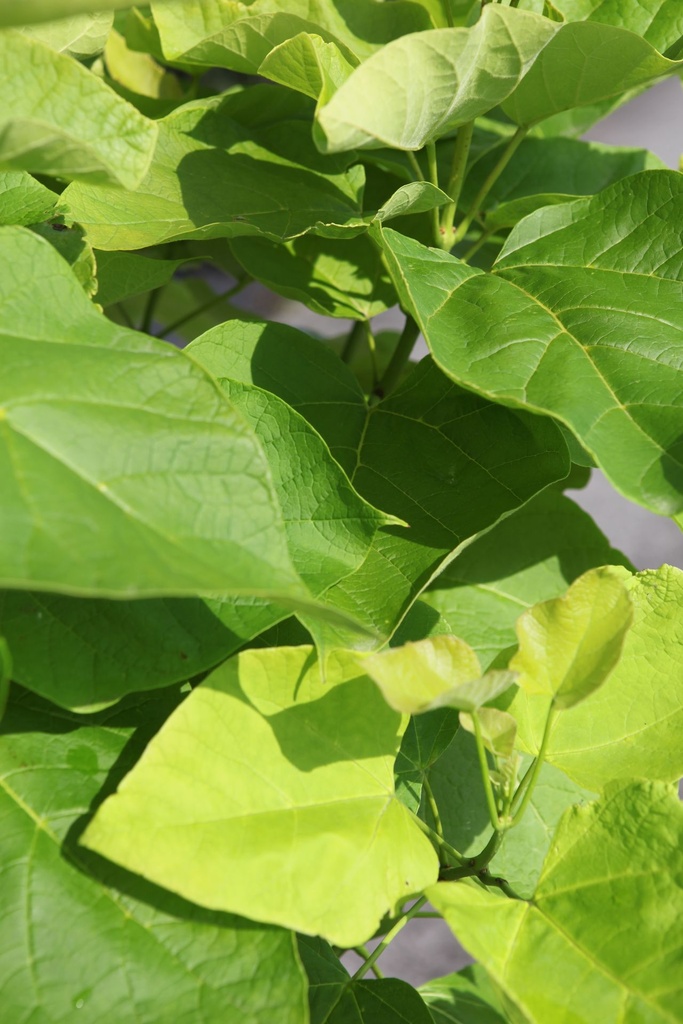
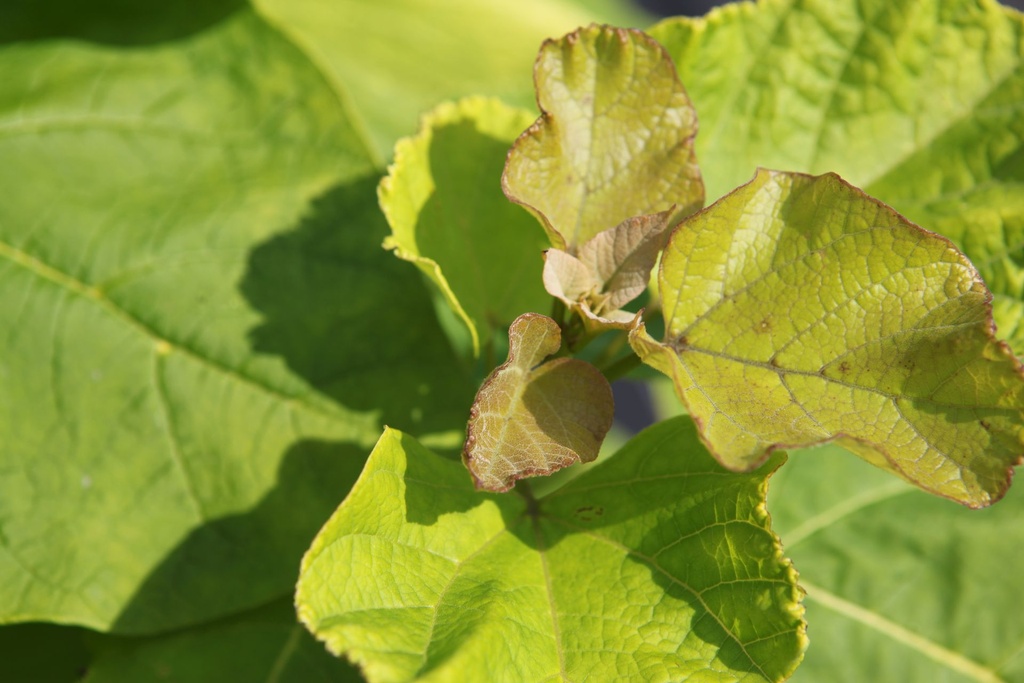
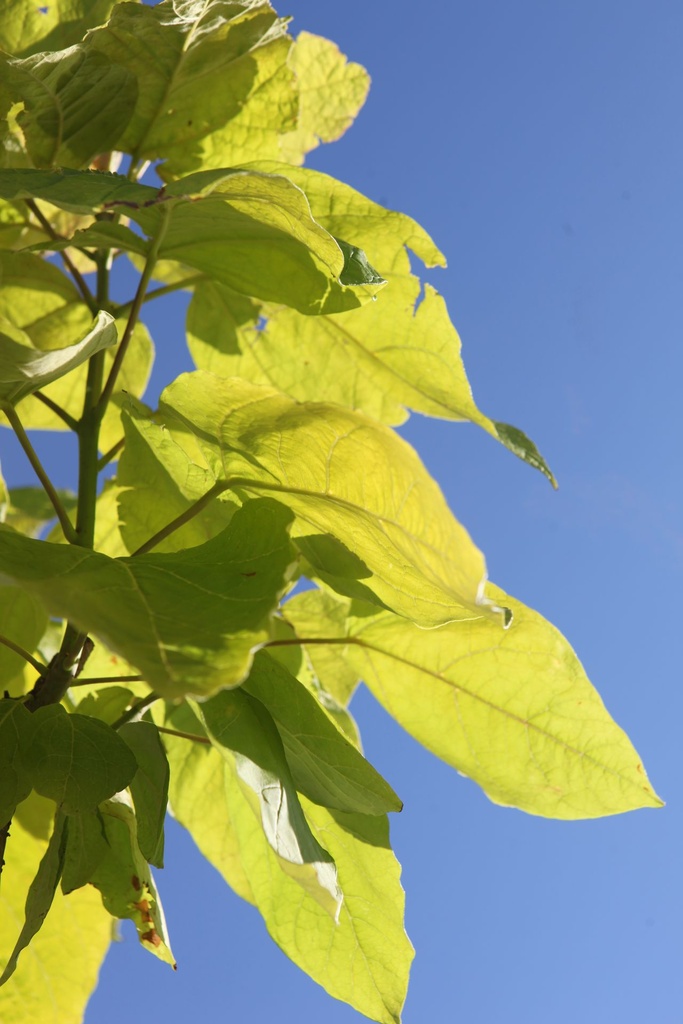
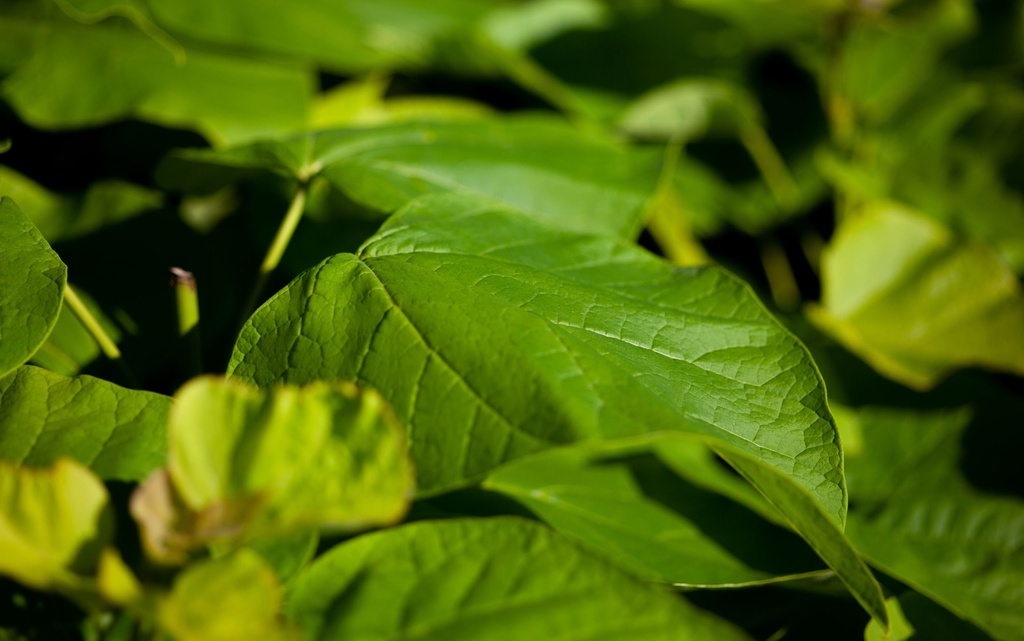
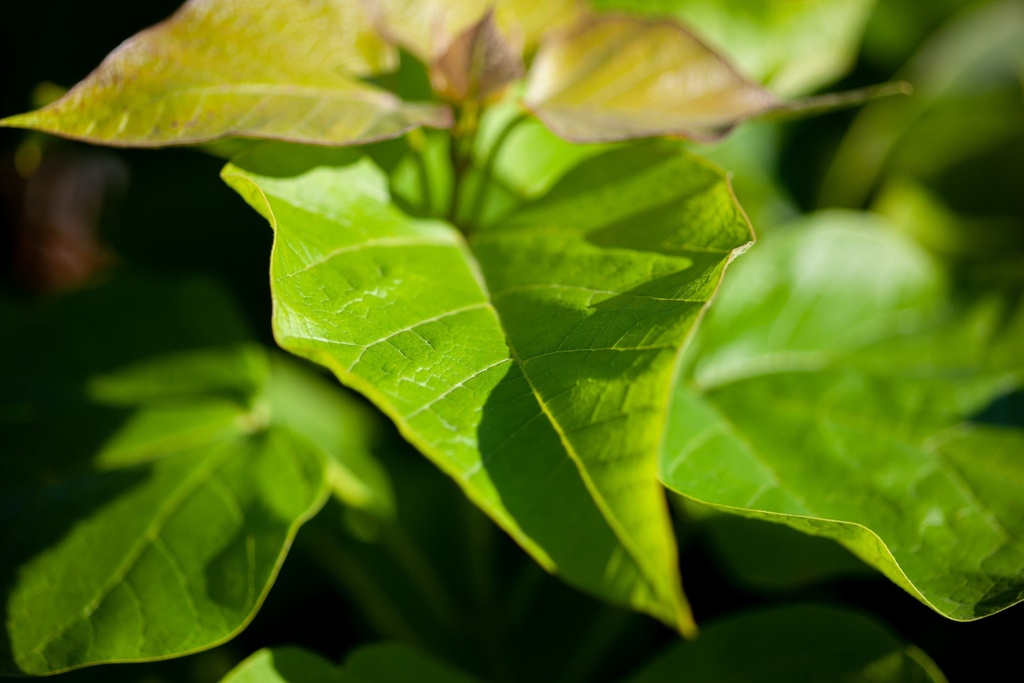
Catalpas, or Indian bean trees (Catalpa), are deciduous trees from North America and East Asia. They grow fast into a broad, shady crown with very large, heart-shaped leaves. In summer they carry upright panicles of bell-shaped flowers, followed by long, thin pods that stay on the bare branches well into winter.
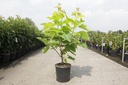
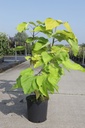
Indian-bean-tree Catalpa bignonioides
The southern catalpa (Catalpa bignonioides) comes from the south-east of the United States, where it grows along streams and in damp lowland. It forms a low-branched, broad and somewhat irregular crown, usually around 10 to 15 m high. In July it bears white flowers with purple and yellow markings in the throat, followed by pods up to about 40 cm long.
Location and soil
Plant in full sun, or in light shade for the yellow-leaved forms, in deep, fertile soil that stays moist; lime is tolerated. The tree is very hardy and copes well with city conditions. Its shallow, fleshy roots dislike drought and the branches break easily, so a sheltered position is best.
Pruning and care
Keep young trees watered in dry spells. Remove dead or crossing wood between November and March, ideally in late winter. To keep the crown dense, it can be cut back firmly every two or three years; trees can even be coppiced close to the ground, which produces long shoots with huge leaves but fewer flowers.
Use in the garden
A generous shade tree for terraces, play areas, avenues and squares, where the late leaf flush and early leaf fall keep the space light from autumn to spring. The summer flowers are a treat for bees. Its eventual size makes it best suited to medium-sized and large gardens.
Plant characteristics
Flowering
| Flowering period | july, august |
| Colour (flower) | white |
Foliage
| Evergreen | no |
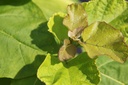
| Colour (foliage) | yellow |
Growth habit
| Height | 500 cm |
Location
| Winter hardiness | -20 °C |
| Soil type | neutral |
| Location | sun |
| Soil moisture | normal |
Use
| Type (use) | tree/standard, fruit/berries, solitary |
Care
| Pruning | january, february, march, november, december |
Related products
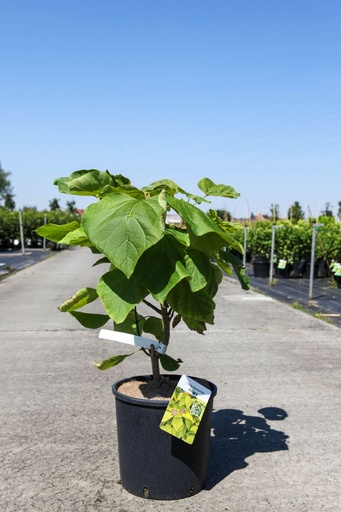
Catalpa bignonioides 'Aurea'
cont. 12L 80-100 cm +p
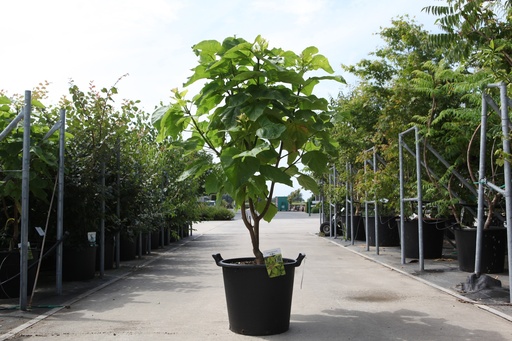
Catalpa bignonioides 'Aurea'
cont. 35L 125/+ cm +p
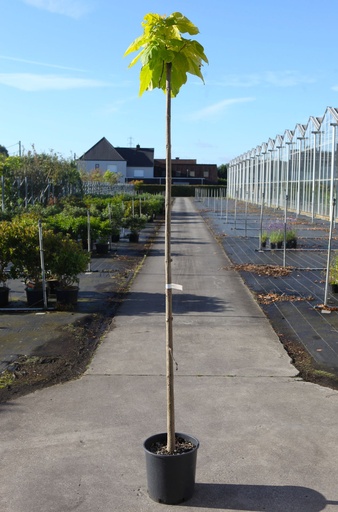
Catalpa bignonioides 'Aurea'
cont. 18L standard 8-10