

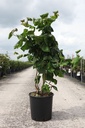
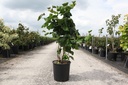
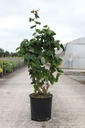
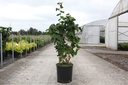
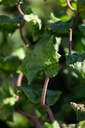
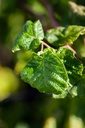
About this plant
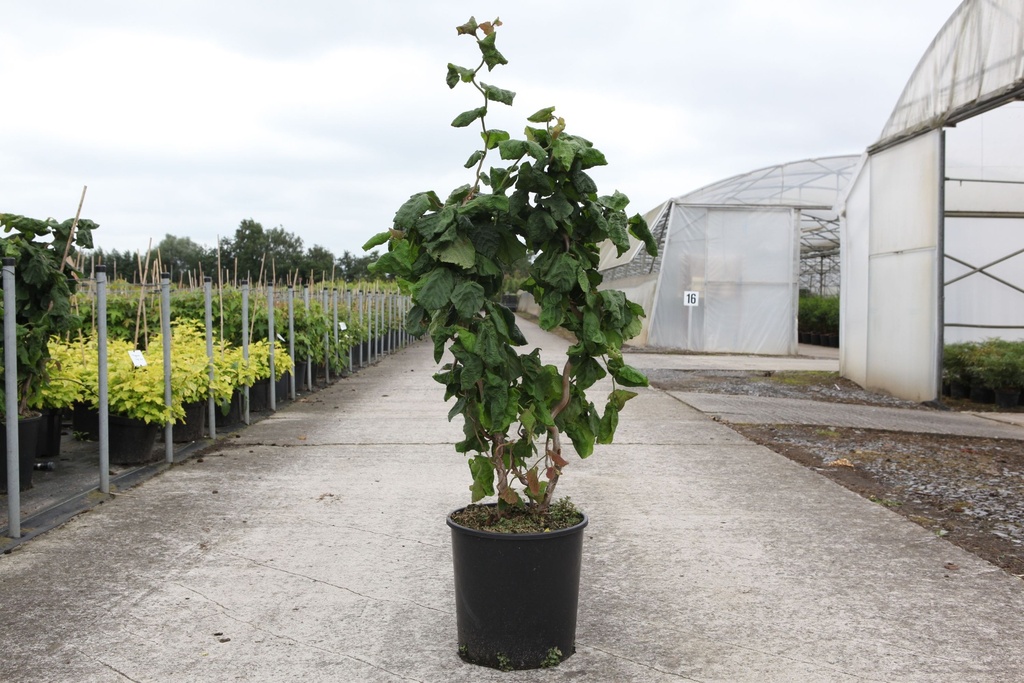
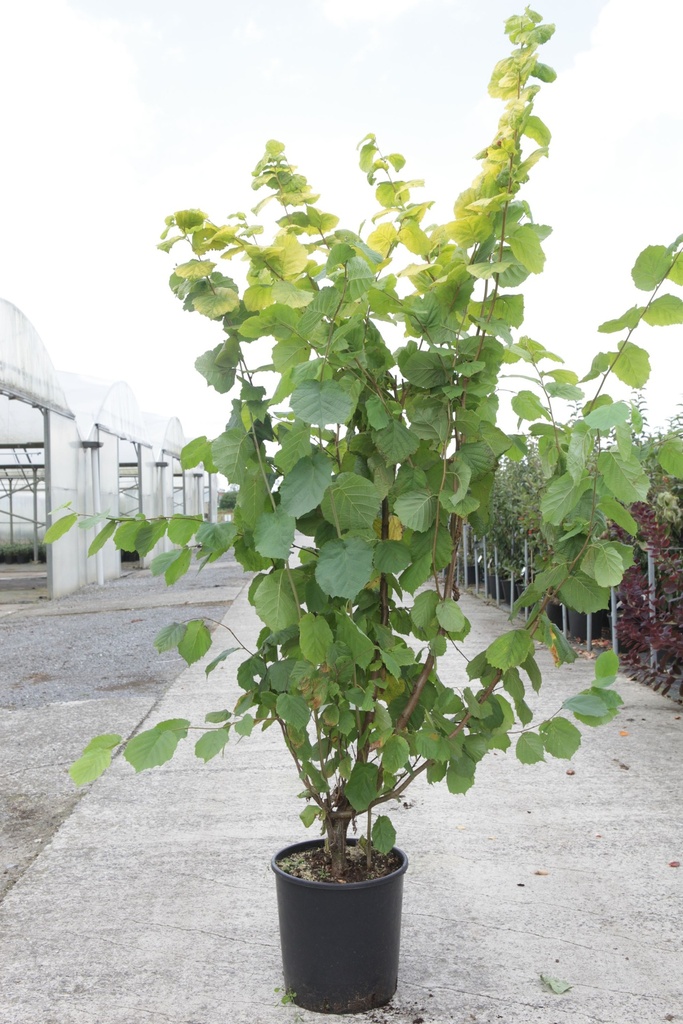
Hazel tree Corylus
Hazels (Corylus) are deciduous shrubs and trees from the temperate northern hemisphere, belonging to the birch family. Long yellow male catkins hang from the bare branches in late winter, while the tiny female flowers show only their red stigmas. Their edible nuts ripen in late summer. Most species form multi-stemmed clumps; a few grow into real trees.
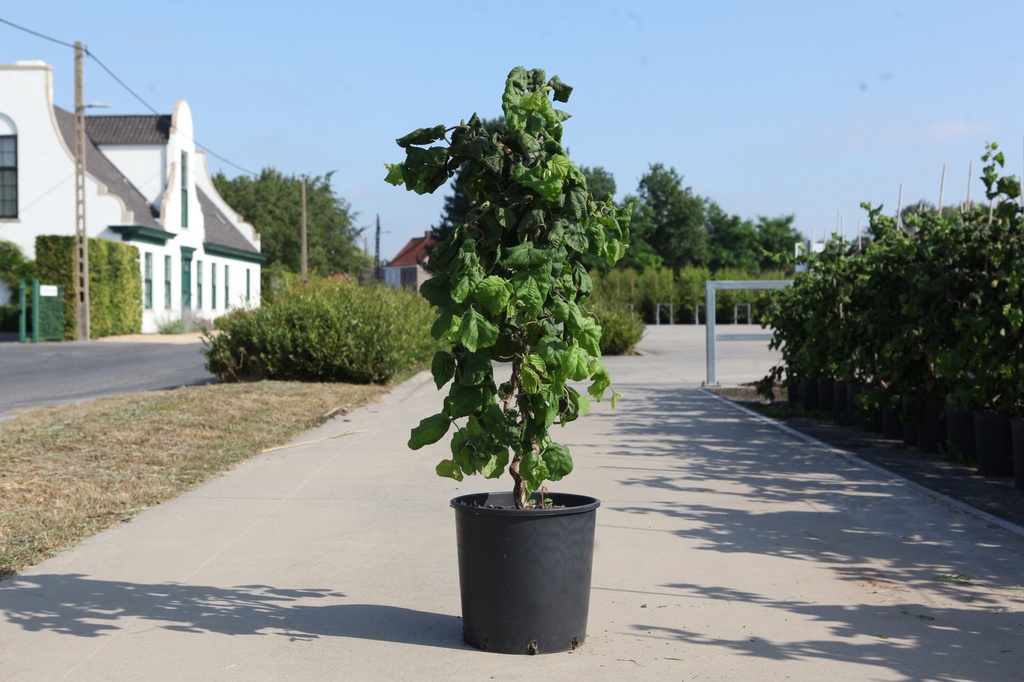
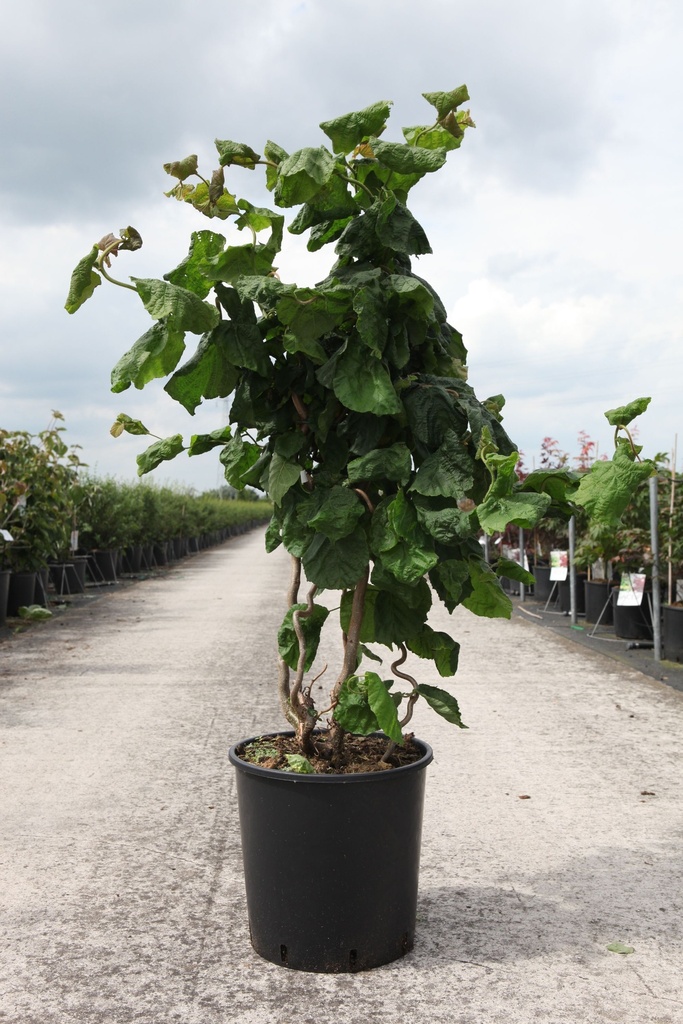
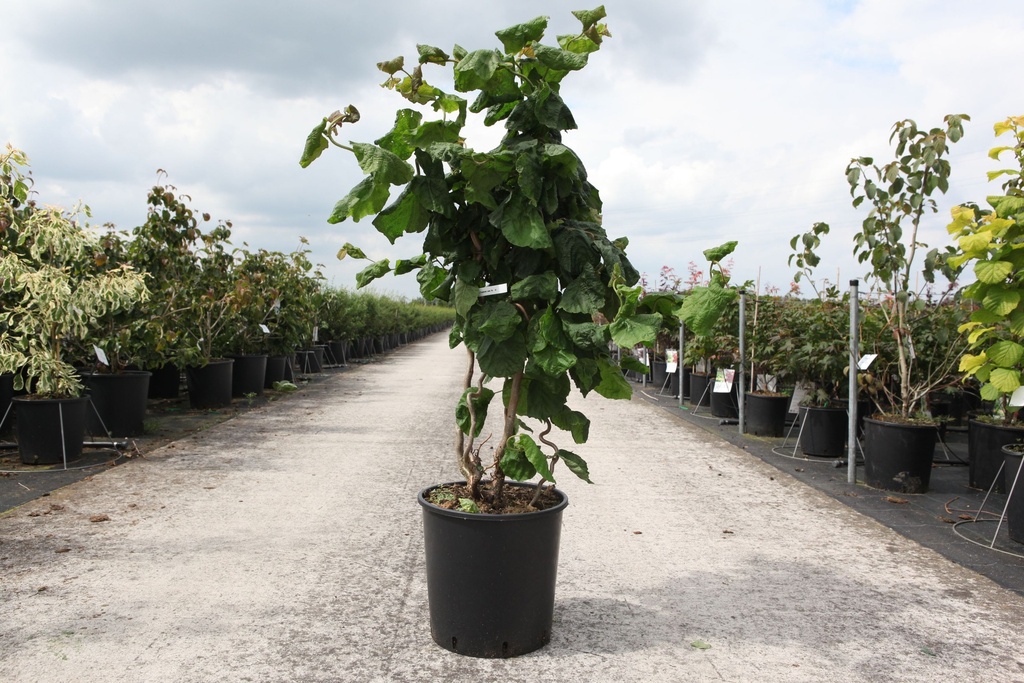
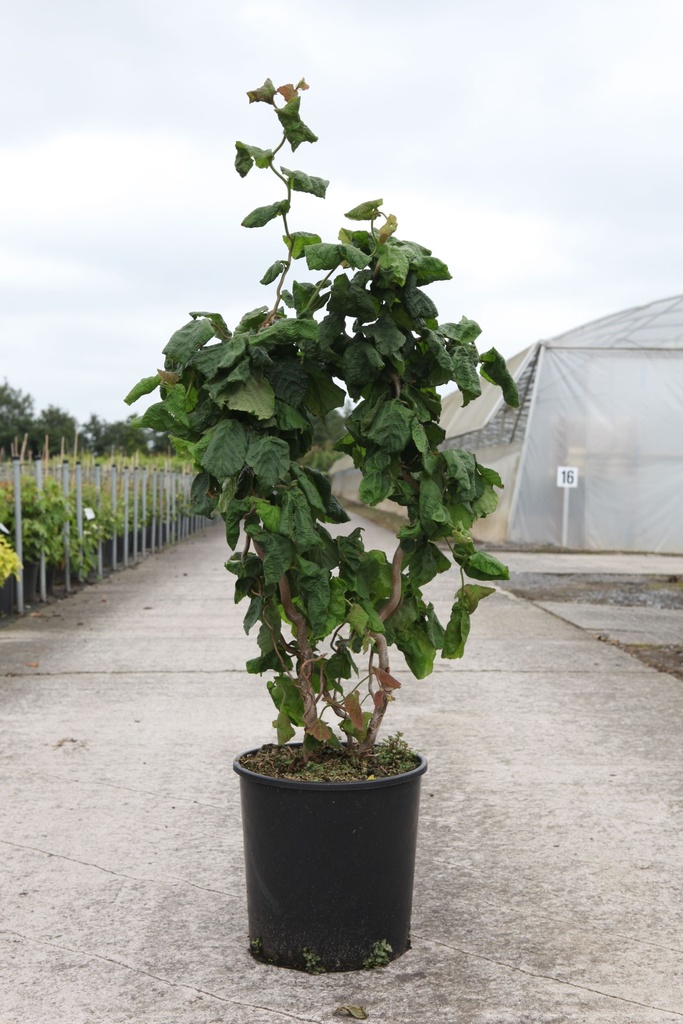
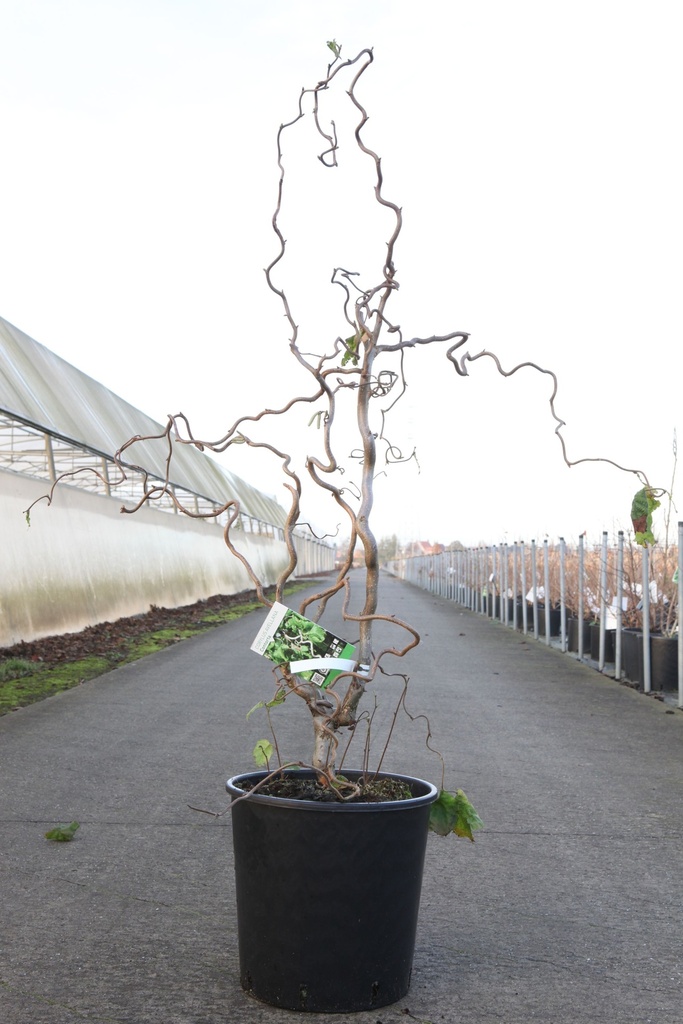
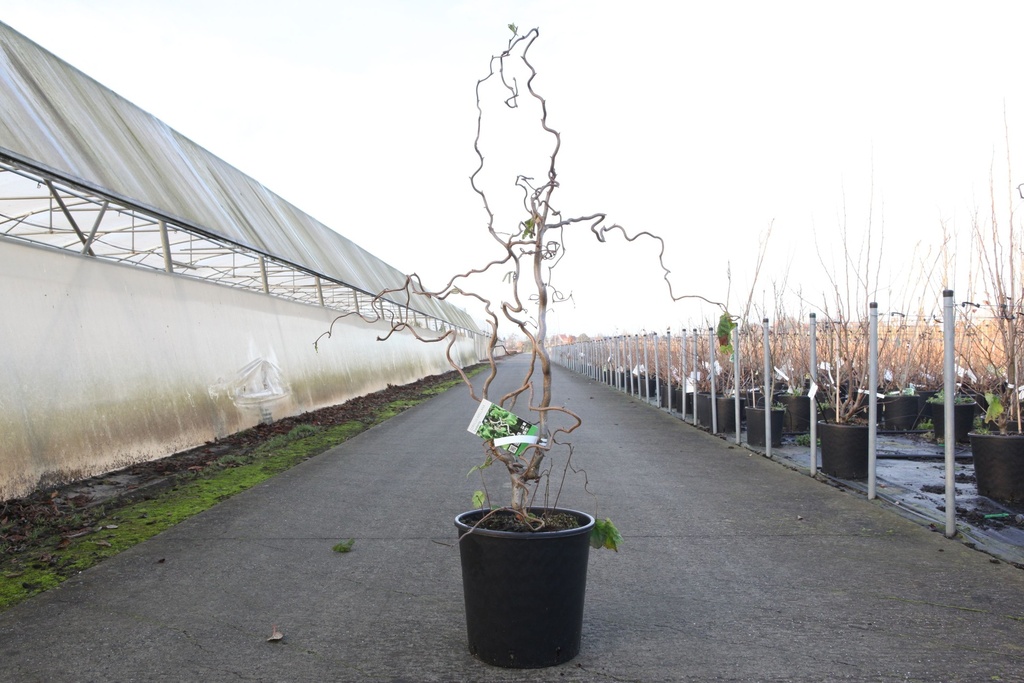
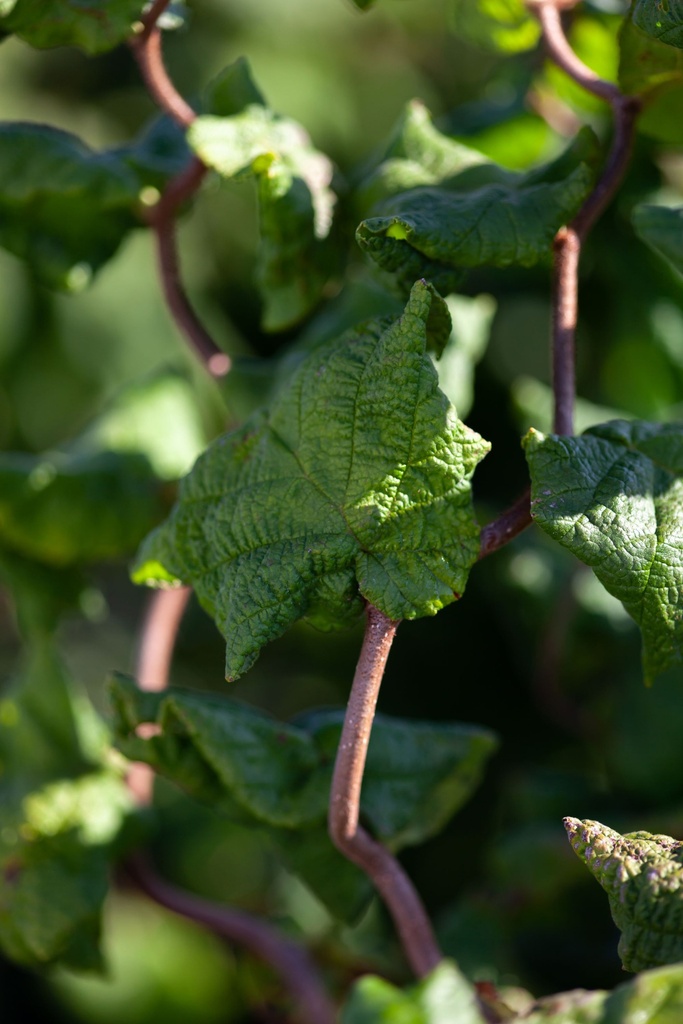
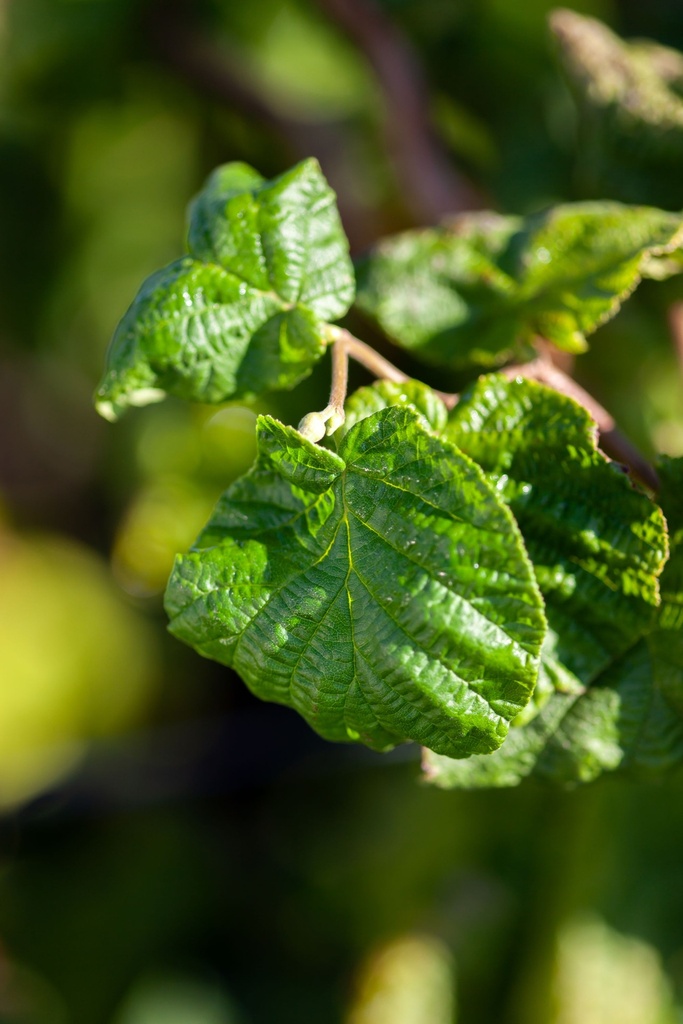
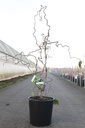
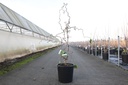
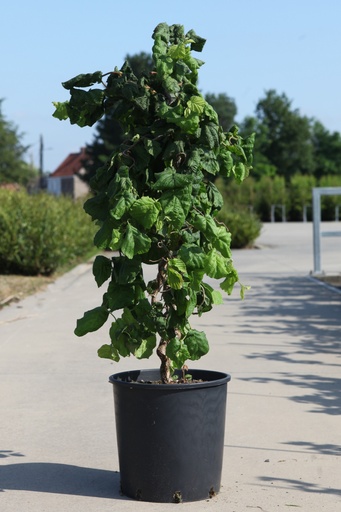
Corkscrew hazel Corylus avellana
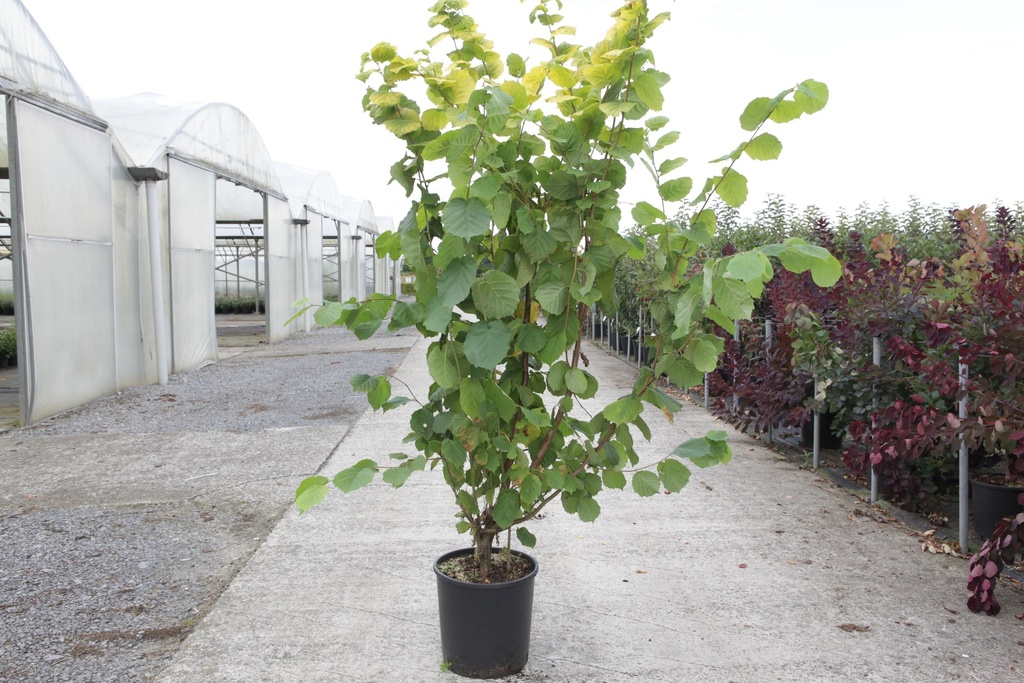
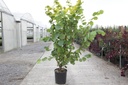
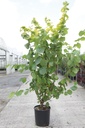
The common hazel (Corylus avellana) is native to Europe, Asia Minor and North Africa and grows wild along woodland edges and in hedgerows. This fast-growing, multi-stemmed shrub reaches about 5 m and can live for some sixty years. Its round nuts, borne in small groups, are harvested from late August.
Location and soil
Sun or partial shade, in any well-drained soil, from clay to chalk; it copes well with dry spells once established. It is extremely hardy. For a better nut harvest, plant at least two varieties together.
Pruning and care
Regular pruning is not required. If the clump becomes crowded, open it up in late autumn, in November or December, by removing awkward or old stems at the base; this encourages vigorous new shoots that start bearing nuts after a few years.
Use in the garden
A mainstay of native and mixed hedges, windbreaks and wildlife plantings, grown singly or in groups. Its catkins are an early pollen source for bees, and the nuts feed birds and small mammals. Coloured-leaf, contorted and weeping forms are popular as ornamental shrubs.
Plant characteristics
Flowering
| Flowering period | february, March |
| Colour (flower) | yellow |
Foliage
| Evergreen | no |
| Colour (foliage) | green |
| Autumn colour | yellow |
Growth habit
| Height | 200 cm |
Location
| Winter hardiness | -25 °C |
| Soil type | kalkrijk |
| Location | sun, half shade |
| Soil moisture | moist, normal |
Use
| Type (use) | shrub, fruit/berries, solitary |
Care
| Pruning | november, december |
Related products
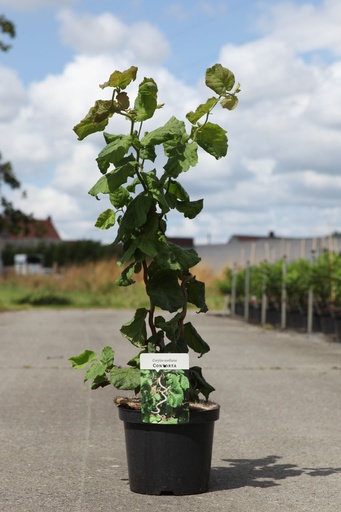
Corylus avellana 'Contorta'
cont. 4L 50-60 cm +p
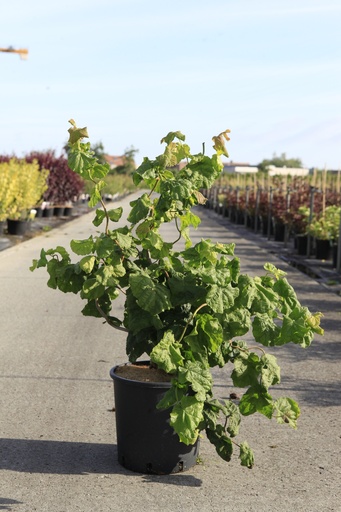
Corylus avellana 'Contorta'
cont. 12L 80-100 cm +p
Corylus avellana 'Contorta'
cont. 18L 100/+ cm +p