









|
J
|
F
|
M
|
A
|
M
|
J
|
J
|
A
|
S
|
O
|
N
|
D
|
|
J
|
F
|
M
|
A
|
M
|
J
|
J
|
A
|
S
|
O
|
N
|
D
|
|
J
|
F
|
M
|
A
|
M
|
J
|
J
|
A
|
S
|
O
|
N
|
D
|
About this plant
What makes this plant special
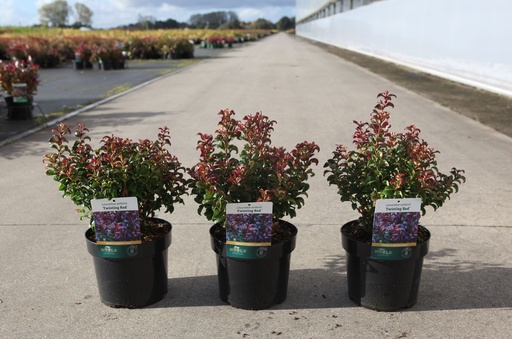
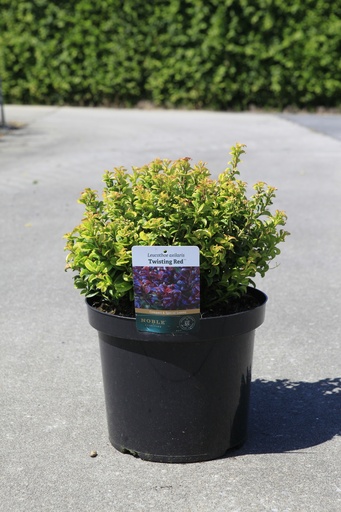
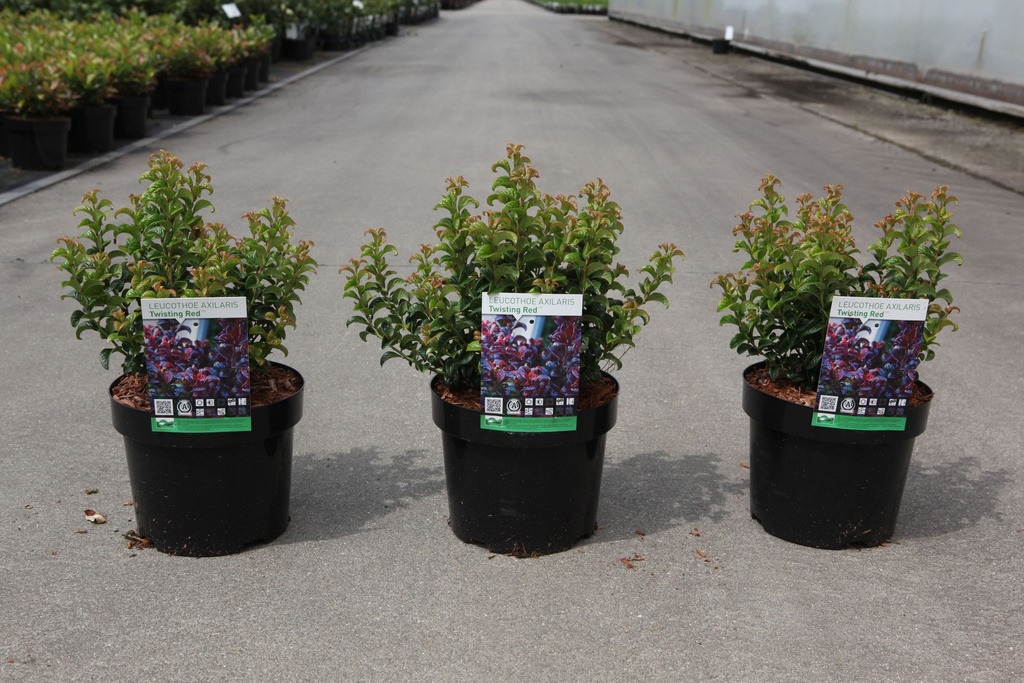
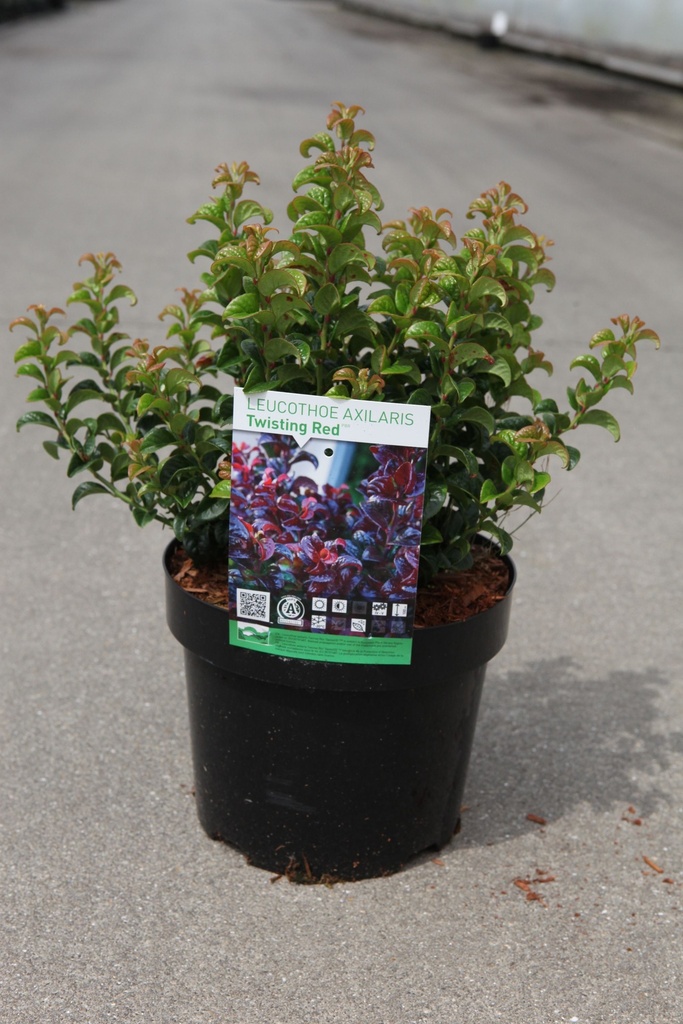
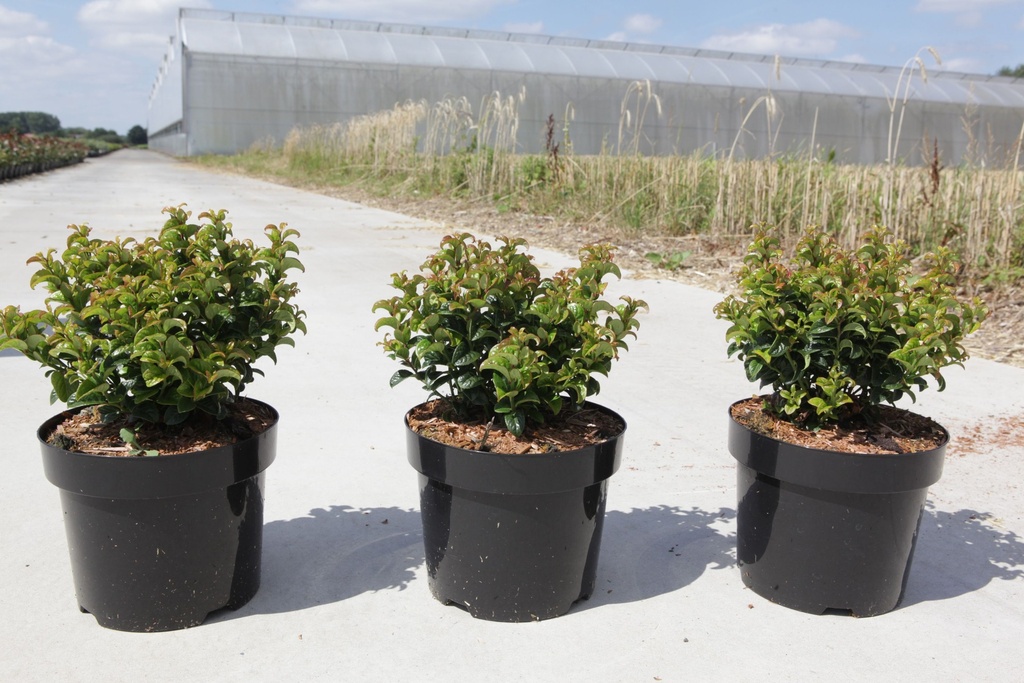
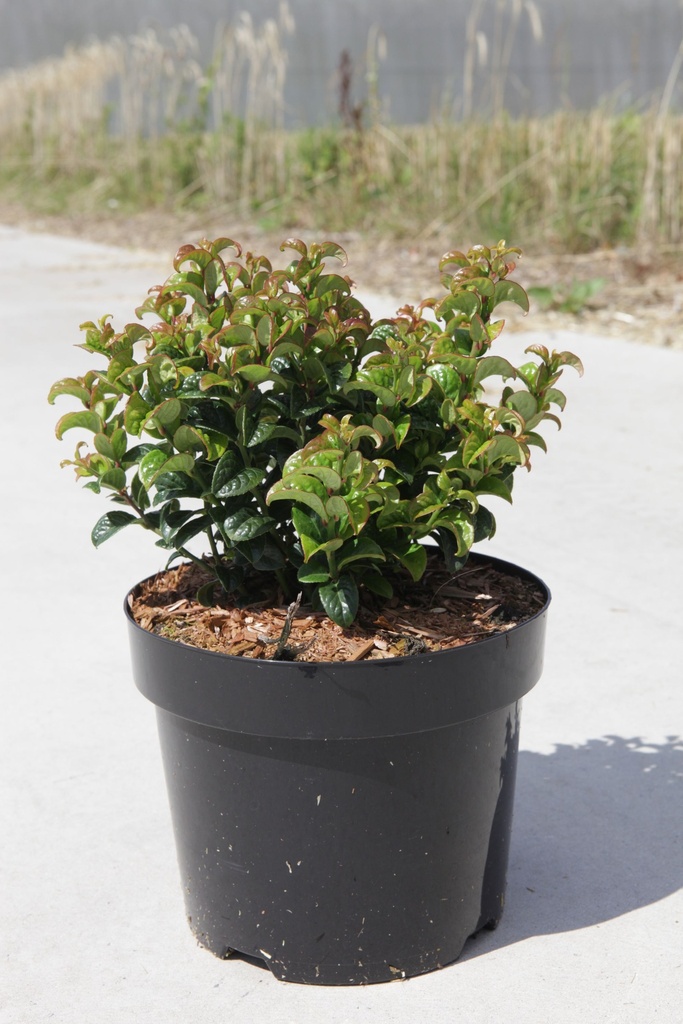
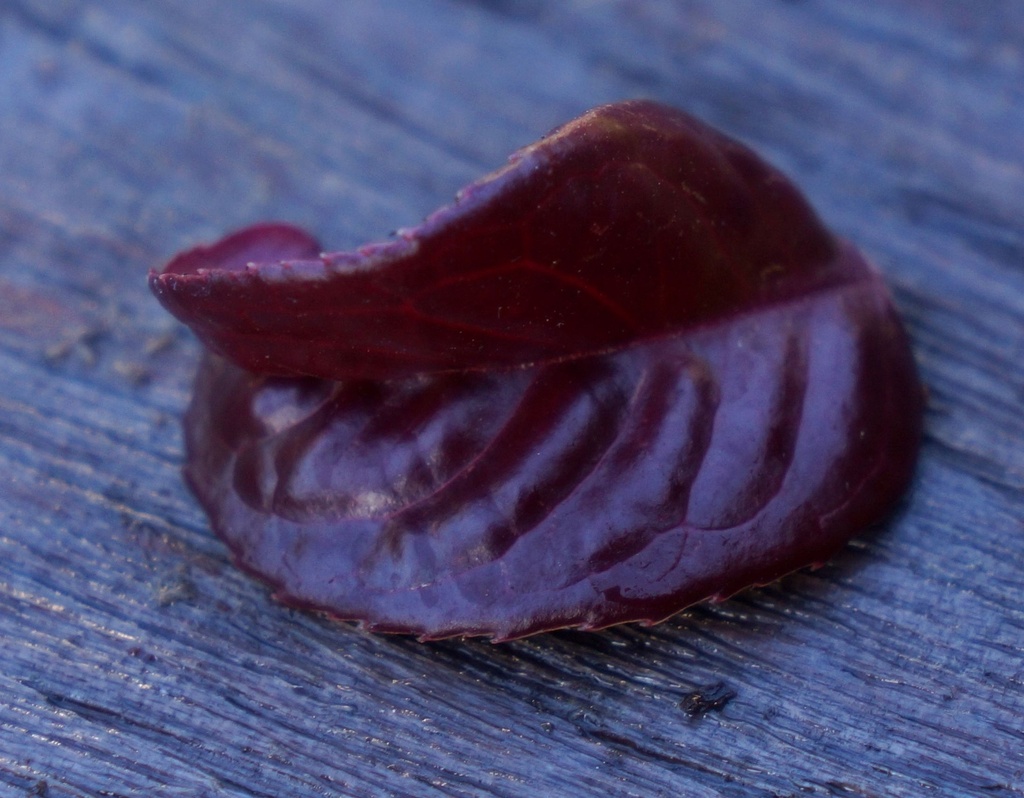
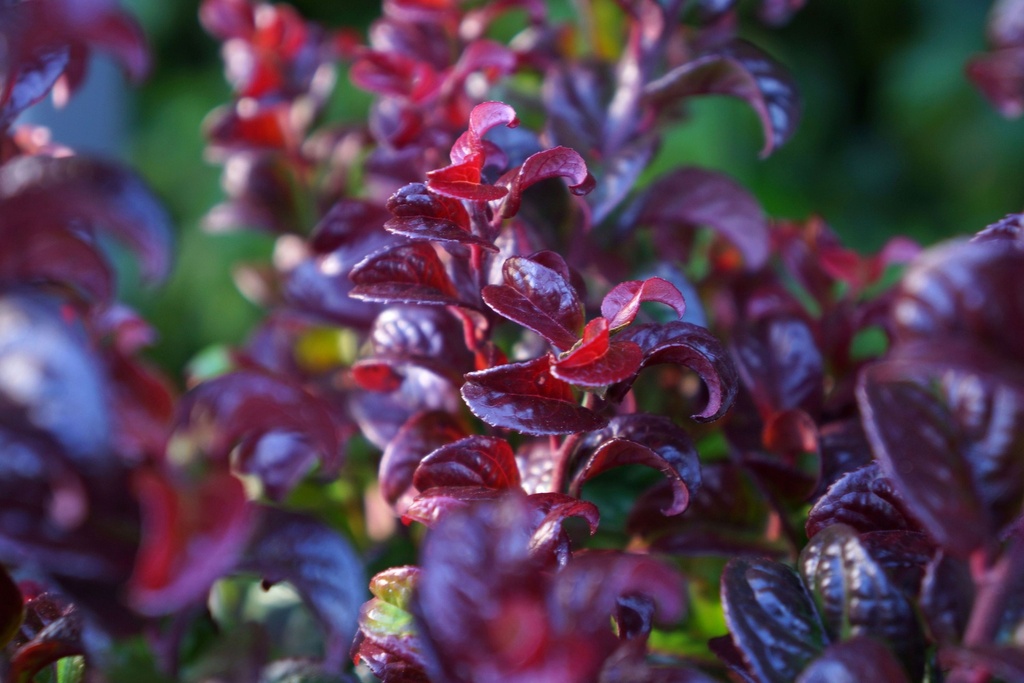
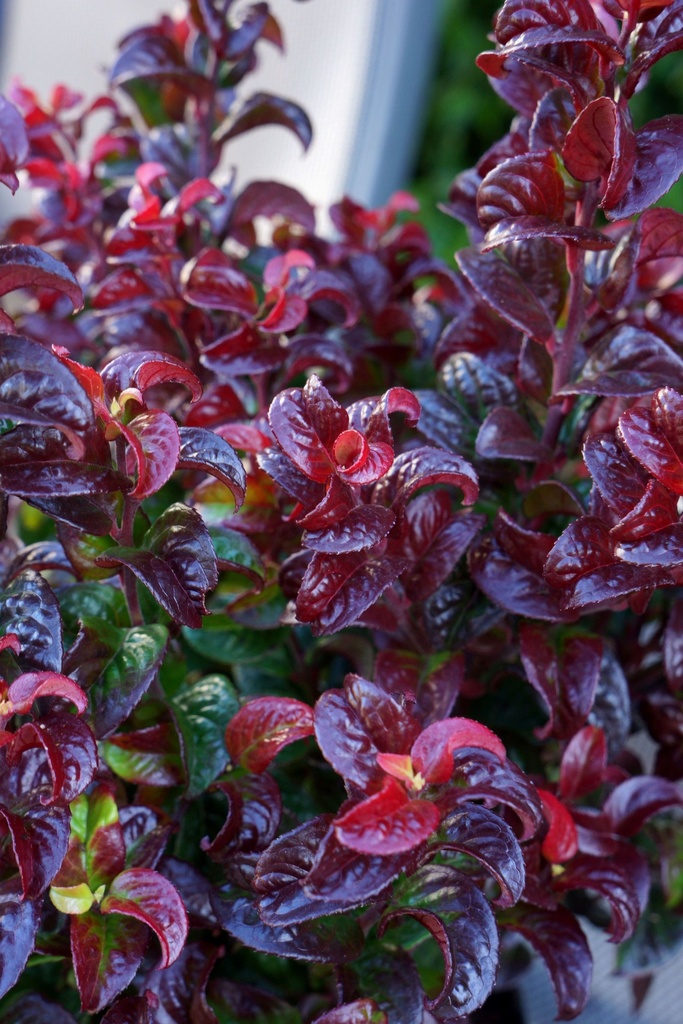
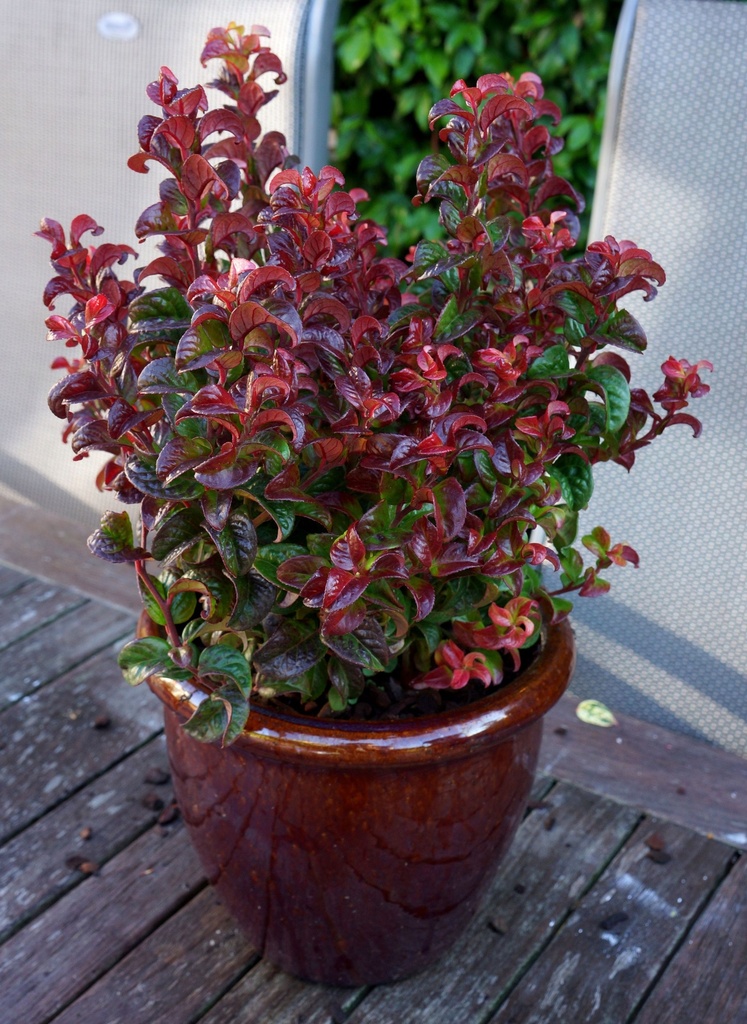
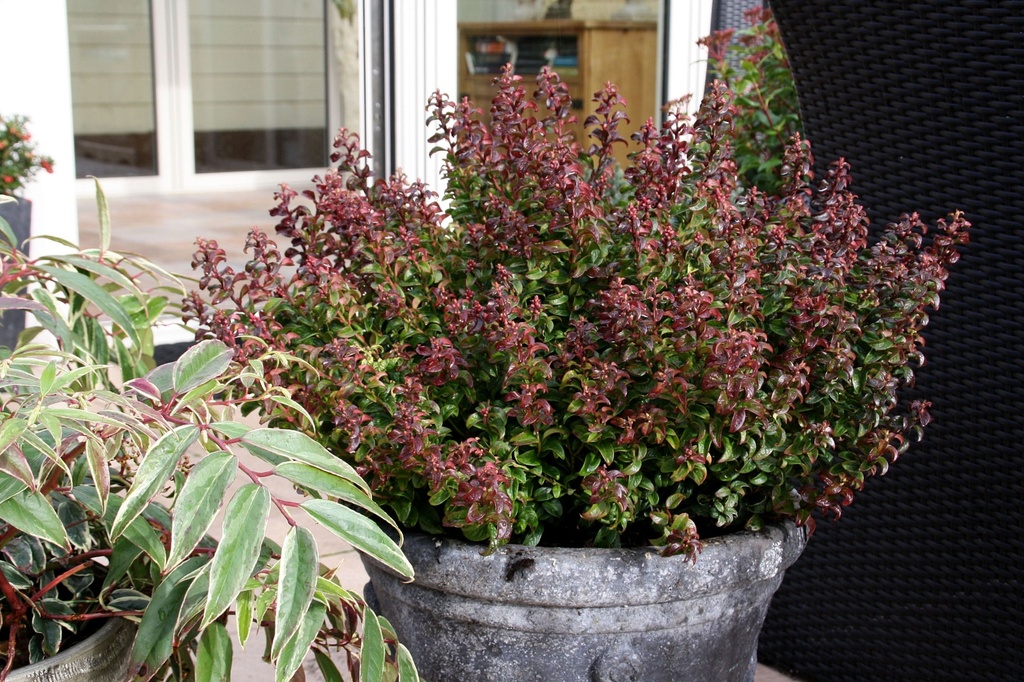
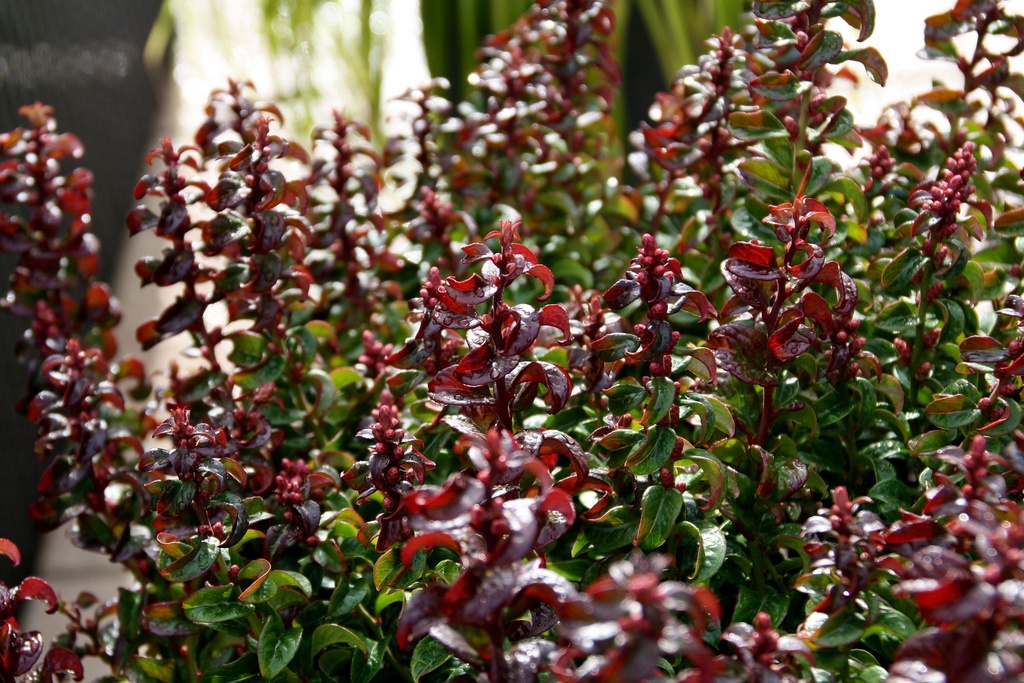
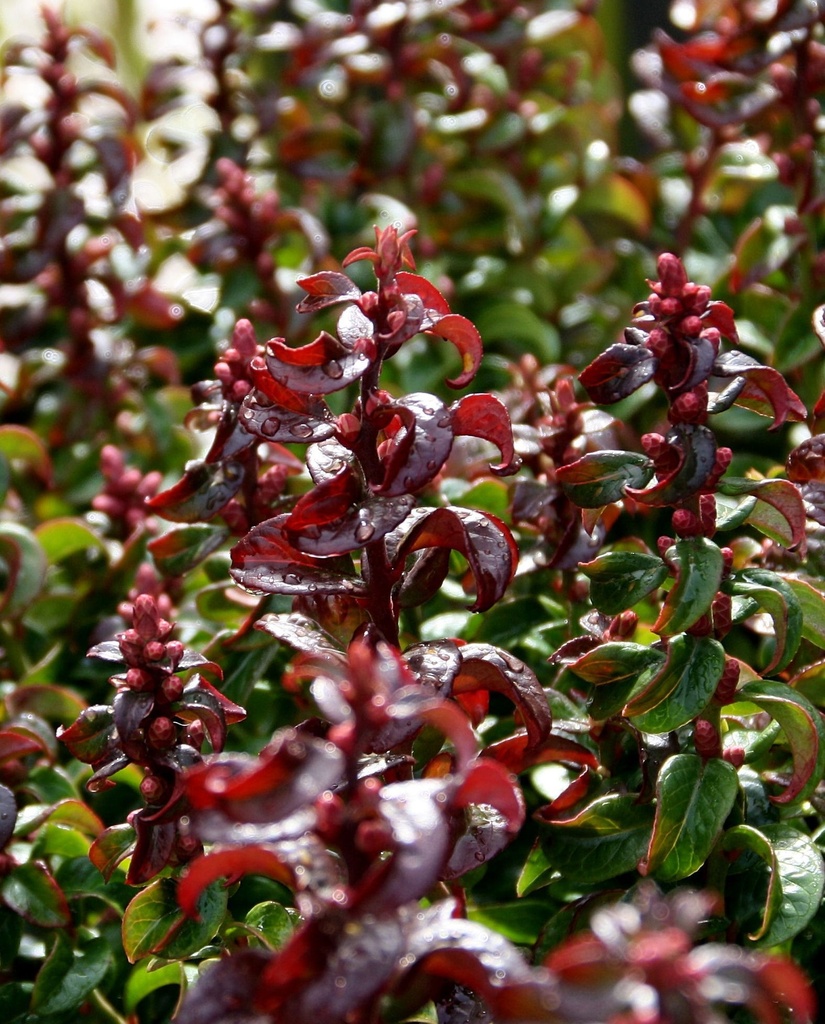
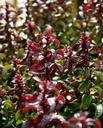
'Twisting Red' looks like a smaller 'Curly Red': its glossy leaves are only 3 to 4 cm long, even more twisted, curled and richly coloured, emerging bright purple-red before turning deep green. From autumn into spring the whole shrub flushes purple. At 30 to 50 cm high and 40 to 60 cm wide, it is ideal for pots and small shady beds.
Drooping Leucothoe Leucothoe
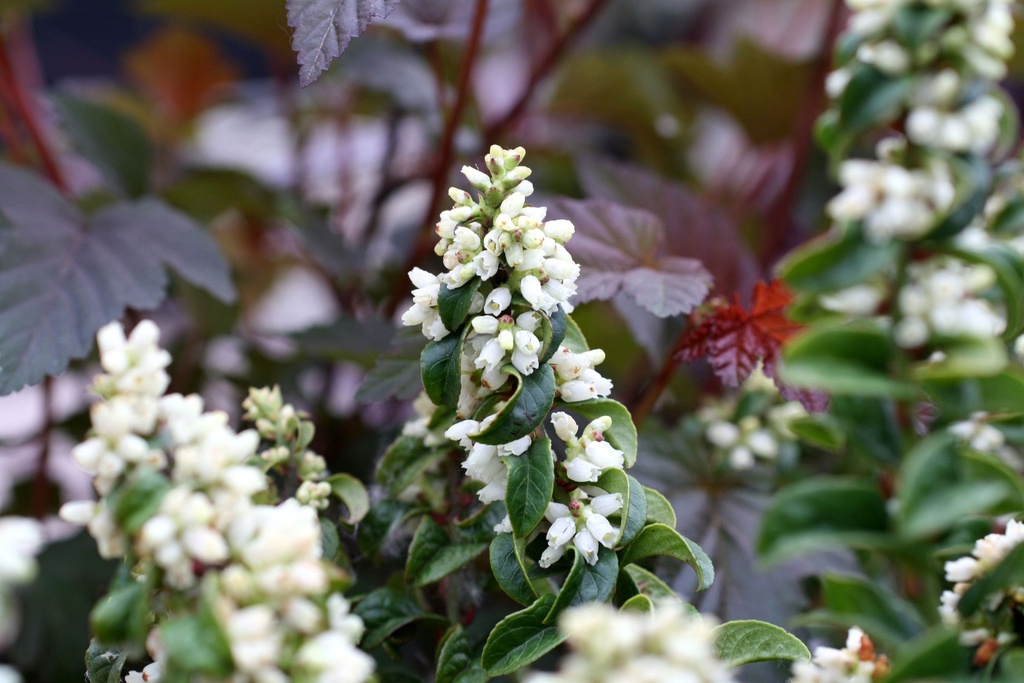
Leucothoe is a genus of shrubs in the heather family, found in moist woodland in eastern North America and East Asia. The species grown in gardens are mostly evergreen, with leathery, glossy leaves that shift colour through the seasons. In spring they carry slender sprays of small, lightly scented white bells, much like their relative Pieris.
Leucothoe axillaris
Leucothoe axillaris comes from the coastal lowlands of the south-eastern United States. It forms a low, spreading, slow-growing shrub of up to about 1 m. The leaves are thick and glossy dark green, often smaller and more curled than in other species, and turn purplish bronze in winter. Slightly fragrant white flowers appear in the leaf axils in May.
Location and soil
Plant in part shade, in an acid, humus-rich soil that stays evenly moist but drains well. A sunnier spot is possible only if the soil never dries out. This species dislikes drought and exposure to wind, so choose a sheltered position. It is hardy in most Belgian gardens; a winter mulch over the roots gives extra protection.
Pruning and care
Water generously in dry spells and mulch to keep the roots cool. Pruning is not necessary. If needed, tidy the plant between February and April, before new growth starts, by removing dead wood and shoots that spoil its shape. Avoid pruning earlier in winter, as fresh cuts may suffer from frost. Leaf spot can appear where air circulation is poor.
Use in the garden
Its low, spreading habit makes this species a good choice for the front of shady borders, cool rock gardens and slopes. It also works well as an underplanting for taller acid-loving shrubs, along house walls on the shaded side, and in containers on a terrace or balcony with little sun.
Plant characteristics
Botanical
| Family | Ericaceae |
| Genus | Leucothoe |
| Species | axillaris |
| Cultivar | 'Opstal20' |
| Trade name | Twisting Red (PBR) |
Flowering
| Flowering period | april to may |
| Colour (flower) | white |
Foliage
| Evergreen | yes |
| Colour (foliage) | green, red |
Growth habit
| Height | 50 cm, 100 cm |
Location
| Winter hardiness | zone 6a (down to -23,3 °C) |
| Summer heat | up to heat zone 9 |
| Soil type | acid |
| Location | sun, half shade |
Use
| Type (use) | shrub, ground cover, in group, terrace plant |
Care
| Pruning | february to april |
Plant breeders' rights
Leucothoe axillaris 'Opstal20' TWISTING RED (PBR) is subject to European Plant Breeders Rights under nr. 20101687. Asexual propagation and/or use of the trademark without license are prohibited.