

|
J
|
F
|
M
|
A
|
M
|
J
|
J
|
A
|
S
|
O
|
N
|
D
|
|
J
|
F
|
M
|
A
|
M
|
J
|
J
|
A
|
S
|
O
|
N
|
D
|
|
J
|
F
|
M
|
A
|
M
|
J
|
J
|
A
|
S
|
O
|
N
|
D
|
About this plant
What makes this plant special
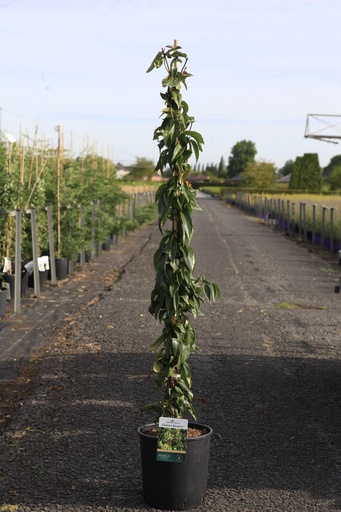
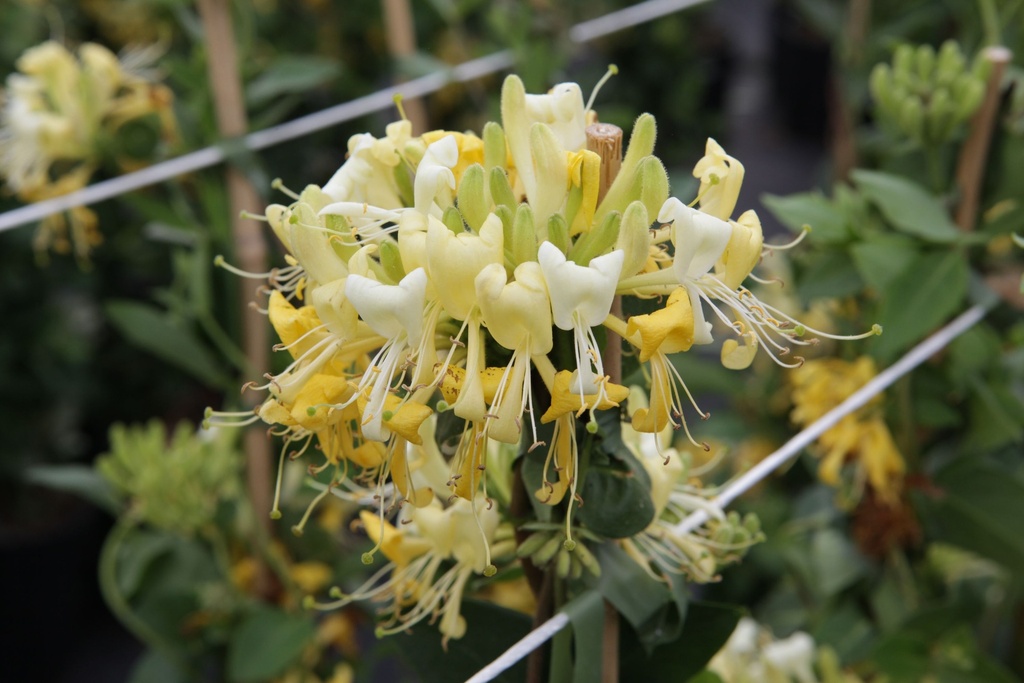
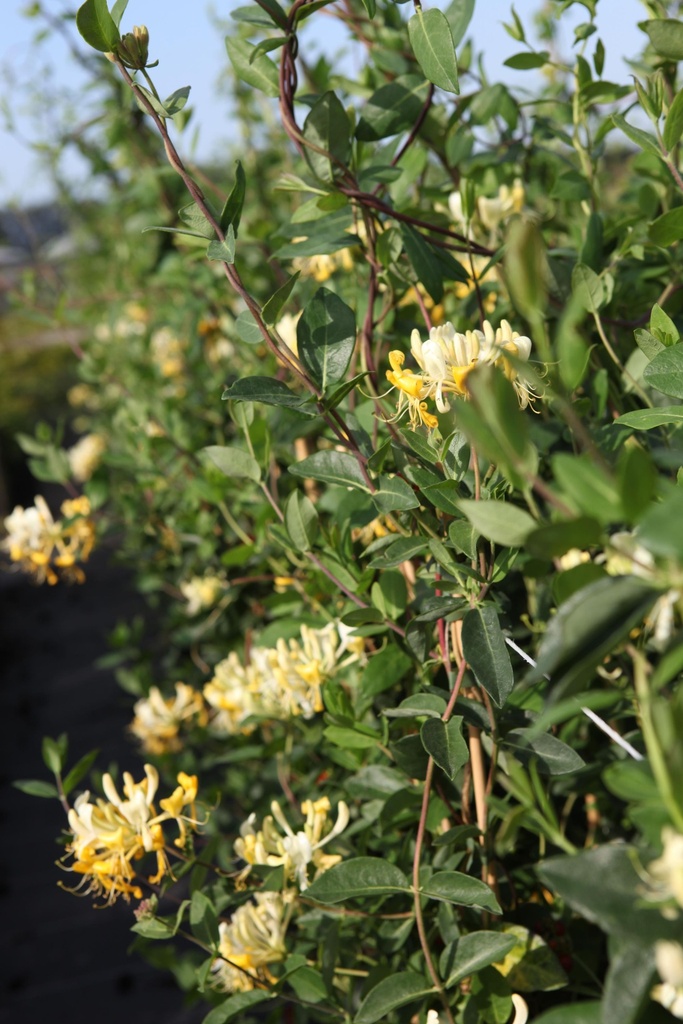
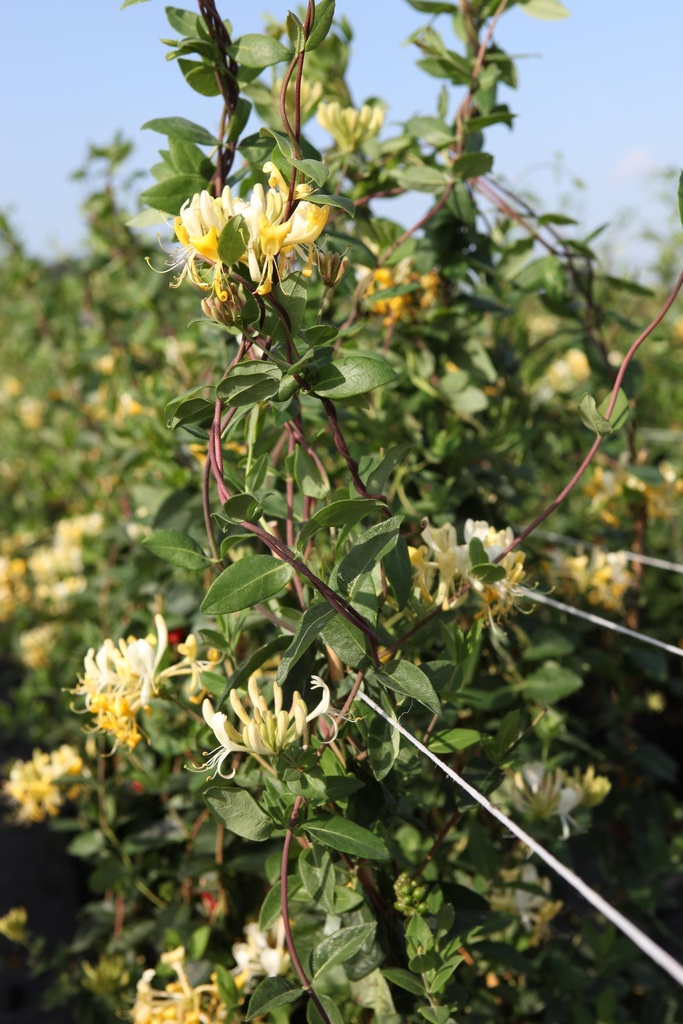
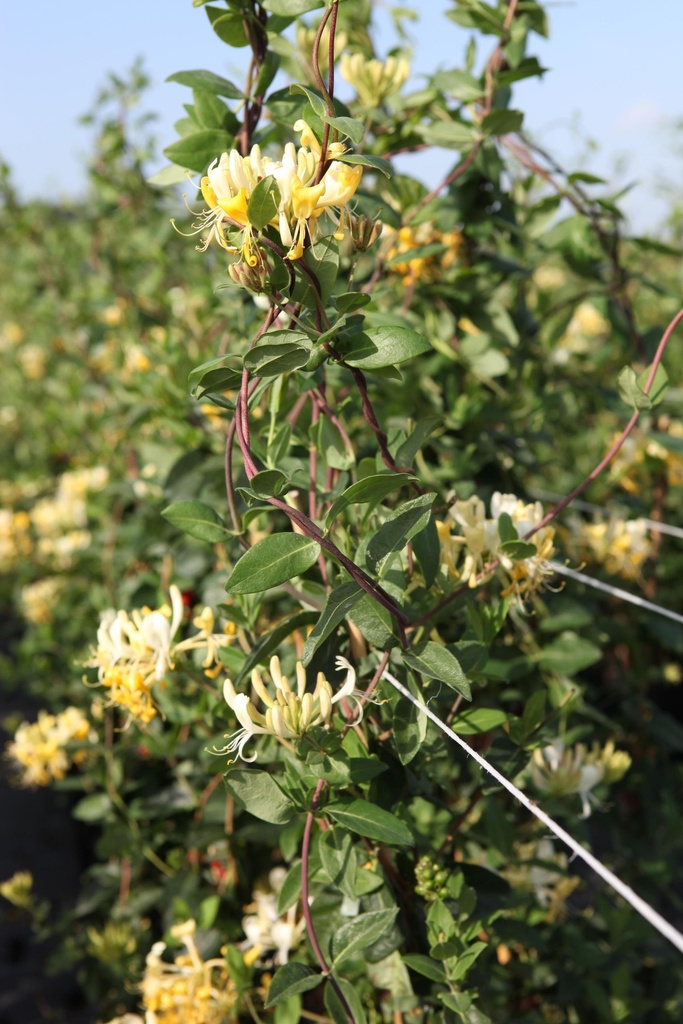
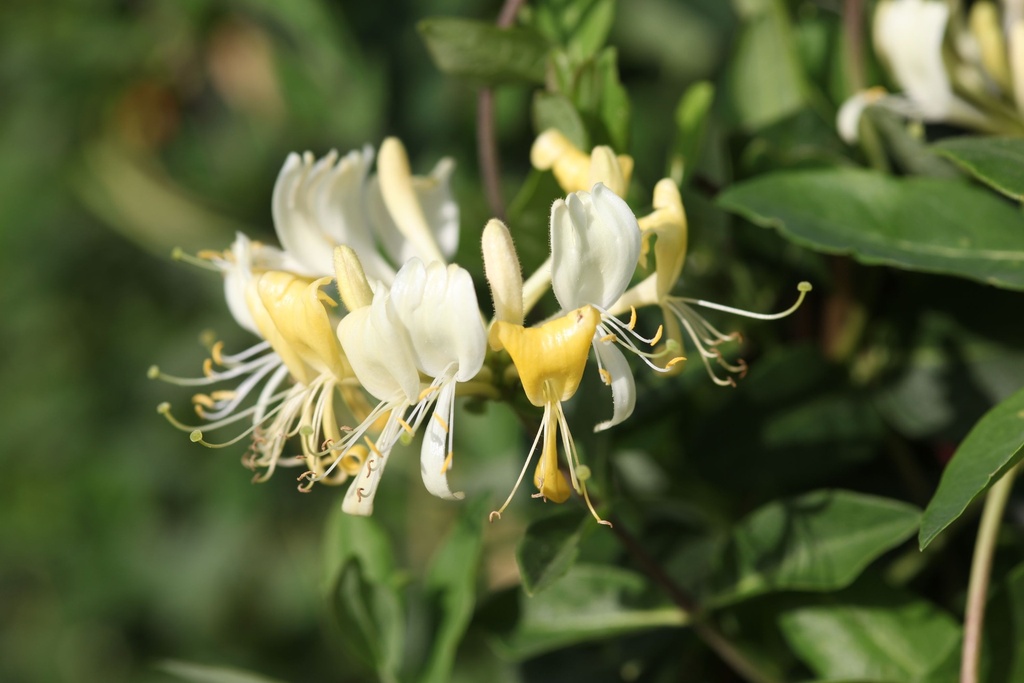
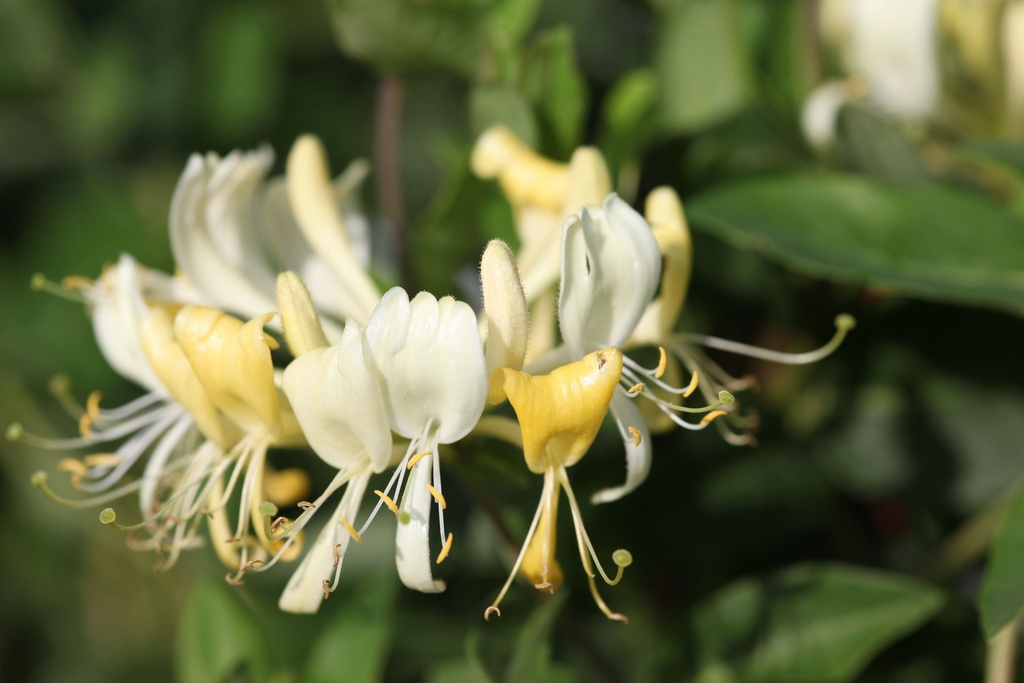
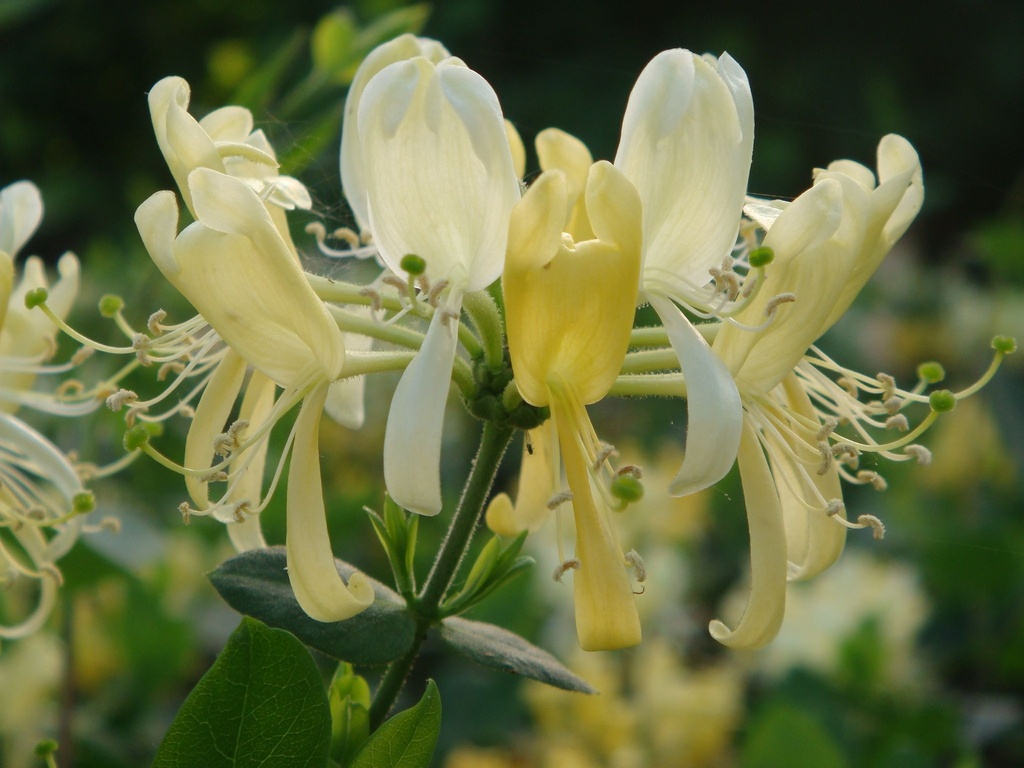
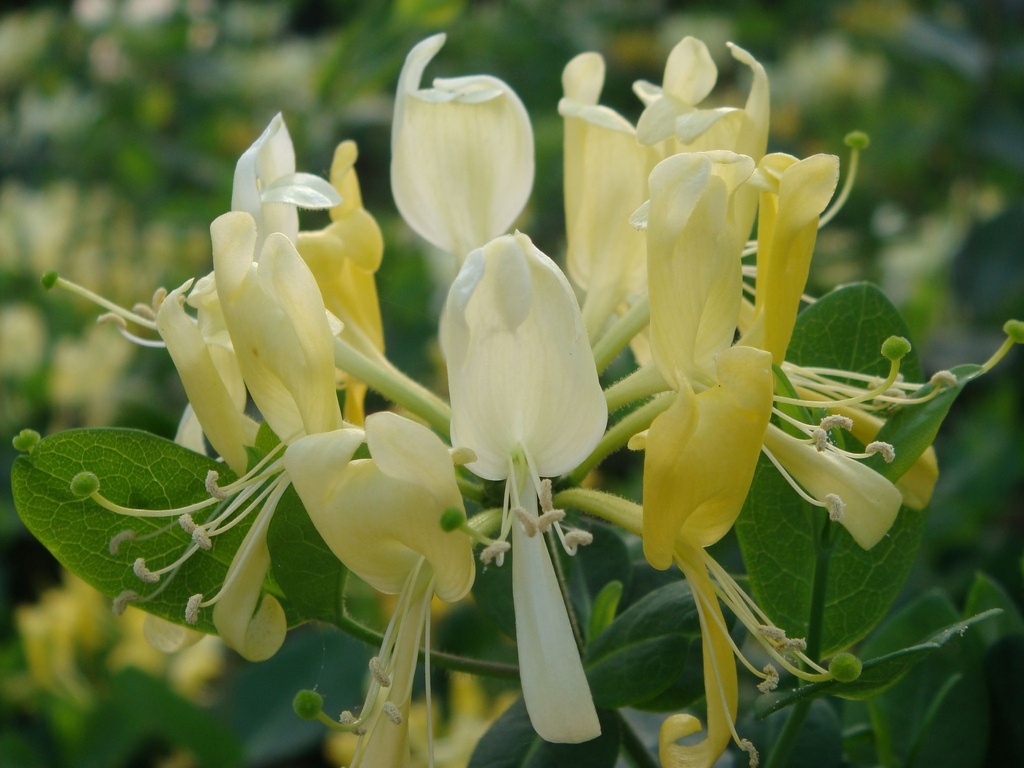
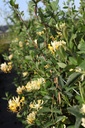
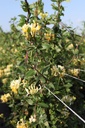
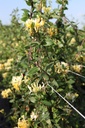
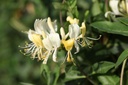
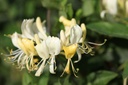
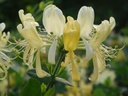
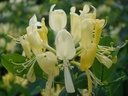
'Scentsation' flowers more freely, is more fragrant and stays more compact than the wild species, reaching just 2 to 3 m; it was voted Climbing Plant of the Year 2016 in Montreal. From June to September, wave after wave of white flowers ageing to yellow scent the garden, above all at dusk, and bright red berries join them from July.
Honeysuckle Lonicera
Honeysuckles (Lonicera) form a genus of about 180 species, most of them deciduous. Some are twining climbers with tubular, often scented flowers in whorls at the shoot tips; the larger group consists of bushy shrubs with flowers in pairs along the branches. All bear berries, and those of the honeyberry are grown as fruit.
Honeysuckles Lonicera periclymenum
Lonicera periclymenum is the native woodland honeysuckle of western Europe, a deciduous twining climber of about 5 to 7 m. From early summer to early autumn it bears whorls of creamy-yellow flowers, often flushed red or purple, with a powerful evening fragrance, followed by bright red berries.
Location and soil
Partial shade suits it best, as at a woodland edge, in a cool, humus-rich, moist but well-drained soil, neutral to slightly acid. Fully hardy in Belgium; in full sun keep the roots shaded and watch for aphids.
Pruning and care
Give a light tidy-up after flowering in October, or rebalance the plant at the end of winter, in February or March; a bare old plant can be cut back hard at that time. Water regularly and mulch to keep the soil cool.
Use in the garden
Ideal for wildlife-friendly gardens, scrambling through hedges and trees or covering fences, trellises and pergolas; also grown in a large tub on a terrace. Shelter and food for birds and insects; the berries are mildly toxic to people.
Plant characteristics
Botanical
| Family | Caprifoliaceae |
| Genus | Lonicera |
| Species | periclymenum |
| Cultivar | 'Scentsation' |
Flowering
| Flowering period | may to july |
| Colour (flower) | yellow, orange |
| Flowers | fragrant |
Foliage
| Evergreen | no |
| Colour (foliage) | green |
Growth habit
| Height | 300 cm |
Location
| Winter hardiness | zone 5a (down to -28,9 °C) |
| Summer heat | up to heat zone 9 |
| Soil type | kalkrijk, acid, neutral |
| Location | sun, half shade |
| Soil moisture | moist, normal |
Use
| Type (use) | climbing, solitary, in group |
Care
| Pruning | february to march, october |
Plant breeders' rights
Lonicera periclymenum 'Scentsation' (PBR) is subject to European Plant Breeders Rights under nr. 20020559. Asexual propagation and/or use of the trademark without license are prohibited.