
|
G
|
F
|
M
|
A
|
M
|
G
|
L
|
A
|
S
|
O
|
N
|
D
|
|
G
|
F
|
M
|
A
|
M
|
G
|
L
|
A
|
S
|
O
|
N
|
D
|
|
G
|
F
|
M
|
A
|
M
|
G
|
L
|
A
|
S
|
O
|
N
|
D
|
Informazioni su questa pianta
Cosa rende speciale questa pianta
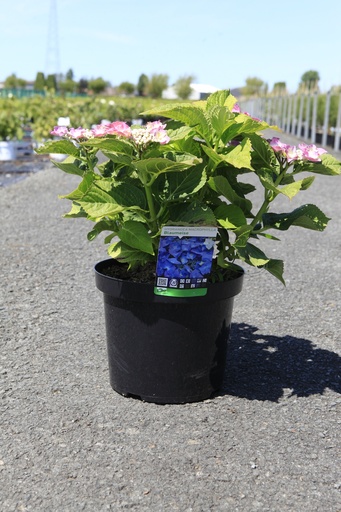
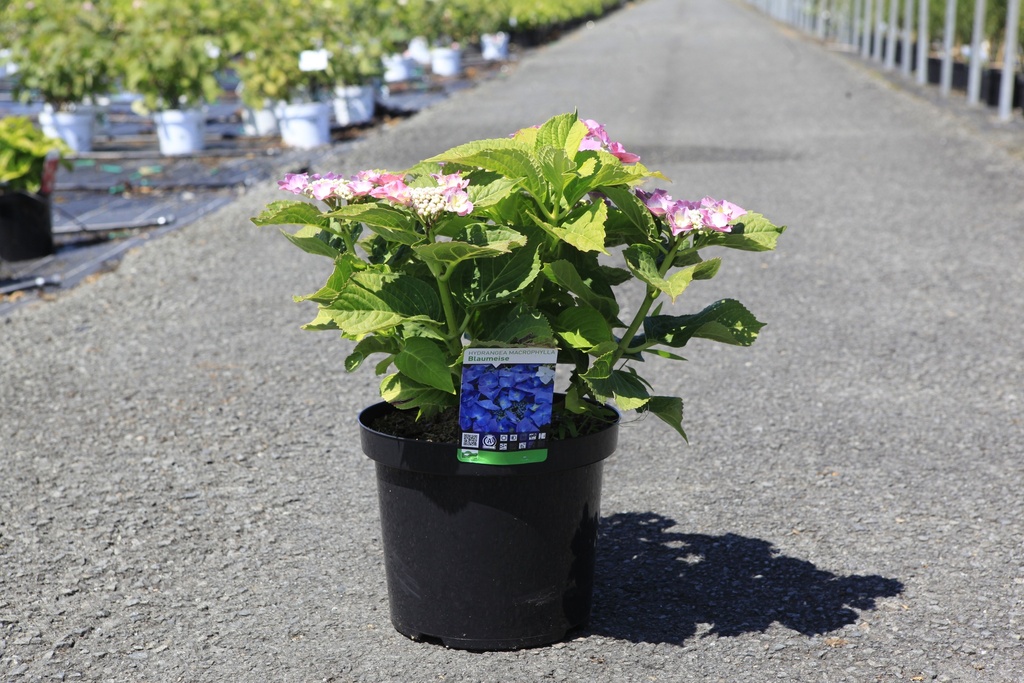
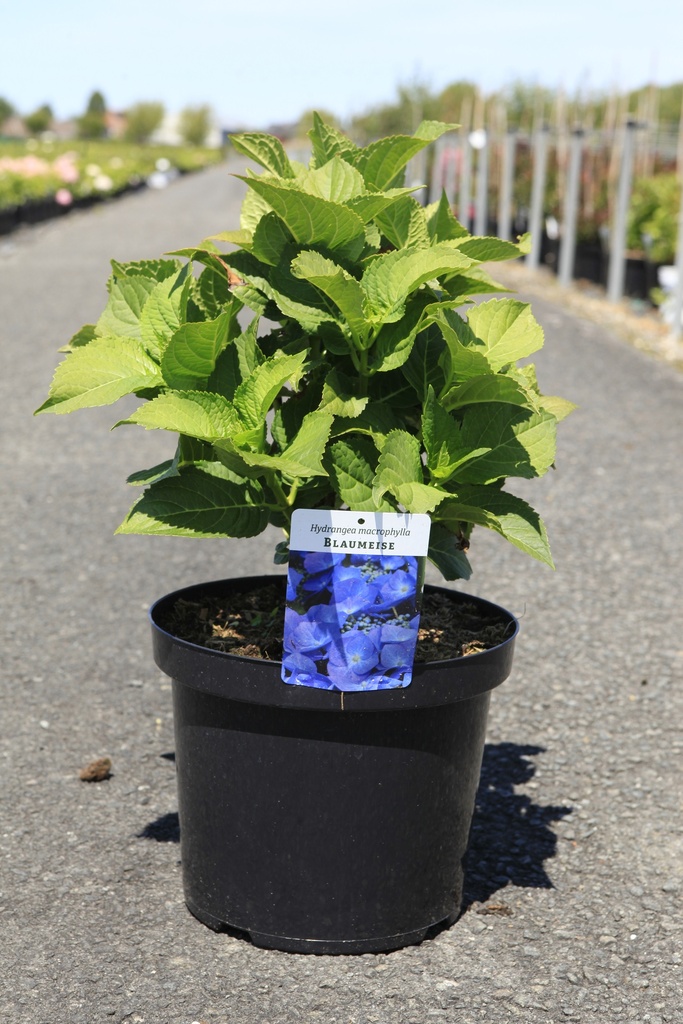
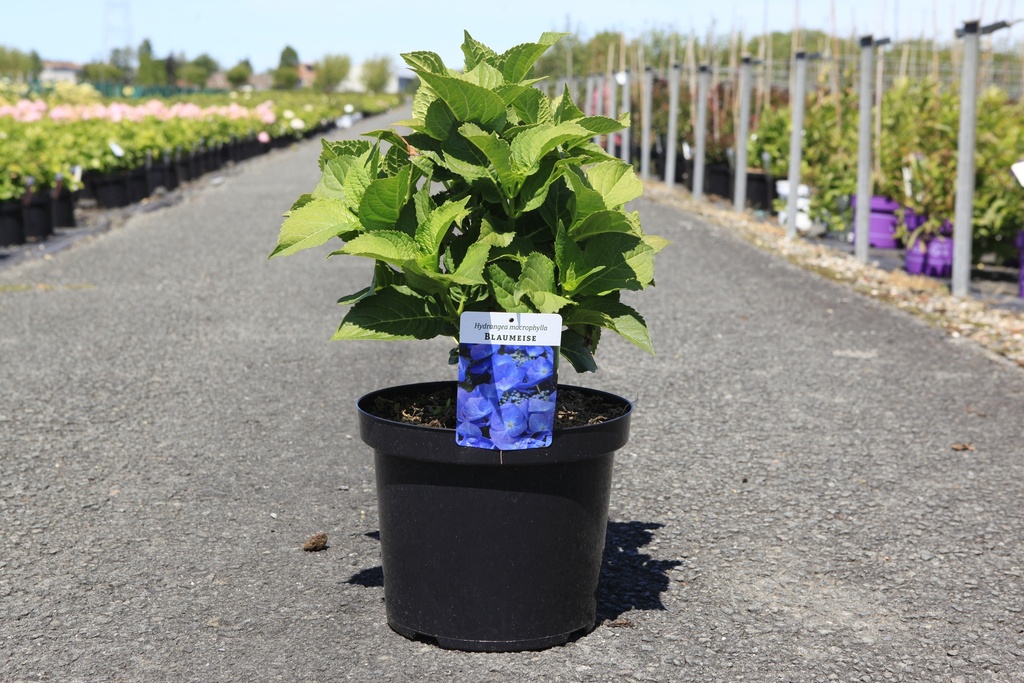
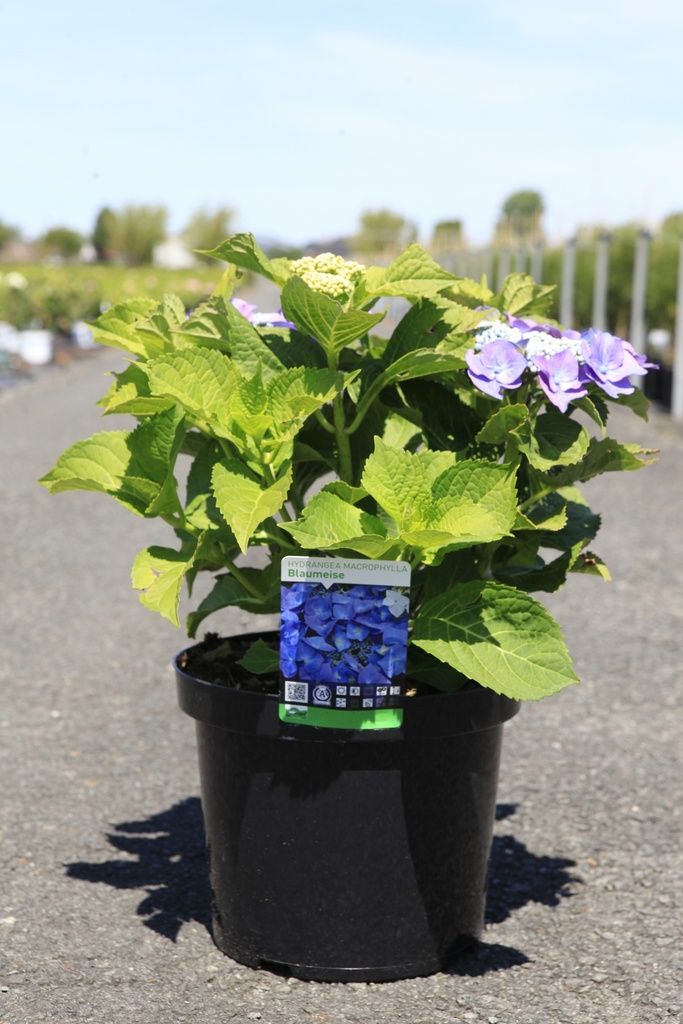
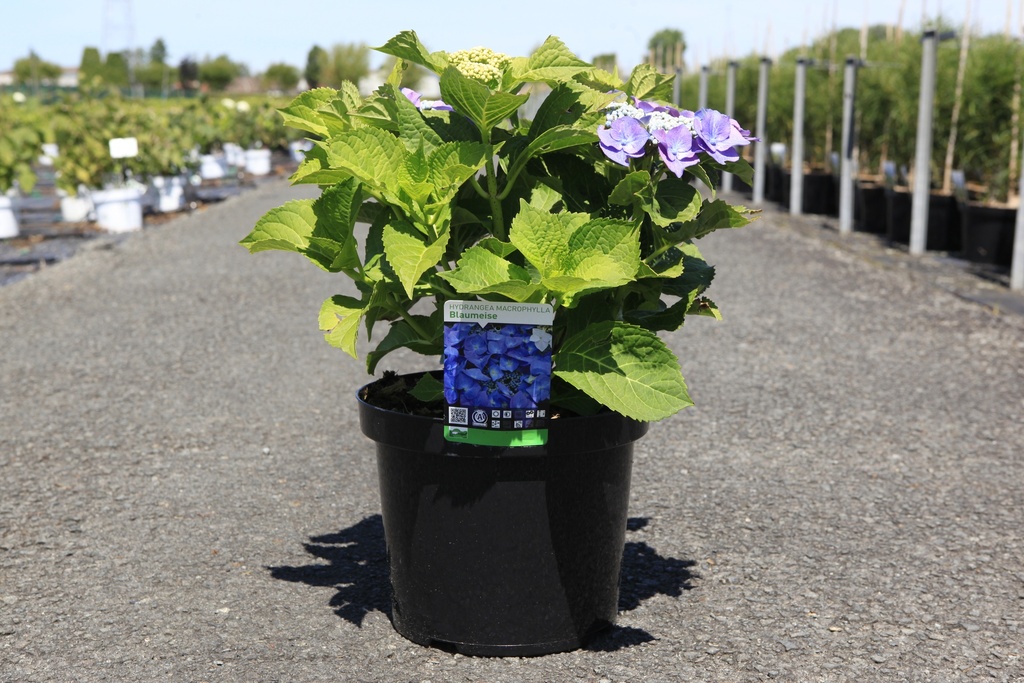
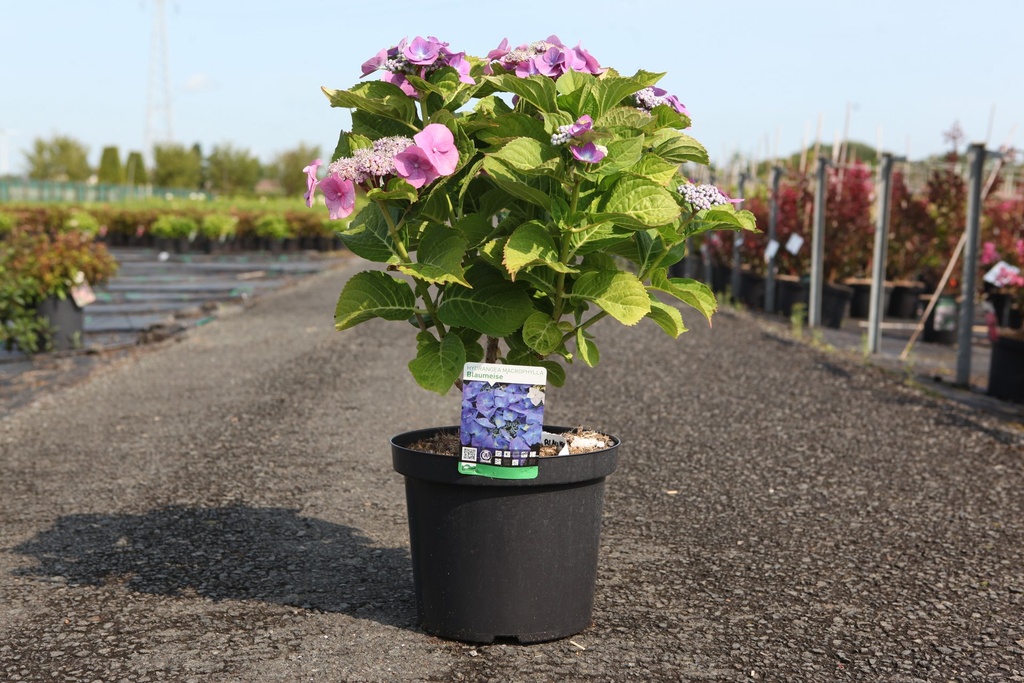
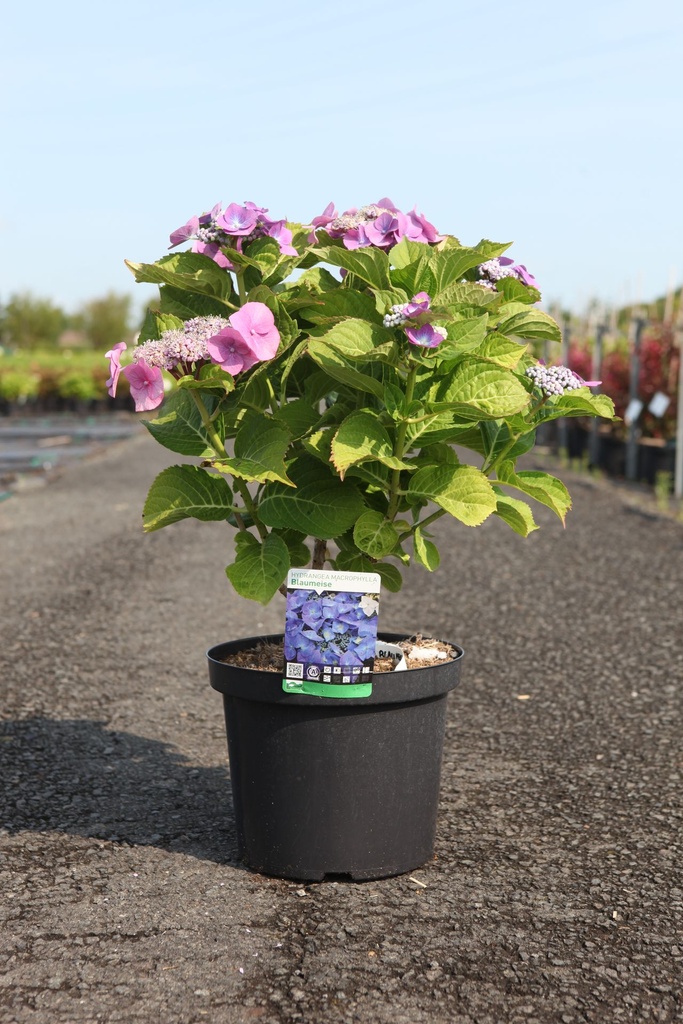
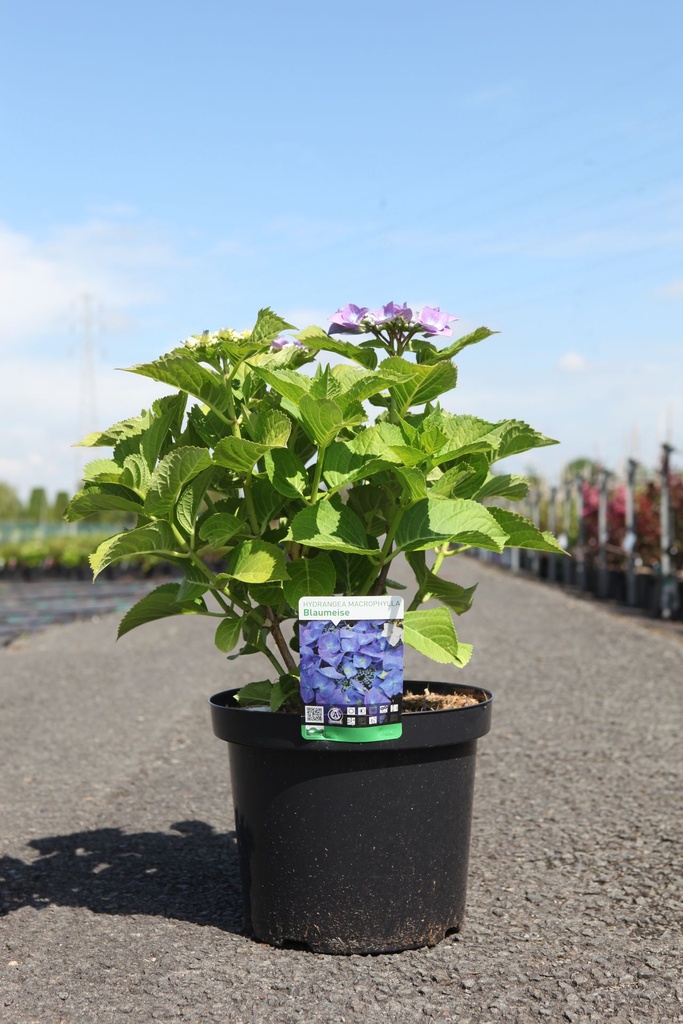
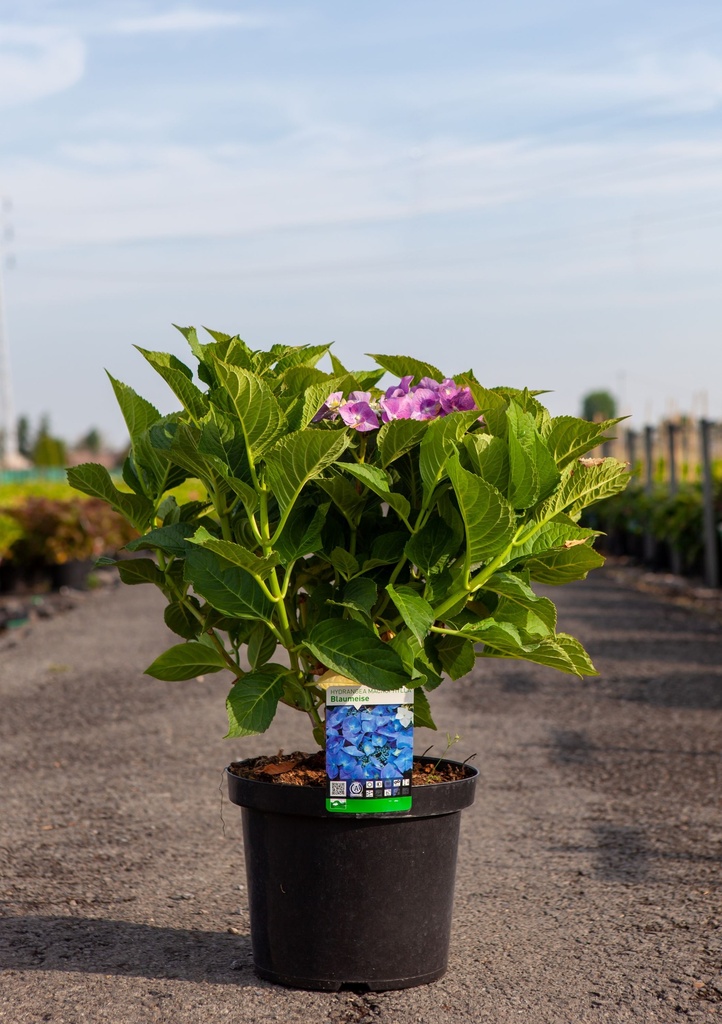
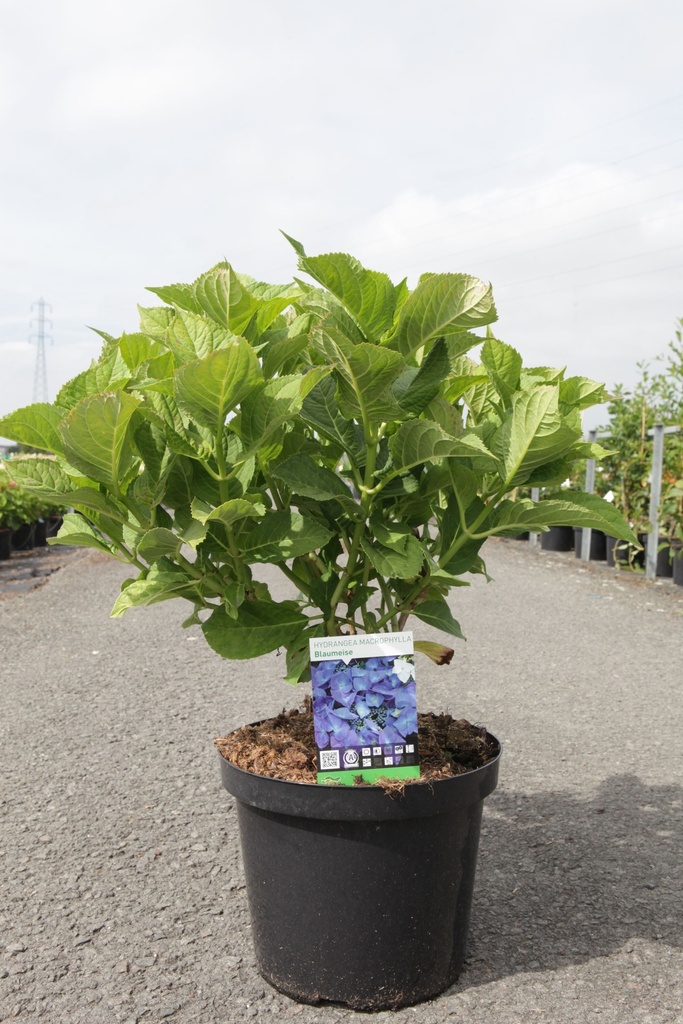
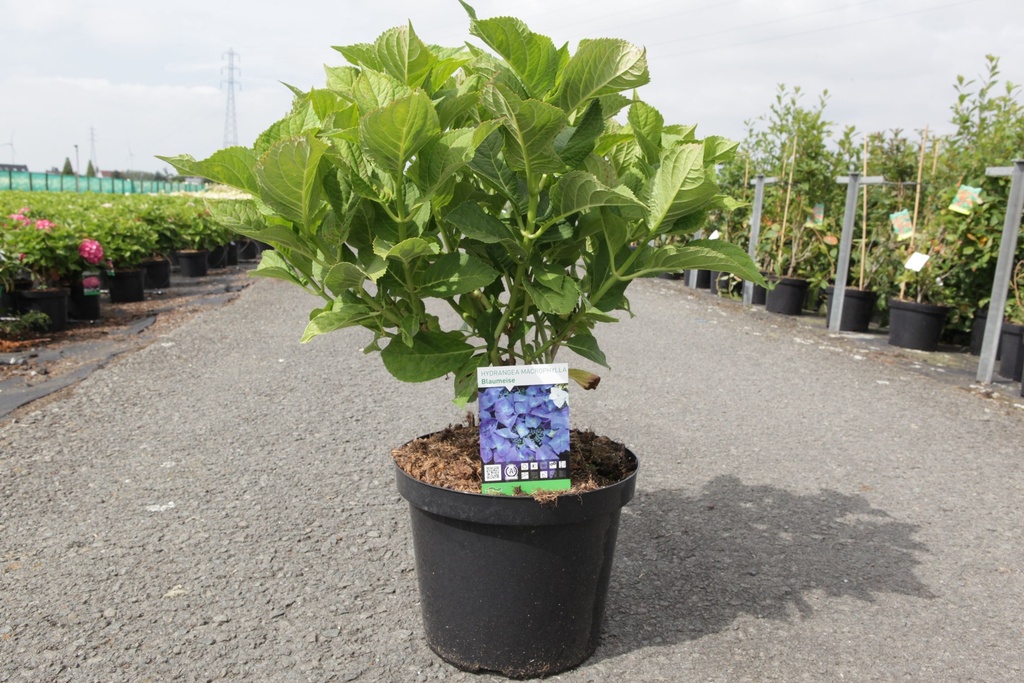
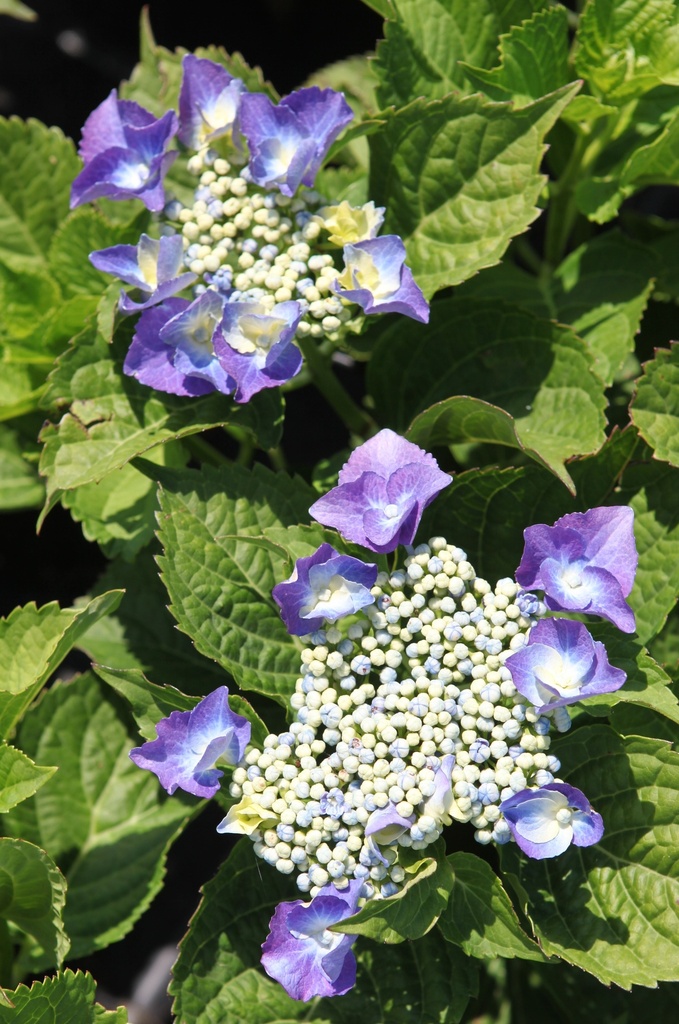
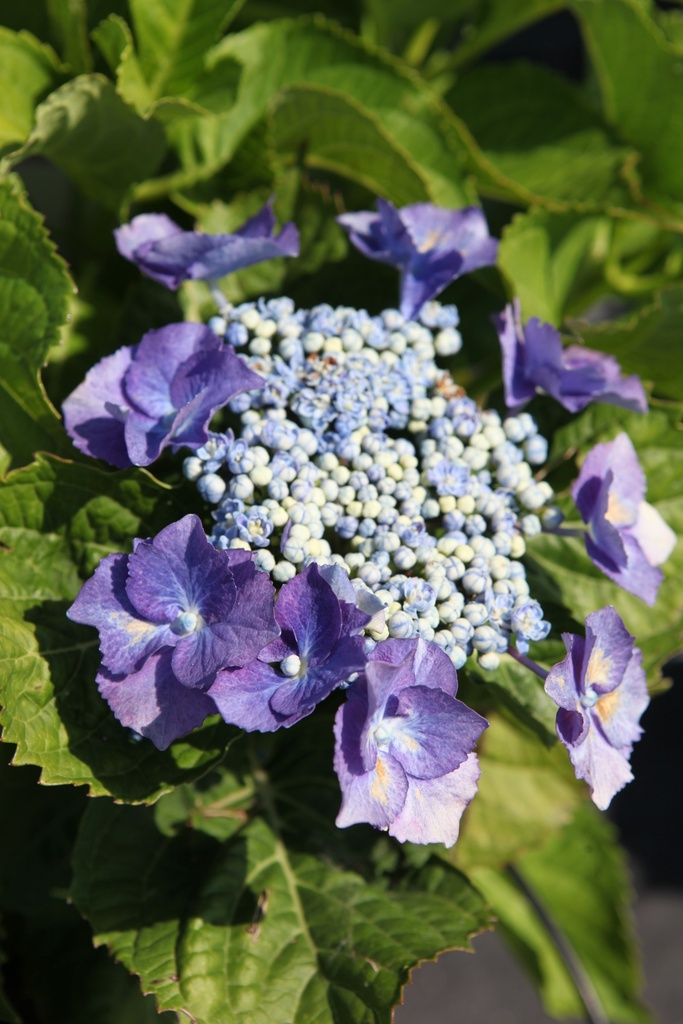
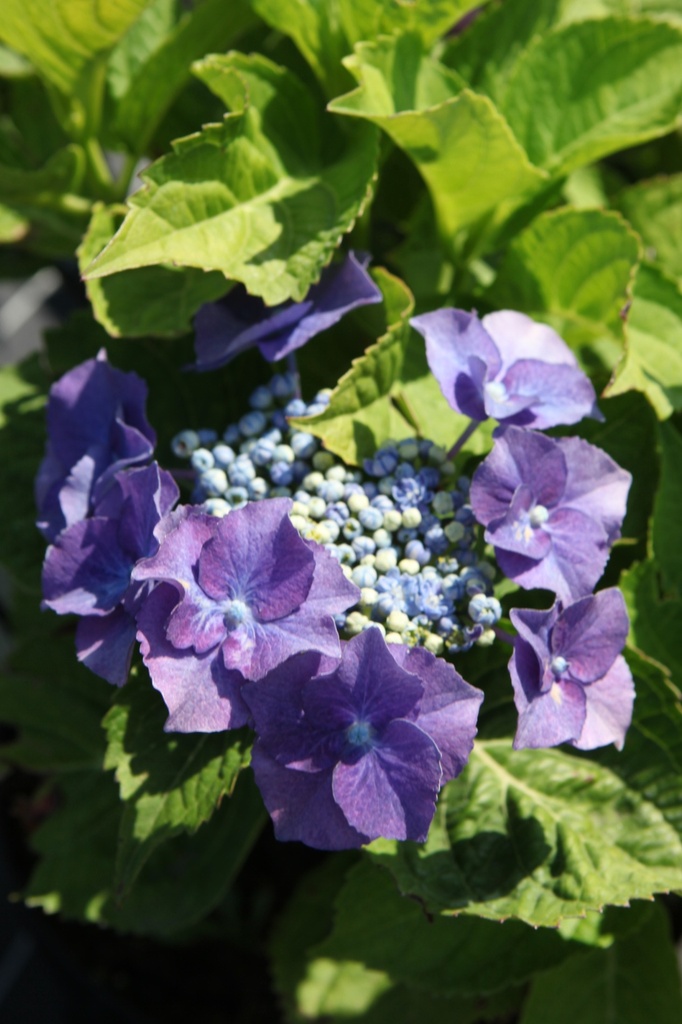
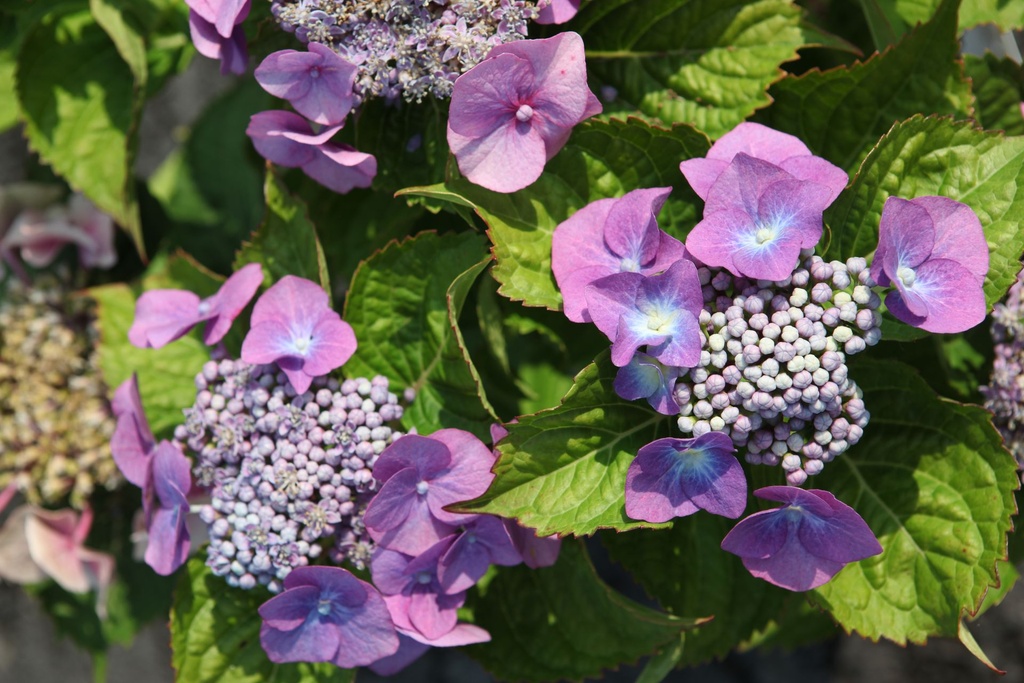
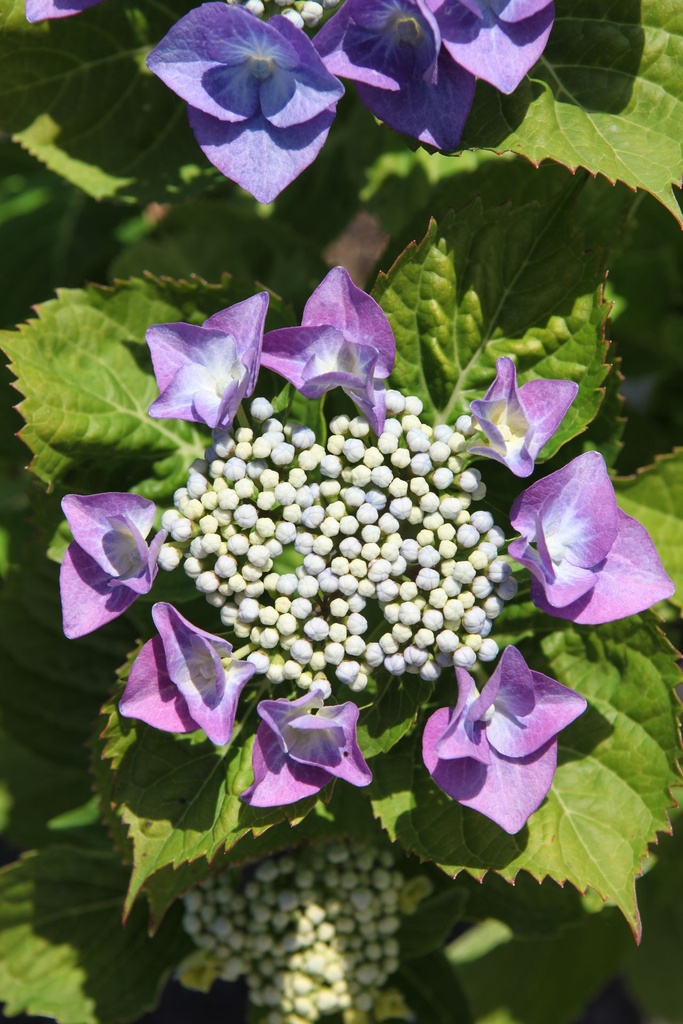
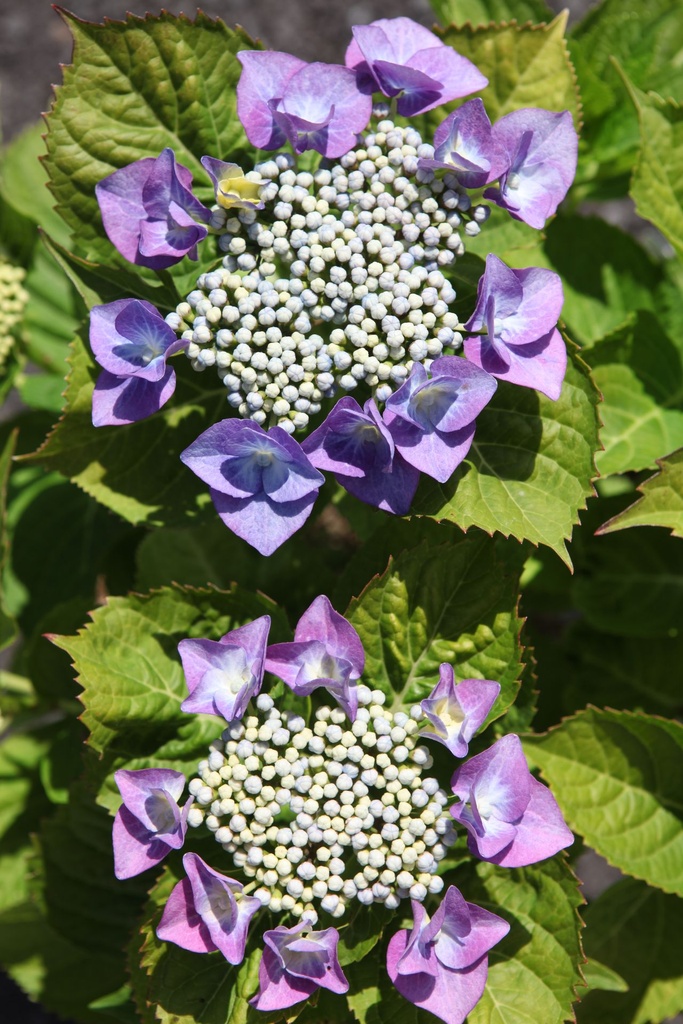
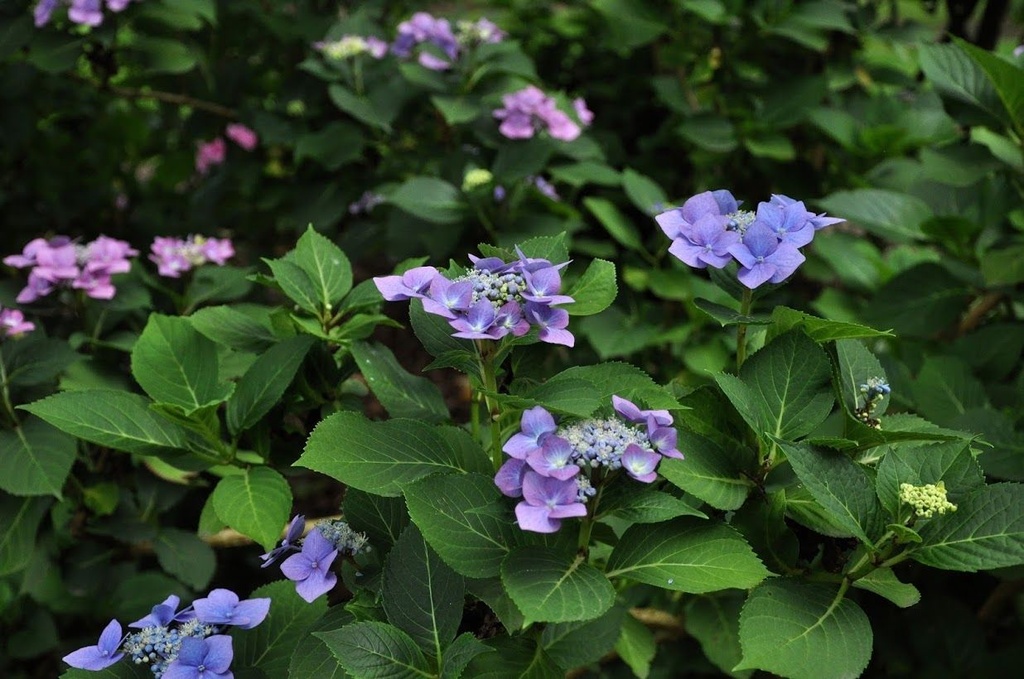
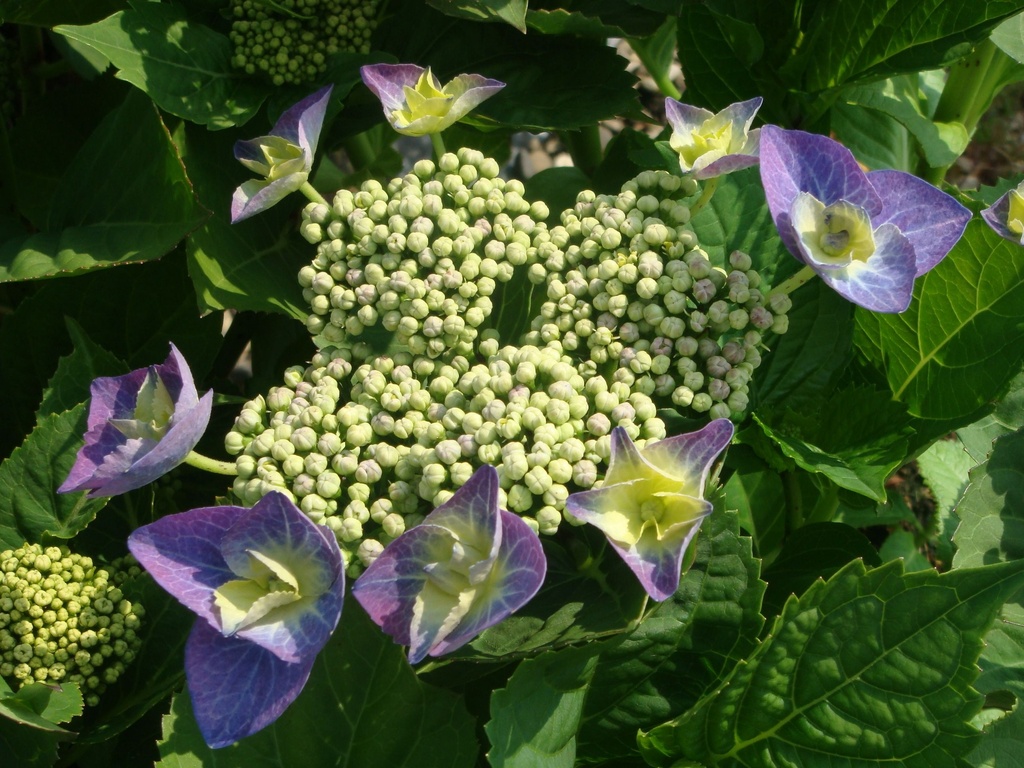
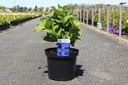
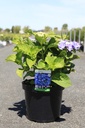
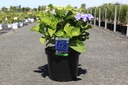
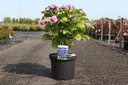
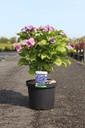
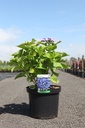
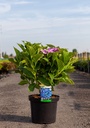
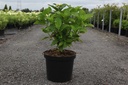
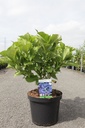
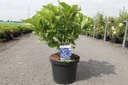
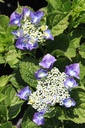
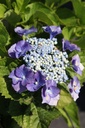
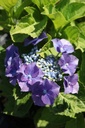
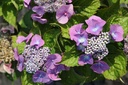
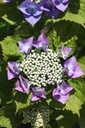
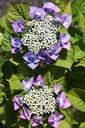
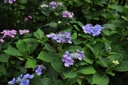
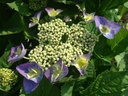
'Blaumeise' (syn. 'Blue Sky'), a Swiss lacecap from the 1979 Teller series, holds the RHS Award of Garden Merit. Tall, dependable and quick to turn blue, it has sturdy upright stems of 1.8 to 2 m that seldom splay. Each 12 to 15 cm head is ringed by about ten intense blue florets, turning pink on neutral or chalky soil.
Ortensia Hydrangea
Le ortensie sono arbusti decidui o sempreverdi e rampicanti autoaggrappanti originari dell'Asia orientale e del Nord America. Ogni infiorescenza unisce piccoli fiori fertili a fiori sterili più grandi e vistosi; a seconda della specie formano una palla, un corimbo piatto o una pannocchia appuntita. Fioriscono a lungo, da metà estate fino all'autunno, con infiorescenze che cambiano colore invecchiando, e molte specie si colorano bene anche in autunno. Le dimensioni vanno da piccoli arbusti a esemplari quasi arborei.
Hydrangea macrophylla
The bigleaf hydrangea grows wild along the low-lying east coast of Japan and is the classic garden hydrangea, with broad leaves and round mophead or flat lacecap heads. Most varieties flower in July and August, a few from June or into late autumn, and the slowly fading heads stay decorative for months. Pink varieties turn blue only in acid soil containing enough aluminium; white and red ones hardly change.
Esposizione e terreno
Happiest in partial shade with a few hours of sun, but out of the midday sun, or in dappled light beneath deep-rooted trees; in heavy shade it flops and flowers poorly. It needs acid to neutral soil that holds moisture well, as the large leaves use a lot of water. Not every variety is fully hardy and the buds are sensitive to late frost, so shelter it from east and north winds.
Potatura e cura
Flowers mainly on the previous year's wood, and next year's buds form in August just below the old heads, so never prune in autumn. In April remove the faded heads and, once the shrub is in leaf, any dead wood; on plants older than five years also cut a few of the oldest stems to the ground. Feed sparingly in March and August, and cover with fleece in hard or late frosts.
Utilizzo in giardino
A mainstay for borders, shady beds, informal hedges and foundation planting, and compact varieties do well in pots on a terrace or balcony. The flower heads are also good for cutting and drying.
Caratteristiche della pianta
Dati botanici
| Famiglia | Hydrangeaceae |
| Genere | Hydrangea |
| Specie | macrophylla |
| Cultivar | 'Blaumeise' |
Fioritura
| Periodo di fioritura | july – september |
| Colore (fiore) | pink, blue |
Fogliame
| Sempreverde | no |
| Colore (fogliame) | green |
Portamento
| Altezza | 100 cm, 150 cm |
Posizione
| Rusticità | zona 6a (fino a -23,3 °C) |
| Caldo estivo | fino alla zona di calore 9 |
| Tipo di terreno | acid |
| Esposizione | sun, half shade |
| Umidità del terreno | moist, normal |
Utilizzo
| Tipo (uso) | shrub, solitary, in group, terrace plant |
Cura
| Potatura | april |