
|
s
|
l
|
m
|
k
|
m
|
c
|
l
|
s
|
w
|
p
|
l
|
g
|
|
s
|
l
|
m
|
k
|
m
|
c
|
l
|
s
|
w
|
p
|
l
|
g
|
|
s
|
l
|
m
|
k
|
m
|
c
|
l
|
s
|
w
|
p
|
l
|
g
|
O tej roślinie
Co wyróżnia tę roślinę
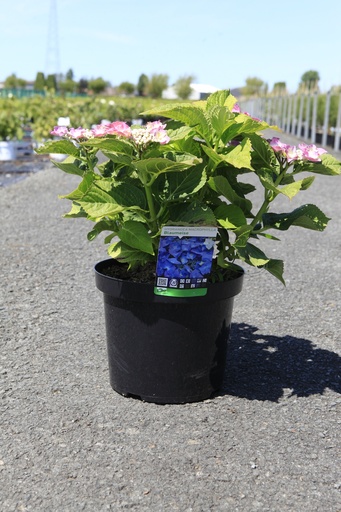
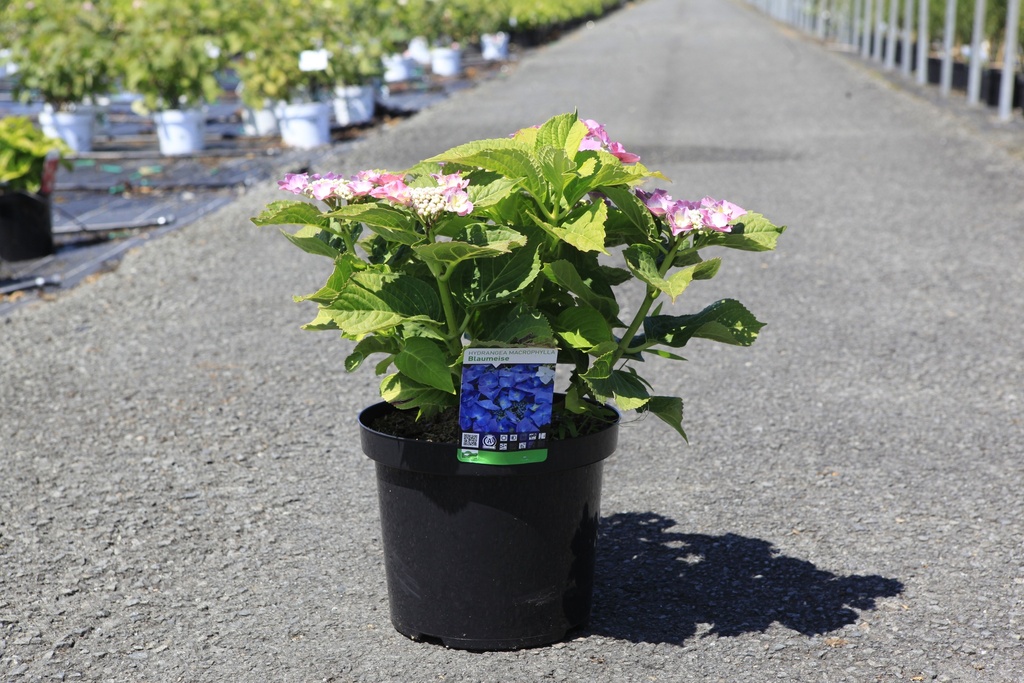
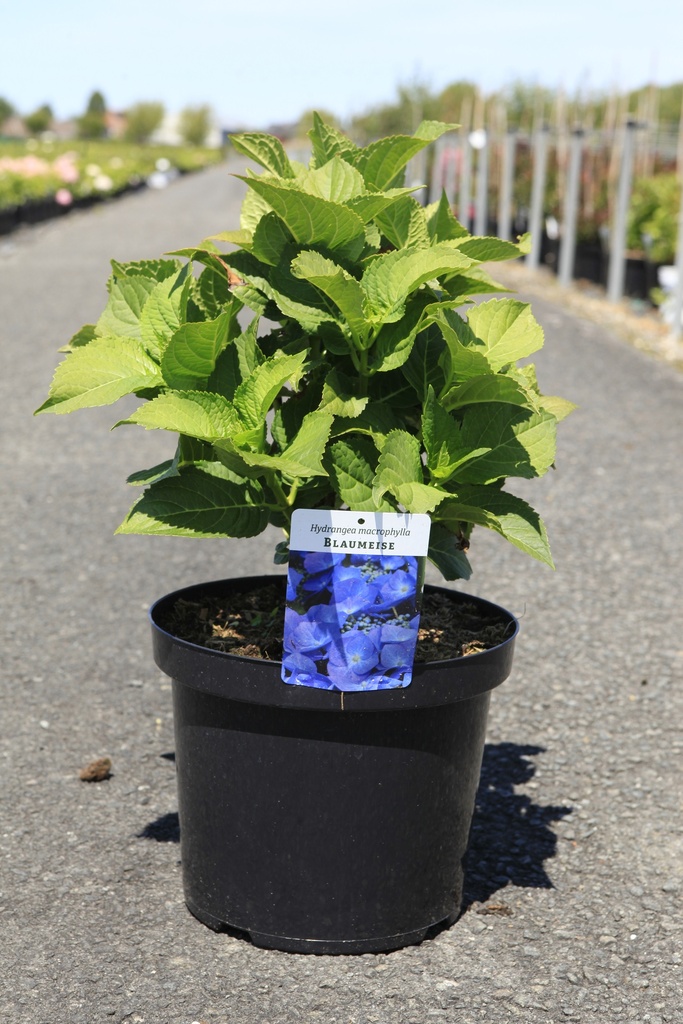
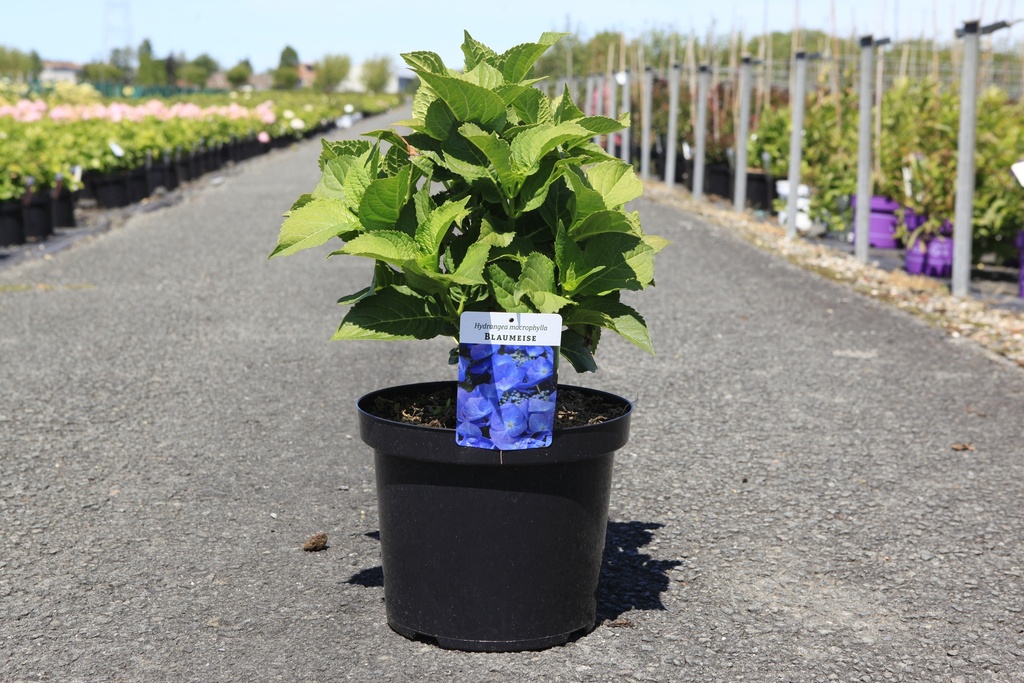
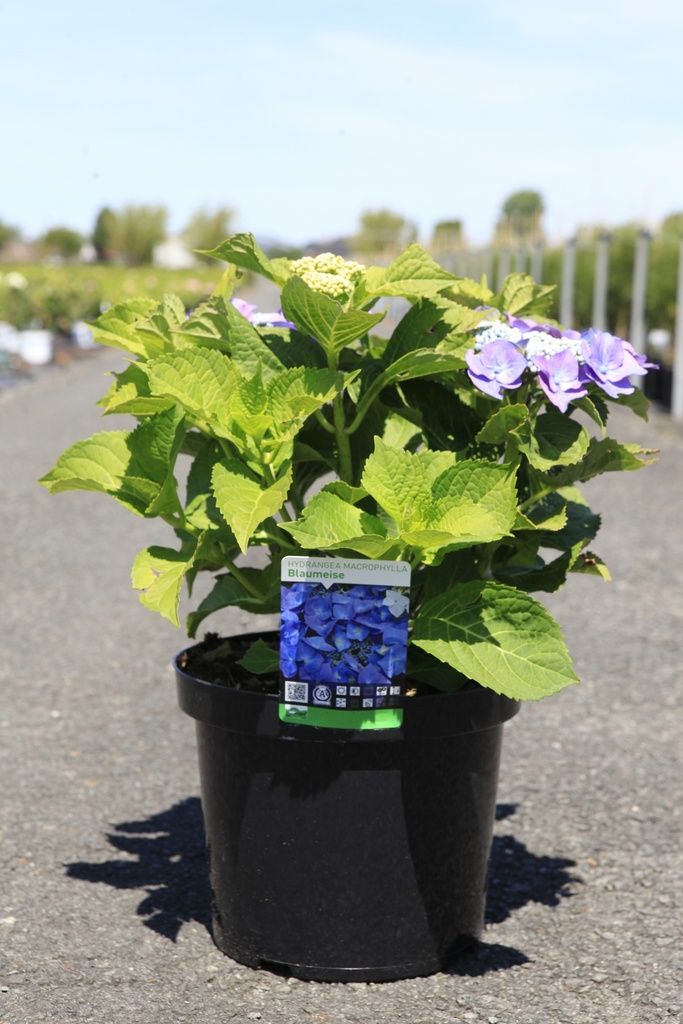
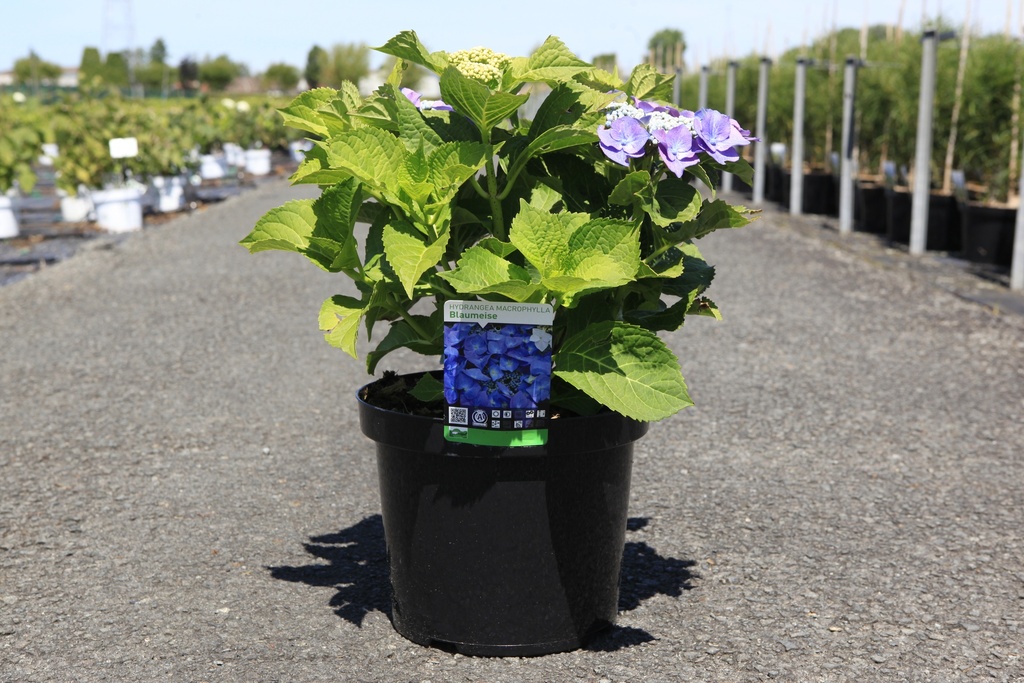
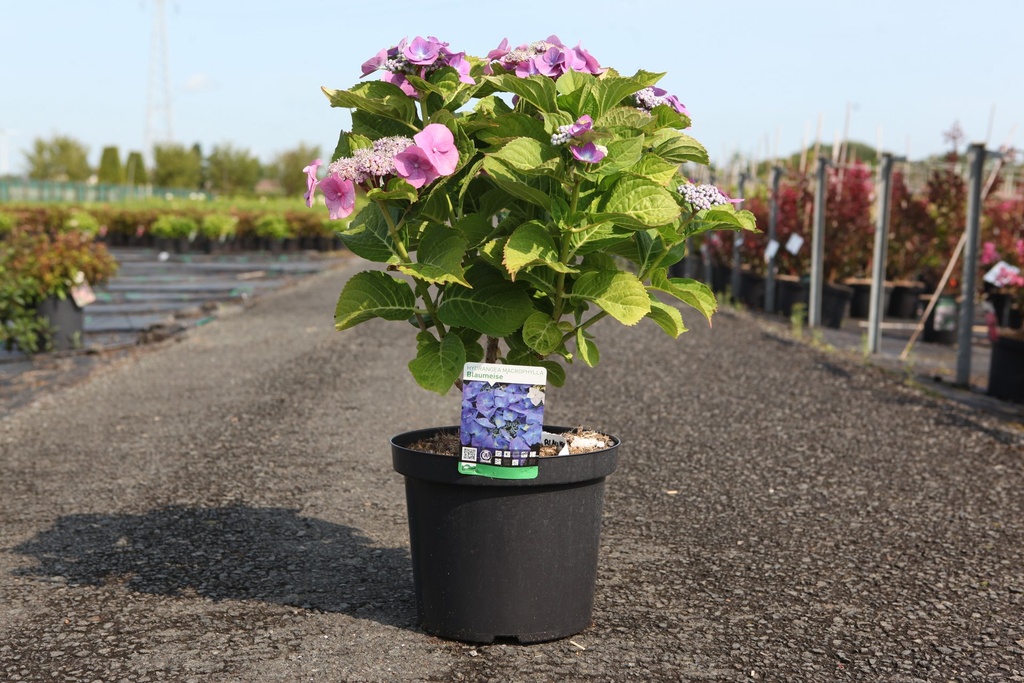
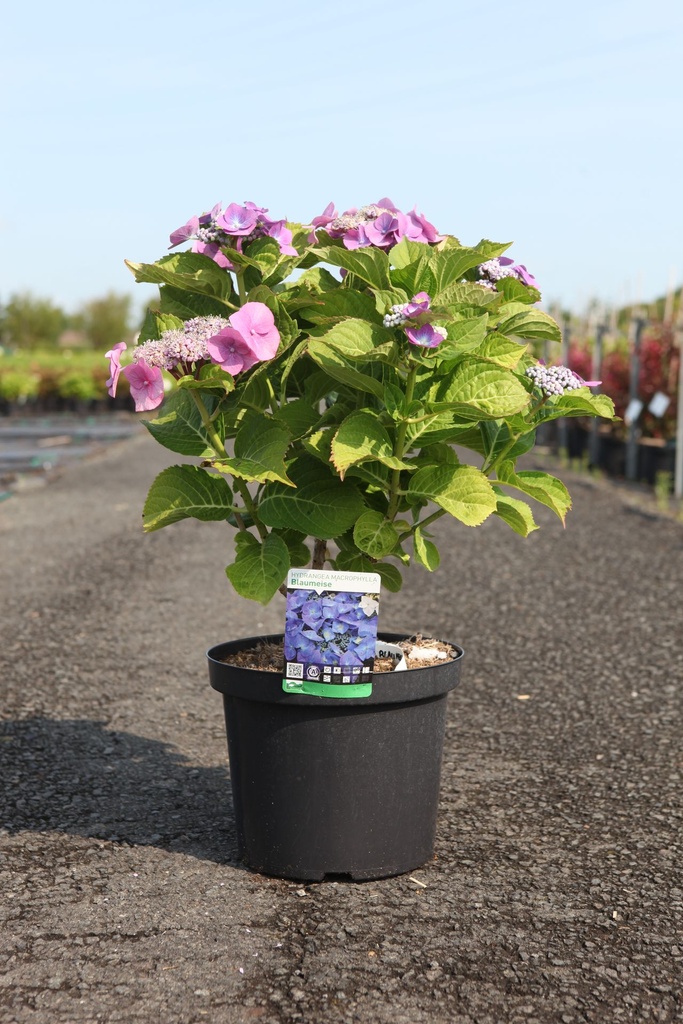
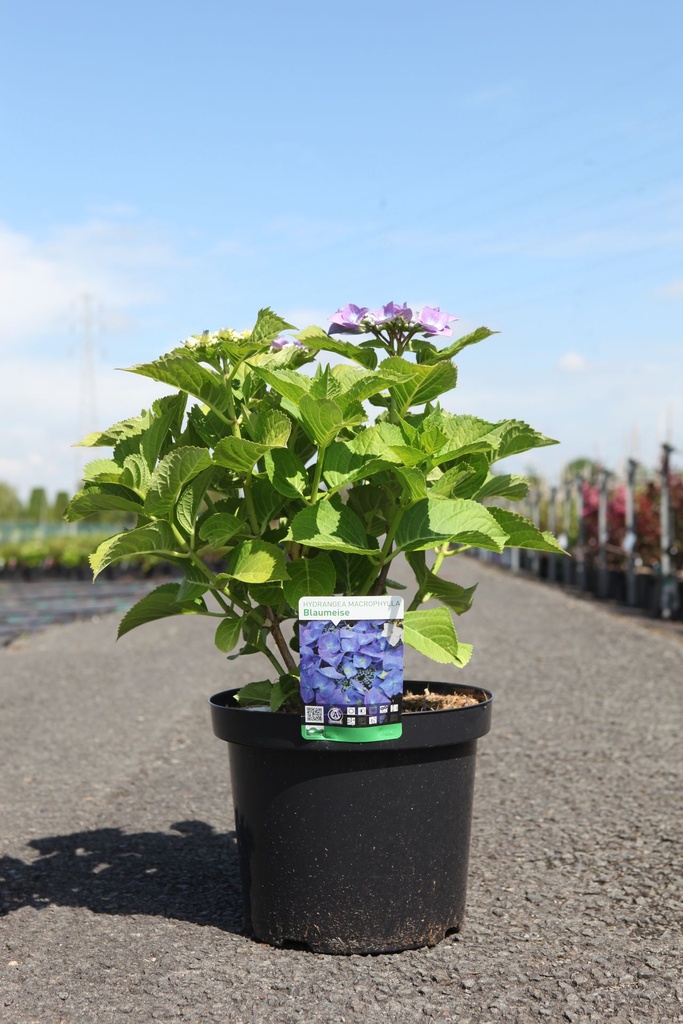
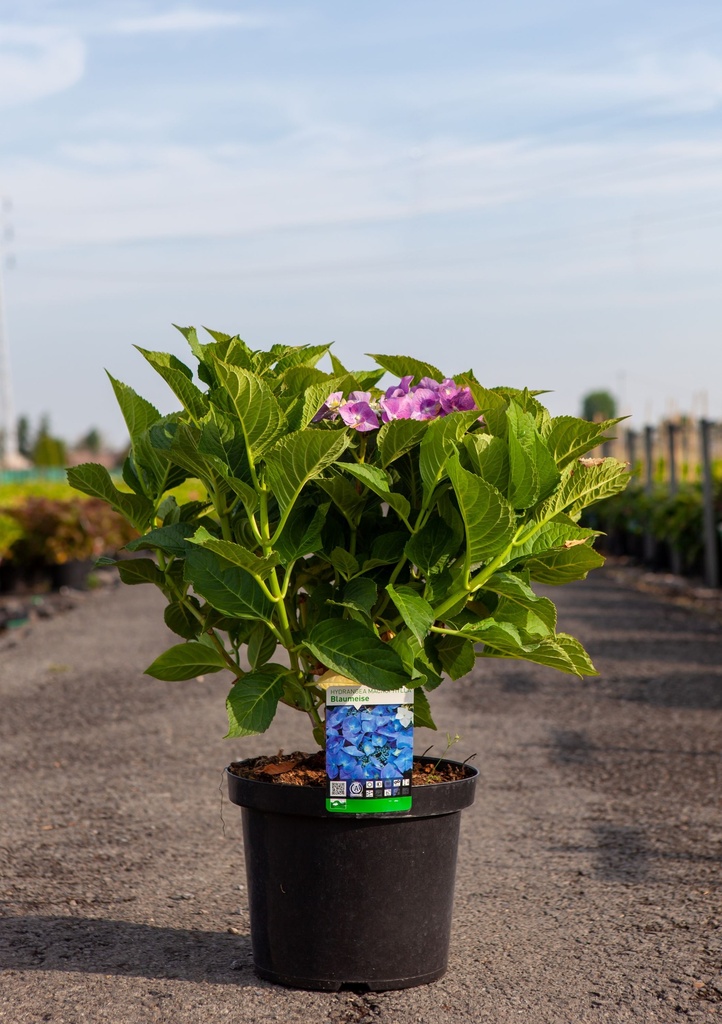
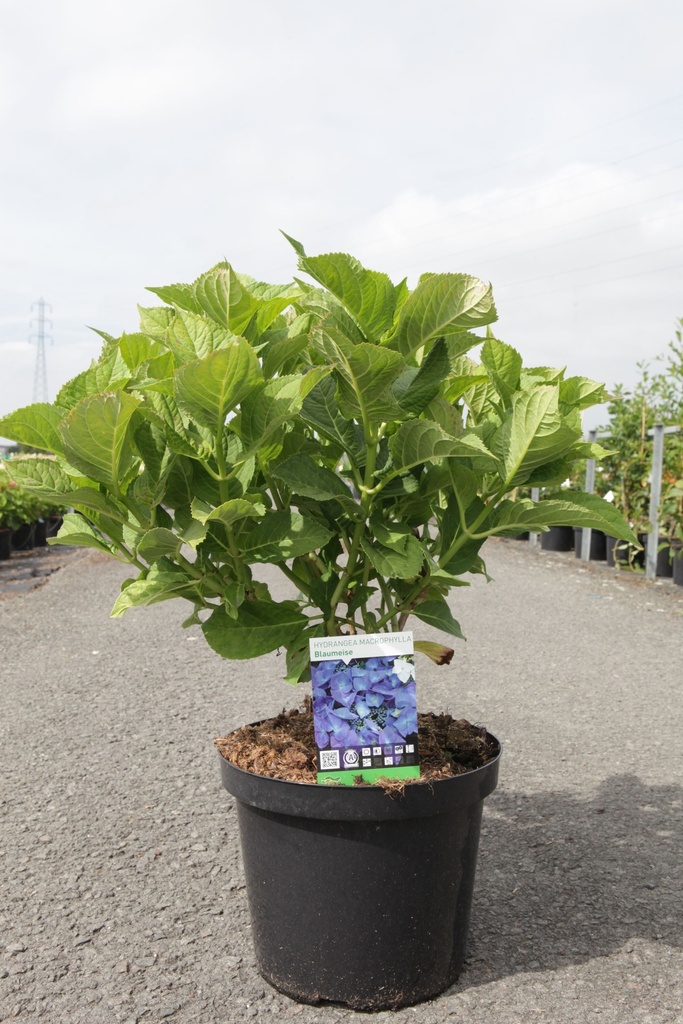
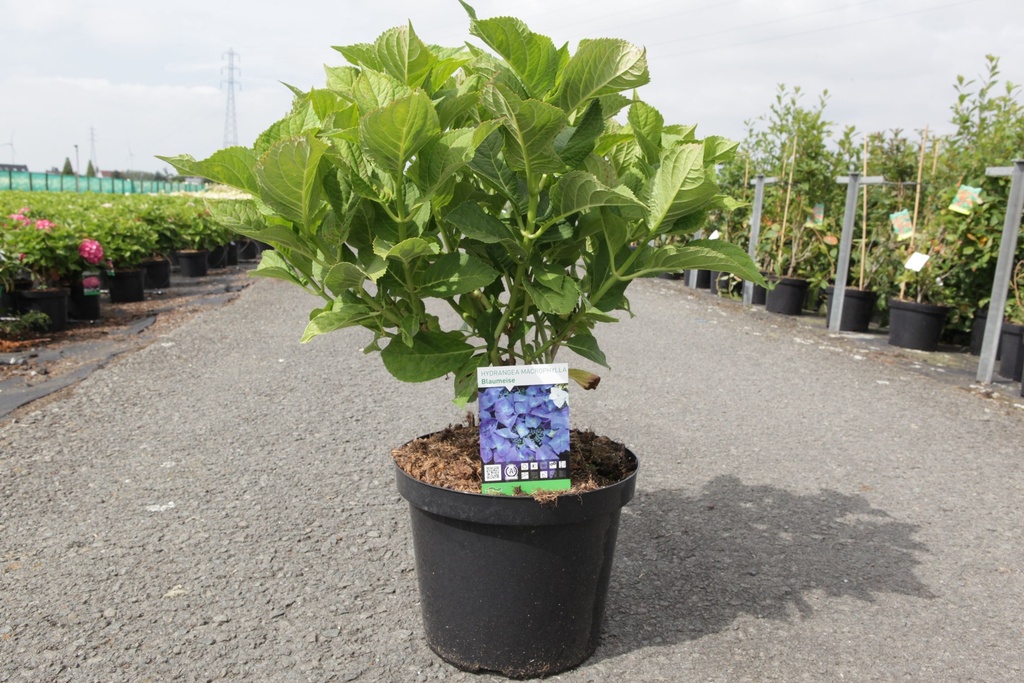
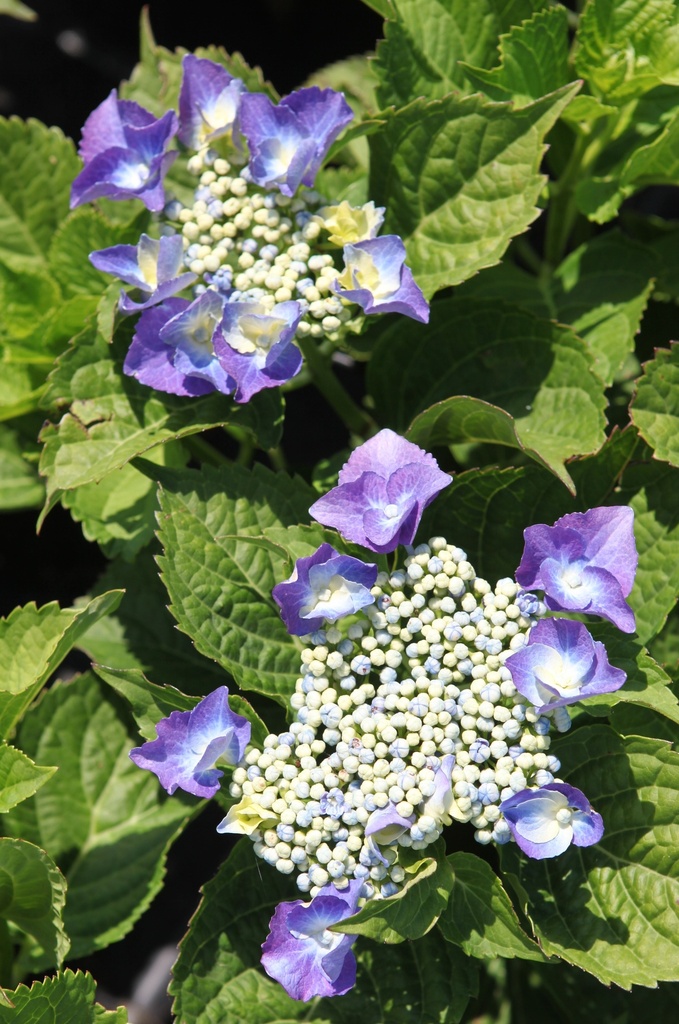
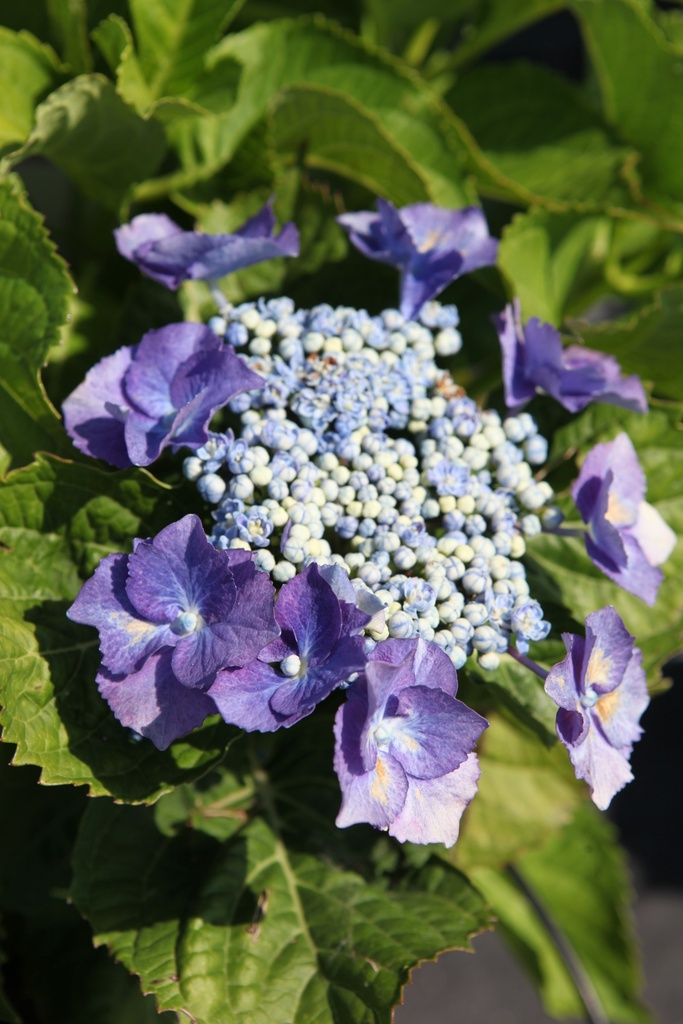
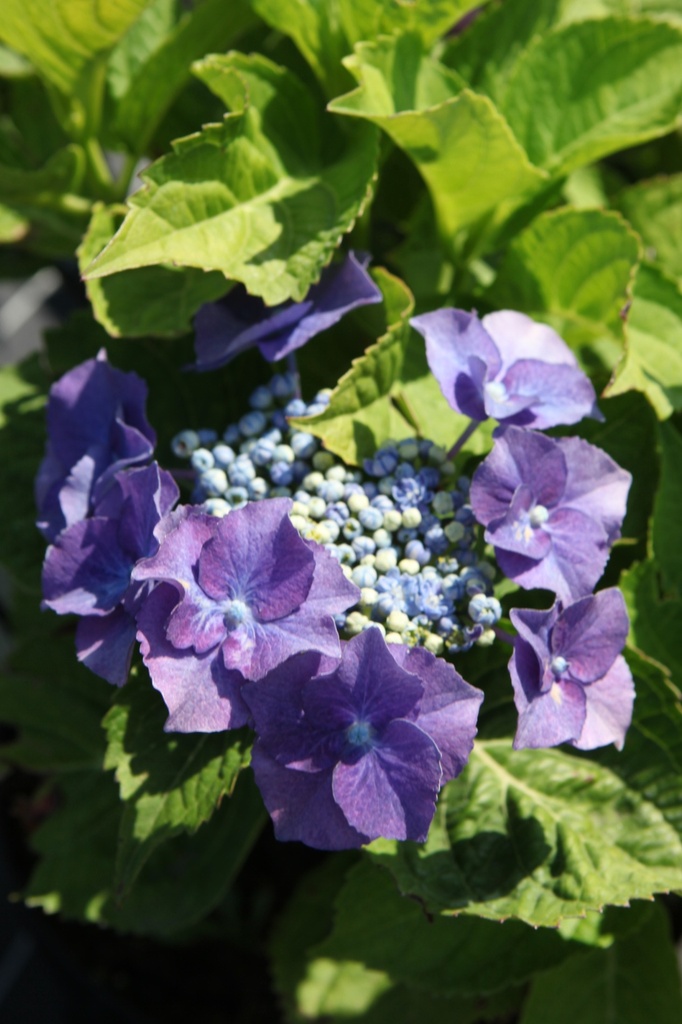
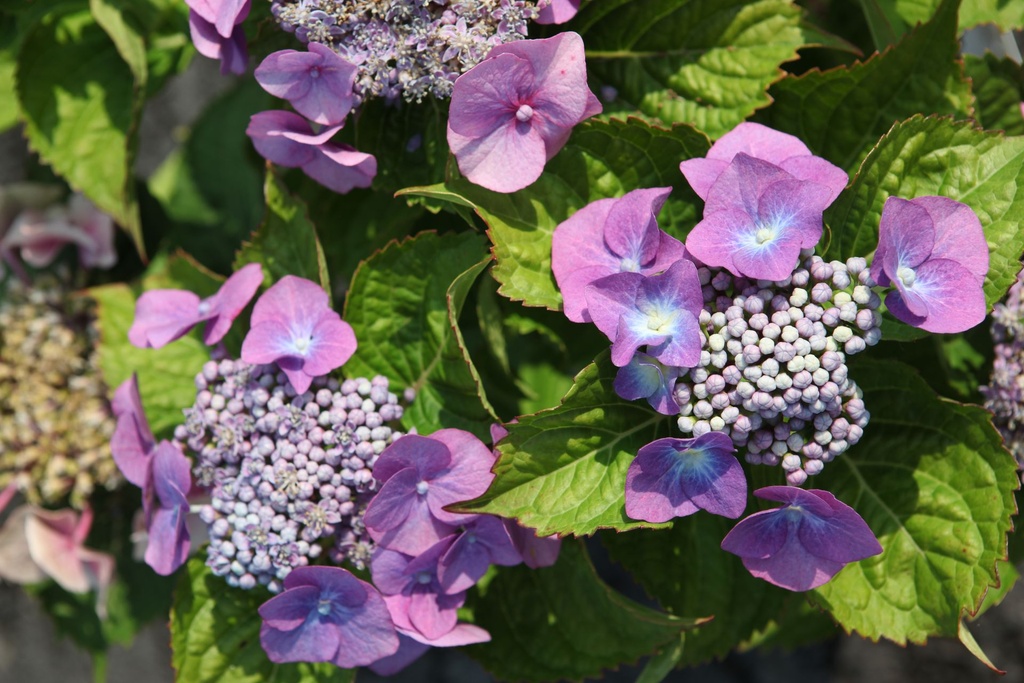
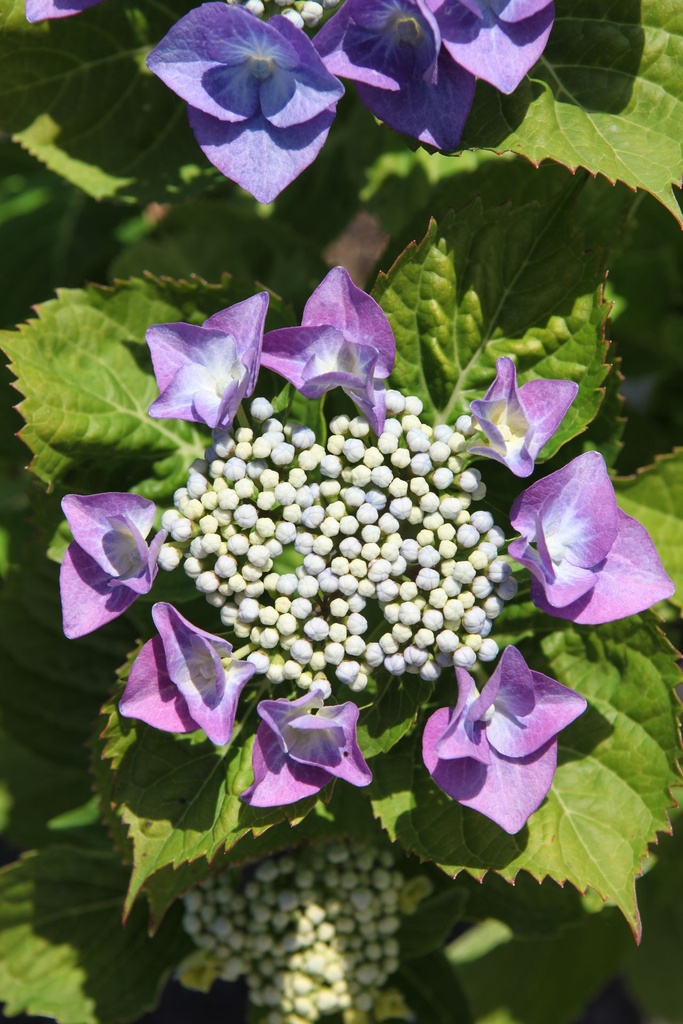
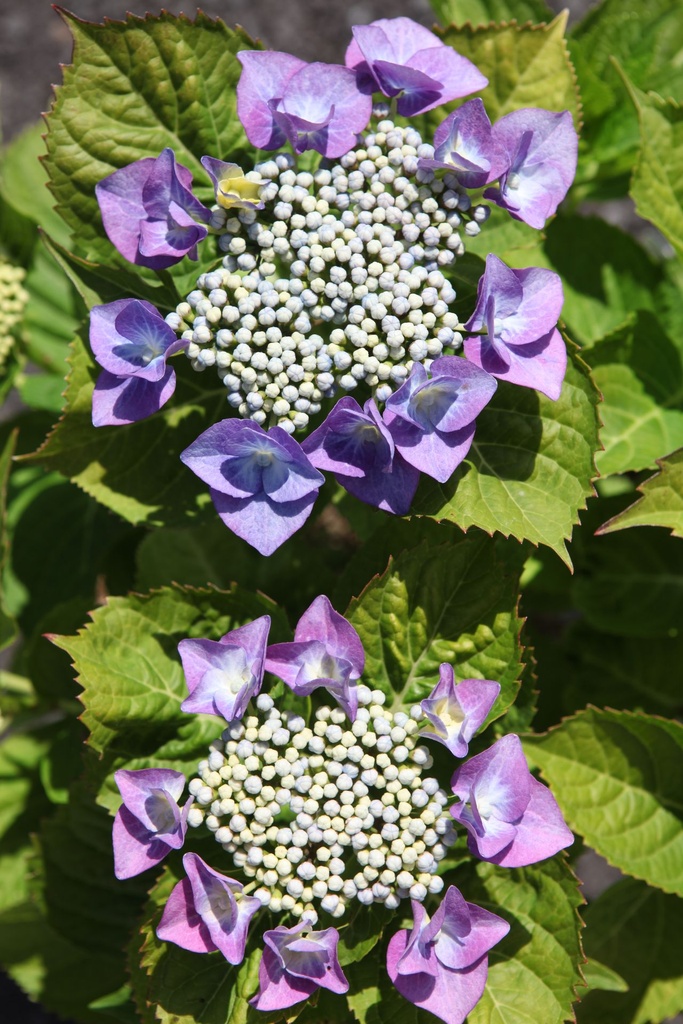
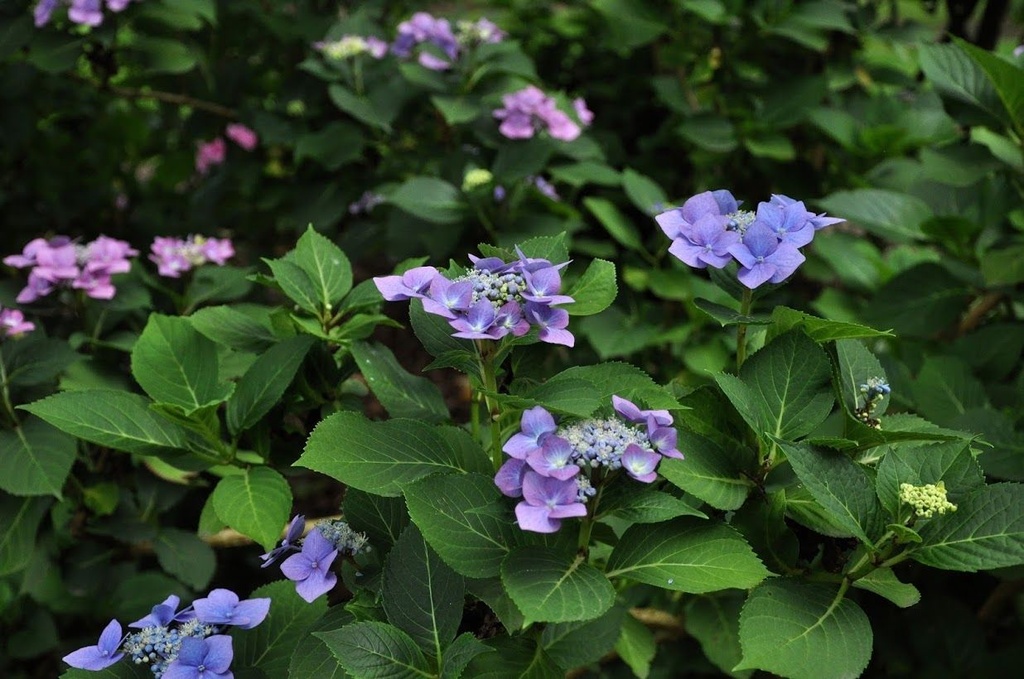
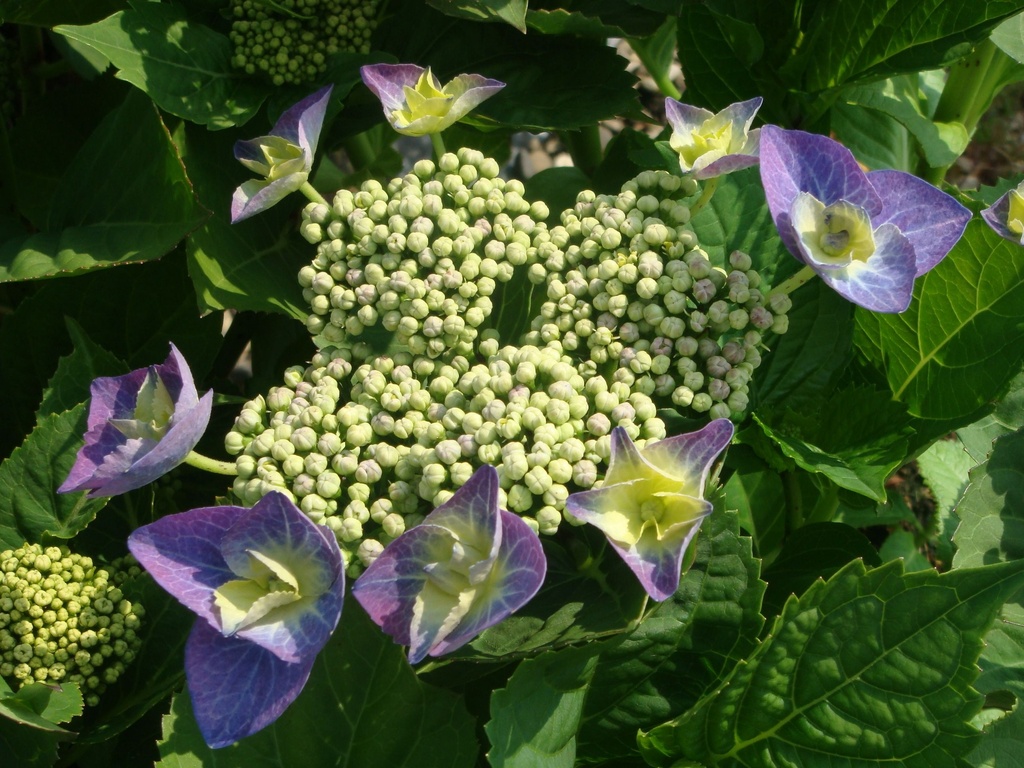
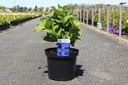
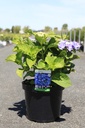
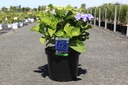
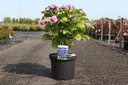
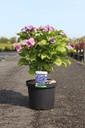
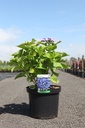
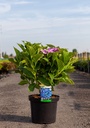
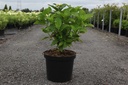
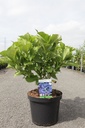
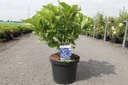
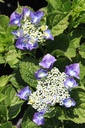
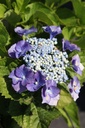
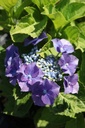
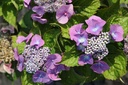
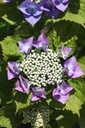
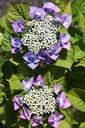
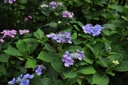
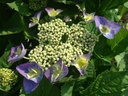
'Blaumeise' (syn. 'Blue Sky'), a Swiss lacecap from the 1979 Teller series, holds the RHS Award of Garden Merit. Tall, dependable and quick to turn blue, it has sturdy upright stems of 1.8 to 2 m that seldom splay. Each 12 to 15 cm head is ringed by about ten intense blue florets, turning pink on neutral or chalky soil.
Hortensja Hydrangea
Hortensje to krzewy zrzucające liście lub zimozielone oraz samoczepne pnącza pochodzące z Azji Wschodniej i Ameryki Północnej. Każdy kwiatostan łączy drobne kwiaty płodne z większymi, okazałymi kwiatami płonnymi; zależnie od gatunku tworzą kulę, płaską tarczę lub spiczastą wiechę. Kwitną długo, od pełni lata do jesieni, a kwiatostany zmieniają barwę z wiekiem; wiele gatunków ładnie przebarwia się też jesienią. Rozmiary sięgają od niewielkich krzewów po okazy niemal drzewiaste.
Hydrangea macrophylla
The bigleaf hydrangea grows wild along the low-lying east coast of Japan and is the classic garden hydrangea, with broad leaves and round mophead or flat lacecap heads. Most varieties flower in July and August, a few from June or into late autumn, and the slowly fading heads stay decorative for months. Pink varieties turn blue only in acid soil containing enough aluminium; white and red ones hardly change.
Stanowisko i gleba
Happiest in partial shade with a few hours of sun, but out of the midday sun, or in dappled light beneath deep-rooted trees; in heavy shade it flops and flowers poorly. It needs acid to neutral soil that holds moisture well, as the large leaves use a lot of water. Not every variety is fully hardy and the buds are sensitive to late frost, so shelter it from east and north winds.
Przycinanie i pielęgnacja
Flowers mainly on the previous year's wood, and next year's buds form in August just below the old heads, so never prune in autumn. In April remove the faded heads and, once the shrub is in leaf, any dead wood; on plants older than five years also cut a few of the oldest stems to the ground. Feed sparingly in March and August, and cover with fleece in hard or late frosts.
Zastosowanie w ogrodzie
A mainstay for borders, shady beds, informal hedges and foundation planting, and compact varieties do well in pots on a terrace or balcony. The flower heads are also good for cutting and drying.
Cechy rośliny
Dane botaniczne
| Rodzina | Hydrangeaceae |
| Rodzaj | Hydrangea |
| Gatunek | macrophylla |
| Odmiana | 'Blaumeise' |
Kwitnienie
| Okres kwitnienia | july – september |
| Kolor (kwiat) | pink, blue |
Liście
| Zimozielony | no |
| Kolor (liście) | green |
Pokrój
| Wysokość | 100 cm, 150 cm |
Stanowisko
| Mrozoodporność | strefa 6a (do -23,3 °C) |
| Upały letnie | do strefy upałów 9 |
| Rodzaj gleby | acid |
| Stanowisko | sun, half shade |
| Wilgotność gleby | moist, normal |
Zastosowanie
| Typ (zastosowanie) | shrub, solitary, in group, terrace plant |
Pielęgnacja
| Cięcie | april |