




|
G
|
F
|
M
|
A
|
M
|
G
|
L
|
A
|
S
|
O
|
N
|
D
|
|
G
|
F
|
M
|
A
|
M
|
G
|
L
|
A
|
S
|
O
|
N
|
D
|
|
G
|
F
|
M
|
A
|
M
|
G
|
L
|
A
|
S
|
O
|
N
|
D
|
Informazioni su questa pianta
Cosa rende speciale questa pianta
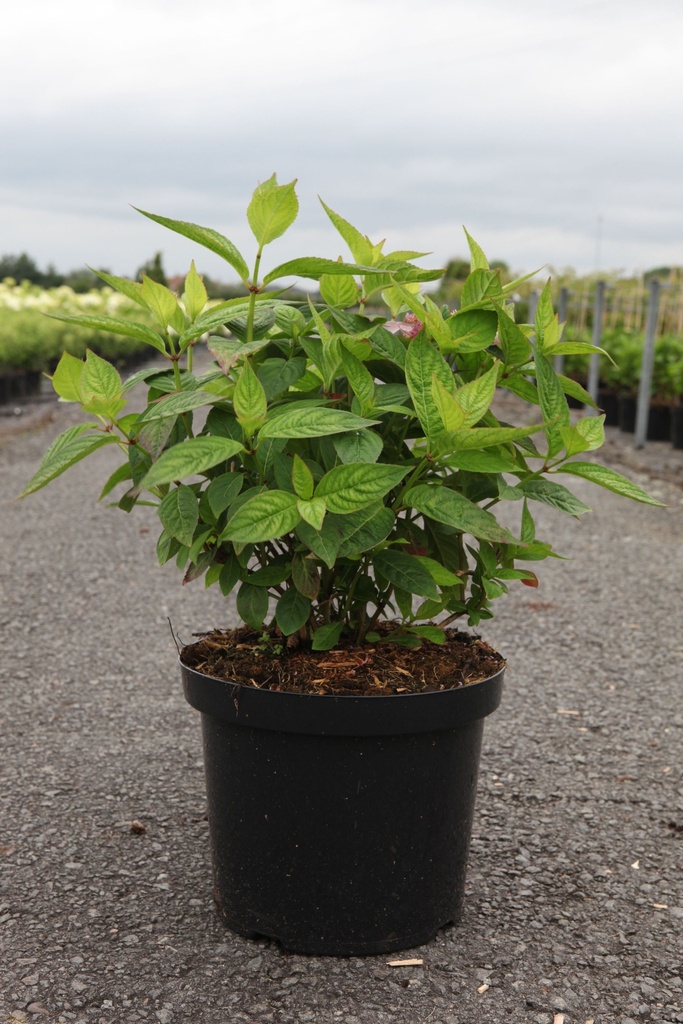
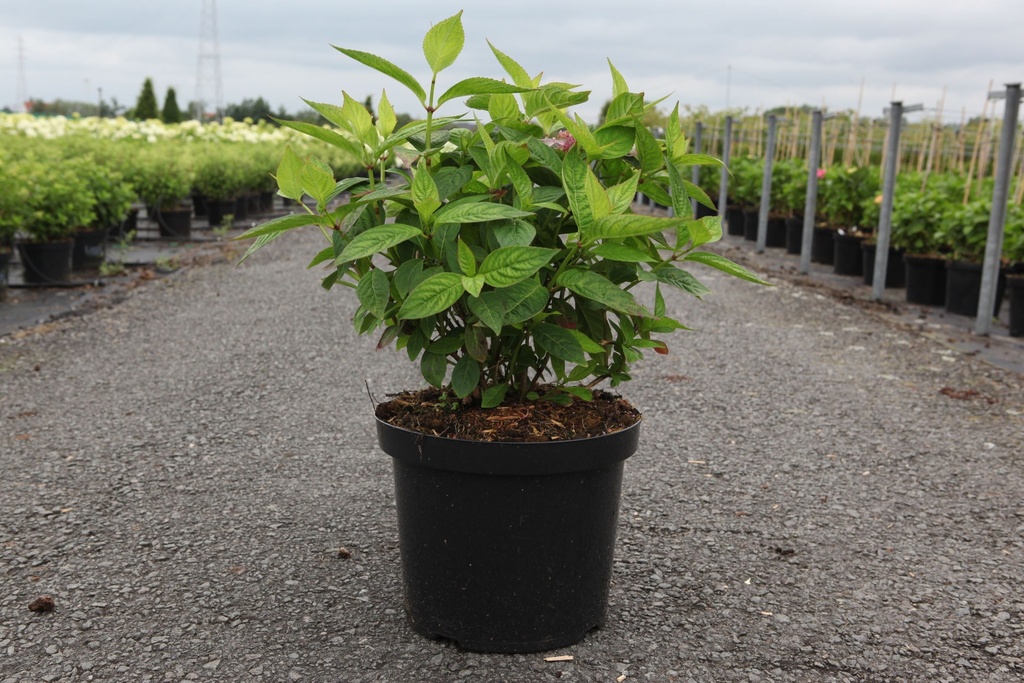
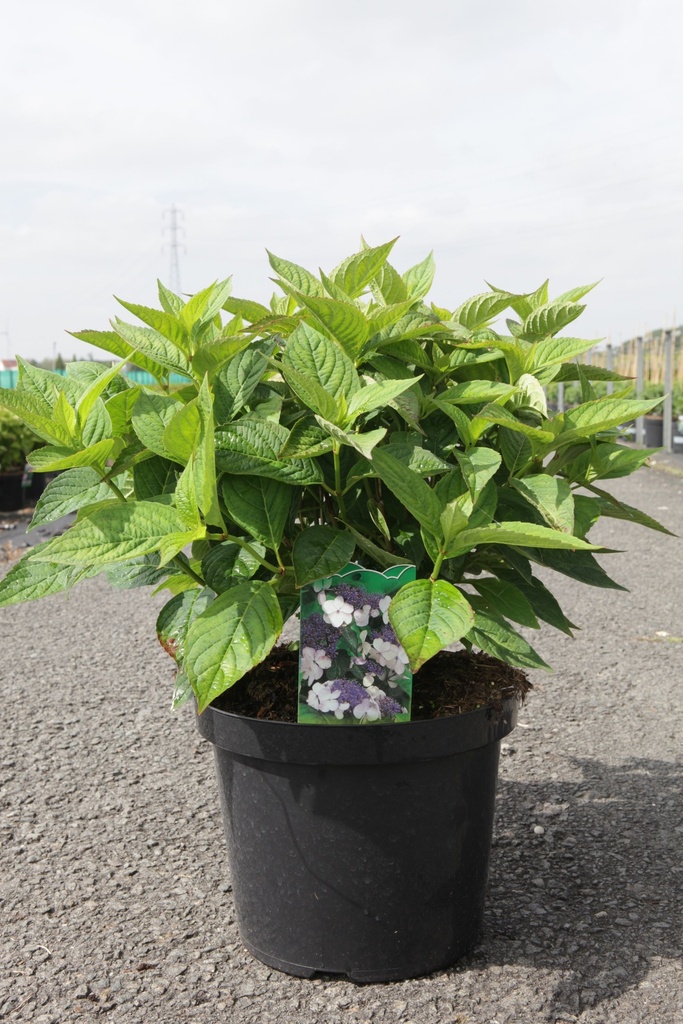
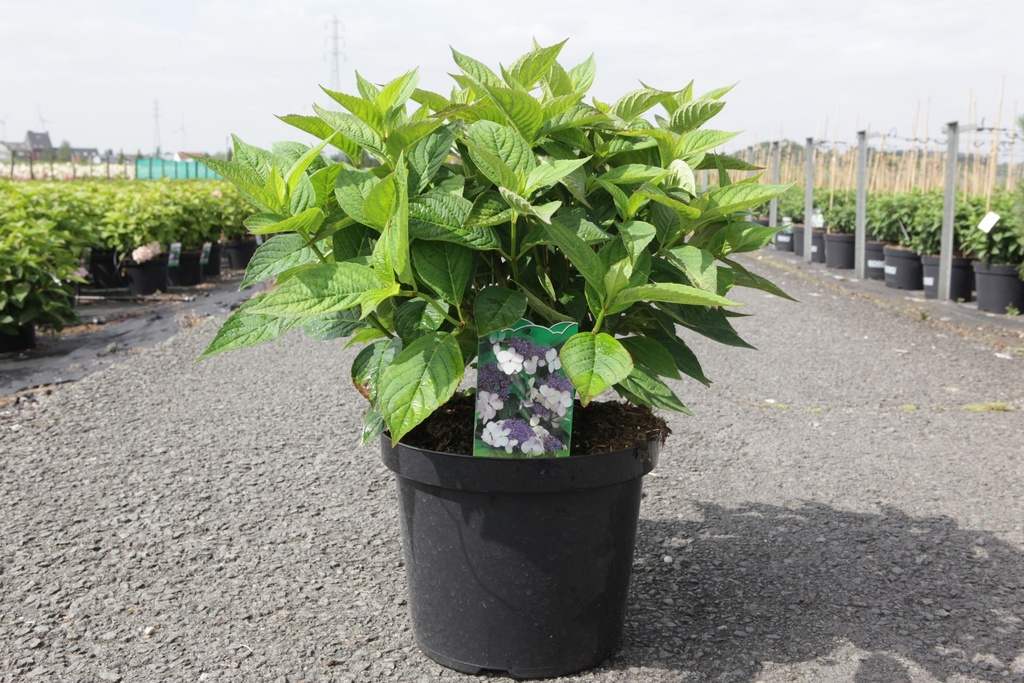
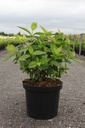
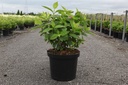
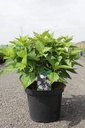
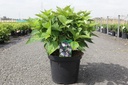
'Bluebird' is a Japanese selection from before 1940 that won the RHS Award of Garden Merit in 1993 and is known as hardy and free of disease. Its flat heads have almost diamond-shaped sterile florets with untoothed edges around a core of slightly darker fertile flowers; soil decides the colour: soft blue if acid, pink if near neutral.
Ortensia Hydrangea
Le ortensie sono arbusti decidui o sempreverdi e rampicanti autoaggrappanti originari dell'Asia orientale e del Nord America. Ogni infiorescenza unisce piccoli fiori fertili a fiori sterili più grandi e vistosi; a seconda della specie formano una palla, un corimbo piatto o una pannocchia appuntita. Fioriscono a lungo, da metà estate fino all'autunno, con infiorescenze che cambiano colore invecchiando, e molte specie si colorano bene anche in autunno. Le dimensioni vanno da piccoli arbusti a esemplari quasi arborei.
Hydrangea serrata
The mountain hydrangea (Hydrangea serrata) comes from the mountain woods of Japan and Korea. It is a compact, slow-growing deciduous shrub, usually about 1 to 1.5 m, with narrower, finely toothed and often darker leaves than the common hydrangea. From June to September it carries mostly flat lacecap heads, sometimes rounded, in blue, mauve, pink or white, and the foliage often colours in autumn.
Esposizione e terreno
Plant in partial shade with some morning or evening sun but no full midday sun; four to five hours of sun a day bring out the red autumn colour, while deep shade gives few flowers. It wants acid to neutral, humus-rich soil that stays moist; in acid soil many forms flower blue. Native to mountains at 500 to over 2,000 m, it is fully hardy in Belgium.
Potatura e cura
Flowers on the previous year's wood, and next year's buds form in August just below the old heads, so never prune in autumn or cut back hard. In April remove the faded heads and, once the shrub is in leaf, cut out dead wood and a few of the oldest stems at the base. Water in dry spells, ideally with rainwater, and mulch in spring.
Utilizzo in giardino
Thanks to its compact size it suits small gardens, shady borders, woodland edges and containers on a shaded terrace. It combines well with hostas, ferns, epimediums and Japanese anemones, and can also be used for a low, informal flowering hedge.
Caratteristiche della pianta
Dati botanici
| Famiglia | Hydrangeaceae |
| Genere | Hydrangea |
| Specie | serrata |
| Cultivar | 'Bluebird' |
Fioritura
| Periodo di fioritura | july – august |
| Colore (fiore) | blue |
Fogliame
| Sempreverde | no |
| Colore (fogliame) | green |
| Colore autunnale | red |
Portamento
| Altezza | 100 cm |
Posizione
| Rusticità | zona 6a (fino a -23,3 °C) |
| Caldo estivo | fino alla zona di calore 9 |
| Esposizione | sun, half shade |
| Umidità del terreno | moist, normal |
Utilizzo
| Tipo (uso) | shrub, solitary, in group |
Cura
| Potatura | april |

