



|
G
|
F
|
M
|
A
|
M
|
G
|
L
|
A
|
S
|
O
|
N
|
D
|
|
G
|
F
|
M
|
A
|
M
|
G
|
L
|
A
|
S
|
O
|
N
|
D
|
|
G
|
F
|
M
|
A
|
M
|
G
|
L
|
A
|
S
|
O
|
N
|
D
|
Informazioni su questa pianta
Cosa rende speciale questa pianta
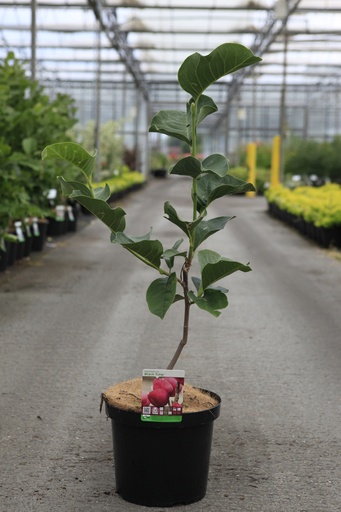
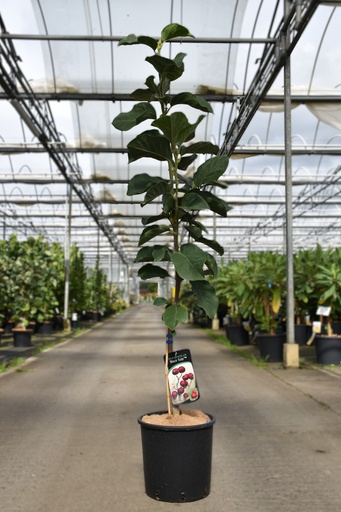
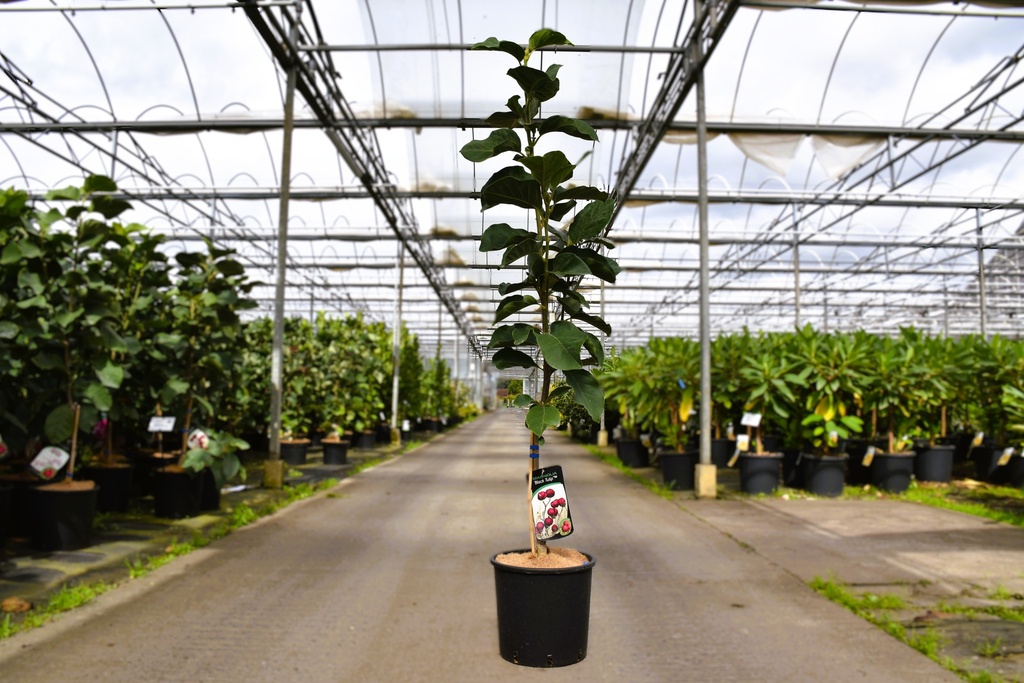
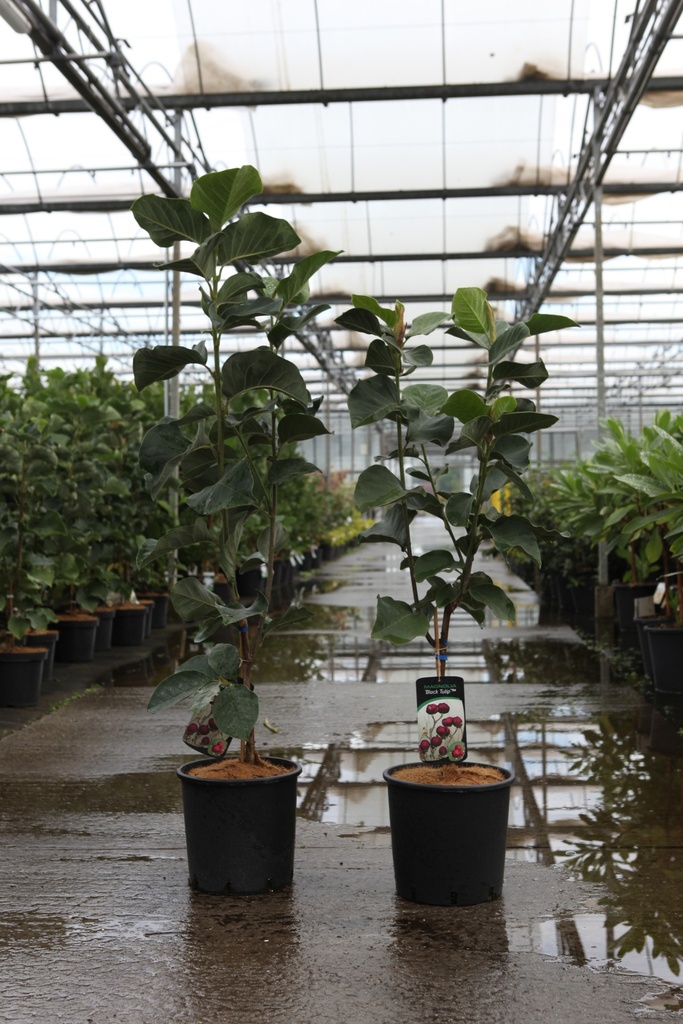
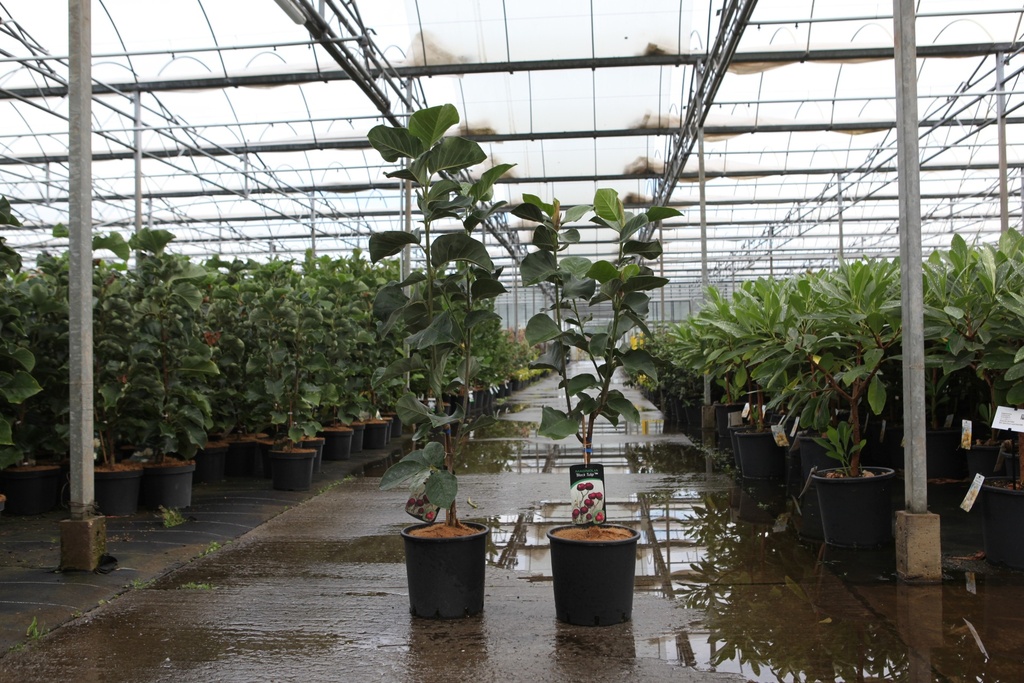
BLACK TULIP® ('Jurmag1'), bred by Mark Jury in New Zealand, has an intensely dark purple flower colour that few other magnolias can match. Its goblet-shaped blooms, about 15 cm across, appear in March and April, even on young plants. Well branched from the base, it remains a compact shrub of around 2 m tall and 1.5 m wide.
Magnolia
Le magnolie (Magnolia) sono alberi e arbusti dell'Asia orientale e delle Americhe, circa 330 specie in tutto. Nei giardini si coltivano soprattutto le specie decidue dell'Asia orientale e i loro ibridi, che in primavera aprono sui rami nudi grandi fiori bianchi, rosa o porpora, a forma di stella, di coppa o di calice e spesso profumati. Altre specie fioriscono in estate, e alcune sono sempreverdi, con foglie scure e lucide.
Esposizione e terreno
Magnolias like sun or partial shade in a spot sheltered from cold winds, as late frosts can damage the early flowers. They need deep, humus-rich soil that stays moist but drains well and is neutral to slightly acid; most species dislike lime. Most are hardy in our climate and tolerate urban air pollution well.
Potatura e cura
The fleshy roots are fragile and shallow, so plant carefully at the original depth and do not move an established plant. Water young plants regularly and mulch the root zone. Regular pruning is not needed; if desired, prune lightly every few years after flowering, in July–August, to remove dead or crossing branches.
Utilizzo in giardino
Magnolias make striking specimens on a lawn or above lower shrubs, and combine well with rhododendrons, camellias and Japanese maples on lime-free soil. Compact types suit small gardens and large containers on a terrace. Underplant with spring bulbs, but keep other shrubs away from the shallow root zone.
Caratteristiche della pianta
Dati botanici
| Famiglia | Magnoliaceae |
| Genere | Magnolia |
| Cultivar | 'Jurmag1' |
| Nome commerciale | Black Tulip (PBR) |
Fioritura
| Periodo di fioritura | april – may |
| Colore (fiore) | red, black |
Fogliame
| Sempreverde | no |
| Colore (fogliame) | green |
Portamento
| Altezza | 200 cm, 300 cm |
Posizione
| Rusticità | zona 6a (fino a -23,3 °C) |
| Caldo estivo | fino alla zona di calore 8 |
| Tipo di terreno | acid |
| Esposizione | sun |
| Umidità del terreno | moist |
Utilizzo
| Tipo (uso) | shrub, solitary |
Cura
| Potatura | july – august |
Privativa vegetale
Magnolia 'Jurmag1' BLACK TULIP (PBR) is subject to European Plant Breeders Rights under nr. 20030226. Asexual propagation and/or use of the trademark without license are prohibited.