
|
s
|
l
|
m
|
k
|
m
|
c
|
l
|
s
|
w
|
p
|
l
|
g
|
|
s
|
l
|
m
|
k
|
m
|
c
|
l
|
s
|
w
|
p
|
l
|
g
|
|
s
|
l
|
m
|
k
|
m
|
c
|
l
|
s
|
w
|
p
|
l
|
g
|
O tej roślinie
Laburnum
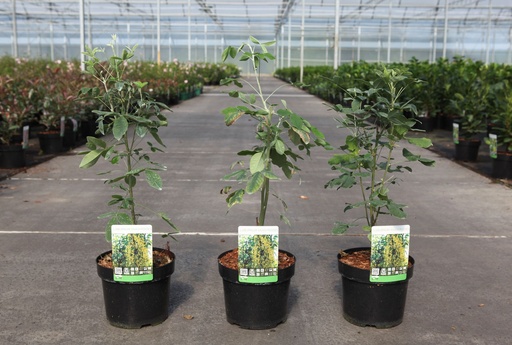
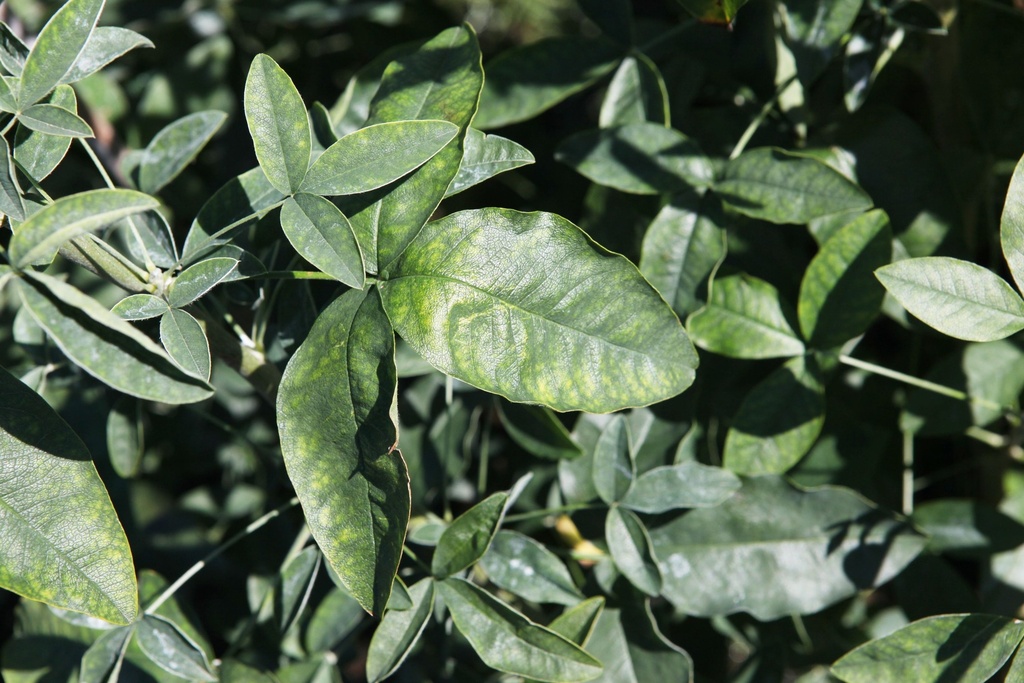
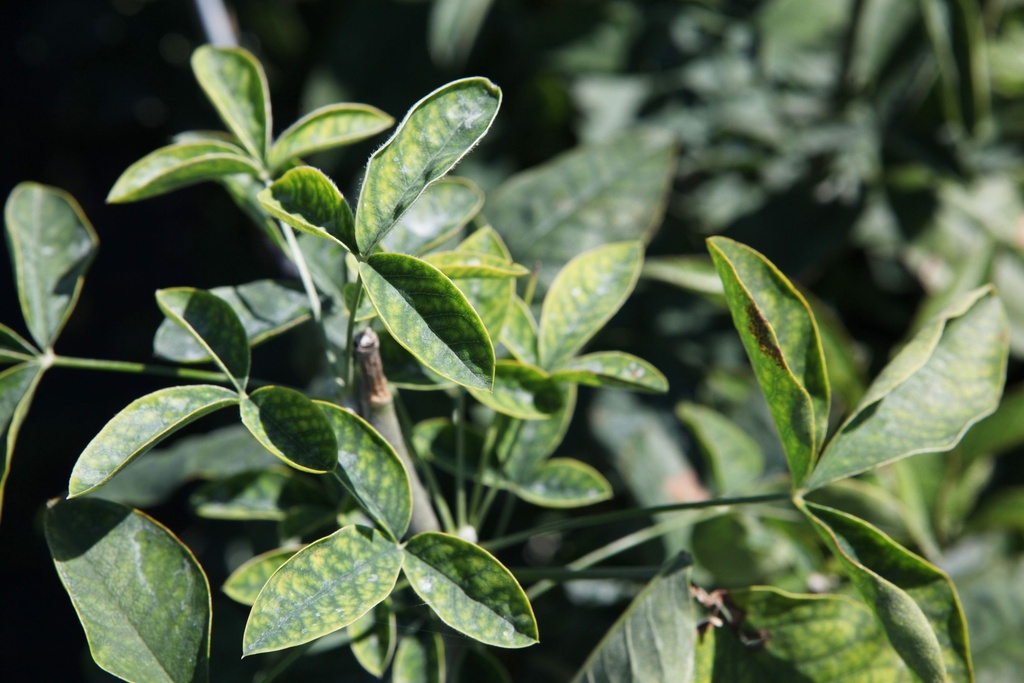
Golden chain trees (Laburnum) are small deciduous trees from the mountains of central and southern Europe. They belong to the pea family and are loved for the long, hanging clusters of bright yellow, often scented flowers that appear in late spring, set against fresh green leaves made up of three leaflets.
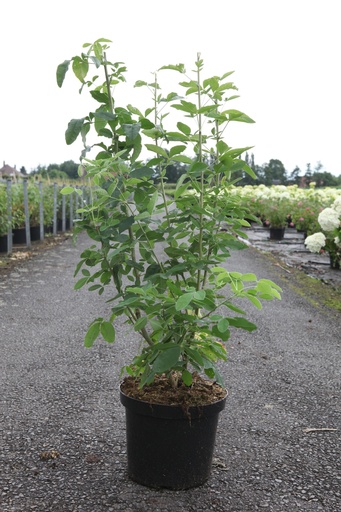
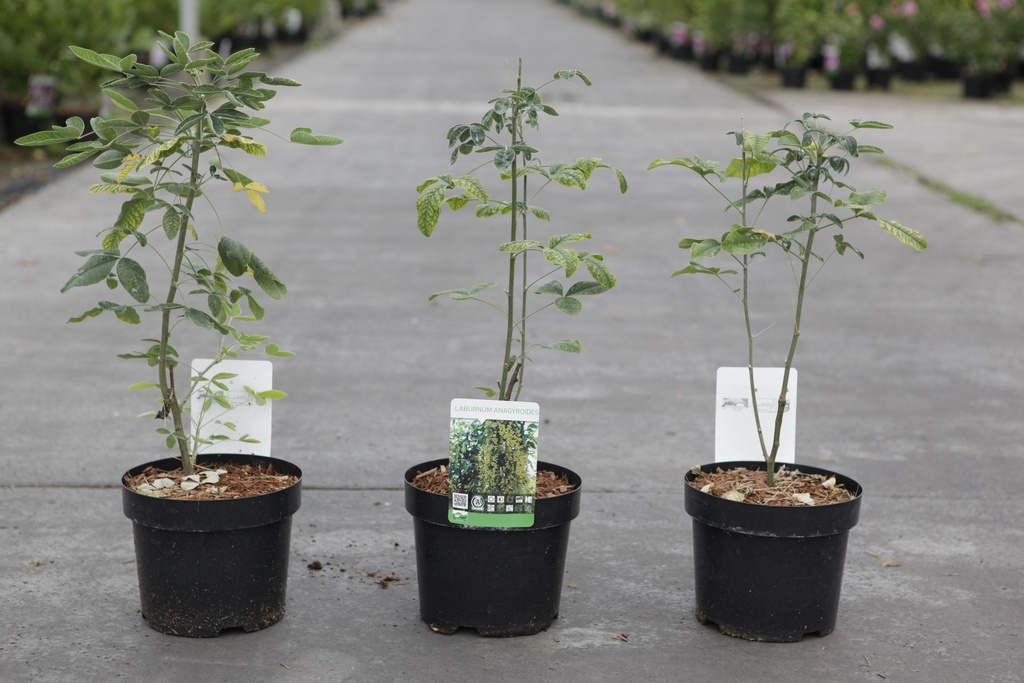
Laburnum anagyroides
Common laburnum grows wild in the mountains of central and southern Europe. It is the most vigorous species, becoming a small tree of up to about 8 m with a spreading crown. In May and June it carries hanging racemes of golden flowers, followed by flat brown pods.
Stanowisko i gleba
Give it a sunny spot in any well-drained soil, from sandy to chalky; it tolerates drought once established and thrives in towns. Avoid heavy, waterlogged ground and very windy positions. It is very hardy throughout Belgium.
Przycinanie i pielęgnacja
Water young trees in dry summers; established trees need no feeding thanks to their nitrogen-fixing roots. Pruning is limited to a light shaping and removal of dead wood and pods straight after flowering, in July or August.
Zastosowanie w ogrodzie
A good choice as a solitary or small street and park tree, or among other flowering shrubs in a free-growing hedge. It is valuable for bees in spring. All parts are poisonous, especially the seeds, so keep it away from places where children play.
Cechy rośliny
Dane botaniczne
| Rodzina | Fabaceae |
| Rodzaj | Laburnum |
| Gatunek | anagyroides |
Kwitnienie
| Okres kwitnienia | may – june |
| Kolor (kwiat) | yellow |
Liście
| Zimozielony | no |
| Kolor (liście) | green |
Pokrój
| Wysokość | 300 cm |
Stanowisko
| Mrozoodporność | strefa 5b (do -26,1 °C) |
| Upały letnie | do strefy upałów 8 |
| Rodzaj gleby | acid, neutral |
| Stanowisko | sun, half shade |
| Wilgotność gleby | normal |
Zastosowanie
| Typ (zastosowanie) | shrub, solitary, in group |
| Owoce/jagody | poisonous |
Pielęgnacja
| Cięcie | july – august |