

|
s
|
l
|
m
|
k
|
m
|
c
|
l
|
s
|
w
|
p
|
l
|
g
|
|
s
|
l
|
m
|
k
|
m
|
c
|
l
|
s
|
w
|
p
|
l
|
g
|
|
s
|
l
|
m
|
k
|
m
|
c
|
l
|
s
|
w
|
p
|
l
|
g
|
O tej roślinie
Co wyróżnia tę roślinę
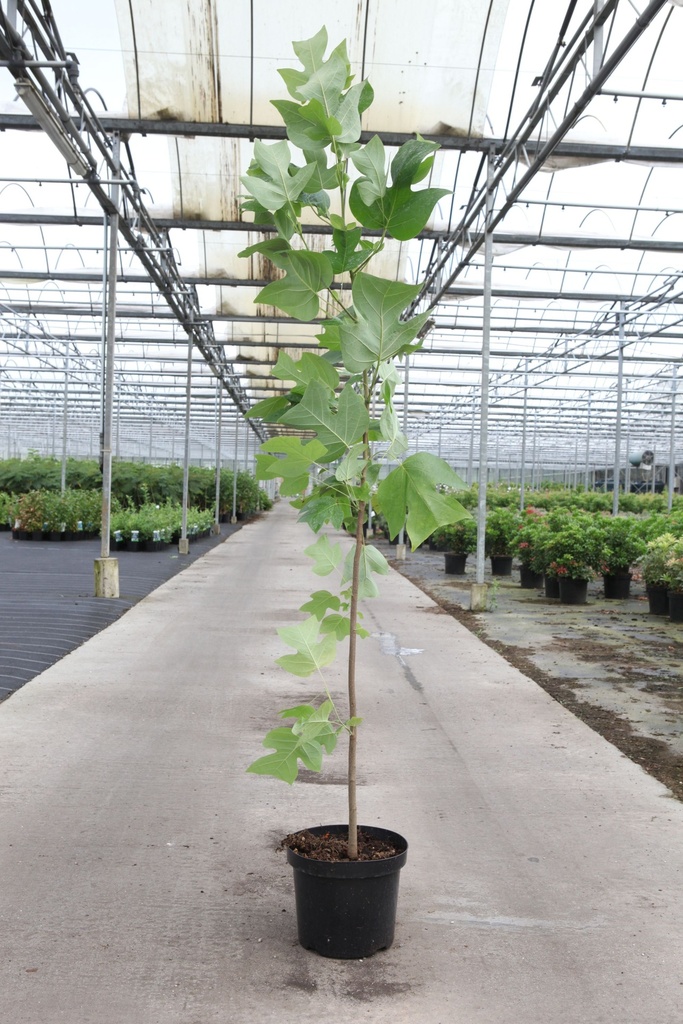
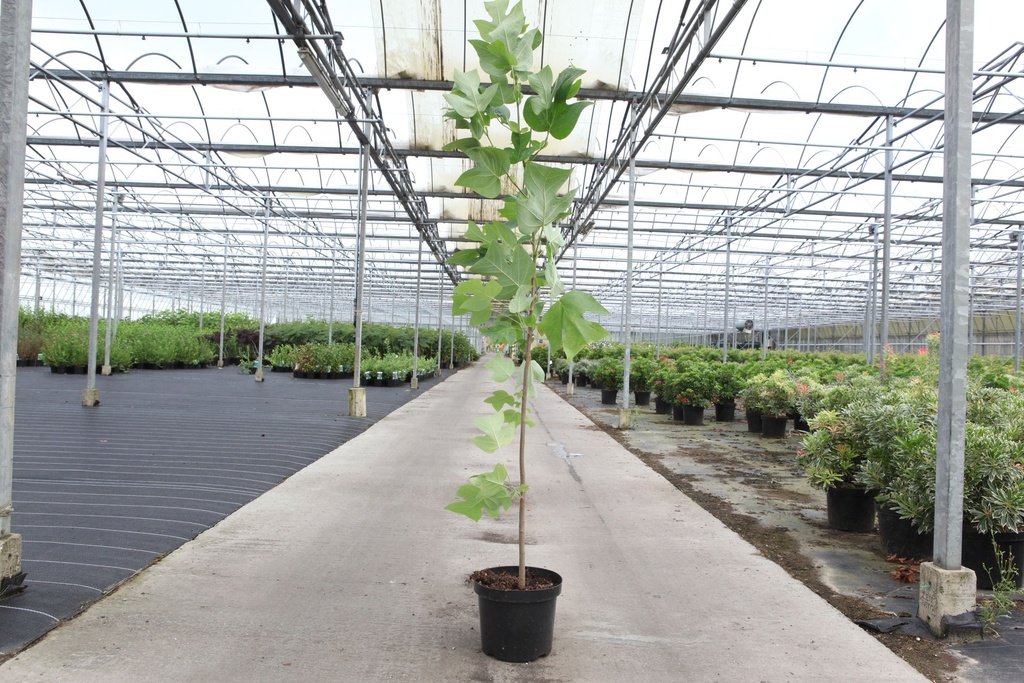
The tulip tree grows quickly and suits avenues and wide streets, as it tolerates paving, wind and brief flooding; its coarse branching gives it an open silhouette in winter. Bees seek out its lightly scented flowers, and in Europe it can live for up to 300 years. The deep, fleshy taproot calls for deep, loose soil.
Liriodendron
Tulip trees (Liriodendron) are large deciduous trees in the magnolia family, with only two species: one from the eastern United States and one from China and Vietnam. They are recognised by their unusual leaves, which look as if the tip has been cut off, and by cup-shaped, tulip-like flowers in early summer, followed by upright cone-like fruits.
Liriodendron tulipifera
The American tulip tree (Liriodendron tulipifera) comes from the central and eastern United States, where it grows along streams and on mountain slopes. In gardens it reaches about 15 to 25 m, with a straight trunk and a crown that is narrow at first and broadens with age. The four-lobed leaves turn yellow in autumn; from May to July it bears pale green flowers marked with orange inside, though only on trees of some age.
Stanowisko i gleba
Sun or partial shade, in a nutrient-rich, deep and moisture-retentive soil that drains in winter; it tolerates clay and somewhat chalky ground but prefers slightly acid soil. Short periods of flooding are tolerated, drought is not. Very hardy and fairly wind-resistant, though a sheltered spot keeps branches from breaking in storms.
Przycinanie i pielęgnacja
Fast-growing when young, slowing down later. Water generously during the first two summers and keep the soil mulched. Prune as little as possible: in February or March remove only dead, damaged or misplaced branches. Plant it where it can stay, since the taproot makes moving it risky.
Zastosowanie w ogrodzie
A long-lived specimen for large lawns, parks and the edge of water, and a reliable avenue tree for wide streets and business parks. The flowers are a valuable nectar source for bees and the tree hosts butterfly larvae. Its light, soft timber is used in joinery and instrument making.
Cechy rośliny
Dane botaniczne
| Rodzina | Magnoliaceae |
| Rodzaj | Liriodendron |
| Gatunek | tulipifera |
Kwitnienie
| Okres kwitnienia | june – july |
| Kolor (kwiat) | yellow, green |
Liście
| Zimozielony | no |
| Kolor (liście) | green |
Pokrój
| Wysokość | 500 cm, 1000 cm |
Stanowisko
| Mrozoodporność | strefa 5b (do -26,1 °C) |
| Upały letnie | do strefy upałów 9 |
| Rodzaj gleby | kalkrijk |
| Stanowisko | sun, half shade |
| Wilgotność gleby | moist, normal |
Zastosowanie
| Typ (zastosowanie) | shrub, tree/standard, solitary, in group |
Pielęgnacja
| Cięcie | february – march |