






|
s
|
l
|
m
|
k
|
m
|
c
|
l
|
s
|
w
|
p
|
l
|
g
|
|
s
|
l
|
m
|
k
|
m
|
c
|
l
|
s
|
w
|
p
|
l
|
g
|
|
s
|
l
|
m
|
k
|
m
|
c
|
l
|
s
|
w
|
p
|
l
|
g
|
O tej roślinie
Olea
Olive trees (Olea) are evergreen trees and shrubs from warm, dry regions of the Mediterranean, Africa, Asia and Australia, belonging to the same family as lilac. They are prized for their silvery-grey foliage, picturesque gnarled trunks and remarkable longevity, and have been cultivated since ancient times for their fruit and oil.
Olea europaea
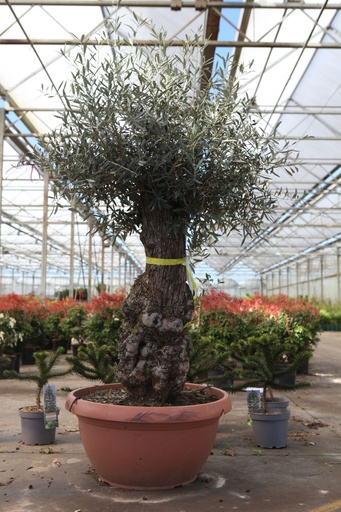
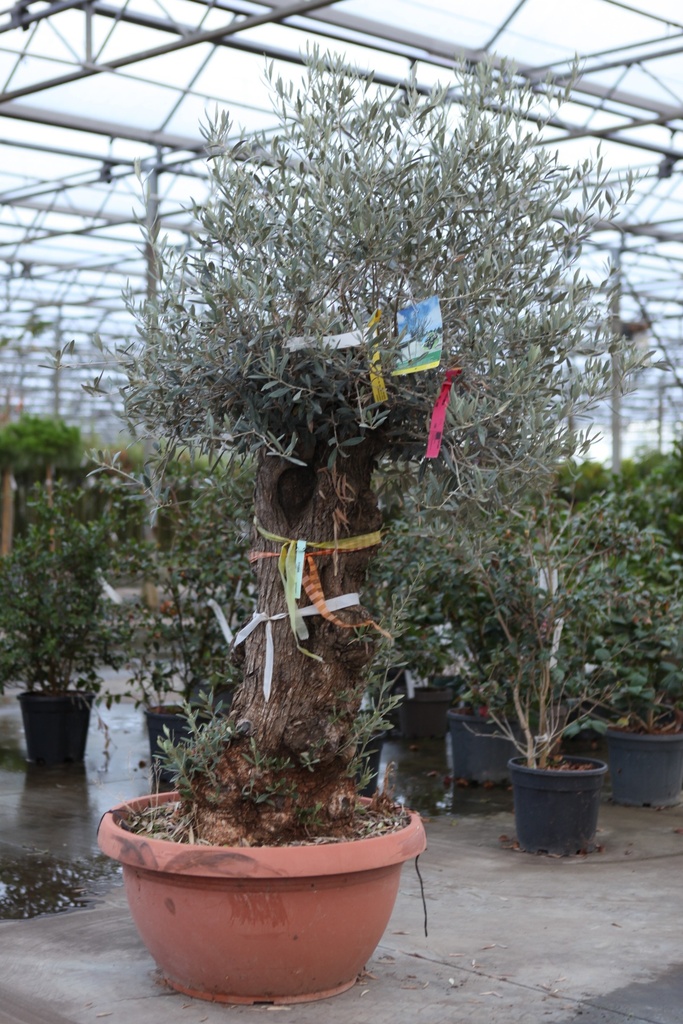
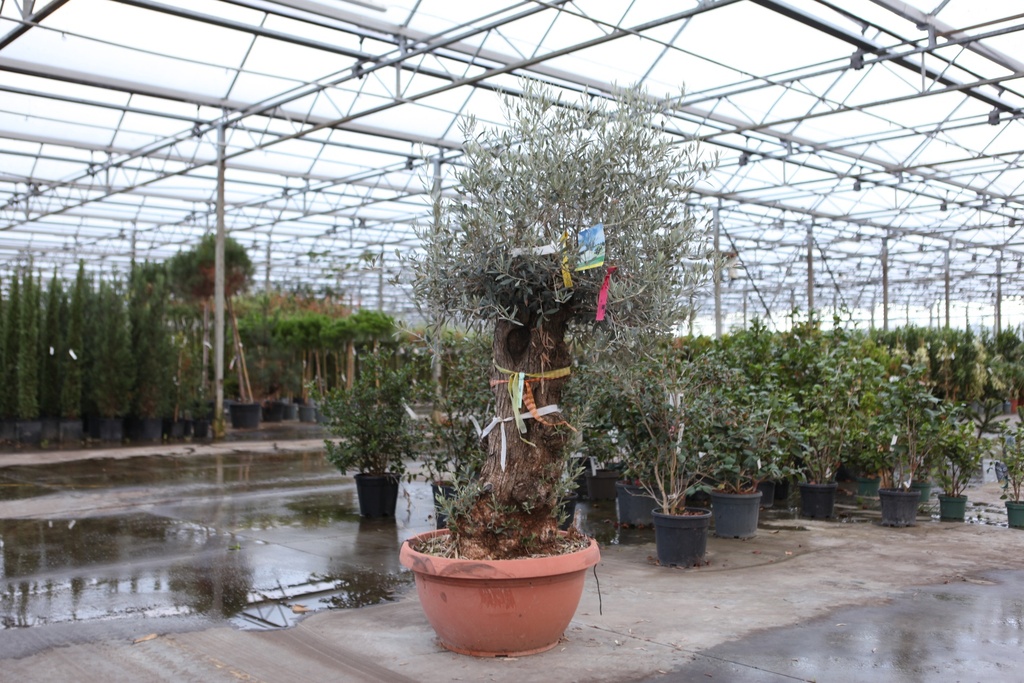
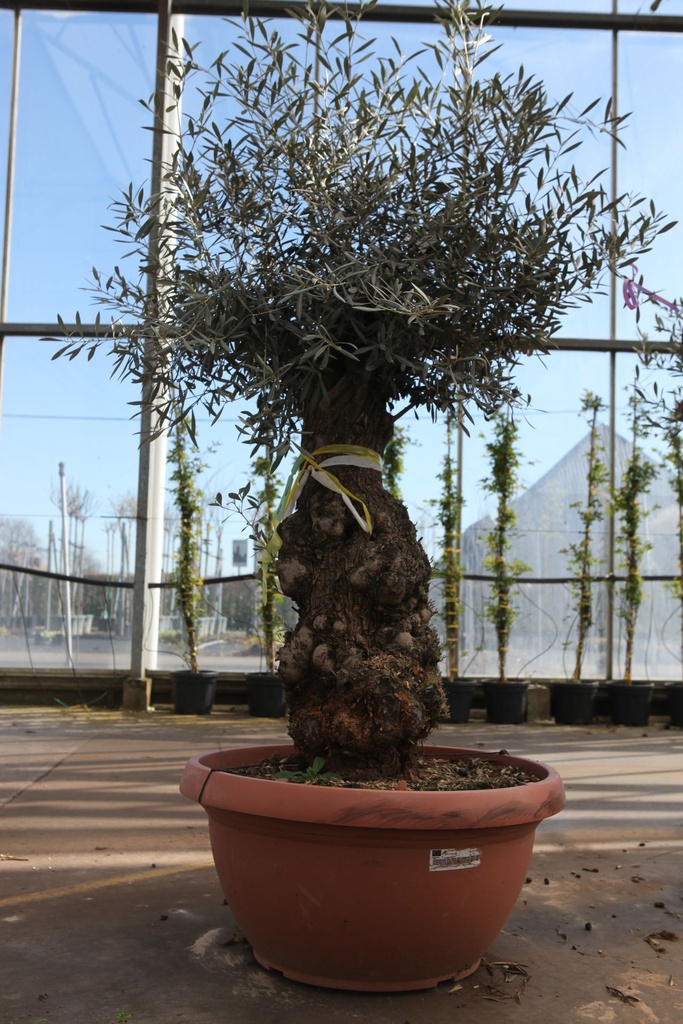
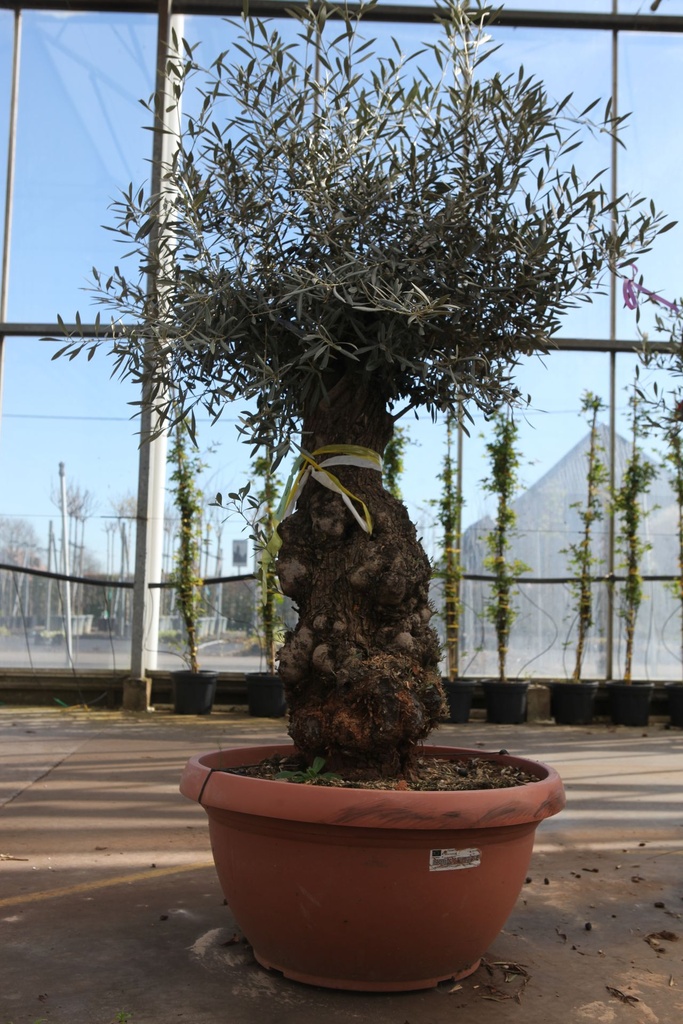
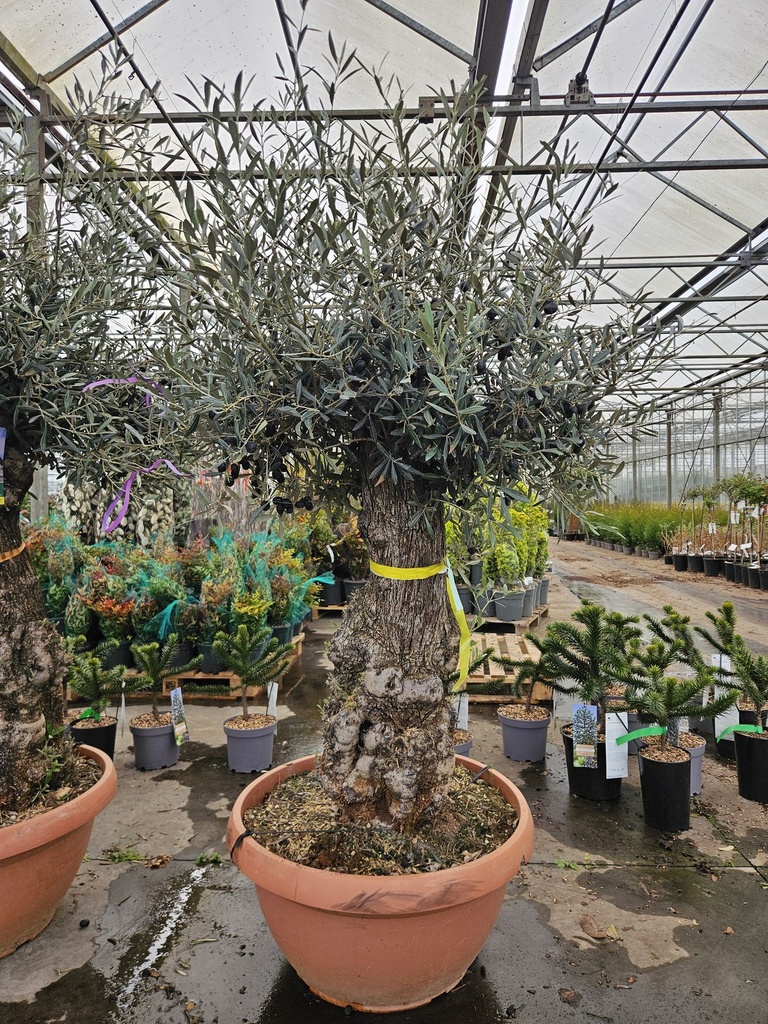
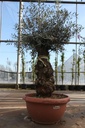
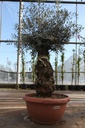
Few trees are as closely linked with the Mediterranean as the common olive. In cultivation it usually reaches 5 to 10 m, forming a broad, rounded crown of leathery leaves that are grey-green above and silvery beneath. Small, creamy-white, lightly scented flowers appear in late spring or early summer, followed in warm climates by green olives that ripen to black and are too bitter to eat raw.
Stanowisko i gleba
Plant in full sun, sheltered from cold winds, in deep, free-draining soil; chalky and stony soils are fine, standing water is not. Wind and salty sea air do it no harm. Established trees survive brief frosts of about -10 to -12 °C in well-drained soil, young trees less. In Belgium give it the warmest, most sheltered spot or grow it in a container.
Przycinanie i pielęgnacja
Water regularly for the first two years, then only during long dry spells, and avoid planting it in an irrigated lawn. Prune once a year from March to May, avoiding frosty spells and the flowering period, to shape the crown and remove suckers at the base. Pot-grown trees are repotted every two to three years and overwintered in a cool, bright, frost-free place.
Zastosowanie w ogrodzie
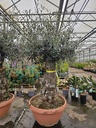
A striking specimen for Mediterranean, gravel and coastal gardens. In a large container it brings a southern touch to terraces, patios and roof gardens. Note that its pollen can trigger hay fever in sensitive people.
Cechy rośliny
Dane botaniczne
| Rodzina | Oleaceae |
| Rodzaj | Olea |
| Gatunek | europaea |
Kwitnienie
| Okres kwitnienia | may – june |
Liście
| Zimozielony | yes |
| Kolor (liście) | green |
Pokrój
| Wysokość | 150 cm, 200 cm |
Stanowisko
| Mrozoodporność | strefa 9a (do -6,7 °C) |
| Upały letnie | do strefy upałów 10 |
| Rodzaj gleby | kalkrijk |
| Stanowisko | sun, half shade |
| Wilgotność gleby | dry, normal |
Zastosowanie
| Typ (zastosowanie) | tree/standard, solitary, in group, terrace plant |
Pielęgnacja
| Cięcie | march – may |